750 AstraZeneca ELN dataset
查看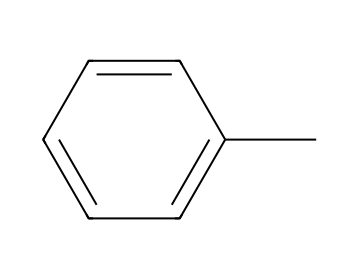
IDENTITY
COMPUTED
PROPERTIES
2.73
log Kow = 2.73
2.73
2.69
-2.21
Sweet, pungent, benzene-like odor
0.867 at 68 °F (USCG, 1999) - Less dense than water; will float
0.8623 g/cu cm at 20 °C
Relative density (water = 1): 0.87
0.87
0.8623 @25 °C
0.87
1.165 mPa-s at -25 °C; 0.778 mPa-s at 0 °C; 0.560 mPa-s at 25 °C; 0.424 mPa-s at 50 °C; 0.333 mPa-s at 75 °C; 0.270 mPa-s at 100 °C
0.68 mm²/s at 20 °C
Colorless liquid
less than 1 mg/mL at 64 °F (NTP, 1992)
526
In water, 526 mg/L at 25 °C
Miscible with alcohol, chloroform, ether, acetone, glacial acetic acid, carbon disulfide
Soluble in ethanol, benzene, diethyl ether, acetone, chloroform, glacial acetic acid and carbon disulfide
0.526 mg/mL at 25 °C
Noncorrosive liquid.
40 °F (NTP, 1992)
4.4 °C
4.0 °C (39.2 °F) - closed cup
4.4 dec C (closed cup)
40 °F (4 °C) (Closed cup)
4 °C c.c.
231.1 °F at 760 mmHg (NTP, 1992)
110.6
110.6 °C
110.00 to 111.00 °C. @ 760.00 mm Hg
111 °C
232 °F
Can react vigorously with oxidizing materials.
When heated to decomposition it emits acrid smoke and irritating fumes.
-139 °F (NTP, 1992)
-94.9
-94.9 °C
-95 °C
-95 °C
-139 °F
GHS
Danger
H225: Highly Flammable liquid and vapor [Danger Flammable liquids];H304: May be fatal if swallowed and enters airways [Danger Aspiration hazard];H315: Causes skin irritation [Warning Skin corrosion/irritation];H336: May cause drowsiness or dizziness [Warning Specific target organ toxicity, single exposure; Narcotic effects];H361d ***: Suspected of damaging the unborn child [Warning Reproductive toxicity];H373 **: May causes damage to organs through prolonged or repeated exposure [Warning Specific target organ toxicity, repeated exposure]
P203, P210, P233, P240, P241, P242, P243, P260, P261, P264, P271, P280, P301+P316, P302+P352, P303+P361+P353, P304+P340, P318, P319, P321, P331, P332+P317, P362+P364, P370+P378, P403+P233, P403+P235, P405, and P501 (click each P-code to see the statement)
This chemical does not meet GHS hazard criteria for < 0.1% (8 of 9036) of reports.
HAZARDS
Chemical: Benzene, methyl-
Hazard Traits - Cardiovascular Toxicity; Developmental Toxicity; Hepatotoxicity and Digestive System Toxicity; Immunotoxicity; Neurotoxicity; Respiratory Toxicity;Authoritative List - ATSDR Neurotoxicants; CA MCLs; CA TACs; CWA 303(c); CWA 303(d); IRIS Neurotoxicants; OEHHA RELs; Prop 65;Report - regardless of intended function of ingredient in the product
List II Chemical: A chemical, other than a List I chemical, specified by regulation that, in addition to legitimate uses, is used in manufacturing a controlled substance in violation of the Act. (21 eCFR 1310.02)
Benzene, methyl- is listed on the EPA's Chemical Data Reporting (CDR) system. Manufacturers and importers of Benzene, methyl- are required to report information about their production and use of this chemical to the EPA under the Toxic Substances Control Act (TSCA). (40 eCFR Part 711)
Status: Active Update: 02-05-2023 https://echa.europa.eu/registration-dossier/-/registered-dossier/15538;Status: Cease Manufacture Update: 15-04-2018 https://echa.europa.eu/registration-dossier/-/registered-dossier/24071
Restricted substance: Toluene;EC: 203-625-9;Restriction condition document: PDF link
IMAP assessments - Benzene, methyl-: Human health tier II assessment
Flammable Liquid
Behavior in Fire: Vapor is heavier than air and may travel a considerable distance to a source of ignition and flash back. (USCG, 1999)
· HIGHLY FLAMMABLE: Will be easily ignited by heat, sparks or flames.;· Vapors may form explosive mixtures with air.;· Vapors may travel to source of ignition and flash back.;· Most vapors are heavier than air. They will spread along the ground and collect in low or confined areas (sewers, basements, tanks, etc.).;· Vapor explosion hazard indoors, outdoors or in sewers.;· Those substances designated with a (P) may polymerize explosively when heated or involved in a fire.;· Runoff to sewer may create fire or explosion hazard.;· Containers may explode when heated.;· Many liquids will float on water.
Highly flammable. Vapour/air mixtures are explosive. Risk of fire and explosion on contact with strong oxidants.
Flammable liquid. A very dangerous fire hazard when exposed to heat, flame, or oxidizers.
Vapors irritate eyes and upper respiratory tract; cause dizziness, headache, anesthesia, respiratory arrest. Liquid irritates eyes and causes drying of skin. If aspirated, causes coughing, gagging, distress, and rapidly developing pulmonary edema. If ingested causes vomiting, griping, diarrhea, depressed respiration. (USCG, 1999)
· May cause toxic effects if inhaled or absorbed through skin.;· Inhalation or contact with material may irritate or burn skin and eyes.;· Fire will produce irritating, corrosive and/or toxic gases.;· Vapors may cause dizziness or asphyxiation, especially when in closed or confined areas.;· Runoff from fire control or dilution water may cause environmental contamination.
Toluene is a clear, colorless liquid with a distinctive smell. Toluene occurs naturally in crude oil and in the tolu tree. It is also produced in the process of making gasoline and other fuels from crude oil and making coke from coal. Toluene is used in making paints, paint thinners, fingernail polish, lacquers, adhesives, and rubber and in some printing and leather tanning processes.
Toluene is added to gasoline, used to produce benzene, and used as a solvent. Exposure to toluene may occur from breathing ambient or indoor air affected by such sources. The central nervous system (CNS) is the primary target organ for toluene toxicity in both humans and animals for acute (short-term) and chronic (long-term) exposures. CNS dysfunction and narcosis have been frequently observed in humans acutely exposed to elevated airborne levels of toluene; symptoms include fatigue, sleepiness, headaches, and nausea. CNS depression has been reported to occur in chronic abusers exposed to high levels of toluene. Chronic inhalation exposure of humans to toluene also causes irritation of the upper respiratory tract and eyes, sore throat, dizziness, and headache. Human studies have reported developmental effects, such as CNS dysfunction, attention deficits, and minor craniofacial and limb anomalies, in the children of pregnant women exposed to high levels of toluene or mixed solvents by inhalation. EPA has concluded that that there is inadequate information to assess the carcinogenic potential of toluene.
Chronic abuse from glue sniffing causes permanent cerebral and cerebellar dysfunction. Liver injury has been reported in glue sniffers. [ATSDR Case Studies: Toluene Toxicity] Toluene abuse may induce acute renal failure with rhabdomyolysis documented as the precipitating event in some cases. [Rosenstock, p. 577] Birth defects similar to the fetal alcohol syndrome occur when mothers abuse toluene during pregnancy. A study of women occupationally exposed to toluene showed an increased incidence of spontaneous abortions. [Frazier, p. 184-5] TLV Basis is impairment (CNS, visual, and hearing), female reproductive toxicity, and pregnancy loss. [ACGIH] The probability of cognitive deficits due to toluene exposure below a TLV of 50 ppm remains extremely low. [PMID 14598174]
1294 130
1294 130
Toluene is an indirect food additive for use only as a component of adhesives.
Hydrocarbons, Aromatic
UN Hazard Class: 3; UN Pack Group: II
Review: Benignus VA; Neurotoxicology (Park Forest South, IL) 2 (3): 567 (1981). Review on health effects of toluene, particularly with respect to its neurotoxic effects in humans and lab animals.
NIOSH; Criteria Document: Toluene (1973) DHEW Pub. NIOSH 73-11023
USEPA; Ambient Water Quality Doc: Toluene (1980) EPA 440/5-80-075
NAS/NRC; The Alkyl Benzenes 384 pp (1981)
For more Special Reports (Complete) data for TOLUENE (10 total), please visit the HSDB record page.
SAFETY
Excerpt from ERG Guide 130 [Flammable Liquids (Water-Immiscible / Noxious)]:;CAUTION: The majority of these products have a very low flash point. Use of water spray when fighting fire may be inefficient.;SMALL FIRE: Dry chemical, CO2, water spray or regular foam. If regular foam is ineffective or unavailable, use alcohol-resistant foam.;LARGE FIRE: Water spray, fog or regular foam. If regular foam is ineffective or unavailable, use alcohol-resistant foam. Avoid aiming straight or solid streams directly onto the product. If it can be done safely, move undamaged containers away from the area around the fire.;FIRE INVOLVING TANKS, RAIL TANK CARS OR HIGHWAY TANKS: Fight fire from maximum distance or use unmanned master stream devices or monitor nozzles. Cool containers with flooding quantities of water until well after fire is out. Withdraw immediately in case of rising sound from venting safety devices or discoloration of tank. ALWAYS stay away from tanks in direct contact with flames. For massive fire, use unmanned master stream devices or monitor nozzles; if this is impossible, withdraw from area and let fire burn. (ERG, 2024)
Use foam, powder, carbon dioxide, water spray. In case of fire: keep drums, etc., cool by spraying with water.
Fresh air, rest. Refer immediately for medical attention.
First rinse with plenty of water for at least 15 minutes, then remove contaminated clothes and rinse again. Rinse and then wash skin with water and soap. Refer for medical attention .
First rinse with plenty of water for several minutes (remove contact lenses if easily possible), then refer for medical attention.
Rinse mouth. Give nothing to drink. Do NOT induce vomiting. Refer immediately for medical attention.
· CALL 911. Then call emergency response telephone number on shipping paper. If shipping paper not available or no answer, refer to appropriate telephone number listed on the inside back cover.;· Keep unauthorized personnel away.;· Stay upwind, uphill and/or upstream.;· Ventilate closed spaces before entering, but only if properly trained and equipped.
· ELIMINATE all ignition sources (no smoking, flares, sparks or flames) from immediate area.;· All equipment used when handling the product must be grounded.;· Do not touch or walk through spilled material.;· Stop leak if you can do it without risk.;· Prevent entry into waterways, sewers, basements or confined areas.;· A vapor-suppressing foam may be used to reduce vapors.;· Absorb or cover with dry earth, sand or other non-combustible material and transfer to containers.;· Use clean, non-sparking tools to collect absorbed material.;Large Spill;· Dike far ahead of liquid spill for later disposal.;· Water spray may reduce vapor, but may not prevent ignition in closed spaces.
EYES: First check the victim for contact lenses and remove if present. Flush victim's eyes with water or normal saline solution for 20 to 30 minutes while simultaneously calling a hospital or poison control center. Do not put any ointments, oils, or medication in the victim's eyes without specific instructions from a physician. IMMEDIATELY transport the victim after flushing eyes to a hospital even if no symptoms (such as redness or irritation) develop.;SKIN: IMMEDIATELY flood affected skin with water while removing and isolating all contaminated clothing. Gently wash all affected skin areas thoroughly with soap and water. If symptoms such as redness or irritation develop, IMMEDIATELY call a physician and be prepared to transport the victim to a hospital for treatment.;INHALATION: IMMEDIATELY leave the contaminated area; take deep breaths of fresh air. If symptoms (such as wheezing, coughing, shortness of breath, or burning in the mouth, throat, or chest) develop, call a physician and be prepared to transport the victim to a hospital. Provide proper respiratory protection to rescuers entering an unknown atmosphere. Whenever possible, Self-Contained Breathing Apparatus (SCBA) should be used; if not available, use a level of protection greater than or equal to that advised under Protective Clothing.;INGESTION: DO NOT INDUCE VOMITING. If the victim is conscious and not convulsing, give 1 or 2 glasses of water to dilute the chemical and IMMEDIATELY call a hospital or poison control center. Be prepared to transport the victim to a hospital if advised by a physician. If the victim is convulsing or unconscious, do not give anything by mouth, ensure that the victim's airway is open and lay the victim on his/her side with the head lower than the body. DO NOT INDUCE VOMITING. IMMEDIATELY transport the victim to a hospital. (NTP, 1992)
General First Aid:;· Call 911 or emergency medical service.;· Ensure that medical personnel are aware of the material(s) involved, take precautions to protect themselves and avoid contamination.;· Move victim to fresh air if it can be done safely.;· Administer oxygen if breathing is difficult.;· If victim is not breathing:;-- DO NOT perform mouth-to-mouth resuscitation; the victim may have ingested or inhaled the substance.;-- If equipped and pulse detected, wash face and mouth, then give artificial respiration using a proper respiratory medical device (bag-valve mask, pocket mask equipped with a one-way valve or other device).;-- If no pulse detected or no respiratory medical device available, provide continuous compressions. Conduct a pulse check every two minutes or monitor for any signs of spontaneous respirations.;· Remove and isolate contaminated clothing and shoes.;· For minor skin contact, avoid spreading material on unaffected skin.;· In case of contact with substance, remove immediately by flushing skin or eyes with running water for at least 20 minutes.;· For severe burns, immediate medical attention is required.;· Effects of exposure (inhalation, ingestion, or skin contact) to substance may be delayed.;· Keep victim calm and warm.;· Keep victim under observation.;· For further assistance, contact your local Poison Control Center.;· Note: Basic Life Support (BLS) and Advanced Life Support (ALS) should be done by trained professionals.;Specific First Aid:;· Wash skin with soap and water.
(General first aid procedures);Eye: Irrigate immediately - If this chemical contacts the eyes, immediately wash (irrigate) the eyes with large amounts of water, occasionally lifting the lower and upper lids. Get medical attention immediately.;Skin: Soap wash promptly - If this chemical contacts the skin, promptly wash the contaminated skin with soap and water. If this chemical penetrates the clothing, promptly remove the clothing and wash the skin with soap and water. Get medical attention promptly.;Breathing: Respiratory support;Swallow: Medical attention immediately - If this chemical has been swallowed, get medical attention immediately.
Well closed. Fireproof. Separated from strong oxidants. Store in an area without drain or sewer access. Store only in original container.
Poisonous gases may be produced in fire.
Vapors are heavier than air and may travel to a source of ignition and flash back. Liquid floats on water and may travel to a source of ignition and spread fire.
Flame speed equals 37 cm/sec.
· Wear positive pressure self-contained breathing apparatus (SCBA).;· Structural firefighters' protective clothing provides thermal protection but only limited chemical protection.
Biological Exposure Indices (BEI) [ACGIH] - o-Cresol in urine = 0.3 mg/g creatinine (end of shift); Toluene in blood = 0.02 mg/L (prior to last shift of workweek); Toluene in urine = 0.03 mg/L (end of shift); [ACGIH]
5300.0 [ppm]
50.0 [ppm]
Suitable extinguishing media: Use water spray, alcohol-resistant foam, dry chemical or carbon dioxide.
Advice for firefighters: Wear self-contained breathing apparatus for firefighting if necessary.
Use water spray to cool unopened containers.
To fight fire, use foam, CO2, dry chemical.
For more Fire Fighting Procedures (Complete) data for TOLUENE (7 total), please visit the HSDB record page.
Keep container tightly closed in a dry and well-ventilated place. Containers which are opened must be carefully resealed and kept upright to prevent leakage. Handle and store under inert gas.
Store in a flammable liquid storage area or approved cabinet away from ignition sources and corrosive and reactive materials. ... Before entering confined space where this chemical may be present, check to make sure that an explosive concentration does not exist. Toluene must be stored to avoid contact with strong oxidizers (such as chlorine, bromine, and fluorine), since violent reactions occur. Protect storage containers from physical damage. Sources of ignition, such as smoking and open flames, are prohibited where toluene is used, handled, or stored in a manner that could create a potential fire or explosion hazard. Metal containers involving the transfer of 5 gallons or more of toluene should be grounded and bonded. Drums must be equipped with self-closing valves, pressure vacuum bungs, and flame arresters. Use only nonsparking tools and equipment, especially when opening and closing containers of toluene.
Outside or detached storage is preferred. Inside storage should be in a standard flammable liquids storage warehouse, room, or cabinet. Separate from oxidizing materials.
ACCIDENTAL RELEASE MEASURES: Personal precautions, protective equipment and emergency procedures: Use personal protective equipment. Avoid breathing vapors, mist or gas. Ensure adequate ventilation. Remove all sources of ignition. Evacuate personnel to safe areas. Beware of vapors accumulating to form explosive concentrations. Vapors can accumulate in low areas; Environmental precautions: Prevent further leakage or spillage if safe to do so. Do not let product enter drains. Discharge into the environment must be avoided; Methods and materials for containment and cleaning up: Contain spillage, and then collect with an electrically protected vacuum cleaner or by wet-brushing and place in container for disposal according to local regulations.
Evacuate and restrict persons not wearing protective equipment from area of spill or leak until cleanup is complete. Remove all ignition sources. Establish forced ventilation to keep levels below explosive limit. Absorb liquids in vermiculite, dry sand, earth, peat, carbon, or a similar material and deposit in sealed containers. Keep this chemical out of a confined space, such as a sewer, because of the possibility of an explosion, unless the sewer is designed to prevent the buildup of explosive concentrations. It may be necessary to contain and dispose of this chemical as a hazardous waste. If material or contaminated runoff enters waterways, notify downstream users of potentially contaminated waters.
Eliminate all ignition sources. Stop or control the leak, if this can be done without undue risk. Use water spray to cool and disperse vapors and protect personnel. Absorb in noncombustible material for proper disposal. Control runoff and isolate discharged material for proper disposal.
1. Remove all ignition sources. 2. Ventilate area of spill or leak. 3. For small quantities, absorb on paper towels. Evaporate in safe place (such as fume hood). Allow sufficient time for evaporating vapors to completely clear hood ductwork. Burn paper in suitable location away from combustible materials.
For more Cleanup Methods (Complete) data for TOLUENE (10 total), please visit the HSDB record page.
Excerpt from ERG Guide 130 [Flammable Liquids (Water-Immiscible / Noxious)]:;ELIMINATE all ignition sources (no smoking, flares, sparks or flames) from immediate area. All equipment used when handling the product must be grounded. Do not touch or walk through spilled material. Stop leak if you can do it without risk. Prevent entry into waterways, sewers, basements or confined areas. A vapor-suppressing foam may be used to reduce vapors. Absorb or cover with dry earth, sand or other non-combustible material and transfer to containers. Use clean, non-sparking tools to collect absorbed material.;LARGE SPILL: Dike far ahead of liquid spill for later disposal. Water spray may reduce vapor, but may not prevent ignition in closed spaces. (ERG, 2024)
Product: Burn in a chemical incinerator equipped with an afterburner and scrubber but exert extra care in igniting as this material is highly flammable. Offer surplus and non-recyclable solutions to a licensed disposal company. Contact a licensed professional waste disposal service to dispose of this material; Contaminated packaging: Dispose of as unused product.
Generators of waste (equal to or greater than 100 kg/mo) containing this contaminant, EPA hazardous waste numbers U220, and F005 must conform with USEPA regulations in storage, transportation, treatment and disposal of waste.
Toluene is a waste chemical stream constituent which may be subjected to ultimate disposal by controlled incineration.
A good candidate for liquid injection incineration at a temperature range of 650 to 1,600 °C and a residence time of 0.1 to 2 seconds. A good candidate for rotary kiln incineration at a temperature range of 820 to 1,600 °C and residence times of seconds for liquids and gases, and hours for solids. A good candidate for fluidized bed incineration at a temperature range of 450 to 980 °C and residence times of seconds for liquids and gases, and longer for solids.
For more Disposal Methods (Complete) data for TOLUENE (11 total), please visit the HSDB record page.
TOXICITY
CDC-ATSDR Toxicological Profile
Toluene was identified, not quantified, in 8 samples of mothers' milk from 4 urban areas(1). Toluene was detected in 250 of 250 specimens of human blood at concentrations of 0.2-38 ppb (1.5 ppb avg)(2). Toluene was detected in 91% of the samples of the National Human Adipose Tissue Survey at a maximum concentration of 250 ppb(3). Toluene was identified, not quantified, in expired breath of people at service stations during fueling(4). The mean concentration of toluene in the blood of non-occupationally exposed individuals in the US was 0.52 ppb(5). The average concentration of toluene in the blood and urine of workers in glass fiber and clutch lining plants were 911 ug/L and 2.9 mg/L, respectively(6). Toluene was detected in human blood samples collected from 292 adults aged 20-59 years old in the 1999-2000 NHANES study at a mean concentration of 0.442 ng/mL (range of 0.023-4.880 ng/mL)(7).
If the compound has been ingested, rapid gastric lavage should be performed using 5% sodium bicarbonate. For skin contact, the skin should be washed with soap and water. If the compound has entered the eyes, they should be washed with large quantities of isotonic saline or water. In serious cases, atropine and/or pralidoxime should be administered. Anti-cholinergic drugs work to counteract the effects of excess acetylcholine and reactivate AChE. Atropine can be used as an antidote in conjunction with pralidoxime or other pyridinium oximes (such as trimedoxime or obidoxime), though the use of '-oximes' has been found to be of no benefit, or possibly harmful, in at least two meta-analyses. Atropine is a muscarinic antagonist, and thus blocks the action of acetylcholine peripherally.
The exposure intensity during a shift and the metabolite levels in the shift-end urine were examined in male workers exposed to either benzene (65 subjects; the benzene group), toluene (35 subjects; the toluene group), or a mixture of both (55 subjects; the mixture group). In addition, 35 non-exposed male workers (the control group) were similarly examined for urinary metabolites to define background levels. A linear relationship was established between the intensity of solvent exposure and the corresponding urinary metabolite levels (i.e. phenol, catechol and quinol from benzene, and hippuric acid and o-cresol from toluene) in each case when one of the three exposed groups was combined with the control group for calculation. Comparison of regression lines in combination with regression analysis disclosed that urinary levels of phenol and quinol (but not catechol) were lower in the mixture group than in the benzene group when the intensities of exposure to benzene were comparable, indicating that the biotransformation of benzene to phenolic compounds (excluding catechol) in man is suppressed by co-exposure to toluene. Conversely, metabolism of toluene to hippuric acid was suppressed by benzene co-exposure. Conversion of toluene to o-cresol was also reduced by benzene, but to a lesser extent. The significance of the present findings on the mutual suppression of metabolism between benzene and toluene is discussed in relation to solvent toxicology and biological monitoring of exposure to the solvents.
As toluene is metabolized by CYPs, ADH, and ALDH, the chemical can interact with other xenobiotics metabolized by these enzymes. Concurrent exposure to solvents metabolized by the same CYP isoforms can result in competitive metabolic inhibition. /It has been observed/ that benzene and toluene suppressed one another's metabolism in humans. ... /A study/ found that toluene greatly reduced manifestations of peripheral neuropathy caused by n-hexane in rats. Although no interaction between toluene and xylenes were seen in humans inhaling low levels of each, simultaneous exposure to higher levels results in mutual metabolic suppression. Prior exposure to P450 inducers can result in increased rates of toluene metabolism/elimination and more rapid recovery from toluene-induced CNS depression. /Another study/ observed that high concentrations of inhaled toluene moderately induced four of the six P450 isoforms that metabolize it, but inhibited the other two in rat liver.
Voluntary inhalation of organic solvents, such as toluene, is particularly prevalent in adolescent populations and is considered to be a contributing factor to substance use and dependence later in life. While inhalants are often the initial "drug" experienced during this period, alcohol is another substance readily abused by adolescent populations. Although both substances are thought to have similar actions within the brain, our understanding of the implications of adolescent inhalant abuse upon subsequent exposure to alcohol remains to be investigated. Thus, this study aimed to assess locomotor responses to acute ethanol and voluntary ethanol consumption following a period of toluene inhalation throughout adolescence/early adulthood. Adolescent male Wistar rats (postnatal day [PN] 27) inhaled air or toluene (3000 ppm) for 1 hr/day, 3 days/week for 4 (PN 27-52) or 8 weeks (PN 27-80) to mimic the patterns observed in human inhalant abusers. Following the exposure period, cross-sensitization to acute ethanol challenge (0.5 g/kg, intra-peritoneally [i.p.]), and voluntary consumption of 20% ethanol in a chronic intermittent 2-bottle choice paradigm, were assessed. Hepatic ethanol and acetaldehyde metabolism and liver histopathology were also investigated. Chronic intermittent toluene (CIT) exposure throughout adolescence for up to 8 weeks did not alter the behavioral response to acute ethanol or voluntary consumption of ethanol in adulthood, although an age-dependent effect on ethanol consumption was observed (p<0.05). Both liver function and pathology did not differ between treatment groups. Thus, in the paradigm employed, CIT exposure throughout adolescence and early adulthood did not predispose rats to subsequent locomotor sensitivity or voluntary consumption of ethanol in adulthood.
Caffeic acid phenethyl ester (CAPE) has antioxidant and anti-inflammatory properties. The aim of this study is to examine the negative effects of toluene on kidney tissues and functions and to investigate the protective effects of CAPE against toluene-induced nephrotoxicity in rats. A total of 21 male Wistar rats were divided into three groups of equal number in each. The rats in group I were the controls. Toluene was intraperitoneally injected into the rats in group II with a dose of 500 mg/kg. Rats in group III received CAPE daily while exposed to toluene. After 14 days of experimental period, all rats were killed by decapitation. Enzymatic activities of superoxide dismutase (SOD), glutathione peroxidase (GSH-Px), and catalase (CAT) and malondialdehyde (MDA) levels were studied in the rat kidneys. Blood urea nitrogen (BUN) and serum creatinine levels were measured for renal function. The CAT and SOD enzyme activities and serum creatinine levels were significantly increased in rats treated with toluene when compared with the controls. But GSH-Px activity, MDA, and BUN levels showed statistically nonsignificant changes. However, increased CAT and SOD enzyme activities and decreased serum creatinine levels were detected in the rats that received CAPE while exposed to toluene. The GSH-Px activity and MDA and BUN levels in the same group did not show statistically significant changes. The results of our study demonstrated that toluene damages kidney tissue and is a nephrotoxic substance. CAPE was able to prevent the renal damage as antioxidant, antitoxic, and nephroprotective agent.
For more Interactions (Complete) data for TOLUENE (23 total), please visit the HSDB record page.
Cardiovascular (Heart and Blood Vessels), Developmental (effects while organs are developing), Immunological (Immune System), Neurological (Nervous System), Respiratory (From the Nose to the Lungs)
Nervous;Urinary
Eyes, skin, respiratory system, central nervous system, liver, kidneys
Acute exposure to cholinesterase inhibitors can cause a cholinergic crisis characterized by severe nausea/vomiting, salivation, sweating, bradycardia, hypotension, collapse, and convulsions. Increasing muscle weakness is a possibility and may result in death if respiratory muscles are involved. Accumulation of ACh at motor nerves causes overstimulation of nicotinic expression at the neuromuscular junction. When this occurs symptoms such as muscle weakness, fatigue, muscle cramps, fasciculation, and paralysis can be seen. When there is an accumulation of ACh at autonomic ganglia this causes overstimulation of nicotinic expression in the sympathetic system. Symptoms associated with this are hypertension, and hypoglycemia. Overstimulation of nicotinic acetylcholine receptors in the central nervous system, due to accumulation of ACh, results in anxiety, headache, convulsions, ataxia, depression of respiration and circulation, tremor, general weakness, and potentially coma. When there is expression of muscarinic overstimulation due to excess acetylcholine at muscarinic acetylcholine receptors symptoms of visual disturbances, tightness in chest, wheezing due to bronchoconstriction, increased bronchial secretions, increased salivation, lacrimation, sweating, peristalsis, and urination can occur. Certain reproductive effects in fertility, growth, and development for males and females have been linked specifically to organophosphate pesticide exposure. Most of the research on reproductive effects has been conducted on farmers working with pesticides and insecticdes in rural areas. In females menstrual cycle disturbances, longer pregnancies, spontaneous abortions, stillbirths, and some developmental effects in offspring have been linked to organophosphate pesticide exposure. Prenatal exposure has been linked to impaired fetal growth and development. Neurotoxic effects have also been linked to poisoning with OP pesticides causing four neurotoxic effects in humans: cholinergi
EC50; Species: Scenedesmus subspicatus (Green Algae) Exponential Growth Phase; Conditions: freshwater, static, 24 °C, pH 8.0-9.3; Concentration: 160000 ug/L for 48 hr; Effect: population, decreased biomass /formulation/
EC50; Species: Scenedesmus subspicatus (Green Algae) Exponential Growth Phase; Conditions: freshwater, static, 24 °C, pH 8.0-9.3; Concentration: 125000 ug/L for 48 hr; Effect: population changes, general /formulation/
EC50; Species: Pseudokirchneriella subcapitata (Green Algae) Exponential Growth Phase; Conditions: freshwater, static; Concentration: 9400 ug/L for 8 days; Effect: growth, general /formulation/
EC50; Species: Pseudokirchneriella subcapitata (Green Algae); Conditions: freshwater, static; Concentration: 12500 ug/L for 72 hr; Effect: growth, general
For more Ecotoxicity Values (Complete) data for TOLUENE (35 total), please visit the HSDB record page.
TERRESTRIAL FATE: Based on a classification scheme(1), Koc values of 37-178 measured in soil(2,3) indicate that toluene is expected to have high to moderate mobility in soil(SRC). Volatilization of toluene from moist soil surfaces is expected to be an important fate process(SRC) given a Henry's Law constant of 6.64X10⁻³ atm-cu m/mole(4). Toluene is expected to volatilize from dry soil surfaces(SRC) based upon a vapor pressure of 28.4 mm Hg at 25 °C(5). Complete biodegradation of toluene was observed in lab microcosm tests during a 40 hour incubation period using soils previously exposed to toluene(6). The biodegradation half-life in various soils was reported as several hours to 71 days(7). These tests suggest that biodegradation is an important environmental fate process in soil(SRC).
AQUATIC FATE: Based on a classification scheme(1), a Koc value of 166 measured in lake sediment(2) indicates that toluene is not expected to adsorb to suspended solids and sediment(SRC). Volatilization from water surfaces is expected(3) based upon a Henry's Law constant of 6.64X10⁻³ atm-cu m/mole(4). Using this Henry's Law constant and an estimation method(3), volatilization half-lives for a model river and model lake are 1 hour and 4 days, respectively(SRC). According to a classification scheme(5), BCF values of 13(6) and 90(7) measured in fish suggest the potential for bioconcentration in aquatic organisms is low to moderate(SRC). The half-life of toluene in aerobic and anaerobic water was reported as 4 and 56 days(8), respectively, suggesting that biodegradation is an important environmental fate process in water(SRC).
ATMOSPHERIC FATE: According to a model of gas/particle partitioning of semivolatile organic compounds in the atmosphere(1), toluene, which has a vapor pressure of 28.4 mm Hg at 25 °C(2), is expected to exist solely as a vapor in the ambient atmosphere. Vapor-phase toluene is degraded in the atmosphere by reaction with photochemically-produced hydroxyl radicals, nitrate radicals and ozone molecules(SRC). The half-life for the reaction with hydroxyl radicals is estimated to be 2 days(SRC), calculated from its rate constant of 5.93X10⁻¹² cu cm/molecule-sec at 25 °C(3). The half-life for the nighttime reaction with nitrate radicals is estimated as 491 days(SRC) calculated from its rate constant of 6.8X10⁻¹⁷ cu cm/molecule-sec at 25 °C(4). The half-life for the reaction with ozone is estimated as 27,950 days(SRC) calculated from its rate constant of 4.1X10⁻²² cu cm/molecule-sec at 25 °C(4). Toluene does not absorb light at wavelengths >290 nm(5) and, therefore, is not expected to be susceptible to direct photolysis by sunlight(SRC).
Toluene was identified, not quantified, in baked potatoes(1), mountain cheese(2), fried bacon(3), fried chicken(4), peanut oil(5) and raw beef(6).
Neurotoxin - Acute solvent syndrome;Occupational hepatotoxin - Secondary hepatotoxins: the potential for toxic effect in the occupational setting is based on cases of poisoning by human ingestion or animal experimentation.;Nephrotoxin - The chemical is potentially toxic to the kidneys in the occupational setting.;Reproductive Toxin - A chemical that is toxic to the reproductive system, including defects in the progeny and injury to male or female reproductive function. Reproductive toxicity includes developmental effects. See Guidelines for Reproductive Toxicity Risk Assessment.;ACGIH Carcinogen - Not Classifiable.
The substance can be absorbed into the body by inhalation, through the skin and by ingestion.
inhalation, skin absorption, ingestion, skin and/or eye contact
Oral (L174) ; inhalation (L174) ; dermal (L174)
Toluene was identified, not quantified, in 8 samples of mothers' milk from 4 urban areas(1).
REGULATORY
Chemical: Benzene, methyl-
Hazard Traits - Cardiovascular Toxicity; Developmental Toxicity; Hepatotoxicity and Digestive System Toxicity; Immunotoxicity; Neurotoxicity; Respiratory Toxicity;Authoritative List - ATSDR Neurotoxicants; CA MCLs; CA TACs; CWA 303(c); CWA 303(d); IRIS Neurotoxicants; OEHHA RELs; Prop 65;Report - regardless of intended function of ingredient in the product
List II Chemical: A chemical, other than a List I chemical, specified by regulation that, in addition to legitimate uses, is used in manufacturing a controlled substance in violation of the Act. (21 eCFR 1310.02)
Benzene, methyl- is listed on the EPA's Chemical Data Reporting (CDR) system. Manufacturers and importers of Benzene, methyl- are required to report information about their production and use of this chemical to the EPA under the Toxic Substances Control Act (TSCA). (40 eCFR Part 711)
Status: Active Update: 02-05-2023 https://echa.europa.eu/registration-dossier/-/registered-dossier/15538;Status: Cease Manufacture Update: 15-04-2018 https://echa.europa.eu/registration-dossier/-/registered-dossier/24071
Restricted substance: Toluene;EC: 203-625-9;Restriction condition document: PDF link
Toluene is an indirect food additive for use only as a component of adhesives.
U220; As stipulated in 40 CFR 261.33, when toluene, as a commercial chemical product or manufacturing chemical intermediate or an off-specification commercial chemical product or a manufacturing chemical intermediate, becomes a waste, it must be managed according to Federal and/or State hazardous waste regulations. Also defined as a hazardous waste is any residue, contaminated soil, water, or other debris resulting from the cleanup of a spill, into water or on dry land, of this waste. Generators of small quantities of this waste may qualify for partial exclusion from hazardous waste regulations (40 CFR 261.5).
F005; When toluene is a spent solvent, it is classified as a hazardous waste from a nonspecific source (F005), as stated in 40 CFR 261.31, and must be managed according to State and/or Federal hazardous waste regulations.
Pursuant to section 8(d) of TSCA, EPA promulgated a model Health and Safety Data Reporting Rule. The section 8(d) model rule requires manufacturers, importers, and processors of listed chemical substances and mixtures to submit to EPA copies and lists of unpublished health and safety studies. Toluene is included on this list. Effective date: 10/4/82; Sunset date: 10/4/92.
This action promulgates standards of performance for equipment leaks of Volatile Organic Compounds (VOC) in the Synthetic Organic Chemical Manufacturing Industry (SOCMI). The intended effect of these standards is to require all newly constructed, modified, and reconstructed SOCMI process units to use the best demonstrated system of continuous emission reduction for equipment leaks of VOC, considering costs, non air quality health and environmental impact and energy requirements. Toluene is produced, as an intermediate or a final product, by process units covered under this subpart.
Listed as a hazardous air pollutant (HAP) generally known or suspected to cause serious health problems. The Clean Air Act, as amended in 1990, directs EPA to set standards requiring major sources to sharply reduce routine emissions of toxic pollutants. EPA is required to establish and phase in specific performance based standards for all air emission sources that emit one or more of the listed pollutants. Toluene is included on this list.
Persons in charge of vessels or facilities are required to notify the National Response Center (NRC) immediately, when there is a release of this designated hazardous substance, in an amount equal to or greater than its reportable quantity of 1000 lb or 454 kg. The toll free number of the NRC is (800) 424-8802. The rule for determining when notification is required is stated in 40 CFR 302.4 (section IV.D.3.b).
Toxic pollutant designated pursuant to section 307(a)(1) of the Federal Water Pollution Control Act and is subject to effluent limitations.
Toluene is designated as a hazardous substance under section 311(b)(2)(A) of the Federal Water Pollution Control Act and further regulated by the Clean Water Act Amendments of 1977 and 1978. These regulations apply to discharges of this substance. This designation includes any isomers and hydrates, as well as any solutions and mixtures containing this substance.
Maximum contaminant levels (MCL) for organic contaminants apply to community and non-transient, non-community water systems: Chemical, MCL 1 mg/L.
(CA) CALIFORNIA 150 ug/L
(AZ) ARIZONA 2000 ug/L
(ME) MAINE 1400 ug/L
(MN) MINNESOTA 1000 ug/L
EPA 1000 ug/L
EPA 1000 ug/L
PHARMACOLOGY
The present study demonstrates reductions of dopamine (DA) turnover in various areas of the anterior nucleus caudate of rat by toluene at concentrations lower than the current OSHA threshold limit value (100 ppm). Thus, toluene at low concentrations may produce disturbances in dopaminergic mechanisms of the basal ganglia probably leading to functional changes in sensory-motor integration. The increases in DA turnover in the cholecystokinin (CCK)-DA terminals of the subcortical limbic system induced by high concentrations of toluene may be part of the neurochemical basis for its abuse as a euphoric agent in man.
Exposure to toluene causes both reversible and irreversible changes in the central nervous system. The effects of toluene inhalation on some specific enzymes and glutamate and GABA receptor binding in defined parts of the rat brain were studied following several exposure schemes. The activities of the transmitter synthesizing enzymes glutamic acid decarboxylase (GAD), choline acetyltransferase (ChAT) and aromatic amino-acid decarboxylase (AAD) were used as markers for permanent loss of neuronal activity. Catecholaminergic neurons showed a 50% reduction in the brain stem after 4 weeks exposure to 250 and 1000 ppm toluene. Following 500 ppm of toluene, 16 hr/day for 3 months, a general increase in the activities was seen. This is most probably due to a reduction in total protein content, to which the activities were related. The neurotransmitters glutamate and GABA had their specific receptor binding increased in most of the brain areas studied, but decreased in some areas. The glial enzyme, glutamine synthetase, has its activity increased in the cerebellar hemisphere following 4 weeks exposure to 1000 ppm. This suggests that glial cells in the area may have proliferated, a frequent phenomenon following CNS damage.
The effect on energetic metabolism of rat liver mitochondria (RLM) of styrene and other aliphatic benzene derivatives, i.e. toluene, ethylbenzene, alpha-methylstyrene and butylbenzene, is studied. It is shown that these compounds uncouple oxidative phosphorylation and this effect is connected with the stimulation of passive entry of protons into mitochondria. The relationship between hydrophobicity of these compounds and their biological activity and mechanism of uncoupling effect are discussed.
Blood: 0.5 hours (can range up to 90 hours depending upon fat deposition); for hippuric acid in urine: 1.5 hours; [TDR, p. 1145]
In mice, toluene is eliminated from alveolar air with a biologic half-life of 2.6 hours; elimination from blood and brain occurs with a half-life of 1 hour. In rats, the mean half-time for toluene uptake from air at 1000 to 3000 ppm was 34 minutes and the half-times for the rapid and slow elimination phases were 6 and 90 minutes, respectively. Alveolar and circulating toluene concentrations decrease as a direct function of respiratory and cardiac rates after exposure ceases. The elimination half-time for toluene from human tissue is 0.5 to 2.7 days after inhaling 70 ppm for 2 hours.
After exposure ceased, the elimination of toluene was followed up in 11 /rotogravure printers/. The toluene concentration in venous blood decreased non-linearly and the elimination curves contained at least three exponential components. The first two had median estimated half times of nine minutes and two hours respectively. The third component, with a median half time of 90 hours, reflected the decline in adipose tissue, which had a median half time of 79 hours (range 44-178).
0.083 days (Inhaled as environmental air)
Toluene is well metabolized, but a portion is exhaled unchanged. Hepatic P450s catalyze metabolism of toluene primarily to benzyl alcohol and lesser amounts of cresols. Benzyl alcohol is converted by ADH and aldehyde dehydrogenase (ALDH) to benzoic acid, which is primarily conjugated with glycine and eliminated in the urine as hippuric acid.
Toluene is metabolized to benzoic acid, followed by hepatic cytochrome P-450 catalyzed glycine conjugation to form hippuric acid. Approximately 75% to 80% of the absorbed toluene is metabolized to benzoic acid, and 62% to 72% is eliminated by humans in the urine as hippuric acid. As the amount of absorbed toluene is increased, the relative importance of the glucuronide conjugated increased. Relatively small amounts appear in urine as the o-cresol (0.12%-0.43%) and p-cresol where they occur as glucuronide and sulfate derivatives. Less than 2% of the absorbed toluene is eliminated in feces.
In rats, approx 0.5%-1.1% of the dose is converted to o-cresol and p-cresol and is excreted as glucuronide and sulfate conjugates.
In mammalian species, acidic metabolites are conjugated with glycine to form hippuric acid and phenylacetic acid. In humans, the phenylacetic acid metabolite is also conjugated with glutamine to form phenacetylglutamine.
Toluene has known human metabolites that include Benzyl alcohol, o-Cresol, and 4-Methylphenol.
Inhalation and ingestion are the primary routes of exposure, though toluene may also be absorbed through the skin. It accumulates rapidly in the brain and is subsequently deposited in other tissues according to their lipid content, with the highest levels attained in adipose tissue. The primary initial steps in toluene metabolism is side-chain hydroxylation catalyzed predominately by the cytochrome P450 isozyme CYP2E1, followed by oxidation to benzoic acid. Most of the benzoic acid is then conjugated with glycine to form hippuric acid, but a small portion can be conjugated with UDP-glucuronate to form the acyl-glucuronide. A very small portion of absorbed toluene can be converted by CYP1A2, CYP2B2, or CYP2E1 to ortho- or para-cresol. These metabolites are excreted in the urine, and the remaining toluene is exhaled unchanged. (T10, L174)
Liquids that dissolve other substances (solutes), generally solids, without any change in chemical composition, as, water containing sugar. (Grant & Hackh's Chemical Dictionary, 5th ed)
In a group of 37 rotogravure printers a close correlation (rs = 0.78) was found between the time weighted toluene exposure during a five day working week (range 8-416 mg/cu m, median 75) and the concentration of toluene in subcutaneous adipose tissue (range 1.1-20.7 mg/kg, median 3.8). After exposure ceased, the elimination of toluene was followed up in 11 subjects. The toluene concentration in venous blood decreased non-linearly and the elimination curves contained at least three exponential components. The first two had median estimated half times of nine minutes and two hours respectively. The third component, with a median half time of 90 hours, reflected the decline in adipose tissue, which had a median half time of 79 hours (range 44-178). The study showed protracted endogenous toluene exposure from adipose tissue depots long after the end of exogenous exposure. The observations also suggest that the blood toluene concentrations on Monday mornings might be used as an index of the exposure in the previous week.
Studies quantifying oral absorption of toluene are limited but have demonstrated nearly 100% absorption following a single oral exposure. In volunteers exposed to an infusion of 2 mg toluene/minute for 3 hours (~5 mg/kg) via a gastric tube, absorption of toluene, measured by monitoring exhaled air for toluene and urine for toluene metabolites, was found to be complete. /Another study/ reported that greater than 99% of a single gavage dose of radiolabeled toluene in rats was eliminated in the urine or expired air, indicating near-total absorption of the exposure dose.
Toluene is absorbed through human skin slowly, with absorption rates ranging from 14 to 23 mg/sq cm-hour.
Studies in both humans and animals have shown that the majority of toluene in the body is eliminated in the urine, mainly as metabolites.
For more Absorption, Distribution and Excretion (Complete) data for TOLUENE (28 total), please visit the HSDB record page.
Membrane
USES
CIR ingredient: Toluene
The major use of toluene is as a mixture added to gasoline to improve octane ratings. Toluene is also used to produce benzene and as a solvent in paints, coatings, synthetic fragrances, adhesives, inks, and cleaning agents.
Derived from petroleum, toluene is used as a solvent and chemical intermediate. Purified toluene contains about 0.01% benzene, but crude toluene may contain as much as 25% benzene. Rotogravure printers were exposed to high concentrations of toluene (decreasing from about 1710 ppm in 1969 to about 43-157 ppm in 1980). [ACGIH] Used in photography (color retouching); [www.ci.tucson.az.us/arthazards/medium.html]
Semiconductor Manufacturing [Category: Industry];Painting (Solvents) [Category: Paint];Working with Glues and Adhesives [Category: Other];Leather Tanning and Processing [Category: Industry];Photographic Processing [Category: Other];Silk-Screen Printing [Category: Other]
Painting [Category: Hobbies];Woodworking [Category: Hobbies];Preparing and mounting animal skins (taxidermy) [Category: Hobbies]
For toluene (USEPA/OPP Pesticide Code: 080601) there are 0 labels match. /SRP: Not registered for current use in the U.S., but approved pesticide uses may change periodically and so federal, state and local authorities must be consulted for currently approved uses./
... Commercial grades /of toluene/ usually contain small amounts of benzene as an impurity.
Technical grades (90-120 °C boiling range) are less pure and may contain up to 25% benzene as well as other hydrocarbons.
Commercial grades /of toluene/ can ... contain polynuclear aromatic hydrocarbons (PAHs), including pyrene, fluoranthrene, and benzo[ghi]perylene.
(1978) 3.65X10+11 g
(1983) 1.15X10+11 g
(1985) 2.82X10+7 gal
(1978) 1.92X10+11 g
(1983) 2.73X10+11 g
(1985) 1.57X10+8 gal
2023: 10,000,000,000 - <15,000,000,000 lb;2022: 10,000,000,000 - <15,000,000,000 lb;2021: 10,000,000,000 - <15,000,000,000 lb;2020: 10,000,000,000 - <15,000,000,000 lb
(1981) 4.68X10+12 g (all uses, 93% chem grade)
(1977) 1.50X10+12 g
(1982) 1.54X10+12 g
(1985) 2.30X10+12 g
For more U.S. Production (Complete) data for TOLUENE (10 total), please visit the HSDB record page.
Chem int for benzene, 55.3%; solvent, 25.7%; chem int for toluene diisocyanate, 7.3%; chem int for benzoic acid, 2.5%; chem int for benzyl chloride, 1.5%; other, 7.7% (1981 non-gasoline use)
Benzene, 46%; gasoline blending, 37%; solvent, 8%; toluene diisocyanate, 7%; miscellaneous chemicals, 2% (1985) /estimate/
In the USA in 1981, the use of toluene as a solvent was second only to its use in benzene production via hydrodemethylation and accounted for about 26% of nonfuel consumption.
Of the estimated 3.3 million tons of toluene produced in the USA in 1980, 44% was used to make benzene, 34% to make gasoline, 10% in solvents, 6% to make toluene diisocyanate, and 6% for miscellaneous use.
Adhesion/cohesion promoter;Intermediate;Sealant (barrier);Catalyst;Corrosion inhibitor;Not Known or Reasonably Ascertainable;Plasticizer;Fuel agents;Fuel;Fuels and fuel additives;Monomers;Other;Lubricating agent;Solvent;Dispersing agent
Not Known or Reasonably Ascertainable;Diluent;Waterproofing agent;Catalyst;Reducing agent;Sealant (barrier);Plasticizer;Laboratory chemicals;Anti-scaling agent;Intermediate;Processing aids, specific to petroleum production;Pigment;Adhesion/cohesion promoter;Lubricating agent;CBI;Other;Binder;Dispersing agent;Solvent;Fuel
Toluene
Toluol; Methylbenzol; Methylbenzene
IFRA_STD_182.pdf
38
IFRA 51st Amendment - Guidance for the use of IFRA Standards
Prohibition: This material should not be used as a fragrance ingredient_Specification: This material should be used only if it meets the criteria stated in the Standard
It is possible to synthesize toluene industrially by alkylation of benzene with methanol, and by cyclization of n-heptane with subsequent aromatization. However, for economic reasons toluene is extracted from ... reformates from crude petroleum distillates; liquid products from the pyrolysis of hydrocarbons (steam cracking) /and/ liquid products from the gasification or coking (pyrolysis) of coal, lignite, etc. ... An important aspect of the extraction of toluene is the fact that the pyrolysis products (from steam cracking, coking, etc.) must be hydrogenated before pure toluene can be extracted. The unsaturated components are converted to saturated ones and the heteroatoms such as sulfur, nitrogen, and oxygen are removed. In the case of reformates such pretreatment is usually unnecessary. For the separation of toluene from other components within the same boiling range several methods are available, depending on quality requirements. Fine fractionation is now suitable only for the production of toluene with lower purity, and involves significant losses in fores and tails. Azeotropic distillation uses entrainers, such as methanol, to separate toluene from nonaromatics; a nonaromatics - methanol fraction with a lower bp than the methanol - toluene azeotrope distills at the column head, while pure toluene is removed from its base. Methanol is recovered from the distillate by washing with water. For economic reasons, extractive distillation is now used only for the separation of toluene from nonaromatics. Technical grade solvents with higher bp than toluene have proved to be suitable extraction agents, e.g., N-methylpyrrolidone (Distapex process, Lurgi Ol-Gas-Chemie), and morpholine (Morphylane process, Krupp-Koppers). Extractive distillation essentially involves two distillation columns between which the extraction agent is circulated. The toluene-containing material is charged to the extraction column; the extraction agent is charged to the column head. The extraction
Unrecovered component of gasoline
Catalytic reforming of petroleum steams accounts for 87% of total toluene production. An additional 9% is separated from pyrolysis gasoline produced in steam crackers during manufacture of ethylene and propylene ... coal-tar separation from coke ovens produces 1% of total toluene ... up to 2% of the toluene produced is obtained as a by-product from styrene manufacture.
(1) By catalytic reforming of petroleum. (2) By fractional distillation of coal tar light oil.
Grades: Research 99.99%; Pure 99.98%
Grades: 1st degree nitration; 2nd degree commercial; 90% solvent
Grade: (Usually defined in terms of boiling ranges) Pure, commercial, straw-colored, nitration, scintillation, industrial.
Cosmetics product ingredient: Toluene;Source: Toluene occurs naturally in crude oil. It can also be manufactured in the process of making gasoline. Toluene is one of the thinners used in nail polish, fingernail glue, and other nail products. It helps to maintain uniform color in the product and to form a smooth finish across the nail.;Potential health impacts: People are mainly exposed to toluene by inhalation. Studies of people who have inhaled toluene have shown neurological (nervous system) impacts such as dizziness, sensory confusion, appetite loss, tremors, hearing loss, and slurred speech. Studies of women exposed to toluene at work have reported negative reproductive effects, including spontaneous abortion, reduced fertility, premature delivery, and menstrual disturbance. Studies of rats that inhaled toluene found signs of lung irritation and increases in liver and kidney weights, as well as reduced sperm count in male rats. California Proposition 65 lists toluene as a reproductive toxin.;Product count: 150
Information on 642 consumer products that contain Toluene in the following categories is provided:;• Auto Products;• Commercial / Institutional;• Hobby/Craft;• Home Maintenance;• Inside the Home;• Landscaping/Yard;• Pesticides;• Pet Care
ALIASES
REACTIONS