HomeMCPWorkbenchSkills
HomeWorkbenchNotificationsMe
llms.txt · MCP GuidePrivacy Policy · Terms of Service · Supportv1.8.3
  1. Home
  2. /Compound

2-Methyl-3-nitroaniline

HCID 11783
New reaction
Print
Basic informationOverviewNames & identifiersPropertiesSafety & regulationChemistry & industryRelated reactionsCompound notes
Substructure searchFind similar structures

Basic information

CAS
603-83-8
Standard SMILES
Cc1c(N)cccc1[N+](=O)[O-]
InChIKey
HFCFJYRLBAANKN-UHFFFAOYSA-N
Molecular formula
C7H8N2O2
Average molar mass
152.15 g/mol
Monoisotopic mass
152.0585775

Overview

2-methyl-3-nitroaniline appears as yellow rhombic needles (from water) or bright yellow powder. (NTP, 1992)

Names & identifiers

Preferred name
2-Methyl-3-nitroaniline
IUPAC
2-methyl-3-nitroaniline
English name
2-Methyl-3-nitroaniline
Molecular formula
C7H8N2O2
Molecular weight
152.15

Names & synonyms

2-Methyl-3-nitroaniline603-83-82-Amino-6-nitrotoluene3-NITRO-O-TOLUIDINEBenzenamine, 2-methyl-3-nitro-o-Toluidine, 3-nitro-2-methyl-3-nitrobenzenamine1-Amino-2-methyl-3-nitrobenzeneDTXSID8025628D3JC433CEB6-nitro-2-aminotoluene6-Amino-2-nitrotoluene
Show more names
-3-nitroaniL3-nitro-o-toluidinMethyl-3-nitroanilLABOTEST-BB LTBB0006222-Methy-3-nitroaniline2-NITRO-6-AMINOTOLUENE
NSC-227939DTXCID505628NSC-25011RefChem:475379210-059-62-methyl-3-nitro-anilineMFCD000077312-methyl-3-nitro-phenylamine

Database identifiers

CAS
603-83-8
PubChem CID
11783
DTXSID
DTXSID8025628
ChEMBL
CHEMBL1882292
UNII
D3JC433CEB
EC Number
210-059-6
Nikkaji
J85.099C

Properties

Computed structural properties

XLogP
1.8
Topological polar surface area
71.8 Ų
Hydrogen bond donors
1
Hydrogen bond acceptors
3
Rotatable bonds
0
Heavy atoms
11
Formal charge
0
Complexity
155

Experimental & physicochemical properties

Solubilityless than 1 mg/mL at 73 °F (NTP, 1992)
Boiling Point581 °F at 760 mmHg (decomposes) (NTP, 1992)
Melting Point198 °F (NTP, 1992)
Physical Description2-methyl-3-nitroaniline appears as yellow rhombic needles (from water) or bright yellow powder. (NTP, 1992)

Physicochemical properties

Melting point
88 · 88-90 °C (lit.)
Boiling point
305 °C · 305 °C (lit.)
Density
1.378 · 1.378
refractive index
1.6394 · 1.6394 (estimate)
Flash point
305 °C · 305°C
storage temp.
30 °C · Store below +30°C.
solubility
1 mg/l · <1mg/l
form
Crystalline Powder

Safety & regulation

Safety information is for reference only and does not replace the supplier’s Safety Data Sheet (SDS), applicable regulations, or professional assessment.

GHS classification

GHS Classification · 4 items

Danger

H301 (100%): Toxic if swallowed [Danger Acute toxicity, oral]

P260, P261, P262, P264, P270, P271, P273, P280, P301+P316, P302+P352, P304+P340, P316, P319, P321, P330, P361+P364, P391, P403+P233, P405, and P501 (click each P-code to see the statement)

Aggregated GHS information provided per 48 reports by companies from 6 notifications to the ECHA C&L Inventory. Each notification may be associated with multiple companies.

Hazard information

Regulatory Information · 2 items

Chemical: Benzenamine, 2-methyl-3-nitro-

2-Methyl-3-nitroaniline: Does not have an individual approval but may be used under an appropriate group standard

DOT LabelPoison
Fire HazardsFlash point data for this chemical are not available; however, it is probably combustible. (NTP, 1992)
Health HazardsSYMPTOMS: Symptoms of exposure to this compound include skin and eye irritation.
Reactive GroupNitro, Nitroso, Nitrate, and Nitrite Compounds, Organic
Reactivity Profile2-METHYL-3-NITROANILINE is incompatible with acids, acid chlorides, acid anhydrides, chloroformates and strong oxidizers. (NTP, 1992)
Air and Water ReactionsThis chemical may be sensitive to prolonged exposure to air. Insoluble in water.
Hazard Classes and Categories

Chemistry & industry

Applications

Uses2-Amino-6-nitrotoluene (2-Methyl-3-nitroaniline) has been used as a standard while evaluating the potential for degradation of nitroaromatic compounds by indigenous microorganisms.

General DescriptionYellow rhombic needles (from water) or bright yellow powder.

Upstream & downstream products

Upstream raw materials

Benzenesulfonyl chloride

Downstream products

1H-Indazol-4-amine4-Hydroxyindazole4-Nitro-1H-indazole2-Fluoro-6-nitrobenzoic acid2-Amino-6-iodotoluene2-Methyl-4-nitroindole1-broMo-2-(broMoMethyl)-3-nitrobenzene1-(Benzyloxy)-2-methyl-3-nitrobenzene4-(4,4,5,5-Tetramethyl-[1,3,2]dioxaborolan-2-yl)-1H-indazole4-Fluoro (1H)indazole4-Bromo-2-methyl-3-nitroaniline5-(2-Methyl-3-nitrophenyl)-2-furaldehyde

Related reactions

112 records
New reaction record
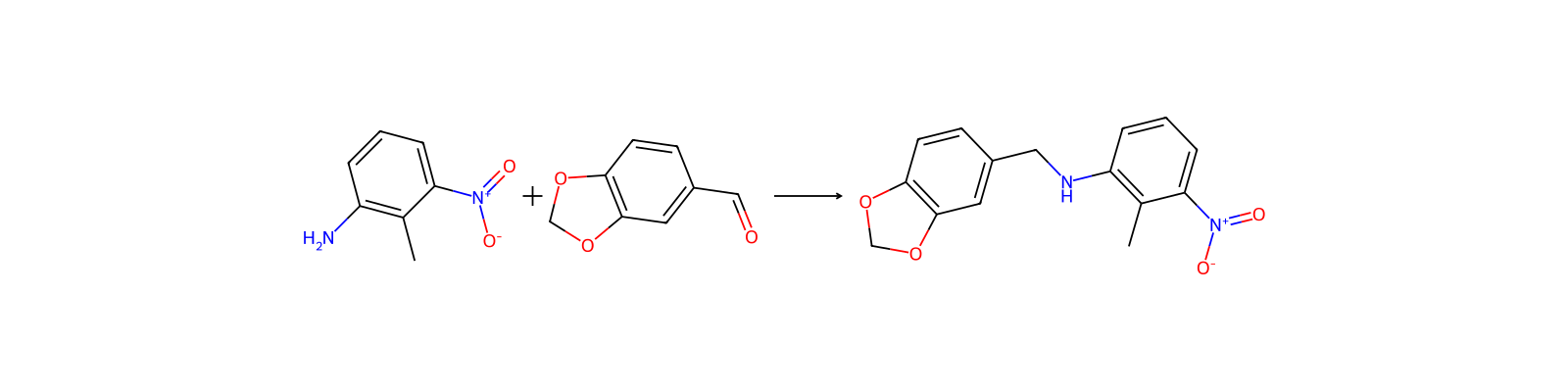
HRID 108382 reaction equation
HRID 108382As reactant
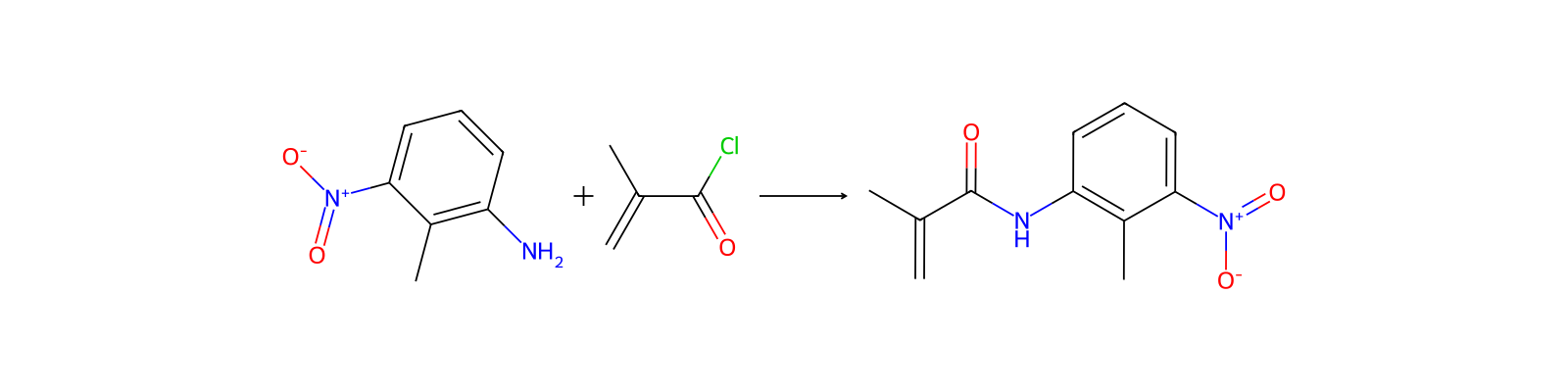
HRID 124387 reaction equation
HRID 124387As reactant
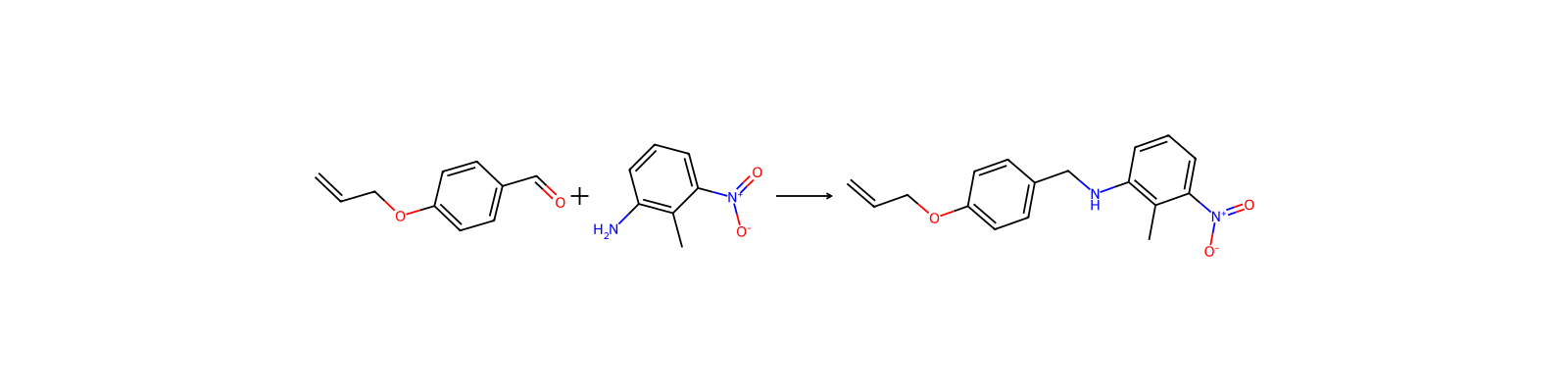
HRID 132171 reaction equation
HRID 132171As reactant
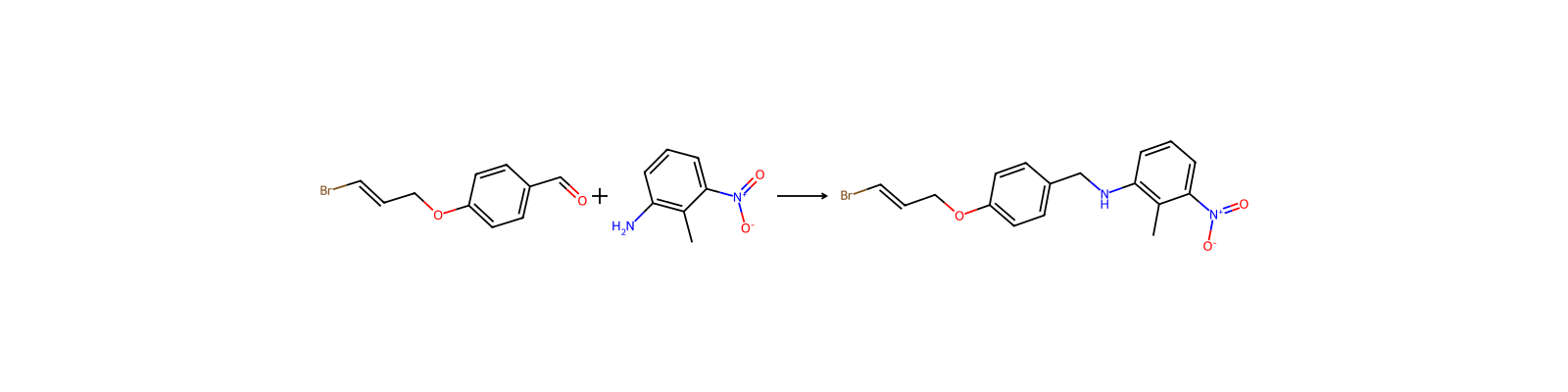
HRID 132305 reaction equation
HRID 132305As reactant
HRID 132408 reaction equation
HRID 132408As reactant
HRID 133751 reaction equation
HRID 133751As reactant
HRID 147607 reaction equation
HRID 147607As reactant
HRID 148919 reaction equation
HRID 148919As reactant
PreviousPage 1 of 14

Compound notes

On this pageBasic informationOverviewNames & identifiersPropertiesSafety & regulationChemistry & industryRelated reactionsCompound notes
pka
2.31 · 2.31±0.10(Predicted)
color
Yellow to greenish-yellow
Water Solubility
0.1 g/100 · <0.1 g/100 mL at 23 ºC
BRN
388393 · 388393
InChI
1S/C7H8N2O2/c1-5-6(8)3-2-4-7(5)9(10)11/h2-4H,8H2,1H3
InChIKey
HFCFJYRLBAANKN-UHFFFAOYSA-N
SMILES
Cc1c(N)cccc1[N+]([O-])=O
CAS DataBase Reference
603 · 603-83-8(CAS DataBase Reference)
EWG's Food Scores
1 · 1
FDA UNII
3 JC433CEB · D3JC433CEB
NIST Chemistry Reference
2 · 2-Methyl-3-nitroaniline(603-83-8)
EPA Substance Registry System
2 · 2-Methyl-3-nitroaniline (603-83-8)
UNSPSC Code
12352100 · 12352100
NACRES
22 · NA.22
Symbol(GHS)
6 · GHS06,GHS08,GHS09
Signal word
Danger
Hazard statements
301 · H301+H311+H331-H373-H410
Precautionary statements
273 · P273-P280-P301+P310-P302+P352+P312-P304+P340+P311-P314
PPE
2 · Eyeshields, Faceshields, Gloves, type P2 (EN 143) respirator cartridges
Hazard Codes
T,N
Risk Statements
23 · 23/24/25-33-51/53
Safety Statements
28 · 28-36/37-45-61-28A
RIDADR
2660 · UN 2660 6.1/PG 3
WGK Germany
3 · 3
RTECS
8200000 · XU8200000
Hazard Note
Toxic
HazardClass
6.1 · 6.1
PackingGroup
III
HS Code
2921430090 · 2921430090
Storage Class
6.1 C · 6.1C - Combustible acute toxic Cat.3toxic compounds or compounds which causing chronic effects
Hazard Classifications
3 DermalAcute · Acute Tox. 3 DermalAcute Tox. 3 InhalationAcute Tox. 3 OralAquatic Acute 1Aquatic Chronic 2STOT RE 2
Limited Quantities
5 kg · 5.0 kg (11 lbs) (solid)
Excepted Quantities
Max Inner Pack (30g or 30ml) and Max Outer Pack (1Kg or 1L)
Acute Tox. 3 (100%)

Safety & protection

Fire FightingFires involving this material can be controlled with a dry chemical, carbon dioxide or Halon extinguisher. A water spray may also be used. (NTP, 1992)
First Aid · 1 item

EYES: First check the victim for contact lenses and remove if present. Flush victim's eyes with water or normal saline solution for 20 to 30 minutes while simultaneously calling a hospital or poison control center. Do not put any ointments, oils, or medication in the victim's eyes without specific instructions from a physician. IMMEDIATELY transport the victim after flushing eyes to a hospital even if no symptoms (such as redness or irritation) develop.

Nonfire Spill Response · 1 item

SMALL SPILLS AND LEAKAGE: Should a spill occur while you are handling this chemical, FIRST REMOVE ALL SOURCES OF IGNITION, then you should dampen the solid spill material with 60-70% ethanol and transfer the dampened material to a suitable container. Use absorbent paper dampened with 60-70% ethanol to pick up any remaining material. Seal the absorbent paper, and any of your clothes, which may be contaminated, in a vapor-tight plastic bag for eventual disposal. Solvent wash all contaminated surfaces with 60-70% ethanol followed by washing with a soap and water solution. Do not reenter the contaminated area until the Safety Officer (or other responsible person) has verified that the area has been properly cleaned.

Isolation and EvacuationExcerpt from ERG Guide 153 [Substances - Toxic and/or Corrosive (Combustible)]:
Personal Protective Equipment (PPE) · 1 item

RECOMMENDED RESPIRATOR: Where the neat test chemical is weighed and diluted, wear a NIOSH-approved half face respirator equipped with an organic vapor/acid gas cartridge (specific for organic vapors, HCl, acid gas and SO2) with a dust/mist filter. (NTP, 1992)

Safety data

PPE
Eyeshields, Faceshields, Gloves, type P2 (EN 143) respirator cartridges
wgk
3
rtecs
XU8200000
ridadr
UN 2660 6.1/PG 3
hs_code
2921430090
risk_code
23/24/25-33-51/53
Signal word
Danger
Symbol(GHS)
GHS06,GHS08,GHS09
hazard_code
T,N
hazard_note
Toxic
safety_code
28-36/37-45-61-28A
hazard_class
6.1
Storage Class
6.1C - Combustible acute toxic Cat.3toxic compounds or compounds which causing chronic effects
packing_group
III
Hazard statements
H301+H311+H331-H373-H410
Limited Quantities
5.0 kg (11 lbs) (solid)
Excepted Quantities
Max Inner Pack (30g or 30ml) and Max Outer Pack (1Kg or 1L)
Hazard Classifications
Acute Tox. 3 DermalAcute Tox. 3 InhalationAcute Tox. 3 OralAquatic Acute 1Aquatic Chronic 2STOT RE 2
Precautionary statements
P273-P280-P301+P310-P302+P352+P312-P304+P340+P311-P314
2'-Methyl-3'-nitroacetanilide