
uspto-grants-1998_03 · 10.6084/m9.figshare.5104873.v1 · US05723075
查看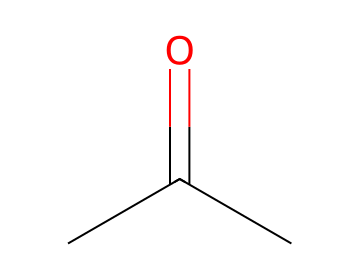
IDENTITY
COMPUTED
PROPERTIES
log Kow = -0.24
-0.24
-0.24
Fruity odor
Characteristic odor
Pungent, sweetish
0.791 at 68 °F (USCG, 1999) - Less dense than water; will float
0.7845 g/cu cm at 20 °C
Relative density (water = 1): 0.8
0.790-0.793 (20 °C )
0.791
0.791 @ 20°C
0.32 cP at 20 °C; 0.27 cP at 40 °C
0.34 mm²/s at 40 °C
Colorless volatile liquid
greater than or equal to 100 mg/mL at 72 °F (NTP, 1992)
Miscible with water
Miscible with benzene
Miscible with alcohol, dimethylformamide, ether
1000 mg/mL at 25 °C
Solubility in water: miscible
0 °F (NTP, 1992)
-18 °C
-16.99 °C (1.42 °F) - closed cup
-4 °F (-20 °C) (Closed cup)
0 °F (closed cup)
-18 °C c.c.
133 °F at 760 mmHg (NTP, 1992)
56.08 °C
56.00 to 57.00 °C. @ 760.00 mm Hg
56 °C
56 °C
133 °F
-137 °F (NTP, 1992)
-94.9 °C
-94.8 °C
-95 °C
-137 °F
-94.9 °C
2 (NTP, 1992) - Heavier than air; will sink (Relative to Air)
2.0 (Air = 1)
Relative vapor density (air = 1): 2.0
Odor Threshold Low: 3.6 [ppm];Odor Threshold High: 653.0 [ppm];Detection odor threshold from AIHA (mean = 62 ppm)
Water: 20 mg/L (or 20 ppm, w/v); air: 13 uL/L (or 13 ppm, v/v).
Odor low: 47.5 mg/cu m; Odor high: 1613.9 mg/cu m
GHS
Danger
H225: Highly Flammable liquid and vapor [Danger Flammable liquids];H319: Causes serious eye irritation [Warning Serious eye damage/eye irritation];H336: May cause drowsiness or dizziness [Warning Specific target organ toxicity, single exposure; Narcotic effects]
P210, P233, P240, P241, P242, P243, P261, P264+P265, P271, P280, P303+P361+P353, P304+P340, P305+P351+P338, P319, P337+P317, P370+P378, P403+P233, P403+P235, P405, and P501 (click each P-code to see the statement)
This chemical does not meet GHS hazard criteria for < 0.1% (2 of 5005) of reports.
HAZARDS
Chemical: 2-Propanone
Hazard Traits - Neurotoxicity;Authoritative List - ATSDR Neurotoxicants;Report - if used as a fragrance or flavor ingredient
List II Chemical: A chemical, other than a List I chemical, specified by regulation that, in addition to legitimate uses, is used in manufacturing a controlled substance in violation of the Act. (21 eCFR 1310.02)
Regulation (EC) No 178/2002 (amended)
2-Propanone is listed on the EPA's Chemical Data Reporting (CDR) system. Manufacturers and importers of 2-Propanone are required to report information about their production and use of this chemical to the EPA under the Toxic Substances Control Act (TSCA). (40 eCFR Part 711)
Status: Active Update: 15-03-2023 https://echa.europa.eu/registration-dossier/-/registered-dossier/15460
IMAP assessments - 2-Propanone: Human health tier II assessment;IMAP assessments - 2-Propanone: Environment tier I assessment
Flammable Liquid
Excerpt from ERG Guide 127 [Flammable Liquids (Water-Miscible)]:;HIGHLY FLAMMABLE: Will be easily ignited by heat, sparks or flames. CAUTION: Ethanol (UN1170) can burn with an invisible flame. Use an alternate method of detection (thermal camera, broom handle, etc.) Vapors may form explosive mixtures with air. Vapors may travel to source of ignition and flash back. Most vapors are heavier than air. They will spread along the ground and collect in low or confined areas (sewers, basements, tanks, etc.). Vapor explosion hazard indoors, outdoors or in sewers. Those substances designated with a (P) may polymerize explosively when heated or involved in a fire. Runoff to sewer may create fire or explosion hazard. Containers may explode when heated. Many liquids will float on water. (ERG, 2024)
· HIGHLY FLAMMABLE: Will be easily ignited by heat, sparks or flames.;CAUTION: Ethanol (UN1170) can burn with an invisible flame. Use an alternate method of detection (thermal camera, broom handle, etc.);· Vapors may form explosive mixtures with air.;· Vapors may travel to source of ignition and flash back.;· Most vapors are heavier than air. They will spread along the ground and collect in low or confined areas (sewers, basements, tanks, etc.).;· Vapor explosion hazard indoors, outdoors or in sewers.;· Those substances designated with a (P) may polymerize explosively when heated or involved in a fire.;· Runoff to sewer may create fire or explosion hazard.;· Containers may explode when heated.;· Many liquids will float on water.
Highly flammable. Vapour/air mixtures are explosive. Heating will cause rise in pressure with risk of bursting.
Highly flammable liquid. Dangerous disaster hazard due to fire and explosion hazard ...
INHALATION: vapor irritating to eyes and mucous membranes; acts as an anesthetic in very high concentrations. INGESTION: low order of toxicity but very irritating to mucous membranes. SKIN: prolonged excessive contact causes defatting of the skin, possibly leading to dermatitis. (USCG, 1999)
· Inhalation or contact with material may irritate or burn skin and eyes.;· Fire may produce irritating, corrosive and/or toxic gases.;· Vapors may cause dizziness or asphyxiation, especially when in closed or confined areas.;· Runoff from fire control or dilution water may cause environmental contamination.
Acetone is a manufactured chemical that is also found naturally in the environment. It is a colorless liquid with a distinct smell and taste. It evaporates easily, is flammable, and dissolves in water. It is also called dimethyl ketone, 2-propanone, and beta-ketopropane. Acetone is used to make plastic, fibers, drugs, and other chemicals. It is also used to dissolve other substances. It occurs naturally in plants, trees, volcanic gases, forest fires, and as a product of the breakdown of body fat. It is present in vehicle exhaust, tobacco smoke, and landfill sites. Industrial processes contribute more acetone to the environment than natural processes.
Can be absorbed by skin or inhalation; Can reach harmful concentrations after spill at room temperature or after spraying; Skin and respiratory tract irritant; Adverse effects on CNS, liver, and kidneys; [Reference #1] TLV Basis is irritation (eyes and upper respiratory tract) and CNS impairment; [ACGIH]
1090 127
1090 127
The following substances may be safely used as diluents in color additive mixtures for food use exempt from certification, subject to the condition that each straight color in the mixture has been exempted from certification or, if not so exempted, is from a batch that has previously been certified and has not changed in composition since certification. If a specification for a particular diluent is not set forth in this part 73, the material shall be of a purity consistent with its intended use. ... (b) Special use - (1) Diluents in color additive mixtures for marking food ... (ii) Inks for marking fruit and vegetables. Substance: acetone; Restrictions: No residues.
A tolerance of 30 parts per million is established for acetone in spice oleoresins when present therein as a residue from the extraction of spice.
Acetone is an indirect food additive for use only as a component of adhesives.
Drug products containing certain active ingredients offered over-the-counter (OTC) for certain uses. A number of active ingredients have been present in OTC drug products for various uses, as described below. However, based on evidence currently available, there are inadequate data to establish general recognition of the safety and effectiveness of these ingredients for the specified uses: acetone is included in skin protectant drug products.
Ketones
UN Hazard Class: 3; UN Pack Group: II
DHHS/NTP; NTP Report on the Toxicity Studies of Acetone in F344/N Rats and B6C3F1 Mice (Drinking Water Studies) NTP TOX 3 NIH Pub No. 91-3122
DHHS/ATSDR; Toxicological Profile for Acetone (1994) ATSDR/TP-93/01
DHHS/ATSDR; Addendum to the Toxicological Profile for Acetone (August 2011)
SAFETY
Excerpt from ERG Guide 127 [Flammable Liquids (Water-Miscible)]:;CAUTION: The majority of these products have a very low flash point. Use of water spray when fighting fire may be inefficient. CAUTION: For fire involving UN1170, UN1987 or UN3475, alcohol-resistant foam should be used. CAUTION: Ethanol (UN1170) can burn with an invisible flame. Use an alternate method of detection (thermal camera, broom handle, etc.).;SMALL FIRE: Dry chemical, CO2, water spray or alcohol-resistant foam.;LARGE FIRE: Water spray, fog or alcohol-resistant foam. Avoid aiming straight or solid streams directly onto the product. If it can be done safely, move undamaged containers away from the area around the fire.;FIRE INVOLVING TANKS, RAIL TANK CARS OR HIGHWAY TANKS: Fight fire from maximum distance or use unmanned master stream devices or monitor nozzles. Cool containers with flooding quantities of water until well after fire is out. Withdraw immediately in case of rising sound from venting safety devices or discoloration of tank. ALWAYS stay away from tanks in direct contact with flames. For massive fire, use unmanned master stream devices or monitor nozzles; if this is impossible, withdraw from area and let fire burn. (ERG, 2024)
Use powder, alcohol-resistant foam, water, carbon dioxide. In case of fire: keep drums, etc., cool by spraying with water.
Fresh air, rest. Refer for medical attention.
Remove contaminated clothes. Rinse skin with plenty of water or shower.
Rinse with plenty of water (remove contact lenses if easily possible). Refer for medical attention.
Rinse mouth. Do NOT induce vomiting. Refer for medical attention .
· CALL 911. Then call emergency response telephone number on shipping paper. If shipping paper not available or no answer, refer to appropriate telephone number listed on the inside back cover.;· Keep unauthorized personnel away.;· Stay upwind, uphill and/or upstream.;· Ventilate closed spaces before entering, but only if properly trained and equipped.
· ELIMINATE all ignition sources (no smoking, flares, sparks or flames) from immediate area.;· All equipment used when handling the product must be grounded.;· Do not touch or walk through spilled material.;· Stop leak if you can do it without risk.;· Prevent entry into waterways, sewers, basements or confined areas.;· A vapor-suppressing foam may be used to reduce vapors.;· Absorb or cover with dry earth, sand or other non-combustible material and transfer to containers.;· Use clean, non-sparking tools to collect absorbed material.;Large Spill;· Dike far ahead of liquid spill for later disposal.;· Water spray may reduce vapor, but may not prevent ignition in closed spaces.
EYES: First check the victim for contact lenses and remove if present. Flush victim's eyes with water or normal saline solution for 20 to 30 minutes while simultaneously calling a hospital or poison control center. Do not put any ointments, oils, or medication in the victim's eyes without specific instructions from a physician. IMMEDIATELY transport the victim after flushing eyes to a hospital even if no symptoms (such as redness or irritation) develop.;SKIN: IMMEDIATELY flood affected skin with water while removing and isolating all contaminated clothing. Gently wash all affected skin areas thoroughly with soap and water. If symptoms such as redness or irritation develop, IMMEDIATELY call a physician and be prepared to transport the victim to a hospital for treatment.;INHALATION: IMMEDIATELY leave the contaminated area; take deep breaths of fresh air. If symptoms (such as wheezing, coughing, shortness of breath, or burning in the mouth, throat, or chest) develop, call a physician and be prepared to transport the victim to a hospital. Provide proper respiratory protection to rescuers entering an unknown atmosphere. Whenever possible, Self-Contained Breathing Apparatus (SCBA) should be used; if not available, use a level of protection greater than or equal to that advised under Protective Clothing.;INGESTION: DO NOT INDUCE VOMITING. Volatile chemicals have a high risk of being aspirated into the victim's lungs during vomiting which increases the medical problems. If the victim is conscious and not convulsing, give 1 or 2 glasses of water to dilute the chemical and IMMEDIATELY call a hospital or poison control center. IMMEDIATELY transport the victim to a hospital. If the victim is convulsing or unconscious, do not give anything by mouth, ensure that the victim's airway is open and lay the victim on his/her side with the head lower than the body. DO NOT INDUCE VOMITING. IMMEDIATELY transport the victim to a hospital. (NTP, 1992)
General First Aid:;· Call 911 or emergency medical service.;· Ensure that medical personnel are aware of the material(s) involved, take precautions to protect themselves and avoid contamination.;· Move victim to fresh air if it can be done safely.;· Administer oxygen if breathing is difficult.;· If victim is not breathing:;-- DO NOT perform mouth-to-mouth resuscitation; the victim may have ingested or inhaled the substance.;-- If equipped and pulse detected, wash face and mouth, then give artificial respiration using a proper respiratory medical device (bag-valve mask, pocket mask equipped with a one-way valve or other device).;-- If no pulse detected or no respiratory medical device available, provide continuous compressions. Conduct a pulse check every two minutes or monitor for any signs of spontaneous respirations.;· Remove and isolate contaminated clothing and shoes.;· For minor skin contact, avoid spreading material on unaffected skin.;· In case of contact with substance, remove immediately by flushing skin or eyes with running water for at least 20 minutes.;· For severe burns, immediate medical attention is required.;· Effects of exposure (inhalation, ingestion, or skin contact) to substance may be delayed.;· Keep victim calm and warm.;· Keep victim under observation.;· For further assistance, contact your local Poison Control Center.;· Note: Basic Life Support (BLS) and Advanced Life Support (ALS) should be done by trained professionals.;Specific First Aid:;· Wash skin with soap and water.
(General first aid procedures);Eye: Irrigate immediately - If this chemical contacts the eyes, immediately wash (irrigate) the eyes with large amounts of water, occasionally lifting the lower and upper lids. Get medical attention immediately.;Skin: Soap wash immediately - If this chemical contacts the skin, immediately wash the contaminated skin with soap and water. If this chemical penetrates the clothing, immediately remove the clothing, wash the skin with soap and water, and get medical attention promptly.;Breathing: Respiratory support;Swallow: Medical attention immediately - If this chemical has been swallowed, get medical attention immediately.
Fireproof. Separated from : see Chemical Dangers. Store in an area without drain or sewer access.
Flashback along vapor trail may occur.
· Wear positive pressure self-contained breathing apparatus (SCBA).;· Structural firefighters' protective clothing provides thermal protection but only limited chemical protection.
Biological Exposure Indices (BEI) [ACGIH] - Acetone in urine = 25 mg/L; at end of shift; [TLVs and BEIs]
23480.0 [ppm]
500.0 [ppm]
If material is on fire or involved in fire: Do not extinguish fire unless flow can be stopped. Use water in flooding quantities as fog. Solid streams of water may be ineffective. Cool all affected containers with flooding quantities of water. Apply water from as far a distance as possible. Use "alcohol" foam, carbon dioxide, or dry chemical.
Flammable. Flashback along vapor trail may occur. Vapor may explode if ignited in an enclosed area. Extinguish with dry chemical, alcohol foam, or carbon dioxide. Water may be ineffective on fire. Cool exposed containers with water.
Suitable extinguishing media: Use water spray, alcohol-resistant foam, dry chemical or carbon dioxide.
Wear self-contained breathing apparatus for firefighting if necessary.
Conditions for safe storage, including any incompatibilities: Keep container tightly closed in a dry and well-ventilated place. Containers which are opened must be carefully resealed and kept upright to prevent leakage. Storage class (TRGS 510): Flammable liquids
Store acetone in closed containers, and keep away from heat, sparks, and flames.
Acetone is stored in steel tanks
Accidental release measures. Personal precautions, protective equipment and emergency procedures: Use personal protective equipment. Avoid breathing vapors, mist or gas. Ensure adequate ventilation. Remove all sources of ignition. Evacuate personnel to safe areas. Beware of vapors accumulating to form explosive concentrations. Vapors can accumulate in low areas.; Environmental precautions: Prevent further leakage or spillage if safe to do so. Do not let product enter drains.; Methods and materials for containment and cleaning up: Contain spillage, and then collect with an electrically protected vacuum cleaner or by wet-brushing and place in container for disposal according to local regulations.
Environmental considerations- land spill: Dig a pit, pond, lagoon, holding area to contain liquid or solid material. //spr:clup// Dike surface flow using soil, sand bags, foamed polyurethane, or foamed concrete. Absorb bulk liquid with fly ash, cement powder, or commercial sorbents
Environmental considerations- water spill Use natural barriers or oil spill control booms to limit spill travel. Remove trapped material with suction hoses.
Environmental considerations- air spill: Apply water spray or mist to knock down vapors.
Excerpt from ERG Guide 127 [Flammable Liquids (Water-Miscible)]:;ELIMINATE all ignition sources (no smoking, flares, sparks or flames) from immediate area. All equipment used when handling the product must be grounded. Do not touch or walk through spilled material. Stop leak if you can do it without risk. Prevent entry into waterways, sewers, basements or confined areas. A vapor-suppressing foam may be used to reduce vapors. Absorb or cover with dry earth, sand or other non-combustible material and transfer to containers. Use clean, non-sparking tools to collect absorbed material.;LARGE SPILL: Dike far ahead of liquid spill for later disposal. Water spray may reduce vapor, but may not prevent ignition in closed spaces. (ERG, 2024)
Generators of waste (equal to or greater than 100 kg/mo) containing this contaminant, EPA hazardous waste numbers U002 and F003, must conform with USEPA regulations in storage, transportation, treatment and disposal of waste.
Product: Burn in a chemical incinerator equipped with an afterburner and scrubber but exert extra care in igniting as this material is highly flammable. Offer surplus and non-recyclable solutions to a licensed disposal company. Contact a licensed professional waste disposal service to dispose of this material.
Contaminated packaging: Dispose of as unused product.
Incineration: Spray into a furnace. Incineration will become easier by mixing with a more flammable solvent.
For more Disposal Methods (Complete) data for ACETONE (9 total), please visit the HSDB record page.
TOXICITY
CDC-ATSDR Toxicological Profile
Acetone was detected in the expired breath of 23 of 26 smokers and 42 of 43 nonsmokers in the US(1). Acetone was ubiquitous in the expired air from a carefully selected urban population of 54 normal healthy non-smoking people (387 samples) with a geometric mean concentration of 101.3 ng/L(2). Acetone loss in the urine is generally 1 mg/24 hr for a normal adult but is about 50 mg in children(3,4). Acetone was detected in the expired breath of children in 2 classrooms in France at an average concentration of 800 ng/L(5). The average blood concentration of acetone in 600 non-occupationally exposed persons in the US was 3,100 ppb(6).
Toxic concn in human blood: 200 - 300 ug/mL (20 - 30 mg%); lethal concn in human blood: 550 ug/mL (55 mg%)
Following oral exposure to acetone, consider insertion of a nasogastric tube to aspirate stomach contents only after recent, large acetone ingestions; symptomatic and supportive treatment is generally all that is required. Following inhalation exposure, move patient to fresh air. Monitor for respiratory distress. If cough or difficulty breathing develops, evaluate for respiratory tract irritation, bronchitis, or pneumonitis. Administer oxygen and assist ventilation as required. Treat bronchospasm with inhaled beta2 agonist and oral or parenteral corticosteroids. Irrigate exposed eyes with copious amounts of room temperature water for at least 15 minutes in case of eye exposure to acetone. In case of dermal exposure, remove contaminated clothing and wash exposed area thoroughly with soap and water. A physician may need to examine the area if irritation or pain persists. (T36)
... The aim of the present study was the evaluation of possible protective effects of vit E treatment against acetone-induced oxidative stress in rat RBCs. Thirty healthy male Wistar albino rats, weighing 200-230 g and averaging 12 weeks old were randomly allotted into one of three experimental groups: Control (A), acetone-treated (B) and acetone + vit E-treated groups (C), each containing ten animals. Group A received only drinking water. Acetone, 5% (v/v), was given with drinking water to B and C groups. In addition, C group received vit E dose of 200 mg/kg/day im. The experiment continued for 10 days. At the end of the 10th day, the blood samples were obtained for biochemical and morphological investigation. Acetone treatment resulted in RBC membrane destruction and hemolysis, increased thiobarbituric acid reactive substance (TBARS) levels in plasma and RBC, and decreased RBC vit E levels. Vit E treatment decreased elevated TBARS levels in plasma and RBC and also increased reduced RBC vit E levels, and prevented RBC membrane destruction and hemolysis ...
/Researchers/ prepared microsomes from lungs and livers of rats exposed to 20 ppm pyridine by inhalation for 5-6 hours/day for 10 days, to acetone (7.5%, v/v) in drinking water for 10 days or by inhalation to 50% aqueous acetone for 5-6 hours/day for 10 days, or to acetone in combination with pyridine administered separately as above. Controls received water for inhalation and oral exposures. In the liver microsomes, there was induction of ethoxyresorufin O-deethylase (EROD) activity for oral acetone by 2.5-fold, for pyridine by inhalation by 2.8-fold, and for the combination of acetone and pyridine by 7.6-fold, indicating greater-than-additive interaction. The levels of CYP1A1 were induced by acetone, pyridine, and the combination by 8.3-, 6.6-, and 32.7-fold, respectively. These results indicated even greater synergistic interaction. Similar greater-than-additive interaction results were also found for methoxyresorufin O-demethylase (MEROD) and CYP1A2 in the liver microsomes. Microsomal EROD was induced by all treatments in the lung, and a synergistic interaction was even greater in the lung, with an increase that was 4-fold for acetone, 21-fold for pyridine, and 115.5-fold for the combination. CYP1A1 was also induced synergistically by acetone and pyridine in the lung microsomes.
/In a previous study it was/ demonstrated that acetone potentiated the nerve conduction velocity and neurobehavioral effects of 2,5-hexanedione in rats, but /it was/ noted that the mechanism of action of this potentiation was not fully understood. More recently, /researchers/ performed similar experiments. This time, they included histological examination of the sciatic and tibial nerves in rats immediately after the 6-week exposures in rats allowed a 10-week recovery period. As in previous experiments, acetone potentiated 2,5-hexanedione-induced open field ambulation and rearing balance in the rotarod tests, and grip strength. The ambulation was reversible during the recovery period by all treatments, but the effects on rearing and balance were reversible in the 2,5-hexanedione group only. That is, the potentiation by acetone persisted. Histological examination revealed that after exposure, giant axon swelling was induced by 2,5-hexanedione and the combination of 2,5-hexanedione and acetone, and a change in the distribution of fiber area size occurred in rats exposed to 2,5-hexanedione. The lesions observed in the co-exposure group were statistically similar to the effects of 2,5-hexanedione alone, but appeared aggravated by co-exposure, as seen by conventional pathological evaluation. After the 10-week recovery period, the nerve tissues appeared normal. The investigators concluded that neurotoxicity of the combined exposure was not reversible and that the mechanism of acetone potentiation is probably an effect on the toxicokinetics of 2,5-hexanedione.
Pretreatment with acetone for 6 days (one-tenth the LD50) potentiated acute ethanol toxicity in rats. ... /Investigators/ ... demonstrated that acetone pretreatment potentiates chlorinated hydrocarbon toxicity. ... Acetone protected animals against electroshock or isonicotinic acid hydrazide-induced convulsions. Acetone ... enhanced the hepatotoxicity of 1,1-dichloroethylene (200 ppm) in rats.
For more Interactions (Complete) data for ACETONE (13 total), please visit the HSDB record page.
Hematological (Blood Forming), Neurological (Nervous System), Ocular (Eyes), Renal (Urinary System or Kidneys), Reproductive (Producing Children), Respiratory (From the Nose to the Lungs)
Urinary
Eyes, skin, respiratory system, central nervous system
Pulmonary congestion and edema can follow inhalation of acetone, which irritates the mucosa. Gastrointestinal hemorrhage caused by repeated vomiting of blood has been reported. Neurobehavioral effects, indicative of narcosis, sedation, respiratory depression, ataxia, paresthesia and renal lesions can also result from acetone poisoning. (N004, A578)
EC50; Species: Artemia salina (Brine shrimp) 2-3 instar nauplii; Conditions: saltwater, static, 25 °C; Concentration: 14852000 ug/L for 24 hr (95% confidence interval: 14141000-15563000 ug/L); Effect: intoxication, immobilization
LC50; Species: Coturnix japonica (Japanese quail) age 14 days; oral >40,000 ppm, in diet, (no mortality to 40,000 ppm)
LC50; Species: Phasianus colchicus (Ring-necked pheasant) age 10 days; oral >40,000 ppm, in diet, (no mortality to 40,000 ppm)
LC50; Species: /Oncorhynchus mykiss/ (Rainbow trout) weight 1.0 g; Conditions: /static/, 12 °C; Concentration: 5,540 mg/L for 96 hr (95% confidence limit: 4,740-6,330 mg/L)
For more Ecotoxicity Values (Complete) data for ACETONE (36 total), please visit the HSDB record page.
TERRESTRIAL FATE: Based on a classification scheme(1), an estimated Koc value of 2.4(SRC), determined from a structure estimation method(2), indicates that acetone is expected to have very high mobility in soil(SRC). Volatilization of acetone from moist soil surfaces is expected to be an important fate process(SRC) given a Henry's Law constant of 3.50X10⁻⁵ atm-cu m/mole(3). Acetone is expected to volatilize from dry soil surfaces(SRC) based upon its vapor pressure of 231 mm Hg at 25 °C(4). A 96% of theoretical BOD using activated sludge in the Japanese MITI test(5) suggests that biodegradation is an important environmental fate process in soil(SRC). Results of other screening tests also indicate that acetone is readily biodegradable under both aerobic and anaerobic conditions(6,7).
AQUATIC FATE: Based on a classification scheme(1), an estimated Koc value of 2.4(SRC), determined from a structure estimation method(2), indicates that acetone is not expected to adsorb to suspended solids and sediment(SRC). Volatilization from water surfaces is expected(3) based upon a Henry's Law constant of 3.50X10⁻⁵ atm-cu m/mole(4). Using this Henry's Law constant and an estimation method(3), volatilization half-lives for a model river and model lake are 21 hours and 8.8 days, respectively(SRC). Experimentally determined volatilization half-lives in a shallow stream were measured in the range of 8-18 hours(5-7). According to a classification scheme(8), an estimated BCF of 3(SRC), from its log Kow of -0.24(9) and a regression-derived equation(2), suggests the potential for bioconcentration in aquatic organisms is low(SRC). A 96% of theoretical BOD using activated sludge in the Japanese MITI test(10) suggests that biodegradation is an important environmental fate process in soil(SRC). Results of other screening tests also indicate that acetone is readily biodegradable under both aerobic and anaerobic conditions(11,12). Volatilization may be faster removal mechanism of acetone than biodegradation in very shallow, rapidly moving water(5-7). Acetone is not expected to undergo hydrolysis in the environment due to the lack of functional groups that hydrolyze under environmental conditions(3).
ATMOSPHERIC FATE: According to a model of gas/particle partitioning of semivolatile organic compounds in the atmosphere(1), acetone, which has a vapor pressure of 231 mm Hg at 25 °C(2), will exist solely as a vapor in the ambient atmosphere. Vapor-phase acetone is degraded in the atmosphere by reaction with photochemically-produced hydroxyl radicals(SRC); the half-life for this reaction in air is estimated to be about 89 days(SRC) calculated from its rate constant of 1.80X10⁻¹³ cu cm/molecule-sec at 25 °C(3). Acetone absorbs at wavelengths >290 nm(4) and, therefore, may be susceptible to direct photolysis by sunlight(SRC). Results of photolysis tests indicate that acetone has a direct photolysis half-life in the range of 10-80 days in the troposphere depending upon solar angle and sunlight intensity(5,6). Acetone has been detected in rain and cloud water(7), and therefore, may be removed from the air by wet deposition(SRC).
Acetone was identified, not quantified, in the volatiles of kiwi fruit(1,2), blue cheese(3), raw chicken(4), cured pork(5), chickpea seeds(6), nectarines(7), mutton, chicken and beef(8). Acetone has been identified, not quantified, as a volatile component of baked potatoes(9), roasted filberts(10), dried beans and legumes(11), and French cognac(12). Acetone was detected in volatile components of ripe kiwi fruit (0.2% of all components)(13).
Neurotoxin - Acute solvent syndrome;ACGIH Carcinogen - Not Classifiable.
The substance can be absorbed into the body by inhalation.
inhalation, ingestion, skin and/or eye contact
Inhalation (L937) ; oral (L937) ; dermal (L937) ; eye contact (L937)
ENVIRONMENTAL: Acetone was identified, not quantified, in human milk from Bayonne, NJ, Jersey City, NJ, Pittsburgh, PA and Baton Rouge, LA(1). Acetone was identified, not quantified, in all 8 samples of mother's milk analyzed from 4 industrial urban areas in the USA(2). Acetone was identified, not quantified from milk samples in Australia(3). Acetone was detected at average levels of 29.42, 30.50, and 30.96 ug/L in whole milk, 2% milk, and 1% milk, respectively purchased from store shelves in Las Vegas, NV(4). Acetone was detected in fish-oil enriched milk(5).
REGULATORY
Chemical: 2-Propanone
Hazard Traits - Neurotoxicity;Authoritative List - ATSDR Neurotoxicants;Report - if used as a fragrance or flavor ingredient
List II Chemical: A chemical, other than a List I chemical, specified by regulation that, in addition to legitimate uses, is used in manufacturing a controlled substance in violation of the Act. (21 eCFR 1310.02)
Regulation (EC) No 178/2002 (amended)
2-Propanone is listed on the EPA's Chemical Data Reporting (CDR) system. Manufacturers and importers of 2-Propanone are required to report information about their production and use of this chemical to the EPA under the Toxic Substances Control Act (TSCA). (40 eCFR Part 711)
Status: Active Update: 15-03-2023 https://echa.europa.eu/registration-dossier/-/registered-dossier/15460
The following substances may be safely used as diluents in color additive mixtures for food use exempt from certification, subject to the condition that each straight color in the mixture has been exempted from certification or, if not so exempted, is from a batch that has previously been certified and has not changed in composition since certification. If a specification for a particular diluent is not set forth in this part 73, the material shall be of a purity consistent with its intended use. ... (b) Special use - (1) Diluents in color additive mixtures for marking food ... (ii) Inks for marking fruit and vegetables. Substance: acetone; Restrictions: No residues.
A tolerance of 30 parts per million is established for acetone in spice oleoresins when present therein as a residue from the extraction of spice.
Acetone is an indirect food additive for use only as a component of adhesives.
Drug products containing certain active ingredients offered over-the-counter (OTC) for certain uses. A number of active ingredients have been present in OTC drug products for various uses, as described below. However, based on evidence currently available, there are inadequate data to establish general recognition of the safety and effectiveness of these ingredients for the specified uses: acetone is included in skin protectant drug products.
F003; When acetone is a spent solvent, it is classified as a hazardous waste from a nonspecific source (F003), as stated in 40 CFR 261.31, and must be managed according to State and/or Federal hazardous waste regulations.
U002; As stipulated in 40 CFR 261.33, when acetone, as a commercial chemical product or manufacturing chemical intermediate or an off-specification commercial chemical product or a manufacturing chemical intermediate, becomes a waste, it must be managed according to Federal and/or State hazardous waste regulations. Also defined as a hazardous waste is any residue, contaminated soil, water, or other debris resulting from the cleanup of a spill, into water or on dry land, of this waste. Generators of small quantities of this waste may qualify for partial exclusion from hazardous waste regulations (40 CFR 261.5).
Residues of acetone are exempted from the requirement of a tolerance when used as a solvent, cosolvent in accordance with good agricultural practice as inert (or occasionally active) ingredients in pesticide formulations applied to growing crops or to raw agricultural commodities after harvest.
Residues of acetone are exempted from the requirement of a tolerance when used in accordance with good agricultural practice as inert (or occasionally active) ingredients in pesticide formulations applied to animals. Use: solvent, cosolvent.
As the federal pesticide law FIFRA directs, EPA is conducting a comprehensive review of older pesticides to consider their health and environmental effects and make decisions about their continued use. Under this pesticide reregistration program, EPA examines newer health and safety data for pesticide active ingredients initially registered before November 1, 1984, and determines whether the use of the pesticide does not pose unreasonable risk in accordance to newer safety standards, such as those described in the Food Quality Protection Act of 1996. Pesticides for which EPA had not issued Registration Standards prior to the effective date of FIFRA '88 were divided into three lists based upon their potential for human exposure and other factors, with List B containing pesticides of greater concern than those on List C, and with List C containing pesticides of greater concern than those on List D. Acetone is found on List D. Case No: 4002; Case Status: No products containing the pesticide are actively registered. Therefore, we are characterizing the case as "cancelled." Under FIFRA, pesticide producers may voluntarily cancel their registered products. EPA also may cancel pesticide registrations if registrants fail to pay required fees or make/meet certain reregistration commitments, or if EPA reaches findings of unreasonable adverse effects.; Active ingredient (AI): acetone; AI Status: The active ingredient is no longer contained in any registered products. Thus, we characterize it as "cancelled."
This action promulgates standards of performance for equipment leaks of Volatile Organic Compounds (VOC) in the Synthetic Organic Chemical Manufacturing Industry (SOCMI). The intended effect of these standards is to require all newly constructed, modified, and reconstructed SOCMI process units to use the best demonstrated system of continuous emission reduction for equipment leaks of VOC, considering costs, non air quality health and environmental impact and energy requirements. Acetone is produced, as an intermediate or a final product, by process units covered under this subpart.
Persons in charge of vessels or facilities are required to notify the National Response Center (NRC) immediately, when there is a release of this designated hazardous substance, in an amount equal to or greater than its reportable quantity of 5000 lb or 2270 kg. The toll free number of the NRC is (800) 424-8802. The rule for determining when notification is required is stated in 40 CFR 302.4 (section IV. D.3.b).
(FL) FLORIDA 700 ug/L
(MA) MASSACHUSETTS 6,300 ug/L
(ME) MAINE 6,300 ug/L
(MN) MINNESOTA 700 ug/L
For more State Drinking Water Guidelines (Complete) data for ACETONE (6 total), please visit the HSDB record page.
PHARMACOLOGY
Acetone is one of three ketone bodies that occur naturally throughout the body. It can be formed endogenously in the mammalian body from fatty acid oxidation. Fasting, diabetes mellitus and strenuous exercise increase endogenous generation of acetone. Under normal conditions, the production of ketone bodies occurs almost entirely within the liver and to a smaller extent in the lung and kidney. ... Products are excreted in the blood and transported to all tissues and organs of the body where they can be used as a source of energy. Two of these ketone bodies, acetoacetate and beta-hydroxybutyrate, are organic acids that can cause metabolic acidosis when produced in large amounts, as in diabetes mellitu
Blood: 3 hours; whole body: 19-31 hours; [TDR, p. 17]
Half-times for blood elimination of 3-3.9 hrs have been estimated in humans exposed to 100-500 ppm for 2-4 hrs. Elimination half-times of 3.9 hrs and 6.2 hrs have been estimated for arterial and venous blood, respectively. No differences in elimination half-times were found between men and women.
Tissue distribution of 2(14)C-acetone following inhalation exposure to 1,200 mg/cu m (500 ppm) was studied in mice. .... Half-times for acetone elimination were 2-3 hr for blood, kidney, lung, brain, and muscle, and greater than 5 hr for subcutaneous adipose tissue. By 24 hr after exposure, acetone concentrations had returned to endogenous levels in all tissues.
Two instances of finding abnormally high concentrations of acetone in urine (0.10 g/dL and 0.052 g/dL) without any measurable amounts of ethanol (<0.005 g/dL) or isopropanol (<0.005 g/dL) prompted a survey of the elimination kinetics of isopropanol and its metabolite acetone in humans. In a hospital patient who had ingested denatured alcohol, the elimination half-life (t(1/2)) of acetone during detoxification was 27 hr and not 3-5 hr as reported by other workers. Several other literature reports of individuals who had ingested isopropanol as well as controlled studies after administration of moderate amounts of acetone and/or isopropanol support the notion of a long elimination half-life of 17-27 hr for acetone compared with a t(1/2) of 1-3 hr for isopropanol.
The elimination half life in mice for acetone in various tissues was between 2 and 5 hr, with the subcutaneous adipose tissue showing the slowest release of acetone. Daily exposure of mice to 500 ppm acetone for 6 hr did not result in any day-to-day accumulation of acetone.
... The role of CYP2E1 in acetone catabolism /was assessed/ by measuring acetone levels at different time points in rats that had been treated with diallyl sulfide (DAS, a CYP2E1 inhibitor) at a variety of dose levels. The study noted DAS dose-dependent increases in the time to peak blood acetone level and in the time to return to pre-dose levels, suggesting an important role of CYP2E1 in acetone catabolism.
Acetone, one of the principal ketone bodies elevated during treatment with the ketogenic diet, exhibits anticonvulsant properties that may contribute to the seizure protection conferred by the diet. The anticonvulsant mechanism of acetone is unknown, but it is metabolized to several bioactive substances that could play a role. Acetone and its major metabolites-acetol, 1,2-propanediol, methylglyoxal, and pyruvic acid-were assessed for anticonvulsant activity in two mouse seizure models. Various doses of the substances administered intraperitoneally were characterized for their ability to elevate the threshold for clonic seizures induced by intravenous infusion of pentylenetetrazol (PTZ) and for protection against tonic seizures induced by subcutaneous bolus administration of 4-aminopyridine (4-AP). The inverted-screen test was used to assess acute neurological toxicity. Acetone (1-32 mmol/kg, i.p.), in a dose-dependent fashion, elevated the PTZ threshold and conferred protection against 4-AP seizures (ED(50), 26.3 mmol/kg). Effective doses of acetone (10-32 mmol/kg) did not cause motor impairment in the inverted-screen test (TD(50), 45.7 mmol/kg). In doses 10-fold greater than the minimally effective dose ofacetone (3.2 mmol/kg), the metabolites acetol, 1,2-propanediol, and pyruvic acid were inactive in the PTZ model. At higher doses that produced motor impairment, acetol and 1,2-propanediol (but not pyruvic acid) did elevate the PTZ threshold. Methylglyoxal had both proconvulsant and anticonvulsant actions, and had substantial toxicity, producing respiratory distress, motor impairment, and death. None of the acetone metabolites protected against 4-AP seizures. This study confirms the broad-spectrum anticonvulsant properties of acetone and indicates that the seizure protection conferred is unlikely to result from its major metabolic products.
Two pathways for the conversion of acetone to glucose are proposed, the methylglyoxal & the propanediol pathways. The methylglyoxal pathway is responsible for the conversion to acetol, acetol to methylglyoxal, & subsequent conversion of methylglyoxal to glucose. The propanediol pathway involves the conversion of acetol to L-1,2-propanediol by an as yet unknown process. L-1,2-propanediol is converted to L-lactaldehyde by alcohol dehydrogenase, & L-lactaldehyde is converted to L-lactic acid by aldehyde dehydrogenase. Expression of these metabolic pathways in rat appears to be dependent on the induction of /acetone/ oxygenase & acetol monooxygenase by acetone.
Hepatic NAD-dependent alcohol dehydrogenase... enzyme is capable of catalyzing reverse reaction in which... acetone.../is reduced to alcohol/.
For more Metabolism/Metabolites (Complete) data for ACETONE (8 total), please visit the HSDB record page.
The metabolic fate of acetone is independent of route of administration and involves three separate gluconeogenic pathways, with ultimate incorporation of carbon atoms into glucose and other products and substrates of intermediary metabolism with generation of carbon dioxide. The primary (major) pathway involves hepatic metabolism of acetone to acetol and hepatic metabolism of acetol to methylglyoxal, while two secondary (minor) pathways are partially extrahepatic, involving the extrahepatic reduction of acetol to L-1,2-propanediol. Subsequent conversion of acetol to methylglyoxal in microsomes is catalyzed by acetol monooxygenase (also called acetol hydroxylase), an activity also associated with cytochrome P-450IIE1, and also requires oxygen and NADPH. Methylglyoxal can then be converted to D-glucose by an unidentified pathway, and/or possibly by catalysis by glyoxalase I and II and glutathione to D-lactate, which is converted to D-glucose. Some of exogenous acetone is unmetabolized and is excreted primarily in the expired air with little acetone excreted in urine. (N004)
Liquids that dissolve other substances (solutes), generally solids, without any change in chemical composition, as, water containing sugar. (Grant & Hackh's Chemical Dictionary, 5th ed)
In rats receiving acetone in drinking water (7.5% v/v) for 11 consecutive days, plasma concentrations of acetone on day 1 were in the range of 315-800 ug/mL. The plasma concentration appeared to plateau at about 1,200 ug/mL by day 4.
Physiologically based toxicokinetic (PBTK) modeling of human experimental data suggests difficulties to simultaneously describe the time courses of inhaled polar solvents in blood and breath, especially if exposures occur during physical exercise. We attribute this to the washin-washout effect in the airways. The aim was to develop a PBTK-model that explains the behavior of acetone in blood and exhaled air at different levels of physical exercise. The model includes exchange of inhaled solvent vapor with the blood flow via the mucosa and separate compartments to describe working and resting muscles. The developed model was contrasted to a traditional PBTK-model where the conducting airways were regarded as an inert tube. Our model predictions agrees well with experimentally observed acetone levels in both arterial blood and end- and mixed-exhaled air from 26 inhalation experiments conducted with 18 human volunteers at 0, 50, 100 and 150 W workload. In contrast, the inert-tube model was unable to describe the data. The developed model is to our knowledge the first which explains the toxicokinetics of acetone at such various levels of physical exercise. It may be useful in breath monitoring and to obtain more accurate estimates of absorbed dose during inhalation of polar volatiles.
Patients with severe diabetic ketoacidosis can have plasma acetone levels as high as 750 mg/L, which is up to 300 times the normal limit.
Acetone is one of the least hazardous industrial solvents, but is highly volatile and may be inhaled in large quantities. It may be absorbed into the blood through the lungs and diffused throughout the body. Small quantities may be absorbed through the skin.
For more Absorption, Distribution and Excretion (Complete) data for ACETONE (19 total), please visit the HSDB record page.
Adipose Tissue;Adrenal Gland;Bladder;Brain;Epidermis;Fibroblasts;Kidney;Liver;Neuron;Pancreas;Placenta;Testis;Thyroid Gland
Cytoplasm;Extracellular;Mitochondria
Ketone Body Metabolism;Succinyl CoA: 3-ketoacid CoA transferase deficiency
USES
Used as a solvent and to produce methacrylates; [LaDou, p. 546] Used as an intermediate and solvent or cleaner (gum waxes, resins, fats, greases, oils, dyes, cellulosics, coatings, plastics, and varnishes); [ACGIH]
Semiconductor Manufacturing [Category: Industry];Painting (Solvents) [Category: Paint];Silk-Screen Printing [Category: Other]
Smoking cigarettes [Category: Food & Drugs]
For acetone (USEPA/OPP Pesticide Code: 044101) there are 0 labels match. /SRP: Not registered for current use in the U.S., but approved pesticide uses may change periodically and so federal, state and local authorities must be consulted for currently approved uses./
The active ingredient is no longer contained in any registered /pesticide/ products. ... "cancelled."
Solvent for fats, oils, waxes, resins, rubber, plastics, lacquers, varnishes, rubber cements. Versatile reagent in organic synthesis. Manufacturing of coatings, plastics, pharmaceuticals and cosmetics. In production of other solvents and intermediates including: methyl isobutyl ketone, mesityl oxide, acetic acid (ketene process), diacetone alcohol, bisphenol A, methyl methacrylate, explosives, rayon, photographic films, isoprene.
Grade: Technical; chemically pure; NF; electronic; spectrophotometric.
Acetone is produced industrially in high grade (> 99.5% purity), the main impurity being water.
(1972) 4.11X10+10 G
(1975) 2.93X10+10 G
(1984) 3.76X10+10 g
(1987) 1.18X10+5 tons
(1972) 1.18X10+10 G
(1975) 1.36X10+9 G
(1983) 2.48X10+6 g
(1987) 7.5X10+4 tons
2023: 1,000,000,000 - <2,500,000,000 lb;2022: 1,000,000,000 - <2,500,000,000 lb;2021: 1,000,000,000 - <2,500,000,000 lb;2020: 1,000,000,000 - <2,500,000,000 lb
(1972) 7.74X10+11 G
(1975) 7.45X10+11 G
(1984) 1,739,293,000 lbs (Acetone from cumene)
(1984) 123,195,000 lbs (Acetone from isopropyl alcohol)
For more U.S. Production (Complete) data for ACETONE (16 total), please visit the HSDB record page.
33% Methyl methacrylate, methacrylic acid and higher methacrylates; 17% solvents; 10% MIBK; 9% bisphenol-a; 7% aldol chemical; 6% pharmaceuticals and cosmetics; 2% methyl isobutyl carbenol; 4.5% exports; 11.5% misc (1985)
CHEMICAL PROFILE: Acetone. Methylmethacrylate, methacrylic acid and higher methacrylates, 34%; coatings solvent, 15%; bisphenol-A, 12%; MIBK (methyl isobutyl ketone), 10%; solvent for cellulose acetate, 5%; drug and pharmaceutical applications, 5%; miscellaneous chemical and solvent uses, 6%; exports, 5%.
CHEMICAL PROFILE: Acetone. Demand: 1986: 1,936 million lb; 1987: 2,050 million lb; 1991 /projected/: 2,140 million lb.
Demand 1995: 2.76 billion pounds; 1996: 2.72 billion pounds; 2000 (projected) 3.2 billion pounds.
(2005) Global demand (consumption): 5 million tonne [Table#40]
Flux agent;Absorbent;Cleaning agent;Sealant (barrier);Not Known or Reasonably Ascertainable;Filler;Corrosion inhibitor;Chelating agent;Drier;Adhesion/cohesion promoter;Etching agent;Pigment;Intermediate;Propellants, non-motive (blowing agents);Laboratory chemicals;Solvent;Binder;Other;Lubricating agent;Processing aids not otherwise specified
Propellants, non-motive (blowing agents);Laboratory chemicals;Pigment;Etching agent;Intermediate;Sealant (barrier);Not Known or Reasonably Ascertainable;Thickening agent;Diluent;Ion exchange agent;Plasticizer;Cleaning agent;Plating agent;Fuel;Processing aids not otherwise specified;Monomers;Binder;Other;Solvent
Oxidation of cumene; dehydrogenation or oxidation of isopropyl alcohol with metallic catalyst; vapor-phase oxidation of butane; by-product of synthetic glycerol production.
The overall process for the production of acetone from benzene and propene consists of two major steps. In the first step cumene is produced from benzene and propene in the cumene process by Friedel-Crafts alkylation. Propane and other hydrocarbons contained in the propene feedstock are separated as low-boiling components in the cumene distillation unit. High-boiling components, mainly polyisopropylbenzenes, are separated as a residue. There is only a little amount of process water, which is generated from water dissolved in the benzene and propene feedstocks. In the second step (cumene oxidation, Hock process), cumene is first oxidized with atmospheric oxygen to cumene hydroperoxide (CHP). CHP is then cleaved to phenol and acetone by using a strong mineral acid as catalyst. Ketones, mainly byproducts from acetone, are separated as low-boiling components in the distillation. High-boiling components, which are mainly formed in the oxidation and cleavage unit, are separated as a residue. A certain amount of process water is generated in the phenol-acetone process and must be further treated in a biological wastewater treatment plant. The overall reaction can be considered as a dual oxidation: benzene is oxidized to phenol and propene is oxidized to acetone.
Another route to acetone is the dehydrogenation of 2-propanol (IPA), formed by hydration of propene. ... In 1970 ca. 50-60% of the total acetone production in the USA was derived from this route. Nowadays, the cumene oxidation process with acetone as coproduct is the main source of acetone worldwide.
In the absence of catalysts 2-propanol reacts with oxygen via a free-radical reaction to form acetone and hydrogen peroxide. Until the mid-1980s the Shell process used hydrogen peroxide for the manufacture of glycerol from propene. The theoretical yield of acetone based on glycerol produced is 1.26 kg/kg. Acetone yields of about 90% of theoretical were obtained.
For more Methods of Manufacturing (Complete) data for ACETONE (6 total), please visit the HSDB record page.
Cosmetics product ingredient: Acetone;Reason for Listing: Identified as a neurotoxicant in the Agency for Toxic Substances and Disease Registry’s Toxic Substances Portal.;Potential Health Impacts: Neurotoxicity;Product count: 105
Information on 1176 consumer products that contain Acetone in the following categories is provided:;• Auto Products;• Commercial / Institutional;• Hobby/Craft;• Home Maintenance;• Home Office;• Inside the Home;• Landscaping/Yard;• Personal Care;• Pesticides;• Pet Care
Chemical Classes -> Volatile organic compounds
EPA Safer Chemical Functional Use Classes -> Specialized Industrial Chemicals
Safer Chemical Classes -> Yellow triangle - The chemical has met Safer Choice Criteria for its functional ingredient-class, but has some hazard profile issues
Fragrance Ingredients
Flavouring Agent -> FLAVOURING_AGENTFood Additives -> EXTRACTION_SOLVENT -> JECFA Functional Classes
Flavoring Agents -> JECFA Flavorings Index
Acetone
A chemical, other than a List I chemical, specified by regulation that, in addition to legitimate uses, is used in manufacturing a controlled substance in violation of the Act. (21 eCFR 1310.02)
ALIASES
REACTIONS
uspto-grants-1998_03 · 10.6084/m9.figshare.5104873.v1 · US05723075
查看
uspto-grants-1998_03 · 10.6084/m9.figshare.5104873.v1 · US05723075
查看
uspto-grants-1998_03 · 10.6084/m9.figshare.5104873.v1 · US05723119
查看
uspto-grants-1998_03 · 10.6084/m9.figshare.5104873.v1 · US05723119
查看
uspto-grants-1998_03 · 10.6084/m9.figshare.5104873.v1 · US05723415
查看
uspto-grants-1998_03 · 10.6084/m9.figshare.5104873.v1 · US05723461
查看
uspto-grants-1998_03 · 10.6084/m9.figshare.5104873.v1 · US05723470
查看
uspto-grants-1998_03 · 10.6084/m9.figshare.5104873.v1 · US05723470
查看