
uspto-grants-1998_03 · 10.6084/m9.figshare.5104873.v1 · US05723173
查看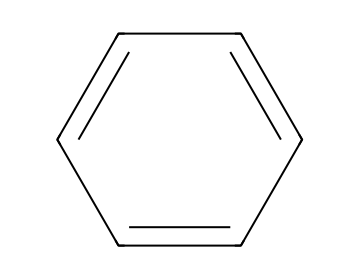
IDENTITY
COMPUTED
PROPERTIES
log Kow = 2.13
2.13
2.13
Aromatic odor
Gasoline-like odor; rather pleasant aromatic odor. Odor threshold = 4.68 ppm.
Taste threshold in water is 0.5-4.5 mg/l.
0.879 at 68 °F (USCG, 1999) - Less dense than water; will float
0.8756 g/cu cm at 20 °C
SPECIFIC DISPERSION 189.6; DENSITY OF SATURATED VAPOR-AIR MIXT AT 760 MM HG (AIR= 1) IS 1.22 AT 26 °C; PERCENT IN SATURATED IN AIR AT 760 MM HG IS 13.15 AT 26 °C
Relative density (water = 1): 0.88
0.88
0.8765 @ 20°C
0.604 mPa.s at 25 °C
Clear, colorless liquid
Orthorhombic prisms or liquid
Colorless to light-yellow liquid [Note: A solid below 42 degrees F]
1 to 5 mg/mL at 64 °F (NTP, 1992)
In water, 1.79X10+3 mg/L at 25 °C
Miscible with alcohol, chloroform, ether, carbon disulfide, acetone, oils, carbon tetrachloride, and glacial acetic acid
Miscible with ethanol, ethyl ether, acetone, chloroform; coluble in carbon tetrachloride
1.79 mg/mL
Solubility in water, g/100ml at 25 °C: 0.18
12 °F (NTP, 1992)
12 °F
12 °F (-11 °C) Closed Cup
-11.0 °C (12.2 °F) (Closed cup)
-11 °C c.c.
12 °F
176.2 °F at 760 mmHg (NTP, 1992)
80.08 °C
80.00 to 81.00 °C. @ 760.00 mm Hg
80 °C
176.2 °F
80.09 °C @760 [mm Hg]
41.9 °F (NTP, 1992)
5.558 °C
5.5 °C
6 °C
41.9 °F
5.49 °C
2.77 (NTP, 1992) - Heavier than air; will sink (Relative to Air)
2.8 (Air = 1)
Relative vapor density (air = 1): 2.7
2.77
Odor Threshold Low: 34.0 [ppm];Odor Threshold High: 119.0 [ppm];Detection odor thresholds from AIHA
4.68 PPM
In air: 4.9 mg/cu m (characteristic odor), in water: 2.0 mg/l.
distinct odor: 310 mg/cu m= 90 ppm
human odor perception: 3.0 mg/cu m=1 ppm
GHS
Danger
H225: Highly Flammable liquid and vapor [Danger Flammable liquids];H304: May be fatal if swallowed and enters airways [Danger Aspiration hazard];H315: Causes skin irritation [Warning Skin corrosion/irritation];H319: Causes serious eye irritation [Warning Serious eye damage/eye irritation];H340: May cause genetic defects [Danger Germ cell mutagenicity];H350: May cause cancer [Danger Carcinogenicity];H372 **: Causes damage to organs through prolonged or repeated exposure [Danger Specific target organ toxicity, repeated exposure]
P203, P210, P233, P240, P241, P242, P243, P260, P264, P264+P265, P270, P280, P301+P316, P302+P352, P303+P361+P353, P305+P351+P338, P318, P319, P321, P331, P332+P317, P337+P317, P362+P364, P370+P378, P403+P235, P405, and P501 (click each P-code to see the statement)
This chemical does not meet GHS hazard criteria for 0.1% (2 of 1934) of reports.
HAZARDS
Chemical: Benzene;Specific Information Requirement: Obligations to provide information apply. These obligations are:;1. If the assessment report about the chemical recommends secondary notification of the chemical in particular circumstances and any of the circumstances occur in relation to the introduction (importation or manufacture) of the chemical by a person, then the person introducing this chemical must tell us in writing within 28 calendar days that the circumstances have occurred.;2. A person who introduces this chemical must tell us in writing within 28 calendar days if they become aware of any of the following circumstances, namely, that since the assessment under the Industrial Chemicals (Notification and Assessment) Act 1989:;a. the function or use of the chemical has changed, or is likely to change, significantly;;b. the amount of the chemical being introduced has increased, or is likely to increase, significantly;;c. in the case of a chemical not manufactured, or proposed to be manufactured, in Australia at the time of the assessmentâit has begun to be manufactured in Australia;;d. the method of manufacture of the chemical in Australia has changed, or is likely to change, in a way that may result in an increased risk of an adverse effect of the chemical on occupational health and safety, public health or the environment;;e. additional information has become available to the person as to an adverse effect of the chemical on occupational health and safety, public health or the environment.
Hazard Traits - Carcinogenicity; Cardiovascular Toxicity; Developmental Toxicity; Genotoxicity; Hematotoxicity; Immunotoxicity; Neurodevelopmental Toxicity; Neurotoxicity; Reproductive Toxicity; Respiratory Toxicity;Authoritative List - ATSDR Neurotoxicants; CA MCLs; CA TACs; CWA 303(c); CWA 303(d); EC Annex VI CMRs - Cat. 1A; EC Annex VI CMRs - Cat. 1B; IARC Carcinogens - 1; IRIS Carcinogens - A; NTP RoC - known; OEHHA RELs; Prop 65;Report - regardless of intended function of ingredient in the product
Regulation (EC) No 1333/2008 (amended)
Benzene is listed on the EPA's Chemical Data Reporting (CDR) system. Manufacturers and importers of Benzene are required to report information about their production and use of this chemical to the EPA under the Toxic Substances Control Act (TSCA). (40 eCFR Part 711)
Status: Active Update: 09-12-2011 https://echa.europa.eu/registration-dossier/-/registered-dossier/1466;Status: Active Update: 02-03-2023 https://echa.europa.eu/registration-dossier/-/registered-dossier/16102
Restricted substance: Benzene;EC: 200-753-7;Restriction condition document: PDF link
PEC / SN / Other assessments - Benzene: Health and Environment
- Indoor Air: Benzene can be released into indoor air as a liquid spray (aerosol), mist, or vapor.;- Water: Benzene can be used to contaminate water.;- Food: Benzene can be used to contaminate food.;- Outdoor Air: Benzene can be released into outdoor air as a liquid spray (aerosol), mist, or vapor.;- Agricultural: If benzene is released into the air as a mist, it has the potential to contaminate agricultural products.
Flammable Liquid
Behavior in Fire: Vapor is heavier than air and may travel considerable distance to a source of ignition and flash back. (USCG, 1999)
· HIGHLY FLAMMABLE: Will be easily ignited by heat, sparks or flames.;· Vapors may form explosive mixtures with air.;· Vapors may travel to source of ignition and flash back.;· Most vapors are heavier than air. They will spread along the ground and collect in low or confined areas (sewers, basements, tanks, etc.).;· Vapor explosion hazard indoors, outdoors or in sewers.;· Those substances designated with a (P) may polymerize explosively when heated or involved in a fire.;· Runoff to sewer may create fire or explosion hazard.;· Containers may explode when heated.;· Many liquids will float on water.
Highly flammable. Vapour/air mixtures are explosive. Risk of fire and explosion. See Chemical Dangers.
A dangerous fire hazard when exosed to heat or flame. ... Ignites on contact with sodium peroxide + water, dioxygenyl tetrafluoroborate, iodine heptafluoride, and dioxygen difluoride.
Dizziness, excitation, pallor, followed by flushing, weakness, headache, breathlessness, chest constriction, nausea, and vomiting. Coma and possible death. (USCG, 1999)
· May cause toxic effects if inhaled or absorbed through skin.;· Inhalation or contact with material may irritate or burn skin and eyes.;· Fire will produce irritating, corrosive and/or toxic gases.;· Vapors may cause dizziness or asphyxiation, especially when in closed or confined areas.;· Runoff from fire control or dilution water may cause environmental contamination.
Benzene is a colorless liquid with a sweet odor. It evaporates into the air very quickly and dissolves slightly in water. It is highly flammable and is formed from both natural processes and human activities. Benzene is widely used in the United States; it ranks in the top 20 chemicals for production volume. Some industries use benzene to make other chemicals which are used to make plastics, resins, and nylon and synthetic fibers. Benzene is also used to make some types of rubbers, lubricants, dyes, detergents, drugs, and pesticides. Natural sources of benzene include volcanoes and forest fires. Benzene is also a natural part of crude oil, gasoline, and cigarette smoke.
Benzene is found in the air from emissions from burning coal and oil, gasoline service stations, and motor vehicle exhaust. Acute (short-term) inhalation exposure of humans to benzene may cause drowsiness, dizziness, headaches, as well as eye, skin, and respiratory tract irritation, and, at high levels, unconsciousness. Chronic (long-term) inhalation exposure has caused various disorders in the blood, including reduced numbers of red blood cells and aplastic anemia, in occupational settings. Reproductive effects have been reported for women exposed by inhalation to high levels, and adverse effects on the developing fetus have been observed in animal tests. Increased incidence of leukemia (cancer of the tissues that form white blood cells) have been observed in humans occupationally exposed to benzene. EPA has classified benzene as known human carcinogen for all routes of exposure.
The final OSHA Benzene standard in 1910.1028 applies to all occupational exposures to benzene except some subsegments of industry where exposures are consistently under the action level (i.e., distribution and sales of fuels, sealed containers and pipelines, coke production, oil and gas drilling and production, natural gas processing, and the percentage exclusion for liquid mixtures); [NIOSH Pocket Guide Appendix] As an organic solvent, benzene can induce narcosis and anesthesia acutely. After chronic exposure, it can cause aplastic anemia and leukemia. [ACGIH] Exposure to benzene has been associated with development of a particular type of leukemia called acute myeloid leukemia (AML). [ATSDR Public Health Statement: Benzene] There is sufficient evidence in humans for the carcinogenicity of benzene. Benzene causes acute myeloid leukaemia/acute non-lymphocytic leukaemia. [IARC Monograph Volume 100F (2012)] The WHO classification of AML includes Acute erythroid leukemia and Acute monocytic leukemia. [www.cancer.org] Significant benzene exposure increases the risk of leukemia during the 10 years following exposure. Risk is not related to exposures that occurred greater than 20 years prior to the onset of disease. [PMID 10861761] The highest exposures (mean of 11 ppm) in petroleum refinery workers occur in disconnecting cargo loading hoses, and respiratory protection is required. [PMID 20941467] Workers exposed to products containing <0.1% benzene are not likely to be exposed above the TLV of 0.5 ppm. [PMID 18615290] Our results confirmed the association between high-level benzene exposures and leukemia risks, and provided further evidence of a threshold effect and relevant exposure window. [PMID 27058483] See Hospital-Based Case-Control Study of MDS Subtypes and Benzene Exposure in Shanghai. [PMID 28146040] In high-dose animal reproductive studies, benzene increases sperm abnormalities, fetal loss, and delayed ossification. [Frazier]
1114 130
1114 130
Benzene is an indirect food additive for use only as a component of adhesives.
Hydrocarbons, Aromatic
Symbol: F, T; R: 45-46-11-36/38-48/23/24/25-65; S: 53-45; Note: E
UN Hazard Class: 3; UN Pack Group: II
SAFETY
Excerpt from ERG Guide 130 [Flammable Liquids (Water-Immiscible / Noxious)]:;CAUTION: The majority of these products have a very low flash point. Use of water spray when fighting fire may be inefficient.;SMALL FIRE: Dry chemical, CO2, water spray or regular foam. If regular foam is ineffective or unavailable, use alcohol-resistant foam.;LARGE FIRE: Water spray, fog or regular foam. If regular foam is ineffective or unavailable, use alcohol-resistant foam. Avoid aiming straight or solid streams directly onto the product. If it can be done safely, move undamaged containers away from the area around the fire.;FIRE INVOLVING TANKS, RAIL TANK CARS OR HIGHWAY TANKS: Fight fire from maximum distance or use unmanned master stream devices or monitor nozzles. Cool containers with flooding quantities of water until well after fire is out. Withdraw immediately in case of rising sound from venting safety devices or discoloration of tank. ALWAYS stay away from tanks in direct contact with flames. For massive fire, use unmanned master stream devices or monitor nozzles; if this is impossible, withdraw from area and let fire burn. (ERG, 2024)
Use foam, water spray, carbon dioxide, powder. In case of fire: keep drums, etc., cool by spraying with water.
- Benzene is highly flammable.;- The agent will be easily ignited by heat, sparks, or flames.;- Fire will produce irritating, corrosive, and/or toxic gases.;- Benzene reacts violently with oxidants and halogens, causing a fire hazard.;- Vapors may travel to the source of ignition and flash back.;- Run-off to sewers may create a fire hazard.;- Caution: The agent has a very low flash point. Use of water spray when fighting fires may be inefficient.;- For small fires, use dry chemical, carbon dioxide, water spray, or regular foam.;- For large fires, use water spray, fog, or regular foam. Do not use straight streams. Move containers from the fire area if it is possible to do so without risk to personnel.;- For fire involving tanks or car/trailer loads, fight the fire from maximum distance or use unmanned hose holders or monitor nozzles. Cool containers with flooding quantities of water until well after the fire is out. Withdraw immediately in case of rising sound from venting safety devices or discoloration of tanks. Always stay away from tanks engulfed in fire.;- For massive fire, use unmanned hose holders or monitor nozzles; if this is impossible, withdraw from the area and let the fire burn.;- Run-off from fire control or dilution water may cause pollution.;- If the situation allows, control and properly dispose of run-off (effluent).
Fresh air, rest. Refer for medical attention.
Remove contaminated clothes. Rinse skin with plenty of water or shower. Refer for medical attention .
First rinse with plenty of water for several minutes (remove contact lenses if easily possible), then refer for medical attention.
Rinse mouth. Do NOT induce vomiting. Refer for medical attention .
· CALL 911. Then call emergency response telephone number on shipping paper. If shipping paper not available or no answer, refer to appropriate telephone number listed on the inside back cover.;· Keep unauthorized personnel away.;· Stay upwind, uphill and/or upstream.;· Ventilate closed spaces before entering, but only if properly trained and equipped.
· ELIMINATE all ignition sources (no smoking, flares, sparks or flames) from immediate area.;· All equipment used when handling the product must be grounded.;· Do not touch or walk through spilled material.;· Stop leak if you can do it without risk.;· Prevent entry into waterways, sewers, basements or confined areas.;· A vapor-suppressing foam may be used to reduce vapors.;· Absorb or cover with dry earth, sand or other non-combustible material and transfer to containers.;· Use clean, non-sparking tools to collect absorbed material.;Large Spill;· Dike far ahead of liquid spill for later disposal.;· Water spray may reduce vapor, but may not prevent ignition in closed spaces.
EYES: First check the victim for contact lenses and remove if present. Flush victim's eyes with water or normal saline solution for 20 to 30 minutes while simultaneously calling a hospital or poison control center. Do not put any ointments, oils, or medication in the victim's eyes without specific instructions from a physician. IMMEDIATELY transport the victim after flushing eyes to a hospital even if no symptoms (such as redness or irritation) develop.;SKIN: IMMEDIATELY flood affected skin with water while removing and isolating all contaminated clothing. Gently wash all affected skin areas thoroughly with soap and water. IMMEDIATELY call a hospital or poison control center even if no symptoms (such as redness or irritation) develop. IMMEDIATELY transport the victim to a hospital for treatment after washing the affected areas.;INHALATION: IMMEDIATELY leave the contaminated area; take deep breaths of fresh air. IMMEDIATELY call a physician and be prepared to transport the victim to a hospital even if no symptoms (such as wheezing, coughing, shortness of breath, or burning in the mouth, throat, or chest) develop. Provide proper respiratory protection to rescuers entering an unknown atmosphere. Whenever possible, Self-Contained Breathing Apparatus (SCBA) should be used; if not available, use a level of protection greater than or equal to that advised under Protective Clothing.;INGESTION: DO NOT INDUCE VOMITING. Volatile chemicals have a high risk of being aspirated into the victim's lungs during vomiting which increases the medical problems. If the victim is conscious and not convulsing, give 1 or 2 glasses of water to dilute the chemical and IMMEDIATELY call a hospital or poison control center. IMMEDIATELY transport the victim to a hospital. If the victim is convulsing or unconscious, do not give anything by mouth, ensure that the victim's airway is open and lay the victim on his/her side with the head lower than the body. DO NOT INDUCE VOMITING. IMMEDIATELY transport the victim to a hospital.;OTHER: Since this chemical is a known or suspected carcinogen you should contact a physician for advice regarding the possible long term health effects and potential recommendation for medical monitoring. Recommendations from the physician will depend upon the specific compound, its chemical, physical and toxicity properties, the exposure level, length of exposure, and the route of exposure. (NTP, 1992)
General First Aid:;· Call 911 or emergency medical service.;· Ensure that medical personnel are aware of the material(s) involved, take precautions to protect themselves and avoid contamination.;· Move victim to fresh air if it can be done safely.;· Administer oxygen if breathing is difficult.;· If victim is not breathing:;-- DO NOT perform mouth-to-mouth resuscitation; the victim may have ingested or inhaled the substance.;-- If equipped and pulse detected, wash face and mouth, then give artificial respiration using a proper respiratory medical device (bag-valve mask, pocket mask equipped with a one-way valve or other device).;-- If no pulse detected or no respiratory medical device available, provide continuous compressions. Conduct a pulse check every two minutes or monitor for any signs of spontaneous respirations.;· Remove and isolate contaminated clothing and shoes.;· For minor skin contact, avoid spreading material on unaffected skin.;· In case of contact with substance, remove immediately by flushing skin or eyes with running water for at least 20 minutes.;· For severe burns, immediate medical attention is required.;· Effects of exposure (inhalation, ingestion, or skin contact) to substance may be delayed.;· Keep victim calm and warm.;· Keep victim under observation.;· For further assistance, contact your local Poison Control Center.;· Note: Basic Life Support (BLS) and Advanced Life Support (ALS) should be done by trained professionals.;Specific First Aid:;· Wash skin with soap and water.
(General first aid procedures);Eye: Irrigate immediately - If this chemical contacts the eyes, immediately wash (irrigate) the eyes with large amounts of water, occasionally lifting the lower and upper lids. Get medical attention immediately.;Skin: Soap wash immediately - If this chemical contacts the skin, immediately wash the contaminated skin with soap and water. If this chemical penetrates the clothing, immediately remove the clothing, wash the skin with soap and water, and get medical attention promptly.;Breathing: Respiratory support;Swallow: Medical attention immediately - If this chemical has been swallowed, get medical attention immediately.
Fireproof. Separated from food and feedstuffs, oxidants and halogens. Store in an area without drain or sewer access.
Vapors are heavier than air and may travel to a source of ignition & flash back. Liquid floats on water and may travel to a source of ignition and spread fire.
Special hazards arising from the substance or mixture: Carbon oxides Flash back possible over considerable distance. Container explosion may occur under fire conditions.
· Wear positive pressure self-contained breathing apparatus (SCBA).;· Structural firefighters' protective clothing provides thermal protection but only limited chemical protection.
Biological Exposure Indices (BEI) [ACGIH] - S-phenylmercapturic acid in urine = 25 ug/g creatinine; t,t-Muconic acid in urine = 500 ug/g creatinine; sample at end of shift;
Approach fire from upwind to avoid hazardous vapors. Use water spray, dry chemical, foam, or carbon dioxide. Use water spray to keep fire-exposed containers cool.
If material on fire or involved in fire: Do not extinguish fire unless flow can be stopped. Use water in flooding quantities as fog. Solid streams of water may spread fire. Cool all affected containers with flooding quantities of water. Apply water from as far a distance as possible. Use foam, dry chemical, or carbon dioxide.
Suitable extinguishing media: Use water spray, alcohol-resistant foam, dry chemical or carbon dioxide.
Advice for firefighters: Wear self contained breathing apparatus for fire fighting if necessary.
Use water spray to cool unopened containers.
Keep in well closed containers in a cool place and away from fire.
PRECAUTIONS FOR "CARCINOGENS": Storage site should be as close as practicable to lab in which carcinogens are to be used, so that only small quantities required for ... expt need to be carried. Carcinogens should be kept in only one section of cupboard, an explosion-proof refrigerator or freezer (depending on chemicophysical properties ...) that bears appropriate label. An inventory ... should be kept, showing quantity of carcinogen & date it was acquired ... Facilities for dispensing ... should be contiguous to storage area. /Chemical Carcinogens/
Conditions for safe storage, including any incompatibilities: Keep container tightly closed in a dry and well-ventilated place. Containers which are opened must be carefully resealed and kept upright to prevent leakage.
For spills on water, contain with booms or barriers, use surface acting agents to thicken spilled materials. Remove trapped materials with suction hoses.
Small spills of benzene can be taken up by sorption on carbon or synthetic sorbent resins. Flush area with water. For large quantities, if response is rapid, benzene can be skimmed off the surface. Straw may be used to mop slicks.
PRECAUTIONS FOR "CARCINOGENS": A high-efficiency particulate arrestor (HEPA) or charcoal filters can be used to minimize amt of carcinogen in exhausted air ventilated safety cabinets, lab hoods, glove boxes or animal rooms. ... Filter housing that is designed so that used filters can be transferred into plastic bag without contaminating maintenance staff is avail commercially. Filters should be placed in plastic bags immediately after removal. ... The plastic bag should be sealed immediately. ... The sealed bag should be labelled properly. ... Waste liquids ... should be placed or collected in proper containers for disposal. The lid should be secured & the bottles properly labelled. Once filled, bottles should be placed in plastic bag, so that outer surface ... is not contaminated. ... The plastic bag should also be sealed & labelled. ... Broken glassware ... should be decontaminated by solvent extraction, by chemical destruction, or in specially designed incinerators. /Chemical Carcinogens/
Eliminate all ignition sources. Stop or control the leak, if this can be done without undue risk. Use water spray to cool and disperse vapors, protect personnel, and dilute spills to form nonflammable mixtures. Absorb in noncombustible material for proper disposal. Control runoff and isolate discharged material for proper disposal.
For more Cleanup Methods (Complete) data for BENZENE (9 total), please visit the HSDB record page.
Excerpt from ERG Guide 130 [Flammable Liquids (Water-Immiscible / Noxious)]:;ELIMINATE all ignition sources (no smoking, flares, sparks or flames) from immediate area. All equipment used when handling the product must be grounded. Do not touch or walk through spilled material. Stop leak if you can do it without risk. Prevent entry into waterways, sewers, basements or confined areas. A vapor-suppressing foam may be used to reduce vapors. Absorb or cover with dry earth, sand or other non-combustible material and transfer to containers. Use clean, non-sparking tools to collect absorbed material.;LARGE SPILL: Dike far ahead of liquid spill for later disposal. Water spray may reduce vapor, but may not prevent ignition in closed spaces. (ERG, 2024)
Generators of waste (equal to or greater than 100 kg/mo) containing this contaminant, EPA hazardous waste number F005, U019, D018, must conform with USEPA regulations in storage, transportation, treatment and disposal of waste.
SRP: Wastewater from contaminant suppression, cleaning of protective clothing/equipment, or contaminated sites should be contained and evaluated for subject chemical or decomposition product concentrations. Concentrations shall be lower than applicable environmental discharge or disposal criteria. Alternatively, pretreatment and/or discharge to a permitted wastewater treatment facility is acceptable only after review by the governing authority and assurance that "pass through" violations will not occur. Due consideration shall be given to remediation worker exposure (inhalation, dermal and ingestion) as well as fate during treatment, transfer and disposal. If it is not practicable to manage the chemical in this fashion, it must be evaluated in accordance with EPA 40 CFR Part 261, specifically Subpart B, in order to determine the appropriate local, state and federal requirements for disposal.
Biodegradation, incineration: Benzene is biodegradable. Diluted aqueous soln, therefore, are drained into sewage treatment plants and decomposed there by anaerobic bacteria. Solvent mixtures and sludges of higher concn are burnt in special waste incinerators if a recovery process is uneconomical.
This flammable liquid burns with a very smoky flame. Dilution with alcohol or acetone is suggested to minimize smoke. Recommendable methods: Use as boiler fuel, incineration. Not recommendable: Landfill, discharge to sewer.
For more Disposal Methods (Complete) data for BENZENE (31 total), please visit the HSDB record page.
TOXICITY
CDC-ATSDR Toxicological Profile
Benzene was detected in all 8 samples of mothers' milk from women living in 4 USA urban areas(1). Breath samples from persons without specific exposure to benzene ranged from 8 to 20 ppb(2). Whole blood samples from 250 subjects (121 males, 129 females) ranged from not detected to 5.9 ppb, (mean 0.8 ppb)(3). In FY82, the National Human Adipose Tissue Survey specimens found that of 46 composite samples, 96% tested positive to benzene (concentrations were >4 ppb for wet tissue) with a max concentration of 97 ppb max(4).
In a 1980's study of non-occupational benzene exposure, it was found that smokers had an average benzene body burden about 6 to 10 times that of nonsmokers, and received about 90% of their benzene exposure from smoking(1). The mean benzene concentration found in the breath and blood of 1,683 individuals was 13.1 and 131 ng/L, respectively(1).
There is no known antidote for benzene and poisoning is first treated by preventing further exposure. If inhaled, respiratory assist may be necessary. If ingested, gastric lavage may be performed, or activated charcoal can be administered. (T8)
Hematologic
[leukemia]
Dimethyl sulfoxide (DMSO) enhanced the hypertaurinuria produced by benzene, chlorobenzene, and toluene in rats. Undiluted DMSO was more effective than DMSO diluted with water in potentiating the toxicity of benzene in both rats and mice. Supernatants (9000g) prepared from livers of rats treated with DMSO 24 hours earlier metabolized more benzene than those from control rats.
Benzene & ethanol induced a common cytochrome P450 species in rabbit liver specifically effective in hydroxyl radical-mediated oxygenation of ethanol. Benzene oxidation by the benzene-inducible form of cytochrome P450 was almost completely inhibited by catalase, superoxide dismutase, DMSO, & mannitol.
Simultaneous treatments with both benzene and toluene, or benzene and piperonyl butoxide, increased the excretion of unchanged benzene in the expired air. These compounds apparently act by inhibiting benzene metabolism.
Toluene, Aroclor 1254, phenobarbital, acetone, and ethanol are known to alter the metabolism and toxicity of benzene.
For more Interactions (Complete) data for BENZENE (13 total), please visit the HSDB record page.
Cancer, Gastrointestinal (Stomach and Intestines, part of the digestive system), Hematological (Blood Forming), Immunological (Immune System), Neurological (Nervous System)
Immune
Eyes, skin, respiratory system, blood, central nervous system, bone marrow
Benzene causes harmful effects on the bone marrow and also decreases blood cell counts, leading to blood disorders such as anemia. It can also cause excessive bleeding and affect the immune system, increasing the chance for infection. Benzene is also a known carcinogen, as chronic exposure to high levels has been shown to cause leukemia, particularly acute myelogenous leukemia. (L5)
LC100; Species: Tetrahymena pyriformis /protozoa/; Concentration: 1000 mg/L for 24 hr /Conditions of bioassay not specified/
LC50; Species: Palaemonetes pugio (grass shrimp); Concentration: 27 ppm for 96 hr /Conditions of bioassay not specified/
LC50; Species: Cancer magister (crab larvae) stage 1; Concentration: 108 ppm for 96 hr /Conditions of bioassay not specified/
LC50; Species: Crangon franciscorum (shrimp); Concentration: 20 ppm for 96 hr /Conditions of bioassay not specified/
For more Ecotoxicity Values (Complete) data for BENZENE (74 total), please visit the HSDB record page.
TERRESTRIAL FATE: Based on a classification scheme(1), a Koc value of 85(2), indicates that benzene is expected to have high mobility in soil(SRC). Volatilization of benzene from moist soil surfaces is expected to be an important fate process(SRC) given a Henry's Law constant of 5.56X10⁻³ atm-cu m/mole(3). The potential for volatilization of benzene from dry soil surfaces may exist(SRC) based upon a vapor pressure of 94.8 mm Hg(4). Using a base-rich para-brownish soil incubated for 10 weeks, 20 ppm benzene was 24% degraded in 1 week, 44% in 5 weeks, and 47% in 10 weeks(5), indicating that biodegradation may be an important environmental fate process in soil(SRC). Anaerobic degradation of benzene in soil is not expected to be an important loss process based on various studies(6,7). In one study of chemical biotransformation under nitrate- and sulfate-reducing conditions, benzene was found to be stable for 60 days(6). In a related study, benzene did not undergo biodegradation in situ nor in laboratory controlled soil samples under denitrifying conditions(7).
AQUATIC FATE: Based on a classification scheme(1), a Koc value of 85(2), indicates that benzene is not expected to adsorb to sediment and suspended solids in water(SRC). Volatilization from water surfaces is expected(3) based upon a Henry's Law constant of 5.56X10⁻³ atm-cu m/mole(4). Using this Henry's Law constant and an estimation method(3), volatilization half-lives for a model river and model lake are 1 hr and 3.5 days, respectively(SRC). In aqueous solution, benzene will react with hydroxyl radical at a reaction rate of 7.8X10+9 L/mol sec; using the average OH radical concentration (1.0X10⁻¹⁷ molec/cu cm), benzene would have a half-life of 103 days(5). According to a classification scheme(6), BCFs ranging from 1.1-20(7) suggests the potential for bioconcentration in aquatic organisms is low. Utilizing the Japanese MITI test, 40% of the Theoretical BOD was reached in 2 weeks(8) indicating that biodegradation is important environmental fate process in water(SRC). Anaerobic degradation of benzene in water is not expected to be an important loss process based on various studies(9). In one study of chemical biotransformation under nitrate- and sulfate-reducing conditions, benzene was found to be stable for 60 days(5).
AQUATIC FATE: Evaporation was the primary loss mechanism in winter in a mesocosm experiment which simulated a northern bay where the half-life was 13 days(1). In spring and summer the half-lives were 23 and 3.1 days, respectively(1). In these cases biodegradation plays a major role and takes about 2 days(1). However, acclimation is critical and this takes much longer in the colder water in spring(1). According to one experiment, benzene has a half-life of 17 days due to photochemical degradation(2) which could contribute to benzene's removal. In situations of cold water, poor nutrients, or other conditions less conducive to microbial growth, photolysis will play a important role in degradation(SRC). The half-life of benzene in sea water is about 5 hrs(3) based on its Henry's Law constant of 5.56X10⁻³ atm-cu m/mole(4). The average first-order rate constant for elimination of benzene in the epilimnion region of Lake Zurich, Switzerland during summer (boating season) is 0.080/day(5).
ATMOSPHERIC FATE: According to a model of gas/particle partitioning of semivolatile organic compounds in the atmosphere(1), benzene, which has a vapor pressure of 94.8 mm Hg at 25 °C(2), is expected to exist solely as a vapor in the ambient atmosphere. Vapor-phase benzene is degraded in the atmosphere by reaction with photochemically-produced hydroxyl radicals(SRC); the half-life for this reaction in air is estimated to be 13 days(SRC), calculated from its rate constant of 1.23X10⁻¹² cu cm/molecule-sec at 25 °C(3). The half-life in polluted atmospheres which contain nitrogen oxides or sulfur dioxide has been observed to shorten to 4-6 hrs(4). Vapor-phase benzene is also degraded in the atmosphere by atmospheric ozone radicals at an extremely slow rate; the half-life for this reaction in air is estimated to be 170,000 days(5). The reaction rate of benzene with nitrate radical in the atmosphere is estimated to be less than 0.3X10⁻¹⁶ cu cm/molecule sec at 25 °C(3); the half-life for this reaction in air is estimated to be greater than or equal to 111 days based on an average concentration of nitrate radicals of 2.4X10+8 molec/cu cm(6). A half-life of 16.9 days was reported for photolysis of benzene dissolved in deionized water saturated with air exposed to sunlight(7). Due to benzene's high water solubility, it may be removed from the atmosphere by rainfall(8).
Benzene was found in both heat treated and canned beef at 2 ug/kg; in Jamaican rum at 120 ug/kg; in eggs ranging from 500-1900 ug/kg; and it was detected (concns not specified) in fruits, nuts, vegetables, dairy products, meat, fish, poultry, eggs, and beverages(1).
In 1990, benzene was detected in fruit flavored mineral waters at concentrations greater than 5.0 ug/kg in Canada(1). When an investigation of benzene concentrations in beverages was performed, benzene was found at an average concentration of 0.042, 0.67, 0.056, 0.14, 0.29, 0.12, 0.95, 0.062, 0.79, and 0.55 ug/kg in freshly squeezed fruit, retail juice (with benzoate additive), retail juice (without benzoate), fruit drinks (with benzoate), fruit drinks (with cranberry, without benzoate), fruit drinks (excluding cranberry, without benzoate), cranberry drinks (without benzoate), carbonated soft drinks (without benzoate), carbonated soft drinks (with benzoate), and ice tea (with benzoate), respectively(1). These data suggest the natural occurrence of benzene in fruits and fruit juices, especially from cranberries(1). Benzene is a volatile organic compound emitted by both common and pineapple guava at a concentration of 0.10 ug/g(2).
Neurotoxin - Acute solvent syndrome;Aplastic anemia - The presence of increased methemoglobin in the blood; the compound is classified as primary toxic effect.;Reproductive Toxin - A chemical that is toxic to the reproductive system, including defects in the progeny and injury to male or female reproductive function. Reproductive toxicity includes developmental effects. See Guidelines for Reproductive Toxicity Risk Assessment.;IARC Carcinogen - Class 1: International Agency for Research on Cancer classifies chemicals as established human carcinogens.;NTP Carcinogen - Known to be a human carcinogen.;ACGIH Carcinogen - Confirmed Human.
The substance can be absorbed into the body by inhalation, through the skin and by ingestion.
inhalation, skin absorption, ingestion, skin and/or eye contact
Benzene can be absorbed into the body by inhalation, ingestion, or skin contact. Inhalation is an important route of exposure.
Inhalation (L5)
REGULATORY
Chemical: Benzene;Specific Information Requirement: Obligations to provide information apply. These obligations are:;1. If the assessment report about the chemical recommends secondary notification of the chemical in particular circumstances and any of the circumstances occur in relation to the introduction (importation or manufacture) of the chemical by a person, then the person introducing this chemical must tell us in writing within 28 calendar days that the circumstances have occurred.;2. A person who introduces this chemical must tell us in writing within 28 calendar days if they become aware of any of the following circumstances, namely, that since the assessment under the Industrial Chemicals (Notification and Assessment) Act 1989:;a. the function or use of the chemical has changed, or is likely to change, significantly;;b. the amount of the chemical being introduced has increased, or is likely to increase, significantly;;c. in the case of a chemical not manufactured, or proposed to be manufactured, in Australia at the time of the assessmentâit has begun to be manufactured in Australia;;d. the method of manufacture of the chemical in Australia has changed, or is likely to change, in a way that may result in an increased risk of an adverse effect of the chemical on occupational health and safety, public health or the environment;;e. additional information has become available to the person as to an adverse effect of the chemical on occupational health and safety, public health or the environment.
Hazard Traits - Carcinogenicity; Cardiovascular Toxicity; Developmental Toxicity; Genotoxicity; Hematotoxicity; Immunotoxicity; Neurodevelopmental Toxicity; Neurotoxicity; Reproductive Toxicity; Respiratory Toxicity;Authoritative List - ATSDR Neurotoxicants; CA MCLs; CA TACs; CWA 303(c); CWA 303(d); EC Annex VI CMRs - Cat. 1A; EC Annex VI CMRs - Cat. 1B; IARC Carcinogens - 1; IRIS Carcinogens - A; NTP RoC - known; OEHHA RELs; Prop 65;Report - regardless of intended function of ingredient in the product
Regulation (EC) No 1333/2008 (amended)
Benzene is listed on the EPA's Chemical Data Reporting (CDR) system. Manufacturers and importers of Benzene are required to report information about their production and use of this chemical to the EPA under the Toxic Substances Control Act (TSCA). (40 eCFR Part 711)
Status: Active Update: 09-12-2011 https://echa.europa.eu/registration-dossier/-/registered-dossier/1466;Status: Active Update: 02-03-2023 https://echa.europa.eu/registration-dossier/-/registered-dossier/16102
Restricted substance: Benzene;EC: 200-753-7;Restriction condition document: PDF link
Benzene is an indirect food additive for use only as a component of adhesives.
D018; A solid waste containing benzene may or may not become characterized as a hazardous waste when subjected to the Toxicity Characteristic Leaching Procedure listed in 40 CFR 261.24, and if so characterized, must be managed as a hazardous waste.
F005; When benzene is a spent solvent, it is classified as a hazardous waste from a nonspecific source (F005), as stated in 40 CFR 261.31, and must be managed according to State and/or Federal hazardous waste regulations.
U019; As stipulated in 40 CFR 261.33, when benzene, as a commercial chemical product or manufacturing chemical intermediate or an off-specification commercial chemical product or a manufacturing chemical intermediate, becomes a waste, it must be managed according to Federal and/or State hazardous waste regulations. Also defined as a hazardous waste is any residue, contaminated soil, water, or other debris resulting from the cleanup of a spill, into water or on dry land, of this waste. Generators of small quantities of this waste may qualify for partial exclusion from hazardous waste regulations (40 CFR 261.5).
National emission standard for equipment leaks (fugitive emission sources) of benzene prohibit detectable benzene emissions from processing equipment (eg, pumps, valves) that contains materials which have a benzene concn of 10% or more by wt.
This action promulgates standards of performance for equipment leaks of Volatile Organic Compounds (VOC) in the Synthetic Organic Chemical Manufacturing Industry (SOCMI). The intended effect of these standards is to require all newly constructed, modified, and reconstructed SOCMI process units to use the best demonstrated system of continuous emission reduction for equipment leaks of VOC, considering costs, non air quality health and environmental impact and energy requirements. Benzene is produced, as an intermediate or a final product, by process units covered under this subpart.
Benzene has been designated as a hazardous air pollutant under section 112 of the Clean Air Act.
Listed as a hazardous air pollutant (HAP) generally known or suspected to cause serious health problems. The Clean Air Act, as amended in 1990, directs EPA to set standards requiring major sources to sharply reduce routine emissions of toxic pollutants. EPA is required to establish and phase in specific performance based standards for all air emission sources that emit one or more of the listed pollutants. Benzene is included on this list.
Persons in charge of vessels or facilities are required to notify the National Response Center (NRC) immediately, when there is a release of this designated hazardous substance, in an amount equal to or greater than its reportable quantity of 10 lb or 4.54 kg. The toll free number of the NRC is (800) 424-8802. The rule for determining when notification is required is stated in 40 CFR 302.4 (section IV.D.3.b).
Toxic pollutant designated pursuant to section 307(a)(1) of the Federal Water Pollution Control Act and is subject to effluent limitations.
Benzene is designated as a hazardous substance under section 311(b)(2)(A) of the Federal Water Pollution Control Act and further regulated by the Clean Water Act Amendments of 1977 and 1978. These regulations apply to discharges of this substance. This designation includes any isomers and hydrates, as well as any solutions and mixtures containing this substance.
(CA) CALIFORNIA 1 ug/L
(FL) FLORIDA 1 ug/L
(NJ) NEW JERSEY 1 ug/L
(AZ) ARIZONA 1.3 ug/L
(CT) CONNECTICUT 1 ug/L
(ME) MAINE 6 ug/L
(MN) MINNESOTA 3 ug/L
Maximum contaminant levels (MCL) for organic contaminants apply to community and non-transient, non-community water systems: Benzene, MCL 0.005 mg/L.
EPA 5 ug/L
PHARMACOLOGY
Covalent interaction of a benzene metabolite with dna was shown in vivo, but no information was given about the chem nature of this metabolite. A likely intermediate in benzene metabolism is benzene oxide. In neutral aq media it rearranges only slowly to the phenol so that its lifetime could be long enough for diffusion from the site of activation to the dna. Alternatively, the metabolic appearance of polyhydroxy derivatives suggests the formation of a phenol epoxide, so that the reactive molecule could be a secondary metabolite.
The available evidence supports the concept that benzene toxicity is caused by one or more metabolites of benzene. ... Benzene metabolites containing 2 or 3 hydroxyl groups inhibited mitosis. Toluene, which inhibits benzene metabolism, protected animals against benzene-induced myelotoxicity. Benzene toxicity could be correlated with the appearance of benzene metabolites in bone marrow. Although it is clear that benzene can be metabolized in bone marrow, the observation that partial hepatectomy protects against benzene toxicity suggests that a metabolite formed in liver is essential for benzene toxicity.
... Importance of polyhydroxylated derivatives of benzene & their semiquinones. ... /It has been/ shown that hydroquinone inhibits rat brain microtubule polymerization; that hydroquinone & para-benzoquinone are the most potent inhibitors of T- & B-lymphocyte function, as measured in mouse spleen cells in culture; that hydroquinone inhibits lectin-stimulated lymphocyte agglutination in rat spleen prepn in vitro; & that para-benzoquinone is the metabolite most likely to be responsible for suppression of lymphocyte transformation & microtubule assembly in rat spleen cells in culture. However, admin of these cmpd to animals does not produce the typical picture of benzene toxicity ... admin /of/ major metabolites of benzene to mice ... failed to ... decr ... red blood cell production, using the (59)Fe uptake technique ... /it's been/ suggested that ring-opening products may play a role in benzene toxicity. ... In mice benzene treatment suppressed subsequent colony forming unit-C formation from bone-marrow cells in vitro. Treating the animals with phenol, hydroquinone or benzene dihydrodiol failed to suppress colony forming unit-C. Thus, the toxic metabolites of benzene have yet to be identified.
... Radioactivity /has been demonstrated/ in a nucleic acid fraction from rat liver following admin of either (3)h- or (14)C-labelled benzene. It has been shown that benzene binds covalently to protein in liver, bone marrow, kidney, lung, spleen, blood, & muscle. Less covalent binding was observed to the protein of bone marrow, blood, & spleen of C57Bl/6 mice, which are more resistant to the benzene-induced effects on red cell production, than to that of sensitive DBA/2 mice. ... Covalent binding of benzene to protein in perfused bone-marrow prepn /has been demonstrated/. ... A metabolite of phenol binds to liver protein more efficiently than does benzene oxide, & they have electrophoretically separated hepatic proteins to which benzene preferentially binds. ... Covalent binding to mitochondria is a prominent feature of benzene metabolism. ... There is relatively more radioactivity in a nucleic acid-rich fraction of a benzene metabolite isolated from mouse bone-marrow cells than in a similar fraction from liver.
For more Mechanism of Action (Complete) data for BENZENE (12 total), please visit the HSDB record page.
Whole body: 9-24 hours; however, up to 90 hours due to distribution in fat; [TDR, p. 154]
The excretion of unchanged benzene from the lung of rats was reported to be biphasic, suggesting a two-compartment model for distribution and a half-life of 0.7 hr. This agreed with experimental half-life values for various tissues that ranged from 0.4 to 1.6 hr.
... The half-time of benzene in /high lipid content/ tissues is approximately 24 hours.
The major metabolitesof benzene metabolism are phenol, hydroquinone, and catechol. These metabolites are interactive and can affect the rate of each other's metabolism because they are substrates for the P-450 enzyme system. The route of exposure has little effect on the subsequent metabolism of benzene to hemotoxic metabolites.
Metabolic products in rat ... are phenol, hydroquinone, catechol, hydroxyhydroquinone, & phenylmercapturic acid. Conjugated phenols have been reported ... except for a small amt of free phenol, all the phenolic metabolites were excreted in conjugated form. When (3)H-benzene was admin to mice, (3)H2O was also recovered from urine.
Yields N-acetyl-S-phenyl-cysteine in rat. Yields benzyl alcohol in guinea pigs. ... Yields cis-1,2-dihydro-1,2-dihydroxybenzene in pseudomonas. Phenol in pseudomonas & achromobacter. Yields cis,cis-muconic acid in rabbit. /From table/
In the rabbit, the major hydroxylation product of benzene was phenol, which along with some catechol and hydroquinone, was found in the urine conjugated with ethereal sulfate or glucuronic acid.
For more Metabolism/Metabolites (Complete) data for BENZENE (26 total), please visit the HSDB record page.
Benzene has known human metabolites that include phenol.
Benzene is readily absorbed via lung, & about 40-50% is retained. ... It is taken up preferentially by fatty & nervous tissues, & about 30-50% ... is excreted unchanged via lung; a 3-phase excretion pattern is seen at ... /approx/ 0.7-1.7 hr, 3-4 hr, & 20-30 hr.
When benzene was placed on skin under closed cup it was absorbed at rate of 0.4 mg/sq cm/hr (Hanke et al 1961) ...
Mice treated SC with 2 mL (3)H-labeled benzene/kg contained irreversibly bound radioactivity with decreasing binding magnitude in the following organs: liver, brain, kidney, spleen, fat. Mice treated with 2 daily SC doses of 0.5 mL (3)H-benzene/kg for 1-10 days showed a radioactivity binding with liver & bone marrow residues which increased with treatment duration, except in the case of binding to bone marrow which decreased after day 6.
When administered to mice subcutaneously, 72% of dose is recovered in expired air.
For more Absorption, Distribution and Excretion (Complete) data for BENZENE (14 total), please visit the HSDB record page.
Bone Marrow;Epidermis;Leukocyte;Liver
USES
Benzene is used as a constituent in motor fuels; as a solvent for fats, waxes, resins, oils, inks, paints, plastics, and rubber; in the extraction of oils from seeds and nuts; and in photogravure printing. It is also used as a chemical intermediate. Benzene is also used in the manufacture of detergents, explosives, pharmaceuticals, and dyestuffs.
Benzene was used in the past as a solvent in inks, rubber, lacquers, and paint removers. Today, it is used mainly in closed processes to synthesize organic chemicals. Gasoline in some countries contains a high concentration of benzene (as high as 30%); the U.S. average is 1-3%. Workers who remove or clean underground storage tanks may be exposed to significant levels. [ACGIH] Gasoline in North America now contains about 1% benzene. [AIHAJ 2002;63(2):225-30] The European Union (EU) reduced in 2000 the maximum allowed benzene content in gasoline from 5% to 1% by volume. Mean exposures in the Swedish petroleum industry are well below the Swedish occupational exposure limits. [PMID 28578463]
EPA restricts benzene emission from specific point sources; maximum contaminant level in drinking water is 5 ppb; FDA prohibits the use of benzene in food; [ATSDR Case Studies]
Metal Preparation and Pouring [Category: Foundry];Petroleum Production and Refining [Category: Industry];Working with Glues and Adhesives [Category: Other];Firefighting [Category: Other];Leather Tanning and Processing [Category: Industry];Burning Synthetic Polymers [Category: Burn]
Smoking cigarettes [Category: Food & Drugs];Preparing and mounting animal skins (taxidermy) [Category: Hobbies]
For benzene (USEPA/OPP Pesticide Code: 008801) there are 0 labels match. /SRP: Not registered for current use in the U.S., but approved pesticide uses may change periodically and so federal, state and local authorities must be consulted for currently approved uses./
Major impurities are toluene and xylene, others: phenol, thiophene, carbon disulfide, acetylnitrile, and pyridine.
(1978) 1.52X10+11 G
(1983) 3.66X10+10 G
(1979) 1.3 million lb
(1985) 3.77X10+10 g
Exports were thought to be less than 10 million gallons.
(1978) 2.26X10+11 G
(1979) 1.6 billion kg
(1983) 4.93X10+11 G
(1985) 4.96X10+11 g
For more U.S. Imports (Complete) data for BENZENE (6 total), please visit the HSDB record page.
2023: 15,000,000,000 - <20,000,000,000 lb;2022: 10,000,000,000 - <15,000,000,000 lb;2021: 15,000,000,000 - <20,000,000,000 lb;2020: 15,000,000,000 - <20,000,000,000 lb
(1967) 9.6X10+8 gal (data reported by tar distillers are not included)
(1977) 4.80X10+12 G
(1980) 1.5X10+9 gal (data reported by tar distillers are not included)
(1981) 4.3X10+11 GRAMS
For more U.S. Production (Complete) data for BENZENE (24 total), please visit the HSDB record page.
Consumption by chemical industry in USA, 1977: 1.4 billion gallons annually.
Chem int for ethylbenzene, 49.1%; chem int for cumene, 18.4%; chem int for cyclohexane, 15.1%; chem int for nitrobenzene, 4.5%; chem int for maleic anhydride, 2.8%; chem int for chlorobenzenes, 2.5%; chem int for detergent alkylate, 2.4%; exports, 2.7%; other uses, 2.5% (1981 non-gasoline uses)
Demand: (1980) 1,586 Million Gal; /Projected demand for/ (1984): 1,708 Million Gal
BENZENE RANKED 17TH IN 1981 & 1982 IN THE TOP 50 CHEMICAL PRODUCTION: BILLIONS OF LB: 7.87 (1982), 9.61 (1981).
For more Consumption Patterns (Complete) data for BENZENE (10 total), please visit the HSDB record page.
Intermediate;Etching agent;Plasticizer;Soil amendments (fertilizers);Not Known or Reasonably Ascertainable;Catalyst;Fuel;Fuel agents;Solvent;Lubricating agent;Other
Binder;Other;Solvent;pH regulating agent;Fuel;Heat transferring agent;Fuel agents;Surfactant (surface active agent);Not Known or Reasonably Ascertainable;Catalyst;Cleaning agent;Plasticizer;Flame retardant;Laboratory chemicals;Intermediate;Processing aids, specific to petroleum production;Adhesion/cohesion promoter
Benzene
Benzol
IFRA_STD_111.pdf
38
IFRA 51st Amendment - Guidance for the use of IFRA Standards
Prohibition: This material should not be used as a fragrance ingredient_Specification: This material should be used only if it meets the criteria stated in the Standard
Worldwide, ~30% of commercial benzene is produced by catalytic reforming, a process in which aromatic molecules are produced from the dehydrogenation of cycloparaffins, dehydroisomerization of alkyl cyclopentanes, and the cyclization and subsequent dehydrogenation of paraffins. The feed to the catalytic reformer may be a straight-run, hydrocracked, or thermally cracked naphtha fraction in the C6 to 200 °C range. If benzene is the main product desired, a narrow naphtha cut of 71-104 °C is fed to the reformer. The reforming catalyst most frequently consists of platinum-rhenium on a high surface area alumina support. The reformer operating conditions and type of feedstock largely determine the amount of benzene that can be produced. The benzene product is most often recovered from the reformate by solvent extraction techniques.
Benzene is produced from the hydrodemethylation of toluene under catalytic or thermal conditions. The main catalytic hydrodealkylation processes are Hydeal and DETOL. Two widely used thermal processes are HDA and THD. These processes contribute 25-30% of the world's total benzene supply. In catalytic toluene hydrodealkylation, toluene is mixed with a hydrogen stream and passed through a vessel packed with a catalyst, usually supported chromium or molybdenum oxides, platinum or platinum oxides, on silica or alumina. The operating temperatures range from 500 to 595 °C and pressures are usually 4-6 MPa (40-60 atm). The reaction is highly exothermic and the temperature is controlled by injection of quench hydrogen at several places along the reaction. Conversions per pass typically reach 90% and selectivity to benzene is often >95%. The catalytic process occurs at lower temperatures and offers higher selectivities but requires frequent regeneration of the catalyst. Products leaving the reactor pass through a separator where unreacted hydrogen is removed and recycled to the feed. Further fractionation separates methane from the benzene product.
The steam cracking of heavy naphthas or light hydrocarbons such as propane or butane to produce ethylene yields a liquid by-product rich in aromatic content called pyrolysis gasoline, dripolene, or drip oil. A typical pyrolysis gasoline contains up to 65% aromatics, 50% of which is benzene. Approximately 30-35% of benzene produced worldwide is derived from pyrolysis gasoline. The remainder of the product is composed of mono- and diolefins. These olefinic substances are removed by a mild hydrogenation step. Following hydrogenation, the resulting pyrolysis gasoline is used in motor gasoline. Alternatively, pure benzene could be recovered from the pyrolysis gasoline by solvent extraction and subsequent distillation.
Two molecules of toluene are converted into one molecule of benzene and one molecule of mixed-xylene isomers in a sequence called transalkylation or disproportionation. Economic feasibility of the process strongly depends on the relative prices of benzene, toluene, and xylene. Operation of a transalkylation unit is practical only when there is an excess of toluene and a strong demand for benzene. In recent years, xylene and benzene prices have generally been higher than toluene prices so transalkylation is presently an attractive alternative to hydrodealkylation.
Benzene has been recovered from coal tar. The lowest boiling fraction is extracted with caustic soda to remove tar acids. The base washed oil is then distilled and further purified by hydrodealkylation.
Nitration grade > 99% purity.
"Benzol 90" contains 80-85% benzene, 13-15% toluene, 2-3% xylene.
Grade: crude, straw color; motor; industrial pure (2C); nitration (1C); thiophene-free; 99 mole%; 99.94 mole%; nanograde.
Cosmetics product ingredient: Benzene;Source: Benzene is a colorless, volatile liquid found naturally in crude oil and gasoline. It is used as an industrial solvent. In the past, manufacturers added benzene to cosmetics, but currently it is present in cosmetics only as a contaminant or inadvertent byproduct.;Potential health impacts: People are exposed to benzene mainly by inhalation or by skin absorption. Benzene damages the DNA in bone marrow stem cells that make new red and white blood cells. Studies of rats and mice exposed to benzene in different ways have shown an increase in a variety of cancers. In humans, exposure to benzene has been linked to five blood cancers - acute myeloid leukemia (AML), acute lymphocytic leukemia, chronic lymphocytic leukemia, multiple myeloma, and non-Hodgkin's lymphoma. The International Agency for Cancer Research (IARC) considers benzene a human carcinogen.;Product count: 27
Information on 75 consumer products that contain Benzene in the following categories is provided:;• Auto Products;• Commercial / Institutional;• Home Maintenance;• Inside the Home;• Pet Care
ALIASES
REACTIONS
uspto-grants-1998_03 · 10.6084/m9.figshare.5104873.v1 · US05723173
查看
uspto-grants-1998_03 · 10.6084/m9.figshare.5104873.v1 · US05723497
查看
uspto-grants-1998_03 · 10.6084/m9.figshare.5104873.v1 · US05723457
查看
uspto-grants-1998_03 · 10.6084/m9.figshare.5104873.v1 · US05723620
查看
uspto-grants-1998_03 · 10.6084/m9.figshare.5104873.v1 · US05723620
查看
uspto-grants-1998_03 · 10.6084/m9.figshare.5104873.v1 · US05723640
查看
uspto-grants-1998_03 · 10.6084/m9.figshare.5104873.v1 · US05723602
查看
uspto-grants-1998_03 · 10.6084/m9.figshare.5104873.v1 · US05723666
查看