
uspto-grants-1998_03 · 10.6084/m9.figshare.5104873.v1 · US05723410
查看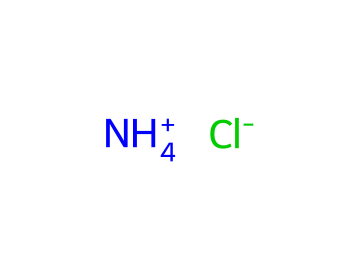
IDENTITY
COMPUTED
PROPERTIES
pH of aqueous solution (25 °C): 1% 5.5; 3% 5.1; 10% 5.0
Odorless
Cooling, saline
1.53 at 68 °F (USCG, 1999) - Denser than water; will sink
1.519 g/cu cm
1.5 g/cm³
1.53
1.53 @25 °C
1.53
Colorless crystals or crystalline masses, or white, granular powder
Colorless cubic crystals
A white, fine or coarse, crystalline powder
Finely divided, ... white particulate dispersed in air. /Ammonium chloride fume/
37 % (NIOSH, 2024)
Strongly endothermic; sublimes without melting; somewhat hygroscopic; tendency to cake; hydrochloric acid and sodium chloride decrease solubility in water
In water, 39.5 g/100 g water at 25 °C
Almost insoluble in acetone, ether, ethyl acetate; soluble in alcohol
28.3% (wt/wt) in water at 25 °C
Soluble in liquid ammonia
At fire temp corrodes metals
Sublimes (NIOSH, 2024)
Sublimes
338 °C (sublimes)
520 °C
sublimes
Sublimes
Melting point: 338 °C (sublimes)
338 °C
662 °F (Sublimes) (NIOSH, 2024)
350
520.1 (triple point; decomposes)
662 °F (sublimes)
338 °C
662 °F (Sublimes)
1 mmHg at 321 °F (NIOSH, 2024)
1 Pa at 91 °C (solid); 10 Pa at 121 °C (solid); 100 Pa at 159 °C (solid); 1kPa at 204.7 °C (solid); 10 kPa at 263.1 °C (solid); 100 kPa at 339.5 °C (solid)
Vapor pressure, kPa at 160 °C: 0.13
1 mmHg at 321 °F
(321 °F): 1 mmHg
Index of refraction: 1.642
GHS
Warning
H302: Harmful if swallowed [Warning Acute toxicity, oral];H319: Causes serious eye irritation [Warning Serious eye damage/eye irritation]
P264, P264+P265, P270, P280, P301+P317, P305+P351+P338, P330, P337+P317, and P501 (click each P-code to see the statement)
This chemical does not meet GHS hazard criteria for < 0.1% (2 of 3391) of reports.
HAZARDS
Chemical: Ammonium chloride ((NH4)Cl)
Regulation (EC) No 1831/2003 (amended)
Ammonium chloride ((NH4)Cl) is listed on the EPA's Chemical Data Reporting (CDR) system. Manufacturers and importers of Ammonium chloride ((NH4)Cl) are required to report information about their production and use of this chemical to the EPA under the Toxic Substances Control Act (TSCA). (40 eCFR Part 711)
Status: Active Update: 03-11-2022 https://echa.europa.eu/registration-dossier/-/registered-dossier/15492
Ammonium chloride: Does not have an individual approval but may be used under an appropriate group standard
The New Jersey Worker and Community Right to Know Act requires public and private employers to provide information about hazardous substances at their workplaces. (N.J.S.A. 34:5A-1 et. seq.)
IMAP assessments - Ammonium chloride ((NH4)Cl): Environment tier I assessment;IMAP assessments - Ammonium chloride ((NH4)Cl): Human health tier II assessment
Special Hazards of Combustion Products: Toxic and irritating ammonia and hydrogen chloride gases may form in fire.;Behavior in Fire: May volatilize and condense on cool surfaces. (USCG, 1999)
Not combustible. Gives off irritating or toxic fumes (or gases) in a fire.
Inhalation of fumes irritates respiratory passages. Ingestion irritates mouth and stomach. Fumes are irritating to eyes. Contact with skin may cause irritation. (USCG, 1999)
The substance decomposes on heating or on burning, producing toxic and irritating fumes (nitrogen oxides, ammonia and hydrogen chloride). A skin, eye, and respiratory tract irritant; [ICSC]
The Approved Drug Products with Therapeutic Equivalence Evaluations identifies currently marketed prescription drug products, including ammonium chloride, approved on the basis of safety and effectiveness by FDA under sections 505 of the Federal Food, Drug, and Cosmetic Act.
Substance added directly to human food affirmed as generally recognized as safe (GRAS).
Drug products containing certain active ingredients offered over-the-counter (OTC) for certain uses. A number of active ingredients have been present in OTC drug products for various uses, as described below. However, based on evidence currently available, there are inadequate data to establish general recognition of the safety and effectiveness of these ingredients for the specified uses: ammonium chloride is included in cold, cough, allergy, bronchodilator and antiasthmatic drug products.
Salts, Acidic
Symbol: Xn; R: 22-36; S: (2)-22
Indian Chemical Manufacturers Association (1986). Chemical safety information sheet.
Residues of ammonium chloride are exempted from the requirement of a tolerance when used in accordance with good agricultural practice as inert (or occasionally active) ingredients in pesticide formulations applied to growing crops or to raw agricultural commodities after harvest. Listed uses: Intensifier when used with ammonium nitrate as a dessicant or defoliant. Fire suppressant in aluminum phosphide and magnesium phosphide formulations.
Residues of ammonium chloride are exempted from the requirement of a tolerance when used in accordance with good agricultural practice as inert (or occasionally active) ingredients in pesticide formulations applied to growing crops only. Use: carrier, nutrient.
Residues of the following chemical substances are exempted from the requirement of a tolerance when used in accordance with good manufacturing practice as ingredients in an antimicrobial pesticide formulation, provided that the substance is applied on a semi-permanent or permanent food-contact surface (other than being applied on food packaging) with adequate draining before contact with food. (a) The following chemical substances when used as ingredients in an antimicrobial pesticide formulation may be applied to: Food-contact surfaces in public eating places, dairy-processing equipment, and food-processing equipment and utensils. Ammonium chloride is included on this list. Limit: When ready for use, the end-use concentration is not to exceed 48 ppm.
Residues of the following chemical substances are exempted from the requirement of a tolerance when used in accordance with good manufacturing practice as ingredients in an antimicrobial pesticide formulation, provided that the substance is applied on a semi-permanent or permanent food-contact surface (other than being applied on food packaging) with adequate draining before contact with food. ... (c) The following chemical substances when used as ingredients in an antimicrobial pesticide formulation may be applied to: Food-processing equipment and utensils. Ammonium chloride is included on this list. Limit: When ready for use, the end-use concentration is not to exceed 48 ppm.
Acidic salts, such as AMMONIUM CHLORIDE, are generally soluble in water. The resulting solutions contain moderate concentrations of hydrogen ions and have pH's of less than 7.0. They react as acids to neutralize bases. These neutralizations generate heat, but less or far less than is generated by neutralization of inorganic acids, inorganic oxoacids, and carboxylic acid. They usually do not react as either oxidizing agents or reducing agents but such behavior is not impossible. Many of these compounds catalyze organic reactions.
Decomposes on heating. This produces toxic and irritating fumes (nitrogen oxides, ammonia and hydrogen chloride). The solution in water is a weak acid. Reacts violently with ammonium nitrate and potassium chlorate. This generates fire and explosion hazard. Attacks copper and its compounds.
SAFETY
In case of fire in the surroundings, use appropriate extinguishing media.
Fresh air, rest. Refer for medical attention.
Remove contaminated clothes. Rinse skin with plenty of water or shower.
First rinse with plenty of water for several minutes (remove contact lenses if easily possible), then refer for medical attention.
Rinse mouth. Give one or two glasses of water to drink. Rest. Refer for medical attention .
Excerpt from NIOSH Pocket Guide for Ammonium chloride fume:;Eye: IRRIGATE IMMEDIATELY - If this chemical contacts the eyes, immediately wash (irrigate) the eyes with large amounts of water, occasionally lifting the lower and upper lids. Get medical attention immediately.;Skin: SOAP WASH IMMEDIATELY - If this chemical contacts the skin, immediately wash the contaminated skin with soap and water. If this chemical penetrates the clothing, immediately remove the clothing, wash the skin with soap and water, and get medical attention promptly.;Breathing: RESPIRATORY SUPPORT - If a person breathes large amounts of this chemical, move the exposed person to fresh air at once. If breathing has stopped, perform artificial respiration. Keep the affected person warm and at rest. Get medical attention as soon as possible. (NIOSH, 2024)
(General first aid procedures);Eye: Irrigate immediately - If this chemical contacts the eyes, immediately wash (irrigate) the eyes with large amounts of water, occasionally lifting the lower and upper lids. Get medical attention immediately.;Skin: Soap wash immediately - If this chemical contacts the skin, immediately wash the contaminated skin with soap and water. If this chemical penetrates the clothing, immediately remove the clothing, wash the skin with soap and water, and get medical attention promptly.;Breathing: Respiratory support
Separated from ammonium nitrate and potassium chlorate. Dry.
Gives off irritating or toxic fumes (or gases) in a fire.
Suitable extinguishing media: Use water spray, alcohol-resistant foam, dry chemical or carbon dioxide.
Advice for firefighters: Wear self-contained breathing apparatus for firefighting if necessary.
Extinguish fire using agent suitable for type of surrounding fire. (Material itself does not burn or burns with difficulty.)
Keep container tightly closed in a dry and well-ventilated place. Hygroscopic.
On account of its corrosive nature and its tendency to cake, NH4Cl is best packed in sacks, or in the case of "flowable" goods in big bags, of paper or polyethylene rather than plastic or metal drums.
Ammonium chloride for injection concentrate should be stored at a temperature of 40 °C or less; freezing should be avoided.
Separated from ammonium nitrate, potassium chlorate. Dry.
Accidental release measures. Personal precautions, protective equipment and emergency procedures: Use personal protective equipment. Avoid dust formation. Avoid breathing vapors, mist or gas. Ensure adequate ventilation. Avoid breathing dust.; Environmental precautions: Prevent further leakage or spillage if safe to do so. Do not let product enter drains. Discharge into the environment must be avoided.; Methods and materials for containment and cleaning up: Pick up and arrange disposal without creating dust. Sweep up and shovel. Keep in suitable, closed containers for disposal.
Environmental considerations- land spill: Dig a pit, pond, lagoon, holding area to contain liquid or solid material. /SRP: If time permits, pits, ponds, lagoons, soak holes, or holding areas should be sealed with an impermeable flexible membrane liner./ Cover solids with a plastic sheet to prevent dissolving in rain or fire fighting water.
Environmental considerations- water spill: Neutralize with dilute acid.
SRP: Recycle any unused portion of the material for its approved use or return it to the manufacturer or supplier. Ultimate disposal of the chemical must consider: the material's impact on air quality; potential migration in air, soil or water; effects on animal, aquatic and plant life; and conformance with environmental and public health regulations. If it is possible or reasonable use an alternative chemical product with less inherent propensity for occupational harm/injury/toxicity or environmental contamination.
Product: Offer surplus and non-recyclable solutions to a licensed disposal company. Contact a licensed professional waste disposal service to dispose of this material.
Contaminated packaging: Dispose of as unused product.
Pretreatment involves addition of sodium hydroxide to liberate ammonia and form the soluble sodium salt. The liberated ammonia can be recovered and sold. After dilution to the permitted provisional limit, the sodium salt can be discharged into a stream or sewer.
Group III Containers (both combustible and non-combustible) that previously held organic mercury, lead, cadmium, arsenic, or inorganic pesticides should be triple rinsed, punctured and disposed of in a sanitary landfill. Non-rinsed containers should be encapsulated and buried at a specially designated landfill site. /Organic mercury, lead, cadmium, arsenic, or inorganic pesticides/
Personal protection: particulate filter respirator adapted to the airborne concentration of the substance. Sweep spilled substance into covered containers. Wash away remainder with plenty of water.
Precautions for safe handling: Avoid contact with skin and eyes. Avoid formation of dust and aerosols. Provide appropriate exhaust ventilation at places where dust is formed.
Appropriate engineering controls: Handle in accordance with good industrial hygiene and safety practice. Wash hands before breaks and at the end of workday.
Gloves must be inspected prior to use. Use proper glove removal technique (without touching glove's outer surface) to avoid skin contact with this product. Dispose of contaminated gloves after use in accordance with applicable laws and good laboratory practices. Wash and dry hands.
SRP: The scientific literature for the use of contact lenses by industrial workers is inconsistent. The benefits or detrimental effects of wearing contact lenses depend not only upon the substance, but also on factors including the form of the substance, characteristics and duration of the exposure, the uses of other eye protection equipment, and the hygiene of the lenses. However, there may be individual substances whose irritating or corrosive properties are such that the wearing of contact lenses would be harmful to the eye. In those specific cases, contact lenses should not be worn. In any event, the usual eye protection equipment should be worn even when contact lenses are in place.
For more Preventive Measures (Complete) data for AMMONIUM CHLORIDE (12 total), please visit the HSDB record page.
Wear safety spectacles.
TOXICITY
Cisplatin (cis-diamminedichloroplatinum II, CDDP) acts as a therapeutic agent by initiating cellular apoptosis. However, side-effects and drug resistance limit the clinical use of cisplatin. Numerous studies have focused on the drug-target interactions, cellular pharmacology and pharmacokinetics of cisplatin. Newly developed treatment strategies are needed in order to be used in combination with cisplatin, with the aim to minimize toxicity and to circumvent cisplatin resistance. Ammonium chloride (NH4Cl) is widely used in various areas, but its use as a combination agent with cisplatin for the treatment of cancer cells has not been previously reported. In the present study, we showed that NH4Cl could be potentially used as an effective agent in cisplatin combination treatment of HeLa human cervical cancer (HCC) cells. Cisplatin was found to inhibit cell growth, as well as to induce cell apoptosis and DNA double-strand breaks. In addition, treatment with NH4Cl increased the rate of cell apoptosis and the activation of caspase-3. Particularly, we found that NH4Cl treatment increased cisplatin induced phosphorylation of H2AX. In conclusion, our data indicate that NH4Cl enhances cisplatin cytotoxicity through increased DNA damage in HeLa HCC cells.
Large doses of ammonium chloride acidify the urine, thus decr the ionization of chlorpropamide (Diabinese) and decr its urinary excretion.
Ammonium chloride tends to render the urine acidic, thereby incr the possibility of aminosalicylic acid crystalluria.
It is proposed that the inhibition of aldosterone by spironolactone may impair the ability of the kidney to secrete hydrogen ions, and in the presence of acidifying doses of ammonium chloride the combination may produce systemic acidosis.
For more Interactions (Complete) data for AMMONIUM CHLORIDE (16 total), please visit the HSDB record page.
Eyes, skin, respiratory system
LC50; Species: Colinus virginianus (Northern bobwhite) diet >5620 ppm for 8 days
EC50; Species: Anabaena azotica (Blue-green Algae) Exponential Growth Phase Strain FACHB 118; Conditions: freshwater, static, 25 °C, pH 8.3; Concentration: 2.448 mmol/L for 96 hr (95% confidence interval: 2.071-2.893 mmol/L); Effect: decreased population growth rate
EC50; Species: Microcystis aeruginosa (Blue-Green Algae) Exponential Growth Phase Strain FACHB 905; Conditions: freshwater, static, 25 °C, pH 8.3; Concentration: 3.258 mmol/L for 96 hr (95% confidence interval: 2.96-3.585 mmol/L); Effect: decreased population growth rate
EC50; Species: Microcystis aeruginosa (Blue-Green Algae) Exponential Growth Phase Strain FACHB 315; Conditions: freshwater, static, 25 °C, pH 8.3; Concentration: 3.735 mmol/L for 96 hr (95% confidence interval: 2.871-4.860 mmol/L); Effect: decreased population growth rate
For more Ecotoxicity Values (Complete) data for AMMONIUM CHLORIDE (45 total), please visit the HSDB record page.
The substance can be absorbed into the body by inhalation of dust or fume and by ingestion.
inhalation, skin and/or eye contact
IDENTIFICATION AND USE: Ammonium chloride is a white, fine or coarse, crystalline powder. it is a good fertilizer for important crops in rainy climates, particularly for rice. It is not registered for current use in the U.S., but approved pesticide uses may change periodically and so federal, state and local authorities must be consulted for currently approved uses. Ammonium chloride is used also as a flux in zinc and tin plating; electroplating, electrolytic refining of zinc; etching solutions in manufacture of printed circuit boards; in dry and Leclanche batteries; manufacturing of explosives; flame suppressant; hardener for formaldehyde-based adhesives; mordant for dyes and printing. It is used as medication particularly in diuretics, expectorants. HUMAN EXPOSURE AND TOXICITY: Potential symptoms of overexposure to fumes are irritation of eyes, skin, and respiratory system; cough, dyspnea, pulmonary sensitization. Large doses of ammonium chloride may cause metabolic acidosis secondary to hyperchloremia, especially in patients with impaired renal function. Other adverse effects of excessive ammonium chloride dosage include rash, headache, hyperventilation, bradycardia, progressive drowsiness, mental confusion, and phases of excitement alternating with coma. Calcium-deficient tetany, hyperglycemia, glycosuria, twitching, hyperreflexia, and EEG abnormalities have also been reported. Most of these adverse effects are secondary to ammonia toxicity resulting from inability of the liver to convert the ammonium ion to urea. Because rapid IV injection may increase the likelihood of ammonia toxicity, IV infusions of ammonium chloride should be administered slowly to permit metabolism of ammonium ions by the liver. Patients receiving ammonium chloride should be closely monitored for signs and symptoms of ammonia toxicity such as pallor, sweating, irregular breathing, vomiting, bradycardia, cardiac arrhythmias, local or generalized twitching, asterixis, tonic seizures, and co
/AQUATIC SPECIES/ ... This study examines the freshwater amphipod Crangonyx pseudogracilis as a potential new indicator species when used in the Multispecies Freshwater Biomonitor (MFB). The MFB is an online continuous biomonitor which uses impedance conversion to record behavioral responses of vertebrates and invertebrates. Four experiments were undertaken to establish: (1) if the electrical field generated by the MFB affected the organisms' behavior, (2) if defined behaviors and their response to a gradient of ammonium chloride could be detected by the MFB, (3) if there was variation in the behavior of C. pseudogracilis over a diel cycle, and (4) if behavior changed significantly in response to a pulse of ammonium chloride. Results showed no significant effect of the MFB's current on behavior of C. pseudogracilis. Four behaviors; swimming, walking, grooming and inactivity, were observed and identified in the MFB. In the MFB, each behavior changed significantly in response to an increasing gradient of ammonium chloride exposure. The MFB also detected increases in nocturnal activity by C. pseudogracilis. The MFB also detected a significant increase in activity after a pulse of ammonium chloride ...
/AQUATIC SPECIES/ A short-term method was developed in this study for conducting subchronic survival and growth renewal toxicity tests with rainbow trout (Oncorhynchus mykiss) and brook trout (Salvelinus fontinalis). Previously published early life-stage methods for various salmonid species involve test durations of 30 to 90 days. This trout method, however, follows a previously published 7-day fathead minnow (Pimephales promelas) growth method. The tests performed in this study measured subchronic growth and survival effects using standard reference toxicants (ammonium chloride, potassium chloride, phenol, and zinc sulfate), receiving water, and effluent samples. The test results were compared with performance criteria and results for 7-day survival and growth tests with P. promelas to determine the level of comparability between the two species. The results from tests with both salmonid species indicated that this 7-day survival and growth test method using O. mykiss and S. fontinalis provides reproducible results with various reference toxicant materials and can be used successfully to detect potential toxicity in environmental samples.
/AQUATIC SPECIES/ The objective of this study was to elucidate the mechanisms of acute ammonia toxicity in the aquatic Chinese soft-shelled turtle, Pelodiscus sinensis, and to examine how this turtle defended against a sublethal dose of NH(4)Cl injected into its peritoneal cavity. The ammonia and glutamine contents in the brains of turtles that succumbed within 3hr to an intraperitoneal injection with a lethal dose (12.5 micromol/g turtle) of NH(4)Cl were 21 and 4.4 micromol/g, respectively. Since the brain glutamine content increased to 8 micromol/g at hour 6 and recovered thereafter in turtles injected with a sub-lethal dose of NH(4)Cl (7.5 micromol/g turtle), it can be concluded that increased glutamine synthesis and accumulation was not the major cause of acute ammoniatoxicity in P. sinensis. Indeed, the administration of l-methionine S-sulfoximine (MSO; 82 microg/g turtle), a glutamine synthetase (GS) inhibitor, prior to the injection of a lethal dose of NH(4)Cl had no significant effect on the mortality rate. Although the prior administration of MSO led to an extension of the time to death, it was apparently a result of its effects on glutamate dehydrogenase and glutamate formation, instead of glutamine synthesis and accumulation, in the brain. By contrast, a prior injection with MK801 (1.6 microg/g turtle), a NMDA receptor antagonist, reduced the 24hr mortality of turtles injected with a lethal dose of NH(4)Cl by 50%. Thus, acute ammonia toxicity in P. sinensis was probably a result of glutamate dysfunction and the activation of NMDA receptors. NMDA receptor activation could also be exacerbated through membrane depolarization caused by the extraordinarily high level of ammonia (21 micromol/g brain) in the brain of turtles that succumbed to a lethal dose of NH(4)Cl. One hour after the injection with a sub-lethal dose of NH(4)Cl, the brain of P. sinensis exhibited an extraordinarily high tolerance of ammonia (16 micromol/g brain). The transient nature of ammoni
/AQUATIC SPECIES/ Effects of two fertilizers, NH(4)Cl and KCl, on the growth of the edible cyanobacterium Ge-Xian-Mi (Nostoc) and four other cyanobacterial strains were compared at pH 8.3+/-0.2 and 25 degrees C. Their growth was decreased by at least 65% at 10 mmol/L NH(4)Cl but no inhibitory effect was observed at the same level of KCl. Meanwhile, the strains exhibited a great variation of sensitivity to NH(4)(+) toxicity in the order: Ge-Xian-Mi>Anabaena azotica FACHB 118>Microcystis aeruginosa FACHB 905>M. aeruginosa FACHB 315>Synechococcus FACHB 805. The 96-hr EC(50) value for relative growth rate with regard to NH(4)(+) for Ge-Xian-Mi was 1.105 mmol/L, which was much less than the NH(4)(+) concentration in many agricultural soils (2-20 mmol/L). This indicated that the use of ammonium as nitrogen fertilizer was responsible for the reduced resource of Ge-Xian-Mi in the paddy field. After 96 hr exposure to 1 mmol/L NH(4)Cl, the photosynthetic rate, F(v)/F(m) value, saturating irradiance for photosynthesis and PSII activity of Ge-Xian-Mi colonies were remarkably decreased. The chlorophyll synthesis of Ge-Xian-Mi was more sensitive to NH(4)(+) toxicity than phycobiliproteins. Thus, the functional absorption cross section of Ge-Xian-Mi PSII was increased markedly at NH(4)Cl levels >or=1 mmol/L and the electron transport on the acceptor side of PSII was significantly accelerated by NH(4)Cl addition >or=3 mmol/L. Dark respiration of Ge-Xian-Mi was significantly increased by 246% and 384% at 5 and 10 mmol/L NH(4)Cl, respectively. The rapid fluorescence rise kinetics indicated that the oxygen-evolving complex of PSII was the inhibitory site of NH(4)(+).
For more Ecotoxicity Excerpts (Complete) data for AMMONIUM CHLORIDE (21 total), please visit the HSDB record page.
Cough. Sore throat.
Redness.
Redness. Pain.
Nausea. Sore throat. Vomiting.
irritation eyes, skin, respiratory system; cough, dyspnea (breathing difficulty), pulmonary sensitization
The substance is toxic to aquatic organisms.
Ammonium chloride occurs naturally in volcanic material; however, production from natural sources is of no significance.
/HUMAN EXPOSURE STUDIES/ The effect of acidosis on whole body protein turnover was determined from the kinetics of infused L-(1-(13)C) leucine. Seven healthy subjects were studied before (basal) and after (acid) the induction of acidosis with 5 days oral ammonium chloride (basal pH 7.42 +/- 0.01, acid pH 7.35 +/- 0.03). Bicarbonate recovery, measured from the kinetics of infused NaH13CO3, was increased in the acidotic state (basal 72.9 +/- 1.2 vs. acid 77.6 +/- 1.6%; P = 0.06). Leucine appearance from body protein (PD), leucine disappearance into body protein (PS), and leucine oxidation (O) increased significantly (PD: basal 120.5 +/- 5.6 vs. acid 153.9 +/- 6.2, P < 0.01; PS: basal 98.8 +/- 5.6 vs. acid 127.0 +/- 4.7, P < 0.01; O: basal 21.6 +/- 1.1 vs. acid 26.9 +/- 2.3 umol/kg/hr, P < 0.01). Plasma levels of the amino acids threonine, serine, asparagine, citrulline, valine, leucine, ornithine, lysine, histidine, arginine, and hydroxyproline increased significantly with the induction of acidosis. These results confirm that acidosis in humans is a catabolic factor stimulating protein degradation and amino acid oxidation.
/HUMAN EXPOSURE STUDIES/ The present study was undertaken to determine the relative contribution of altered glomerular and tubular functions to the metabolic-acidosis-induced increase of renal electrolyte excretion in healthy preterm and full-term neonates and in older infants. Studies were performed in 10 premature infants (mean birth weight 1618 g, gestational age 30.8 weeks) weekly for 6 consecutive weeks, in 11 full-term neonates (mean birth weight 3085 g, gestational age 38.6 weeks) on the 7th day of life and in 25 older control infants (mean age 6.5 months, body weight 6802 g), before and after NH4Cl loading. Blood acid-base parameters, plasma and urine electrolyte and creatinine concentrations were measured, endogenous creatinine clearance and fractional electrolyte excretion (FE) calculated. It was demonstrated that the significant reduction in blood pH and total CO2 content induced by NH4Cl administration was associated with significant increases in glomerular filtration rate (GFR), urine flow rate, FENa and FECl, in each group studied, irrespective of maturity, postnatal age or pre load values. FEK also tended to increase, but the change reached statistical significance only in older infants and in premature babies during the 1st, 2nd and 5th week of post-natal life. FECa and FEPO4 increased slightly in preterm and full-term newborns and became significant in older infants. Prior to NH4Cl administration, FECa correlated positively with FENa in each group. NH4Cl metabolic acidosis, however, dissociated FECa from FENa in the full-term newborns and older infants but not in the preterm neonates.
/HUMAN EXPOSURE STUDIES/ The effects of acetazolamide, a potent carbonic anhydrase inhibitor, and ammonium chloride (NH4Cl) on arterial blood gas tension, resting ventilation, and ventilatory responses to CO2 (HCVR) and hypoxia (HVR) were studied in healthy male subjects. Both drugs induced chronic metabolic acidosis with the reduction in plasma bicarbonate by a mean of 7.0 +/- 2.0 (SD) mM after acetazolamide and by 5.6 +/- 1.8 mM after NH4Cl. The ratio in the decrement of PaCO2 to that of plasma bicarbonate (delta PaCO2/delta (HCO3-)) was 1.51 in the former and 0.98 in the latter. Both drugs increased inspiratory minute ventilation (VI) predominantly due to increased tidal volume (VT) with acetazolamide and to increased respiratory frequency (f) with NH4Cl. In HCVR, the increments in CO2- ventilation slope and in ventilation at PETCO2 60 mmHg after drug administration were 0.77 +/- 0.51 L/min/mmHg and 20.0 +/- 11.2 L/min with acetazolamide and 0.59 +/- 0.40 L/min/mmHg and 8.0 +/- 2.8 L/min with NH4Cl, respectively. On the other hand, HVR both in terms of delta VI/delta SaO2 slope and of ventilation at SaO2 75% significantly increased after NH4Cl but not after acetazolamide administration. Thus, augmented VT and HCVR in the acetazolamide group and increased f and HVR in the NH4Cl group suggested that the central chemosensitive mechanism in the former and the peripheral chemosensitive mechanism in the latter may predominantly be responsible for the elevated ventilatory activities.
/HUMAN EXPOSURE STUDIES/ To investigate the effect of ammonium chloride-induced urine acidification on acid-base status (ABS) of blood, plasma, and erythrocytes, and to compare the diagnostic value of acid-base analysis for erythrocytes with that for blood and plasma. Design: Ammonium chloride (100 mg/kg of body weight) was administered orally every 12 hours for 8 consecutive days. The ABS was determined daily in venous blood, plasma, and lysed, packed erythrocytes (erythrolysate) and in urine. In plasma and erythrocytes, concentrations of sodium (Na+) and potassium (K+) were analyzed ... /in/ 16 clinically normal (8 treated and 8 control) dogs ... The acid-base analysis (standard pH, standard bicarbonate concentration, base excess, and carbon dioxide tension) in blood, plasma, and erythrocytes was determined by use of the CO2, O2, gas equilibration method. Determination of urine ABS (pH, concentrations of acids and bases, net acid-base excretion, base-acid quotient) was performed by titration methods. Determination of concentrations of Na+ and K+ in erythrocytes was performed by flame photometry, and in plasma, by use of ion-specific electrodes ... Ammonium chloride caused metabolic acidosis in blood and plasma, but no change of ABS in erythrocytes. The concentrations of K+ in plasma and erythrocytes did not change in treated dogs; however, the concentrations of Na+ in plasma and erythrocytes decreased significantly (P < 0.05) after ammonium chloride administration. Urinary acid excretion increased significantly (P < 0.05) in treated dogs; urine pH was between 4.51 and 5.49 at all times ... /The authors concluded that/ ammonium chloride administration (100 mg/kg, PO, q 12 hr) causes substantial blood and urine acidification but does not influence erythrocyte ABS. In this study, determination of erythrocyte ABS did not provide any additional benefit in diagnosing metabolic acidosis, compared with analysis of blood.
For more Human Toxicity Excerpts (Complete) data for AMMONIUM CHLORIDE (18 total), please visit the HSDB record page.
Drug Induced Liver Injury Rank (DILIrank 2.0)
Ammonium chloride
vNo-DILI-concern
0
No match
DOI:10.1016/j.drudis.2016.02.015
/LABORATORY ANIMALS: Acute Exposure/ In mice intravenous administration ... resulted in hyperventilation and clonic movements which were followed sometimes by tonic extensor convulsions, but usually by profound coma; death was preceded by convulsions, but survivors made complete and rapid recovery. This syndrome /was/ potentiated by short periods of hypoxia ... . /Ammonia/
/LABORATORY ANIMALS: Acute Exposure/ ...In rabbits, replacement of aq. humor with 1% solution of ammonium chloride has caused considerable hyperemia of iris, but by next day eyes were almost normal, and in another day were completely recovered... .
/LABORATORY ANIMALS: Acute Exposure/ Ten percent ammonium chloride solution has induced immediate "salt cataract" /in rabbits/ and rise in intraocular pressure. ... In next day or two hemorrhages have appeared in iris and fibrin in anterior chamber, but soon this reaction has subsided, and ultimately cornea and lens have been left clear ... .
/LABORATORY ANIMALS: Acute Exposure/ ...Solution containing 0.1 molar ammonium chloride... at pH 7 to 7.5 made up to 0.46 osmolar... by addition of sodium chloride or sucrose and dripped continuously on eyes of rabbits cause edema of epithelium of cornea within 3 to 3.5 hr ... toxic effect on epithelium of cornea is shown to be attributable to ammonium /ion/... .
For more Non-Human Toxicity Excerpts (Complete) data for AMMONIUM CHLORIDE (46 total), please visit the HSDB record page.
REGULATORY
Chemical: Ammonium chloride ((NH4)Cl)
Regulation (EC) No 1831/2003 (amended)
Ammonium chloride ((NH4)Cl) is listed on the EPA's Chemical Data Reporting (CDR) system. Manufacturers and importers of Ammonium chloride ((NH4)Cl) are required to report information about their production and use of this chemical to the EPA under the Toxic Substances Control Act (TSCA). (40 eCFR Part 711)
Status: Active Update: 03-11-2022 https://echa.europa.eu/registration-dossier/-/registered-dossier/15492
Ammonium chloride: Does not have an individual approval but may be used under an appropriate group standard
The New Jersey Worker and Community Right to Know Act requires public and private employers to provide information about hazardous substances at their workplaces. (N.J.S.A. 34:5A-1 et. seq.)
The Approved Drug Products with Therapeutic Equivalence Evaluations identifies currently marketed prescription drug products, including ammonium chloride, approved on the basis of safety and effectiveness by FDA under sections 505 of the Federal Food, Drug, and Cosmetic Act.
Substance added directly to human food affirmed as generally recognized as safe (GRAS).
Drug products containing certain active ingredients offered over-the-counter (OTC) for certain uses. A number of active ingredients have been present in OTC drug products for various uses, as described below. However, based on evidence currently available, there are inadequate data to establish general recognition of the safety and effectiveness of these ingredients for the specified uses: ammonium chloride is included in cold, cough, allergy, bronchodilator and antiasthmatic drug products.
Residues of ammonium chloride are exempted from the requirement of a tolerance when used in accordance with good agricultural practice as inert (or occasionally active) ingredients in pesticide formulations applied to growing crops or to raw agricultural commodities after harvest. Listed uses: Intensifier when used with ammonium nitrate as a dessicant or defoliant. Fire suppressant in aluminum phosphide and magnesium phosphide formulations.
Residues of ammonium chloride are exempted from the requirement of a tolerance when used in accordance with good agricultural practice as inert (or occasionally active) ingredients in pesticide formulations applied to growing crops only. Use: carrier, nutrient.
Residues of the following chemical substances are exempted from the requirement of a tolerance when used in accordance with good manufacturing practice as ingredients in an antimicrobial pesticide formulation, provided that the substance is applied on a semi-permanent or permanent food-contact surface (other than being applied on food packaging) with adequate draining before contact with food. (a) The following chemical substances when used as ingredients in an antimicrobial pesticide formulation may be applied to: Food-contact surfaces in public eating places, dairy-processing equipment, and food-processing equipment and utensils. Ammonium chloride is included on this list. Limit: When ready for use, the end-use concentration is not to exceed 48 ppm.
Residues of the following chemical substances are exempted from the requirement of a tolerance when used in accordance with good manufacturing practice as ingredients in an antimicrobial pesticide formulation, provided that the substance is applied on a semi-permanent or permanent food-contact surface (other than being applied on food packaging) with adequate draining before contact with food. ... (c) The following chemical substances when used as ingredients in an antimicrobial pesticide formulation may be applied to: Food-processing equipment and utensils. Ammonium chloride is included on this list. Limit: When ready for use, the end-use concentration is not to exceed 48 ppm.
Persons in charge of vessels or facilities are required to notify the National Response Center (NRC) immediately, when there is a release of this designated hazardous substance, in an amount equal to or greater than its reportable quantity of 5,000 lb or 2,270 kg. The toll free number of the NRC is (800) 424-8802. The rule for determining when notification is required is stated in 40 CFR 302.4 (section IV. D.3.b).
Ammonium chloride is designated as a hazardous substance under section 311(b)(2)(A) of the Federal Water Pollution Control Act and further regulated by the Clean Water Act Amendments of 1977 and 1978. These regulations apply to discharges of this substance. This designation includes any isomers and hydrates, as well as any solutions and mixtures containing this substance.
PHARMACOLOGY
B - Blood and blood forming organs;B05 - Blood substitutes and perfusion solutions;B05X - I.v. solution additives;B05XA - Electrolyte solutions;B05XA04 - Ammonium chloride
G - Genito urinary system and sex hormones;G04 - Urologicals;G04B - Urologicals;G04BA - Acidifiers;G04BA01 - Ammonium chloride
QB - Blood and blood forming organs;QB05 - Blood substitutes and perfusion solutions;QB05X - I.v. solution additives;QB05XA - Electrolyte solutions;QB05XA04 - Ammonium chloride
QG - Genito urinary system and sex hormones;QG04 - Urologicals;QG04B - Urologicals;QG04BA - Acidifiers;QG04BA01 - Ammonium chloride
Ammonium is also an endogenous substance that serves a major role in the maintenance of the acid-base balance. Minor amounts of ammonium nitrogen are incorporated in the physiological N-pool. /Ammonium/
Data not found.
Systemic acidifier. In liver ammonium chloride is converted into urea with the liberation of hydrogen ions ( which lowers the pH) and chloride.
Ammonium chloride increases acidity by increasing the amount of hydrogen ion concentrations. Ammonium chloride can be used as an expectorant due to its irritative action on the bronchial mucosa. This effect causes the production of respiratory tract fluid which in order facilitates the effective cough.
The acid-forming properties of ammonium chloride result from dissociation of the salt to an ammonium cation and a chloride anion. In patients with normal hepatic function, the ammonium cation is converted to urea by the liver and a hydrogen cation is released which reacts with a bicarbonate ion to form water and carbon dioxide. The chloride anion combines with fixed bases in the extracellular fluid, thereby reducing the alkaline reserve of the body. The net result is the displacement of bicarbonate ions by chloride anions. The displacement of bicarbonate by chloride alters the bicarbonate:carbonic acid ratio if the body and acidosis results. The increased chloride concentration in the extracellular fluid produces an increased load to the renal tubules and appreciable amounts of chloride anions escape reabsorption. These anions are excreted along with cations and water. Sodium is the principal cation excreted; however, potassium excretion may also be increased to some degree. By increasing the excretion of both extracellular electrolytes and water, ammonium chloride causes a net loss of extracellular fluid and promotes the mobilization of edema fluid.
Unknown
Ammonium ion is converted to urea in the liver; chloride ion replaces bicarbonate.
When ammonium ion is converted to urea, liberated hydrogen ion reacts with bicarbonate and other body buffers ... chloride ion displaces bicarbonate ion; latter is converted to carbon dioxide ... chloride load to kidneys is increased and appreciable amount escapes reabsorption along with equivalent amount of cation ... and isoosmotic quantity of water.
The toxicity of ammonium chloride depends on the ammonia which enters the living organism and hence the cell. This substance is readily absorbed by the gastrointestinal tract, and utilized in the liver to form amino acids and proteins. When ammonium ions are converted to urea, liberated hydrogen ion reacts with bicarbonate ion to form water and carbon dioxide. The chloride ion displaces the bicarbonate ion. Chloride is loaded into the kidneys. The increased chloride concentration in the extracellular fluid produces an increased load to the renal tubules. Increase excretion of electrolytes and water causes loss of extracellular fluid and promotes the mobilization of edema fluid.
/Ammonium chloride/ is metabolized in the liver to form urea and hydrochloric acid.
Male Sprague-Dawley rats gavaged with 1000 umol (15)N ammonium chloride each day for 5 days were found to excrete low, but significant amounts of excess (15)N nitrate in their urines on the five days of treatment and on the five subsequent days. A total of 0.28 + or - 0.03 umol excess (15)N nitrate (mean + or - SE) per rat was recovered which indicates that ammonia is converted to nitrate in a yield of approximately 0.0080%.
Completely absorbed within 3–6 h. In healthy persons, absorption of ammonium chloride given by mouth was practically complete. Only 1 to 3% of the dose was recovered in the feces.
Excretion: Urine
Data not found.
Data not found.
From human incidentally exposures it was learnt that following oral administration, ammonium chloride is rapidly absorbed from the GI tract, complete absorption occurring within 3 -6 hours. Only 1 -3% of the dose was recovered in the feces. Substantial first pass metabolism occurs in the liver. For animals, after repeated oral administration, ammonium chloride enters readily the body and main targets for its toxicity are kidneys.
Ammonium chloride is effectively absorbed from the gastrointestinal tract ... . In healthy persons, absorption of ammonium chloride given by mouth was practically complete. Only 1 to 3% of the dose was recovered in the feces.
USES
Used as a mordant in dyeing, a soldering flux, a fertilizer, and a pickling agent; also used in the dry battery, electroplating, plastics, food processing, and pharmaceutical industries; a large amount of fume may be generated in galvanizing operations; [ACGIH]
Steel Producing [Category: Industry];Electroplating [Category: Plate];Soldering [Category: Heat or Machine]
Applying metallic patinas [Category: Hobbies]
Mesh Heading: diuretics, expectorants
For ammonium chloride (USEPA/OPP Pesticide Code: 129014) there are 0 labels match. /SRP: Not registered for current use in the U.S., but approved pesticide uses may change periodically and so federal, state and local authorities must be consulted for currently approved uses./
As a flux in zinc and tin plating; electroplating, electrolytic refining of zinc; etching solutions in manufacture of printed circuit boards; in dry and Leclanche batteries; as a nitrogen source for fertilization of rice and wheat, manufacturing of explosives; flame suppressant; hardener for formaldehyde-based adhesives; mordant for dyes and printing.
Principal impurity is NaCl.
(1975) 7.99X10+8 G
(1975) 7.99X10+8 G
(1984) 1.47X10+9 g
(1986) 4,432,231 lb
2023: 85,000,000 - <100,000,000 lb;2022: 70,000,000 - <85,000,000 lb;2021: 70,000,000 - <85,000,000 lb;2020: 85,000,000 - <100,000,000 lb
(1984) 1.09X10+10 g
(1986) >1 million-10 million pounds
(1990) 10 thousand-500 thousand pounds
(1994) 10 thousand-500 thousand pounds
For more U.S. Production (Complete) data for AMMONIUM CHLORIDE (8 total), please visit the HSDB record page.
Electrolyte for dry cell batteries, 35%; Soldering, metal & refinishing flux, 30%; Galvanizing, 15%; and Misc, 20% (1984)
Processing aids, specific to petroleum production;Flux agent;Sealant (barrier);Not Known or Reasonably Ascertainable;Soil amendments (fertilizers);pH regulating agent;Other
Lubricating agent;Other;Processing aids not otherwise specified;Plating agent;Flux agent;Soil amendments (fertilizers);Ion exchange agent;Not Known or Reasonably Ascertainable;Intermediate;Anti-scaling agent;Processing aids, specific to petroleum production;Etching agent
By the following processes: (1) the ammoniacal liquid obtained from the destructive distillation of coal is neutralized with HCl and the crude product subsequently is purified, (2) the vapors of ammonia from synthetic processes are absorbed in HCl, and (3) as byproduct in the Solvay process for sodium bicarbonate.
Double-decomposition processes all involve the reaction of sodium chloride, the cheapest chlorine source, with an ammonium salt. The latter may be supplied directly, or generated in situ by the reaction of ammonia and a supplementary ingredient. Ammonium chloride and a sodium salt are formed. The sodium salt is typically less soluble and is separated at higher temperatures; ammonium chloride is recovered from the filtrate by cooling.
Ammonium chloride is made as a by-product of the classic Solvay process, used to manufacture sodium carbonate. The method involves reaction of ammonia, carbon dioxide, and sodium chloride in water. Sodium bicarbonate precipitates from solution and is recovered by filtration. Ammonium chloride is then crystallized from the filtrate, separated, washed, and dried. The exact proportion of ammonium chloride recovered depends on the relative demands for sodium carbonate and ammonium chloride. If economic conditions require, part of the ammonia can be recovered and returned to the brine-ammoniation step by distillation of the ammonium chloride solution in the presence of lime. The spent calcium chloride liquor, a final product in manufacture of sodium carbonate by the ammonia-soda process, can also be used to obtain ammonium chloride. This liquor is treated with ammonia and carbon dioxide. Calcium carbonate is removed by filtration leaving an ammonium chloride solution.
Ammonium sulfate, a readily available by-product, has been much used to make ammonium chloride by a double decomposition reaction with sodium chloride. The ammonium sulfate and sodium chloride are simultaneously dissolved, preferably in a heel of ammonium chloride solution. The sodium chloride is typically in excess of about 5%. The pasty mixture is kept hot and agitated vigorously. When the mixture is separated by vacuum filtration, the filter and all connections are heated to avoid crust formation. The crystalline sodium sulfate is washed to remove essentially all of the ammonium chloride and the washings recycled to the process. The ammonium chloride filtrate is transferred to acid resistant crystallizing pans, concentrated, and cooled to effect crystallization. The crystalline NH4Cl is washed with water to remove sulfate and dried to yield a product of high purity.
Because of the availability of by-product ammonium salts, the double decomposition routes are usually more favorable economically for ammonium chloride manufacture. However, where surplus hydrogen chloride is available, the direct neutralization process has been used. The reaction is very exothermic and the heat generated is used to evaporate a large part of the water present when aqueous hydrochloric acid is used. Batch or continuous crystallization is then employed to recover the ammonium chloride.
Contains 99.5-99.8% NH4Cl; principal impurity is NaCl; exists in two temperature dependent crystal modifications.
Parenteral: For injection, concentrate: 26.75% (5 mEq of NH4+ and Cl- per mL) Ammonium Chloride Injection.
Grades: Technical (lump or granulated); chemically pure; United States Pharmacopeia; FCC.
Technical grade ammonium chloride is widely available as the crystalline salt; technical rods and granules are also available.
For more Formulations/Preparations (Complete) data for AMMONIUM CHLORIDE (8 total), please visit the HSDB record page.
Information on 153 consumer products that contain Ammonium chloride in the following categories is provided:;• Auto Products;• Commercial / Institutional;• Home Maintenance;• Inside the Home;• Personal Care
Animal Drugs -> FDA Approved Animal Drug Products (Green Book) -> Active Ingredients
Food Additives -> FLOUR_TREATMENT_AGENT; YEAST_FOOD -> JECFA Functional Classes
Food Additives -> FLOUR_TREATMENT_AGENT; YEAST_FOOD -> JECFA Functional Classes
Food Additives -> FLOUR_TREATMENT_AGENT; YEAST_FOOD -> JECFA Functional Classes
Cosmetics -> Viscosity controlling; Buffering
All Other Basic Organic Chemical Manufacturing;Fabricated Metal Product Manufacturing;Not Known or Reasonably Ascertainable;All Other Chemical Product and Preparation Manufacturing;Oil and Gas Drilling, Extraction, and Support activities;Primary Metal Manufacturing;Computer and Electronic Product Manufacturing;Wholesale and Retail Trade;Agriculture, Forestry, Fishing and Hunting;Mining (except Oil and Gas) and support activities;Pesticide, Fertilizer, and Other Agricultural Chemical Manufacturing;All Other Basic Inorganic Chemical Manufacturing
Ammonium chloride ((NH4)Cl): ACTIVE
It is not produced for fertilizer in the USA, but from time to time some has been imported from Europe.
Each year, an estimated 35,000 wells are hydraulically-fractured in the U.S. Although the oil and gas extraction industry as a whole has a relatively higher fatality rate compared to most of the U.S. general industry... there is currently no worker injury/illness or fatality data publicly available for hydraulic fracturing or flowback operations. Regardless of the availability of data, more workers are potentially exposed to the hazards created by hydraulic fracturing and flowback operations due to the large increase in the number of these operations in the past decade. /Hydraulic fracturing/
ALIASES
REACTIONS
uspto-grants-1998_03 · 10.6084/m9.figshare.5104873.v1 · US05723410
查看
uspto-grants-1998_03 · 10.6084/m9.figshare.5104873.v1 · US05723462
查看
uspto-grants-1998_03 · 10.6084/m9.figshare.5104873.v1 · US05723475
查看
uspto-grants-1998_03 · 10.6084/m9.figshare.5104873.v1 · US05723450
查看
uspto-grants-1998_03 · 10.6084/m9.figshare.5104873.v1 · US05723450
查看
uspto-grants-1998_03 · 10.6084/m9.figshare.5104873.v1 · US05723450
查看
uspto-grants-1998_03 · 10.6084/m9.figshare.5104873.v1 · US05723479
查看
uspto-grants-1998_03 · 10.6084/m9.figshare.5104873.v1 · US05723605
查看