
750 AstraZeneca ELN dataset
查看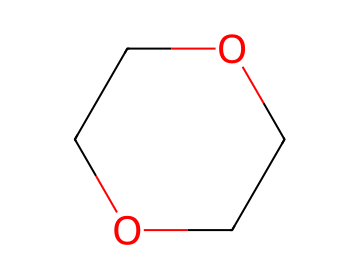
IDENTITY
COMPUTED
PROPERTIES
log Kow = -0.27
-0.27
Faint pleasant odor
Mild, ether-like odor
The odor of dioxane in low concentrations is faint and generally inoffensive and has been described as being somewhat alcoholic.
1.036 at 68 °F (USCG, 1999) - Denser than water; will sink
1.0337 g/cu cm at 20 °C
Relative density (water = 1): 1.03
1.03
1.0337 @ 20°C
1.03
0.0120 centipoise at 25 °C
1.17 mm²/s at 25 °C
Colorless liquid or solid (below 53 degrees F)
greater than or equal to 100 mg/mL at 68 °F (NTP, 1992)
In water, >800 g/L at 25 °C
Miscible with most organic solvents
Miscible with aromatic hydrocarbons and oils.
Solubility in water: miscible
Miscible
54 °F (NTP, 1992)
18 °C
65 °F (18.3 °C) (Open cup)
12 °C c.c.
55 °F
55 °F
214 °F at 760 mmHg (NTP, 1992)
101.2 °C
101 °C
214 °F
101.5 °C @760 [mm Hg]
214 °F
When heated to decomposition it emits acrid smoke and irritating fumes.
53.2 °F (NTP, 1992)
11.75 °C
12 °C
53 °F
11.7 °C
53 °F
3.03 (NTP, 1992) - Heavier than air; will sink (Relative to Air)
3.03 (Air = 1)
Relative vapor density (air = 1): 3.0
3.03
Odor Threshold Low: 0.8 [ppm];Odor Threshold High: 172.0 [ppm];Detection odor threshold from AIHA (mean = 12 ppm)
...Air threshold of recognition at 170 ppm. This odor recognition threshold allows for dioxane to be detected before acute toxic effects occur.
GHS
Danger
H225: Highly Flammable liquid and vapor [Danger Flammable liquids];H319: Causes serious eye irritation [Warning Serious eye damage/eye irritation];H335: May cause respiratory irritation [Warning Specific target organ toxicity, single exposure; Respiratory tract irritation];H350: May cause cancer [Danger Carcinogenicity]
P203, P210, P233, P240, P241, P242, P243, P261, P264+P265, P271, P280, P303+P361+P353, P304+P340, P305+P351+P338, P318, P319, P337+P317, P370+P378, P403+P233, P403+P235, P405, and P501 (click each P-code to see the statement)
Danger
HAZARDS
Chemical: 1,4-Dioxane;Specific Information Requirement: Obligations to provide information apply. These obligations are:;1. If the assessment report about the chemical recommends secondary notification of the chemical in particular circumstances and any of the circumstances occur in relation to the introduction (importation or manufacture) of the chemical by a person, then the person introducing this chemical must tell us in writing within 28 calendar days that the circumstances have occurred.;2. A person who introduces this chemical must tell us in writing within 28 calendar days if they become aware of any of the following circumstances, namely, that since the assessment under the Industrial Chemicals (Notification and Assessment) Act 1989:;a. the function or use of the chemical has changed, or is likely to change, significantly;;b. the amount of the chemical being introduced has increased, or is likely to increase, significantly;;c. in the case of a chemical not manufactured, or proposed to be manufactured, in Australia at the time of the assessmentâit has begun to be manufactured in Australia;;d. the method of manufacture of the chemical in Australia has changed, or is likely to change, in a way that may result in an increased risk of an adverse effect of the chemical on occupational health and safety, public health or the environment;;e. additional information has become available to the person as to an adverse effect of the chemical on occupational health and safety, public health or the environment.
Hazard Traits - Carcinogenicity; Hematotoxicity; Hepatotoxicity and Digestive System Toxicity; Nephrotoxicity and Other Toxicity to the Urinary System; Neurotoxicity; Ocular Toxicity; Respiratory Toxicity;Authoritative List - CA NLs; CA TACs; CWA 303(d); EC IV CMRs - Cat. 1B; IARC Carcinogens - 2B; IRIS Carcinogens - Likely Carcin.; NTP RoC - reasonable; OEHHA RELs; Prop 65;Report - regardless of intended function of ingredient in the product
1,4-Dioxane is listed on the EPA's Chemical Data Reporting (CDR) system. Manufacturers and importers of 1,4-Dioxane are required to report information about their production and use of this chemical to the EPA under the Toxic Substances Control Act (TSCA). (40 eCFR Part 711)
Status: Active Update: 04-10-2022 https://echa.europa.eu/registration-dossier/-/registered-dossier/15842
Substance: 1,4-dioxane;EC: 204-661-8;Date of inclusion: >08-Jul-2021;Reason for inclusion: Carcinogenic (Article 57a); Equivalent level of concern having probable serious effects to human health (Article 57(f) - human health); Equivalent level of concern having probable serious effects to the environment (Article 57(f) - environment)
1,4-Dioxane: HSNO Approval: HSR001140 Approved with controls
Evaluation - 1,4-Dioxane;PEC / SN / Other assessments - 1,4-Dioxane: Health and Environment
Flammable Liquid
Special Hazards of Combustion Products: Toxic vapors are generated when heated.;Behavior in Fire: Vapor is heavier than air and may travel to a source of ignition and flash back. (USCG, 1999)
· HIGHLY FLAMMABLE: Will be easily ignited by heat, sparks or flames.;CAUTION: Ethanol (UN1170) can burn with an invisible flame. Use an alternate method of detection (thermal camera, broom handle, etc.);· Vapors may form explosive mixtures with air.;· Vapors may travel to source of ignition and flash back.;· Most vapors are heavier than air. They will spread along the ground and collect in low or confined areas (sewers, basements, tanks, etc.).;· Vapor explosion hazard indoors, outdoors or in sewers.;· Those substances designated with a (P) may polymerize explosively when heated or involved in a fire.;· Runoff to sewer may create fire or explosion hazard.;· Containers may explode when heated.;· Many liquids will float on water.
Highly flammable. Gives off irritating or toxic fumes (or gases) in a fire. Vapour/air mixtures are explosive. Risk of fire and explosion on contact with incompatible substances. See Chemical Dangers.
A very dangerous fire and explosion hazard when exposed to heat or flame.
No significant irritation from brief exposure of skin; prolonged or repeated exposure may cause a rash or burn and absorption of toxic amounts leading to serious injury of liver and kidney. Chemical has poor warning properties; illness may be delayed. Moderately irritating to eyes; overexposure may cause corneal injury. (USCG, 1999)
· Inhalation or contact with material may irritate or burn skin and eyes.;· Fire may produce irritating, corrosive and/or toxic gases.;· Vapors may cause dizziness or asphyxiation, especially when in closed or confined areas.;· Runoff from fire control or dilution water may cause environmental contamination.
1,4-Dioxane is a clear liquid that easily dissolves in water. It is used primarily as a solvent in the manufacture of chemicals and as a laboratory reagent; 1,4-dioxane also has various other uses that take advantage of its solvent properties. 1,4-Dioxane is a trace contaminant of some chemicals used in cosmetics, detergents, and shampoos. However, manufacturers now reduce 1,4-dioxane from these chemicals to low levels before these chemicals are made into products used in the home.
1,4-Dioxane is used as a solvent. Acute (short-term) inhalation exposure to high levels of 1,4-dioxane has caused vertigo, drowsiness, headache, anorexia and irritation of the eyes, nose, throat, and lungs in humans. It may also irritate the skin. Damage to the liver and kidneys has been observed in rats chronically (long-term) exposed in their drinking water. In three epidemiologic studies on workers exposed to 1,4-dioxane, the observed number of cancer cases did not differ from the expected cancer deaths. Tumors have been observed in orally exposed animals. EPA has classified 1,4-dioxane as a Group B2, probable human carcinogen.
Five workers in an artificial silk factory died as a result of severe kidney and liver damage after heavy exposures for 2 months; [ACGIH] [Allergic contact dermatitis from dioxane in a solvent for cleaning metal parts. Fregert S. Contact Dermatitis Newsletter. 1974. 15(438)] A skin, eye, and respiratory tract irritant; Inhalation of high concentrations may cause CNS effects; [ICSC]
1165 127
1165 127
Dioxane is an indirect food additive for use only as a component of adhesives. /Dioxane/
Ethers
Symbol: F, Xn; R: 11-19-36/37-40-66; S: (2)-9-16-36/37-46; Note: D
UN Hazard Class: 3; UN Pack Group: II
SAFETY
Excerpt from ERG Guide 127 [Flammable Liquids (Water-Miscible)]:;CAUTION: The majority of these products have a very low flash point. Use of water spray when fighting fire may be inefficient. CAUTION: For fire involving UN1170, UN1987 or UN3475, alcohol-resistant foam should be used. CAUTION: Ethanol (UN1170) can burn with an invisible flame. Use an alternate method of detection (thermal camera, broom handle, etc.).;SMALL FIRE: Dry chemical, CO2, water spray or alcohol-resistant foam.;LARGE FIRE: Water spray, fog or alcohol-resistant foam. Avoid aiming straight or solid streams directly onto the product. If it can be done safely, move undamaged containers away from the area around the fire.;FIRE INVOLVING TANKS, RAIL TANK CARS OR HIGHWAY TANKS: Fight fire from maximum distance or use unmanned master stream devices or monitor nozzles. Cool containers with flooding quantities of water until well after fire is out. Withdraw immediately in case of rising sound from venting safety devices or discoloration of tank. ALWAYS stay away from tanks in direct contact with flames. For massive fire, use unmanned master stream devices or monitor nozzles; if this is impossible, withdraw from area and let fire burn. (ERG, 2024)
Use powder, alcohol-resistant foam, water spray, carbon dioxide. In case of fire: keep drums, etc., cool by spraying with water.
Fresh air, rest. Refer immediately for medical attention.
Remove contaminated clothes. Rinse skin with plenty of water or shower.
Rinse with plenty of water for several minutes (remove contact lenses if easily possible).
Rinse mouth. Do NOT induce vomiting. Seek medical attention if you feel unwell.
· CALL 911. Then call emergency response telephone number on shipping paper. If shipping paper not available or no answer, refer to appropriate telephone number listed on the inside back cover.;· Keep unauthorized personnel away.;· Stay upwind, uphill and/or upstream.;· Ventilate closed spaces before entering, but only if properly trained and equipped.
· ELIMINATE all ignition sources (no smoking, flares, sparks or flames) from immediate area.;· All equipment used when handling the product must be grounded.;· Do not touch or walk through spilled material.;· Stop leak if you can do it without risk.;· Prevent entry into waterways, sewers, basements or confined areas.;· A vapor-suppressing foam may be used to reduce vapors.;· Absorb or cover with dry earth, sand or other non-combustible material and transfer to containers.;· Use clean, non-sparking tools to collect absorbed material.;Large Spill;· Dike far ahead of liquid spill for later disposal.;· Water spray may reduce vapor, but may not prevent ignition in closed spaces.
EYES: First check the victim for contact lenses and remove if present. Flush victim's eyes with water or normal saline solution for 20 to 30 minutes while simultaneously calling a hospital or poison control center. Do not put any ointments, oils, or medication in the victim's eyes without specific instructions from a physician. IMMEDIATELY transport the victim after flushing eyes to a hospital even if no symptoms (such as redness or irritation) develop.;SKIN: IMMEDIATELY flood affected skin with water while removing and isolating all contaminated clothing. Gently wash all affected skin areas thoroughly with soap and water. IMMEDIATELY call a hospital or poison control center even if no symptoms (such as redness or irritation) develop. IMMEDIATELY transport the victim to a hospital for treatment after washing the affected areas.;INHALATION: IMMEDIATELY leave the contaminated area; take deep breaths of fresh air. IMMEDIATELY call a physician and be prepared to transport the victim to a hospital even if no symptoms (such as wheezing, coughing, shortness of breath, or burning in the mouth, throat, or chest) develop. Provide proper respiratory protection to rescuers entering an unknown atmosphere. Whenever possible, Self-Contained Breathing Apparatus (SCBA) should be used; if not available, use a level of protection greater than or equal to that advised under Protective Clothing.;INGESTION: DO NOT INDUCE VOMITING. If the victim is conscious and not convulsing, give 1 or 2 glasses of water to dilute the chemical and IMMEDIATELY call a hospital or poison control center. Be prepared to transport the victim to a hospital if advised by a physician. If the victim is convulsing or unconscious, do not give anything by mouth, ensure that the victim's airway is open and lay the victim on his/her side with the head lower than the body. DO NOT INDUCE VOMITING. IMMEDIATELY transport the victim to a hospital.;OTHER: Since this chemical is a known or suspected carcinogen you should contact a physician for advice regarding the possible long term health effects and potential recommendation for medical monitoring. Recommendations from the physician will depend upon the specific compound, its chemical, physical and toxicity properties, the exposure level, length of exposure, and the route of exposure. (NTP, 1992)
General First Aid:;· Call 911 or emergency medical service.;· Ensure that medical personnel are aware of the material(s) involved, take precautions to protect themselves and avoid contamination.;· Move victim to fresh air if it can be done safely.;· Administer oxygen if breathing is difficult.;· If victim is not breathing:;-- DO NOT perform mouth-to-mouth resuscitation; the victim may have ingested or inhaled the substance.;-- If equipped and pulse detected, wash face and mouth, then give artificial respiration using a proper respiratory medical device (bag-valve mask, pocket mask equipped with a one-way valve or other device).;-- If no pulse detected or no respiratory medical device available, provide continuous compressions. Conduct a pulse check every two minutes or monitor for any signs of spontaneous respirations.;· Remove and isolate contaminated clothing and shoes.;· For minor skin contact, avoid spreading material on unaffected skin.;· In case of contact with substance, remove immediately by flushing skin or eyes with running water for at least 20 minutes.;· For severe burns, immediate medical attention is required.;· Effects of exposure (inhalation, ingestion, or skin contact) to substance may be delayed.;· Keep victim calm and warm.;· Keep victim under observation.;· For further assistance, contact your local Poison Control Center.;· Note: Basic Life Support (BLS) and Advanced Life Support (ALS) should be done by trained professionals.;Specific First Aid:;· Wash skin with soap and water.
(General first aid procedures);Eye: Irrigate immediately - If this chemical contacts the eyes, immediately wash (irrigate) the eyes with large amounts of water, occasionally lifting the lower and upper lids. Get medical attention immediately.;Skin: Water wash promptly - If this chemical contacts the skin, promptly wash the contaminated skin with water. If this chemical penetrates the clothing, promptly remove the clothing and wash the skin with water. If irritation persists after washing, get medical attention.;Breathing: Respiratory support;Swallow: Medical attention immediately - If this chemical has been swallowed, get medical attention immediately.
Fireproof. Separated from strong oxidants, strong acids and incompatible materials. Cool. Dry. Well closed. Keep in the dark. Store only if stabilized. Store in an area without drain or sewer access.
... Vapor is heavier than air ... and may travel considerable distance to source of ignition and flash back. ...
· Wear positive pressure self-contained breathing apparatus (SCBA).;· Structural firefighters' protective clothing provides thermal protection but only limited chemical protection.
10.0 [ppm]
Approach fire from upwind to avoid hazardous vapors and toxic decomposition products. Use water spray, dry chemical. "alcohol resistant" foam, or carbon dioxide. Use water spray to keep fire-exposed containers cool.
Fire fighting: Self contained breathing apparatus with a full facepiece operated in pressure demand or other positive pressure mode.
Use water spray, alcohol-resistant foam, dry chemical or carbon dioxide.
Wear self-contained breathing apparatus for firefighting if necessary. ...Use water spray to cool unopened containers.
Store in a cool, dry, well-ventilated location. Store away from heat, oxidizing materials, and sunlight. Outside or detached storage is preferred. Inside storage should be in a standard flammable liquids storage warehouse, room, or cabinet.
PRECAUTIONS FOR "CARCINOGENS": Storage site should be as close as practicable to lab in which carcinogens are to be used, so that only small quantities required for ... expt need to be carried. Carcinogens should be kept in only one section of cupboard, an explosion-proof refrigerator or freezer (depending on chemicophysical properties ...) that bears appropriate label. An inventory ... should be kept, showing quantity of carcinogen and date it was acquired ... Facilities for dispensing ... should be contiguous to storage area. /Chemical Carcinogens/
Keep container tightly closed in a dry and well-ventilated place. Containers which are opened must be carefully resealed and kept upright to prevent leakage. Storage class (TRGS 510): Flammable liquids
1) Remove all ignition sources. 2) ventilate area of spill or leak. 3) for small quantities, absorb on paper towels. Evaporate in safe place (such as flame hood). Allow ... to completely clear hood ductwork. Burn in suitable location away from combustible materials. Large quantities can be collected and atomized in suitable combustion chamber equipped with appropriate effluent gas cleaning device. Dioxane should not be allowed to enter confined space, such as sewer. ...
PRECAUTIONS FOR "CARCINOGENS": A high-efficiency particulate arrestor (HEPA) or charcoal filters can be used to minimize amt of carcinogen in exhausted air ventilated safety cabinets, lab hoods, glove boxes or animal rooms ... Filter housing that is designed so that used filters can be transferred into plastic bag without contaminating maintenance staff is avail commercially. Filters should be placed in plastic bags immediately after removal ... the plastic bag should be sealed immediately ... the sealed bag should be labelled properly ... Waste liquids ... should be placed or collected in proper containers for disposal. The lid should be secured and the bottles properly labelled. Once filled, bottles should be placed in plastic bag, so that outer surface ... is not contaminated ... The plastic bag should also be sealed and labelled. ... Broken glassware ... should be decontaminated by solvent extraction, by chemical destruction, or in specially designed incinerators. /Chemical Carcinogens/
ACCIDENTAL RELEASE MEASURES: Personal precautions, protective equipment and emergency procedures: Use personal protective equipment. Avoid breathing vapors, mist or gas. Ensure adequate ventilation. Remove all sources of ignition. Evacuate personnel to safe areas. Beware of vapors accumulating to form explosive concentrations. Vapors can accumulate in low areas. Environmental precautions: Prevent further leakage or spillage if safe to do so. Do not let product enter drains. Methods and materials for containment and cleaning up Contain spillage, and then collect with an electrically protected vacuum cleaner or by wet-brushing and place in container for disposal according to local regulations.
Excerpt from ERG Guide 127 [Flammable Liquids (Water-Miscible)]:;ELIMINATE all ignition sources (no smoking, flares, sparks or flames) from immediate area. All equipment used when handling the product must be grounded. Do not touch or walk through spilled material. Stop leak if you can do it without risk. Prevent entry into waterways, sewers, basements or confined areas. A vapor-suppressing foam may be used to reduce vapors. Absorb or cover with dry earth, sand or other non-combustible material and transfer to containers. Use clean, non-sparking tools to collect absorbed material.;LARGE SPILL: Dike far ahead of liquid spill for later disposal. Water spray may reduce vapor, but may not prevent ignition in closed spaces. (ERG, 2024)
Generators of waste (equal to or greater than 100 kg/mo) containing this contaminant, EPA hazardous waste number U108, must conform with USEPA regulations in storage, transportation, treatment and disposal of waste.
Good candidate for rotary kiln incineration with a temperature range of 820-1,600 °C with residence times for liquids and gases: seconds; solids: hours. Also, a good candidate for liquid injection incineration with a temperature range of 650-1,600 °C with residence times of 0.1-2.0 seconds. Also, a good candidate for fluidized bed incineration with a temperature range of 450-980 °C with residence times for liquids and gases: seconds; solids: longer.
This compound should be susceptible to removal from waste water by air stripping.
PRECAUTIONS FOR "CARCINOGENS": There is no universal method of disposal that has been proved satisfactory for all carcinogenic compounds and specific methods of chem destruction ... published have not been tested on all kinds of carcinogen-containing waste. ... summary of avail methods and recommendations ... /given/ must be treated as guide only. /Chemical Carcinogens/
For more Disposal Methods (Complete) data for 1,4-DIOXANE (11 total), please visit the HSDB record page.
TOXICITY
CDC-ATSDR Toxicological Profile
1,4-Dioxane was detected at mean levels of 0.2 ug/cu m (N = 110) and 0.05 ug/cu m (N = 24) in the exhaled breath of human subjects at two different locations in Los Angeles, CA. 1,4-Dioxane was also detected at a mean level of 0.2 ug/cu m (N = 67) in the exhaled breath of persons in Contra Costa, CA(1).
Gastrointestinal;Hepatic;Reproductive;Respiratory;Urinary
[in animals: lung, liver & nasal cavity tumors]
... /In Swiss Webster mice/ skin paintings /with 0.2 mL of unspecified concn of 1,4-dioxane/ were preceded 1 wk earlier by application of 50 ug 7,12-dimethylbenzanthracene (DMBA); 4 males and 5 females survived 59 wk of treatment. Among 15 mice examined, 8 skin tumors were observed (2 papillomas, 2 squamous-cell carcinomas and 4 sarcomas); in addition 24 other tumors (mainly malignant lymphomas and lung tumors) occurred. 8 skin papillomas and 1 malignant lymphoma occurred in 55 animals receiving 50 ug DMBA followed by thrice weekly paintings with acetone alone.
Dioxane ... was investigated as a rat liver altered foci promoter in an initiation/promotion protocol. Animals were initiated with diethylnitrosamine, 30 mg/kg, injected ip 24 hr after 2/3 partial hepatectomy. The chemical under study was administered by gavage once a day, 5 times a week for 7 weeks. Ten days after the last administration the animals were killed. Liver sections were stained for gamma-glutamyl-transpeptidase (GGT) and the number and total volume of gamma-glutamyl-transpeptidase-positive foci was studied. Dioxane (1000 mg/kg) significantly increased the number and total volume of foci ... .
Cancer, Developmental (effects while organs are developing), Hepatic (Liver), Ocular (Eyes), Renal (Urinary System or Kidneys), Respiratory (From the Nose to the Lungs)
Hepatic;Nervous;Respiratory;Urinary
Eyes, skin, respiratory system, liver, kidneys
1,4-Dioxane for short period of time cause eye and nose irritation at low levels, and severe kidney and liver effects and possibly death at very high levels. For long-term exposure, studies in animals have shown that breathing vapors of 1,4-dioxane, swallowing liquid 1,4-dioxane or contaminated drinking water, or having skin contact with liquid 1,4-dioxane affects mainly the liver and kidneys. Studies in workers did not indicate whether 1,4-dioxane causes cancer, but animal studies suggest that it is a probable human carcinogen. (L1189)
LC50; Species: Lepomis macrochirus (Bluegill sunfish); Conditions: freshwater, static bioassay, 23 °C, mild aeration applied after 24 hr; Concentration: 10,000 ppm for 96 hr
LC50; Species: Menidia beryllina (Inland silverside); Conditions: static bioassay in synthetic seawater, 23 °C, mild aeration applied after 24 hr; Concentration: 6,700 ppm for 96 hr
LC50; Species: Pimephales promelas (Fathead minnow); Conditions: /static/; Concentration: 13,000 mg/L for 96 hr (nominal concentration) (95% confidence interval: 10,000-17,000 mg/L) /from table/
LC50; Species: Pimephales promelas (Fathead minnow); Conditions: flow through; Concentration: 9,850 mg/L for 96 hr /from table/
For more Ecotoxicity Values (Complete) data for 1,4-DIOXANE (12 total), please visit the HSDB record page.
TERRESTRIAL FATE: Based on a classification scheme(1), measured Koc values of 29(2) and 17(3) indicate that 1,4-dioxane is expected to have very high mobility in soil(SRC). Volatilization of 1,4-dioxane from moist soil surfaces is expected to be an important fate process(SRC) given a Henry's Law constant of 4.8X10⁻⁶ atm-cu m/mole(4). 1,4-Dioxane is expected to volatilize from dry soil surfaces(SRC) based upon a vapor pressure of 38.1 mm Hg at 25 °C(5). A 0% of theoretical BOD using activated sludge in the Japanese MITI test(6) suggests that 1,4-dioxane is not readily biodegradable(SRC). Other screening study results indicate that 1,4-dioxane is resistant to biodegradation and slow to biodegrade(7). Using soil microcosms 1,4-dioxane was not biodegraded within 120 days and, therefore, considered recalcitrant(8). 1,4-Dioxane did not biodegrade in most of 20 environmental samples (rivers waters, soils, activated sludge), but it was degradable in soils collected from drainage areas of a chemical factory within 33 days, presumably due to acclimation(9).
AQUATIC FATE: Based on a classification scheme(1), measured Koc values of 29(2) and 17(3) indicate that 1,4-dioxane is not expected to adsorb to suspended solids and sediment(SRC). Volatilization from water surfaces is expected(4) based upon a Henry's Law constant of 4.8X10⁻⁶ atm-cu m/mole(5). Using this Henry's Law constant and an estimation method(4), volatilization half-lives for a model river and model lake are 7.3 and 56 days, respectively(SRC). According to a classification scheme(6), a BCF range of 0.2-0.7 measured in carp (Cyprinus carpio)(7) suggests the potential for bioconcentration in aquatic organisms is low(SRC). A 0% of theoretical BOD using activated sludge in the Japanese MITI test(7) suggests that 1,4-dioxane is not readily biodegradable(SRC). Other screening studies have found 1,4-dioxane to be resistant to biodegradation and slow to biodegrade(8) and to be recalcitrant(9). 1,4-Dioxane is considered non-biodegradable under conventional bio-treatment technologies based on results of wastewater treatment monitoring data(10). 1,4-Dioxane is a very weak absorber of UV light(11)and results of aqueous photolysis studies(12) suggest that direct photolyis is not an important environmental fate process(SRC). 1,4-Dioxane is not expected to undergo hydrolysis in the environment due to the lack of functional groups that hydrolyze under environmental conditions(4).
ATMOSPHERIC FATE: According to a model of gas/particle partitioning of semivolatile organic compounds in the atmosphere(1), 1,4-dioxane, which has a vapor pressure of 38.1 mm Hg at 25 °C(2), is expected to exist solely as a vapor in the ambient atmosphere. Vapor-phase 1,4-dioxane is degraded in the atmosphere by reaction with photochemically-produced hydroxyl radicals(SRC); the half-life for this reaction in air is estimated to be 33 hours(SRC), calculated from its rate constant of 1.18X10⁻¹¹ cu cm/molecule-sec at 25 °C(3). 1,4-Dioxane is a very weak absorber of UV light(4). Results of aqueous photolysis studies(5) suggest that direct photolysis is not an important environmental fate process(SRC).
The level of 1,4-dioxane in various cooked food samples ranged from not detected to 11 ug/kg according to a result of analysis by GC-MS with a detection limit of 2 ug/kg(1). 1,4-Dioxane was qualitatively detected in the volatile compounds of fried chicken(2).
Neurotoxin - Acute solvent syndrome;Occupational hepatotoxin - Secondary hepatotoxins: the potential for toxic effect in the occupational setting is based on cases of poisoning by human ingestion or animal experimentation.;Nephrotoxin - The chemical is potentially toxic to the kidneys in the occupational setting.;Skin Sensitizer - An agent that can induce an allergic reaction in the skin.;IARC Carcinogen - Class 3: Chemicals are not classifiable by the International Agency for Research on Cancer.;NTP Carcinogen - Reasonably anticipated to be a human carcinogen.;ACGIH Carcinogen - Confirmed Animal.
The substance can be absorbed into the body by inhalation of its vapour and through the skin.
inhalation, skin absorption, ingestion, skin and/or eye contact
Oral (L1189) ; inhalation (L1189) ; dermal (L1189)
IDENTIFICATION AND USE: 1,4-Dioxane is a colorless liquid or solid. It is used as a stabilizer for chlorinated solvents, particularly, 1,1,1-trichloroethane. 1,4-Dioxane is used as a solvent for cellulose acetate, ethyl cellulose, benzyl cellulose, resins, oils, waxes, and fats; in spectroscopic and photometric measurements; and in the pulping of wood. Other uses of 1,4-dioxane include the manufacture of adhesives, cements, deodorant fumigants, cosmetics, drugs, cleaning preparations, magnetic tape, plastic, rubber, insecticides, and herbicides, and as a chemical intermediate, as a polymerization catalyst, in the purification of drugs, and in the extraction of animal and vegetable oils. In the laboratory, it is used in the preparation of histological sections for microscopic examination and as a liquid scintillation counting medium. HUMAN EXPOSURE AND TOXICITY: Short-term inhalation exposure to 1,4-dioxane may cause irritation of the eyes, nose, throat, and lungs. Symptoms of acute exposure include coughing, drowsiness, vertigo, headache, nausea, vomiting, stomach pains, coma, and death. There is a report of a fatal case of acute poisoning by inhalation that led to hepatic and renal lesions, and demyelination and edema of the brain. Workplace exposures to high concentrations of 1,4-dioxane have resulted in death. The deaths occurred 5-8 days after the initial symptoms of illness. Postmortem evaluation revealed extensive liver and kidney damage and in three out of five cases described in one study, kidney disease was considered to be the direct cause of death. A small prospective study of 165 U.S. workers exposed intermittently to low levels of 1,4-dioxane found no excess of death from cancer; however, the study was limited by the small number of cancer deaths (3) among the exposed workers. ANIMAL STUDIES: Oral exposure to 1,4-dioxane caused tumors in several species of experimental animals and at several different tissue sites. Inhalation exposure of male rats to 1
Though the mechanism of toxicity of 1,4-dioxane has not yet been elucidated, it is known that its carcinogenic effects are caused by a non-genotoxic mechanism that is most likely cytotoxic in nature. (L1189, L1881)
REGULATORY
Chemical: 1,4-Dioxane;Specific Information Requirement: Obligations to provide information apply. These obligations are:;1. If the assessment report about the chemical recommends secondary notification of the chemical in particular circumstances and any of the circumstances occur in relation to the introduction (importation or manufacture) of the chemical by a person, then the person introducing this chemical must tell us in writing within 28 calendar days that the circumstances have occurred.;2. A person who introduces this chemical must tell us in writing within 28 calendar days if they become aware of any of the following circumstances, namely, that since the assessment under the Industrial Chemicals (Notification and Assessment) Act 1989:;a. the function or use of the chemical has changed, or is likely to change, significantly;;b. the amount of the chemical being introduced has increased, or is likely to increase, significantly;;c. in the case of a chemical not manufactured, or proposed to be manufactured, in Australia at the time of the assessmentâit has begun to be manufactured in Australia;;d. the method of manufacture of the chemical in Australia has changed, or is likely to change, in a way that may result in an increased risk of an adverse effect of the chemical on occupational health and safety, public health or the environment;;e. additional information has become available to the person as to an adverse effect of the chemical on occupational health and safety, public health or the environment.
Hazard Traits - Carcinogenicity; Hematotoxicity; Hepatotoxicity and Digestive System Toxicity; Nephrotoxicity and Other Toxicity to the Urinary System; Neurotoxicity; Ocular Toxicity; Respiratory Toxicity;Authoritative List - CA NLs; CA TACs; CWA 303(d); EC IV CMRs - Cat. 1B; IARC Carcinogens - 2B; IRIS Carcinogens - Likely Carcin.; NTP RoC - reasonable; OEHHA RELs; Prop 65;Report - regardless of intended function of ingredient in the product
1,4-Dioxane is listed on the EPA's Chemical Data Reporting (CDR) system. Manufacturers and importers of 1,4-Dioxane are required to report information about their production and use of this chemical to the EPA under the Toxic Substances Control Act (TSCA). (40 eCFR Part 711)
Status: Active Update: 04-10-2022 https://echa.europa.eu/registration-dossier/-/registered-dossier/15842
Substance: 1,4-dioxane;EC: 204-661-8;Date of inclusion: >08-Jul-2021;Reason for inclusion: Carcinogenic (Article 57a); Equivalent level of concern having probable serious effects to human health (Article 57(f) - human health); Equivalent level of concern having probable serious effects to the environment (Article 57(f) - environment)
1,4-Dioxane: HSNO Approval: HSR001140 Approved with controls
Dioxane is an indirect food additive for use only as a component of adhesives. /Dioxane/
U108; As stipulated in 40 CFR 261.33, when 1,4-diethylene oxide, as a commercial chemical product or manufacturing chemical intermediate or an off-specification commercial chemical product or a manufacturing chemical intermediate, becomes a waste, it must be managed according to Federal and/or State hazardous waste regulations. Also defined as a hazardous waste is any residue, contaminated soil, water, or other debris resulting from the cleanup of a spill, into water or on dry land, of this waste. Generators of small quantities of this waste may qualify for partial exclusion from hazardous waste regulations (40 CFR 261.5).
This action promulgates standards of performance for equipment leaks of Volatile Organic Compounds (VOC) in the Synthetic Organic Chemical Manufacturing Industry (SOCMI). The intended effect of these standards is to require all newly constructed, modified, and reconstructed SOCMI process units to use the best demonstrated system of continuous emission reduction for equipment leaks of VOC, considering costs, non air quality health and environmental impact and energy requirements. 1,4-Dioxane is produced, as an intermediate or a final product, by process units covered under this subpart.
Listed as a hazardous air pollutant (HAP) generally known or suspected to cause serious health problems. The Clean Air Act, as amended in 1990, directs EPA to set standards requiring major sources to sharply reduce routine emissions of toxic pollutants. EPA is required to establish and phase in specific performance based standards for all air emission sources that emit one or more of the listed pollutants. 1,4-Dioxane is included on this list.
Persons in charge of vessels or facilities are required to notify the National Response Center (NRC) immediately, when there is a release of this designated hazardous substance, in an amount equal to or greater than its reportable quantity of 100 lb or 45.4 kg. The toll free number of the NRC is (800) 424-8802. The rule for determining when notification is required is stated in 40 CFR 302.4 (section IV.D.3.b).
(CA) CALIFORNIA 3 ug/L
(FL) FLORIDA 5 ug/L
(MA) MASSACHUSETTS 0.3 ug/L
(ME) MAINE 32 ug/L
(NH) NEW HAMPSHIRE 3 ug/L
PHARMACOLOGY
/Humans/ exposed to 50 ppm for 6 hr /exhibited/ a half-life of 0.98 + or - 0.12 hr in plasma.
Four male Sprague-Dawley rats with jugular vein cannulas were placed in a 1 liter "head-only" chamber under dynamic air flow conditions. The flow rate of 1,4-dioxane vapor was adjusted to give a chamber concentration of 180 mg/cu m (50 ppm). During and after the 6-hr exposure urine was collected and analysed. ... A half life of 1.01 hours was calculated. ...
Six rats received iv doses of 3, 10, 30, 100, 300 or 1,000 mg (14)C-1,4-dioxane/kg bw and samples of blood were obtained via the right jugular vein every 5 minutes for estimating radioactivity in plasma. Two additional rats were used to estimate radioactivity in expired air (1,4-dioxane and (14)CO2) as well as in urine and feces. These rats were equipped with jugular and ureter cannulas. At the lowest iv doses given, 3 and 10 mg/kg bw, radioactivity was eliminated from the plasma by apparently linear kinetics with a t1/2 of 1.1 hours. At higher doses, radioactivity was eliminated from plasma progressively more slowly. At dose levels >/=100 mg/kg bw, elimination was retarded till a peak level of about 100 ug/mL plasma was reached, whereafter elimination occurred with the same t1/2 as that at lower doses. ...
Four volunteers /were exposed/ to 50 ppm [180 mg/m3] 1,4-dioxane vapor for 6 h. It was rapidly taken up, with plasma levels reaching a plateau after 3 h. The major metabolite, b-hydroxyethoxyacetic acid (HEAA), was detected during the exposure period. At the end of the exposure, plasma levels of 1,4-dioxane fell with a half life of 59 min. ...
1,4-Dioxane and beta-hydroxyethoxyacetic acid (HEAA) were found in urine of plant personnel exposed to time-weighted average concentration of 1.6 ppm dioxane for 7.5 hr. Average concentration of dioxane and HEAA in urine were 3.5 and 414 umoles/L, respectively.
From urine of rats given dioxane gas chromatography revealed a hepatic carcinogen identified as p-dioxane-2-one, a major metabolite.
Fate of dioxane in rats is markedly dose dependent because of limited capacity of rats to metabolize to beta-hydroxyethoxyacetic acid, (HEAA). At saturation, max velocity of metabolism to HEAA was about 18 mg/kg. At high daily doses dioxane induced its own metabolism. There is an apparent threshold for toxic effects of dioxane that coincides with saturation of metabolic pathway for its detoxification.
Another proposed metabolite of dioxane is 1,4-dioxane-2-one. However, whether 1,4-dioxane is first metabolized to HEAA, which can cyclize to 1,4-dioxane-2-one, or the parent is metabolized directly to 1,4-dioxane-2-one remains unanswered.
For more Metabolism/Metabolites (Complete) data for 1,4-DIOXANE (8 total), please visit the HSDB record page.
Exposure to 1,4-dioxane may occur by inhalation, ingestion, and to a lesser extent by dermal contact. 1,4-Dioxane is quickly absorbed and metabolized to beta-hydroxyethoxyacetic acid (HEAA) by mixed-function oxidase enzymes. HEAA can then be converted to 1,4-dioxane-2-one under acidic conditions. Both of these products are rapidly and extensively eliminated in the urine (>95%). Unchanged 1,4-dioxane can also be excreted in the urine and in exhaled air, but mainly after high-dose exposure. (L1189)
... Readily absorbed through the intact skin ...
Dioxane can be absorbed after inhalational or dermal exposure. Dermal absorption occurs but to a much lesser extent than absorption via other routes.
In male rats given single oral doses of 10, 100 or 1000 mg/kg (14)C 1,4-dioxane, excretion of unchanged 1,4-dioxane in expired air was 0.043 mg/kg (0.43%) at lowest dose and 252 mg/kg (25%) at highest dose.
Plasma concentration time curves for dioxane given iv to rats at levels of 3-1000 mg/kg and for inhalation of 50 ppm vapor for 6 hr were linear by each route with half-life of about 1 hr. Above 10 mg/kg, plasma clearance rate decrease, /beta-hydroxyethoxyacetic acid/ (HEAA) excretion decreased and excretion as dioxane increased.
For more Absorption, Distribution and Excretion (Complete) data for 1,4-DIOXANE (17 total), please visit the HSDB record page.
USES
1,4-Dioxane is used as a solvent for cellulose acetate, ethyl cellulose, benzyl cellulose, resins, oils, waxes, some dyes, and other organic and inorganic compounds.
Used as a solvent for cellulose esters, ethers, and other organic chemicals; [ACGIH] Used as a solvent in resins, polymers, oils, waxes, dyes, wood pulping, adhesives, varnishes lacquers, paints, and cosmetics; [HSDB]
Metal Degreasing [Category: Clean];Textiles (Fiber & Fabric Manufacturing) [Category: Industry];Painting (Solvents) [Category: Paint];Plastic Composites Manufacturing [Category: Industry]
Stabilizer in chlorinated solvents. Organic solvent for cellulose acetate, ethyl cellulose, benzyl cellulose, resins, oils, waxes, oil and spirit-soluble dyes, and many other organic as well as some inorganic compounds.
The largest single use of 1,4-dioxane is the stabilization of 1,1,1-trichloroethane against chemical attack by aluminum.
Historically, 1,4-dioxane has been used as a stabilizer for the solvent 1,1,1-trichloroethane. However, this use is no longer expected to be important due to the 1990 Amendments to the Clean Air Act and the Montreal Protocol, which mandate the eventual phase-out of 1,1,1-trichloroethane production in the U.S.
1,4-Dioxane may contain bis(2-chloroethyl) ether ... as an impurity.
The tendency of 1,4-dioxane to form peroxides may be lessened by the addition of a reducing agent, such as stannous chloride or ferrous sulfate.
Peroxides: 0.003% max (certified reagent), 50 mg/kg max (technical); acetic acid: 0.01% max (certified reagent), 0.1% max (technical); Water : 0.02% max (certified), 0. 1% max (technical); Non-volatile matter : 0.004% max (certified), 0.0025% max (technical) ; 2-methyl-1,3-dioxolane: not reported (certified), 0.05%. /From table/
Certified reagent grade: carbonyl : 0.05% max; heavy metals (Pb) : 0.25 ppm max; iron: 0.25 ppm max. /From table/
(1978) No Data
(1982) No Data
(1987) No Data
(1977) AT LEAST 9.08X10+7 G
(1982) No Data
(1987) No Data
2023: 75,000 - <100,000 lb;2022: 250,000 - <400,000 lb;2021: 250,000 - <400,000 lb;2020: 250,000 - <400,000 lb
(1982) 6.80X10+9 G
(1973) 7.357X10+9 G
(1974) 8.003X10+9 G
(1975) 5.712X10+9 G
For more U.S. Production (Complete) data for 1,4-DIOXANE (15 total), please visit the HSDB record page.
... /Approximately/ 90% of the 1,4-dioxane produced annually is used as a stabilizer for chlorinated solvents, particularly, 1,1,1-trichloroethane. ... The remainder of the 1,4-dioxane production is used in solvent applications (1985).
Other;Solvent
Processing aids not otherwise specified;Other;Solvent;Laboratory chemicals;Intermediate;Cleaning agent
1,4-Dioxane is manufactured commercially by dehydration and ring closure of diethylene glycol. Concentrated sulfuric acid (ca. 5%) is used as a catalyst, although phosphoric acid, p-toluenesulfonic acid, and strongly acidic ion-exchange resins are recognized alternatives. The process is continuous, with dioxane vaporized from the reaction vessel. The vapors are passed through an acid trap and two distillation columns to remove water and to purify the product. Yields of ca. 90% are possible.
Dioxane can ... be prepared by dehydrohalogenation of 2-chloro-2'-hydroxydiethyl ether, by reacting ethylene glycol with 1,2-dibromoethane, and by dimerizing ethylene oxide either over NaHSO4, SiF4, or BF3, or at elevated temperature with an acidic cation-exchange resin.
From beta,beta-dichloroethyl ether by treatment with alkali.
Grade: Reagent, technical, spectrophotometric, scintillation.
Cosmetics product ingredient: 1,4-Dioxane (1,4-Diethyleneoxide);Source: 1,4-dioxane is produced from other chemicals, or it forms as a byproduct when other chemicals are processed. 1,4-dioxane is often used to thin other liquids, including paints, varnishes, and some cosmetics. However, 1,4-dioxane is usually not added to cosmetics. It forms as a byproduct when some cosmetics are made. For example, shampoos, bubble baths, and other foaming products that contain sodium lauryl sulfate or polyethylene glycol (PEG) may contain 1,4-dioxane.;Potential health impacts: People can be exposed to 1,4-dioxane through skin absorption or ingestion, depending on the specific product. Studies of mice that ate 1,4-dioxane showed higher rates of liver cancer. Studies of rats that ate 1,4-dioxane showed higher rates of nasal and breast tumors.;The International Agency for Research on Cancer (IARC) categorizes 1,4 Dioxane as a possible human carcinogen.;Product count: 252
Information on 92 consumer products that contain 1,4-Dioxane in the following categories is provided:;• Auto Products;• Commercial / Institutional;• Home Maintenance;• Inside the Home;• Pet Care
Fabricated Metal Product Manufacturing;Paint and Coating Manufacturing;Adhesive Manufacturing;All Other Chemical Product and Preparation Manufacturing;All Other Basic Organic Chemical Manufacturing;Pesticide, Fertilizer, and Other Agricultural Chemical Manufacturing
1,4-Dioxane: ACTIVE
Commercial production of 1,4-dioxane in the United States was first reported in 1951, but semi-commercial quantities were available in 1939.
1,4-Dioxane is a toxic by-product formed during the synthesis of surfactants used in finished cosmetic products.
ALIASES
REACTIONS


