
750 AstraZeneca ELN dataset
查看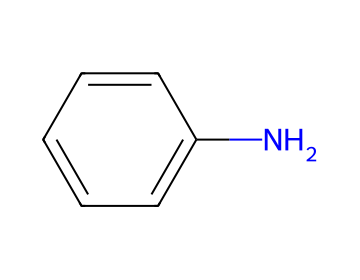
IDENTITY
COMPUTED
PROPERTIES
pH = 8.1 (0.2 molar aq soln)
0.9
log Kow = 0.90
0.90
0.94
Hedonic tone; pungent
Aromatic amine-like odor.
Burning taste
Detection threshold 7.0X10+1 ppm (medium: water; modality: taste; sample purity: chemically pure)
Detection threshold 4.61X10⁻⁵ ppm (medium: water; modality: taste; sample purity: not specified)
1.022 at 68 °F (EPA, 1998) - Denser than water; will sink
1.0217 at 20 °C/20 °C
Relative density (water = 1): 1.02
1.02
1.022 @ 20°C
1.02
4.35 cP at 20 °C; 1.62 cP at 60 °C
Oily liquid; colorless when freshly distilled, darkens on exposure to air and light
Colorless with a bluish fluorescence when freshly distilled
Colorless to brown, oily liquid [Note: A solid below 21 °F]
10 to 50 mg/mL at 73 °F (NTP, 1992)
36000
In water, 36,000 mg/L at 25 °C
3.5 parts/100 parts water at 25 °C; 6.4 parts/100 parts water at 90 °C
One gram dissolves in 28.6 mL water, 15.7 mL boiling water
Soluble in water
158 °F (EPA, 1998)
70 °C
70 °C (158 °F) - closed cup
169 °F (76 °C) - Closed cup
76 °C c.c.
158 °F
363 to 367 °F at 760 mmHg (EPA, 1998)
184.1
184.1 °C
184.00 to 185.00 °C. @ 760.00 mm Hg
184 °C
363 °F
Hazardous decomposition products formed under fire conditions - Carbon oxides, nitrogen oxides (NOx).
When heated to decomposition it emits highly toxic fumes of /nitrogen oxides/.
Decomposes above 190 °C . This produces toxic and corrosive fumes of nitrogen oxides and ammonia and flammable vapors.
21 °F (EPA, 1998)
-6
-6.0 °C
-6 °C
-6 °C
21 °F
GHS
Danger
H301: Toxic if swallowed [Danger Acute toxicity, oral];H311: Toxic in contact with skin [Danger Acute toxicity, dermal];H317: May cause an allergic skin reaction [Warning Sensitization, Skin];H318: Causes serious eye damage [Danger Serious eye damage/eye irritation];H331: Toxic if inhaled [Danger Acute toxicity, inhalation];H341: Suspected of causing genetic defects [Warning Germ cell mutagenicity];H351: Suspected of causing cancer [Warning Carcinogenicity];H372 **: Causes damage to organs through prolonged or repeated exposure [Danger Specific target organ toxicity, repeated exposure];H400: Very toxic to aquatic life [Warning Hazardous to the aquatic environment, acute hazard]
P203, P260, P261, P262, P264, P264+P265, P270, P271, P272, P273, P280, P301+P316, P302+P352, P304+P340, P305+P354+P338, P316, P317, P318, P319, P321, P330, P333+P317, P361+P364, P362+P364, P391, P403+P233, P405, and P501 (click each P-code to see the statement)
This chemical does not meet GHS hazard criteria for < 0.1% (1 of 1662) of reports.
HAZARDS
Chemical: Benzenamine
Hazard Traits - Carcinogenicity; Immunotoxicity; Respiratory Toxicity;Authoritative List - CA TACs; IARC Carcinogens - 2A; IRIS Carcinogens - B2; Prop 65;Report - regardless of intended function of ingredient in the product
Commission Regulation No 844/2012
Benzenamine is listed on the EPA's Chemical Data Reporting (CDR) system. Manufacturers and importers of Benzenamine are required to report information about their production and use of this chemical to the EPA under the Toxic Substances Control Act (TSCA). (40 eCFR Part 711)
Status: Active Update: 13-10-2022 https://echa.europa.eu/registration-dossier/-/registered-dossier/15333;Status: Cease Manufacture Update: 23-03-2018 https://echa.europa.eu/registration-dossier/-/registered-dossier/23054
Benzenamine: HSNO Approval: HSR000976 Approved with controls
IMAP assessments - Benzenamine: Environment tier II assessment;IMAP assessments - Benzenamine: Human health tier II assessment;Evaluation - Aniline and its salts
Poison
Combustion can produce toxic fumes including nitrogen oxides and carbon monoxide. Aniline vapor forms explosive mixtures with air. It is incompatible with strong oxidizers and strong acids and a number of other materials. Avoid heating. Hazardous polymerization may occur. Polymerizes to a resinous mass. (EPA, 1998)
· Combustible material: may burn but does not ignite readily.;· When heated, vapors may form explosive mixtures with air: indoors, outdoors and sewers explosion hazards.;· Those substances designated with a (P) may polymerize explosively when heated or involved in a fire.;· Corrosives in contact with metals may evolve flammable hydrogen gas.;· Containers may explode when heated.;· Runoff may pollute waterways.;· Substance may be transported in a molten form.
Combustible. Gives off irritating or toxic fumes (or gases) in a fire. Above 76 °C explosive vapour/air mixtures may be formed.
A combustible liquid when exposed to heat or flame.
Ignites on contact with sodium peroxide + water.
It is classified as very toxic. Probable oral lethal dose in humans is 50-500 mg/kg for a 150 lb. person. Aniline poisoning is characterized by methemoglobin formation in the blood and resulting cyanosis or blue skin. The formation of methemoglobin interferes with the oxygen-carrying capacity of the blood. The approximate minimum lethal dose for a 150 lb. human is 10 grams. Serious poisoning may result from ingestion of 0.25 mL. People at special risk include individuals with glucose-6-phosphate-dehydrogenase deficiency and those with liver and kidney disorders, blood diseases, or a history of alcoholism. (EPA, 1998)
· TOXIC and/or CORROSIVE; inhalation, ingestion or skin contact with material may cause severe injury or death.;· Methyl bromoacetate (UN2643) is an eye irritant/lachrymator (causes flow of tears).;· Contact with molten substance may cause severe burns to skin and eyes.;· Avoid any skin contact.;· Fire may produce irritating, corrosive and/or toxic gases.;· Runoff from fire control or dilution water may be corrosive and/or toxic and cause environmental contamination.
Aniline is a clear to slightly yellow liquid with a characteristic odor. It does not readily evaporate at room temperature. Aniline is slightly soluble in water and mixes readily with most organic solvents. Aniline is used to make a wide variety of products such as polyurethane foam, agricultural chemicals, synthetic dyes, antioxidants, stabilizers for the rubber industry, herbicides, varnishes and explosives
Exposure to aniline may occur from breathing contaminated outdoor air, smoking tobacco, or working or being near industries where it is produced or used. The acute (short-term) and chronic (long-term) effects of aniline in humans consist mainly of effects on the lung, such as upper respiratory tract irritation and congestion. Chronic exposure may also result in effects on the blood. Human cancer data are insufficient to conclude that aniline is a cause of bladder tumors while animal studies indicate that aniline causes tumors of the spleen. EPA has classified aniline as a Group B2, probable human carcinogen.
Skin contamination is the most common route of occupational exposure. Proper plant design and strict industrial hygiene are necessary to prevent spills and clothing contamination. [ILO Encyclo, Aromatic Amino Compounds] Listed in a table of Industrial Chemicals for Which Methemoglobin Formation is the Principal Cause of Toxicity; [ACGIH] A severe eye irritant; Mild symptoms of methemoglobinemia have been reported after several hours exposure to 7-53 ppm. [CHEMINFO] See 2021 (Volume 127) monograph at IARC.
The major hazards encountered in the use and handling of aniline stem from its toxicologic properties and flammability. Exposure to this colorless-to-brown oily liquid may occur from its use as a solvent and as a chemical intermediate. Toxic by all routes (ie, ingestion, inhalation, skin contact), aniline can exert effects including contact burns to the skin and eyes, cyanosis, headache, nausea, cardiac arrhythmias, shock, and death. The ACGIH recommends a workplace limit (TLV) of 2 ppm as an 8-hr time-weighted average (TWA) with a note to prevent skin contact. Compliance with the TLV should be accomplished by conducting aniline reactions in closed vessels and by employing general and local exhaust ventilation, as necessary. The aromatic amine-like odor of aniline may warn of its presence at a sub-TLV level of 1 ppm; however, to assure against exposure, it is recommended that workers involved with aniline (including firefighters) wear a full facepiece, self-contained breathing apparatus, and wear full protective clothing (including rubber gloves and boots). Further precautions include provision of eyewash stations and safety showers, prohibition of eating and smoking in aniline work areas, and the prompt removal of aniline-soaked clothing. While aniline must be heated before ignition will occur (autoignition temp: 615 °C), its vapor can be ignited explosively in a wide range of concentrations (explosive limits: 1.3% to 25%) by sparks or flames (flash point: 70 °C, closed cup). For fires involving aniline, extinguish with dry chemical, CO2, water spray, fog, or foam. From a distance, use water spray to knock down vapor and cool containers. Dike fire control water to prevent pollution and explosion hazards in sewers. Aniline should be stored in a cool, dry, well-ventillated location, away from sources of ignition, strong oxidizers, and activities which could cause physical damage to aniline containers. While aniline is shipped in a variety of containers including glas
1547 153
1547 153
Amines, Aromatic
Symbol: T, N; R: 23/24/25-40-41-43-48/23/24/25-68-50; S: (1/2)-26-27-36/37/39-45-46-63-61
UN Hazard Class: 6.1; UN Pack Group: II
Riggin RM et al; Analytical Procedures for Aniline and Selected Derivatives in Wastewater and Sludge (1984) EPA-600/54-84-009
USEPA; Chemical Hazard Information Profile: Aniline (Draft) (1978)
Santodonato J; Govt Reports Announcements & Index (7): 28 (1986) NTIS/PD86-17295. The report presents a summary and evaluation of information relevant to an occupational hazard assessment of the chemical.
Ishidate M et al; Mutat Res 195 (2): 151-213 (1988). A literature review was conducted using original papers published during 1964-1985 on the in vitro clastogenicity of chemical substances.
SAFETY
Fight fire from maximum distance. Dike fire control water for later disposal and do not scatter material. If a leak or spill has not ignited, use water spray to control vapors. Wear self-contained breathing apparatus with a full face piece operated in pressure-demand or other positive pressure mode and special protective clothing.;Use water spray, dry chemical, foam or carbon dioxide. Use water to keep fire-exposed containers cool. (EPA, 1998)
Use water spray, powder, foam, carbon dioxide. In case of fire: keep drums, etc., cool by spraying with water.
Fresh air, rest. Administration of oxygen may be needed. Refer immediately for medical attention.
Administration of oxygen may be needed. Remove contaminated clothes. Rinse and then wash skin with water and soap. Refer immediately for medical attention.
First rinse with plenty of water for several minutes (remove contact lenses if easily possible), then refer for medical attention.
Administration of oxygen may be needed. Rinse mouth. Do NOT induce vomiting. Rest. Refer immediately for medical attention.
· CALL 911. Then call emergency response telephone number on shipping paper. If shipping paper not available or no answer, refer to appropriate telephone number listed on the inside back cover.;· Keep unauthorized personnel away.;· Stay upwind, uphill and/or upstream.;· Ventilate closed spaces before entering, but only if properly trained and equipped.
· ELIMINATE all ignition sources (no smoking, flares, sparks or flames) from immediate area.;· Do not touch damaged containers or spilled material unless wearing appropriate protective clothing.;· Stop leak if you can do it without risk.;· Prevent entry into waterways, sewers, basements or confined areas.;· Absorb or cover with dry earth, sand or other non-combustible material and transfer to containers.;· DO NOT GET WATER INSIDE CONTAINERS.
Signs and Symptoms of Acute Aniline Exposure: Signs and symptoms of acute exposure to aniline may be severe and include dyspnea (shortness of breath), respiratory paralysis, cardiac arrhythmias, and cardiovascular collapse. Victims may experience headache, irritability, disorientation, lethargy, weakness, incoordination, dizziness, and drowsiness. Delerium, shock, convulsions, and coma may also be observed. Gastrointestinal effects include dryness of throat, nausea, and vomiting. Painful urination, oliguria (scanty urination), and hematuria (bloody urine) may occur. Aniline may irritate the skin, eyes, and mucous membranes; cyanosis (blue tint to skin and mucous membranes) is a common finding.;Note: Victims at special risk include individuals with glucose-6-phosphate-dehydrogenase deficiency, those with liver and kidney disorders, blood diseases, or a history of alcoholism.;Emergency Life-Support Procedures: Acute exposure to aniline may require decontamination and life support for the victims. Emergency personnel should wear protective clothing appropriate to the type and degree of contamination. Air-purifying or supplied-air respiratory equipment should also be worn, as necessary. Rescue vehicles should carry supplies such as plastic sheeting and disposable plastic bags to assist in preventing spread of contamination.;Inhalation Exposure:;1. Move victims to fresh air. Emergency personnel should avoid self-exposure to aniline.;2. Evaluate vital signs including pulse and respiratory rate, and note any trauma. If no pulse is detected, provide CPR. If not breathing, provide artificial respiration. If breathing is labored, administer oxygen or other respiratory support.;3. Obtain authorization and/or further instructions from the local hospital for administration of an antidote or performance of other invasive procedures.;4. RUSH to a health care facility.;Dermal/Eye Exposure:;1. Remove victims from exposure. Emergency personnel should avoid self- exposure to aniline.;2. Evaluate vital signs including pulse and respiratory rate, and note any trauma. If no pulse is detected, provide CPR. If not breathing, provide artificial respiration. If breathing is labored, administer oxygen or other respiratory support.;3. Remove contaminated clothing as soon as possible.;4. If eye exposure has occurred, eyes must be flushed with lukewarm water for at least 15 minutes.;5. Wash exposed skin areas twice with soap and water.;6. Obtain authorization and/or further instructions from the local hospital for administration of an antidote or performance of other invasive procedures.;7. RUSH to a health care facility.;Ingestion Exposure:;1. Evaluate vital signs including pulse and respiratory rate, and note any trauma. If no pulse is detected, provide CPR. If not breathing, provide artificial respiration. If breathing is labored, administer oxygen or other respiratory support.;2. Obtain authorization and/or further instructions from the local hospital for administration of an antidote or performance of other invasive procedures.;3. Vomiting may be induced with syrup of Ipecac. If elapsed time since ingestion of aniline is unknown or suspected to be greater than 30 minutes, do not induce vomiting and proceed to Step
General First Aid:;· Call 911 or emergency medical service.;· Ensure that medical personnel are aware of the material(s) involved, take precautions to protect themselves and avoid contamination.;· Move victim to fresh air if it can be done safely.;· Administer oxygen if breathing is difficult.;· If victim is not breathing:;-- DO NOT perform mouth-to-mouth resuscitation; the victim may have ingested or inhaled the substance.;-- If equipped and pulse detected, wash face and mouth, then give artificial respiration using a proper respiratory medical device (bag-valve mask, pocket mask equipped with a one-way valve or other device).;-- If no pulse detected or no respiratory medical device available, provide continuous compressions. Conduct a pulse check every two minutes or monitor for any signs of spontaneous respirations.;· Remove and isolate contaminated clothing and shoes.;· For minor skin contact, avoid spreading material on unaffected skin.;· In case of contact with substance, remove immediately by flushing skin or eyes with running water for at least 20 minutes.;· For severe burns, immediate medical attention is required.;· Effects of exposure (inhalation, ingestion, or skin contact) to substance may be delayed.;· Keep victim calm and warm.;· Keep victim under observation.;· For further assistance, contact your local Poison Control Center.;· Note: Basic Life Support (BLS) and Advanced Life Support (ALS) should be done by trained professionals.;Specific First Aid:;· For corrosives, in case of contact, immediately flush skin or eyes with running water for at least 30 minutes. Additional flushing may be required.
(General first aid procedures);Eye: Irrigate immediately - If this chemical contacts the eyes, immediately wash (irrigate) the eyes with large amounts of water, occasionally lifting the lower and upper lids. Get medical attention immediately.;Skin: Soap wash promptly - If this chemical contacts the skin, promptly wash the contaminated skin with soap and water. If this chemical penetrates the clothing, promptly remove the clothing and wash the skin with soap and water. Get medical attention promptly.;Breathing: Respiratory support;Swallow: Medical attention immediately - If this chemical has been swallowed, get medical attention immediately.
Separated from strong oxidants, strong acids and food and feedstuffs. Well closed. Provision to contain effluent from fire extinguishing. Store in an area without drain or sewer access.
Vapors are heavier than air and will collect in low areas. Vapors may travel long distances to ignition sources and flashback. Vapors in confined areas may explode when exposed to fire. Storage containers and parts of containers may rocket great distances, in many directions.
· Wear positive pressure self-contained breathing apparatus (SCBA).;· Wear chemical protective clothing that is specifically recommended by the manufacturer when there is NO RISK OF FIRE.;· Structural firefighters' protective clothing provides thermal protection but only limited chemical protection.
Biological Exposure Indices (BEI) [ACGIH] - Total p-aminophenol in urine = 50 mg/L; sample at end of shift; (See notations in ACGIH TLVs and BEIs.)
2.0 [ppm]
Suitable extinguishing media: Use water spray, alcohol-resistant foam, dry chemical or carbon dioxide.
Advice for firefighters: Wear self-contained breathing apparatus for firefighting if necessary.
Use water spray to cool unopened containers.
To fight fire, use alcohol foam, carbon dioxide, dry chemical.
For more Fire Fighting Procedures (Complete) data for Aniline (8 total), please visit the HSDB record page.
Keep container tightly closed in a dry and well-ventilated place. Containers which are opened must be carefully resealed and kept upright to prevent leakage.
Store in cool, dry, well-ventilated location away from fire hazards and reactive materials.
Separated from strong oxidants, strong acids and food and feedstuffs. Well closed. Provision to contain effluent from fire extinguishing. Store in an area without drain or sewer access.
Aniline is slightly corrosive to some types of metal. So all amphoteric materials such as aluminum, copper, tin, zinc, and alloys containing one of these metals (brass, bronze) are not suitable for the handling of aniline, as they are corroded by it. For normal applications carbon steel or cast iron are appropriate materials for the aniline handling or storage. Only if discoloration must be kept to minimum, aniline should be stored and transported in stainless steel equipment with proper nitrogen blanketing.
For more Storage Conditions (Complete) data for Aniline (6 total), please visit the HSDB record page.
ACCIDENTAL RELEASE MEASURES: Personal precautions, protective equipment and emergency procedures: Wear respiratory protection. Avoid breathing vapors, mist or gas. Ensure adequate ventilation. Remove all sources of ignition. Evacuate personnel to safe areas. Beware of vapors accumulating to form explosive concentrations. Vapors can accumulate in low areas. Environmental precautions: Prevent further leakage or spillage if safe to do so. Do not let product enter drains. Discharge into the environment must be avoided. Methods and materials for containment and cleaning up: Contain spillage, and then collect with an electrically protected vacuum cleaner or by wet-brushing and place in container for disposal according to local regulations. Keep in suitable, closed containers for disposal
Wear breathing apparatus, eye protection, laboratory coat, and butyl rubber gloves. Cover the spill with a 1:1:1 mixture by weight of sodium carbonate or calcium carbonate, clay cat litter (bentonite), and sand. When the aniline has been absorbed, scoop the mixture into a plastic pail and add enough water to dissolve the sodium carbonate. Allow the solids to settle and decant the liquid to another container. Discard the solids with the normal refuse. To the liquidd, slowly (frothing will occur) add 6 M sulfuric acid to pH 2. Stir into the acidified solution sufficient solid potassium permanganate so that the liquid is purple (a drop of the liquid on filter paper will show a purple ring). Allow the mixture to stand at room temperature for 48 hours, and then neutralize with solid sodium carbonate (frothing will occur), or with a 10% aqueous solution of sodium hydroxide. Add solid sodium bisulfite until the solution is colorless. Decant the clear liquid into the drain and discard any brown solid with normal refuse.
Evacuate persons not wearing protective equipment from area of spill or leak until cleanup is complete. Stay upwind; keep out of low areas. Establish forced ventilation to keep levels below explosive limit. Wear positive pressure breathing apparatus and special protective clothing. Remove all ignition sources: no flares, smoking, or flames in hazard area. Do not touch material; stop leak if you can do it without risk. Use water spray to reduce vapors. Small spills: take up with vermiculite, dry sand, earth, or other noncombustible absorbent material and place into containers for later disposal. Large spills: dike far ahead of spill for later disposal. It may be necessary to contain and dispose of this chemical as a hazardous waste. If material or contaminated runoff enters waterways, notify downstream uses of potentially contaminated waters. ...
Evacuate danger area! Consult an expert! Personal protection: chemical protection suit including self-contained breathing apparatus. Do NOT let this chemical enter the environment. Collect leaking liquid in sealable containers. Absorb remaining liquid in sand or inert absorbent. Then store and dispose of according to local regulations.
For more Cleanup Methods (Complete) data for Aniline (9 total), please visit the HSDB record page.
Excerpt from ERG Guide 153 [Substances - Toxic and/or Corrosive (Combustible)]:;ELIMINATE all ignition sources (no smoking, flares, sparks or flames) from immediate area. Do not touch damaged containers or spilled material unless wearing appropriate protective clothing. Stop leak if you can do it without risk. Prevent entry into waterways, sewers, basements or confined areas. Absorb or cover with dry earth, sand or other non-combustible material and transfer to containers. DO NOT GET WATER INSIDE CONTAINERS. (ERG, 2024)
Generators of waste (equal to or greater than 100 kg/mo) containing this contaminant, EPA hazardous waste number U012, must conform with USEPA regulations in storage, transportation, treatment and disposal of waste.
SRP: Wastewater from contaminant suppression, cleaning of protective clothing/equipment, or contaminated sites should be contained and evaluated for subject chemical or decomposition product concentrations. Concentrations shall be lower than applicable environmental discharge or disposal criteria. Alternatively, pretreatment and/or discharge to a permitted wastewater treatment facility is acceptable only after review by the governing authority and assurance that "pass through" violations will not occur. Due consideration shall be given to remediation worker exposure (inhalation, dermal and ingestion) as well as fate during treatment, transfer and disposal. If it is not practicable to manage the chemical in this fashion, it must be evaluated in accordance with EPA 40 CFR Part 261, specifically Subpart B, in order to determine the appropriate local, state and federal requirements for disposal.
Product: This combustible material may be burned in a chemical incinerator equipped with an afterburner and scrubber. Offer surplus and non-recyclable solutions to a licensed disposal company. Contact a licensed professional waste disposal service to dispose of this material; Contaminated packaging: Dispose of as unused product.
Dissolve the aniline (1 mL) in 50 mL of 3 M sulfuric acid (prepared by slowly adding 8 mL of concentrated sulfuric acid to 21 mL of water). Weigh 10 g of potassium permanganate and stir small portions of the solid into the aniline solution over a period of about 1 hour. Stir the mixture at room temperature for 48 hours, and then neutralize the solution by adding solid sodium carbonate or a 10% solution of sodium hydroxide. Add solid sodium bisulfite until solution is colorless. Decant the clear liquid into the drain and discard any brown solid with regular refuse.
For more Disposal Methods (Complete) data for Aniline (18 total), please visit the HSDB record page.
TOXICITY
Mean hemoglobin adduct levels of aromatic amines in 12 smokers blood samples were aniline 4.4, o-toluidine 0.10, m-toludine 0.49, p-toluidine 0.13, 22-aminoaphtalene 0.015, and 4-aminobiphenyl 0.17 ng/g. Mean levels of these compound in nonsmokers were 3.8, 0.034, 0.68, 0.070, 0.006, and 0.025 ng/g, respectively.
Immune
[bladder cancer]
Present study was designed to evaluate the protective effects of protocatechuic acid alone and in combination with ascorbic acid in aniline hydrochloride induced spleen toxicity in rats. Male Wistar rats of either sex (200-250 g) were used and divided into different groups. Spleen toxicity was induced by aniline hydrochloride (100 ppm) in drinking water for a period of 28 days. Treatment group received protocatechuic acid (40 mg/kg/day, p.o.), ascorbic acid (40 mg/kg/day, p.o.), and combination of protocatechuic acid (20 mg/kg/day, p.o.) and ascorbic acid (20 mg/kg/day, p.o.) followed by aniline hydrochloride. At the end of treatment period serum and tissue parameters were evaluated. Rats supplemented with aniline hydrochloride showed a significant alteration in body weight, spleen weight, feed consumption, water intake, hematological parameters (hemoglobin content, red blood cells, white blood cells, and total iron content), tissue parameters (lipid peroxidation, reduced glutathione, and nitric oxide content), and membrane bound phosphatase (ATPase) compared to control group. Histopathology of aniline hydrochloride induced spleen showed significant damage compared to control rats. Treatment with protocatechuic acid along with ascorbic acid showed better protection as compared to protocatechuic acid or ascorbic acid alone in aniline hydrochloride induced spleen toxicity. Treatment with protocatechuic acid and ascorbic acid in combination showed significant protection in aniline hydrochloride induced splenic toxicity in rats. /Aniline hydrochloride/
Present study was designed to evaluate the protective effects of ethanolic extract of Dioscorea alata L. (DA) on hematological and biochemical changes in aniline-induced spleen toxicity in rats. Wistar rats of either sex (200-250 g) were used in the study and each group contains six rats. Splenic toxicity was induced in rats by administration of aniline hydrochloride (AH; 100 ppm) in drinking water for a period of 30 days. Treatment groups received DA (50 and 100 mg/kg/day, po) along with AH. At the end of treatment period, various serum and tissue parameters were evaluated. Rats administered with AH (100 ppm) in drinking water for 30 days showed a significant alteration in general parameters (organ weight, body weight, water intake, feed consumption, and fecal matter content), hematological parameters (red blood cell (RBC), white blood cell (WBC), and hemoglobin content), and biochemical parameters (total iron content, lipid peroxidation, reduced glutathione (GSH), and nitric oxide (NO) content) of spleen. Treatment with DA (50 and 100 mg/kg/day, po) for 30 days along with AH showed significant recovery in aniline-induced splenic toxicity. The present result showed that involvement of oxidative and nitrosative stress in aniline-induced splenic toxicity and DA protects the rats from the toxicity, which might be due to its antioxidant property and the presence of different phytochemicals.
Aniline and o-toluidine were nonmutagenic in Salmonella typhimurium. However, combination of norharman /SRP: P450 inducer/ (2,9-diazafluorene) with either compound resulted in significant mutagenicity.
Diffusion cells were used to investigate the effects of two skin barrier creams (SBC) and one skin care cream (SCC) on percutaneous penetration of neat aniline... . The experiments were carried out with untreated and with skin creams treated human skin. A considerable percutaneous penetration enhancement ... was observed for treated skin compared with untreated skin; the highest enhancement (mean factors 6.2-12.3) was found for SBC (based on oil in water emulsion) treated skin. The lowest penetration enhancement showed SCC treated skin (mean factors 4.2-9.7). The in vitro data support /previous/ findings in workers that the percutaneous absorption of aromatic amines significantly increases in presence of skin creams. The efficacy of skin creams to protect the percutaneous penetration of aromatic amines is not confirmed...
For more Interactions (Complete) data for Aniline (12 total), please visit the HSDB record page.
Hematologic
Blood, cardiovascular system, eyes, liver, kidneys, respiratory system
LC50; Species: Ambystoma mexicanum (Mexican axolotl) 3-4 weeks after hatching; Concentration: 440 mg/L for 48 hr /Conditions of bioassay not specified/
LC50; Species: Xenopus laevis (clawed frog) 3-4 weeks after hatching; Concentration: 560 mg/L for 48 hr /Conditions of bioassay not specified/
LC50; Species: Carassius auratus (goldfish) 0 exposure days beyond hatching; Conditions: hardness 50 mg/L CaCO3; Concentration: 10.2 mg/L /Conditions of bioassay not specified/
LC50; Species: Carassius auratus (goldfish) 4 exposure days beyond hatching; Conditions: hardness 50 mg/L CaCO3; Concentration: 5.6 mg/L /Conditions of bioassay not specified/
For more Ecotoxicity Values (Complete) data for Aniline (108 total), please visit the HSDB record page.
TERRESTRIAL FATE: Based on a classification scheme(1), Koc values in the range of 43.8-497.7 in five European soils(2) and 8-137 in five second-generation European reference soils(3), indicate that aniline is expected to have high to moderate mobility in soil(SRC). The pKa of aniline is 4.60(4), indicating that this compound may partially exist in the cation form in the environment and cations generally adsorb more strongly to soils containing organic carbon and clay than their neutral counterparts(5). Anilines are expected to bind strongly to humus or organic matter in soils due to the high reactivity of the aromatic amino group(6,7), suggesting that mobility may be much lower in some soils. Volatilization of aniline from moist soil surfaces may be an important fate process(SRC) given a Henry's Law constant of 2.02X10⁻⁶ atm-cu m/mole(8). Aniline is not expected to volatilize from dry soil surfaces(SRC) based upon a vapor pressure of 0.667 mm Hg at 25 °C(9). An 85% of theoretical BOD(NH3) after 2 weeks using activated sludge in the Japanese MITI test(10) indicates that biodegradation is an important environmental fate process in soil(SRC).
TERRESTRIAL FATE: The effects of low temperature and accelerated soil solution contact on soil adsorption of labile organic chemicals were investigated in lab experiments. Kinetics of adsorption and degradation were measured for (14)C-labeled aniline, benzoic acid, phenol, and diuron in the soln phase at 3 and 22 °C. In the initial stages of reaction, the adsorption of all 4 chemicals was instantaneous at both temperatures under accelerated soil and solution mixing. A steady state was observed after the onset of equilibrium for the adsorption reaction for all compounds within 10-30 minutes. Its length varied according to the expected order of susceptibility to microbial degradation, ie, diuron > aniline > phenol greater than or equal to benzoate. The steady state period without or in combination with low temperature could be used to obtain adsorption measurements in active microbial systems. Minimal interference from solute transformations in the solution phase would be expected from soil microorganisms.
AQUATIC FATE: Based on a classification scheme(1), Koc values in the range of 43.8-497.7 in five European soils(2) and 8-137 in five second-generation European reference soils(3), indicate that aniline is not expected to adsorb to suspended solids and sediment(SRC). Volatilization of the neutral species from water surfaces may be expected(4) based upon a Henry's Law constant of 2.02X10⁻⁶ atm-cu m/mole(5). A pKa of 4.60(6) indicates aniline may exist partially in the cation form at pH values of 5 to 9 and, therefore, volatilization from water surfaces is not expected to be an important fate process for the ionized species(SRC). According to a classification scheme(7), an experimental BCF of less than 1(8), suggests the potential for bioconcentration in aquatic organisms is low(SRC). An 85% of theoretical BOD(NH3) after 2 weeks using activated sludge in the Japanese MITI test(9) indicates that biodegradation is an important environmental fate process in water(SRC). Aniline reached 19.3% degradation after 5 hours of sunlight irradiation(10), suggesting that photolysis may be an important process in sunlit water surfaces(SRC).
AQUATIC FATE: The relative importance in estuarine water of photolysis and microbial degradation on aniline and a series of chloroanilines (p-chloroaniline, 2,4-dichloroaniline, and 2,4,5-trichloroaniline) was determined. Photolysis was important for all compounds with photo-transformation half-lives in surface estuarine water ranging from 2 to 125 hr. Photolysis rates were lower in estuarine water relative to distilled water. There was no microbial degradation of chloroanilines during short term incubations (up to 3 days). The half-lives of aniline in estuarine water was 27 and 173 hr in the light and dark (microbial), respectively. Photolysis and microbial degradation rate constants decreased in winter. The winter decrease in photolysis rates correlated to a decrease in surface irradiance while the microbial degradation decrease correlated to the temperature decrease. There was rapid microbial degradation of the chloroanilines and aniline photoproducts. The mineralization of photoproducts of chloroanilines was carried out by bacteria, while microbes larger than 3 um, e.g. algae, were responsible for the bioaccumulation of the compounds.
ATMOSPHERIC FATE: According to a model of gas/particle partitioning of semivolatile organic compounds in the atmosphere(1), aniline, which has a vapor pressure of 0.667 mm Hg at 25 °C(2), is expected to exist solely as a vapor in the ambient atmosphere. Vapor-phase aniline is degraded in the atmosphere by reaction with photochemically-produced hydroxyl radicals(SRC); the half-life for this reaction in air is estimated to be 4 hours(SRC), calculated from its rate constant of 1.1X10⁻¹⁰ cu cm/molecule-sec at 25 °C(3). Aniline contains chromophores that absorb at wavelengths >290 nm(4) and, therefore, is expected to be susceptible to direct photolysis by sunlight, since sunlight consists of wavelengths above 290 nm(SRC).
In a study published in 1977, aniline was detected in 14 of 16 samples of fresh fruits, vegetables, salad and maize in Germany at concentrations of 0.6-30.9 ppm; aniline was detected in preserved vegetables from Germany at concentrations of <0.1 ppm and animal feed at 120 ppm(1). Aniline was identified, not quantified, as a volatile component of black tea(2). Aniline was detected in the volatile component of garlic bulbs at concentrations of 0.005-10.52 ppm(3).
Methemoglobinemia - The presence of increased methemoglobin in the blood; the compound is classified as primary toxic effect.;IARC Carcinogen - Class 2: International Agency for Research on Cancer classifies chemicals as probable (2a), or possible (2b) human carcinogens.;ACGIH Carcinogen - Confirmed Animal.
The substance can be absorbed into the body by inhalation, through the skin also as a vapour and by ingestion.
inhalation, skin absorption, ingestion, skin and/or eye contact
Toxic by ingestion and a skin and eye irritant.
IDENTIFICATION AND USE: Aniline is an oily liquid, which is colorless when freshly distilled, but darkens in exposure to air and light. It is used in manufacture dyes, pharmaceuticals, resins, varnishes, perfumes, shoe blacks, vulcanizing rubber, and as a solvent. The hydrochloride form is used in the manufacture of intermediates, aniline black and other dyes, in dyeing fabrics or wood black. HUMAN STUDIES: Single oral doses of 25-65 mg/person of aniline caused a dose dependent increase in methemoglobin formation. Doses of 45-65 mg/person also produced a slight increase in serum bilirubin in two subjects. Methemoglobin levels exceeding 70% are potentially lethal if untreated. Acute or delayed (2 to 7 days) hemolytic anemia (caused by destruction of red blood cells) has also results from aniline exposure. Moderate skin irritation and sensitization and dermatitis have been reported. Aniline can cause mild to severe eye irritation, corneal damage, and discoloration. Systemic effects can result from skin contact with aniline vapor or liquid. Acute aniline exposure can cause confusion, ringing in the ears, weakness, disorientation, dizziness, impaired gait, lethargy drowsiness, convulsions, loss of consciousness, and coma. These effects are usually transitory and probably secondary to lack of oxygen. Inhalation of aniline can cause respiratory tract irritation with cough, or difficulty in breathing. Inhaled aniline is rapidly and almost completely absorbed from the lungs, leading to systemic toxicity. Acute aniline exposure can cause painful urination; blood, hemoglobin or methemoglobin in the urine; decreased urinary output, and acute kidney failure. Bladder-wall irritation, kidney ulceration, and tissue death can also occur. Cardiac effects of acute aniline exposure, such as irregular heart rhythm, heart block, and acute congestive heart failure, may be caused by decreased oxygen delivery to the tissues. Death can result from progressive acidosis, ischemia and cardiova
Aniline induces lipid peroxidation and protein oxidation in the spleen and that oxidative stress plays a role in the splenic toxicity of aniline. The hematopoietic system is the primary target of aniline insult in rats which is characterized by methemoglobinemia, hemolysis, and hemolytic anemia and by the development of splenic hyperplasia, siderosis, fibrosis, a variety of sarcomas, and, most commonly, fibrosarcomas on prolonged exposure. Many of the characteristics of splenotoxicity in rats, such as hyperplasia, hyperpigmentation, and/or formation of highly malignant tumors such as fibrosarcomas, are not restricted to aniline exposure, but also occur when animals are exposed to substituted anilines such as chloroaniline. Studies with aniline hydrochloride in rats indicate an association between erythrocyte damage and the severity of the splenotoxicity. Since one of the major functions of the spleen is to remove damaged erythrocytes, aniline-damaged erythrocytes would be expected to be scavenged by the spleen, especially by phagocytes. The deposition and subsequent breakdown of damaged erythrocytes will not only release aniline and/or its metabolites, but, most importantly, will also result in accumulation of iron in the spleen which may catalyze the generation of tissue-damaging oxygen radicals which can subsequently cause oxidation of biomolecules and result in lipid peroxidation and protein oxidation. It is also possible that during the scavenging of damaged erythrocytes, the splenic phagocytes, especially macrophages themselves, can become activated and release reactive oxygen species (ROS) which could further contribute to the oxidation of biomolecules leading to tissue injury. (A15460)
/AQUATIC SPECIES/ Environmental risk assessments show increased attention to the sublethal effects of chemicals on aquatic organisms. The Organization for Economic Cooperation and Development (OECD) established the "Fish, Short-term Toxicity Test on Embryo and Sac-fry Stages" (OECD test 212) to predict lethal effects. It is still unclear, however, whether this test can predict sublethal effects. Although their sublethal effects are still unknown, chlorinated anilines are widely used in various fields. The purpose of this study, therefore, is to investigate sublethal effects of chlorinated anilines using OECD test 212 with zebrafish, and to examine the correlation of several sublethal effects between embryo and larval stages. Embryos were exposed to aniline and nine chlorinated anilines until 8 days post-fertilization. A delayed lethal effect was observed from three of the 10 anilines tested. In the control group, the swim bladder inflated after hatching, but there was no swim-bladder inflation after exposure to the chlorinated anilines. Fertilized eggs exposed to lower concentrations of test chemicals showed effects during embryogenesis that did not affect mortality rates, such as changes in body curvature and edema. ...Results show that chlorinated anilines induce not only lethal effects but also a variety of sublethal effects. Moreover, a detailed estimate of these effects requires study during both embryonic and larval stages. /chlorinated anilines/
/AQUATIC SPECIES/ The acute and chronic toxicities of aniline to tilapia (Oreochromis mossambicus), cladoceran crusatcea (Moina micrura) and oligochaete worm (Branchiura sowerbyi) /were determined/ using static bioassay tests. The 96 hr LC50 values of aniline for O. mossambicus, M. micrura and B. sowerbyi were 69.4, 0.6 and 586 mg/L, respectively. Tilapia responded to even low concentrations of aniline: the fish lost appetite at aniline concentrations as low as 0.02 mg/L. A 90 day outdoor bioassay with tilapia showed that 0.02 mg/L aniline reduced fish yield, specific growth rate and food conversion efficiency. Reproductive functions of fish were affected by aniline at a concentration of 0.5 mg/L and above. Dissolved oxygen, primary productivity and plankton population of the test medium also were significantly reduced at 2.65 and 6.94 mg/L aniline.
/AQUATIC SPECIES/ This test series developed methods for testing a complement of aquatic organisms in a single test that satisifies the freshwater acute toxicity requirements for setting water quality criteria. Species tested included fathead minnows (Pimephales promelas), rainbow trout (Salmo gairdneri), bluegill (Lepomis macrochirus), channel catfish (Ictalurus punctatus), goldfish (Carassius auratus), white sucker (Catostomus commersoni), daphnid (Daphnia magna), midge (Tanytarsus dissimilis), crayfish (Orconectes immunis), snail (Aplexa hypnorum), tadpole (Xenopus laevis), and leech (Nephelopsis obscuro). Five to 9 of the preceding species were simultaneously exposed in individual tests. ... Aniline was the least toxic to most species, although it is very toxic to Daphnia.
/AQUATIC SPECIES/ Generic mixed flask microcosms were used to evaluate ecosystem reponses to aniline and 3 closely related compounds (2,6-diiospropylaniline, 4-hexyloxyaniline, and 2,3,5,6-tetrachloroaniline). Toxicity was detected on both an acute and chronic basis using changes in ecosystem level variables (pH and dissolved oxygen levels) as indicators of effect. These calculated toxicity values were then compared with reported toxicity data on bacteria, algae, protozoa, and Cladocera to evaluate the relative sensitivity of the method. The relative toxicities of the tested compound were the same in microcosm tests as in the available single species tests, but the range between the most and least toxic as detected by the microcosm test was smaller by an order of magnitude. Aniline was the least toxic. The minimum effect concentration detected for these compounds were generally lower than reported literature values.
For more Ecotoxicity Excerpts (Complete) data for Aniline (9 total), please visit the HSDB record page.
Aniline is a constituent of various plant parts of a variety of plant species(1).[Table#63]
REGULATORY
Chemical: Benzenamine
Hazard Traits - Carcinogenicity; Immunotoxicity; Respiratory Toxicity;Authoritative List - CA TACs; IARC Carcinogens - 2A; IRIS Carcinogens - B2; Prop 65;Report - regardless of intended function of ingredient in the product
Commission Regulation No 844/2012
Benzenamine is listed on the EPA's Chemical Data Reporting (CDR) system. Manufacturers and importers of Benzenamine are required to report information about their production and use of this chemical to the EPA under the Toxic Substances Control Act (TSCA). (40 eCFR Part 711)
Status: Active Update: 13-10-2022 https://echa.europa.eu/registration-dossier/-/registered-dossier/15333;Status: Cease Manufacture Update: 23-03-2018 https://echa.europa.eu/registration-dossier/-/registered-dossier/23054
Benzenamine: HSNO Approval: HSR000976 Approved with controls
U012; As stipulated in 40 CFR 261.33, when aniline, as a commercial chemical product or manufacturing chemical intermediate or an off-specification commercial chemical product or a manufacturing chemical intermediate, becomes a waste, it must be managed according to Federal and/or State hazardous waste regulations. Also defined as a hazardous waste is any residue, contaminated soil, water, or other debris resulting from the cleanup of a spill, into water or on dry land, of this waste. Generators of small quantities of this waste may qualify for partial exclusion from hazardous waste regulations (40 CFR 261.5).
Pursuant to section 8(d) of TSCA, EPA promulgated a model Health and Safety Data Reporting Rule. The section 8(d) model rule requires manufacturers, importers, and processors of listed chemical substances and mixtures to submit to EPA copies and lists of unpublished health and safety studies. Aniline is included on this list. Effective date 10/04/82; Sunset date: 10/04/92.
Listed as a hazardous air pollutant (HAP) generally known or suspected to cause serious health problems. The Clean Air Act, as amended in 1990, directs EPA to set standards requiring major sources to sharply reduce routine emissions of toxic pollutants. EPA is required to establish and phase in specific performance based standards for all air emission sources that emit one or more of the listed pollutants. Aniline is included on this list.
This action promulgates standards of performance for equipment leaks of Volatile Organic Compounds (VOC) in the Synthetic Organic Chemical Manufacturing Industry (SOCMI). The intended effect of these standards is to require all newly constructed, modified, and reconstructed SOCMI process units to use the best demonstrated system of continuous emission reduction for equipment leaks of VOC, considering costs, non air quality health and environmental impact and energy requirements. Aniline is produced, as an intermediate or a final product, by process units covered under this subpart.
Persons in charge of vessels or facilities are required to notify the National Response Center (NRC) immediately, when there is a release of this designated hazardous substance, in an amount equal to or greater than its reportable quantity of 5000 lb or 2270 kg. The toll free number of the NRC is (800) 424-8802. The rule for determining when notification is required is stated in 40 CFR 302.4 (section IV. D.3.b).
Releases of CERCLA hazardous substances are subject to the release reporting requirement of CERCLA section 103, codified at 40 CFR part 302, in addition to the requirements of 40 CFR part 355. Aniline is an extremely hazardous substance (EHS) subject to reporting requirements when stored in amounts in excess of its threshold planning quantity (TPQ) of 1000 lbs.
Aniline is designated as a hazardous substance under section 311(b)(2)(A) of the Federal Water Pollution Control Act and further regulated by the Clean Water Act Amendments of 1977 and 1978. These regulations apply to discharges of this substance. This designation includes any isomers and hydrates, as well as any solutions and mixtures containing this substance.
PHARMACOLOGY
Aniline exposure is associated with toxicity to the spleen leading to splenomegaly, hyperplasia, fibrosis and a variety of sarcomas of the spleen on chronic exposure. In earlier studies, we have shown that aniline exposure leads to iron overload, oxidative stress and activation of redox-sensitive transcription factors, which could regulate various genes leading to a tumorigenic response in the spleen. However, molecular mechanisms leading to aniline-induced cellular proliferation in the spleen remain largely unknown. This study was, therefore, undertaken on the regulation of G1 phase cell cycle proteins (cyclins), expression of cyclin-dependent kinases (CDKs), phosphorylation of retinoblastoma protein (pRB) and cell proliferation in the spleen, in an experimental condition preceding a tumorigenic response. Male SD rats were treated with aniline (0.5 mmol/kg/day via drinking water) for 30 days (controls received drinking water only), and splenocyte proliferation, protein expression of G1 phase cyclins, CDKs and pRB were measured. Aniline treatment resulted in significant increases in splenocyte proliferation, based on cell counts, cell proliferation markers including proliferating cell nuclear antigen (PCNA), nuclear Ki67 protein (Ki67) and minichromosome maintenance (MCM), MTT assay and flow cytometric analysis. Western blot analysis of splenocyte proteins from aniline-treated rats showed significantly increased expression of cyclins D1, D2, D3 and E, as compared to the controls. Similarly, real-time PCR analysis showed significantly increased mRNA expression for cyclins D1, D2, D3 and E in the spleens of aniline-treated rats. The overexpression of these cyclins was associated with increases in the expression of CDK4, CDK6, CDK2 as well as phosphorylation of pRB protein. Our data suggest that increased expression of cyclins, CDKs and phosphorylation of pRB protein could be critical in cell proliferation, and may contribute to aniline-induced tumorigenic response in
Mechanisms by which aniline exposure elicits splenotoxicity, especially a tumorigenic response, are not well-understood. Earlier, we have shown that aniline exposure leads to oxidative DNA damage and up-regulation of OGG1 and NEIL1/2 DNA glycosylases in rat spleen. However, the contribution of endonuclease III homolog 1 (NTH1) and apurinic/apyrimidinic endonuclease 1 (APE1) in the repair of aniline-induced oxidative DNA damage in the spleen is not known. This study was, therefore, focused on examining whether NTH1 and APE1 contribute to the repair of oxidative DNA lesions in the spleen, in an experimental condition preceding tumorigenesis. To achieve this, male SD rats were subchronically exposed to aniline (0.5 mmol/kg/day via drinking water for 30 days), while controls received drinking water only. By quantitating the cleavage products, the activities of NTH1 and APE1 were assayed using substrates containing thymine glycol (Tg) and tetrahydrofuran, respectively. Aniline treatment led to significant increases in NTH1- and APE1-mediated BER activity in the nuclear extracts of spleen of aniline-treated rats compared to the controls. NTH1 and APE1 mRNA expression in the spleen showed 2.9- and 3.2-fold increases, respectively, in aniline-treated rats compared to the controls. Likewise, Western blot analysis showed that protein expression of NTH1 and APE1 in the nuclear extracts of spleen from aniline-treated rats was 1.9- and 2.7-fold higher than the controls, respectively. Immunohistochemistry indicated that aniline treatment also led to stronger immunoreactivity for both NTH1 and APE1 in the spleens, confined to the red pulp areas. These results, thus, show that aniline exposure is associated with induction of NTH1 and APE1 in the spleen. The increased repair activity of NTH1 and APE1 could be an important mechanism for the removal of oxidative DNA lesions. These findings thus identify a novel mechanism through which NTH1 and APE1 may regulate the repair of oxidative
The mechanisms by which aniline exposure elicits splenotoxic response, especially the tumorigenic response, are not well-understood. Earlier, we have shown that aniline-induced oxidative stress is associated with increased oxidative DNA damage in rat spleen. The base excision repair (BER) pathway is the major mechanism for the repair of oxidative DNA base lesions, and we have shown an up-regulation of 8-oxoguanine glycosylase 1 (OGG1), a specific DNA glycosylase involved in the removal of 8-hydroxy-2'-deoxyguanosine (8-OHdG) adducts, following aniline exposure. Nei-like DNA glycosylases (NEIL1/2) belong to a family of BER proteins that are distinct from other DNA glycosylases, including OGG1. However, contribution of NEIL1/2 in the repair of aniline-induced oxidative DNA damage in the spleen is not known. This study was, therefore, focused on evaluating if NEILs also contribute to the repair of oxidative DNA lesions in the spleen following aniline exposure. To achieve that, male SD rats were subchronically exposed to aniline (0.5 mmol/kg/day via drinking water for 30 days), while controls received drinking water only. The BER activity of NEIL1/2 was assayed using a bubble structure substrate containing 5-OHU (preferred substrates for NEIL1 and NEIL2) and by quantitating the cleavage products. Aniline treatment led to a 1.25-fold increase in the NEIL1/2-associated BER activity in the nuclear extracts of spleen compared to the controls. Real-time PCR analysis for NEIL1 and NEIL2 mRNA expression in the spleen revealed 2.7- and 3.9-fold increases, respectively, in aniline-treated rats compared to controls. Likewise, Western blot analysis showed that protein expression of NEIL1 and NEIL2 in the nuclear extract of spleens from aniline-treated rats was 2.0- and 3.8-fold higher than controls, respectively. Aniline treatment also led to stronger immunoreactivity for NEIL1 and NEIL2 in the spleens, confined to the red pulp areas. These studies, thus, show that aniline-induced
/It is known/ that aniline exposure causes oxidative damage to the spleen. To further explore the oxidative mechanism of aniline toxicity, ... the potential contribution of heme oxygenase-1 (HO-1), which catalyzes heme degradation and releases free iron /was examined/. Male SD rats were given 1 mmol/kg/day aniline in water by gavage for 1, 4, or 7 days, and respective controls received water only. Aniline exposure led to significant increases in HO-1 mRNA expression in the spleen (2-and 2.4-fold at days 4 and 7, respectively) with corresponding increases in protein expression, as confirmed by ELISA and Western blot analysis. Furthermore, immunohistochemical assessment of spleen showed stronger immunostaining for HO-1 in the spleens of rats treated for 7 days, confined mainly to the red pulp areas. No changes were observed in mRNA and protein levels of HO-1 after 1 day exposure. The increase in HO-1 expression was associated with increases in total iron (2.4-and 2.7-fold), free iron (1.9-and 3.5-fold), and ferritin levels (1.9-and 2.1-fold) at 4 and 7 days of aniline exposure. Our data suggest that HO-1 up-regulation in aniline-induced splenic toxicity could be a contributing pro-oxidant mechanism, mediated through iron release, and leading to oxidative damage.
For more Mechanism of Action (Complete) data for Aniline (11 total), please visit the HSDB record page.
Whole body: 4 hours; [TDR, p. 100]
Aniline is an important source material in the chemical industry (e.g., rubber, pesticides, and pharmaceuticals). The general population is known to be ubiquitously exposed to aniline. Thus, assessment of aniline exposure is of both occupational and environmental relevance. Knowledge on human metabolism of aniline is scarce. We orally dosed four healthy male volunteers (two fast and two slow acetylators) with 5 mg isotope-labeled aniline, consecutively collected all urine samples over a period of 2 days, and investigated the renal excretion of aniline and its metabolites by LS-MS/MS and GC-MS. After enzymatic hydrolysis of glucuronide and sulfate conjugates, N-acetyl-4-aminophenol was the predominant urinary aniline metabolite representing 55.7-68.9% of the oral dose, followed by the mercapturic acid conjugate of N-acetyl-4-aminophenol accounting for 2.5-6.1%. Acetanilide and free aniline were found only in minor amounts accounting for 0.14-0.36% of the dose. Overall, these four biomarkers excreted in urine over 48 hr post-dose represented 62.4-72.1% of the oral aniline dose. Elimination half-times were 3.4-4.3 hr for N-acetyl-4-aminophenol, 4.1-5.5 hr for the mercapturic acid conjugate, and 1.3-1.6 and 0.6-1.2 hr for acetanilide and free aniline, respectively. Urinary maximum concentrations of N-acetyl-4-aminophenol were reached after about 4 hr and maximum concentrations of the mercapturic acid conjugate after about 6 hr, whereas concentrations of acetanilide and free aniline peaked after about 1 hr. The present study is one of the first to provide reliable urinary excretion factors for aniline and its metabolites in humans after oral dosage, including data on the predominant urinary metabolite N-acetyl-4-aminophenol, also known as an analgesic under the name paracetamol/acetaminophen.
In a 47-year-old woman ... acetanilide and acetaminophen were identified in plasma as metabolites of aniline.
Aniline is largely metabolized to conjugates of p-aminophenol, namely p-aminophenylglucuronide and p-acetamidophenylglucuronide.
In addition to hydroxylation of aromatic ring, hydroxylation of amino group also occurs ... to give phenylhydroxylamine. Conjugation with cysteine also occurs and traces of o- and p-aminophenyl and p-acetamidophenyl-mercapturic acids have been detected in urine of rats and rabbits dosed with aniline.
For more Metabolism/Metabolites (Complete) data for Aniline (14 total), please visit the HSDB record page.
Aniline has known human metabolites that include N-Hydroxyaniline and 4-aminophenol.;Aniline is a known human metabolite of Sudan I.
Substances that increase the risk of NEOPLASMS in humans or animals. Both genotoxic chemicals, which affect DNA directly, and nongenotoxic chemicals, which induce neoplasms by other mechanism, are included.
/The objective was/ to study the permeability of intact mouse abdominal skin to aniline and the protective capability of two typical lab gloves against aniline. A Franz diffusion cell was used to perform in vitro transdermal absorption test and glove permeation test for aniline (0.102 mg/mL and 0.010 mg/mL). The permeabilities of intact mouse abdominal skin and gloves to aniline were measured by high performance liquid chromatography-diode array detection. The transdermal penetration of the two concentrations of aniline followed zero order kinetics within 12 hr, exhibiting total aniline permeabilities within 24 hr of 51.71% and 48.31%, respectively. The absorption liquid had an aniline concentration of at least 18 ug/L. The medical disposable latex glove could not stop the penetration of 0.010 mg/mL aniline, but the industrial natural latex glove could. The penetration of 0.102 mg/mL and 0.010 mg/mL aniline through the mouse abdominal skin follows zero order kinetics within 12 hr. The medical disposable latex glove cannot stop the penetration of 0.010 mg/mL aniline, but the industrial natural latex glove can.
The substance can be absorbed into the body by inhalation, through the skin also as a vapor and by ingestion.
(14)C-Aniline administered to rabbits is mostly excreted in urine (80% of dose) as conjugates of p-aminophenol (55%), o-aminophenol (10%), and m-aminophenol (0.1%), and as aniline (3.5%), aniline-N-glucuronide (6%), phenylsulfamic acid (8%), and acetanilide (0.2%). Only traces of the metabolites (1%) are excreted in feces, and no aniline is excreted in the expired air. ... Administration of high dose levels of aniline to rabbits results in the excretion of free glucuronic acid in the urine.
Biliary excretion (% of dose excreted in 3 hr) of aniline in: rat 5.7%, guinea pig 5.6%, rabbit 2.6%, dog 2.7%, cat 0.3%, hen 1.6%. /From table; dose not given/
For more Absorption, Distribution and Excretion (Complete) data for Aniline (8 total), please visit the HSDB record page.
Bladder;Epidermis;Prostate;Spleen
USES
Aniline is predominantly used as a chemical intermediate for the dye, agricultural, polymer, and rubber industries. It is also used as a solvent, and has been used as an antiknock compound for gasolines.
Used in the synthesis of dyes, rubber additives, drugs, photographic chemicals, isocyanates, and pesticides. [ACGIH] Shake-out operators and other foundry workers were exposed to aniline from the decomposition of heated cold-box binders. [Appl Occup Environ Hyg 2001 Jan;16(1):66-77]
Shakeout, Cleaning, and Finishing [Category: Foundry];Leather Tanning and Processing [Category: Industry]
Smoking cigarettes [Category: Food & Drugs]
For aniline (USEPA/OPP Pesticide Code: 251400) there are 0 labels match. /SRP: Not registered for current use in the U.S., but approved pesticide uses may change periodically and so federal, state and local authorities must be consulted for currently approved uses./
Manufacture dyes, medicinals, resins, varnishes, perfumes, shoe blacks; vulcanizing rubber; as solvent. Hydrochloride used in manufature of intermediates, aniline black and other dyes, in dyeing fabrics or wood black.
(1998) 3.5 million lbs
(1977) 5.71X10+7 G
(1982) 7.31X10+7 G
(1985) 5.15X10+7 g
(1998) 45 million lbs
2023: 1,000,000,000 - <2,500,000,000 lb;2022: 1,000,000,000 - <2,500,000,000 lb;2021: 1,000,000,000 - <2,500,000,000 lb;2020: 1,000,000,000 - <2,500,000,000 lb
(1977) 2.65X10+11 G
(1982) 2.53X10+11 G
(1983) 3.01x10+11 G
(1985) 3.25X10+11 g
For more U.S. Production (Complete) data for Aniline (11 total), please visit the HSDB record page.
CHEM INT FOR METHYLENEDIISOCYANATE, 59%; CHEM INT FOR RUBBER CHEMS, 24%; CHEM INT FOR DYES & PIGMENTS, 4%; CHEM INT FOR HYDROQUINONE, 3%; OTHER USES, 10% (1980)
Isocyanates, 60%; rubber chem, 20%; agricultural (pesticides), 8%; dyes & pigments, 4%; misc, 8% (1985)
CHEMICAL PROFILE: Aniline. Polymeric and "pure" MDI (p,p-methylene diphenyl di-isocyanate), 65%; rubber-processing chemicals, 13%; herbicides, 7%; dyes and pigments, 3%; fibers, 2%; export, 4%; miscellaneous, including pharmaceuticals and photo chemicals 6%.
CHEMICAL PROFILE: Aniline. Demand: 1986: 830 million lb; 1987: 870 million lb; 1991 /projected/: 1.010 million lb.
For more Consumption Patterns (Complete) data for Aniline (6 total), please visit the HSDB record page.
Pigment
Antioxidant;Processing aids not otherwise specified;Monomers;Lubricating agent;Pigment;Intermediate;Brightener
Nitrobenzene is hydrogenated to aniline, usually in more than 99% yield, using fixed-bed or fluidized-bed vapor-phase processes. The most effective catalysts for the gas-phase hydrogenation of nitrobenzene seem to be copper or palladium on activated carbon or an oxidic support, in combination with other metals (Pb, V, P, Cr) as modifiers or promoters in order to achieve high activity and selectivity.
The industrial aniline processes of ICI and DuPont involve hydrogenation /of nitrobenzene/ in the liquid phase. Liquid-phase hydrogenation processes are operated at 90-200 °C and 100-600 kPa. The liquid phase reaction may be carried out in slurry or in fluidized-bed reactors. Conversion of nitrobenzene is normally complete after a single reactor pass with yields of 98 to 99%.
In the commercial phenol route developed by Halcon, phenol is aminated in the vapor phase using ammonia in the presence of a silica-alumina catalyst. ... The reaction is mildly exothermic (H = - 8.4 kJ/mol) and reversible, so high conversion is obtained only by the use of excess ammonia (mole ratio of 20:1) and a low reaction temperature, which also reduces the dissociation of ammonia. Byproduct impurities include diphenylamine, triphenylamine and carbazole. Their formation is also inhibited by the use of excess ammonia. Yields based on phenol and ammonia are >/= 96% and 80%, respectively. In the process phenol and fresh and recycle ammonia are vaporized separately (to prevent yield losses) and combined in the fixed bed amination reactor (a) containing the silica-alumina catalyst. After the reaction at 370 °C and 1.7 MPa, the gas is cooled, partly condensed and the excess ammonia is recovered in a separation column, compressed and recycled. The condensation product is passed through a drying column to remove water and then through a finishing column to separate aniline from residual phenol and impurities in vacuum (less than 80 kPa). The phenol, containing some aniline (azeotropic mixture) is recycled.
Manufactured from nitrobenzene or chlorobenzene.
Derivation: By (1) catalytic vapor-phase reduction of nitrobenzene with hydrogen; (2) reduction of nitrobenzene with iron filings using hydrochloric acid as catalyst; (3) catalytic reaction of chlorobenzene and aqueous ammonia; (4) ammonolysis of phenol (Japan).
Grades: Commercial; CP /chemically pure/
Aniline is available in the USA as a chemically pure grade (99.9% minimal purity) and as a technical grade (99.5% minimal purity).
Aniline oil
Blue oil
Cosmetics product ingredient: Aniline;Product count: 6
Information on 1 consumer products that contain Aniline in the following categories is provided:;• Home Maintenance
Rubber Product Manufacturing;Wholesale and Retail Trade;Cyclic Crude and Intermediate Manufacturing;Construction;All Other Chemical Product and Preparation Manufacturing;Synthetic Dye and Pigment Manufacturing;All Other Basic Organic Chemical Manufacturing;Petrochemical Manufacturing;Paper Manufacturing
Benzenamine: ACTIVE
First obtained in 1826 by Unverdorben from dry distillation of indigo. ... Fritzche, in 1841, prepared it from indigo and potash and gave it the name aniline.
ALIASES
REACTIONS


