
uspto-grants-1993_09 · 10.6084/m9.figshare.5104873.v1 · US05245035
查看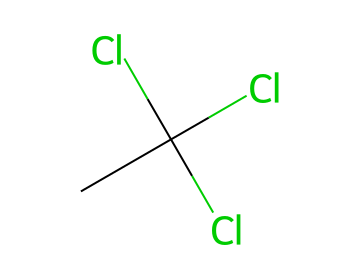
IDENTITY
COMPUTED
PROPERTIES
log Kow = 2.49
2.49
2.49
... Mild chloroform-like odor
Sweetish
Characteristic ethereal odor
1.31 at 68 °F (USCG, 1999) - Denser than water; will sink
1.3376 at 20 °C/4 °C
Chlorothene VG Solvent: Freezing Point -36.9 °C; Boiling range at 760 mm Hg 72-88 °C; Density 1.232 g/mL at 20 °C; Specific gravity 1.327 at 20 °C/20 °C, 1.333 at 60 °C/60 °C, 1.320 at 25 °C/25 °C; Heat of vaporization 7.8 kcal/mol at 20 °C, 7.5 kcal/mol at 50 °C, 7.1 kcal/mol at 80 °C (calculated); Dielectric constant at 24 °C 10.0 at 10+3 cps, 7.0 at 10+5 cps
Relative density (water = 1): 1.34
1.31
1.3390 @ 20°C
0.00086 Pa.s at 20 °C
Colorless liquid
Clear liquid at ambient temperature
less than 1 mg/mL at 68 °F (NTP, 1992)
In water, 1,290 mg/L at 25 °C
Soluble in acetone, benzene, methanol, carbon tetrachloride and ether
Soluble in all common organic solvents and is a very good solvent for fats, paraffins, and other organic compounds.
1.29 mg/mL at 25 °C
Solubility in water: poor
Readily corrodes aluminum and aluminum alloys
Dry, uninhibited 1,1,1-trichloroethane is not very corrosive with iron or zinc; corrosion rate with iron is < 2.54 micrometers/yr and with zinc < 25.4 micrometers/yr. Addition of 7% water increases corrosion rates to 254 micrometers/yr for iron and > 254 micrometers/yr for zinc. The presence of both water and ethanol increases iron or tin attack at reflux.
Extremely corrosive to aluminum. Dry 1,1,1-trichloroethane moderately corrodes iron and zinc.
greater than 200 °F (NTP, 1992)
Flash point = none
>200 °F
165.4 °F at 760 mmHg (NTP, 1992)
74.0 °C
74.00 °C. @ 760.00 mm Hg
74 °C
165 °F
74.09 °C @760 [mm Hg]
When heated to decomposition, it emits irritating gases and toxic fumes of carbon monoxide, carbon dioxide, hydrogen chloride gas, chlorine, and phosgene.
Thermal decomposition of 1,1,1-trichloroethane occurs below 260 °C, while large amounts of hydrogen chloride and trace amount of phosgene form at temperatures above that level.
-26.5 °F (NTP, 1992)
-30 °C
-30.4 °C
-30 °C
-26.5 °F
-30.01 °C
4.6 (NTP, 1992) - Heavier than air; will sink (Relative to Air)
4.63 (Air = 1)
Relative vapor density (air = 1): 4.6
4.6
GHS
Warning
H332: Harmful if inhaled [Warning Acute toxicity, inhalation];H420: Harms public health and the environment by destroying ozone in the upper atmosphere [Warning Hazardous to the ozone layer]
P261, P271, P304+P340, P317, and P502 (click each P-code to see the statement)
Danger
HAZARDS
Chemical: Ethane, 1,1,1-trichloro-
Hazard Traits - Carcinogenicity; Cardiovascular Toxicity; Hepatotoxicity and Digestive System Toxicity; Nephrotoxicity and Other Toxicity to the Urinary System; Neurotoxicity;Authoritative List - ATSDR Neurotoxicants; CA MCLs; CA TACs; CWA 303(c); CWA 303(d); IARC Carcinogens - 2A; OEHHA RELs; Prop 65;Report - regardless of intended function of ingredient in the product
Ethane, 1,1,1-trichloro- is listed on the EPA's Chemical Data Reporting (CDR) system. Manufacturers and importers of Ethane, 1,1,1-trichloro- are required to report information about their production and use of this chemical to the EPA under the Toxic Substances Control Act (TSCA). (40 eCFR Part 711)
Status: Active Update: 09-02-2012 https://echa.europa.eu/registration-dossier/-/registered-dossier/12667
Ethane, 1,1,1-trichloro-: HSNO Approval: HSR001525 Approved with controls
The New Jersey Worker and Community Right to Know Act requires public and private employers to provide information about hazardous substances at their workplaces. (N.J.S.A. 34:5A-1 et. seq.)
IMAP assessments - Ethane, 1,1,1-trichloro-: Human health tier I assessment;IMAP assessments - Ethane, 1,1,1-trichloro-: Environment tier II assessment
Poison
Special Hazards of Combustion Products: Toxic and irritating gases are generated in fires. (USCG, 1999)
· Some of these materials may burn, but none ignite readily.;· Most vapors are heavier than air.;· Air/vapor mixtures may explode when ignited.;· Container may explode in heat of fire.
Combustible under specific conditions. Heating will cause rise in pressure with risk of bursting. Gives off irritating or toxic fumes (or gases) in a fire.
It burns only in excess of oxygen or in air if a strong source of ignition is present.
An accidental explosion during a welding operation on a 1050 cu m tank holding 70 metric tons of inhibited 1,1,1-trichloroethane under nitrogen to exclude moisture is described. An investigation revealed that the storage tank did not contain any residual contamination from previous products and the 1,1,1-trichloroethane was not contaminated with highly flammable liquids. During the purging of the pipeline, a volume of nitrogen equivalent to approximately 1/2 tank volume had been injected near the base of the tank. The amount of nitrogen added manually, through the roof of the tank, could not be quantified. It was determined that inerting the tank by nitrogen had been insufficient and that a flammable concn of 1,1,1-trichloroethane occupied a portion of the tank near the top and was ignited by heat from welding. Although chlorinated hydrocarbons are often regarded as non-flammable, 1,1,1-trichloroethane for hot work purposes should be treated as highly flammable.
INHALATION: symptoms range from loss of equilibrium and incoordination to loss of consciousness; high concentration can be fatal due to simple asphyxiation combined with loss of consciousness. INGESTION: produces effects similar to inhalation and may cause some feeling of nausea. EYES: slightly irritating and lachrymatory. SKIN: defatting action may cause dermatitis. (USCG, 1999)
· Toxic by ingestion.;· Vapors may cause dizziness or asphyxiation, especially when in closed or confined areas.;· Exposure in an enclosed area may be very harmful.;· Contact may irritate or burn skin and eyes.;· Fire may produce irritating and/or toxic gases.;· Runoff from fire control or dilution water may cause environmental contamination.
1,1,1-Trichloroethane is a synthetic chemical that does not occur naturally in the environment. It also is known as methylchloroform, methyltrichloromethane, trichloromethylmethane, and trichloromethane. Its registered trade names are chloroethene NU® and Aerothene TT®.</p No 1,1,1-trichloroethane is supposed to be manufactured for domestic use in the United States after January 1, 2002 because it affects the ozone layer. 1,1,1-Trichloroethane had many industrial and household uses, including use as a solvent to dissolve other substances, such as glues and paints; to remove oil or grease from manufactured metal parts; and as an ingredient of household products such as spot cleaners, glues, and aerosol sprays.
Methyl chloroform is used as a solvent and in many consumer products. Effects reported in humans due to acute (short-term) inhalation exposure to methyl chloroform include hypotension, mild hepatic effects, and central nervous system (CNS) depression. Cardiac arrhythmia and respiratory arrest may result from the depression of the CNS. Symptoms of acute inhalation exposure include dizziness, nausea, vomiting, diarrhea, loss of consciousness, and decreased blood pressure in humans. After chronic (long-term) inhalation exposure to methyl chloroform, some liver damage was observed in mice and ventricular arrhythmias in humans. EPA has classified methyl chloroform as a Group D, not classifiable as to human carcinogenicity.
For the general population, the most likely sources of exposure are home consumer products, building products, and contaminated food and water. TCA was used as a general anesthetic. Inhalation abuse of TCA can result in sudden sniffing death, from cardiac dysrhythmias. [ATSDR Case Studies #24] Cardiac sensitization and low hepatotoxic potential have been documented in animal studies. [ACGIH] 1,1,1-Trichloroethane causes trivial hepatotoxicity, unless exposure is very heavy or agent ingested. [Zimmerman, p. 333] Methyl chloroform is in the list of Some volatile substances which may be abused by inhalation published on the web site of the U.N. International Drug Control Programme, indicating its potential to cause narcosis in workers. [Flanagan et al. Volatile Substance Abuse] A mild skin, eye, and respiratory tract irritant; Inhalation of high concentrations can cause CNS depression and cardiac arrhythmias; [ICSC] May cause smarting and reddening of skin if spilled and allowed to remain on clothes; High vapor concentrations may cause mild smarting of eyes and respiratory system; Inhalation may cause loss of equilibrium, incoordination, and unconsciousness; [CHRIS] An irritant and CNS depressant; May cause liver and kidney injury; [Matheson Tri-Gas MSDS]
2831 160
2831 160
1,1,1-Trichloroethane is an indirect food additive for use only as a component of adhesives.
Halogenated Organic Compounds
Symbol: Xn, N; Note: F; R: 20-59; S: (2)-24/25-59-61
UN Hazard Class: 6.1; UN Pack Group: III
SAFETY
Excerpt from ERG Guide 160 [Halogenated Solvents]:;SMALL FIRE: Dry chemical, CO2 or water spray.;LARGE FIRE: Dry chemical, CO2, alcohol-resistant foam or water spray. If it can be done safely, move undamaged containers away from the area around the fire. Dike runoff from fire control for later disposal.;FIRE INVOLVING TANKS, RAIL TANK CARS OR HIGHWAY TANKS: Fight fire from maximum distance or use unmanned master stream devices or monitor nozzles. Cool containers with flooding quantities of water until well after fire is out. Withdraw immediately in case of rising sound from venting safety devices or discoloration of tank. ALWAYS stay away from tanks in direct contact with flames. (ERG, 2024)
In case of fire in the surroundings, use appropriate extinguishing media. In case of fire: keep drums, etc., cool by spraying with water.
Fresh air, rest. Artificial respiration may be needed. Refer for medical attention.
Remove contaminated clothes. Rinse and then wash skin with water and soap.
First rinse with plenty of water for several minutes (remove contact lenses if easily possible), then refer for medical attention.
Do NOT induce vomiting. Rinse mouth. Give a slurry of activated charcoal in water to drink. Refer for medical attention .
· CALL 911. Then call emergency response telephone number on shipping paper. If shipping paper not available or no answer, refer to appropriate telephone number listed on the inside back cover.;· Keep unauthorized personnel away.;· Stay upwind, uphill and/or upstream.;· Many gases are heavier than air and will spread along the ground and collect in low or confined areas (sewers, basements, tanks, etc.).;· Ventilate closed spaces before entering, but only if properly trained and equipped.
· ELIMINATE all ignition sources (no smoking, flares, sparks or flames) from immediate area.;· Stop leak if you can do it without risk.;Small Liquid Spill;· Pick up with sand, earth or other non-combustible absorbent material.;Large Spill;· Dike far ahead of liquid spill for later disposal.;· Prevent entry into waterways, sewers, basements or confined areas.
EYES: First check the victim for contact lenses and remove if present. Flush victim's eyes with water or normal saline solution for 20 to 30 minutes while simultaneously calling a hospital or poison control center. Do not put any ointments, oils, or medication in the victim's eyes without specific instructions from a physician. IMMEDIATELY transport the victim after flushing eyes to a hospital even if no symptoms (such as redness or irritation) develop.;SKIN: IMMEDIATELY flood affected skin with water while removing and isolating all contaminated clothing. Gently wash all affected skin areas thoroughly with soap and water. If symptoms such as redness or irritation develop, IMMEDIATELY call a physician and be prepared to transport the victim to a hospital for treatment.;INHALATION: IMMEDIATELY leave the contaminated area; take deep breaths of fresh air. If symptoms (such as wheezing, coughing, shortness of breath, or burning in the mouth, throat, or chest) develop, call a physician and be prepared to transport the victim to a hospital. Provide proper respiratory protection to rescuers entering an unknown atmosphere. Whenever possible, Self-Contained Breathing Apparatus (SCBA) should be used; if not available, use a level of protection greater than or equal to that advised under Protective Clothing.;INGESTION: DO NOT INDUCE VOMITING. Volatile chemicals have a high risk of being aspirated into the victim's lungs during vomiting which increases the medical problems. If the victim is conscious and not convulsing, give 1 or 2 glasses of water to dilute the chemical and IMMEDIATELY call a hospital or poison control center. IMMEDIATELY transport the victim to a hospital. If the victim is convulsing or unconscious, do not give anything by mouth, ensure that the victim's airway is open and lay the victim on his/her side with the head lower than the body. DO NOT INDUCE VOMITING. IMMEDIATELY transport the victim to a hospital. (NTP, 1992)
General First Aid:;· Call 911 or emergency medical service.;· Ensure that medical personnel are aware of the material(s) involved, take precautions to protect themselves and avoid contamination.;· Move victim to fresh air if it can be done safely.;· Administer oxygen if breathing is difficult.;· If victim is not breathing:;-- DO NOT perform mouth-to-mouth resuscitation; the victim may have ingested or inhaled the substance.;-- If equipped and pulse detected, wash face and mouth, then give artificial respiration using a proper respiratory medical device (bag-valve mask, pocket mask equipped with a one-way valve or other device).;-- If no pulse detected or no respiratory medical device available, provide continuous compressions. Conduct a pulse check every two minutes or monitor for any signs of spontaneous respirations.;· Remove and isolate contaminated clothing and shoes.;· For minor skin contact, avoid spreading material on unaffected skin.;· In case of contact with substance, remove immediately by flushing skin or eyes with running water for at least 20 minutes.;· For severe burns, immediate medical attention is required.;· Effects of exposure (inhalation, ingestion, or skin contact) to substance may be delayed.;· Keep victim calm and warm.;· Keep victim under observation.;· For further assistance, contact your local Poison Control Center.;· Note: Basic Life Support (BLS) and Advanced Life Support (ALS) should be done by trained professionals.;Specific First Aid:;· Wash skin with soap and water.
(General first aid procedures);Eye: Irrigate immediately - If this chemical contacts the eyes, immediately wash (irrigate) the eyes with large amounts of water, occasionally lifting the lower and upper lids. Get medical attention immediately.;Skin: Soap wash promptly - If this chemical contacts the skin, promptly wash the contaminated skin with soap and water. If this chemical penetrates the clothing, promptly remove the clothing and wash the skin with soap and water. Get medical attention promptly.;Breathing: Respiratory support;Swallow: Medical attention immediately - If this chemical has been swallowed, get medical attention immediately.
Separated from food and feedstuffs, strong oxidants, aluminium, magnesium and zinc. Cool. Dry. Store in an area without drain or sewer access.
Vapors are heavier than air and will collect in low areas. Storage containers and parts of containers may rocket great distances, in many directions.
· Wear positive pressure self-contained breathing apparatus (SCBA).;· Wear chemical protective clothing that is specifically recommended by the manufacturer when there is NO RISK OF FIRE.;· Structural firefighters' protective clothing provides thermal protection but only limited chemical protection.
Biological Exposure Indices (BEI) [ACGIH] - Methyl chloroform in end-exhaled air = 40 ppm prior to last shift of workweek; for trichloroethanol in blood and urine and TCA in urine BEIs, see the ACGIH booklet;
100.0 [ppm]
DRY CHEMICAL, FOAM, OR CARBON DIOXIDE
If material involved in fire: Cool all affected containers with flooding quantities of water. Apply water from as far a distance as possible. Extinguish fire using agent suitable for type of surrounding fire (Material itself does not burn or burns with difficulty.). Keep run-off water out of sewers and water sources.
Extinguish fire using agent suitable for surrounding fire. Use water spray to keep fire-exposed containers cool. Approach fire from upwind to avoid hazardous vapors and toxic decomposition products.
Storage temp: Ambient; Venting: Pressure-vacuum.
Protection from moisture be provided for bulk storage, and do not store in aluminum containers.
Store in a cool, dry, well-ventilated location. Separate from oxidizing materials, ammonia, and active metals, such as aluminum.
Before being stored or transported over longer periods of time, chlorinated ethanes ... should be carefully analyzed for water, free acid, and stabilizers because decomposition may lead to excessive corrosion. ... Chlorinated ethanes should not be brought into contact with tanks, containers, valves, etc made of aluminum. /Chloroethanes/
For more Storage Conditions (Complete) data for 1,1,1-TRICHLOROETHANE (6 total), please visit the HSDB record page.
Environmental considerations: land spill: Dig a pit, pond, lagoon, holding area to contain liquid or solid material. /SRP: If time permits, pits, ponds, lagoons, soak holes, or holding areas should be sealed with an impermeable flexible membrane liner./ Dike surface flow using soil, sand bags, foamed polyurethane, or foamed concrete. Absorb bulk liquid with fly ash, cement powder, or commmercial sorbents.
Environmental considerations: water spill: Use natural barriers or oil spill control booms to limit spill travel. Use natural deep water pockets, excavated lagoons, or sand bag barriers to trap material at bottom. Remove trapped material with suction hoses.
Absorb on paper and evaporate on a glass dish in hood. Burn the paper.
The ability of different aerobic groundwater microorganisms to cometabolically degrade trichloroethylene (TCE), 1,2-cis-dichloroethylene (c-DCE) and 1,2-trans-dichloroethylene (t-DCE) was evaluated both in groundwater fed microcosms and in situ in a shallow aquifer. Microcosms amended with phenol or toluene were equally effective in removing c-DCE (> 90%) followed by TCE (60 to 70%), while the microcosm fed methane was most effective in removing t-DCE (>-90%). The microcosm fed ammonia was the least effective. None of the microcosms effectively degraded l,l,l-trichloroethane. At the Moffett Field groundwater test site, in situ removal of c-DCE and TCE coincided with biostimulation through phenol and oxygen injection and utilization with c-DCE removed more rapidly than TCE. Greater TCE and c-DCE removal was observed when the phenol concentration was increased. Over 90% removal of c-DCE and TCE was observed in the 2 m biostimulated zone. This compares with 40 to 50 removal of c-DCE and 15 to 25% removal of TCE achieved by methane grown microorganisms previously evaluated in an adjacent in situ test zone. The in situ removal with phenol grown microorganisms agrees quantitatively with the microcosm studies with the rates and extends of removal ranked as follows: c-DCE > TCE > t-DCE. These studies demonstrate potential for in situ TCE bioremediation using microorganisms grown on phenol.
Use appropriate foam to blanket release and suppress vapors. Absorb in noncombustible material for proper disposal. Report any release in excess of 1 lb.
Excerpt from ERG Guide 160 [Halogenated Solvents]:;ELIMINATE all ignition sources (no smoking, flares, sparks or flames) from immediate area. Stop leak if you can do it without risk.;SMALL LIQUID SPILL: Pick up with sand, earth or other non-combustible absorbent material.;LARGE SPILL: Dike far ahead of liquid spill for later disposal. Prevent entry into waterways, sewers, basements or confined areas. (ERG, 2024)
Generators of waste (equal to or greater than 100 kg/mo) containing this contaminant, EPA hazardous waste numbers U226 and F002, must conform with USEPA regulations in storage, transportation, treatment and disposal of waste.
Trichloroethane is a waste chemical stream constituent which may be subjected to ultimate disposal by controlled incineration. Incineration, preferably after mixing with another combustible fuel; care must be exercised to assure complete combustion to prevent the formation of phosgene. An acid scrubber is necessary to remove the halo acids produced. /Trichloroethane/
A potential candidate for liquid injection incineration at a temperature range of 650 to 1,600 °C and a residence time of 0.1 to 2 seconds. A potential candidate for rotary kiln incineration at a temperature range of 820 to 1,600 °C and residence times of seconds for liquids and gases, and hours for solids. A potential candidate for fluidized bed incineration at a temperature range of 450 to 980 °C and residence times of seconds for liquids and gases, and longer for solids.
Chemical Treatability of 1,1,1-Trichloroethane; Concentration Process: Biological treatment; Chemical Classification: Halocarbon; Scale of Study: Full scale, continuous flow; Type of Wastewater Used: Industrial waste; Results of Study: Effluent concentration; 1.0-20.0 ppb (Survey of 2 municipal wastewater treatment plants).
For more Disposal Methods (Complete) data for 1,1,1-TRICHLOROETHANE (14 total), please visit the HSDB record page.
TOXICITY
CDC-ATSDR Toxicological Profile
1,1,1-Trichloroethane was detected in the body fat of 8 subjects at concentrations ranging from 1.6-24 ng/g(1). 1,1,1-Trichloroethane was detected in residents of Old Love Canal: breath - 290 ng/cu m median, 2800 ng/cu m maximum; blood - 0.85 ng/mL median, 2.0 ng/mL maximum; urine - 80 ng/L median, 180 ng/L maximum(2). 1,1,1-Trichloroethane was detected in all eight samples of mother's milk from four US urban areas(3). 59% of individuals (39 subjects, 23-54 years of age) from Dusseldorf, West Germany who were not occupationally exposed to 1,1,1-trichloroethane had whole blood levels of the chemical ranging from <0.1-3.4 ppb, median 0.2 ppb(4). Whole blood samples of those occupationally exposed contained 1,1,1-trichloroethane ranging from <0.1-0.2 ppb for motor vehicle mechanics, <0.1 for painters, 0.1-15.5 ppb for precision tool makers, 389.0-2497.9 ppb for dry cleaners using tetrachloroethylene as dry-cleaning agent, and 17.6-48.2 ppb for dry cleaners using trichlorofluoromethane as a dry-cleaning agent(4). In another study, 1,1,1-trichloroethane in the whole blood of 250 patients who suffered from a variety of symptoms that may have been related to exposure to environmental pollutants ranged from not detectable to 26 ppb, 1.0 ppb mean(5). Human tissue sample collected in Turku, Finland in 1987 contained the following levels of 1,1,1-trichloroethane: kidney, 0.1 ug/kg; lungs, 0.1 ug/kg; muscle, 0.4 ug/kg(6). 1,1,1-Trichloroethane was qualitatively detected in 66% the blood samples obtained of more than 150 children from two poor, minority neighborhoods in Minneapolis, MN(7). 1,1,1-Trichloroethane was identified, not quantified, in samples of blood obtained in October 2001 from firefighters that responded to the collapse of the World Trade Center in New York City, NY(8).
As part of EPA's Total Exposure Assessment Methodology (TEAM) study, the concentration of various toxic substances in the personal air (two consecutive 12-hr periods) of sample populations was measured. The weighted median results for 1,1,1-trichloroethane in personal air in Bayonne and Elizabeth, New Jersey, an industrial/chemical manufacturing area, was 17, 9.3, and 22 ug/cu m in the fall 1981, summer 1982, and winter 1983, respectively. For comparison the personal air samples from residents living in a manufacturing city without a chemical or petroleum refining industry (Greensboro, NC) and in a small, rural, and agricultural town in North Dakota, contained 32 and 25 ug/cu m, respectively(1).
If the compound has been ingested, rapid gastric lavage should be performed using 5% sodium bicarbonate. For skin contact, the skin should be washed with soap and water. If the compound has entered the eyes, they should be washed with large quantities of isotonic saline or water. In serious cases, atropine and/or pralidoxime should be administered. Anti-cholinergic drugs work to counteract the effects of excess acetylcholine and reactivate AChE. Atropine can be used as an antidote in conjunction with pralidoxime or other pyridinium oximes (such as trimedoxime or obidoxime), though the use of '-oximes' has been found to be of no benefit, or possibly harmful, in at least two meta-analyses. Atropine is a muscarinic antagonist, and thus blocks the action of acetylcholine peripherally.
Mechanism of 1,1,1-trichloroethane-induced ventricular fibrillation was studied in mice. Adrenalectomized mice and mice treated with a cmpd (p286), which blocks the release of adrenal catecholamines, were not protected from 1,1,1-trichloroethane-induced fibrillation. The mice, whether adrenalectomized or not, were protected by reserpine and particularly by the beta-blocker, propranolol.
A 24 hr inhalation of methyl chloroform by male mice decreased sodium hexobarbital (80 mg/kg) induced hypnosis, but had no effect on sodium barbital or chloral hydrate induced hypnosis.
Acute behavioral and lethal effects of oral ethanol and inhaled 1,1,1-trichloroethane (TCE) alone and in combination were determined in mice. For lethality, ethanol shifted TCE concn-effect curve to left in parallel manner, with magnitude of shift directly related to dose of ethanol. Combinations of low doses of ethanol with TCE were usually supraadditive, while higher doses of ethanol were additive or infraadditive with TCE. Shifts to left of TCE concn-effect curves for behavioral testing similarly depended on dose of ethanol, but were nonparallel. Probably, in many combinations, significant acute toxicity may occur with joint admin. Health hazards to workers who ingest ethanol prior to on-the-job exposure to TCE are discussed.
Isopropanol & acetone ... enhanced hepatotoxicity with ... 1,1,1-trichloroethane.
For more Interactions (Complete) data for 1,1,1-TRICHLOROETHANE (6 total), please visit the HSDB record page.
Body Weight, Hepatic (Liver), Neurological (Nervous System)
Hepatic;Nervous
Eyes, skin, central nervous system, cardiovascular system, liver
Acute exposure to cholinesterase inhibitors can cause a cholinergic crisis characterized by severe nausea/vomiting, salivation, sweating, bradycardia, hypotension, collapse, and convulsions. Increasing muscle weakness is a possibility and may result in death if respiratory muscles are involved. Accumulation of ACh at motor nerves causes overstimulation of nicotinic expression at the neuromuscular junction. When this occurs symptoms such as muscle weakness, fatigue, muscle cramps, fasciculation, and paralysis can be seen. When there is an accumulation of ACh at autonomic ganglia this causes overstimulation of nicotinic expression in the sympathetic system. Symptoms associated with this are hypertension, and hypoglycemia. Overstimulation of nicotinic acetylcholine receptors in the central nervous system, due to accumulation of ACh, results in anxiety, headache, convulsions, ataxia, depression of respiration and circulation, tremor, general weakness, and potentially coma. When there is expression of muscarinic overstimulation due to excess acetylcholine at muscarinic acetylcholine receptors symptoms of visual disturbances, tightness in chest, wheezing due to bronchoconstriction, increased bronchial secretions, increased salivation, lacrimation, sweating, peristalsis, and urination can occur. Certain reproductive effects in fertility, growth, and development for males and females have been linked specifically to organophosphate pesticide exposure. Most of the research on reproductive effects has been conducted on farmers working with pesticides and insecticdes in rural areas. In females menstrual cycle disturbances, longer pregnancies, spontaneous abortions, stillbirths, and some developmental effects in offspring have been linked to organophosphate pesticide exposure. Prenatal exposure has been linked to impaired fetal growth and development. Neurotoxic effects have also been linked to poisoning with OP pesticides causing four neurotoxic effects in humans: cholinergi
LD50; Species: Colinus virginianus (Northern bobwhite) age 22 weeks; oral >2510 mg/kg for 14 days
LC50; Species: Colinus virginianus (Northern bobwhite) age 14 days; diet >5620 ppm for 8 days
LC50; Species: Anas platyrhynchos (Mallard duck) age 14 days; diet >5620 ppm for 8 days
LC50; Species: Eisenia fetida (Earthworm) adult, weight 300-500 mg; dermal 83 ug/sq cm for 48 hr (76-91 ug/sq cm)
For more Ecotoxicity Values (Complete) data for 1,1,1-TRICHLOROETHANE (35 total), please visit the HSDB record page.
TERRESTRIAL FATE: Based on a classification scheme(1), Koc values of 66-151 measured in soil(2,3), indicate that 1,1,1-trichloroethane is expected to have high mobility in soil(SRC). Volatilization of 1,1,1-trichloroethane from moist soil surfaces is expected to be an important fate process(SRC) given a Henry's Law constant of 0.0163 atm-cu m/mole(4). 1,1,1-Trichloroethane is expected to volatilize from dry soil surfaces(SRC) based upon a vapor pressure of 124 mm Hg(5). The biodegradation half-life of 1,1,1-trichloroethane in non-adapted aerobic soils from Louisiana and Oklahoma were reported as >97 days and >485 days, respectively(6), suggesting that biodegradation may not be an important fate process in soil(SRC). 1,1,1-Trichloroethane is not expected to undergo aerobic biodegradation in soil, but there are some experimental data that indicate biodegradation may occur under anaerobic conditions(7). An anaerobic microcosm study using mixed microbial cultures obtained from a contaminated site in the northeastern US found that 1,1,1-trichloroethane was reductively dechlorinated to 1,1-dichloroethane and then to monochloroethane(8).
AQUATIC FATE: Based on a classification scheme(1), Koc values of 66-151(2,3), indicate that 1,1,1-trichloroethane is not expected to adsorb to suspended solids and sediment(SRC). Volatilization from water surfaces is expected(4) based upon a Henry's Law constant of 0.0163 atm-cu m/mole(5). Using this Henry's Law constant and an estimation method(4), volatilization half-lives for a model river and model lake are 3.4 hours and 4.6 days, respectively(SRC). According to a classification scheme(6), BCF values of 0.7 to 8.9 measured in carp (Cyprinus carpio) and bluegill sunfish (Lepomis macrochirus)(7,8), suggest the potential for bioconcentration in aquatic organisms is low(SRC). Aerobic biodegradation of 1,1,1-trichloroethane is slow in water, but may occur in the presence of methane-oxidizing bacteria(9). Slow degradation may occur in water under anaerobic or aerated conditions; degradation may take weeks and acclimation is important(10,11). A half-life of 9 months was observed in seawater(12). The aqueous hydrolysis half-life of 1,1,1-trichloroethane has been experimentally determined to be 1.1 years at 25 °C(13).
ATMOSPHERIC FATE: According to a model of gas/particle partitioning of semivolatile organic compounds in the atmosphere(1), 1,1,1-trichloroethane , which has a vapor pressure of 124 mm Hg at 25 °C(2), is expected to exist solely as a vapor in the ambient atmosphere. Vapor-phase 1,1,1-trichloroethane is degraded in the atmosphere by reaction with photochemically-produced hydroxyl radicals(SRC); the half-life for this reaction in air is estimated to be 4.6 years(SRC), calculated from its rate constant of 9.50X10⁻¹⁵ cu cm/molecule-sec at 25 °C(3). The UV absorption spectrum of 1,1,1-trichloroethane from 160-255 nm(4) suggests that 1,1,1-trichloroethane will not absorb at wavelengths >290 nm and, therefore, is not expected to be susceptible to direct photolysis by sunlight(SRC). 1,1,1-Trichloroethane has been detected in rainwater(5,6); therefore, it may be removed from the air by wet deposition(SRC). Due to its long atmospheric lifetime, 1,1,1-trichloroethane will gradually diffuse into the stratosphere above the ozone layer where it will slowly degrade due to direct photolysis from UV-C radiation and contribute to the catalytic removal of stratospheric ozone(7).
The concentration of 1,1,1-trichloroethane in various foods were: 6-10 ug/kg oils and fats; 1-4 ug/kg fruits and vegetables; 3-6 ug/kg meat; 7 ug/kg tea; 2 ug/kg fresh bread(1). 1,1,1-Trichloroethane was not found in samples of wheat, corn, oats, corn meal or corn grits(2). Of the 9 samples of intermediate grain-based food analyzed, it was found in 3, namely, yellow corn meal (3.8 ppb), fudge brownie mix (3.0 ppb), and yellow cake mix (0.74 ppb)(1).
Over a 5-year study period (1996-2000), the US FDA analyzed 70 foods for volatile organic compounds; 1,1,1-trichloroethane was detected in the following foods(1).[Table#523]
Neurotoxin - Acute solvent syndrome;Occupational hepatotoxin - Secondary hepatotoxins: the potential for toxic effect in the occupational setting is based on cases of poisoning by human ingestion or animal experimentation.;IARC Carcinogen - Class 2: International Agency for Research on Cancer classifies chemicals as probable (2a), or possible (2b) human carcinogens.;ACGIH Carcinogen - Not Classifiable.
The substance can be absorbed into the body by inhalation of its vapour and by ingestion.
inhalation, ingestion, skin and/or eye contact
Oral (L306); inhalation (L306) ; dermal (L306)
ENVRIONMENTAL: 1,1,1-Trichloroethane was detected in all eight samples of mother's milk from four urban areas(1). Pasteurized milk samples collected from suburban areas in Finland contained a mean 1,1,1-trichloroethane concentration of 0.008 ug/L(2).
REGULATORY
Chemical: Ethane, 1,1,1-trichloro-
Hazard Traits - Carcinogenicity; Cardiovascular Toxicity; Hepatotoxicity and Digestive System Toxicity; Nephrotoxicity and Other Toxicity to the Urinary System; Neurotoxicity;Authoritative List - ATSDR Neurotoxicants; CA MCLs; CA TACs; CWA 303(c); CWA 303(d); IARC Carcinogens - 2A; OEHHA RELs; Prop 65;Report - regardless of intended function of ingredient in the product
Ethane, 1,1,1-trichloro- is listed on the EPA's Chemical Data Reporting (CDR) system. Manufacturers and importers of Ethane, 1,1,1-trichloro- are required to report information about their production and use of this chemical to the EPA under the Toxic Substances Control Act (TSCA). (40 eCFR Part 711)
Status: Active Update: 09-02-2012 https://echa.europa.eu/registration-dossier/-/registered-dossier/12667
Ethane, 1,1,1-trichloro-: HSNO Approval: HSR001525 Approved with controls
The New Jersey Worker and Community Right to Know Act requires public and private employers to provide information about hazardous substances at their workplaces. (N.J.S.A. 34:5A-1 et. seq.)
1,1,1-Trichloroethane is an indirect food additive for use only as a component of adhesives.
U226; As stipulated in 40 CFR 261.33, when methyl chloroform, as a commercial chemical product or manufacturing chemical intermediate or an off-specification commercial chemical product or a manufacturing chemical intermediate, becomes a waste, it must be managed according to Federal and/or State hazardous waste regulations. Also defined as a hazardous waste is any residue, contaminated soil, water, or other debris resulting from the cleanup of a spill, into water or on dry land, of this waste. Generators of small quantities of this waste may qualify for partial exclusion from hazardous waste regulations (40 CFR 261.5).
F002; When 1,1,1-trichloroethane is a spent solvent, it is classified as a hazardous waste from a nonspecific source (F002), as stated in 40 CFR 261.31, and must be managed according to state and/or federal hazardous waste regulations.
Pursuant to section 8(d) of TSCA, EPA promulgated a model Health and Safety Data Reporting Rule. The section 8(d) model rule requires manufacturers, importers, and processors of listed chemical substances and mixtures to submit to EPA copies and lists of unpublished health and safety studies. 1,1,1-Trichloroethane is included on this list. Effective date 10/04/82; Sunset date 10/04/92.
As the federal pesticide law FIFRA directs, EPA is conducting a comprehensive review of older pesticides to consider their health and environmental effects and make decisions about their continued use. Under this pesticide reregistration program, EPA examines newer health and safety data for pesticide active ingredients initially registered before November 1, 1984, and determines whether the use of the pesticide does not pose unreasonable risk in accordance to newer saftey standards, such as those described in the Food Quality Protection Act of 1996. Pesticides for which EPA had not issued Registration Standards prior to the effective date of FIFRA '88 were divided into three lists based upon their potential for human exposure and other factors, with List B containing pesticides of greater concern than those on List C, and with List C containing pesticides of greater concern than those on List D. Trichloroethane is found on List C. Case No: 3089; Pesticide type: Insecticide; Case Status: No products containing the pesticide are actively registered ... The case /is characterized/ as "cancelled." Under FIFRA, pesticide producers may voluntarily cancel their registered products. EPA also may cancel pesticide registrations if registrants fail to pay required fees or make/meet certain reregistration commitments, or if EPA reaches findings of unreasonable adverse effects.; Active ingredient (AI): Trichloroethane; AI Status: The active ingredient is no longer contained in any registered pesticide products ... "cancelled."
This action promulgates standards of performance for equipment leaks of Volatile Organic Compounds (VOC) in the Synthetic Organic Chemical Manufacturing Industry (SOCMI). The intended effect of these standards is to require all newly constructed, modified, and reconstructed SOCMI process units to use the best demonstrated system of continuous emission reduction for equipment leaks of VOC, considering costs, non air quality health and environmental impact and energy requirements. 1,1,1-Trichloroethane is produced, as an intermediate or final product, by process units covered under this subpart.
Listed as a hazardous air pollutant (HAP) generally known or suspected to cause serious health problems. The Clean Air Act, as amended in 1990, directs EPA to set standards requiring major sources to sharply reduce routine emissions of toxic pollutants. EPA is required to establish and phase in specific performance based standards for all air emission sources that emit one or more of the listed pollutants. 1,1,1-Trichloroethane is included on this list.
Protection of Stratospheric Ozone: Extension of the Laboratory and Analytical Use Exemption for Essential Class I Ozone-Depleting Substances. Agency: Environmental Protection Agency. Action: Final rule.This rule extends the laboratory and analytical use exemption for the production and import of class I ozone-depleting substances through December 31, 2021. The Environmental Protection Agency (EPA) is taking this action under the Clean Air Act, consistent with a recent decision of the Parties to the Montreal Protocol on Substances that Deplete the Ozone Layer. The exemption allows the production and import of controlled substances in the United States for laboratory and analytical uses that have not been already identified by EPA as nonessential. Dates: This rule is effective January 26, 2015.
Persons in charge of vessels or facilities are required to notify the National Response Center (NRC) immediately, when there is a release of this designated hazardous substance, in an amount equal to or greater than its reportable quantity of 1000 lb or 454 kg. The toll free number of the NRC is (800) 424-8802. The rule for determining when notification is required is stated in 40 CFR 302.4 (section IV. D.3.b).
Toxic pollutant designated pursuant to section 307(a)(1) of the Federal Water Pollution Control Act and is subject to effluent limitations. /Chlorinated ethanes/
(NJ) NEW JERSEY 30 ug/l
(AZ) ARIZONA 200 ug/L
(CT) CONNECTICUT 200 ug/L
(MN) MINNESOTA 9,000 ug/L
Maximum contaminant levels (MCL) for organic contaminants apply to community and non-transient, non-community water systems: 1,1,1-Trichloroethane, MCL 0.2 mg/L.
EPA 200 ug/L
EPA 200 ug/L
PHARMACOLOGY
... 1,1,1-Trichloroethane sensitizes the heart to epinephrine and may induce cardiac arrhythmias and arrest.
The mechanism by which acute exposures to high concentrations of 1,1,1-trichloroethane depress the central nervous system is thought to involve interactions of the parent compound with lipids and/or proteins in neural membranes that lead to dysfunction. In general, the highly lipophilic nature of chlorinated hydrocarbons, such as 1,1,1-trichloroethane, allows them to cross the blood-brain barrier readily and partition into lipids in neuronal membranes. This property allows them to interfere with neural membrane function, bringing about central nervous system depression, behavioral changes, and anesthesia.
Blood to expired air: 1-9 hours; trichloroethanol (blood): 10-27 hours; trichloroacetic acid (blood): 70-85 hours; [TDR, p. 1173]
8.7 +/- 1.8 hr (in human urine).
Human half-life of elimination was calculated for the following compartments: Vessel-rich tissues (0.8 hr); Muscle and skin (7 hr); Adipose tissue (35 hr) following exposure of subjects to 72 and 215 ppm methyl chloroform.
Following exposure /of rodents/ to 810 mg/cu m (150 ppm), the half-lives were 10 and 139 min, whereas with 8100 mg/cu m (1500 ppm), the half-lives were 36 and 238 min.
Metabolism appears to play a relatively minor role in the overall disposition of absorbed 1,1,1-trichloroethane in humans. Less than 10% of the absorbed dose is metabolized; a large fraction is excreted unchanged in exhaled air, regardless of the route of exposure. The major metabolites of 1,1,1-trichloroethane are water-soluble trichloroethanol and its glucuronide conjugate, trichloroacetic acid and carbon dioxide. The total amount of trichloroethanol and trichloroacetic acid excreted in urine accounts for 77% of the predicted amount of metabolized 1,1,1-trichloroethane. Excretion of trichloroethanol and trichloroacetic acid in urine is slow in relation to exhalation of 1,1,1-trichloroethane and these metabolites may accumulate with repeated exposure.
Metabolism following oral exposure is similar to metabolism following inhalation exposure. ... Approximately 3% of a dose ingested in drinking water by rats was metabolized and excreted as CO2 in expired air or as metabolites in urine. Mice metabolized 1,1,1-trichloroethane more extensively than rats. This is consistent with the metabolic differences between rats and mice following inhalation exposure, ... .
The data on 1,1,1-trichloroethane metabolism by animals are consistent with the human data. Approximately 90% of the inhaled dose is excreted unchanged in expired air, while the remainder is eliminated as CO2 in expired air and as trichloroethanol and trichloroacetic acid in the urine. A similar pattern of metabolism and subsequent excretion occurred in acutely and chronically exposed mice; the majority of 1,1,1-trichloroethane was excreted unchanged in the expired air and a small percentage was metabolized.
Metabolism has been shown to be saturable in animals over a range of exposure levels of 150-1500 ppm (820-8200 mg/cu m); thus, as the exposure level and absorbed dose increase, metabolism will contribute less to overall elimination of 1,1,1-trichloroethane.
For more Metabolism/Metabolites (Complete) data for 1,1,1-TRICHLOROETHANE (7 total), please visit the HSDB record page.
Trichloroethane has known human metabolites that include Trichloroethanol.
1,1,1-Trichloroethane is rapidly taken up by humans after inhalation exposure. Experimental data collected in human subjects indicate that absorption of 1,1,1-trichloroethane is nearly complete following a single breath exposure, and that a steady-state lung retention of 25-30% in humans is achieved within 1-3 hours of continuous exposure. Steady-state blood levels are approximately 5-6 times that of alveolar air and increase with increasing air concentration, increasing alveolar ventilation and cardiac output. The percentage uptake of inhaled 1,1,1-trichloroethane decreased rapidly from approximately 95% at the beginning /single breath/ of a four-hour exposure to 30% at the end /steady state/.
The absorption of 1,1,1-trichloroethane by the skin in humans has been shown to be dependent on the duration of exposure and the area of skin exposed. 1,1,1-Trichloroethane vapours are absorbed through exposed skin to some extent, although absorption through the respiratory tract is expected to predominate during whole-body exposure to vapours. A quantitative examination of the relative magnitudes of percutaneous and respiratory absorption indicated that a whole-body exposure to 600 ppm (3280 mg/cu m) 1,1,1- trichloroethane for over 3.5 hours was equivalent to an inhalation exposure of only 0.6 ppm (3.3 mg/cu m) over the same time period.
After cessation of inhalation exposure, 1,1,1-trichloroethane is rapidly eliminated from the blood; 60-80% is eliminated within two hours after exposure and more than 95-99% within 50 hours.
Expired air concentrations after topical application of TCE or continuous immersion of the hand for 30 minutes were 0.5 ppm and 10 ppm respectively at 30 minutes post-exposure. In contrast, respiratory exposure for a similar time to levels sufficient to cause only mild symptoms, i.e. 910 ppm, was associated with expired air concentrations of around 35 ppm at 30 minutes post-exposure. The skin is therefore a considerably less significant route of absorption than the lung. ... Peak alveolar levels of 45 ppm /were estimated/ after immersion of both hands in TCE for 30 minutes, similar to peak levels observed after respiratory exposure of the same duration to 100-500 ppm in air. Penetration is less with topical application than after total immersion by a factor of about 20. They concluded that provided the solvent is not confined beneath an impermeable barrier there is little likelihood that toxic amounts will be absorbed during normal industrial use. The vapor itself is not absorbed in significant amounts through the skin.
For more Absorption, Distribution and Excretion (Complete) data for 1,1,1-TRICHLOROETHANE (28 total), please visit the HSDB record page.
Membrane
USES
CIR ingredient: Trichloroethane
Methyl chloroform is used as a solvent and degreasing agent in industry. It is an ingredient in consumer products such as household cleaners, glues, and aerosol sprays. Methyl chloroform is also used as a chemical intermediate in the production of vinylidene chloride. It was formerly used as a food and grain fumigant.
Used for degreasing, cleaning, and thinning; [LaDou, p. 552] Used in photography (film cleaner); [www.ci.tucson.az.us/arthazards/medium.html] Used as a solvent for natural and synthetic resins, oils, waxes, tar, alkaloids, adhesives, coatings, photoresist polymers, textile dyeing, and extractions, as dry cleaning agent, for cleaning metal, plastic molds, electrical equipment, motors, electronic components and instruments, missile hardware, paint masks, photographic film, printed circuit boards, and certain plastics components, in textile processing, metal cutting oils, inks, drain cleaners, aerosols, vapor degreasing, as chemical intermediate, and pesticide; [HSDB] Also used in the leather processing and paper industries; [IUCLID] No active pesticide product registrations in the US; [NPIRS]
Because 1,1,1-trichloroethane damages the ozone layer, production in the United States was phased out in 1996, but supplies as a raw material will be available until the year 2002. [ATSDR Medical Management]
Metal Degreasing [Category: Clean];Metal Machining [Category: Heat or Machine];Semiconductor Manufacturing [Category: Industry];Pulp and Paper Processing [Category: Industry];Painting (Solvents) [Category: Paint];Working with Glues and Adhesives [Category: Other];Dry Cleaning [Category: Clean];Farming (Pesticides) [Category: Industry];Leather Tanning and Processing [Category: Industry];Photographic Processing [Category: Other];Textiles (Printing, Dyeing, or Finishing) [Category: Industry]
Sculpturing plastics [Category: Hobbies]
1,2-Dichloroethane, 1,1-dichloroethane, chloroform, carbon tetrachloride, trichloroethylene, 1,1,2-trichloroethane, and vinylidene chloride.
(1985) 1.81X10+10 G
(1987) 11,420,877 lb
(1985) 9.08X10+9 G /based on various trade estimates/
2023: 50,000,000 - <100,000,000 lb;2022: 100,000,000 - <500,000,000 lb;2021: 100,000,000 - <500,000,000 lb;2020: 100,000,000 - <500,000,000 lb
(1973) 548,394,000 lb
(1966) 242,943,000 lb
(1981) 613,993 (1,000 unit lb)
The growth rate from 1973-1982 was 3.2% per yr
For more U.S. Production (Complete) data for 1,1,1-TRICHLOROETHANE (12 total), please visit the HSDB record page.
Cold cleaning, 40%; Vapor degreasing, 22%; Adhesives, 12%; Aerosols, 10%; Exports, 5%; Electronics, 6%; Coatings, 1%; Miscellaneous, 4%.
CLEANING SOLVENT, 70%; AEROSOLS, 5%; CHEM INT, 3%; OTHER, 22% (1980, EST)
Cold cleaning, 41%; vapor degreasing, 22%; adhesives, 10%; aerosols, 7%; electronics, 6%; intermediate, 4%; coatings, 2%; other, 1%; export, 7% (1985).
CHEMICAL PROFILE: 1,1,1-Trichloroethane. Vapor degreasing, 34%; cold cleaning, 12%; aerosols, 10%; adhesives, 8%; intermediate, 7%; coatings, 5%; electronics, 4%; other, 5%; exports, 15%.
For more Consumption Patterns (Complete) data for 1,1,1-TRICHLOROETHANE (9 total), please visit the HSDB record page.
Intermediate
For the industrial production of 1,1,1-trichloroethane, three different routes are in use: 1) from 1,1-dichloroethane by thermal or photochemical chlorination; 2) from 1,1,2-trichloroethane via 1,1-dichloroethylene; and 3) from ethane by direct chlorination.
Prepared by the action of chlorine on 1,1-dichloroethane; ... by the catalytic addition of HCl to 1,1-dichloroethylene.
Can be produced by refluxing chlorine monoxide with carbon tetrachloride and chloroethane.
By chlorination of vinyl chloride derived from 1,2-dichloroethane; hydrochlorination of vinylidine chloride derived from 1,2-dichloroethane; or thermal chlorination of ethane.
USEPA/OPP Pesticide Code 081201; Trade Names: Methyl chloroform.
1,1,1-Trichloroethane is available commercially in the USA in technical and solvent grades, which differ only in amt of stabilizer added to prevent corrosion of metal parts.
Chlorothene SM, industrial grade
Aerothene TT, aerosol grade
For more Formulations/Preparations (Complete) data for 1,1,1-TRICHLOROETHANE (7 total), please visit the HSDB record page.
Information on 8 consumer products that contain Ethane, 1,1,1-trichloro- in the following categories is provided:;• Auto Products;• Home Maintenance;• Inside the Home;• Landscaping/Yard
Chemical Classes -> Volatile organic compounds
Food Additives -> EXTRACTION_SOLVENT -> JECFA Functional Classes
Cosmetics -> Solvent
Plastics Material and Resin Manufacturing;Industrial Gas Manufacturing
Ethane, 1,1,1-trichloro-: ACTIVE
1,1,1-Trichloroethane is considered a Class I ozone depleting substance. Under Section 604(e) of the Clean Air Act, EPA can authorize, through rulemaking, limited production of 1,1,1-trichloroethane for export to developing countries, for the purpose of satisfying their basic domestic needs. The limits on such production must be no less stringent than the Montreal Protocol. EPA may not authorize an amount of production greater than 15 percent of baseline, and the exception must terminate no later than January 1, 2012 for 1,1,1-trichloroethane.
The sole U.S. producer is Axiall Corp. (which acquired PPG Industries Inc.'s chloralkali and derivatives business), and in Europe, 1,1,1-trichloroethane is produced by Kem One in France (Arkema's divested vinyl business).
1,1,1-Trichloroethane was used as a solvent in numerous industrial applications, such as cold and hot cleaning and vapor degreasing. Formulations were used as solvent for adhesives and metal cutting fluids. However, due to its classification as an ozone-depleting solvent, emissive use of 1,1,1-trichloroethane has been banned by the Montreal Protocol. Since then, production has served as feedstock for fluorocarbons, such as HFC-134a and HCFC-142b, which in turn have been used as feedstock to produce fluoropolymers, such as poly(vinylidene fluoride).
ALIASES
REACTIONS
uspto-grants-1993_09 · 10.6084/m9.figshare.5104873.v1 · US05245035
查看
uspto-grants-2006_08 · 10.6084/m9.figshare.5104873.v1 · US07094769B2
查看
uspto-grants-2010_06 · 10.6084/m9.figshare.5104873.v1 · US07732099B2
查看
uspto-grants-1988_08 · 10.6084/m9.figshare.5104873.v1 · US04767777
查看
uspto-grants-1995_05 · 10.6084/m9.figshare.5104873.v1 · US05420292
查看
uspto-grants-1995_05 · 10.6084/m9.figshare.5104873.v1 · US05420292
查看
uspto-grants-1986_09 · 10.6084/m9.figshare.5104873.v1 · US04611010
查看
uspto-grants-1982_08 · 10.6084/m9.figshare.5104873.v1 · US04343808
查看