
uspto-grants-1998_03 · 10.6084/m9.figshare.5104873.v1 · US05723165
查看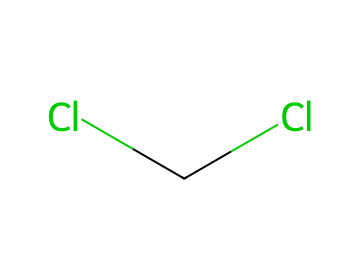
IDENTITY
COMPUTED
PROPERTIES
log Kow = 1.25
1.25
1.25
Sweet, pleasant odor, like chloroform
Chloroform like odor
Penetrating ether-like odor
Slightly sweet smell, similar to that of trichloromethane
1.322 at 68 °F (USCG, 1999) - Denser than water; will sink
1.3255 20 °C/4 °C
Relative density (water = 1): 1.3 (20 °C)
1.33
1.3266 @ 20°C
1.33
0.437 mPa.s at 20 °C
0.32 mm²/s at 20 °C
Colorless liquid [Note: A gas above 104 degrees F]
Colorless, volatile liquid
10 to 50 mg/mL at 70 °F (NTP, 1992)
In water, 13,200 mg/L at 25 °C
In water, 13,000 mg/L at 25 °C
Miscible with alcohol, ether, dimethylformamide
Miscible with ethanol; soluble in carbon tetrachloride
13 mg/mL at 25 °C
Liquid methylene chloride will attack some forms of plastics, rubber and coatings.
103.6 °F at 760 mmHg (NTP, 1992)
39.75 °C at 760 mm Hg
40 °C
104 °F
40 °C @760 [mm Hg]
104 °F
It can be decomposed by contact with hot surfaces and open flame, and then yield toxic fumes that are irritating and give warning of their presence. When heated to decomposition it emits highly toxic fumes of phosgene and /hydrogen chloride/.
-142.1 °F (NTP, 1992)
-95 °C
-96.8 °C
-97 °C
-139 °F
-97.2 °C
2.93 (NTP, 1992) - Heavier than air; will sink (Relative to Air)
2.93 (Air = 1.02)
Relative vapor density (air = 1): 2.9
2.93
Odor Threshold Low: 1.2 [ppm];Odor Threshold High: 440.0 [ppm];Detection odor threshold from AIHA (mean = 160 ppm)
205-307 ppm
2.14x10+2 ppm (odor recognition in air; chemically pure sample)
Odor thresholds: low= 540 mg/cu m; high= 2160 mg/cu m.
Reported and accepted odor threshold values of dichloromethane from various air samples and sources showed concentrations ranging from 500 to 790 ug/cu m, unreviewed sources reported concentrations of 0.2 to 1.4 ug/L.
GHS
Warning
H351: Suspected of causing cancer [Warning Carcinogenicity]
P203, P280, P318, P405, and P501 (click each P-code to see the statement)
This chemical does not meet GHS hazard criteria for 0.2% (4 of 1930) of reports.
HAZARDS
Chemical: Methane, dichloro-
Hazard Traits - Carcinogenicity; Cardiovascular Toxicity; Hepatotoxicity and Digestive System Toxicity; Neurotoxicity; Respiratory Toxicity;Authoritative List - ATSDR Neurotoxicants; CA MCLs; CA TACs; CWA 303(c); CWA 303(d); IARC Carcinogens - 2A; IRIS Carcinogens - Likely Carcin.; NTP RoC - reasonable; OEHHA RELs; Prop 65;Report - regardless of intended function of ingredient in the product
Methane, dichloro- is listed on the EPA's Chemical Data Reporting (CDR) system. Manufacturers and importers of Methane, dichloro- are required to report information about their production and use of this chemical to the EPA under the Toxic Substances Control Act (TSCA). (40 eCFR Part 711)
R - indicates a substance that is the subject of a TSCA section 6 risk management rule.
Status: Active Update: 27-02-2023 https://echa.europa.eu/registration-dossier/-/registered-dossier/15182;Status: No longer Valid Update: 03-07-2013 https://echa.europa.eu/registration-dossier/-/registered-dossier/1615;Status: Cease Manufacture Update: 03-04-2018 https://echa.europa.eu/registration-dossier/-/registered-dossier/23518
Restricted substance: Dichloromethane;EC: 200-838-9;Restriction condition document: PDF link
IMAP assessments - Methane, dichloro-: Human health tier II assessment;Evaluation - Dichloromethane
Poison
Special Hazards of Combustion Products: Dissociation products generated in a fire may be irritating or toxic. (USCG, 1999)
· Some of these materials may burn, but none ignite readily.;· Most vapors are heavier than air.;· Air/vapor mixtures may explode when ignited.;· Container may explode in heat of fire.
· Some of these materials may burn, but none ignite readily.;· Most vapors are heavier than air.;· Air/vapor mixtures may explode when ignited.;· Container may explode in heat of fire.
Flammable under specific conditions. Gives off irritating or toxic fumes (or gases) in a fire. Explosive under specific conditions. Heating will cause rise in pressure with risk of bursting. Risk of fire and explosion.
It is flammable in the range of 12-19% in air but ignition is difficult.
INHALATION: anesthetic effects, nausea and drunkenness. CONTACT WITH SKIN AND EYES: skin irritation, irritation of eyes and nose. (USCG, 1999)
· Toxic by ingestion.;· Vapors may cause dizziness or asphyxiation, especially when in closed or confined areas.;· Exposure in an enclosed area may be very harmful.;· Contact may irritate or burn skin and eyes.;· Fire may produce irritating and/or toxic gases.;· Runoff from fire control or dilution water may cause environmental contamination.
· Toxic by ingestion.;· Vapors may cause dizziness or asphyxiation, especially when in closed or confined areas.;· Exposure in an enclosed area may be very harmful.;· Contact may irritate or burn skin and eyes.;· Fire may produce irritating and/or toxic gases.;· Runoff from fire control or dilution water may cause environmental contamination.
Methylene chloride is a colorless liquid with a mild, sweet odor. Another name for it is dichloromethane. Methylene chloride does not occur naturally in the environment.Methylene chloride is used as an industrial solvent and as a paint stripper. It may also be found in some aerosol and pesticide products and is used in the manufacture of photographic film.
Methylene chloride is predominantly used as a solvent. The acute (short-term) effects of methylene chloride inhalation in humans consist mainly of nervous system effects including decreased visual, auditory, and motor functions, but these effects are reversible once exposure ceases. The effects of chronic (long-term) exposure to methylene chloride suggest that the central nervous system (CNS) is a potential target in humans and animals. Human data are inconclusive regarding methylene chloride and cancer. Animal studies have shown increases in liver and lung cancer and benign mammary gland tumors following the inhalation of methylene chloride.
Evidence of liver injury in exposed workers has been reported. Some of the methylene chloride absorbed is metabolized to carbon monoxide. Non-smoking workers exposed to average concentrations of 66 ppm had carboxyhemoglobin levels of 3.6 %. This is above that permitted for exposure to carbon monoxide (3.5 %). [ACGIH] Dichloromethane causes trivial hepatotoxicity, unless exposure is very heavy or agent ingested. [Zimmerman, p. 333] In one study, 24 healthy workers chronically exposed to methylene chloride at concentrations averaging from 60 to 475 ppm were electrocardiographically monitored and showed neither an increase in ventricular or supraventricular ectopic activity nor episodic ST segment depression. Likewise, there was no evidence of cardiac susceptibility or electrographic abnormalities in several case reports of otherwise healthy persons rendered unconscious from acute exposure to methylene chloride. [ATSDR Case Studies #3] Methylene chloride is in the list of Some volatile substances which may be abused by inhalation published on the web site of the U.N. International Drug Control Programme, indicating its potential to cause narcosis in workers. [Flanagan et al. Volatile Substance Abuse]
1593 160
1593 160
1593 160
Certification of this color additive when used as an ink for marking fruit and vegetables is not necessary for the protection of the public health, and therefore batches thereof are exempt from the certification pursuant to section 721(c) of the act. Restriction: No residues.
Dichloromethane is an indirect food additive for use only as a component of adhesives.
Use of methylene chloride as an ingredient of cosmetic products. (a) Methylene chloride has been used as an ingredient of aerosol cosmetic products, principally hair sprays, at concentrations generally ranging from 10 to 25 percent. In a 2-year animal inhalation study sponsored by the National Toxicology Program, methylene chloride produced a significant increase in benign and malignant tumors of the lung and liver of male and female mice. Based on these findings and on estimates of human exposure from the customary use of hair sprays, the Food and Drug Administration concludes that the use of methylene chloride in cosmetic products poses a significant cancer risk to consumers, and that the use of this ingredient in cosmetic products may render these products injurious to health. (b) Any cosmetic product that contains methylene chloride as an ingredient is deemed adulterated and is subject to regulatory action under sections 301 and 601(a) of the Federal Food, Drug, and Cosmetic Act.
Halogenated Organic Compounds
Symbol: Xn; R: 40; S: (2)-23-24/25-36/37
UN Hazard Class: 6.1; UN Pack Group: III
SAFETY
Excerpt from ERG Guide 160 [Halogenated Solvents]:;SMALL FIRE: Dry chemical, CO2 or water spray.;LARGE FIRE: Dry chemical, CO2, alcohol-resistant foam or water spray. If it can be done safely, move undamaged containers away from the area around the fire. Dike runoff from fire control for later disposal.;FIRE INVOLVING TANKS, RAIL TANK CARS OR HIGHWAY TANKS: Fight fire from maximum distance or use unmanned master stream devices or monitor nozzles. Cool containers with flooding quantities of water until well after fire is out. Withdraw immediately in case of rising sound from venting safety devices or discoloration of tank. ALWAYS stay away from tanks in direct contact with flames. (ERG, 2024)
In case of fire in the surroundings, use appropriate extinguishing media. In case of fire: keep drums, etc., cool by spraying with water.
Fresh air, rest. Administration of oxygen may be needed. Artificial respiration may be needed. Refer immediately for medical attention.
Wear protective gloves when administering first aid. Remove contaminated clothes. Rinse and then wash skin with water and soap.
First rinse with plenty of water for several minutes (remove contact lenses if easily possible), then refer for medical attention.
Rinse mouth. Do NOT induce vomiting. Administration of oxygen may be needed. Refer immediately for medical attention.
· CALL 911. Then call emergency response telephone number on shipping paper. If shipping paper not available or no answer, refer to appropriate telephone number listed on the inside back cover.;· Keep unauthorized personnel away.;· Stay upwind, uphill and/or upstream.;· Many gases are heavier than air and will spread along the ground and collect in low or confined areas (sewers, basements, tanks, etc.).;· Ventilate closed spaces before entering, but only if properly trained and equipped.
· ELIMINATE all ignition sources (no smoking, flares, sparks or flames) from immediate area.;· Stop leak if you can do it without risk.;Small Liquid Spill;· Pick up with sand, earth or other non-combustible absorbent material.;Large Spill;· Dike far ahead of liquid spill for later disposal.;· Prevent entry into waterways, sewers, basements or confined areas.
· CALL 911. Then call emergency response telephone number on shipping paper. If shipping paper not available or no answer, refer to appropriate telephone number listed on the inside back cover.;· Keep unauthorized personnel away.;· Stay upwind, uphill and/or upstream.;· Many gases are heavier than air and will spread along the ground and collect in low or confined areas (sewers, basements, tanks, etc.).;· Ventilate closed spaces before entering, but only if properly trained and equipped.
· ELIMINATE all ignition sources (no smoking, flares, sparks or flames) from immediate area.;· Stop leak if you can do it without risk.;Small Liquid Spill;· Pick up with sand, earth or other non-combustible absorbent material.;Large Spill;· Dike far ahead of liquid spill for later disposal.;· Prevent entry into waterways, sewers, basements or confined areas.
EYES: First check the victim for contact lenses and remove if present. Flush victim's eyes with water or normal saline solution for 20 to 30 minutes while simultaneously calling a hospital or poison control center. Do not put any ointments, oils, or medication in the victim's eyes without specific instructions from a physician. IMMEDIATELY transport the victim after flushing eyes to a hospital even if no symptoms (such as redness or irritation) develop.;SKIN: IMMEDIATELY flood affected skin with water while removing and isolating all contaminated clothing. Gently wash all affected skin areas thoroughly with soap and water. IMMEDIATELY call a hospital or poison control center even if no symptoms (such as redness or irritation) develop. IMMEDIATELY transport the victim to a hospital for treatment after washing the affected areas.;INHALATION: IMMEDIATELY leave the contaminated area; take deep breaths of fresh air. IMMEDIATELY call a physician and be prepared to transport the victim to a hospital even if no symptoms (such as wheezing, coughing, shortness of breath, or burning in the mouth, throat, or chest) develop. Provide proper respiratory protection to rescuers entering an unknown atmosphere. Whenever possible, Self-Contained Breathing Apparatus (SCBA) should be used; if not available, use a level of protection greater than or equal to that advised under Protective Clothing.;INGESTION: DO NOT INDUCE VOMITING. Volatile chemicals have a high risk of being aspirated into the victim's lungs during vomiting which increases the medical problems. If the victim is conscious and not convulsing, give 1 or 2 glasses of water to dilute the chemical and IMMEDIATELY call a hospital or poison control center. IMMEDIATELY transport the victim to a hospital. If the victim is convulsing or unconscious, do not give anything by mouth, ensure that the victim's airway is open and lay the victim on his/her side with the head lower than the body. DO NOT INDUCE VOMITING. IMMEDIATELY transport the victim to a hospital.;OTHER: Since this chemical is a known or suspected carcinogen you should contact a physician for advice regarding the possible long term health effects and potential recommendation for medical monitoring. Recommendations from the physician will depend upon the specific compound, its chemical, physical and toxicity properties, the exposure level, length of exposure, and the route of exposure. (NTP, 1992)
General First Aid:;· Call 911 or emergency medical service.;· Ensure that medical personnel are aware of the material(s) involved, take precautions to protect themselves and avoid contamination.;· Move victim to fresh air if it can be done safely.;· Administer oxygen if breathing is difficult.;· If victim is not breathing:;-- DO NOT perform mouth-to-mouth resuscitation; the victim may have ingested or inhaled the substance.;-- If equipped and pulse detected, wash face and mouth, then give artificial respiration using a proper respiratory medical device (bag-valve mask, pocket mask equipped with a one-way valve or other device).;-- If no pulse detected or no respiratory medical device available, provide continuous compressions. Conduct a pulse check every two minutes or monitor for any signs of spontaneous respirations.;· Remove and isolate contaminated clothing and shoes.;· For minor skin contact, avoid spreading material on unaffected skin.;· In case of contact with substance, remove immediately by flushing skin or eyes with running water for at least 20 minutes.;· For severe burns, immediate medical attention is required.;· Effects of exposure (inhalation, ingestion, or skin contact) to substance may be delayed.;· Keep victim calm and warm.;· Keep victim under observation.;· For further assistance, contact your local Poison Control Center.;· Note: Basic Life Support (BLS) and Advanced Life Support (ALS) should be done by trained professionals.;Specific First Aid:;· Wash skin with soap and water.
General First Aid:;· Call 911 or emergency medical service.;· Ensure that medical personnel are aware of the material(s) involved, take precautions to protect themselves and avoid contamination.;· Move victim to fresh air if it can be done safely.;· Administer oxygen if breathing is difficult.;· If victim is not breathing:;-- DO NOT perform mouth-to-mouth resuscitation; the victim may have ingested or inhaled the substance.;-- If equipped and pulse detected, wash face and mouth, then give artificial respiration using a proper respiratory medical device (bag-valve mask, pocket mask equipped with a one-way valve or other device).;-- If no pulse detected or no respiratory medical device available, provide continuous compressions. Conduct a pulse check every two minutes or monitor for any signs of spontaneous respirations.;· Remove and isolate contaminated clothing and shoes.;· For minor skin contact, avoid spreading material on unaffected skin.;· In case of contact with substance, remove immediately by flushing skin or eyes with running water for at least 20 minutes.;· For severe burns, immediate medical attention is required.;· Effects of exposure (inhalation, ingestion, or skin contact) to substance may be delayed.;· Keep victim calm and warm.;· Keep victim under observation.;· For further assistance, contact your local Poison Control Center.;· Note: Basic Life Support (BLS) and Advanced Life Support (ALS) should be done by trained professionals.;Specific First Aid:;· Wash skin with soap and water.
(General first aid procedures);Eye: Irrigate immediately - If this chemical contacts the eyes, immediately wash (irrigate) the eyes with large amounts of water, occasionally lifting the lower and upper lids. Get medical attention immediately.;Skin: Soap wash promptly - If this chemical contacts the skin, promptly wash the contaminated skin with soap and water. If this chemical penetrates the clothing, promptly remove the clothing and wash the skin with soap and water. Get medical attention promptly.;Breathing: Respiratory support;Swallow: Medical attention immediately - If this chemical has been swallowed, get medical attention immediately.
Separated from food and feedstuffs and incompatible materials. See Chemical Dangers. Well closed. Cool. Ventilation along the floor.
· Wear positive pressure self-contained breathing apparatus (SCBA).;· Wear chemical protective clothing that is specifically recommended by the manufacturer when there is NO RISK OF FIRE.;· Structural firefighters' protective clothing provides thermal protection but only limited chemical protection.
· Wear positive pressure self-contained breathing apparatus (SCBA).;· Wear chemical protective clothing that is specifically recommended by the manufacturer when there is NO RISK OF FIRE.;· Structural firefighters' protective clothing provides thermal protection but only limited chemical protection.
Biological Exposure Indices (BEI) [ACGIH] - Dichloromethane in urine = 0.3 mg/L at end of shift;
50.0 [ppm]
Use dry chemical, carbon dioxide, foam, or water spray. Use water spray to keep fire-exposed containers cool.
Extinguishant: Dry chemical, carbon dioxide, foam.
Wear self contained breathing apparatus for fire fighting if necessary.
Keep container tightly closed in a dry and well-ventilated place. Containers which are opened must be carefully resealed and kept upright to prevent leakage. Heat sensitive. Store under inert gas.
To minimize the decomp of dichloromethane, storage containers should be galvanized or lined with a phenolic coating.
Soak up with inert absorbent material and dispose of as hazardous waste. Keep in suitable, closed containers for disposal.
The following wastewater treatment technology has been investigated for dichloromethane. Concentration Process: Stripping.
Excerpt from ERG Guide 160 [Halogenated Solvents]:;ELIMINATE all ignition sources (no smoking, flares, sparks or flames) from immediate area. Stop leak if you can do it without risk.;SMALL LIQUID SPILL: Pick up with sand, earth or other non-combustible absorbent material.;LARGE SPILL: Dike far ahead of liquid spill for later disposal. Prevent entry into waterways, sewers, basements or confined areas. (ERG, 2024)
Generators of waste (equal to or greater than 100 kg/mo) containing this contaminant, EPA hazardous waste numbers U080 and F002, must conform with USEPA regulations in storage, transportation, treatment and disposal of waste.
SRP: Wastewater from contaminant suppression, cleaning of protective clothing/equipment, or contaminated sites should be contained and evaluated for subject chemical or decomposition product concentrations. Concentrations shall be lower than applicable environmental discharge or disposal criteria. Alternatively, pretreatment and/or discharge to a permitted wastewater treatment facility is acceptable only after review by the governing authority and assurance that "pass through" violations will not occur. Due consideration shall be given to remediation worker exposure (inhalation, dermal and ingestion) as well as fate during treatment, transfer and disposal. If it is not practicable to manage the chemical in this fashion, it must be evaluated in accordance with EPA 40 CFR Part 261, specifically Subpart B, in order to determine the appropriate local, state and federal requirements for disposal.
Potential candidate for liquid injection incineration, with a temperature range of 650 to 1600 °C and a residence time of 0.1 to 2 seconds; for rotary kiln incineration with a temperature range of 820 to 1600 °C and residence times of seconds for liquids and gases, hours for solids; and for fluidized bed incineration, with a temperature range of 450 to 980 °C and residence times of seconds for liquids and gases, longer for solids.
Dichloromethane is a waste chemical stream constituent which may be subjected to ultimate disposal by controlled incineration, preferably after mixing with another combustible fuel; care must be exercised to assure complete combustion to prevent the formation of phosgene. An acid scrubber is necessary to remove the halo acids produced.
For more Disposal Methods (Complete) data for DICHLOROMETHANE (9 total), please visit the HSDB record page.
Evacuate danger area! Consult an expert! Personal protection: self-contained breathing apparatus. Ventilation. Collect leaking liquid in sealable containers. Absorb remaining liquid in sand or inert absorbent. Then store and dispose of according to local regulations.
TOXICITY
CDC-ATSDR Toxicological Profile
Dichloromethane was detected in all 8 samples of mother's milk from 4 urban areas(1). Mother's milk in Soviet women manufacturing rubber articles - 74 ppb mean in 17 of 28 samples approx 5 hours after start of work, level declined after termination of work(2). Whole blood samples, 250 subjects, not detected to 25 ppb, 0.7 ppb average(3). Mean level of dichloromethane present in urine of workers at a pharmaceutical factory where this substance is used as a solvent was 190.8 ug/L during a 4-hr shift but appears to be nearly eliminated during the night break(5). Dichloromethane was detected in the urine of 9 of 20 humans, who were exposed in their workplaces, at levels of 0.001-0.045 ug/L(5). Personal air samples collected at homes of high school students in the Harlem area of New York City contained a mean dichloromethane concentration of 9.3 ug/cu m in the winter and 1.10 ug/cu m in the summer(6).
Treatment of methylene chloride exposure is mainly symptomatic. Ingested methylene chloride may be removed by emesis and/or gastric lavage, and activated charcoal. Hyperbaric oxygen may be used to treat the carbon monoxide poisoning that can result from inhalation of methylene chloride. (L190)
Hepatic;Respiratory
[in animals: lung, liver, salivary & mammary gland tumors]
Dichloromethane (DCM) elimination and carboxyhemoglobin (COHb) generation were examined in adult female SD rats pretreated with a glutathione (GSH) depletor(s). Rats were treated with either buthionine sulfoximine (BSO; 2 mmol/kg, i.p.), diethylmaleate (DEM; 3 mmol/kg, i.p.), phorone (PHO; 1 mmol/kg, i.p.) or BSO plus PHO (BSO; 2 mmol/kg +PHO; 0.5 mmol/kg, i.p.). The hepatic GSH concentration was significantly reduced by each treatment. Decrease in hepatic GSH was maintained at least for 10 hr after BSO treatment but recovered rapidly in rats treated with DEM or PHO. The hepatic p-nitrophenol hydroxylase activity was not affected by the GSH depletors at the dose used in this study. Rats were treated with an i.p. injection of DCM (3 mmol/kg) and the concentrations of DCM and the COHb levels in blood were monitored. In rats pretreated with a GSH depletor, the peak COHb level was significantly greater than that of rats treated with DCM only. The peak COHb level attained in each group of rats appeared to be inversely related to the magnitude of reduction in hepatic GSH levels. The half-life of DCM in blood was also increased in rats pretreated with the GSH depletor(s). The results indicate that the GSH-dependent metabolic reaction has an important role in the overall elimination of DCM as well as in the metabolic generation of carbon monoxide (CO) from this solvent.
The effects of dimethylsulfoxide (DMSO) on the metabolism and toxicity of chlorinated methanes were examined. Male mice were treated with DMSO (1, 2.5 or 5 ml kg(-1), i.p.) prior to challenge with dichloromethane (CH(2)Cl(2)) or carbon tetrachloride (CCl(4)). Blood carboxyhemoglobin elevation resulting from metabolic conversion of CH(2)Cl(2) to carbon monoxide was inhibited dose-dependently by DMSO pretreatment. The elevation of serum aspartate aminotransferase, alanine aminotransferase and sorbitol dehydrogenase activities induced by CCl(4) (0.1 mmol kg(-1)) was not changed in mice pretreated with DMSO at 1 mL kg(-1), but depressed significantly at a greater dose of DMSO. However, DMSO failed to alter the hepatotoxicity of CCl(4) injected at a dose of 0.2 mmol kg(-1). DMSO induced the microsomal p-nitrophenol hydroxylase and p-nitroanisole O-demethylase activities as early as 2 hr following the treatment. Microsomal disposition of CH(2)Cl(2) and CCl(4) was measured using a vial equilibration technique. The disappearance of CH(2)Cl(2) was inhibited competitively by addition of DMSO. But DMSO did not affect the metabolic degradation of CCl(4). The results indicate that DMSO has multiple effects on metabolism and toxicity of xenobiotics. DMSO induces the hepatic metabolizing activity mediated by CYP2E1, but the presence of this solvent in the enzyme site may inhibit directly the enzymatic interaction with a substrate. The toxicological significance of DMSO-induced effects on such an interaction may be variable depending on the properties of each substrate. The invulnerability of CCl(4) metabolism to the effects of DMSO appears to be related to its high affinity for the lipophilic CYP enzyme site.
Ethanol, methanol, isopropanol, and toluene reduced the levels of carboxyhemoglobin caused by inhalation of methylene chloride in Sprague-Dawley rats and cynomolgus monkeys.
The influence of different kinds of industrial solvents on the vestibular function of rats was studied by recording nystagmus, induced by accelerated rotation. The effect was related to the blood levels of the solvents. ...
Cancer, Dermal (Skin), Hepatic (Liver), Neurological (Nervous System)
Hepatic
Eyes, skin, cardiovascular system, central nervous system
Exposure to methylene chloride may cause optic neuropathy and hepatitis. Very high concentrations can lead to unconciousness, coma, and death. It is metabolized to carbon monoxide, potentially leading to carbon monoxide poisoning. Methylene chloride also causes liver and kidney injury, and may be a carcinogen. (T10, L189)
LC50; Species: Palaemonetes pugio (Daggerblade Grass Shrimp) juvenile length <20 mm; Conditions: saltwater, static, 20 °C, pH 7.5 (6.1-8.0), salinity 10 ppt, dissolved oxygen >40%; Concentration: 108500 ug/L for 48 hr (95% confidence interval: 92370-130900 ug/L)
LC50; Species: Daphnia magna (Water flea) age < or =24 hr; Conditions: freshwater, static, 22 °C, pH 7.4-9.4, dissolved oxygen 6.5-9.1 mg/L; Concentration: 310000 ug/L for 24 hr (95% confidence interval: 280000-340000 ug/L) /> or =80% purity/
LC50; Species: Daphnia magna (Water flea) age < or =24 hr; Conditions: freshwater, static, 22 °C, pH 7.4-9.4, dissolved oxygen 6.5-9.1 mg/L; Concentration: 220000 ug/L for 48 hr (95% confidence interval: 140000-330000 ug/L) /> or =80% purity/
LC50; Species: Cyprinodon variegatus (Sheepshead Minnow) age 14-28 days posthatch, juvenile, length 8-15 mm; Conditions: saltwater, static; Concentration: 370000 ug/L for 24 hr (95% confidence interval: 330000-410000 ug/L) /> or =80% purity/
For more Ecotoxicity Values (Complete) data for DICHLOROMETHANE (26 total), please visit the HSDB record page.
TERRESTRIAL FATE: Based on a classification scheme(1), experimentally derived Koc values of 8, 28, 36 and 48(2-4) indicate that dichloromethane is expected to have very high mobility in soil(SRC). Volatilization of dichloromethane from moist soil surfaces is expected to be an important fate process(SRC) given a Henry's Law constant of 3.25X10⁻³ atm-cu m/mole(5). Dichloromethane is expected to volatilize from dry soil surfaces(SRC) based upon a vapor pressure of 435 mm Hg at 25 °C(6). Based on results of biodegradation studies, dichloromethane is considered to be rapidly biodegraded once the microorganisms are adapted to utilize the substance as a carbon and energy source(7). Biodegradation of dichloromethane in contaminated aquifers may occur under nitrate-reducing conditions via oxidation pathways(8). Results of various laboratory soil degradation tests indicate that soil degradation half-lives can range from 1.3 to 107.5 days(4).
AQUATIC FATE: Based on a classification scheme(1), experimentally derived Koc values of 8, 28, 36 and 48(2-4) indicate that dichloromethane is not expected to adsorb to suspended solids and sediment in water(SRC). Volatilization from water surfaces is expected(5) based upon a Henry's Law constant of 3.25X10⁻³ atm-cu m/mole(6). Using this Henry's Law constant and an estimation method(5), volatilization half-lives for a model river and model lake are 2.9 hr and 3.7 days, respectively(SRC). According to a classification scheme(7), a BCF range of 2.0-40 determined for dichloromethane in carp (Cyprinus carpio)(8) suggests bioconcentration in aquatic organisms is low to moderate. Dichloromethane is hydrolyzed slowly under environmental conditions and the hydrolysis half-life is about 1.5 years or more at 25 °C(4). Utilizing the Japanese MITI test, 13% of the Theoretical BOD was reached in 4 weeks(9) indicating that biodegradation is not an important environmental fate process in water(SRC). However, dichloromethane may be rapidly biodegraded once the microorganisms are adapted to utilize the substance as a carbon and energy source(10). Biodegradation in natural waters may be slow compared with evaporation(11). Biodegradation of dichloromethane in contaminated aquifers may occur under nitrate-reducing conditions via oxidation pathways(12).
ATMOSPHERIC FATE: According to a model of gas/particle partitioning of semivolatile organic compounds in the atmosphere(1), dichloromethane, which has a vapor pressure of 435 mm Hg at 25 °C(2), is expected to exist solely as a vapor in the ambient atmosphere. Vapor-phase dichloromethane is degraded in the atmosphere by reaction with photochemically-produced hydroxyl radicals(SRC); the half-life for this reaction in air is estimated to be 160 days(SRC), calculated from its rate constant of 1.0X10⁻¹³ cu cm/molecule-sec at 25 °C(3). Dichloromethane does not absorb at wavelengths >290 nm(4,5) and, therefore, is not expected to be susceptible to direct photolysis by sunlight in the troposphere(SRC). A small fraction of the chemical is expected to diffuse to the stratosphere where it will rapidly degrade by photolysis and reaction with chlorine radicals(6,7), leading to ozone depletion. Dichloromethane has been detected in rainwater(8) indicating it may be removed from the air by wet deposition(SRC).
Dichloromethane was detected in intermediate grain based food (1984); 9 varieties, 77.8% pos, 1.9-30 ppb (maximum concentration in bleached flour, followed by a fudge brownie mix; wheat, corn, oats (1984), 10, 2, and 1 samples, respectively: not detected(1). Table ready foods: 19 varieties, 42% pos, 1.4-71 ppb; maximum concentration in cheddar cheese; butter, 7 samples, 100% pos; 1.1-280 ppb; margarine, 7 samples, 100% pos, 1.2-81 ppb; cheese, 4 types 8 samples, 100% pos, 3.9-98 ppb, maximum concentration in Parmesan cheese(2).
Neurotoxin - Acute solvent syndrome;Occupational hepatotoxin - Secondary hepatotoxins: the potential for toxic effect in the occupational setting is based on cases of poisoning by human ingestion or animal experimentation.;IARC Carcinogen - Class 2: International Agency for Research on Cancer classifies chemicals as probable (2a), or possible (2b) human carcinogens.;NTP Carcinogen - Reasonably anticipated to be a human carcinogen.;ACGIH Carcinogen - Confirmed Animal.
The substance can be absorbed into the body by inhalation, by ingestion and through the skin.
inhalation, skin absorption, ingestion, skin and/or eye contact
Oral (L188) ; inhalation (L188) ; dermal (L188)
REGULATORY
Chemical: Methane, dichloro-
Hazard Traits - Carcinogenicity; Cardiovascular Toxicity; Hepatotoxicity and Digestive System Toxicity; Neurotoxicity; Respiratory Toxicity;Authoritative List - ATSDR Neurotoxicants; CA MCLs; CA TACs; CWA 303(c); CWA 303(d); IARC Carcinogens - 2A; IRIS Carcinogens - Likely Carcin.; NTP RoC - reasonable; OEHHA RELs; Prop 65;Report - regardless of intended function of ingredient in the product
Methane, dichloro- is listed on the EPA's Chemical Data Reporting (CDR) system. Manufacturers and importers of Methane, dichloro- are required to report information about their production and use of this chemical to the EPA under the Toxic Substances Control Act (TSCA). (40 eCFR Part 711)
R - indicates a substance that is the subject of a TSCA section 6 risk management rule.
Status: Active Update: 27-02-2023 https://echa.europa.eu/registration-dossier/-/registered-dossier/15182;Status: No longer Valid Update: 03-07-2013 https://echa.europa.eu/registration-dossier/-/registered-dossier/1615;Status: Cease Manufacture Update: 03-04-2018 https://echa.europa.eu/registration-dossier/-/registered-dossier/23518
Restricted substance: Dichloromethane;EC: 200-838-9;Restriction condition document: PDF link
Certification of this color additive when used as an ink for marking fruit and vegetables is not necessary for the protection of the public health, and therefore batches thereof are exempt from the certification pursuant to section 721(c) of the act. Restriction: No residues.
Dichloromethane is an indirect food additive for use only as a component of adhesives.
Use of methylene chloride as an ingredient of cosmetic products. (a) Methylene chloride has been used as an ingredient of aerosol cosmetic products, principally hair sprays, at concentrations generally ranging from 10 to 25 percent. In a 2-year animal inhalation study sponsored by the National Toxicology Program, methylene chloride produced a significant increase in benign and malignant tumors of the lung and liver of male and female mice. Based on these findings and on estimates of human exposure from the customary use of hair sprays, the Food and Drug Administration concludes that the use of methylene chloride in cosmetic products poses a significant cancer risk to consumers, and that the use of this ingredient in cosmetic products may render these products injurious to health. (b) Any cosmetic product that contains methylene chloride as an ingredient is deemed adulterated and is subject to regulatory action under sections 301 and 601(a) of the Federal Food, Drug, and Cosmetic Act.
F002; When dichloromethane is a spent halogenated solvent, it is classified as a hazardous waste from a nonspecific source (F002), as stated in 40 CFR 261.31, and must be managed according to state and/or federal hazardous waste regulations.
U080; As stipulated in 40 CFR 261.33, when dichloromethane, as a commercial chemical product or manufacturing chemical intermediate or an off-specification commercial chemical product or a manufacturing chemical intermediate, becomes a waste, it must be managed according to Federal and/or State hazardous waste regulations. Also defined as a hazardous waste is any residue, contaminated soil, water, or other debris resulting from the cleanup of a spill, into water or on dry land, of this waste. Generators of small quantities of this waste may qualify for partial exclusion from hazardous waste regulations (40 CFR 261.5).
Pursuant to section 8(d) of TSCA, EPA promulgated a model Health and Safety Data Reporting Rule. The section 8(d) model rule requires manufacturers, importers, and processors of listed chemical substances and mixtures to submit to EPA copies and lists of unpublished health and safety studies. Dichloromethane is included on this list. Effective date: 10/4/82; Sunset date: 10/4/92.
As the federal pesticide law FIFRA directs, EPA is conducting a comprehensive review of older pesticides to consider their health and environmental effects and make decisions about their continued use. Under this pesticide reregistration program, EPA examines newer health and safety data for pesticide active ingredients initially registered before November 1, 1984, and determines whether the use of the pesticide does not pose unreasonable risk in accordance to newer saftey standards, such as those described in the Food Quality Protection Act of 1996. Pesticides for which EPA had not issued Registration Standards prior to the effective date of FIFRA '88 were divided into three lists based upon their potential for human exposure and other factors, with List B containing pesticides of greater concern than those on List C, and with List C containing pesticides of greater concern than those on List D. Methylene chloride is found on List C. Case No: 3090; Pesticide type: insecticide; Case Status: No products containing the pesticide are actively registered ... The case /is characterized/ as "cancelled." Under FIFRA, pesticide producers may voluntarily cancel their registered products. EPA also may cancel pesticide registrations if registrants fail to pay required fees or make/meet certain reregistration commitments, or if EPA reaches findings of unreasonable adverse effects.; Active ingredient (AI): Methylene chloride; AI Status: The active ingredient is no longer contained in any registered pesticide products ... "cancelled."
This action promulgates standards of performance for equipment leaks of Volatile Organic Compounds (VOC) in the Synthetic Organic Chemical Manufacturing Industry (SOCMI). The intended effect of these standards is to require all newly constructed, modified, and reconstructed SOCMI process units to use the best demonstrated system of continuous emission reduction for equipment leaks of VOC, considering costs, non air quality health and environmental impact and energy requirements. Methylene chloride is produced, as an intermediate or a final product, by process units covered under this subpart.
Methylene chloride has been designated as a hazardous air pollutant under section 112 of the Clean Air Act.
Persons in charge of vessels or facilities are required to notify the National Response Center (NRC) immediately, when there is a release of this designated hazardous substance, in an amount equal to or greater than its reportable quantity of 1000 lb or 454 kg. The toll free number of the NRC is (800) 424-8802. The rule for determining when notification is required is stated in 40 CFR 302.4 (section IV. D.3.b).
Toxic pollutant designated pursuant to section 307(a)(1) of the Federal Water Pollution Control Act and is subject to effluent limitations. /Halomethanes/
(NJ) NEW JERSEY 2 ug/L
(AZ) ARIZONA 4.7 ug/L
(CT) CONNECTICUT 5 ug/L
(ME) MAINE 47 ug/L
(MN) MINNESOTA 5 ug/L
Maximum contaminant levels (MCL) for organic contaminants apply to community and non-transient, non-community water systems: Chemical, MCL 0.005 mg/L.
EPA 5 ug/L
The maximum contaminant level goal (MCLG) for the following organic contaminant is zero mg/L: dichloromethane.
PHARMACOLOGY
The mechanism by which methylene chloride induces mammary adenomas in the rat is important for human hazard assessment. Female Sprague- Dawley rats receiving methylene chloride have a high blood level of prolactin. In common with the response to other agents which act via hyperprolactinaemia, the methylene chloride-induced response is of benign neoplasms only. There is no evidence for the binding of methylene chloride to the DNA of other tissues and hence it seems unlikely that it will bind to mammary tissue when the primary site of metabolism is the liver. It seems most likely, therefore, that the increased incidence of mammary adenomas is the result of an indirect mechanism operating via hyperprolactinaemia.
Dichloromethane (DCM) is a hepatic and pulmonary carcinogen in mice exposed to high doses by inhalation. It has been shown previously that the incidence of liver and lung tumors does not increase in rats or hamsters exposed to the dihaloalkane under conditions similar to those that produced tumors in mice. The biological consequences of DCM exposure to humans is therefore uncertain. The carcinogenic effects of DCM in the mouse are caused by the interaction with DNA of a glutathione (GSH) conjugate that is produced by the class theta glutathione S-transferase T1-1 (GST T1-1). The species specificity is thought to be due to the greater amount of transferase activity in mouse target organs and specific nuclear localization of GST T1-1 in target cells. This paper directly compares the relative capacity and locality of DCM activation in mouse and human tissues. The results show that mouse GST T1-1 is more efficient in catalyzing the conjugation of DCM with GSH than the orthologous human enzyme. In addition, the mouse expresses higher levels of the transferase than humans in hepatic tissue. Histochemical analysis confirmed the presence of GST T1-1 in the nucleus of mouse liver cells. However, in human liver GST T1-1 was detected in bile duct epithelial cells and hepatocyte nuclei but was also present in the cytoplasm. Taking this information into account, it is unlikely that humans have a sufficiently high capacity to activate DCM for this compound to be considered to represent a carcinogenic risk.
Dichloromethane (DCM) is considered a probable human carcinogen. Laboratory studies have shown an increased incidence of lung and liver cancer in mice but not in rats or hamsters. Despite the correlation between metabolism of DCM by the glutathione-S-transferase (GST) pathway and the occurrence of tumors in different species, the mechanism of tumor induction by DCM metabolites produced through the GST pathway remains unclear. In this study a V79 cell line stably transfected with the murine GST theta 1 gene (mGSTT1) was compared to the parent cell line (MZ) to determine how the construct affects DCM metabolism and the sensitivity of the cell line to DNA damage and cytotoxicity. V79 cells were treated with DCM (2.5-10mM) or formaldehyde (150-600muM) for 2hr. Also, formaldehyde produced by V79 cytosol metabolism of DCM was measured spectrophotometrically. DNA damage and DNA-protein crosslinks were measured by the standard and proteinase K-modified alkaline single cell gel electrophoresis (SCG) assays. Cytotoxicity was assessed by trypan blue stain exclusion, the Live/Dead((R)) cell viability/cytotoxicity kit for animal cells, and the neutral red assay. After DCM treatment a significant concentration-dependent increase in tail moment in the V79 MZ cells was observed compared to a significant concentration-dependent decrease in tail moment in the V79 mGSTT1 cells. Post-incubation with proteinase K significantly increased DNA migrations in DCM-treated V79 mGSTT1 cells. DCM formed significantly higher levels of formaldehyde in the cytosol of the V79 mGSTT1 cells than in the cytosol of the V79 MZ cells. Results using the cytotoxicity assays were comparable using the trypan blue and Live/Dead((R)) assays, neither showing a difference in response between the two cell lines when exposed to either formaldehyde or DCM. These results indicate that V79 mGSTT1 can metabolize DCM to a genotoxic and cytotoxic metabolite, which is likely formaldehyde...
The correlation between biol activity (toxicity and mutagenic effectiveness in Salmonella TA 100) and reactivity towards strong nucleophiles indicates that reactions with nucleophilic groups of high reactivity in biological materials, possibly SH or amino groups in proteins, are involved in dichloromethane's mechanism of action.
Increases in the concn of dichloromethane (DCM) lower the oxygen affinity of human hemoglobin as demonstrated by the shift of the oxygenation curves to higher partial pressures of oxygen and increase in the p50 (oxygen pressure necessary for fractional saturation of 0.50). Dichloromethane binds weakly to hemoglobin at four different sites, but binding to only one site is responsible for decreasing the oxygen affinity of hemoglobin.
For carboxyhemoglobin in blood: 12-16 hours; [TDR, p. 862]
Dichloromethane (DCM) elimination and carboxyhemoglobin (COHb) generation were examined in adult female SD rats pretreated with a glutathione (GSH) depletor(s). Rats were treated with either buthionine sulfoximine (BSO; 2 mmol/kg, i.p.), diethylmaleate (DEM; 3 mmol/kg, i.p.), phorone (PHO; 1 mmol/kg, i.p.) or BSO plus PHO (BSO; 2 mmol/kg +PHO; 0.5 mmol/kg, i.p.). ...The half-life of DCM in blood was also increased in rats pretreated with the GSH depletor(s).
When rats (male, Sprague-Dawley) were exposed to 50, 500, and 1500 ppm methylene chloride (dichloromethane, DCM) for 6 hr, plasma dichloromethane levels at apparent steady state were disproportionately higher with increasing exposure concn. Blood carboxyhemoglobin (HbCO) was 3% at 50 ppm and 10-13% at 500 ppm and at 1500 ppm. At the end of the 6 hr exposure, HbCO levels declined with half-life of 23 min.
A modified version of the original physiologically based pharmacokinetic (PBPK) model by Andersen et al. (1987) has been developed and used in conjunction with previously published human kinetic data for dichloromethane (DCM) metabolism and to assess interindividual variability in the rate of oxidative metabolism. Time-course data for 13 volunteers (10 males, 3 females) exposed to one or more concentrations of DCM (50 ppm, 100 ppm, 150 ppm, or 200 ppm) for 7.5 hr were used to optimize the maximal rate of hepatic metabolism (V(maxC)) through the cytochrome P450 pathway for each individual. DCM breath and blood concentrations were used, along with carboxyhemoglobin concentrations in blood and carbon monoxide (CO) concentrations in exhaled breath, to estimate the model parameters. Significant improvements in model fit were achieved when extrahepatic oxidative metabolism of DCM was added to the model structure. The 13 individual V(maxC) values ranged from 7.1 to 23.6 mg/hr/kg0.7 and appeared to be bimodally distributed. The distribution was not sex related and may be related to differential CYP2E1 induction. A comparison of the observed variation in V(maxC) values to other estimates of variability in the rate of oxidative metabolism and human CYP2E1 activity suggest a relatively narrow range in human hepatic activity toward DCM.
Dichloromethane (DCM, methylene chloride) is a lipophilic volatile compound readily absorbed and then metabolized to several metabolites that may lead to chronic toxicity in different target organs. Physiologically based pharmacokinetic (PBPK) models are useful tools for calculation of internal and target organ doses of parent compound and metabolites. PBPK models, coupled with in vivo inhalation gas-uptake data, can be useful to estimate total metabolism. Previously, such an approach was used to make predictions regarding the metabolism and to make subsequent inferences of DCM's mode of action for toxicity. However, current evidence warrants re-examination of this approach. The goal of this work was to examine two different hypotheses for DCM metabolism in mice. One hypothesis describes two metabolic pathways: one involving cytochrome P450 2E1 (CYP2E1) and a second glutathione (GSH). The second metabolic hypothesis describes only one pathway mediated by CYP2E1 that includes multiple binding sites. The results of our analysis show that the in vivo gas-uptake data fit both hypotheses well and the traditional analysis of the chamber concentration data is not sufficient to distinguish between them. Gas-uptake data were re-analyzed by construction of a velocity plot as a function of increasing DCM initial concentration. The velocity (slope) analysis revealed that there are two substantially different phases in velocity, one rate for lower exposures and a different rate for higher exposures. The concept of a "metabolic switch," namely that due to conformational changes in the enzyme after one site is occupied - a different metabolic rate is seen - is also consistent with the experimental data. Our analyses raise questions concerning the importance of GSH metabolism for DCM. Recent research results also question the importance of this pathway in the toxicity of DCM. GSH-related DNA adducts were not formed after in vivo DCM exposure in mice and DCM-induced DNA damage has b
Dichloromethane (DCM) is a hepatic and pulmonary carcinogen in mice exposed to high doses by inhalation. It has been shown previously that the incidence of liver and lung tumors does not increase in rats or hamsters exposed to the dihaloalkane under conditions similar to those that produced tumors in mice. The biological consequences of DCM exposure to humans is therefore uncertain. The carcinogenic effects of DCM in the mouse are caused by the interaction with DNA of a glutathione (GSH) conjugate that is produced by the class theta glutathione S-transferase T1-1 (GST T1-1). The species specificity is thought to be due to the greater amount of transferase activity in mouse target organs and specific nuclear localization of GST T1-1 in target cells. This paper directly compares the relative capacity and locality of DCM activation in mouse and human tissues. The results show that mouse GST T1-1 is more efficient in catalyzing the conjugation of DCM with GSH than the orthologous human enzyme. In addition, the mouse expresses higher levels of the transferase than humans in hepatic tissue. Histochemical analysis confirmed the presence of GST T1-1 in the nucleus of mouse liver cells. However, in human liver GST T1-1 was detected in bile duct epithelial cells and hepatocyte nuclei but was also present in the cytoplasm. Taking this information into account, it is unlikely that humans have a sufficiently high capacity to activate DCM for this compound to be considered to represent a carcinogenic risk.
... Biotransformation into carbon monoxide of dichloromethane ... by rat has been reported ... more recent studies of human exposure to dichloromethane in factory workers have confirmed these findings & have also demonstrated that incr expiration of carbon monoxide also occurs.
For more Metabolism/Metabolites (Complete) data for DICHLOROMETHANE (9 total), please visit the HSDB record page.
Methylene chloride has known human metabolites that include Dichloromethanol.
Methylene chloride is removed from the body mainly in expired air and urine. In four human subjects exposed to methylene chloride (350 mg/cu m) for 2 hr, an average of 22.6 microg methylene chloride was excreted in the urine within 24 hr after the exposure. In seven subjects exposed to 710 mg/cu m for 2 hr, the corresponding value was 81.5 ug. These data show that the amount excreted in the urine is insignificant. Methylene chloride excretion in expired air was most evident during the first 30 min after exposure. Initial post-exposure concentrations of methylene chloride in expired breath following 2-and 4-hr exposure periods were about 71 mg/cu m and fell to about 18 mg/cu m at the end of 30 min. Small amounts of methylene chloride remained in the expired air at 2.5 hr.
The fat content of the body was calculated in 12 healthy male subjects aged 21 to 35 years by means of hydrostatic weighing and anthropometric estimation of skeletal weight. The subjects were exposed to a concentration of 2,600 mg of methylene chloride per cubic meter of inspired air (750 ppm) for 1 hr while performing work at an intensity of 50 W on a bicycle ergometer. The uptake in the organism was measured continuously with the Douglas bag technique. The amount of methylene chloride absorbed correlated highly with degree of obesity and body weight. Needle biopsy specimens of subcutaneous adipose tissue were taken from the buttocks before exposure and 0, 1, 2, 3 and 4 hr after exposure. The mean yield of tissue from the 72 biopsies was 25 mg. The concentration of methylene chloride in the adipose tissue was determined by gas chromatography, using a headspace method. The mean concentration was 10.2 mg/kg 1 hr after exposure and 8.4 mg/kg after 4 hr. There was a wide distribution around the mean values. In the six slim subjects the concentration in the adipose tissue during the 4 hr after exposure was on an average twice that of the six more obese subjects. On the other hand, in spite of lower concentrations, the obese subjects had a greater calculated amount of methylene chloride in the total fat depots of the body. Two subjects were studied about 22 hr after exposure, the concentration in subcutaneous adipose tissue being 1.6 and 1.7 mg/kg, respectively, at that time.
A detailed study of the relationship between the measurements of methylene chloride in expired air or blood, carbon monoxide in expired air and CO-Hb in blood was undertaken... At the end of exposure of non-smoking, sedentary volunteers for 7.5 hr to methylene chloride vapour concentrations of 180-710 mg/cu m, the mean concentration of the solvent in alveolar air and in blood, and the percent CO-Hb saturation were measured... By 7 hr after exposure to any concentration, the expired air contained less than 3.5 mg/cu m methylene chloride; at 16 hr, only negligible levels were detected. These data suggest that, due to its rapid elimination, measurements of methylene chloride in expired air are unsuitable for use as a marker of occupational exposure.
...the effects of exercise and cigarette smoking on the uptake, metabolism and excretion of methylene chloride /was investigated/. The effects of smoking and methylene chloride exposure on CO-Hb saturation levels were found to be additive. Exercise was found to increase the absorption of methylene chloride and CO-Hb levels. However, the effects of exercise on CO-Hb were not observed to increase with heavy workloads beyond the level achieved with moderate work-loads, suggesting a saturation of this effect...
For more Absorption, Distribution and Excretion (Complete) data for DICHLOROMETHANE (25 total), please visit the HSDB record page.
Cytoplasm;Extracellular
USES
CIR ingredient: Methylene Chloride
Methylene chloride is predominantly used as a solvent in paint strippers and removers; as a process solvent in the manufacture of drugs, pharmaceuticals, and film coatings; as a metal cleaning and finishing solvent in electronics manufacturing; and as an agent in urethane foam blowing. It is used as an extraction solvent for spice oleoresins, hops, and for the removal of caffeine from coffee. However, due to concern over residual solvent, most decaffeinators no longer use methylene chloride.
Used as a paint stripper and an extraction solvent; [LaDou, p. 552] Also used as a blowing agent for polyurethane foam and a propellant for insecticides; [ATSDR Medical Management] No longer used as a fumigant in the U.S. [EPA Pesticides]
In US industries, the process use of methylene chloride ended in the mid-1990s; [PMID 24224613] Methylene chloride standard (29 CFR 1910.1052) requires medical surveillance if >action level >30 days/yr of >STEL >10 days/yr;
Metal Degreasing [Category: Clean];Painting (Solvents) [Category: Paint];Leather Tanning and Processing [Category: Industry]
Sculpturing plastics [Category: Hobbies];Woodworking [Category: Hobbies];Lithography printing [Category: Hobbies];Preparing and mounting animal skins (taxidermy) [Category: Hobbies]
1996: 133 million pounds. 1992-1996: 148 million pounds, average.
Imports are in the range of 10 to 20 million pounds per year.
2023: 100,000,000 - <250,000,000 lb;2022: 100,000,000 - <250,000,000 lb;2021: 100,000,000 - <250,000,000 lb;2020: 100,000,000 - <250,000,000 lb
(1978) 2.59X10+11 G
(1979) 2.97X10+11 g
(1981) 2.53X10+11 G
(1983) 2.46X10+11 G
For more U.S. Production (Complete) data for DICHLOROMETHANE (18 total), please visit the HSDB record page.
Paint removers, 30%; metal cleaning/degreasing, 22%; miscellaneous solvent uses and other applications, 21%; aerosols, 17%; foam blowing agent, 5%; pharmaceutical solvent, 5% (1978). /From table/
Paint remover, 30%; aerosols, 20%; vapor degreasing, 11%; chem process indust, 11%; blowing agent, 6%; film processing, 6%; plastics processing, 6%; pharmaceuticals, 6%; other, 4% (1981)
Aerosols, 30%; paint remover, 30%; foam blowing, 15%; fiber & plastic solvent, 5%; metal cleaning, 5%; miscellaneous, 15% (1985)
CHEMICAL PROFILE: Methylene chloride. Paint stripper, 28%; aerosols, 18%; exports, 15%; chemical processing, 11%; urethane foam blowing agent, 9%; metal degreasing, 8%; electronics, 7%; other, 4%.
For more Consumption Patterns (Complete) data for DICHLOROMETHANE (7 total), please visit the HSDB record page.
Not Known or Reasonably Ascertainable;Cleaning agent;Laboratory chemicals;Intermediate;Adhesion/cohesion promoter;Solvent
Solvent;Other;Processing aids not otherwise specified;Fuel;Cleaning agent;Waterproofing agent;Not Known or Reasonably Ascertainable;Refrigerants;Intermediate;Adhesion/cohesion promoter;Laboratory chemicals
The predominant method of manufacturing methylene chloride employs as a first step the reaction of hydrogen chloride and methanol to give methyl chloride. Excess methyl chloride is then mixed with chlorine and reacts to give methylene chloride, chloroform, and carbon tetrachloride as coproducts. This reaction is usually carried out in the gas phase thermally but can also be done catalytically or photolytically. Parallel reactor trains operating on different feeds, CH4-CH3Cl or CH3Cl-CH2Cl2, are known. At low temperature and high pressure, the liquid-phase process is capable of giving high selectivities to methylene chloride.
... /A/ lesser used method involves a direct reaction of excess methane with chlorine at high temperatures, approximately 400-500 °C, or at somewhat lower temperatures either catalytically or photolytically. This process produces methyl chloride, chloroform, and carbon tetrachloride as coproducts. The temperature and raw material flow rates to the reactor can be controlled to maximize the production of the particular chloromethane desired. The reactor effluent also contains unreacted methane and hydrogen chloride. Methane is recovered by removing the HCl by water washing and then drying before recycling. The liquid chloromethane stream, which contains the methylene chloride and its coproducts, passes through a sequence of fractionating columns after washing, alkali scrubbing, and drying.
Premix Partners: Methyl eugenol; naled.
Dichloromethane is available as commercial/technical grade & grades intended specifically for vapor degreasing, aerosol use, food extraction, reagent use & spectrophotometry. Purity, when reported, ranges from 99-99.9% (reagent/high performance liq chromatography grade). Acidity (as hydrochloric acid) may be up to 5-10 mg/kg. The max concn of water in commercial grade dichloromethane is generally 100-200 mg/kg, but anhydrous dichloromethane (less than 50 mg/kg water) is also available ...
Small amt of stabilizers are often added to dichloromethane at the time of manufacture. Cyclohexane (50 mg/kg) & propylene oxide have been added to commercial aerosols & reagent grades of dichloromethane for this purpose. Other reported stabilizers include 2-methyl-2-butene @ 50 mg/kg, ethanol or methanol at approx 0.2%, & small quantities (1 mg/kg) of phenol ... .
Additives may include 0.0001-1% of stabilizers such as: amines, 4-cresol, hydroquinone, methanol, 2-methylbut-2-ene, 1-naphthol, nitromethane + 1,4-dioxane, phenol, resorcinol, and thymol.
For more Formulations/Preparations (Complete) data for DICHLOROMETHANE (6 total), please visit the HSDB record page.
Cosmetics product ingredient: Methylene chloride (Dichloromethane);Source: Dichloromethane is a sweet smelling volatile liquid used to dissolve other ingredients. Dichloromethane may be used in aerosol cosmetics (such as hairspray) to help the product spray out of the can. Dichloromethane may also be used in aerosol foams (such as mousse) to help make the product foamy.;Potential health impacts: The main routes of exposure to dichloromethane are inhalation or skin contact. Acute exposure of humans to dichloromethane can cause optic nerve damage and liver inflammation. Prolonged skin contact with dichloromethane can cause skin irritation or chemical burns. Studies of mice that inhaled dichloromethane found an increase in liver and lung tumors. The International Agency for Research on Cancer (IARC) considers dichloromethane to be possibly carcinogenic to humans. California Proposition 65 lists dichloromethane as a carcinogen.;Product count: 55
Information on 84 consumer products that contain Methylene chloride in the following categories is provided:;• Auto Products;• Commercial / Institutional;• Home Maintenance;• Inside the Home;• Pesticides
Chemical Classes -> Pesticides (chemicals used for killing pests, such as rodents, insects, or plants)
Food Additives -> EXTRACTION_SOLVENT -> JECFA Functional Classes
Food Additives -> EXTRACTION_SOLVENT -> JECFA Functional Classes
Food Additives -> EXTRACTION_SOLVENT -> JECFA Functional Classes
Cosmetics -> Solvent
Pharmaceutical and Medicine Manufacturing;Soap, Cleaning Compound, and Toilet Preparation Manufacturing;Wholesale and Retail Trade;Non-metallic Mineral Product Manufacturing (includes clay, glass, cement, concrete, lime, gypsum, and other non-metallic mineral product manufacturing);Paint and Coating Manufacturing;Fabricated Metal Product Manufacturing;Plastics Material and Resin Manufacturing;All Other Chemical Product and Preparation Manufacturing;Not Known or Reasonably Ascertainable;Adhesive Manufacturing;Machinery Manufacturing;Food, beverage, and tobacco product manufacturing;Petrochemical Manufacturing;Other (requires additional information);Printing Ink Manufacturing;All Other Basic Organic Chemical Manufacturing;Textiles, apparel, and leather manufacturing;Services
Methane, dichloro-: ACTIVE
Production capacities are flexible since more than one chlorinated hydrocarbon can be produced in the same equipment.
Chloroform and carbon tetrachloride are coproduced in the production of methylene chloride by the chlorination of methyl chloride.
Although methylene chloride is considered a very stable compound, small amounts of stabilizer are usually added at the time of manufacture.
ALIASES
REACTIONS
uspto-grants-1998_03 · 10.6084/m9.figshare.5104873.v1 · US05723165
查看
uspto-grants-1998_03 · 10.6084/m9.figshare.5104873.v1 · US05723410
查看
uspto-grants-1998_03 · 10.6084/m9.figshare.5104873.v1 · US05723410
查看
uspto-grants-1998_03 · 10.6084/m9.figshare.5104873.v1 · US05723410
查看
uspto-grants-1998_03 · 10.6084/m9.figshare.5104873.v1 · US05723410
查看
uspto-grants-1998_03 · 10.6084/m9.figshare.5104873.v1 · US05723410
查看
uspto-grants-1998_03 · 10.6084/m9.figshare.5104873.v1 · US05723410
查看
uspto-grants-1998_03 · 10.6084/m9.figshare.5104873.v1 · US05723458
查看