
uspto-grants-1987_11 · 10.6084/m9.figshare.5104873.v1 · US04708733
查看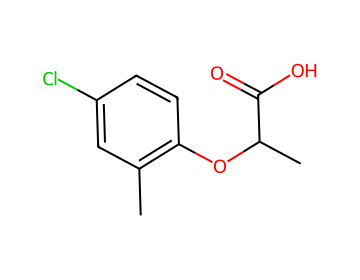
IDENTITY
COMPUTED
PROPERTIES
log Kow = 3.13
1.17
Odorless
1.28 g/cm³
Colorless crystals
Solid
Solubility of its salts in water: diethanolamine 580, dimethyalmine 660 (all in g/L, 20 °C) /Mecoprop salts/
In water, 880 mg/L at 25 °C
Insoluble in water
In acetone, diethyl ether, ethanol > 1000; ethyl acetate 825; chloroform: 339 (all in g/kg, 20 °C)
Soluble in alcohol, acetone, ether
Solubility in water, g/100ml at 25 °C: 0.07
CORROSIVE TO METALS IN PRESENCE OF MOISTURE
Hazardous decomposition products formed under fire conditions - Carbon oxides, hydrogen chloride gas.
Decomposes on heating. This produces toxic fumes including hydrogen chloride.
When heated to decomposition it emits toxic fumes of /chloride/.
93-95 °C
MP: 93-94 °C
94 °C
0.0000023 [mmHg]
1.6 mPa (1.2X10⁻⁵ mm Hg) at 25 °C
Vapor pressure, Pa at 22.5 °C: 0.08
Mecoprop appears as colorless crystals. Corrosive to metals. Used as an herbicide.
Colorless to brown solid; [ICSC] Tan powder with lumps; [MSDSonline]
COLOURLESS-TO-BROWN CRYSTALLINE POWDER.
Stable under recommended storage conditions.
Stable to heat, and to hydrolysis, reduction, and atmospheric oxidation.
3.21
pKa = 3.78
pKa = 3.21
pKa = 3.1
GHS
Danger
H302: Harmful if swallowed [Warning Acute toxicity, oral];H315: Causes skin irritation [Warning Skin corrosion/irritation];H318: Causes serious eye damage [Danger Serious eye damage/eye irritation];H400: Very toxic to aquatic life [Warning Hazardous to the aquatic environment, acute hazard];H410: Very toxic to aquatic life with long lasting effects [Warning Hazardous to the aquatic environment, long-term hazard]
P264, P264+P265, P270, P273, P280, P301+P317, P302+P352, P305+P354+P338, P317, P321, P330, P332+P317, P362+P364, P391, and P501 (click each P-code to see the statement)
Danger
HAZARDS
Commission Regulation No 844/2012
03/70/EC, Reg (EU) 2015/408, Reg. (EU) 2022/801, Reg. (EU) No 540/2011, Reg. (EU) No 823/2012
Status: Active Update: 21-04-2023 https://echa.europa.eu/registration-dossier/-/registered-dossier/19807
Mecoprop: HSNO Approval: HSR003312 Approved with controls
The New Jersey Worker and Community Right to Know Act requires public and private employers to provide information about hazardous substances at their workplaces. (N.J.S.A. 34:5A-1 et. seq.)
IMAP assessments - Propanoic acid, 2-(4-chloro-2-methylphenoxy)-: Environment tier I assessment;IMAP assessments - Propanoic acid, 2-(4-chloro-2-methylphenoxy)-: Human health tier I assessment
Poison
Excerpt from ERG Guide 154 [Substances - Toxic and/or Corrosive (Non-Combustible)]:;Non-combustible, substance itself does not burn but may decompose upon heating to produce corrosive and/or toxic fumes. Some are oxidizers and may ignite combustibles (wood, paper, oil, clothing, etc.). Corrosives in contact with metals may evolve flammable hydrogen gas. Containers may explode when heated. For electric vehicles or equipment, ERG Guide 147 (lithium ion or sodium ion batteries) or ERG Guide 138 (sodium batteries) should also be consulted. (ERG, 2024)
Not combustible. Liquid formulations containing organic solvents may be flammable. Gives off irritating or toxic fumes (or gases) in a fire.
Not combustible. Liquid formulations containing organic solvents may be flammable.
Noncombustible, nonflammable.
Excerpt from ERG Guide 154 [Substances - Toxic and/or Corrosive (Non-Combustible)]:;TOXIC and/or CORROSIVE; inhalation, ingestion or skin contact with material may cause severe injury or death. Contact with molten substance may cause severe burns to skin and eyes. Avoid any skin contact. Fire may produce irritating, corrosive and/or toxic gases. Runoff from fire control or dilution water may be corrosive and/or toxic and cause environmental contamination. (ERG, 2024)
A skin and eye irritant; [Hawley] A skin, eye, and respiratory tract irritant; Can be absorbed through skin; Mecoprop is a chlorophenoxy-herbicide which, as a group, has been classified by IARC (1987) as possibly carcinogenic to humans, but the data on this specific substance are inconclusive. [ICSC] Causes increased liver enzymes in rat studiies; [Reference #1] An irritant; May cause serious eye injury; Can be absorbed through skin; [MSDSonline] See 2,4D. See Mecoprop-p and Mecoprop dimethylamine salt.
Acids, Carboxylic;Aryl Halides
Symbol: Xn, N; R: 22-38-41-50/53; S: (2)-13-26-37/39-60-61
UN Hazard Class: 6.1; UN Pack Group: III
USEPA/Office of Pesticide Programs; Reregistration Eligibility Decision Document - Mecoprop-p, EPA 738-R-07-009 (August 2007). The RED summarizes the risk assessment conclusions and outlines any risk reduction measures necessary for the pesticide to continue to be registered in the USA.[Available from, as of October 25, 2017: http://www.epa.gov/pesticides/reregistration/status.htm]
The Agency has previously identified and required the submission of the generic (i.e., active ingredient-specific) data required to support reregistration of products containing MCPP-p as an active ingredient. The Agency has completed its review of these generic data, and has determined that the data are sufficient to support reregistration of all products containing MCPP-p. The Agency has determined that MCPP-p-containing products are eligible for reregistration provided that the risk mitigation measures outlined in Section C of this document are adopted and label amendments are made to implement these mitigation measures ... Should a registrant fail to implement any of the reregistration requirements identified in this document, the Agency may take regulatory action to address these concerns. /Mecoprop-p/
As the federal pesticide law FIFRA directs, EPA is conducting a comprehensive review of older pesticides to consider their health and environmental effects and make decisions about their continued use. Under this pesticide reregistration program, EPA examines newer health and safety data for pesticide active ingredients initially registered before November 1, 1984, and determines whether the use of the pesticide does not pose unreasonable risk in accordance to newer safety standards, such as those described in the Food Quality Protection Act of 1996. Mecoprop-P acid is found on List A, which contains most pesticides that are used on foods and, hence, have a high potential for human exposure. List A consists of the 194 chemical cases (or 350 individual active ingredients) for which EPA issued registration standards prior to FIFRA '88. Case No: 0377; Pesticide type: herbicide; Registration Standard Date: 12/01/88; Case Status: OPP is reviewing data from the pesticide's producers regarding its human health and/or environmental effects, or OPP is determining the pesticide's eligibility for reregistration and developing the RED document.; Active ingredient (AI): mecoprop-P acid; Data Call-in (DCI) Date(s): 07/26/94; AI Status: The producers of the pesticide have made commitments to conduct the studies and pay the fees required for reregistration, and are meeting those commitments in a timely manner. /Mecoprop-P Acid/
As the federal pesticide law FIFRA directs, EPA is conducting a comprehensive review of older pesticides to consider their health and environmental effects and make decisions about their continued use. Under this pesticide reregistration program, EPA examines newer health and safety data for pesticide active ingredients initially registered before November 1, 1984, and determines whether the use of the pesticide does not pose unreasonable risk in accordance to newer safety standards, such as those described in the Food Quality Protection Act of 1996. Mecoprop is found on List A, which contains most pesticides that are used on foods and, hence, have a high potential for human exposure. List A consists of the 194 chemical cases (or 350 individual active ingredients) for which EPA issued registration standards prior to FIFRA '88. Case No: 0377; Pesticide type: herbicide; Registration Standard Date: 12/01/88; Case Status: OPP is reviewing data from the pesticide's producers regarding its human health and/or environmental effects, or OPP is determining the pesticide's eligibility for reregistration and developing the Reregistration Eligibility Decision (RED) document.; Active ingredient (AI): Mecoprop; Data Call-in (DCI) Date(s): 03/03/95, 10/13/95; AI Status: Registrants of the pesticide have not made or honored a commitment to seek reregistration, conduct the necessary studies, or pay the requisite fees, or they have asked EPA to cancel their product registrations. Unless some other interested party supports them, products containing the pesticide will be canceled.
SAFETY
Excerpt from ERG Guide 154 [Substances - Toxic and/or Corrosive (Non-Combustible)]:;SMALL FIRE: Dry chemical, CO2 or water spray.;LARGE FIRE: Dry chemical, CO2, alcohol-resistant foam or water spray. If it can be done safely, move undamaged containers away from the area around the fire. Dike runoff from fire control for later disposal.;FIRE INVOLVING TANKS, RAIL TANK CARS OR HIGHWAY TANKS: Fight fire from maximum distance or use unmanned master stream devices or monitor nozzles. Do not get water inside containers. Cool containers with flooding quantities of water until well after fire is out. Withdraw immediately in case of rising sound from venting safety devices or discoloration of tank. ALWAYS stay away from tanks in direct contact with flames. (ERG, 2024)
In case of fire in the surroundings, use appropriate extinguishing media.
Fresh air, rest. Refer for medical attention.
Remove contaminated clothes. Rinse and then wash skin with water and soap.
First rinse with plenty of water for several minutes (remove contact lenses if easily possible), then refer for medical attention.
Rinse mouth. Give a slurry of activated charcoal in water to drink. Refer for medical attention .
Excerpt from ERG Guide 154 [Substances - Toxic and/or Corrosive (Non-Combustible)]:;Refer to the "General First Aid" section. Specific First Aid: For corrosives, in case of contact, immediately flush skin or eyes with running water for at least 30 minutes. Additional flushing may be required. (ERG, 2024)
Store in an area without drain or sewer access. Separated from food and feedstuffs.
Suitable extinguishing media: Use water spray, alcohol-resistant foam, dry chemical or carbon dioxide.
Advice for firefighters: Wear self-contained breathing apparatus for firefighting if necessary.
Keep container tightly closed in a dry and well-ventilated place.
Store in an area without drain or sewer access. Separated from food and feedstuffs.
Keep out of reach of children. /Mecoprop-P/
ACCIDENTAL RELEASE MEASURES: Personal precautions, protective equipment and emergency procedures: Wear respiratory protection. Avoid dust formation. Avoid breathing vapors, mist or gas. Ensure adequate ventilation. Evacuate personnel to safe areas. Avoid breathing dust. Environmental precautions: Prevent further leakage or spillage if safe to do so. Do not let product enter drains. Discharge into the environment must be avoided. Methods and materials for containment and cleaning up: Pick up and arrange disposal without creating dust. Sweep up and shovel. Keep in suitable, closed containers for disposal.
Liquid spillage should be dammed-off and pumped into containers; soak up remainder with absorbent material and dispose of in accordance with local regulations. Solid spillage should be picked up with an industrial vacuum cleaner and disposed of in accordance with local regulations. /Mecoprop-P/
Personal protection: particulate filter respirator adapted to the airborne concentration of the substance. Do NOT let this chemical enter the environment. Sweep spilled substance into covered, plastic containers. If appropriate, moisten first to prevent dusting. Carefully collect remainder. Then store and dispose of according to local regulations.
Excerpt from ERG Guide 154 [Substances - Toxic and/or Corrosive (Non-Combustible)]:;ELIMINATE all ignition sources (no smoking, flares, sparks or flames) from immediate area. Do not touch damaged containers or spilled material unless wearing appropriate protective clothing. Stop leak if you can do it without risk. Prevent entry into waterways, sewers, basements or confined areas. Absorb or cover with dry earth, sand or other non-combustible material and transfer to containers. DO NOT GET WATER INSIDE CONTAINERS. (ERG, 2024)
SRP: Recycle any unused portion of the material for its approved use or return it to the manufacturer or supplier. Ultimate disposal of the chemical must consider: the material's impact on air quality; potential migration in air, soil or water; effects on animal, aquatic and plant life; and conformance with environmental and public health regulations. If it is possible or reasonable use an alternative chemical product with less inherent propensity for occupational harm/injury/toxicity or environmental contamination.
Product: Offer surplus and non-recyclable solutions to a licensed disposal company. Contact a licensed professional waste disposal service to dispose of this material. Dissolve or mix the material with a combustible solvent and burn in a chemical incinerator equipped with an afterburner and scrubber; Contaminated packaging: Dispose of as unused product.
Dispose of by special means (suitable incineration, etc.) in accordance with local regulations. /Mecoprop-P/
Personal protection: particulate filter respirator adapted to the airborne concentration of the substance. Do NOT let this chemical enter the environment. Sweep spilled substance into covered plastic containers. If appropriate, moisten first to prevent dusting. Carefully collect remainder. Then store and dispose of according to local regulations.
ACCIDENTAL RELEASE MEASURES: Personal precautions, protective equipment and emergency procedures: Wear respiratory protection. Avoid dust formation. Avoid breathing vapors, mist or gas. Ensure adequate ventilation. Evacuate personnel to safe areas. Avoid breathing dust. Environmental precautions: Prevent further leakage or spillage if safe to do so. Do not let product enter drains. Discharge into the environment must be avoided.
Precautions for safe handling: Avoid contact with skin and eyes. Avoid formation of dust and aerosols. Further processing of solid materials may result in the formation of combustible dusts. The potential for combustible dust formation should be taken into consideration before additional processing occurs. Provide appropriate exhaust ventilation at places where dust is formed.
Appropriate engineering controls: Avoid contact with skin, eyes and clothing. Wash hands before breaks and immediately after handling the product.
Gloves must be inspected prior to use. Use proper glove removal technique (without touching glove's outer surface) to avoid skin contact with this product. Dispose of contaminated gloves after use in accordance with applicable laws and good laboratory practices. Wash and dry hands.
For more Preventive Measures (Complete) data for Mecoprop (7 total), please visit the HSDB record page.
Excerpt from ERG Guide 154 [Substances - Toxic and/or Corrosive (Non-Combustible)]:;IMMEDIATE PRECAUTIONARY MEASURE: Isolate spill or leak area in all directions for at least 50 meters (150 feet) for liquids and at least 25 meters (75 feet) for solids.;SPILL: Increase the immediate precautionary measure distance, in the downwind direction, as necessary.;FIRE: If tank, rail tank car or highway tank is involved in a fire, ISOLATE for 800 meters (1/2 mile) in all directions; also, consider initial evacuation for 800 meters (1/2 mile) in all directions. (ERG, 2024)
TOXICITY
Urinary concentrations from a group of 9 Swedish farmers and 3 spray men occupationally exposed to mecoprop were not detected to 1.1 ppm (0.28 ppm median) for the farmers and 0.25-3.5 ppm (2.0 ppm median) for the spray men. Breathing zone air samples from a group of 7 Swedish farmers and 2 spray men occupationally exposed to mecoprop contained TWA concentrations of not detected to 0.026 mg/cu m for the farmers and 0.002-0.014 mg/cu m for the spray men(1).
Treatment may include washing any areas of contact, GI decontamination if swallowed, administering an IV and forced alkaline diuresis. (L346)
/The authors/ investigated the developmental toxicity in mice of a commercial formulation of herbicide containing a mixture of 2,4-dichlorophenoxyacetic acid, mecoprop, dicamba and inert ingredients. Pregnant mice were exposed to one of four different doses of the herbicide mixture diluted in their drinking water, either during preimplantation and organogenesis or only during organogenesis. Litter size, birth weight and crown-rump length were determined at birth. Dams were sacrificed by carbon dioxide asphyxiation and the number of implantation sites was determined by staining with ammonium sulfide. The data, although apparently influenced by season, showed an inverted or u-shaped dose response pattern for reduced litter size, with the lowest dose - which corresponds to the reference dose for 2,4-D - producing the greatest decrease in the number of embryos implanted and number of pups being born. Fetotoxicity, as evidenced by a decrease in weight and crown-rump length of the newborn pups was not significantly different in herbicide-treated litters.
Urinary
Exposure to large amounts of CDDs causes chloracne, a severe skin disease with acne-like lesions that occur mainly on the face and upper body. CDDs may also cause liver damage and induce long-term alterations in glucose metabolism and subtle changes in hormonal levels. In addition, studies have shown that CDDs may disrupt the endocrine system and weaken the immune system, as well as cause reproductive damage and birth defects, central and peripheral nervous system pathology, thyroid disorders, endometriosis, and diabetes. 2,3,7,8-Tetrachlorodibenzo-p-dioxin is also a known human carcinogen. (L177, L178)
LC50; Species: Anas platyrhynchos (Mallard Duck) age 13 days; diet >20000 ppm for 8 days
LC50; Species: Anas platyrhynchos (Mallard Duck) age 9 days; diet >5620 ppm for 8 days
LC50; Species: Colinus virginianus (Northern Bobwhite Quail) age 10 days; diet 14260 ppm for 8 days (95% confidence interval: 12972-15840 ppm)
LC50; Species: Colinus virginianus (Northern Bobwhite Quail) age 14 days; diet 5000 ppm for 8 days
For more Ecotoxicity Values (Complete) data for Mecoprop (15 total), please visit the HSDB record page.
TERRESTRIAL FATE: Based on a classification scheme(1), Koc values of 5-43(2) indicate that mecoprop is expected to have very high mobility in soil(SRC). The pKa of mecoprop is 3.78(3), indicating that this compound will exist almost entirely in the anion form in the environment and anions generally do not adsorb more strongly to soils containing organic carbon and clay than their neutral counterparts(4). Volatilization of the anion from moist soil is not expected because anions do not volatilize(SRC). Mecoprop is not expected to volatilize from dry soil surfaces(SRC) based upon a vapor pressure of 1.2X10⁻⁵ mm Hg at 25 °C(3). Biodegradation half-lives have been experimentally determined to be 3 to 70 days depending on soil type, water content, temperature and depth in soil(5). Degradation is faster when soil microorganisms are acclimated to mecoprop(6). In agricultural soils not previously treated with mecoprop, a degradation rate of 0.016/day was reported, with a half-life of 44 days and 78% of mecoprop was degraded in 120 days of incubation(7).
AQUATIC FATE: Based on a classification scheme(1), Koc values of 5-43(2) indicate that mecoprop is not expected to adsorb to suspended solids and sediment(SRC). A pKa of 3.78(3) indicates mecoprop will exist almost entirely in the anion form at pH values of 5 to 9 and, therefore, volatilization from water surfaces is not expected(SRC). Mecoprop is stable to hydrolysis at pH values of 5, 7 and 9(4). According to a classification scheme(5), an estimated BCF of 3(SRC), from its log Kow of 3.20(3) and a regression-derived equation(6), suggests the potential for bioconcentration in aquatic organisms is low. Mecoprop, present at 100 ppb, degraded completely in 40 days in groundwater at 10 °C after a 35-40 day lag; degradation took less than a week when respiked(7). The half-life of mecoprop in water has been reported as 50 days(8). Mecoprop, in river water (pH 7.31), exposed to sunlight had a half-life of 19.5 days, in the dark the half-life was 37.7 days(9). In seawater (pH 7.52), the half-life of mecoprop exposed to sunlight was 14.0 days and 33.6 days in the dark(9).
ATMOSPHERIC FATE: According to a model of gas/particle partitioning of semivolatile organic compounds in the atmosphere(1), mecoprop, which has a vapor pressure of 1.2X10⁻⁵ mm Hg at 25 °C(2), will exist in both the vapor and particulate phases in the ambient atmosphere. Vapor-phase mecoprop is degraded in the atmosphere by reaction with photochemically-produced hydroxyl radicals(SRC); the half-life for this reaction in air is estimated to be 22 hours(SRC), calculated from its rate constant of 1.7X10⁻¹¹ cu cm/molecule-sec at 25 °C(SRC) that was derived using a structure estimation method(3). Particulate-phase mecoprop may be removed from the air by wet or dry deposition(SRC). Mecoprop in river water exposed to sunlight had a half-life of 19.5 days(4) and, therefore, may be susceptible to direct photolysis by sunlight(SRC).
Occupational hepatotoxin - Secondary hepatotoxins: the potential for toxic effect in the occupational setting is based on cases of poisoning by human ingestion or animal experimentation.
The substance can be absorbed into the body by inhalation of its aerosol, through the skin and by ingestion.
IDENTIFICATION AND USE: Mecoprop (MCPP) is a solid. It is used as an herbicide. HUMAN STUDIES: In two cases of serious intoxication with MCPP, both patients had central nervous system involvement, became unconscious and had an inadequate respiration. Muscle cramps and rhabdomyolysis with renal failure were noted in both. Shortly after admission both patients developed a serious decrease in arterial blood pressure (160/80 mmHg to 80/45 mmHg). In one patient this was demonstrated to be caused by a reduction in peripheral vascular resistance. In another case, a patient who had ingested 500 mL of a mecoprop product died of hypotension and respiratory failure 36 hours after hospital admission. Two additional cases of MCPP ingestion followed a similar clinical course with rapid loss of consciousness, muscle cramps, and hypotension. Laboratory abnormalities included decreased platelets and hemoglobin and elevated creatine phosphokinase and myoglobin levels. One patient also developed acute renal failure secondary to rhabdomyolysis and required hemodialysis. In surviving patients, no long-term effects were reported. In male human blood lymphocytes, chromosomal aberrations were increased in the presence of activation at a cytotoxic dosing level of 2500 ug/mL. ANIMAL STUDIES: In rats, MCPP caused structural changes in spleen and thymus and changes of the number of blood lymphocytes and granulocytes. In a carcinogenicity study in mice, MCPP was administered in the diet at doses of 4, 40, and 592 mg/kg/day for males and 4, 46, and 732 mg/kg/day for females. In females, an increase in the incidence of chronic nephropathy and increased absolute and relative kidney weight were reported. There was no treatment related increase in tumor incidence compared to controls in this study. MCPP was given orally to mice at days 6-15 of pregnancy. It was embryotoxic at doses greater than or equal to 300 mg/kg and caused malformations of the skeleton at doses greater than or equal to 400 mg/kg
CDDs cause their toxic effects by binding to the aryl hydrocarbon receptor and subsequently altering the trascription of certain genes. The affinity for the Ah receptor depends on the structure of the specific CDD. The change in gene expression may result from the direct interaction of the Ah receptor and its heterodimer-forming partner, the aryl hydrocarbon receptor nuclear translocator, with gene regulatory elements or the initiation of a phosphorylation/dephosphorylation cascade that subsequently activates other transcription factors. The affected genes include several oncogenes, growth factors, receptors, hormones, and drug-metabolizing enzymes. The change in transcription/translation of these genes is believed to be the cause of most of the toxic effects of CDDs. This includes 2,3,7,8-tetrachlorodibenzo-p-dioxin's carcinogenicity is thought to be the result of its ability to alter the capacity of both exogenous and endogenous substances to damage the DNA by inducing CYP1A1- and CYP1A2-dependent drug-metabolizing enzymes. (L177)
/AQUATIC SPECIES/ Studies have shown that pesticides are sometimes detected at rather high levels in seawater and it has been suggested that these chemical compounds could act as additional stress factor for oysters cultured in coastal environments. The effects of pesticides on marine mollusks could be particularly harmful in the early stages which correspond to critical life stages. This study aimed to assess the effects of mecoprop, mecoprop-p and their degradation compound 2-methyl-4-chlorophenol (2-MCP) on two larval stages of Crassostrea gigas. Embryotoxic effects were assessed on veliger larvae after 36 hr exposures, and both percentages of normal larvae and types of abnormalities were taken into account. The effects of the three substances were evaluated on 21-day-old pediveliger larvae by calculating metamorphosis rates after 24 hr exposures. The results of the embryotoxicity assay indicated that 2-methyl-4-chlorophenol was more toxic (EC50: 10.81 mg/L) than its parent compounds (EC50 mecoprop: 42.55 mg/L; EC50 mecoprop-p: 78.85 mg/L). Mecoprop in particular injured shell formation with an increase of shell abnormalities following herbicide concentrations. The active substances were not toxic to metamorphosis processes, but 2-MCP was revealed to be more toxic to the success of metamorphosis (EC50: 7.20 mg/L) than to embryo-larval development. However, the toxic concentrations were several orders of magnitude higher than environmental concentrations.
/AQUATIC SPECIES/ The aim of the current study was to investigate effects of temperature and a mixture of herbicides on the physiological status of the bivalve Mya arenaria. Bivalves acclimated to two temperatures (7 and 18 °C) were exposed for 28 days to 0.01 mg/L of a pesticide formulation containing dichlorophenoxyacetic acid (2,4-D), 2-(2-methyl-4-chlorophenoxy) propionic acid (mecoprop), and 3,6-dichloro-2-methoxybenzoic acid (dicamba). At days 7, 14, and 28, mortality, immune parameters (hemocyte number, phagocytic activity, and efficiency), biomarkers of oxidative stress (catalase [CAT] and superoxide dismutase [SOD] activities and malondialdehyde [MDA] content), the metabolic enzyme cytochrome C oxidase (CCO), a biomarker of pesticide exposure (acetylcholinesterase [AChE]), and the activity of an enzyme related to gametogenesis (aspartate transcarbamylase [ATCase]) were monitored in clam tissues. Gonadosomatic index (GSI), condition factor (CF), and sex were also assessed. In clams acclimated to 7 °C, exposure to pesticide enhanced CCO activity and CF and decreased MDA content, hemocyte number, CAT, and SOD activities. In clams kept at 18 °C, pesticide effects appeared minor compared with samples kept at 7 °C. In bivalves acclimated to 18 °C, CCO, SOD, and ATCase activity and MDA content were enhanced, and hemocyte number, CAT, and AChE activities and phagocytosis were suppressed. In samples exposed to pesticides, increased temperature enhanced MDA content and CCO and SOD activity and suppressed hemocyte number and CAT and AChE activity. A gradual sexual maturation was observed in both sexes through experimental time, but females had a higher sensitivity to temperature and pesticides compared to males. Increased temperature altered the ability of the sentinel species Mya arenaria to respond to pesticide exposures. Further work is needed to understand the impacts of increasing temperature on the whole St. Lawrence estuary ecosystem.
/OTHER TERRESTRIAL SPECIES/ /Nontoxic to bees./
/FIELD STUDIES/ In situ exposures with Hyalella azteca /freshwater amphipod/ were used to assess impacts of current-use pesticides in Southern Ontario, Canada. Exposures were conducted over 2 growing seasons within areas of high pesticide use: 1 site on Prudhomme Creek and 3 sites on Twenty Mile Creek. Three sites on Spencer Creek, an area of low pesticide use, were added in the second season. Surface water samples were collected every 2 wk to 3 wk and analyzed for a suite of pesticides. Hyalella were exposed in situ for 1 wk every 4 wk to 6 wk, and survival and acetylcholinesterase (AChE) activity were measured. Pesticides in surface waters reflected seasonal use patterns: lower concentrations in spring and fall and higher concentrations during summer months. Organophosphate insecticides (chlorpyrifos, azinphos methyl, diazinon) and acid herbicides (2,4-dichlorophenoxyacetic acid [2,4-D], mecoprop) were routinely detected in Prudhomme Creek, whereas neutral herbicides (atrazine, metolachlor) dominated the pesticide signature of Twenty Mile Creek. Spencer Creek contained fewer pesticides, which were measured at lower concentrations. In situ effects also followed seasonal patterns: higher survival and AChE activity in spring and fall, and lower survival and AChE activity during summer months. The highest toxicity was observed at Prudhomme Creek and was primarily associated with organophosphates. The present study demonstrated that current-use pesticides in Southern Ontario were linked to in situ effects and identified sites of concern requiring further investigation.
Burning sensation. Cough. Nausea.
Redness.
Redness. Pain.
Abdominal pain. Headache. Nausea. Vomiting. Weakness. Unconsciousness.
In addition to chloracne, CDD exposure causes skin rashes, discoloration, and excessive body hair. (L177)
REGULATORY
Commission Regulation No 844/2012
03/70/EC, Reg (EU) 2015/408, Reg. (EU) 2022/801, Reg. (EU) No 540/2011, Reg. (EU) No 823/2012
Status: Active Update: 21-04-2023 https://echa.europa.eu/registration-dossier/-/registered-dossier/19807
Mecoprop: HSNO Approval: HSR003312 Approved with controls
The New Jersey Worker and Community Right to Know Act requires public and private employers to provide information about hazardous substances at their workplaces. (N.J.S.A. 34:5A-1 et. seq.)
The Agency has previously identified and required the submission of the generic (i.e., active ingredient-specific) data required to support reregistration of products containing MCPP-p as an active ingredient. The Agency has completed its review of these generic data, and has determined that the data are sufficient to support reregistration of all products containing MCPP-p. The Agency has determined that MCPP-p-containing products are eligible for reregistration provided that the risk mitigation measures outlined in Section C of this document are adopted and label amendments are made to implement these mitigation measures ... Should a registrant fail to implement any of the reregistration requirements identified in this document, the Agency may take regulatory action to address these concerns. /Mecoprop-p/
As the federal pesticide law FIFRA directs, EPA is conducting a comprehensive review of older pesticides to consider their health and environmental effects and make decisions about their continued use. Under this pesticide reregistration program, EPA examines newer health and safety data for pesticide active ingredients initially registered before November 1, 1984, and determines whether the use of the pesticide does not pose unreasonable risk in accordance to newer safety standards, such as those described in the Food Quality Protection Act of 1996. Mecoprop-P acid is found on List A, which contains most pesticides that are used on foods and, hence, have a high potential for human exposure. List A consists of the 194 chemical cases (or 350 individual active ingredients) for which EPA issued registration standards prior to FIFRA '88. Case No: 0377; Pesticide type: herbicide; Registration Standard Date: 12/01/88; Case Status: OPP is reviewing data from the pesticide's producers regarding its human health and/or environmental effects, or OPP is determining the pesticide's eligibility for reregistration and developing the RED document.; Active ingredient (AI): mecoprop-P acid; Data Call-in (DCI) Date(s): 07/26/94; AI Status: The producers of the pesticide have made commitments to conduct the studies and pay the fees required for reregistration, and are meeting those commitments in a timely manner. /Mecoprop-P Acid/
As the federal pesticide law FIFRA directs, EPA is conducting a comprehensive review of older pesticides to consider their health and environmental effects and make decisions about their continued use. Under this pesticide reregistration program, EPA examines newer health and safety data for pesticide active ingredients initially registered before November 1, 1984, and determines whether the use of the pesticide does not pose unreasonable risk in accordance to newer safety standards, such as those described in the Food Quality Protection Act of 1996. Mecoprop is found on List A, which contains most pesticides that are used on foods and, hence, have a high potential for human exposure. List A consists of the 194 chemical cases (or 350 individual active ingredients) for which EPA issued registration standards prior to FIFRA '88. Case No: 0377; Pesticide type: herbicide; Registration Standard Date: 12/01/88; Case Status: OPP is reviewing data from the pesticide's producers regarding its human health and/or environmental effects, or OPP is determining the pesticide's eligibility for reregistration and developing the Reregistration Eligibility Decision (RED) document.; Active ingredient (AI): Mecoprop; Data Call-in (DCI) Date(s): 03/03/95, 10/13/95; AI Status: Registrants of the pesticide have not made or honored a commitment to seek reregistration, conduct the necessary studies, or pay the requisite fees, or they have asked EPA to cancel their product registrations. Unless some other interested party supports them, products containing the pesticide will be canceled.
PHARMACOLOGY
Groups of 5 male Wistar rats were dosed orally with 5 mg/kg of either (14)C-Mecoprop-P-EHE (radiochemical purity: 99.6%, spec. act.: 145.37 uCi/mg) (Groups A and C) or (14)C-Mecoprop-P-DMA (radiochemical purity (based on the acid): 99.8%, spec. act.: 114.79 uCi/mg) (Groups B and D). ... The half-life for elimination was 8.36 and 6.61 hours for Groups A and B, respectively. ...
/In/ two cases of serious intoxication with phenoxy herbicides (MCPP) ... The plasma half-life was about 17 hr. MCPP plasma elimination probably follows first-order kinetics.
MCPP-p-DMAS (14)C-MCPP-p DMAS was incubated in vitro with rat plasma, stomach content, gastro-intestinal tract (GIT) or postmitochondrial liver fraction (S9) for 30 minutes. All incubated extracts were subjected to HPLC analysis. Results indicated that all of the administered (14)C-MCPP-p DMAS in plasma, stomach contents, gastro-intestinal tract and liver (S9) was present as the ionized form of (14)C-MCPP-p.
Male and female Wistar rats with dosed orally with (14)C-Mecoprop-P (radiochemical purity: 99.5%, purity: 98.6%; spec. act.: 138.8 uCi/mg). Five rats/sex were dosed with 5 (Groups A, B, D) or 100 mg/kg (Groups C and E). The rats in Group B received 14 doses of unlabeled Mecoprop-P (purity: 99.8%) at 5 mg/kg/day prior to being dosed with the radiolabeled material. In addition,12 rats/sex were dosed with 5 mg/kg (Group F). ... The only metabolite identified in the study was hydroxymethyl-Mecoprop-P. A greater percentage of this metabolite was recovered in the urine of the males. Overall, unaltered test material and the hydroxylated metabolite constituted 92.29 to 95.34% of the recovered radiolabel in the urine in the first 48 hours after dosing. For the males, the parent material was 52.17 to 67.08% and the metabolite was 28.26 to 41.39% of the administered dose. For the females these values ranged from 84.31 to 90.03% for the parent compound and 5.16 to 10.25% for the metabolite. /Mecoprop-p/
The dissociation of Mecoprop-p-DMA salt into Mecoprop-P acid and dimethyl amine was examined in various in vitro biological test systems. (14)C-Mecoprop-p-DMA was formed by mixing (14)C-Mecoprop-p acid (radiochemical purity: 99.5%, chemical purity: 98.6%, specific activity: 138.92 uCi/mg) with a dimethylamine solution. The test material was incubated with plasma (I), stomach contents (II), the gastrointestinal tract (III) and liver S9 fraction (IV) derived from male Wistar rats. The concentrations of the test material in the incubations were 0.1 (I), 5 (II), 0.35 (III) and 0.1 (IV) mg/mL. The samples were incubated for 30 minutes at 37o C. Study results indicated that the test material had largely dissociated into Mecoprop-P acid and DMA. It was not apparent from these results whether the dissociation may have been wholly or partially mediated enzymatically.
In ...plants, degradation of the side-chain to 2-methyl-4-chlorophenol, ring hydroxylation and ring opening.
CDDs are absorbed through oral, inhalation, and dermal routes of exposure. CDDs are carried in the plasma by serum lipids and lipoproteins, distributing mainly to the liver and adipose tissue. CDDs are very slowly metabolized by the microsomal monooxygenase system to polar metabolites that can undergo conjugation with glucuronic acid and glutathione. They may increase the rate of their own metabolism by inducing CDDs induce both phase I and phase II enzymes. The major routes of excretion of CDDs are the bile and the feces, though smaller amounts are excreted in the urine and via lactation. (L177)
Pesticides used to destroy unwanted vegetation, especially various types of weeds, grasses (POACEAE), and woody plants. Some plants develop HERBICIDE RESISTANCE.
Male and female Wistar rats with dosed orally with (14)C-Mecoprop-P (radiochemical purity: 99.5%, purity: 98.6%; spec. act.: 138.8 uCi/mg). Five rats/sex were dosed with 5 (Groups A, B, D) or 100 mg/kg (Groups C and E). The rats in Group B received 14 doses of unlabeled Mecoprop-P (purity: 99.8%) at 5 mg/kg/day prior to being dosed with the radiolabeled material. In addition,12 rats/sex were dosed with 5 mg/kg (Group F). In Groups A, B and C, urine and feces were collected for 7 days. Expired air was collected from two males in Group C. In Groups D and E, blood samples were collected for 7 days. In Group F, four animals/sex/timepoint were euthanized at 0.5, 3 and 6 hours after dosing. Absorption of the administered dose ranged from 82.92 to 100.47% with the absorption minimally reduced in the repeated dosing regimen and at the higher dosing level (males: A. 100.47%, B. 94.58%, C. 92.34%; females: A. 94.62%, B. 92.07%, C. 82.92%). Excretion was predominantly via the urine with the percentage of the total dose recovered in the urine and cage wash ranging from 79.74 to 100.06%. In Group A, 95.29 and 92.29% of the administered dose was collected in the urine and the cage wash within the first 24 hours for males and females, respectively. Repeated dosing reduced the amount collected in the urine and the cage wash during the first 24 hours to 88.97 and 86.46% for males and females, respectively. Likewise, at the 100 mg/kg dosing level, the percentage collected in the urine and the cage wash during the first 24 hours was reduced to 61.18 and 56.78% for males and females, respectively. The total radiolabel recovered in the feces ranged from 3.56 to 12.52% of the administered dose. No radiolabeled material was recovered in the expired air due to the positioning of the label on the phenyl ring. Radiolabel in the tissues and organs 7 days after dosing was predominantly in the fat followed by the skin, adrenals, kidneys and liver. Maximal levels of radioactivity were recovered
Groups of 5 male Wistar rats were dosed orally with 5 mg/kg of either (14)C-Mecoprop-P-EHE (radiochemical purity: 99.6%, spec. act.: 145.37 uCi/mg) (Groups A and C) or (14)C-Mecoprop-P-DMA /(dimethylamine salt)/ (radiochemical purity (based on the acid): 99.8%, spec. act.: 114.79 uCi/mg) (Groups B and D). In Groups A and B (plasma pharmacokinetic study), blood samples were collected for 7 days. In Groups C and D, urine and feces were collected for 7 days. Expired air was collected for 48 hours. In the plasma pharmacokinetic analysis, Tmax values were 3.6 and 2 hr for Groups A and B, respectively. The half-life for elimination was 8.36 and 6.61 hours for Groups A and B, respectively. Absorption of the administered dose was at least 83.26 and 97.11% for Groups C and D, respectively (the total residual radiolabel in the tissues was not determined). Excretion was predominantly via the urine with the percentage of the total dose recovered in the urine 83.26 and 97.11%. In Groups C and D, respectively, 79.73 and 93.52% of the administered dose (calculated by the reviewer) was collected in the urine and the cage wash within the first 24 hours. The total radiolabel recovered in the feces was 3.29 and 4.68% of the administered dose for Groups C and D, respectively. No radiolabeled material was recovered in the expired air due to the positioning of the label on the phenyl ring. Radiolabel in the tissues and organs 7 days after dosing was largely limited to the skin and fat. The only metabolite identified in the study was hydroxymethyl-Mecoprop-P. Overall, unaltered test material and the hydroxylated metabolite constituted 96% of the recovered radiolabel in the first 48 hours after dosing. The parent material constituted 72.91 and 70.68% and the metabolite was 23.13 and 25.26% of the administered dose for Groups C and D, respectively.
USES
Used as selective post-emergence herbicide for control of broad-leaved weeds in wheat, barley, oats, herbage seed crops, grassland, under fruit trees and vines, and sport and ornamental turf; [HSDB] Mecoprop is a 50:50 ratio mixture of the R and S isomers of 2-(4-chloro-2-methylphenoxy)propanoic acid; Mecoprop is being replaced in the US by Mecoprop-p, which is the R isomer and the active isomer; [Reference #1]
Farming (Pesticides) [Category: Industry]
For mecoprop-p (USEPA/OPP Pesticide Code: 129046) ACTIVE products with label matches. /SRP: Registered for use in the U.S. but approved pesticide uses may change periodically and so federal, state and local authorities must be consulted for currently approved uses./ /Mecoprop-p/
For mecoprop (USEPA/OPP Pesticide Code: 031501) ACTIVE products with label matches. /SRP: Registered for use in the U.S. but approved pesticide uses may change periodically and so federal, state and local authorities must be consulted for currently approved uses./
Herbicide
Herbicide /Mecoprop-P/
(1977) 2.0X10+8 G-& SALTS,PRINCPL CUSTMS DISTS
(1979) 7.9X10+8 G-& SALTS,PRINCPL CUSTMS DISTS
(1978) 2.72X10+8 GRAMS (CONSUMPTION)
(1979) PROBABLY GREATER THAN 2.27X10+6 GRAMS
Production volumes for non-confidential chemicals reported under the Inventory Update Rule.[Table#3520]
ESSENTIALLY 100% AS AN HERBICIDE FOR LAWNS & TURF (1978)
Use in U.S. agriculture 1982 - 1,277,000 lbs.
Use in U.S. agriculture 1989 - 757,000 lbs.
Mecoprop is produced by chlorination of 4-chloro-o-cresol and coupling with 2-chloropropionic acid. ... Mecoprop-P is produced analogously to Mecoprop from the corresponding propionic acid stereoisomer.
Turf Builder Plus 2 W/S for Grass (The Scotts Company): Active ingredient: MCPA 1.37%; mecoprop 1.37%.
The National Pesticide Information Retrieval System (NPIRS) identifies 13 companies with active labels for products containing the chemical mecoprop-p. To view the complete list of companies, product names and percent mecoprop-p in formulated products click the following url and enter the CAS Registry number in the Active Ingredient field. /Mecoprop-p/
Riverdale Triamine Granular Weed Killer (Nufarm Americas, Inc): Active ingredient: 2,4-D 0.425%; 2,4-DP-p 0.209%; and mecoprop-P 0.212%. /Mecroprop-P/
Riverdale Triplet Selective Herbicide (Nufarm Americas, Inc): Active ingredient: dicamba, dimethylamine salt 2.77%; 2,4-D, dimethylamine salt 30.56%; and mecoprop-P 8.17%. /Mecroprop-P/
For more Formulations/Preparations (Complete) data for Mecoprop (36 total), please visit the HSDB record page.
Information on 14 consumer products that contain 2-(2-Methyl-4-chlorophenoxy)propionic acid in the following categories is provided:;• Landscaping/Yard;• Pesticides
Information on 8 consumer products that contain Mecoprop-p in the following categories is provided:;• Landscaping/Yard;• Pesticides
Herbicides
Propanoic acid, 2-(4-chloro-2-methylphenoxy)-: ACTIVE
Originally registered as an herbicide in the 1960s, the composition was a 50:50 ratio mixture of the dextro and levo (or R and S, respectively) isomers of MCPP. Subsequently, the dextro isomer was identified as the herbicidally active isomer, but no economic route was available to produce only the dextro isomer. In the 1980s, technologies were developed to produce the single enriched isomer form, MCPP-p, on a commercial scale, achieving approximately 93-95% purity of MCPP-p. ... In 1996, the technical manufacturers began to obtain EPA registrations for technical MCPP-p. Gradually, some end-use product (EUP) registrants began converting their formulations from the older racemic form to the single enriched isomer compositions. In September 2006, the Agency presented options to EUP registrants producing formulations that contained the racemic mecoprop: 1) convert their product formulations to contain the enriched isomer, MCPP-p; 2) produce data supporting the racemic mecoprop; or 3) submit voluntary cancelations for products they no longer wish to support. As of January 2007, EPA received voluntary cancelations or commitments to convert all product formulations to the enriched isomer, MCPP-p. /Mecoprop-p/
The WHO Recommended Classification of Pesticides by Hazard identifies mecoprop (technical grade) as Class III: slightly hazardous; Main Use: herbicide.
The WHO Recommended Classification of Pesticides by Hazard identifies mecoprop-p (technical grade) as Class II: moderately hazardous; Main Use: herbicide. /Mecoprp-p/
ALIASES
REACTIONS
uspto-grants-1987_11 · 10.6084/m9.figshare.5104873.v1 · US04708733
查看
Training data from https://doi.org/10.1039/C8SC04228D (5/10) · 10.1039/C8SC04228D
查看
uspto-grants-2014_12 · 10.6084/m9.figshare.5104873.v1 · US08916550B2
查看
uspto-grants-2010_09 · 10.6084/m9.figshare.5104873.v1 · US07803790B2
查看
Training data from https://doi.org/10.1039/C8SC04228D (10/10) · 10.1039/C8SC04228D
查看