uspto-grants-1998_03 · 10.6084/m9.figshare.5104873.v1 · US05723619
查看IDENTITY
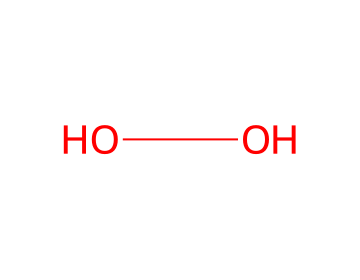
结构与身份
- 标准SMILES
- OO
- InChIKey
- MHAJPDPJQMAIIY-UHFFFAOYSA-N
- 分子式
- H2O2
- 平均分子量
- 34.015 g/mol
- 单同位素质量
- 34.0054793
COMPUTED
结构计算性质
- XLogP
- -0.9
- 极性表面积
- 40.5 Ų
- 氢键供体
- 2
- 氢键受体
- 2
- 可旋转键
- 0
- 重原子
- 2
- 形式电荷
- 0
- 复杂度
- 0
PROPERTIES
实验与物化性质
pH
Weak acid; H2O2 concn wt% = 35, 50, 70, 90; corresponding true pH: 4.6, 4.3, 4.4, 5.1
LogP
-1.36
Odor
... Slightly sharp odor ...
Odorless, or having an odor resembling that of ozone
Taste
Bitter
Slightly acid
Density
1.11 at 68 °F (NTP, 1992) - Denser than water; will sink
1.463 at 32 °F 1.29/1.3 at 68F for concentrations greater than 52% (EPA, 1998) - Denser than water; will sink
1.44 g/cu cm 25 °C
Density, solid: 1.71 g/cc
Contains 2.5-3.5% by wt of H2O2 = 8-12 vols oxygen. Colorless, slightly acid liquid. Density approximately 1.00 /3% solution Hydrogen Peroxide/
Contains 30% by wt of H2O2 = 100 vols oxygen. Colorless, colorless liquid. Density approximately 1.11. Miscible with water /30% solution Hydrogen Peroxide/
Viscosity
1.819 cP at 0 °C; 1.249 cP at 20 °C
Color/Form
Colorless liquid
At low temperatures a crystalline solid /90% solution/
Colorless liquid ... [Note: The pure compound is a crystalline solid below 12 degrees F. Often used in an aqueous solution]
Solubility
greater than or equal to 100 mg/mL at 72 °F (NTP, 1992)
Miscible (NIOSH, 2024)
Soluble in cold water
In water, 1X10+6 mgL at 25 °C
Very soluble in water
Miscible with water
Corrosivity
Corrosive
Boiling Point
302.4 °F at 760 mmHg (NTP, 1992)
306 °F at 760 mmHg ; 258 °F for concentrations greater than 52% (EPA, 1998)
108
150.2 °C
141 °C (90%)
286 °F
Decomposition
Decomposed by many organic solvents.
May decompose violently if traces of impurities are present.
Decomposed into water and oxygen by many organic solvents.
Agitation or contact with rough surfaces, metals or many other substances accelerates decomposition. Rapidly decomposed by alkalies, finely divided metals; the presence of mineral acid renders it more stable.
Decomposition continuously occurs even at a slow rate when the compound is inhibited, and thus it must be stored properly and in vented containers. High-strength hydrogen peroxide is a very high-energy material. When it decomposes to oxygen and water, large amounts of heat are liberated, leading to an increased rate of decomposition, since decomposition is accelerated by increases in temperature. This rate increases about 2.2 times per 10 °C temperature increase between 20 and 100 °C.
Melting Point
31.3 °F (NTP, 1992)
31 to 40 °F for concentrations greater than 52% (EPA, 1998)
-33
-0.43 °C
-0.43 °C
-11 °C (90%), -39 °C (70%)
GHS
GHS分类
GHS Classification
Danger
H271: May cause fire or explosion; strong Oxidizer [Danger Oxidizing liquids; Oxidizing solids];H302: Harmful if swallowed [Warning Acute toxicity, oral];H314: Causes severe skin burns and eye damage [Danger Skin corrosion/irritation];H332: Harmful if inhaled [Warning Acute toxicity, inhalation]
P210, P220, P260, P261, P264, P270, P271, P280, P283, P301+P317, P301+P330+P331, P302+P361+P354, P304+P340, P305+P354+P338, P306+P360, P316, P317, P321, P330, P363, P370+P378, P371+P380+P375, P405, P420, and P501 (click each P-code to see the statement)
This chemical does not meet GHS hazard criteria for 0.1% (2 of 1964) of reports.
HAZARDS
危害信息
Regulatory Information
Chemical: Hydrogen peroxide (H2O2)
Regulation (EC) No 1935/2004 (amended)
Hydrogen peroxide (H2O2) is listed on the EPA's Chemical Data Reporting (CDR) system. Manufacturers and importers of Hydrogen peroxide (H2O2) are required to report information about their production and use of this chemical to the EPA under the Toxic Substances Control Act (TSCA). (40 eCFR Part 711)
2007/442, Reg. (EU) 2017/409
Status: Active Update: 06-10-2022 https://echa.europa.eu/registration-dossier/-/registered-dossier/15701;Status: Active Update: 07-07-2020 https://echa.europa.eu/registration-dossier/-/registered-dossier/23353
Hydrogen peroxide (H2O2): Does not have an individual approval but may be used under an appropriate group standard
Other Safety Information
IMAP assessments - Hydrogen peroxide (H2O2): Environment tier I assessment;IMAP assessments - Hydrogen peroxide (H2O2): Human health tier II assessment
DOT Label
Oxidizer Corrosive
Oxidizer Corrosive
Oxidizer
Oxidizer Corrosive
Fire Hazards
Excerpt from ERG Guide 143 [Oxidizers (Unstable)]:;May explode from friction, heat or contamination. These substances will accelerate burning when involved in a fire. May ignite combustibles (wood, paper, oil, clothing, etc.). Some will react explosively with hydrocarbons (fuels). Containers may explode when heated. Runoff may create fire or explosion hazard. (ERG, 2024)
Excerpt from ERG Guide 140 [Oxidizers]:;CAUTION: Ammonium nitrate products may explode if involved in fire or contaminated with hydrocarbons (fuels), organic matter, other contaminants or when hot molten and contained. Treat as an explosive (ERG Guide 112). These substances will accelerate burning when involved in a fire. Some may decompose explosively when heated or involved in a fire. May explode from heat or contamination. Some will react explosively with hydrocarbons (fuels). May ignite combustibles (wood, paper, oil, clothing, etc.). Containers may explode when heated. Runoff may create fire or explosion hazard. (ERG, 2024)
Spontaneous ignition may occur when contact with combustible materials is made. Oxygen released in decomposition will promote combustion. Fires can be of the flaring type but are not explosive unless confined. Vapor concentration greater than 40 percent by weight can be decomposed explosively at 1 atmosphere pressure. Severe explosion hazard when it is exposed to heat, mechanical impact, detonation of a blasting cap, or caused to decompose catalytically. Decomposition can build up large pressures of oxygen and water which may then burst explosively. Avoid oxidizable materials including iron, copper, brass, bronze, chromium, zinc, lead, manganese, silver, catalytic metals. Avoid mechanical impact, uncovering the container, contact with combustible materials, light, temperatures above 95F, hot wires, catalytic impurities. (EPA, 1998)
CAUTION: Ammonium nitrate products may explode if involved in fire or contaminated with hydrocarbons (fuels), organic matter, other contaminants or when hot molten and contained. Treat as an explosive (GUIDE 112).;· These substances will accelerate burning when involved in a fire.;· Some may decompose explosively when heated or involved in a fire.;· May explode from heat or contamination.;· Some will react explosively with hydrocarbons (fuels).;· May ignite combustibles (wood, paper, oil, clothing, etc.).;· Containers may explode when heated.;· Runoff may create fire or explosion hazard.
· May explode from friction, heat or contamination.;· These substances will accelerate burning when involved in a fire.;· May ignite combustibles (wood, paper, oil, clothing, etc.).;· Some will react explosively with hydrocarbons (fuels).;· Containers may explode when heated.;· Runoff may create fire or explosion hazard.
Fire Potential
A dangerous fire hazard by chemical reaction with flammable materials. Hydrogen peroxide is a powerful oxidizer, particularly in the concentrated state. It is important to keep containers covered because the contents of uncovered containers are much more prone to react with flammable vapors, gases, etc.; and, if uncovered, the water from a hydrogen peroxide solution can evaporate, concentrating the material and thus increasing the fire hazard.
... Solutions of hydrogen peroxide in concentration in excess of 65 wt% heat up spontaneously when decomposed to water + 1/2 oxygen. Thus, 90 wt% soln, when caused to decompose rapidly due to the introduction of a catalytic decomposition agent, can get quite hot and perhaps start fires.
Since the compound is such a strong oxidizer, when spilled on combustible materials it can set fire to them. Detonation can occur if the peroxide is mixed with incompatible (most) organic compounds.
Leakage from drums of 35% hydrogen peroxide onto a wooden pallet caused ignition of the latter when it was moved. Combustion, though limited in area, was fierce and took some time to extinguish. Leakage of 50% peroxide onto supporting pallets under polythene sheeting led to spontaneous ignition and a fierce fire. Contact of 50% peroxide with wood does not usually lead to spontaneous ignition, but hot weather, dry wood and the thermal insulation of the cover may have contributed to ignition.
Health Hazards
Excerpt from ERG Guide 143 [Oxidizers (Unstable)]:;TOXIC; inhalation, ingestion or contact (skin, eyes) with vapors, dusts or substance may cause severe injury, burns or death. Fire may produce irritating and/or toxic gases. Toxic fumes or dust may accumulate in confined areas (basement, tanks, hopper/tank cars, etc.). Runoff from fire control or dilution water may cause environmental contamination. (ERG, 2024)
Excerpt from ERG Guide 140 [Oxidizers]:;Inhalation, ingestion or contact (skin, eyes) with vapors or substance may cause severe injury, burns or death. Fire may produce irritating, corrosive and/or toxic gases. Runoff from fire control or dilution water may cause environmental contamination. (ERG, 2024)
Strong irritant to skin, eyes, and mucous membranes. (EPA, 1998)
· Inhalation, ingestion or contact (skin, eyes) with vapors or substance may cause severe injury, burns or death.;· Fire may produce irritating, corrosive and/or toxic gases.;· Runoff from fire control or dilution water may cause environmental contamination.
· TOXIC; inhalation, ingestion or contact (skin, eyes) with vapors, dusts or substance may cause severe injury, burns or death.;· Fire may produce irritating and/or toxic gases.;· Toxic fumes or dust may accumulate in confined areas (basement, tanks, hopper/tank cars, etc.).;· Runoff from fire control or dilution water may cause environmental contamination.
Hazards Summary
Hydrogen peroxide is a colorless liquid at room temperature with a bitter taste. Small amounts of gaseous hydrogen peroxide occur naturally in the air. Hydrogen peroxide is unstable, decomposing readily to oxygen and water with release of heat. Although nonflammable, it is a powerful oxidizing agent that can cause spontaneous combustion when it comes in contact with organic material. Hydrogen peroxide is found in many households at low concentrations (3-9%) for medicinal applications and as a clothes and hair bleach. In industry, hydrogen peroxide in higher concentrations is used as a bleach for textiles and paper, as a component of rocket fuels, and for producing foam rubber and organic chemicals.
Liquid causes second degree burns after a few minutes of contact; [CHRIS] Hydrogen peroxide 30-70% is corrosive to the skin. [Quick CPC] When used for household disinfectant purposes (3% to 5%), it is mildly irritating to the skin and mucous membranes. At a concentration of 10%, which is found in some hair-bleaching solutions, it is strongly irritating and may be corrosive. [ATSDR Medical Management] Corrosive to the skin and eyes and irritating to the respiratory tract; [ICSC] Hydrogen peroxide solutions 35% and greater could cause pulmonary edema after inhalation; [CHEMINFO]
DOT ID and Guide
2984 140
2015 143
2014 140
2984 140(8-20% solution)
2014 140(20-60% solution)
2015 143(>60% solution)
FDA Requirements
Hydrogen peroxide is an indirect food additive for use only as a component of adhesives.
Substance added directly to human food affirmed as generally recognized as safe (GRAS). In accordance with section184.1(b)(2), the ingredient is used to treat food only within the following specific limitations:[Table#1611]
Hydrogen peroxide used as a bleaching agent in animal drugs, feeds, and related products is generally recognized as safe when used in accordance with good manufacturing or feeding practice.
The Generic Animal Drug and Patent Restoration act requires that each sponsor of an approved animal drug must submit to the FDA certain information regarding patents held for the animal drug or its method of use. The Act requires that this information, as well as a list of all animal drug products approved for safety and effectiveness, be made available to the public. Hydrogen peroxide is included on this list.
Reactive Group
Oxidizing Agents, Strong;Water and Aqueous Solutions
Oxidizing Agents, Strong
UN Classification
UN Hazard Class: 5.1; UN Subsidiary Risks: 8; UN Pack Group: I
Special Reports
USEPA/Office of Pesticide Programs; Reregistration Eligibility Decision Document - Peroxy Compounds (December 1993). The RED summarizes the risk assessment conclusions and outlines any risk reduction measures necessary for the pesticide to continue to be registered in the USA.[Available from, as of October 11, 2017: http://www.epa.gov/pesticides/reregistration/status.htm]
Cantoni O et al; Role of Metal Ions in Oxidant Cell Injury. Biol Trace Elem Res 21): 277-81 (1989). This paper represents a short review of recent data on the molecular mechanism(s) of hydrogen peroxide cytotoxicity.
Ward PA; Mechanisms of Endothelial Cell Killing by H2O2 or Products of Activated Neutrophils. Am J Med 91 (3C): 89S-94S (1991).
SAFETY
安全与防护
Fire Fighting
Excerpt from ERG Guide 143 [Oxidizers (Unstable)]:;SMALL FIRE: Use water. Do not use dry chemicals or foams. CO2 or Halon® may provide limited control.;LARGE FIRE: Flood fire area with water from a distance. Do not move cargo or vehicle if cargo has been exposed to heat. If it can be done safely, move undamaged containers away from the area around the fire. Do not get water inside containers: a violent reaction may occur.;FIRE INVOLVING TANKS, RAIL TANK CARS OR HIGHWAY TANKS: Cool containers with flooding quantities of water until well after fire is out. Dike runoff from fire control for later disposal. ALWAYS stay away from tanks in direct contact with flames. For massive fire, use unmanned master stream devices or monitor nozzles; if this is impossible, withdraw from area and let fire burn. (ERG, 2024)
Excerpt from ERG Guide 140 [Oxidizers]:;SMALL FIRE: Use water. Do not use dry chemicals or foams. CO2 or Halon® may provide limited control.;LARGE FIRE: Flood fire area with water from a distance. Do not move cargo or vehicle if cargo has been exposed to heat. If it can be done safely, move undamaged containers away from the area around the fire.;FIRE INVOLVING TANKS, RAIL TANK CARS OR HIGHWAY TANKS: For ammonium nitrate products: Do not fight cargo fire. Withdraw, evacuate and isolate area for at least 1600 meters (1 mile). Treat as an explosive (ERG Guide 112). Do not enter area for 24 hours or until expert advice has been provided. Fight fire from maximum distance or use unmanned master stream devices or monitor nozzles. Cool containers with flooding quantities of water until well after fire is out. ALWAYS stay away from tanks in direct contact with flames. For massive fire, use unmanned master stream devices or monitor nozzles; if this is impossible, withdraw from area and let fire burn. (ERG, 2024)
Keep unnecessary people away; isolate hazard area and deny entry. Stay upwind; keep out of low areas. Wear self-contained (positive pressure if available) breathing apparatus and full protective clothing. Move container from fire area if you can do it without risk. Cool containers that are exposed to flames with water from the side until well after fire is out. For massive fire in cargo area, use unamnned hose holder or monitor nozzles; if this is impossible, withdraw from area and let fire burn.;Not flammable. Fires should be fought with water since the use of chemical extinguishants may accelerate decomposition. Small fires: water only; no dry chemical or carbon dioxide. Large fires: flood fire area with water. (EPA, 1998)
In case of fire in the surroundings, use appropriate extinguishing media. In case of fire: keep drums, etc., cool by spraying with water.
First Aid Measures
Fresh air, rest. Half-upright position. Refer immediately for medical attention.
First rinse with plenty of water for at least 15 minutes, then remove contaminated clothes and rinse again. Refer immediately for medical attention .
First rinse with plenty of water for several minutes (remove contact lenses if easily possible), then refer for medical attention.
Rinse mouth. Do NOT induce vomiting. Refer immediately for medical attention.
Accidental Release Measures
· CALL 911. Then call emergency response telephone number on shipping paper. If shipping paper not available or no answer, refer to appropriate telephone number listed on the inside back cover.;· Keep unauthorized personnel away.;· Stay upwind, uphill and/or upstream.;· Ventilate closed spaces before entering, but only if properly trained and equipped.
· Keep combustibles (wood, paper, oil, etc.) away from spilled material.;· Do not touch damaged containers or spilled material unless wearing appropriate protective clothing.;· Stop leak if you can do it without risk.;· Do not get water inside containers.;Small Dry Spill;· With clean shovel, place material into clean, dry container and cover loosely; move containers from spill area.;Small Liquid Spill;· Use a non-combustible material like vermiculite or sand to soak up the product and place into a container for later disposal.;Large Spill;· Dike far ahead of liquid spill for later disposal.
· CALL 911. Then call emergency response telephone number on shipping paper. If shipping paper not available or no answer, refer to appropriate telephone number listed on the inside back cover.;· Keep unauthorized personnel away.;· Stay upwind, uphill and/or upstream.;· Ventilate closed spaces before entering, but only if properly trained and equipped.
· Keep combustibles (wood, paper, oil, etc.) away from spilled material.;· Do not touch damaged containers or spilled material unless wearing appropriate protective clothing.;· Use water spray to reduce vapors or divert vapor cloud drift.;· Prevent entry into waterways, sewers, basements or confined areas.;Small Spill;· Flush area with large amounts of water.;Large Spill;· DO NOT CLEAN-UP OR DISPOSE OF, EXCEPT UNDER SUPERVISION OF A SPECIALIST.
· CALL 911. Then call emergency response telephone number on shipping paper. If shipping paper not available or no answer, refer to appropriate telephone number listed on the inside back cover.;· Keep unauthorized personnel away.;· Stay upwind, uphill and/or upstream.;· Ventilate closed spaces before entering, but only if properly trained and equipped.
· Keep combustibles (wood, paper, oil, etc.) away from spilled material.;· Do not touch damaged containers or spilled material unless wearing appropriate protective clothing.;· Stop leak if you can do it without risk.;· Do not get water inside containers.;Small Dry Spill;· With clean shovel, place material into clean, dry container and cover loosely; move containers from spill area.;Small Liquid Spill;· Use a non-combustible material like vermiculite or sand to soak up the product and place into a container for later disposal.;Large Spill;· Dike far ahead of liquid spill for later disposal.
First Aid
Excerpt from ERG Guide 143 [Oxidizers (Unstable)]:;Refer to the "General First Aid" section. Specific First Aid: Contaminated clothing may be a fire risk when dry. (ERG, 2024)
EYES: First check the victim for contact lenses and remove if present. Flush victim's eyes with water or normal saline solution for 20 to 30 minutes while simultaneously calling a hospital or poison control center. Do not put any ointments, oils, or medication in the victim's eyes without specific instructions from a physician. IMMEDIATELY transport the victim after flushing eyes to a hospital even if no symptoms (such as redness or irritation) develop.;SKIN: IMMEDIATELY flood affected skin with water while removing and isolating all contaminated clothing. Gently wash all affected skin areas thoroughly with soap and water. IMMEDIATELY call a hospital or poison control center even if no symptoms (such as redness or irritation) develop. IMMEDIATELY transport the victim to a hospital for treatment after washing the affected areas.;INHALATION: IMMEDIATELY leave the contaminated area; take deep breaths of fresh air. If symptoms (such as wheezing, coughing, shortness of breath, or burning in the mouth, throat, or chest) develop, call a physician and be prepared to transport the victim to a hospital. Provide proper respiratory protection to rescuers entering an unknown atmosphere. Whenever possible, Self-Contained Breathing Apparatus (SCBA) should be used; if not available, use a level of protection greater than or equal to that advised under Protective Clothing.;INGESTION: DO NOT INDUCE VOMITING. Corrosive chemicals will destroy the membranes of the mouth, throat, and esophagus and, in addition, have a high risk of being aspirated into the victim's lungs during vomiting which increases the medical problems. If the victim is conscious and not convulsing, give 1 or 2 glasses of water to dilute the chemical and IMMEDIATELY call a hospital or poison control center. IMMEDIATELY transport the victim to a hospital. If the victim is convulsing or unconscious, do not give anything by mouth, ensure that the victim's airway is open and lay the victim on his/her side with the head lower than the body. DO NOT INDUCE VOMITING. Transport the victim IMMEDIATELY to a hospital. (NTP, 1992)
Excerpt from ERG Guide 140 [Oxidizers]:;Refer to the "General First Aid" section. Specific First Aid: Contaminated clothing may be a fire risk when dry. (ERG, 2024)
Signs and Symptoms of Acute Hydrogen Peroxide Exposure: Signs and symptoms of acute exposure to hydrogen peroxide may be severe and include irritation or burns to the skin, eyes, respiratory tract, mouth, esophagus, stomach, and intestines. Distension or rupture of the stomach and other hollow viscera may occur; vomiting is common. Corneal ulceration may develop.;Emergency Life-Support Procedures: Acute exposure to hydrogen peroxide may require decontamination and life support for the victims. Emergency personnel should wear protective clothing appropriate to the type and degree of contamination. Air-purifying or supplied-air respiratory equipment should also be worn, as necessary. Rescue vehicles should carry supplies such as plastic sheeting and disposable plastic bags to assist in preventing spread of contamination.;Inhalation Exposure:;1. Move victims to fresh air. Emergency personnel should avoid self-exposure to hydrogen peroxide.;2. Evaluate vital signs including pulse and respiratory rate, and note any trauma. If no pulse is detected, provide CPR. If not breathing, provide artificial respiration. If breathing is labored, administer oxygen or other respiratory support.;3. Obtain authorization and/or further instructions from the local hospital for administration of an antidote or performance of other invasive procedures.;4. Transport to a health care facility.;Dermal/Eye Exposure:;1. Remove victims from exposure. Emergency personnel should avoid self- exposure to hydrogen peroxide.;2. Evaluate vital signs including pulse and respiratory rate, and note any trauma. If no pulse is detected, provide CPR. If not breathing, provide artificial respiration. If breathing is labored, administer oxygen or other respiratory support.;3. Remove contaminated clothing as soon as possible.;4. If eye exposure has occurred, eyes must be flushed with lukewarm water for at least 15 minutes.;5. Wash exposed skin areas THOROUGHLY with soap and water.;6. Obtain authorization and/or further instructions from the local hospital for administration of an antidote or performance of other invasive procedures.;7. Transport to a health care facility.;Ingestion Exposure:;1. Evaluate vital signs including pulse and respiratory rate, and note any trauma. If no pulse is detected, provide CPR. If not breathing, provide artificial respiration. If breathing is labored, administer oxygen or other respiratory support.;2. DO NOT induce vomiting or attempt to neutralize!;3. Obtain authorization and/or further instructions from the local hospital for administration of an antidote or performance of other invasive procedures.;4. Activated charcoal is of no value.
General First Aid:;· Call 911 or emergency medical service.;· Ensure that medical personnel are aware of the material(s) involved, take precautions to protect themselves and avoid contamination.;· Move victim to fresh air if it can be done safely.;· Administer oxygen if breathing is difficult.;· If victim is not breathing:;-- DO NOT perform mouth-to-mouth resuscitation; the victim may have ingested or inhaled the substance.;-- If equipped and pulse detected, wash face and mouth, then give artificial respiration using a proper respiratory medical device (bag-valve mask, pocket mask equipped with a one-way valve or other device).;-- If no pulse detected or no respiratory medical device available, provide continuous compressions. Conduct a pulse check every two minutes or monitor for any signs of spontaneous respirations.;· Remove and isolate contaminated clothing and shoes.;· For minor skin contact, avoid spreading material on unaffected skin.;· In case of contact with substance, remove immediately by flushing skin or eyes with running water for at least 20 minutes.;· For severe burns, immediate medical attention is required.;· Effects of exposure (inhalation, ingestion, or skin contact) to substance may be delayed.;· Keep victim calm and warm.;· Keep victim under observation.;· For further assistance, contact your local Poison Control Center.;· Note: Basic Life Support (BLS) and Advanced Life Support (ALS) should be done by trained professionals.;Specific First Aid:;· Contaminated clothing may be a fire risk when dry.
Safe Storage
Store in an area without drain or sewer access. Separated from food and feedstuffs. See Chemical Dangers. Cool. Keep in the dark. Store in vented containers. Store only if stabilized.
Exposure Control and Personal Protection
· Wear positive pressure self-contained breathing apparatus (SCBA).;· Wear chemical protective clothing that is specifically recommended by the manufacturer when there is NO RISK OF FIRE.;· Structural firefighters' protective clothing provides thermal protection but only limited chemical protection.
0.5 [ppm]
Fire Fighting Procedures
Suitable extinguishing media: Use water spray, alcohol-resistant foam, dry chemical or carbon dioxide. /Hydrogen peroxide solution (>/= 30% to <50%)/
Advice for firefighters: Wear self-contained breathing apparatus for firefighting if necessary. /Hydrogen peroxide solution (>/= 30% to <50%)/
If material involved in fire: Use water in flooding quantities as fog. Cool all affected containers with flooding quantities of water. Apply water from as far a distance as possible. /Hydrogen peroxide, aqueous solutions/
Evacuation: If fire becomes uncontrollable - consider evacuation of one-half (1/2) mile radius. /Hydrogen peroxide, aqueous solutions/
Storage Conditions
Keep container tightly closed in a dry and well-ventilated place. Containers which are opened must be carefully resealed and kept upright to prevent leakage. Recommended storage temperature 2 - 8 °C. /Hydrogen peroxide solution (>/= 30% to <50%)/
Store in original closed container. Be sure that the container vent is working properly. Do not add any other compound to the container. When empty, flush container thoroughly with clean water.
Keep protected from light and in a cool place.
Hydrogen peroxide topical solution should be stored in tight, light-resistant containers at 15-30 °C. To ensure greater stability, the inside surfaces of containers should be as free as possible from rough points since these promote decomposition.
Cleanup Methods
ACCIDENTAL RELEASE MEASURES: Personal precautions, protective equipment and emergency procedures: Use personal protective equipment. Avoid breathing vapors, mist or gas. Ensure adequate ventilation. Evacuate personnel to safe areas. Environmental precautions: Prevent further leakage or spillage if safe to do so. Do not let product enter drains. Discharge into the environment must be avoided. Methods and materials for containment and cleaning up: Soak up with inert absorbent material and dispose of as hazardous waste. Keep in suitable, closed containers for disposal. /Hydrogen peroxide solution (>/= 30% to <50%)/
Environmental considerations - land spill: Dig a pit, pond, lagoon, holding area to contain liquid or solid material. Dike surface flow using soil, sand bags, foamed polyurethane, or foamed concrete. Dilute slowly with water. Absorb bulk liquid with fly ash or cement powder. /Hydrogen peroxide, aqueous solutions/
/LABORATORY QUANTITIES/ Wear face shield and goggles, laboratory coat, and butyl rubber gloves. Cover spill with a 1:1:1 mixture by weight of sodium carbonate or calcium carbonate, clay cat litter (bentonite), and sand. Dampen with water. Using a soft plastic scoop, transfer the mix into a container. Transport to the fume hood. Slowly add to a pail of cold water. Gradually add to an excess of aqueous sodium metabisulfite solution. Decant the liquid to the drain. Treat the solid as normal refuse.
Nonfire Spill Response
Excerpt from ERG Guide 143 [Oxidizers (Unstable)]:;Keep combustibles (wood, paper, oil, etc.) away from spilled material. Do not touch damaged containers or spilled material unless wearing appropriate protective clothing. Use water spray to reduce vapors or divert vapor cloud drift. Prevent entry into waterways, sewers, basements or confined areas.;SMALL SPILL: Flush area with large amounts of water.;LARGE SPILL: DO NOT CLEAN-UP OR DISPOSE OF, EXCEPT UNDER SUPERVISION OF A SPECIALIST. (ERG, 2024)
Excerpt from ERG Guide 140 [Oxidizers]:;Keep combustibles (wood, paper, oil, etc.) away from spilled material. Do not touch damaged containers or spilled material unless wearing appropriate protective clothing. Stop leak if you can do it without risk. Do not get water inside containers.;SMALL DRY SPILL: With clean shovel, place material into clean, dry container and cover loosely; move containers from spill area.;SMALL LIQUID SPILL: Use a non-combustible material like vermiculite or sand to soak up the product and place into a container for later disposal.;LARGE SPILL: Dike far ahead of liquid spill for later disposal. (ERG, 2024)
Caution : Explosion potential is high. Hydrogen peroxide may ignite combustable materials.;Keep unnecessary people away; isolate hazard area and deny entry. Stay upwind; keep out of low areas. Keep combustibles (wood, paper, oil, etc.) away from spilled material. Do not touch spilled material; stop leak if you can do it without risk. Use water spray to reduce vapors; do not get water inside container.;Small dry spills: with clean shovel place material into clean, dry container and cover; move containers from spill area.;Small spills: flush area with flooding amounts of water.;Large spills: dike far ahead of spill for later disposal. (EPA, 1998)
Disposal Methods
SRP: Recycle any unused portion of the material for its approved use or return it to the manufacturer or supplier. Ultimate disposal of the chemical must consider: the material's impact on air quality; potential migration in air, soil or water; effects on animal, aquatic and plant life; and conformance with environmental and public health regulations. If it is possible or reasonable use an alternative chemical product with less inherent propensity for occupational harm/injury/toxicity or environmental contamination.
Product: Contact a licensed professional waste disposal service to dispose of this material. Dissolve or mix the material with a combustible solvent and burn in a chemical incinerator equipped with an afterburner and scrubber. Offer surplus and non-recyclable solutions to a licensed disposal company; Contaminated packaging: Dispose of as unused product. /Hydrogen peroxide solution (>/= 30% to <50%)/
Wear butyl rubber gloves, eye protection, and laboratory coat. A body shield should be available. In the fume hood, prepare a dilute solution (5%) of peroxide by cautiously adding to a large volume of water. Gradually, while stirring, add to a 50% excess of aqueous sodium metabisulfite in a round-bottom flask equipped with a thermometer. An increase in temperature indicates that reaction is taking place. Acidify the reaction if it does not proceed spontaneously. Neutralize the reaction mixture and wash it into the drain.
Dilute and drain with abundant water. Recommended method: Discharge to sewer. Recommendable method: Discharge to sewer. Not recommendable methods: Evaporation & oxidation. Peer-review: Extreme caution - potentially explosive. Strong oxidizing agent. Handle in new glass or polished clean aluminum. Avoid inhalation. Highly unstable material. (Peer-review conclusions of an IRPTC expert consultation (May 1985))
SRP: Wastewater from contaminant suppression, cleaning of protective clothing/equipment, or contaminated sites should be contained and evaluated for subject chemical or decomposition product concentrations. Concentrations shall be lower than applicable environmental discharge or disposal criteria. Alternatively, pretreatment and/or discharge to a permitted wastewater treatment facility is acceptable only after review by the governing authority and assurance that "pass through" violations will not occur. Due consideration shall be given to remediation worker exposure (inhalation, dermal and ingestion) as well as fate during treatment, transfer and disposal. If it is not practicable to manage the chemical in this fashion, it must be evaluated in accordance with EPA 40 CFR Part 261, specifically Subpart B, in order to determine the appropriate local, state and federal requirements for disposal.
Spillage Disposal
Consult an expert! Personal protection: chemical protection suit including self-contained breathing apparatus. Ventilation. Do NOT let this chemical enter the environment. Absorb liquid in sand or inert absorbent. Do NOT absorb in saw-dust or other combustible absorbents. Carefully collect remainder. Store and dispose of according to local regulations.
TOXICITY
毒理信息
Interactions
To explore the cardiac effects of iron with or without hydrogen peroxide, the isolated perfused rat heart and enzymatically isolated ventricular cardiomyocyte were used. It was shown that treatment with cell-permeable iron (Fe-HQ) for 10 min reduced the contractile amplitude and velocity and end diastolic cell length in the cardiomyocyte and increased the contents of lactate dehydrogenase (LDH) and creatine kinase (CK) in the coronary effluent and malondialdehyde (MDA) in the myocardium. The left ventricular developed pressure (LVDP), +/-dP/dtmax, and heart rate and coronary flow showed a biphasic phase, an increase at first followed by a decline. Treatment with hydrogen peroxide for 10 min following Fe-HQ augmented the effect of iron with an increase in coronary LDH and CK release and myocardial MDA content, and decrease in LVDP, +/-dP/dtmax and heart rate. Perfusion of reduced glutathione with hydrogen peroxide counteracted these effects of Fe-HQ and hydrogen peroxide while dimethyl sulfoxide had no effect on the injury induced by Fe-HQ and hydrogen peroxide in the isolated rat heart. This suggests that augmentation of myocardial injury as a result of an increase in intracellular iron by hydrogen peroxide might involve the dysfunction of sulfydryl group containing proteins but not the hydroxyl radicals.
It has been shown that the mucolytic agent erdosteine (N-carboxymethylthio-acetyl-homocysteine thiolactone) has anti-inflammatory and anti-oxidant properties, and an active metabolite I (MET I) containing pharmacologically active sulphydryl group has been found to have a free radical scavenging activity. The aim of this study was to assess the ability of erdosteine metabolite I to protect A549 human lung adenocarcinoma cell against hydrogen peroxide (H2O2)-mediated oxidative stress and oxidative DNA damage. When A549 cells were pre-treated with the active metabolite I (2.5-5-10 ug/mL) for 10-30 min and then exposed to H2O2 (1-4 mM) for two additional hours at 37 degrees C, 5% at CO2, the intracellular peroxide production, reflected by dichlorofluorescein (DCF) fluorescence, decreased in a concentration-dependent manner. Furthermore, using a comet assay as an indicator for oxidative DNA damage, it was found that the metabolite I prevented damage to cells exposed to short-term H2O2 treatment. The data suggest that this compound is effective in preventing H2O2-induced oxidative stress and DNA damage in A549 cells. The underlying mechanisms involve the scavenging of intracellular reactive oxygen species (ROS).
Oxidative stress reduces cell viability and contributes to disease processes. Flavonoids including anthocyanins and proanthocyanidins reportedly induce intracellular antioxidant defense systems. Thus, in this study, we examined the antioxidant effects of a commercial extract from black soybean seed coats (BE), which are rich in anthocyanin and proanthocyanidin, and investigated the associated intracellular mechanisms in HepG2 cells. HepG2 cells treated with hydrogen peroxide (HPO) showed 60% viability, whereas pretreatment with BE-containing media for 2 hr ameliorated HPO-mediated cell death by up to 90%. Pretreatment with BE for 2 hr partially blocked HPO-mediated activation of extracellular-signal-regulated kinase (ERK) in HepG2 cells, and that for 1 hr led to a 20% increase in intracellular total protein phosphatase (PP) activity, which is known to deactivate protein kinases. These results indicate that BE prevents HPO-mediated cell damage by inhibiting ERK signaling, potentially via PPs.
Hydrogen peroxide (HP) or cyanide (CN) are bacteriostatic at low-millimolar concentrations for growing Escherichia coli, whereas CN+HP mixture is strongly bactericidal. We show that this synergistic toxicity is associated with ... chromosomal fragmentation. Since CN alone does not kill at any concentration, while HP alone kills at 20 mM, CN must potentiate HP poisoning. The CN+HP killing is blocked by iron chelators, suggesting Fenton's reaction. Indeed, we show that CN enhances plasmid DNA relaxation due to Fenton's reaction in vitro. However, mutants with elevated iron or HP pools are not acutely sensitive to HP-alone treatment, suggesting that, in addition, in vivo CN recruits iron from intracellular depots. We found that part of the CN-recruited iron pool is managed by ferritin and Dps: ferritin releases iron on cue from CN, while Dps sequesters it, quelling Fenton's reaction. We propose that disrupting intracellular iron trafficking is a common strategy employed by the immune system to kill microbes.
For more Interactions (Complete) data for Hydrogen peroxide (9 total), please visit the HSDB record page.
Target Organs
Eyes, skin, respiratory system
Ecotoxicity Values
LD50; Species: Anas platyrhynchos (Mallard Duck) age 16 wk; oral via capsule 1049 mg/kg (95% confidence interval: 830-1332 mg/kg) /35% purity/
LC50; Species: Anas platyrhynchos (Mallard Duck) age 5 days; dietary >5000 ppm for 8 days /35% purity/
LC50; Species: Colinus virginianus (Northern Bobwhite Quail) age 11 days; dietary >5000 ppm for 8 days /35% purity/
Environmental Fate
TERRESTRIAL FATE: Hydrogen peroxide is unstable and breaks down rapidly to oxygen and water(1). Therefore, adsorption to soil, volatilization and biodegradation are not important environmental fate processes in soil(SRC).
AQUATIC FATE: Hydrogen peroxide is unstable and breaks down rapidly to oxygen and water(1). Therefore, adsorption to suspended solids and sediment, volatilization, biodegradation and bioconcentration are not important environmental fate processes in water(SRC).
ATMOSPHERIC FATE: Hydrogen peroxide is unstable and breaks down rapidly to oxygen and water. It is expected to be broken down by sunlight(1).
Adverse Effects
Dermatotoxin - Skin burns.;Toxic Pneumonitis - Inflammation of the lungs induced by inhalation of metal fumes or toxic gases and vapors.;ACGIH Carcinogen - Confirmed Animal.
Exposure Routes
The substance can be absorbed into the body by inhalation of its vapour, by ingestion and through the skin.
inhalation, ingestion, skin and/or eye contact
Toxicity Summary
Safe in the present practices of use and concentration. Ingredient, concentration, and use information are available in documents discoverable at https://cir-reports.cir-safety.org
IDENTIFICATION AND USE: Hydrogen peroxide is a colorless liquid. It is an oxidizing agent which, in the presence of organic matter or if permitted to become alkaline, vigorously decomposes to oxygen and water. Hydrogen peroxide is used as a 6% solution for bleaching hair, and some disinfectant solutions for contact lenses contain a 3% hydrogen peroxide. Chlorine-free bleaches contain 6% hydrogen peroxide. Some newer fabric stain removers and bleaches contain 5% to 15% hydrogen peroxide. Industrial strengths of hydrogen peroxide are manufactured up to 90%. They are used mainly as bleaching and oxidizing agents. Solutions of 90% are used as rocket fuel. HUMAN STUDIES: The dissociation of hydrogen peroxide is a violent and exothermic reaction. Ingestion results in gastrointestinal irritation, the severity of which depends on the concentration of the solution. There is also a risk for a gas embolism. A number of deaths have been reported in the literature. In most cases the exposures were to concentrated solutions of 30% to 40%. Other reactions include vomiting (the vomitus may be frothy due to the liberation of oxygen), hematemesis, burning of the throat, and gastric distension due to the release of oxygen. Lethargy, coma, convulsions, shock and respiratory arrest have also been reported. Gastrointestinal bleeding and burns to the stomach and duodenum may occur. In severe cases ischemic ECG changes and EMD (electromechanical dissociation) may be observed because of embolization of the heart restricting blood flow. Hydrogen peroxide is an irritant to the skin with paraesthesia, blistering and whitening; solutions >10% may cause burns. Hydrogen peroxide is irritating to the eyes with a burning sensation, conjunctival hyperemia, lacrimation, and severe pain which resolves within a few hours. There are rare cases of temporary corneal injury resulting from the application of 3% solution to the eye on contact lenses including punctuate staining of the cornea, decreased visio
Signs and Symptoms
Sore throat. Cough. Dizziness. Headache. Nausea. Shortness of breath.
MAY BE ABSORBED! Skin discoloration. Swelling. Redness. Pain. Skin burns.
Redness. Pain. Blurred vision. Corneal damage. Burns.
Aspiration hazard! Sore throat. Abdominal pain. Abdominal distension. Shock or collapse.
irritation eyes, nose, throat; corneal ulcer; erythema (skin redness), vesiculation skin; bleaching hair
ICSC Environmental Data
The substance is toxic to aquatic organisms.
Natural Pollution Sources
Gaseous hydrogen peroxide is a key component and product of the earth's lower atmospheric photochemical reactions, in both clean and polluted atmospheres. Atmospheric hydrogen peroxide is believed to be generated exclusively by gas-phase photochemical reactions. It has been found in rain and surface water, in human and plant tissues, in foods and beverages and in bacteria(1). Hydrogen peroxide occurs in cloud water with higher values generally occurring in the vicinity of lightning activity(2).
Atmospheric Concentrations
Measurements of hydrogen peroxide concentrations in the gas-phase and in cloud water were obtained in the vicinity of the USA Carolinas coast between late Jan and early Mar 1986. Gas phase concentrations, determined by a fluorometric method, were always less than 2.4 ppb and generally less than 1 ppb. Vertical profiles of hydrogen peroxide in the clear air around clouds and storm systems were highly variable. Concentrations of hydrogen peroxide in cloud water ranged from the detection limit of 0.3 uM to 112 uM, with higher values generally occurring in the vicinity of lightning activity. Hydrogen peroxide concentrations in cloud water were well below those calculated to be in Henry's law equilibrium with gas-phase concentrations of hydrogen peroxide in the cloudy air.
Human Toxicity Excerpts
/SIGNS AND SYMPTOMS/ Potential symptoms of overexposure are irritation of eyes, nose and throat; corneal ulceration; erythema, vesicles on skin; bleaching of hair.
/SIGNS AND SYMPTOMS/ Pure hydrogen peroxide, its solutions, vapors, and mists are very irritating to body tissue. This irritation can vary from mild to severe depending upon the concentration of hydrogen peroxide. For instance, solutions of hydrogen peroxide of 35 wt% and over can easily cause blistering of the skin. ... The eyes are particularly sensitive to this material.
/SIGNS AND SYMPTOMS/ Large doses presumably produce gastritis and esophagitis. Cases of rupture of the colon, proctitis and ulcerative colitis have been reported following hydrogen peroxide enemas.
/SIGNS AND SYMPTOMS/ Workers exposed to vapors from 90% hydrogen peroxide have noted primarily respiratory irritation, but splash of such high concentration is generally feared as a potential cause of severe corneal damage.
For more Human Toxicity Excerpts (Complete) data for Hydrogen peroxide (33 total), please visit the HSDB record page.
REGULATORY
法规信息
Regulatory Information
Chemical: Hydrogen peroxide (H2O2)
Regulation (EC) No 1935/2004 (amended)
Hydrogen peroxide (H2O2) is listed on the EPA's Chemical Data Reporting (CDR) system. Manufacturers and importers of Hydrogen peroxide (H2O2) are required to report information about their production and use of this chemical to the EPA under the Toxic Substances Control Act (TSCA). (40 eCFR Part 711)
2007/442, Reg. (EU) 2017/409
Status: Active Update: 06-10-2022 https://echa.europa.eu/registration-dossier/-/registered-dossier/15701;Status: Active Update: 07-07-2020 https://echa.europa.eu/registration-dossier/-/registered-dossier/23353
Hydrogen peroxide (H2O2): Does not have an individual approval but may be used under an appropriate group standard
FDA Requirements
Hydrogen peroxide is an indirect food additive for use only as a component of adhesives.
Substance added directly to human food affirmed as generally recognized as safe (GRAS). In accordance with section184.1(b)(2), the ingredient is used to treat food only within the following specific limitations:[Table#1611]
Hydrogen peroxide used as a bleaching agent in animal drugs, feeds, and related products is generally recognized as safe when used in accordance with good manufacturing or feeding practice.
The Generic Animal Drug and Patent Restoration act requires that each sponsor of an approved animal drug must submit to the FDA certain information regarding patents held for the animal drug or its method of use. The Act requires that this information, as well as a list of all animal drug products approved for safety and effectiveness, be made available to the public. Hydrogen peroxide is included on this list.
FIFRA Requirements
An exemption from the requirement of a tolerance is established for residues of hydrogen peroxide in or on all food commodities at the rate of </= 1% hydrogen peroxide per application on growing and postharvest crops.
Residues of the following chemical substances are exempted from the requirement of a tolerance when used in accordance with good manufacturing practice as ingredients in an antimicrobial pesticide formulation, provided that the substance is applied on a semi-permanent or permanent food-contact surface (other than being applied on food packaging) with adequate draining before contact with food. (a) The following chemical substances when used as ingredients in an antimicrobial pesticide formulation may be applied to: Food-contact surfaces in public eating places, dairy-processing equipment, and food-processing equipment and utensils. Hydrogen peroxide is included on this list. Limit: When ready for use, the end-use concentration is not to exceed 91 ppm.
Residues of the following chemical substances are exempted from the requirement of a tolerance when used in accordance with good manufacturing practice as ingredients in an antimicrobial pesticide formulation, provided that the substance is applied on a semi-permanent or permanent food-contact surface (other than being applied on food packaging) with adequate draining before contact with food. ... (b) The following chemical substances when used as ingredients in an antimicrobial pesticide formulation may be applied to: Dairy processing equipment, and food-processing equipment and utensils. Hydrogen peroxide is included on this list. Limit: When ready for use, the end-use concentration is not to exceed 465 ppm.
Residues of the following chemical substances are exempted from the requirement of a tolerance when used in accordance with good manufacturing practice as ingredients in an antimicrobial pesticide formulation, provided that the substance is applied on a semi-permanent or permanent food-contact surface (other than being applied on food packaging) with adequate draining before contact with food. ... (c) The following chemical substances when used as ingredients in an antimicrobial pesticide formulation may be applied to: Food-processing equipment and utensils. Hydrogen peroxide is included on this list. Limit: When ready for use, the end-use concentration is not to exceed 1100 ppm.
For more FIFRA Requirements (Complete) data for Hydrogen peroxide (6 total), please visit the HSDB record page.
CERCLA Reportable Quantities
Releases of CERCLA hazardous substances are subject to the release reporting requirement of CERCLA section 103, codified at 40 CFR part 302, in addition to the requirements of 40 CFR part 355. Hydrogen peroxide (Conc >52%) is an extremely hazardous substance (EHS) subject to reporting requirements when stored in amounts in excess of its threshold planning quantity (TPQ) of 1,000 lbs.
DHS Chemicals of Interest (COI)
Hydrogen peroxide(concentration of at least35%)
35
400
Explosive/Improvised Explosive Device Precursor material that, if stolen or diverted, can be converted into weapons using simple chemistry, equipment, or techniques.
PHARMACOLOGY
药理信息
ATC Code
D - Dermatologicals;D08 - Antiseptics and disinfectants;D08A - Antiseptics and disinfectants;D08AX - Other antiseptics and disinfectants;D08AX01 - Hydrogen peroxide
S - Sensory organs;S02 - Otologicals;S02A - Antiinfectives;S02AA - Antiinfectives;S02AA06 - Hydrogen peroxide
D - Dermatologicals;D11 - Other dermatological preparations;D11A - Other dermatological preparations;D11AX - Other dermatologicals;D11AX25 - Hydrogen peroxide
A - Alimentary tract and metabolism;A01 - Stomatological preparations;A01A - Stomatological preparations;A01AB - Antiinfectives and antiseptics for local oral treatment;A01AB02 - Hydrogen peroxide
QD - Dermatologicals;QD08 - Antiseptics and disinfectants;QD08A - Antiseptics and disinfectants;QD08AX - Other antiseptics and disinfectants;QD08AX01 - Hydrogen peroxide
QA - Alimentary tract and metabolism;QA01 - Stomatological preparations;QA01A - Stomatological preparations;QA01AB - Antiinfectives and antiseptics for local oral treatment;QA01AB02 - Hydrogen peroxide
Pharmacodynamics
Hydrogen peroxide exhibits antimicrobial properties against most forms of microorganisms, including dormant forms with known high resistance profiles, such as bacterial spores and protozoal cysts. It acts as an oxidative biocide to generate free radical species to induce DNA, protein and membrane lipid damage via oxidation.
Mechanism of Action
The production of free hydroxyl radicals in the Fenton reaction is thought to be the basis of biocidal actions of hydrogen peroxide. Free radicals eventually lead to oxidative damage proteins and membrane lipids _in vivo_. The oxidizing radical as the ferryl radical induces DNA oxidation.
Hydrogen peroxide topical solution is a weak antibacterial agent, a wound cleanser, and a deodorant. The pharmacologic activity of the drug depends on the release of nascent oxygen which has a powerful oxidizing effect that destroys some microorganisms and chemically alters many organic substances. When hydrogen peroxide topical solution comes in contact with tissues that contain the enzyme catalase, the solution releases oxygen which exerts antibacterial action; the mechanical effect of effervescence loosens tissue debris and pus. The release of nascent oxygen and effervescence is more rapid on wounds, denuded areas, and mucous membranes than on unbroken skin. The presence of reactive organic material such as pus and blood diminishes the efficiency of hydrogen peroxide. The antibacterial activity of hydrogen peroxide is relatively weak and slow and the drug exhibits poor tissue and wound penetration. Hydrogen peroxide's mechanical effect of effervescence and resultant removal of tissue debris is probably a more effective means of reducing the bacterial content of wounds, denuded areas, and mucous membranes than actual antibacterial activity. The drug also appears to have a styptic effect when applied topically to minor wounds. Concentrated solutions of hydrogen peroxide have a bleaching effect on hair and may injure tissue.
Increases in the levels of reactive oxygen species (ROS) are correlated with a decrease in calcineurin (CN) activity under oxidative or neuropathological conditions. However, the molecular mechanism underlying this ROS-mediated CN inactivation remains unclear. Here, we describe a mechanism for the inactivation of CN by hydrogen peroxide. The treatment of mouse primary cortical neuron cells with Abeta(1-42) peptide and hydrogen peroxide triggered the proteolytic cleavage of CN and decreased its enzymatic activity. In addition, hydrogen peroxide was found to cleave CN in different types of cells. Calcium influx was not involved in CN inactivation during hydrogen peroxide-mediated cleavage, but CN cleavage was partially blocked by chloroquine, indicating that an unidentified lysosomal protease is probably involved in its hydrogen peroxide-mediated cleavage. Treatment with hydrogen peroxide triggered CN cleavage at a specific sequence within its catalytic domain, and the cleaved form of CN had no enzymatic ability to dephosphorylate nuclear factor in activated T cells. Thus, our findings suggest a molecular mechanism by which hydrogen peroxide inactivates CN by proteolysis in ROS-related diseases.
Matrix metalloproteinase-2 (MMP-2) is well known to proteolyse both extracellular and intracellular proteins. Reactive oxygen species activate MMP-2 at both transcriptional and post-translational levels, thus MMP-2 activation is considered an early event in oxidative stress injury. Although hydrogen peroxide is widely used to trigger oxidative stress-induced cell death, the type of cell death (apoptosis vs. necrosis) in cardiomyocytes is still controversial depending on the concentration used and the exposure time. We ... investigated the mode of cell death in neonatal rat cardiomyocytes induced by different concentrations (50-500 uM) of hydrogen peroxide at various time intervals after exposure and determined whether MMP-2 is implicated in hydrogen peroxide-induced cardiomyocyte death. Treating cardiomyocytes with hydrogen peroxide led to elevated MMP-2 level/activity with maximal effects seen at 200 uM. Hydrogen peroxide caused necrotic cell death by disrupting the plasmalemma as evidenced by the release of lactate dehydrogenase in a concentration- and time-dependent manner as well as the necrotic cleavage of PARP-1. The absence of both caspase-3 cleavage/activation and apoptotic cleavage of PARP-1 illustrated the weak contribution of apoptosis. Pre-treatment with selective MMP inhibitors did not protect against hydrogen peroxide-induced necrosis. In conclusion hydrogen peroxide increases MMP-2 level/activity in cardiomyocytes and induces necrotic cell death, however, the later effect is MMP-2 independent.
Metabolism/Metabolites
Hydrogen peroxide is reduced by glutathione peroxidase, which is an endogenous enzyme in human tissue. It is rapidly decomposed to oxygen and water when in contact with catalase, an enzyme found in blood and most tissues.
MeSH Pharmacological Classification
Substances used on humans and other animals that destroy harmful microorganisms or inhibit their activity. They are distinguished from DISINFECTANTS, which are used on inanimate objects.
Electron-accepting molecules in chemical reactions in which electrons are transferred from one molecule to another (OXIDATION-REDUCTION).
Absorption, Distribution and Excretion
It is reported that hydrogen peroxide is decomposed before absorption in the intestine. Solutions of hydrogen peroxide displays poor penetration when applied to tissue.
Target organs affected by hydrogen peroxide include the lungs, intestine, thymus, liver, and kidney.
This in vivo study determined the kinetics of 3% hydrogen peroxide in a bleaching gel within the first hour. The material used in this study was 3% hydrogen peroxide gel and the study involved 10 subjects who met the inclusion and exclusion criteria. Each subject wore the tray with gel six different times on separate days. Evaluation of the remaining amount of hydrogen peroxide was calculated by the method stated in US Pharmacopoeia. The study results indicate that the mean percentage of hydrogen peroxide recovered for 5, 10, 20, 30, 45 and 60 minutes was 61, 56, 49, 44, 38 and 32, respectively. The amount of hydrogen peroxide in the saliva sample after one hour was 0.42 mg. Excluding the first 10 minutes, the kinetics of hydrogen peroxide in the tray and teeth sample was exponential.
Metabolite Pathways
2-aminoadipic 2-oxoadipic aciduria;2-Methyl-3-Hydroxybutryl CoA Dehydrogenase Deficiency;3-Hydroxy-3-Methylglutaryl-CoA Lyase Deficiency;3-hydroxyisobutyric acid dehydrogenase deficiency;3-hydroxyisobutyric aciduria;3-Methylcrotonyl Coa Carboxylase Deficiency Type I;3-Methylglutaconic Aciduria Type I;3-Methylglutaconic Aciduria Type III;3-Methylglutaconic Aciduria Type IV;3-Phosphoglycerate dehydrogenase deficiency;Total 130 pathways, visit the HMDB page for details
USES
用途与制造
Uses
CIR ingredient: Hydrogen Peroxide
Used for the bleaching, disinfecting, and producing other chemicals; H2O2 is used in the textile, wood pulp, food, hairdressing, fur, and water treatment industries; [ACGIH] Used in photography (hypo eliminator); [www.ci.tucson.az.us/arthazards/medium.html] Used in the deliming and dyeing stages of leather production; [PMID 21938525]
Semiconductor Manufacturing [Category: Industry];Pulp and Paper Processing [Category: Industry];Textiles (Fiber & Fabric Manufacturing) [Category: Industry];Using Disinfectants or Biocides [Category: Clean];Sewer and Wastewater Treatment [Category: Industry];Leather Tanning and Processing [Category: Industry];Photographic Processing [Category: Other];Fur Dressing and Dyeing [Category: Industry]
Applying metallic patinas [Category: Hobbies]
Anti-Infective Agents, Local; Oxidants
For hydrogen peroxide (USEPA/OPP PC Code: 000595) active products with label matches. /SRP: Registered for use in the U.S. but approved pesticide uses may change periodically and so federal, state and local authorities must be consulted for currently approved uses./
U.S. Exports
(1984) 2.32X10+10 g
1996: 60 million lbs (includes U.S. and Canada)
U.S. Imports
(1972) 3.84X10+9 GRAMS
(1984) 1.74X10⁹+10 g
1996: 174 million lbs (includes U.S. and Canada)
U.S. Production
2023: 1,000,000,000 - <2,500,000,000 lb;2022: 1,000,000,000 - <2,500,000,000 lb;2021: 1,000,000,000 - <2,500,000,000 lb;2020: 1,000,000,000 - <2,500,000,000 lb
(1972) 6.83X10+10 GRAMS
(1984) 1.26X10+11 g
Fort Howard Corp.: 3X10+3 tons/year
3.58X10+3 tons/yr (estimated US capacity)
For more U.S. Production (Complete) data for Hydrogen peroxide (8 total), please visit the HSDB record page.
Consumption Patterns
30% IN TEXTILES; 28% IN PLASTICIZERS & OTHER CHEMS; 9% FOR GLYCERIN; 8% FOR PULP & PAPER; 4% IN WASTEWATER TREATMENT; 21% IN MISC APPLICATIONS (1974).
Pulp and paper, 25%; Chemical synthesis, 25%; Environmental, 20%; Textile, 10%; Mining and Uranium, 5%; Miscellaneous, 15% (1984).
CHEMICAL PROFILE: Hydrogen Peroxide. Chemical synthesis, 24%; pulp and paper, 23%; environmental uses (includes municipal and industrial water treatment and geothermal steam treatment), 18%; textiles, 14%; mining, 3%; electronics, 3%; miscellaneous (including food and cosmetic uses and the distribution market, 15%.
CHEMICAL PROFILE: Hydrogen peroxide. Demand: 1985: 300 million lb; 1986: 320 million lb; 1990 /projected/: 410 million lb. (Canada and US)
For more Consumption Patterns (Complete) data for Hydrogen peroxide (8 total), please visit the HSDB record page.
Consumer Uses
Cleaning agent;Not Known or Reasonably Ascertainable;Etching agent;Intermediate;Oxidizing agent;Laboratory chemicals;Bleaching agent
Industry Uses
Oxidizing/reducing agents;Cleaning agent;Not Known or Reasonably Ascertainable;Intermediate;Oxidizing agent;Laboratory chemicals;CBI;Other;Processing aids not otherwise specified;Semiconductor and photovoltaic agent;Bleaching agents;Abrasives;Plating agent;Bleaching agent
Methods of Manufacturing
In the AO /Antraquinone/ process, 2-alkyl-9,10-anthraquinones react with hydrogen in the presence of a catalyst to form the corresponding hydroquinones. After the catalyst is removed (otherwise, the hydrogen peroxide would decompose), the hydroquinones are oxidized to quinones with oxygen (usually air) with simultaneous quantitative formation of hydrogen peroxide. Hydrogen peroxide is extracted with water, and the quinones are returned to the hydrogenator to complete the loop. The AO process, therefore, leads to the net formation of hydrogen peroxide from gaseous hydrogen and oxygen.
Prepared by treating barium peroxide with acid.
Production of anhydrous hydrogen peroxide by continuous fractional crystallization: Crewson, Ryan, United States of America patent 2724640 (1955 to Becco).
(1) Autoxidation of an alkyl anthrahydroquinone such as the 2-ethyl derivative in a cyclic continuous process in which the quinone formed in the oxidation step is reduced to the starting material by hydrogen in the presence of a supported palladium catalyst; (2) by electrolytic processes in which aqueous sulfuric acid or acidic ammonium bisulfate is converted electrolytically to the peroxydisulfate, which is then hydrolyzed to form hydrogen peroxide; by autoxidation of isopropyl alcohol. Method (1) is the most widely used.
For more Methods of Manufacturing (Complete) data for Hydrogen peroxide (7 total), please visit the HSDB record page.
Formulations/Preparations
The National Pesticide Information Retrieval System (NPIRS) identifies 70 companies with active labels for products containing the chemical hydrogen peroxide. To view the complete list of companies, product names and percent hydrogen peroxide in formulated products click the following url and enter the CAS Registry number in the Active Ingredient field.
Valsterane Aseptic 35 Bio (Arkema Inc.): Active ingredient: hydrogen peroxide 35.00%.
Edelweiss TBC II (Reckitt Benckiser LLC): Active ingredient: hydrogen peroxide 1.2%.
Spor-Klenz Concentrate (Steris Corporation): Active ingredient: hydrogen peroxide 22.0%; ethaneperoxoic acid 4.5%.
For more Formulations/Preparations (Complete) data for Hydrogen peroxide (29 total), please visit the HSDB record page.
Household Products
Information on 704 consumer products that contain Hydrogen peroxide in the following categories is provided:;• Auto Products;• Commercial / Institutional;• Home Maintenance;• Inside the Home;• Landscaping/Yard;• Personal Care;• Pet Care
Use Classification
EPA Safer Chemical Functional Use Classes -> Antimicrobial Actives;Oxidants and Oxidant Stabilizers
Safer Chemical Classes -> Green circle - The chemical has been verified to be of low concern
Animal Drugs -> FDA Approved Animal Drug Products (Green Book) -> Active Ingredients
Food Additives -> PRESERVATIVE -> JECFA Functional Classes
Cosmetics -> Antimicrobial; Oxidising
General Manufacturing Information
All Other Basic Organic Chemical Manufacturing;Textiles, apparel, and leather manufacturing;Other (requires additional information);Services;Food, beverage, and tobacco product manufacturing;Paper Manufacturing;All Other Chemical Product and Preparation Manufacturing;Not Known or Reasonably Ascertainable;Computer and Electronic Product Manufacturing;Wholesale and Retail Trade;Oil and Gas Drilling, Extraction, and Support activities;Soap, Cleaning Compound, and Toilet Preparation Manufacturing;CBI;Pesticide, Fertilizer, and Other Agricultural Chemical Manufacturing;All Other Basic Inorganic Chemical Manufacturing;Mining (except Oil and Gas) and support activities;Pharmaceutical and Medicine Manufacturing
Hydrogen peroxide (H2O2): ACTIVE
... A low percentage of an inhibitor such as acetanilide or sodium stannate, is usually added to counteract the catalytic effect of traces of impurities such as iron, copper, and other heavy metals.
Marketed as a solution in water in concentrations of 3-90% by weight.
Potency of hydrogen peroxide is often described in terms of volume of active oxygen it yields. Each 1% w/w hydrogen peroxide is equivalent to 3.3% by volume; 100 volume hydrogen peroxide is approximately equivalent to 30% w/w, 30 volume to 9% w/w, and 10 volume to 3% w/w, respectively.
ALIASES
名称与别名
REACTIONS
相关反应
uspto-grants-1998_03 · 10.6084/m9.figshare.5104873.v1 · US05725837
查看uspto-grants-1998_03 · 10.6084/m9.figshare.5104873.v1 · US05726174
查看uspto-grants-1998_03 · 10.6084/m9.figshare.5104873.v1 · US05726205
查看uspto-grants-1998_03 · 10.6084/m9.figshare.5104873.v1 · US05726314
查看uspto-grants-1998_03 · 10.6084/m9.figshare.5104873.v1 · US05726182
查看uspto-grants-1998_03 · 10.6084/m9.figshare.5104873.v1 · US05728376
查看