
uspto-grants-2006_08 · 10.6084/m9.figshare.5104873.v1 · US07084314B1
查看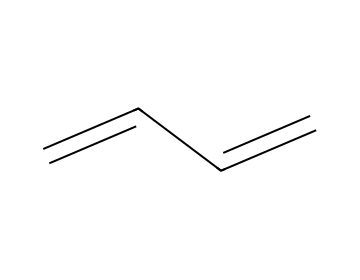
IDENTITY
COMPUTED
PROPERTIES
log Kow = 1.99
1.99
1.99
MIldly aromatic odor
Mild aromatic or gasoline-like odor
0.621 at 68 °F (USCG, 1999) - Less dense than water; will float
0.6149 g/cu cm at 25 °C
Absolute density, gas at 101.325 kPa at 0 °C: 2.428 kg/cu m; Relative density, gas at 101.325 kPa at 0 °C (air = 1): 1.878; Density, liquid at saturation pressure at 20 °C: 0.621 kg/l; Critical density: 0.245 kg/cu m
Relative density (water = 1): 0.6
0.621 at 68 °F
0.6149 @25 °C
Gas at 101.325 kPa at 20 °C: 0.00754 cP; Liquid at -40 °C: 0.33 cP
Colorless gas ... [Note: A liquid below 24 degrees F. Shipped as a liquefied compressed gas]
Insoluble (NTP, 1992)
In water, 735 mg/L at 20 °C
Slightly soluble in methanol, ethanol; soluble in organic solvents such as carbon tetrachloride; alcohol dissolves about 40 vols at room temp.
Soluble in ethanol, ether, benzene; very soluble in acetone
0.735 mg/mL at 25 °C
Solubility in water, g/100ml: 0.1 (none)
Non-corrosive
-105 °F (NTP, 1992)
-105 °F
Gas
-76 °C c.c.
-105 °F (liquid)
NA (Gas) -105 °F (Liquid)
24.1 °F at 760 mmHg (NTP, 1992)
-4.5 °C
-4 °C
24 °F
-4.41 °C @760 [mm Hg]
24 °F
May decompose explosively when heated above 200 °C/ 1 kbar. ... When heated to decomposition it emits acrid smoke and fumes.
-164 °F (NTP, 1992)
-108.966 °C
-108.9 °C
-109 °C
-164 °F
-108.91 °C
1.87 (NTP, 1992) - Heavier than air; will sink (Relative to Air)
1.87 (Air = 1)
Relative vapor density (air = 1): 1.9
1.88
GHS
Danger
H220: Extremely flammable gas [Danger Flammable gases];H340: May cause genetic defects [Danger Germ cell mutagenicity];H350: May cause cancer [Danger Carcinogenicity]
P203, P210, P222, P280, P318, P377, P381, P403, P405, and P501 (click each P-code to see the statement)
This chemical does not meet GHS hazard criteria for 0.1% (2 of 1783) of reports.
HAZARDS
Chemical: 1,3-Butadiene
Hazard Traits - Carcinogenicity; Developmental Toxicity; Genotoxicity; Neurotoxicity; Reproductive Toxicity; Respiratory Toxicity;Authoritative List - ATSDR Neurotoxicants; CA TACs; EC Annex VI CMRs - Cat. 1A; EC Annex VI CMRs - Cat. 1B; IARC Carcinogens - 1; IRIS Carcinogens - Carcin.; NTP RoC - known; OEHHA RELs; Prop 65;Report - regardless of intended function of ingredient in the product
1,3-Butadiene is listed on the EPA's Chemical Data Reporting (CDR) system. Manufacturers and importers of 1,3-Butadiene are required to report information about their production and use of this chemical to the EPA under the Toxic Substances Control Act (TSCA). (40 eCFR Part 711)
Status: Active Update: 26-04-2023 https://echa.europa.eu/registration-dossier/-/registered-dossier/15570
1,3-Butadiene: HSNO Approval: HSR000988 Approved with controls
The New Jersey Worker and Community Right to Know Act requires public and private employers to provide information about hazardous substances at their workplaces. (N.J.S.A. 34:5A-1 et. seq.)
IMAP assessments - 1,3-Butadiene: Human health tier II assessment
Flammable Gas
Behavior in Fire: Vapors heavier than air and may travel a considerable distance to a source of ignition and flashback. Containers may explode in a fire due to polymerization. (USCG, 1999)
Extremely flammable. Gas/air mixtures are explosive.
Flammable gas ...
Dangerous fire hazard when exposed to heat, flame, or powerful oxidizers. ... Reaction with sodium nitrite forms a spontaneously flammable product. Exothermic reaction with boron trifluoride etherate + phenol.
Slight anesthetic effect at high concentrations; causes frostbite from skin contact; slight irritation to eyes and nose at high concentrations. (USCG, 1999)
1,3-Butadiene is a chemical made from the processing of petroleum. It is the 36th highest volume chemical produced in the United States. It is a colorless gas with a mild gasoline-like odor. About 75% of the manufactured 1,3-butadiene is used to make synthetic rubber. Synthetic rubber is widely used for tires on cars and trucks. 1,3-Butadiene is also used to make plastics including acrylics. Small amounts are found in gasoline.
Motor vehicle exhaust is a constant source of 1,3-butadiene. Although 1,3-butadiene breaks down quickly in the atmosphere, it is usually found in ambient air at low levels in urban and suburban areas. Acute (short-term) exposure to 1,3-butadiene by inhalation in humans results in irritation of the eyes, nasal passages, throat, and lungs. Epidemiological studies have reported a possible association between 1,3- butadiene exposure and cardiovascular diseases. Epidemiological studies of workers in rubber plants have shown an association between 1,3-butadiene exposure and increased incidence of leukemia. Animal studies have reported tumors at various sites from 1,3-butadiene exposure. EPA has classified 1,3- butadiene as carcinogenic to humans by inhalation.
Synthetic rubber workers in the past had increased incidence of leukemia attributed to chronic and heavy exposure to 1,3-butadiene. Acutely, it is not very toxic. [Lewis R. Overview of the Rubber Industry and Tire Manufacturing. in Occupational Medicine STAR 14(4): 710, 1999.] In reproductive studies of mice, 1,3-butadiene causes testicular damage. Some animal studies found birth defects after high doses during early pregnancy. [Frazier, p. 277-8] Causes CNS depression at high concentrations; May have effects on the bone marrow; [ICSC] Germ cell mutagens that have shown to increase the mutant frequency in the progeny of exposed mammals. [MAK] The excesses were attributable to both chronic lymphocytic and chronic myelogenous leukemia, with significant exposure-response relationships between cumulative exposure to butadiene and mortality from both leukaemia types. There is sufficient evidence that 1,3-butadiene causes cancer of haematolymphatic organs in studies of styrene-butadiene rubber and butadiene-monomer workers. [IARC Monograph Volume 100F (2012)] Butadienes, stabilized (UN1010) has warning of explosive polymerization; [ERG 2016]
See 1,3-Butadiene.
1010 116P(inhibited)
Conjugated Dienes;Polymerizable Compounds
Symbol: F+, T; R: 45-46-12; S: 53-45; Note: D
UN Hazard Class: 2.1
USEPA; Health Assessment Document: 1,3-Butadiene (2002) EPN600/P-98/00lF
DHHS/NTP; Toxicology & Carcinogenesis Studies of 1,3-Butadiene in B6C3F1 Mice Technical Report Series No. 288 (1984) NIH Publication No. 84-2544
DHHS/NTP; Toxicology & Carcinogenesis Studies of 1,3-Butadiene in B6C3F1 Mice Technical Report Series No. 434 (1993) NIH Publication No. 93-3165
DHHS/National Toxicology Program; Report on Carcinogens, Thirteenth Edition: 1,3-Butadiene (106-99-0) (2014).. The Report on Carcinogens is an informational scientific and public health document that identifies and discusses substances (including agents, mixtures, or exposure circumstances) that may pose a carcinogenic hazard to human health. 1,3-Butadiene (106-99-0) is listed as known to be a human carcinogen.[Available from, as of February 12, 2015: http://ntp.niehs.nih.gov/go/roc13]
HHS/ATSDR; Toxicological Profile for 1,3-butadiene (September 2012).. Intended to characterize succinctly the toxicological and adverse health effects information for the hazardous substance being described.[HHS/ATSDR; Toxicological Profile for 1,3-butadiene (September 2012). Available from, as of February 12, 2015: http://www.atsdr.cdc.gov/toxprofiles/index.asp]
SAFETY
Excerpt from ERG Guide 116 [Gases - Flammable (Unstable); polymerization hazard]:;DO NOT EXTINGUISH A LEAKING GAS FIRE UNLESS LEAK CAN BE STOPPED.;SMALL FIRE: Dry chemical or CO2.;LARGE FIRE: Water spray or fog. If it can be done safely, move undamaged containers away from the area around the fire.;FIRE INVOLVING TANKS: Fight fire from maximum distance or use unmanned master stream devices or monitor nozzles. Cool containers with flooding quantities of water until well after fire is out. Do not direct water at source of leak or safety devices; icing may occur. Withdraw immediately in case of rising sound from venting safety devices or discoloration of tank. ALWAYS stay away from tanks in direct contact with flames. For massive fire, use unmanned master stream devices or monitor nozzles; if this is impossible, withdraw from area and let fire burn. (ERG, 2024)
Shut off supply; if not possible and no risk to surroundings, let the fire burn itself out. In other cases extinguish with water spray, powder, carbon dioxide, foam. In case of fire: keep cylinder cool by spraying with water.
Fresh air, rest. Refer for medical attention.
ON FROSTBITE: rinse with plenty of water, do NOT remove clothes. Refer for medical attention .
ON FROSTBITE: rinse with plenty of water. Refer immediately for medical attention.
EYES: First check the victim for contact lenses and remove if present. Flush victim's eyes with water or normal saline solution for 20 to 30 minutes while simultaneously calling a hospital or poison control center. Do not put any ointments, oils, or medication in the victim's eyes without specific instructions from a physician. IMMEDIATELY transport the victim after flushing eyes to a hospital even if no symptoms (such as redness or irritation) develop.;SKIN: CAUTION: Exposure of skin to compressed gases may result in freezing of the skin. Treatment for frostbite may be necessary. Remove the victim from the source of contamination. IMMEDIATELY wash affected areas gently with COLD water (and soap, if necessary) while removing and isolating all contaminated clothing. Dry carefully with clean, soft towels. Call a hospital or poison control center IMMEDIATELY even if no symptoms (such as inflammation or irritation) develop. Be prepared to transport the victim to a hospital for treatment after washing the affected area if advised to do so by a physician.;INHALATION: IMMEDIATELY leave the contaminated area; take deep breaths of fresh air. IMMEDIATELY call a physician and be prepared to transport the victim to a hospital even if no symptoms (such as wheezing, coughing, shortness of breath, or burning in the mouth, throat, or chest) develop. Provide proper respiratory protection to rescuers entering an unknown atmosphere. Whenever possible, Self-Contained Breathing Apparatus (SCBA) should be used; if not available, use a level of protection greater than or equal to that advised under Protective Clothing.;INGESTION: This compound is a gas, therefore inhalation is the first route of exposure.;OTHER: Since this chemical is a known or suspected carcinogen you should contact a physician for advice regarding the possible long term health effects and potential recommendation for medical monitoring. Recommendations from the physician will depend upon the specific compound, its chemical, physical and toxicity properties, the exposure level, length of exposure, and the route of exposure. (NTP, 1992)
(General first aid procedures);Eye: Frostbite - If eye tissue is frozen, seek medical attention immediately; if tissue is not frozen, immediately and thoroughly flush the eyes with large amounts of water for at least 15 minutes, occasionally lifting the lower and upper eyelids. If irritation, pain, swelling, lacrimation, or photophobia persist, get medical attention as soon as possible.;Skin: Frostbite - Compressed gases may create low temperatures when they expand rapidly. Leaks and uses that allow rapid expansion may cause a frostbite hazard. Wear appropriate personal protective clothing to prevent the skin from becoming frozen.;Breathing: Respiratory support
Store only if stabilized. Fireproof. Cool. Keep in a well-ventilated room. Separated from incompatible materials and food and feedstuffs. See Chemical Dangers. See Physical Dangers. Refer to the manufacturer's instructions for proper storage conditions.
1,3-Butadiene vapors are heavier than air and a flame can flash back to the source of leakage.
Floats and boils on water. Flammable visible vapor cloud is produced.
Biological Exposure Indices (BEI) [ACGIH] - 1,2 Dihydroxy-4-(N-acetylcysteinyl)-butane in urine = 2.5 mg/L at end of shift; Mixture of N-1 and N-2-(hydroxybutenyl)valine hemoglobin (Hb) adducts in blood = 2.5 pmol/g Hb sampling time not critical;
If a fire involving 1,3-butadiene becomes uncontrollable or container is exposed to direct flame, evacuate from a radius of 2500 feet.
If 1,3-butadiene is on fire or involved in fire: Do not extinguish fire unless flow can be stopped; Use water in flooding quantities as fog; Cool all affected containers with flooding quantities of water and apply water from as far a distance as possible.
Respiratory protection for fire fighting: A self-contained breathing apparatus with a full facepiece operated in pressure-demand or other positive pressure mode.
To fight fire, stop flow of gas.
For more Fire Fighting Procedures (Complete) data for 1,3-BUTADIENE (7 total), please visit the HSDB record page.
Outside or detached storage is preferred. Store in a cool, dry, well-ventilated location. Isolate from oxidizing materials.
Storage temperature: ambient. Venting: safety relief.
MUST BE KEPT INHIBITED DURING STORAGE ... STORAGE IS USUALLY UNDER PRESSURE OR IN INSULATED TANKS BELOW 35 °F.
PRECAUTIONS FOR "CARCINOGENS": Storage site should be as close as practical to lab in which carcinogens are to be used, so that only small quantities required for ... expt need to be carried. Carcinogens should be kept in only one section of cupboard, an explosion-proof refrigerator or freezer (depending on chemicophysical properties ...) that bears appropriate label. An inventory ... should be kept, showing quantity of carcinogen & date it was acquired ... Facilities for dispensing ... should be contiguous to storage area. /Chemical Carcinogens/
For more Storage Conditions (Complete) data for 1,3-BUTADIENE (7 total), please visit the HSDB record page.
Clean up promptly by sweeping or vacuum.
Prevent further leakage or spillage if safe to do so. Do not let product enter drains.
/Accidental release methods/ Use personal protective equipment. Avoid breathing vapours, mist or gas. Ensure adequate ventilation. Remove all sources of ignition. Evacuate personnel to safe areas. Beware of vapours accumulating to form explosive concentrations. Vapors can accumulate in low areas.
PRECAUTIONS FOR "CARCINOGENS": A high-efficiency particulate arrestor (HEPA) or charcoal filters can be used to minimize amt of carcinogen in exhausted air ventilated safety cabinets, lab hoods, glove boxes or animal rooms ... Filter housing that is designed so that used filters can be transferred into plastic bag without contaminating maintenance staff is avail commercially. Filters should be placed in plastic bags immediately after removal ... The plastic bag should be sealed immediately ... The sealed bag should be labelled properly ... Waste liquids ... should be placed or collected in proper containers for disposal. The lid should be secured & the bottles properly labelled. Once filled, bottles should be placed in plastic bag, so that outer surface ... is not contaminated ... The plastic bag should also be sealed & labelled. ... Broken glassware ... should be decontaminated by solvent extraction, by chemical destruction, or in specially designed incinerators. /Chemical Carcinogens/
Excerpt from ERG Guide 116 [Gases - Flammable (Unstable); polymerization hazard]:;ELIMINATE all ignition sources (no smoking, flares, sparks or flames) from immediate area. All equipment used when handling the product must be grounded. Stop leak if you can do it without risk. Do not touch or walk through spilled material. Do not direct water at spill or source of leak. Use water spray to reduce vapors or divert vapor cloud drift. Avoid allowing water runoff to contact spilled material. If possible, turn leaking containers so that gas escapes rather than liquid. Prevent entry into waterways, sewers, basements or confined areas. Isolate area until gas has dispersed. (ERG, 2024)
SRP: Recycle any unused portion of the material for its approved use or return it to the manufacturer or supplier. Ultimate disposal of the chemical must consider: the material's impact on air quality; potential migration in air, soil or water; effects on animal, aquatic and plant life; and conformance with environmental and public health regulations. If it is possible or reasonable use an alternative chemical product with less inherent propensity for occupational harm/injury/toxicity or environmental contamination.
Butadiene is a waste chemical stream constituent which may be subjected to ultimate disposal by controlled incineration.
PRECAUTIONS FOR "CARCINOGENS": There is no universal method of disposal that has been proved satisfactory for all carcinogenic compounds & specific methods of chem destruction ... published have not been tested on all kinds of carcinogen-containing waste. ... summary of avail methods & recommendations ... /given/ must be treated as guide only. /Chemical Carcinogens/
PRECAUTIONS FOR "CARCINOGENS": ... Incineration may be only feasible method for disposal of contaminated laboratory waste from biological expt. However, not all incinerators are suitable for this purpose. The most efficient type ... is probably the gas-fired type, in which a first-stage combustion with a less than stoichiometric air:fuel ratio is followed by a second stage with excess air. Some ... are designed to accept ... aqueous & organic-solvent solutions, otherwise it is necessary ... to absorb soln onto suitable combustible material, such as sawdust. Alternatively, chem destruction may be used, esp when small quantities ... are to be destroyed in laboratory. /Chemical Carcinogens/
For more Disposal Methods (Complete) data for 1,3-BUTADIENE (8 total), please visit the HSDB record page.
Remove all ignition sources. Evacuate danger area! Consult an expert! Personal protection: self-contained breathing apparatus. Shut off cylinder if possible. Isolate the area until the gas has dispersed. NEVER direct water jet on liquid.
TOXICITY
CDC-ATSDR Toxicological Profile
Hematologic
[hemato cancer]
Cancer, Developmental (effects while organs are developing), Gastrointestinal (Stomach and Intestines, part of the digestive system), Gastrointestinal (Stomach and Intestines, part of the digestive system), Hematological (Blood Forming), Neurological (Nervous System), Reproductive (Producing Children)
Reproductive
Eyes, respiratory system, central nervous system, reproductive system
Breathing high levels of 1,3-butadiene causes central nervous system damage. Chronic exposure may also cause lung damage and kidney, liver, and cardiovascular disease. In addition, 1,3-butadiene is a known human carcinogen. (L990)
TLm Pinperch 71.5 mg/l/24 hr /Conditions of bioassay not specified/
TERRESTRIAL FATE: Based on a classification scheme(1), an estimated Koc value of 40(SRC), determined from a structure estimation method(2), indicates that 1,3-butadiene is expected to have very high mobility in soil(SRC). Volatilization of 1,3-butadiene from moist soil surfaces is expected to be an important fate process(SRC) given an estimated Henry's Law constant of 0.0736 atm-cu m/mole(SRC),calculated from its vapor pressure of 2,052 mm Hg(3) and water solubility of 735 mg/L(4). 1,3-Butadiene is expected to volatilize from dry soil surfaces(SRC) based upon its vapor pressure(3). Laboratory studies employing pure bacterial cultures isolated from lake and soil samples were shown to degrade 1,3-butadiene to 1,2-epoxybutene(5,6), however it is not clear what the rate of degradation is under environmental conditions(SRC).
AQUATIC FATE: Based on a classification scheme(1), an estimated Koc value of 40(SRC), determined from a structure estimation method(2), indicates that 1,3-butadiene is not expected to adsorb to suspended solids and sediment(SRC). Volatilization from water surfaces is expected(3) based upon an estimated Henry's Law constant of 0.0736 atm-cu m/mole(SRC), calculated from its vapor pressure of 2,052 mm Hg(4) and water solubility of 735 mg/L(5). Using this Henry's Law constant and an estimation method(3), volatilization half-lives for a model river and model lake are 2.2 hours and 2.9 days, respectively(SRC). According to a classification scheme(6), an estimated BCF of 10(SRC), from its log Kow of 1.99(7) and a regression-derived equation(2), suggests the potential for bioconcentration in aquatic organisms is low(SRC). The biodegradation half-life in aerobic waters has been reported as 7 days and the half-life in anaerobic waters was reported as 28 days(8). 1,3-Butadiene is not expected to undergo hydrolysis in the environment due to a lack of hydrolyzable functional groups(3,8). 1,3-Butadiene is an olefin and olefins can degrade in natural waters via photooxidation (with hydroxyl, peroxy and singlet oxygen radicals) with a half-life on the order of 25 days(9).
ATMOSPHERIC FATE: According to a model of gas/particle partitioning of semivolatile organic compounds in the atmosphere(1), 1,3-butadiene, which has a vapor pressure of 2,052 mm Hg at 25 °C(2), is expected to exist solely as a gas in the ambient atmosphere. Gas-phase 1,3-butadiene is degraded in the atmosphere by reaction with photochemically-produced hydroxyl radicals(SRC); the half-life for this reaction in air is estimated to be 6 hours(SRC), calculated from its rate constant of 6.93X10⁻¹¹ cu cm/molecule-sec at 25 °C(3). Gas-phase 1,3-butadiene is also degraded in the atmosphere by reaction with ozone(SRC); the half-life for this reaction in air is estimated to be 44 hours(SRC), calculated from its rate constant of 6.24X10⁻¹⁸ cu cm/molecule-sec at 25 °C(3). Atmospheric reaction with nitrate radicals is an important night time sink for 1,3-butadiene(4,5); the half-life for this reaction in air is estimated to be 8 hours(SRC), calculated from its rate constant of 1.0X10⁻¹³ cu cm/molecule-sec at 25 °C(3). 1,3-Butadiene absorbs at wavelengths >290 nm(3) and, therefore, may be susceptible to direct photolysis by sunlight(SRC).
1,3-Butadiene was detected in 6 out of 6 vegetable oils packaged in a butadiene based plastic container at concentrations of 8-9 ppb(1).
Neurotoxin - Acute solvent syndrome;Reproductive Toxin - A chemical that is toxic to the reproductive system, including defects in the progeny and injury to male or female reproductive function. Reproductive toxicity includes developmental effects. See Guidelines for Reproductive Toxicity Risk Assessment.;IARC Carcinogen - Class 1: International Agency for Research on Cancer classifies chemicals as established human carcinogens.;NTP Carcinogen - Known to be a human carcinogen.;ACGIH Carcinogen - Suspected Human.
Neurotoxin - Acute solvent syndrome
The substance can be absorbed into the body by inhalation.
inhalation, skin and/or eye contact (liquid)
Inhalation (L990)
IDENTIFICATION AND USE: 1,3-Butadiene is a product of incomplete combustion resulting from natural processes and human activity. It is also an industrial chemical used in the production of polymers, polybutadiene, styrene-butadiene rubbers and lattices and nitrile-butadiene rubbers. HUMAN EXPOSURE AND TOXICITY: 1,3-Butadiene can asphyxiate by the displacement of air. An association between exposure to this chemical in the occupational environment and leukemia has been well established. In the largest and most comprehensive study conducted to this date, involving a cohort of workers in multiple plants, mortality due to leukemia increased with estimated cumulative exposure to 1,3-butadiene in styrene-butadiene industry; this association remained after controlling for exposure to styrene and benzene and was strongest in those subgroups with highest potential exposure. An association between 1,3-butadiene and leukemia was observed in an independently conducted case-control study of largely the same population of workers. However, there was no increase in mortality due to leukemia in butadiene monomer production workers who were not concomitantly exposed to some of the other substances present in the styrene-butadiene rubber industry, although there was some limited evidence of an association with mortality due to lymphosarcoma and reticulosarcoma in some subgroups. There is also limited evidence from occupationally exposed populations that 1,3-butadiene is genotoxic in humans, inducing mutagenic and clastogenic damage in somatic cells. ANIMAL STUDIES: Metabolism of 1,3-butadiene appears to be qualitatively similar across species, although there are quantitative differences in the amounts of putatively toxic metabolites formed; mice appear to oxidize 1,3-butadiene to the monoepoxide, and subsequently the diepoxide metabolite to a greater extent than humans. This chemical is of low acute toxicity in experimental animals. Longterm exposure to 1,3-butadiene was associated w
Certain metabolites of 1,3-butadiene have been shown to bind to DNA and nucleoproteins, forming protein-DNA and DNA-DNA crosslinks. Specifically, 1,2-epoxybutene-3 and diepoxybutane react with guanine to cause crosslinking. (L990, A293)
Cough. Headache. Drowsiness.
ON CONTACT WITH LIQUID: FROSTBITE.
ON CONTACT WITH LIQUID: FROSTBITE.
irritation eyes, nose, throat; drowsiness, dizziness; liquid: frostbite; teratogenic, reproductive effects; [potential occupational carcinogen]
Breathing 1,3-butadiene may cause irritation of the eyes, nose, and throat. High levels of 1,3-butadiene can also cause, blurred vision, nausea, fatigue, headache, decreased blood pressure and pulse rate, and unconsciousness. Skin contact with liquid 1,3-butadiene can cause irritation and frostbite. (L990)
The following link will take the user to the National Toxicology Program (NTP) Test Agent Search Results page, which tabulates all of the "Standard Toxicology & Carcinogenesis Studies", "Developmental Studies", and "Genetic Toxicity Studies" performed with this chemical. Clicking on the "Testing Status" link will take the user to the status (i.e., in review, in progress, in preparation, on test, completed, etc.) and results of all the studies that the NTP has done on this chemical.[Available from: http://ntp-apps.niehs.nih.gov/ntp_tox/index.cfm?fuseaction=ntpsearch.searchresults&searchterm=106-99-0]
REGULATORY
Chemical: 1,3-Butadiene
Hazard Traits - Carcinogenicity; Developmental Toxicity; Genotoxicity; Neurotoxicity; Reproductive Toxicity; Respiratory Toxicity;Authoritative List - ATSDR Neurotoxicants; CA TACs; EC Annex VI CMRs - Cat. 1A; EC Annex VI CMRs - Cat. 1B; IARC Carcinogens - 1; IRIS Carcinogens - Carcin.; NTP RoC - known; OEHHA RELs; Prop 65;Report - regardless of intended function of ingredient in the product
1,3-Butadiene is listed on the EPA's Chemical Data Reporting (CDR) system. Manufacturers and importers of 1,3-Butadiene are required to report information about their production and use of this chemical to the EPA under the Toxic Substances Control Act (TSCA). (40 eCFR Part 711)
Status: Active Update: 26-04-2023 https://echa.europa.eu/registration-dossier/-/registered-dossier/15570
1,3-Butadiene: HSNO Approval: HSR000988 Approved with controls
The New Jersey Worker and Community Right to Know Act requires public and private employers to provide information about hazardous substances at their workplaces. (N.J.S.A. 34:5A-1 et. seq.)
This action promulgates standards of performance for equipment leaks of Volatile Organic Compounds (VOC) in the Synthetic Organic Chemical Manufacturing Industry (SOCMI). The intended effect of these standards is to require all newly constructed, modified, and reconstructed SOCMI process units to use the best demonstrated system of continuous emission reduction for equipment leaks of VOC, considering costs, non air quality health and environmental impact and energy requirements. Butadiene is produced, as an intermediate or a final product, by process units covered under this subpart.
Listed as a hazardous air pollutant (HAP) generally known or suspected to cause serious health problems. The Clean Air Act, as amended in 1990, directs EPA to set standards requiring major sources to sharply reduce routine emissions of toxic pollutants. EPA is required to establish and phase in specific performance based standards for all air emission sources that emit one or more of the listed pollutants. 1,3-butadiene is included on this list.
... Substances for which a Federal Register notice has been published that included consideration of the serious health effects, including cancer, from ambient air exposure to the substance. 1,3-Butadiene is included on this list.
Persons in charge of vessels or facilities are required to notify the National Response Center (NRC) immediately, when there is a release of this designated hazardous substance, in an amount equal to or greater than its reportable quantity of 10 lb or 4.54 kg. The toll free number of the NRC is (800) 424-8802. The rule for determining when notification is required is stated in 40 CFR 302.4 (section IV. D.3.b).
1,3-Butadiene
1
10000
Flammable chemical that can be released at a facility.
(NH) NEW HAMPSHIRE 0.019 ug/L
PHARMACOLOGY
1,3-Butadiene appears to cause tumors in humans and rodents through its metabolism to DNA-reactive epoxide intermediates, which cause genetic alterations in proto-oncogenes or tumor-suppressor genes... Mouse, rat, and human liver microsomes have been shown to oxidize 1,3-butadiene to epoxybutene... and to further oxidize the monoepoxide to diepoxybutane... These metabolites form N-alkylguanine adducts that have been detected in liver DNA of mice exposed to 1,3-butadiene and in the urine of a worker exposed to 1,3-butadiene. Activated K-ras oncogenes and inactivated tumor-suppressor genes observed in 1,3.butadiene-induced tumors in mice are analogous to genetic alterations frequently observed in a wide variety of human cancers. Dose-related increases in hprt mutations have been observed in lymphocytes isolated from mice exposed to 1,3-butadiene or its epoxide metabolites and in occupationally exposed workers. The mutational spectra for 1,3-butadiene and its epoxide metabolites at the hprt locus in mouse lymphocytes are similar to the mutational spectrum for ethylene oxide, an alkylating agent listed in the Report on Carcinogens as known to be a human carcinogen.
No reports found; [TDR, p. 224]
Male Sprague Dawley rats and B6C3F1 mice were exposed by inhalation (nose-only) for 3.4 hr to 1220 and 121 ug (14)C-1,3-butadiene/L of air, respectively. In both species, high concentrations of radioactivity were distributed to respiratory tract tissue (lung, trachea, nasal turbinates), gastrointestinal tract (small and large intestine), liver, kidneys, urinary bladder, and pancreas within 1 hr after exposure. Tissues of mice contained 15 to 100 times more (14)C-butadiene equivalents/umole of butadiene inhaled than rat tissues. One hr after exposure all rat tissues retained a substantial amount of (14)C that was associated with volatile material, probably butadiene and/or metabolites; this was also true for mouse liver (the only tissue studied at this time). There were no differences in rats and mice in terms of specific tissue accumulation or rate of elimination from tissues. The tissues of mice contained significantly higher concentrations of (14)C-butadiene per umole inhaled apparently due to the higher minute volume/kg of body weight of mice. The large amounts of nonvolatile material in tissues within one hr of exposure indicate that butadiene is rapidly metabolized following inhalation.
Several biomarkers of exposure have been identified for 1,3-butadiene; these include 1,3-butadiene urinary metabolites, M1 and M2, and three hemoglobin adducts, N-(2-hydroxy-3-butenyl)valine (MHB-Val), N-(2,3,4-trihydroxybutyl)valine (THB-Val), and N,N-(2,3-dihyroxy-1,4-butadyl)valine (pyr-Val), which are surrogate biomarkers for the 1,3-butadiene metabolites 1,2 epoxy-3-butene (EB), 1,2-dihydroxy-3,4-epoxybutane (EBD), and 1,2:3,4-diepoxybutane (DEB), respectively. In workers, the levels of urinary metabolites and hemoglobin adducts have been shown to correlate with 1,3-butadiene exposure levels. However, background levels for the general population have not been established for these biomarkers of exposure.
1,3-butadiene requires metabolic activation to generate electrophilic epoxides in which important species differences exist (mice are more efficient in the production of epoxide metabolites of butadiene, while rats and humans are more efficient in the hydrolytic detoxification of these metabolites).
In rat liver microsomes, 1,3-butadiene was metabolized to butadiene monoxide, which was subsequently transformed into 3-butene-1,2-diol by microsomal epoxide hydrolase. In the metabolism of butadiene oxide in microsomes, four metabolites were detected, namely two stereoisomers of DL-diepoxybutane, and two stereoisomers of 3,4-epoxy-1,2-butanediol. No meso-diepoxybutane was detected.
1,3-Butadiene was incubated in the presence of rat liver microsomes supplemented with an NADPH-generating system. One of the major metabolites of butadiene was 1,2-epoxybutene-3.
For more Metabolism/Metabolites (Complete) data for 1,3-BUTADIENE (10 total), please visit the HSDB record page.
Butadiene has known human metabolites that include butadiene_monoxide and 3-buten-2-one.
Substances that increase the risk of NEOPLASMS in humans or animals. Both genotoxic chemicals, which affect DNA directly, and nongenotoxic chemicals, which induce neoplasms by other mechanism, are included.
Chemical agents that increase the rate of genetic mutation by interfering with the function of nucleic acids. A clastogen is a specific mutagen that causes breaks in chromosomes.
Male Sprague Dawley rats and B6C3F1 mice were exposed by inhalation (nose-only) for 3.4 hr to 1220 and 121 ug (14)C-1,3-butadiene/L of air, respectively. For rats and mice, elimination of butadiene was rapid with 77 to 99% of the initial tissue burden being eliminated with half-times of 2 to 10 hr.
Male Sprague Dawley rats and B6C3F1 mice were exposed by inhalation (nose-only) for 3.4 hr to 1220 and 121 ug (14)C-1,3-butadiene/l of air, respectively. In both species, high concentrations of radioactivity were distributed to respiratory tract tissue (lung, trachea, nasal turbinates), gastrointestinal tract (small and large intestine), liver, kidneys, urinary bladder, and pancreas within 1 hr after exposure. Tissues of mice contained 15 to 100 times more (14)C-butadiene equivalents/umole of butadiene inhaled than rat tissues. One hr after exposure all rat tissues retained a substantial amount of (14)C that was associated with volatile material, probably butadiene and/or metabolites; this was also true for mouse liver (the only tissue studied at this time). There were no differences in rats and mice in terms of specific tissue accumulation or rate of elimination from tissues. The tissues of mice contained significantly higher concentrations of (14)C-butadiene per umole inhaled apparently due to the higher minute volume/kg of body weight of mice. The large amounts of nonvolatile material in tissues within one hr of exposure indicate that butadiene is rapidly metabolized following inhalation.
The pharmacokinetics of ... 1,3-butadiene ... were studied in male Spraque-Dawley rats by use of a closed inhalation chamber system. 1,3-Butadiene showed saturable metabolism when untreated rats were used. Linear pharmacokinetics applied at exposure concn below ... 1500 ppm. Pretreatment with arochlor 1254 (polychlorinated biphenyls) increased Vmax. ... No saturation of metabolic capacity was observed with exposure concentrations up to 12,000 ppm when rats were pretreated with arochlor 1254. A comparison with previous studies on ethane and n-pentane suggested that introduction of a double bond into a saturated aliphatic hydrocarbon increased the rate of metabolism under conditions in vivo.
The distribution coefficient found when 1,3-butadiene was equilibrated with fresh blood samples (0.603) was quite similar to that calculated from measurements in animals breathing a 25% concentration of 1,3-butadiene (0.645). ... The movement of inspired air into the blood is a process of simple diffusion from alveoli and solution into blood.
/Exposure to the vapor concn for 50% lethality in rats indicates/ that body fat may be a depot for 1,3-butadiene, since perinephric fat contained 3-4 times more 1,3-butadiene than did brain, liver, kidney, or spleen.
USES
1,3-Butadiene is used in the production of rubber and plastics. It is also used in copolymers including acrylics.
Used in the production of synthetic rubber for motor vehicle tires; also used in styrene-butadiene polymers, acrylonitrile-butadiene-styrene resins, and other compounds; [ACGIH] In a study of Swedish refinery workers, The exposure to 1,3-butadiene among all exposure groups was low (95% of all samples were below 10 ug/m3) in relation to the Swedish OEL, of 1000 ug/m3. [PMID 28578463]
See Occupational Safety & Health Standard--29CFR1910.1051
Plastic Composites Manufacturing [Category: Industry]
Smoking cigarettes [Category: Food & Drugs]
The majority of the butadiene produced worldwide is used as a monomer or co-monomer in the manufacture of synthetic rubber, above all for styrene - butadiene rubber and latex (SBR), polybutadiene rubber (BR), acrylonitrile - butadiene rubber and latex (NBR), and for chloroprene rubber (CR). Important plastics containing butadiene as a monomer component are impact-resistant polystyrene, a two-phase system consisting of polystyrene and polybutadiene; ABS polymers, consisting of acrylonitrile, butadiene, and styrene; and a copolymer of methyl methacrylate, butadiene, and styrene (MBS), which is used as a modifier for poly(vinyl chloride). In addition, butadiene is an intermediate in the synthesis of several important chemicals.
Acetylene is an impurity in the ppm range.
(1978) 4.25X10+10 G
(1983) 4.38X10+10 G
(1984) 6.58X10+10 g /estimate/
U.S. exports were negligible in 1998 and 1999.
(1978) 2.82X10+11 G
(1983) 4.01X10+11 G
(1977) 2.1 - 7.3 billion lb (produced/imported)
(1984) 3.96X10+11 g /estimate/
1.2 billion lbs in 1998 and 1999
2023: 2,500,000,000 - <4,000,000,000 lb;2022: 2,500,000,000 - <4,000,000,000 lb;2021: 2,500,000,000 - <4,000,000,000 lb;2020: 2,500,000,000 - <4,000,000,000 lb
(1977) 1.48X10+12 g
(1982) 8.69X10+11 g
(1977) 2.1 - 7.3 billion lb (produced/imported)
Production declined about 2.7% between 1974 and 1979, from 3.68 to 3.58 billion lb
For more U.S. Production (Complete) data for 1,3-BUTADIENE (15 total), please visit the HSDB record page.
COMONOMER FOR STYRENE-BUTADIENE RUBBER (SBR), 40%; MONOMER FOR POLYBUTADIENE, 20%; CHEM INT FOR ADIPONITRILE, 12%; COMONOMER FOR STYRENE-BUTADIENE LATEXES, 8%; CHEM INT FOR POLYCHLOROPRENE, 7%; COMONOMER FOR ACRYLONITRILE-BUTADIENE-STYRENE RESINS, 5%; COMONOMER FOR NITRILE RUBBER, 3%; OTHER POLYMER OR COPOLYMER USES, 3%; OTHER USES, 2% (1981)
An estimated 50% of the 1,3-butadiene produced in the USA is used in the production of styrene-butadiene rubber and 22% of the total supply for polybutadiene production. Other applications for 1,3-butadiene include chloroprene/neoprene rubber (6%), nitrile rubber ((3%), hexamethylenediamine (9%), acrylonitrile-butadiene-styrene resins (5%) and micellaneous uses (5%).
Styrene-butadiene rubber, 45%; polybutadiene rubber, 20%; hexamethylene diamine, 10%; styrene-butadiene latex, 7%; ABS resins, 7%; chloroprene rubber, 5%; nitrile rubber, 3%; miscellaneous, 3% (1984)
Demand (1998): 5.3 billion lbs; (1999) 5.4 billion lbs; (2003) 5.8 billion lbs (projected)
Monomers;Fuel;Other;Intermediate;Hardener;Not Known or Reasonably Ascertainable
Plasticizer;Not Known or Reasonably Ascertainable;Intermediate;Hardener;Other;Monomers;Fuel
1,3-Butadiene is manufactured primarily as a coproduct of steam cracking to produce ethylene in the United States, Western Europe, and Japan. However, in certain parts of the world it is still produced from ethanol. The earlier manufacturing processes of dehydrogenation of n-butane and oxydehydrogenation of n-butenes have significantly declined in importance and output.
STEAM CRACKING OF HYDROCARBONS (COPRODUCT WITH ETHYLENE); REACTION OF ACETALDEHYDE WITH ETHYL ALCOHOL (NON USA METHOD); ISOLATION FROM GASEOUS EXHAUST OF PETROLEUM DISTILLATES COKING (FORMER METHOD).
Produced by converting acetaldehyde to aldol, followed by hydrogenation and dehydration. It is also produced by reacting acetylene with formaldehyde, hydrogenating the product 2-butyne-1,4-diol, followed by dehydration and reduction to 1,4-butanediol.
Catalytic dehydrogenation of butenes or butanes; oxidative dehydrogenation of butenes.
Manufactured as a coproduct of hydrocarbon steam cracking to produce ethylene. Also produced from ethanol; from petroleum gases, i.e., by catalytic dehydrogenation of butene or butene-butane mixtures; by cracking naphtha and light oil.
Technical (98.0%); chemically pure (99.0%), instrument (99.4%), research (99.8%).
Information on 4 consumer products that contain 1,3-Butadiene in the following categories is provided:;• Home Maintenance
Chemical Classes -> Volatile organic compounds
ALIASES
REACTIONS
uspto-grants-2006_08 · 10.6084/m9.figshare.5104873.v1 · US07084314B1
查看
uspto-grants-2006_08 · 10.6084/m9.figshare.5104873.v1 · US07091150B2
查看
uspto-grants-2010_06 · 10.6084/m9.figshare.5104873.v1 · US07737218B2
查看
uspto-grants-1979_04 · 10.6084/m9.figshare.5104873.v1 · US04150014
查看
uspto-grants-1979_04 · 10.6084/m9.figshare.5104873.v1 · US04150239
查看
uspto-grants-1980_09 · 10.6084/m9.figshare.5104873.v1 · US04220597
查看
uspto-grants-2008_09 · 10.6084/m9.figshare.5104873.v1 · US07423046B2
查看
uspto-grants-1995_05 · 10.6084/m9.figshare.5104873.v1 · US05412124
查看