
uspto-grants-1998_03 · 10.6084/m9.figshare.5104873.v1 · US05723075
查看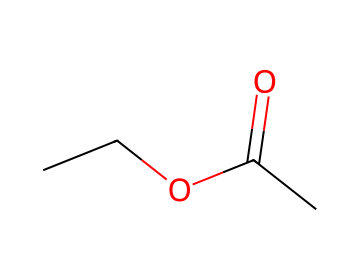
IDENTITY
COMPUTED
PROPERTIES
log Kow = 0.73
0.73
0.73
CHARACTERISTIC ETHER-LIKE ODOR REMINISCENT OF PINEAPPLE.
Fragrant odor
Ether-like, fruity odor
Fruity with a brandy note
Pleasant taste when diluted
BITTERSWEET, WINE-LIKE BURNING TASTE.
Ethyl acetate ... contributes a fruity flavor to beer.
0.902 at 68 °F (USCG, 1999) - Less dense than water; will float
0.9003 g/cu cm at 20 °C
DENSITY OF SATURATED AIR (AIR= 1) 1.02; CONVERSION FACTORS: 1 MG/L= 278 PPM; 1 PPM= 3.60 MG/CU M
Relative density (water = 1): 0.9
0.894-0.898
0.9
0.423 mPa.s at 25 °C
Clear, volatile
Colorless liquid
50 to 100 mg/mL at 70 °F (NTP, 1992)
In water, 8.0X10+4 mg/L at 25 °C
Very soluble in water (64 g/L at 25 °C)
Miscible with ethanol, ethyl ether; very soluble in acetone, benzene
Miscible with chloroform
For more Solubility (Complete) data for ETHYL ACETATE (6 total), please visit the HSDB record page.
24 °F (NTP, 1992)
7.2 °C
-4 °C c.c.
24 °F
24 °F
171 °F at 760 mmHg (NTP, 1992)
77.1 °C
Azeotropic mixture with water (6.1% wt/wt), bp: 70.4 °C; azeotropic mixture with water (7.8% wt/wt) and alcohol (9.0% wt/wt), bp: 70.3 °C; Slowly decomposed by moisture, then acquires acid reaction; absorbs water (up to 3.3% wt/wt)
76.50 to 77.50 °C. @ 760.00 mm Hg
77 °C
77 °C
When heated to decomposition it emits acrid smoke and irritating fumes.
On storage, it is slowly decomposed by water.
-118.5 °F (NTP, 1992)
-83.8 °C
-83.6 °C
-84 °C
117 °F
-83.8 °C
3.04 (NTP, 1992) - Heavier than air; will sink (Relative to Air)
3.04 (Air = 1)
Relative vapor density (air = 1): 3.0
3.04
GHS
Danger
H225: Highly Flammable liquid and vapor [Danger Flammable liquids];H319: Causes serious eye irritation [Warning Serious eye damage/eye irritation];H336: May cause drowsiness or dizziness [Warning Specific target organ toxicity, single exposure; Narcotic effects]
P210, P233, P240, P241, P242, P243, P261, P264+P265, P271, P280, P303+P361+P353, P304+P340, P305+P351+P338, P319, P337+P317, P370+P378, P403+P233, P403+P235, P405, and P501 (click each P-code to see the statement)
This chemical does not meet GHS hazard criteria for < 0.1% (3 of 5233) of reports.
HAZARDS
Chemical: Acetic acid, ethyl ester
Regulation (EC) No 1831/2003 (amended)
Acetic acid ethyl ester is listed on the EPA's Chemical Data Reporting (CDR) system. Manufacturers and importers of Acetic acid ethyl ester are required to report information about their production and use of this chemical to the EPA under the Toxic Substances Control Act (TSCA). (40 eCFR Part 711)
Status: Active Update: 23-11-2022 https://echa.europa.eu/registration-dossier/-/registered-dossier/15437;Status: Cease Manufacture Update: 06-05-2018 https://echa.europa.eu/registration-dossier/-/registered-dossier/24411;Status: No longer Valid Update: 11-01-2016 https://echa.europa.eu/registration-dossier/-/registered-dossier/6312
Acetic acid ethyl ester: HSNO Approval: HSR001041 Approved with controls
The New Jersey Worker and Community Right to Know Act requires public and private employers to provide information about hazardous substances at their workplaces. (N.J.S.A. 34:5A-1 et. seq.)
IMAP assessments - Acetate esters (C2-C4): Human health tier II assessment;IMAP assessments - Acetic acid, ethyl ester: Environment tier I assessment
Flammable Liquid
Excerpt from ERG Guide 129 [Flammable Liquids (Water-Miscible / Noxious)]:;HIGHLY FLAMMABLE: Will be easily ignited by heat, sparks or flames. Vapors may form explosive mixtures with air. Vapors may travel to source of ignition and flash back. Most vapors are heavier than air. They will spread along the ground and collect in low or confined areas (sewers, basements, tanks, etc.). Vapor explosion hazard indoors, outdoors or in sewers. Those substances designated with a (P) may polymerize explosively when heated or involved in a fire. Runoff to sewer may create fire or explosion hazard. Containers may explode when heated. Many liquids will float on water. (ERG, 2024)
· HIGHLY FLAMMABLE: Will be easily ignited by heat, sparks or flames.;· Vapors may form explosive mixtures with air.;· Vapors may travel to source of ignition and flash back.;· Most vapors are heavier than air. They will spread along the ground and collect in low or confined areas (sewers, basements, tanks, etc.).;· Vapor explosion hazard indoors, outdoors or in sewers.;· Those substances designated with a (P) may polymerize explosively when heated or involved in a fire.;· Runoff to sewer may create fire or explosion hazard.;· Containers may explode when heated.;· Many liquids will float on water.
Highly flammable. Vapour/air mixtures are explosive. Heating will cause rise in pressure with risk of bursting.
A very dangerous fire hazard when exposed to heat or flame.
Headache, irritation of respiratory passages and eyes, dizziness and nausea, weakness, loss of consciousness. (USCG, 1999)
· May cause toxic effects if inhaled or absorbed through skin.;· Inhalation or contact with material may irritate or burn skin and eyes.;· Fire will produce irritating, corrosive and/or toxic gases.;· Vapors may cause dizziness or asphyxiation, especially when in closed or confined areas.;· Runoff from fire control or dilution water may cause environmental contamination.
Ethyl acetate is in the list of Some volatile substances which may be abused by inhalation published on the web site of the U.N. International Drug Control Programme, indicating its potential to cause narcosis in workers. [Reference #1] An eye and respiratory tract irritant; Inhalation of high concentrations may cause CNS effects; [ICSC]
1173 129
1173 129
Certification of this color additive when used as a diluent (in inks for marking fruit & vegetables) is not necessary for the protection of the public health and therefore batches thereof are exempt from the requirements of section 706(c) of the Federal Food, Drug, and Cosmetic Act. /Restrictions incl no residue./
Ethyl acetate ... may be safely used in food in accordance with the following conditions: (a) The additive meets the specifications of the Food Chemicals Codex ... (b) The additive is used in accordance with current good manufacturing practice as a solvent in the decaffeination of coffee and tea.
Synthetic flavoring substances and adjuvants /for human consumption/ that are generally recognized as safe for their intended use, within the meaning of section 409 of the Act. Ethyl acetate is included on this list.
Synthetic flavoring substances and adjuvants /for animal drugs, feeds, and related products/ that are generally recognized as safe for their intended use, within the meaning of section 409 of the Act. Ethyl acetate is included on this list.
The feed additive ethyl alcohol containing ethyl acetate meets the requirement of 27 CFR 21.62, being not less than 92.5 percent ethyl alcohol, each 100 gallons having had added the equivalent of 4.25 gallons of 100 percent ethyl acetate. It is used in accordance with good feeding practices in ruminant feed supplements as a source of added energy.
Esters, Sulfate Esters, Phosphate Esters, Thiophosphate Esters, and Borate Esters
Symbol: F, Xi; R: 11-36-66-67; S: (2)-16-26-33
UN Hazard Class: 3; UN Pack Group: II
SAFETY
Excerpt from ERG Guide 129 [Flammable Liquids (Water-Miscible / Noxious)]:;CAUTION: The majority of these products have a very low flash point. Use of water spray when fighting fire may be inefficient.;SMALL FIRE: Dry chemical, CO2, water spray or alcohol-resistant foam. Do not use dry chemical extinguishers to control fires involving nitromethane (UN1261) or nitroethane (UN2842).;LARGE FIRE: Water spray, fog or alcohol-resistant foam. Avoid aiming straight or solid streams directly onto the product. If it can be done safely, move undamaged containers away from the area around the fire.;FIRE INVOLVING TANKS, RAIL TANK CARS OR HIGHWAY TANKS: Fight fire from maximum distance or use unmanned master stream devices or monitor nozzles. Cool containers with flooding quantities of water until well after fire is out. Withdraw immediately in case of rising sound from venting safety devices or discoloration of tank. ALWAYS stay away from tanks in direct contact with flames. For massive fire, use unmanned master stream devices or monitor nozzles; if this is impossible, withdraw from area and let fire burn. (ERG, 2024)
Use alcohol-resistant foam, foam, powder, carbon dioxide, fine water spray. In case of fire: keep drums, etc., cool by spraying with water.
Fresh air, rest. Refer for medical attention.
Rinse contaminated clothes (fire hazard) with plenty of water. Remove contaminated clothes. Rinse skin with plenty of water or shower.
Rinse with plenty of water for several minutes (remove contact lenses if easily possible).
Rinse mouth. Seek medical attention if you feel unwell.
· CALL 911. Then call emergency response telephone number on shipping paper. If shipping paper not available or no answer, refer to appropriate telephone number listed on the inside back cover.;· Keep unauthorized personnel away.;· Stay upwind, uphill and/or upstream.;· Ventilate closed spaces before entering, but only if properly trained and equipped.
· ELIMINATE all ignition sources (no smoking, flares, sparks or flames) from immediate area.;· All equipment used when handling the product must be grounded.;· Do not touch or walk through spilled material.;· Stop leak if you can do it without risk.;· Prevent entry into waterways, sewers, basements or confined areas.;· A vapor-suppressing foam may be used to reduce vapors.;· Absorb or cover with dry earth, sand or other non-combustible material and transfer to containers.;· Use clean, non-sparking tools to collect absorbed material.;Large Spill;· Dike far ahead of liquid spill for later disposal.;· Water spray may reduce vapor, but may not prevent ignition in closed spaces.
EYES: First check the victim for contact lenses and remove if present. Flush victim's eyes with water or normal saline solution for 20 to 30 minutes while simultaneously calling a hospital or poison control center. Do not put any ointments, oils, or medication in the victim's eyes without specific instructions from a physician. IMMEDIATELY transport the victim after flushing eyes to a hospital even if no symptoms (such as redness or irritation) develop.;SKIN: IMMEDIATELY flood affected skin with water while removing and isolating all contaminated clothing. Gently wash all affected skin areas thoroughly with soap and water. If symptoms such as redness or irritation develop, IMMEDIATELY call a physician and be prepared to transport the victim to a hospital for treatment.;INHALATION: IMMEDIATELY leave the contaminated area; take deep breaths of fresh air. If symptoms (such as wheezing, coughing, shortness of breath, or burning in the mouth, throat, or chest) develop, call a physician and be prepared to transport the victim to a hospital. Provide proper respiratory protection to rescuers entering an unknown atmosphere. Whenever possible, Self-Contained Breathing Apparatus (SCBA) should be used; if not available, use a level of protection greater than or equal to that advised under Protective Clothing.;INGESTION: DO NOT INDUCE VOMITING. Volatile chemicals have a high risk of being aspirated into the victim's lungs during vomiting which increases the medical problems. If the victim is conscious and not convulsing, give 1 or 2 glasses of water to dilute the chemical and IMMEDIATELY call a hospital or poison control center. IMMEDIATELY transport the victim to a hospital. If the victim is convulsing or unconscious, do not give anything by mouth, ensure that the victim's airway is open and lay the victim on his/her side with the head lower than the body. DO NOT INDUCE VOMITING. IMMEDIATELY transport the victim to a hospital. (NTP, 1992)
General First Aid:;· Call 911 or emergency medical service.;· Ensure that medical personnel are aware of the material(s) involved, take precautions to protect themselves and avoid contamination.;· Move victim to fresh air if it can be done safely.;· Administer oxygen if breathing is difficult.;· If victim is not breathing:;-- DO NOT perform mouth-to-mouth resuscitation; the victim may have ingested or inhaled the substance.;-- If equipped and pulse detected, wash face and mouth, then give artificial respiration using a proper respiratory medical device (bag-valve mask, pocket mask equipped with a one-way valve or other device).;-- If no pulse detected or no respiratory medical device available, provide continuous compressions. Conduct a pulse check every two minutes or monitor for any signs of spontaneous respirations.;· Remove and isolate contaminated clothing and shoes.;· For minor skin contact, avoid spreading material on unaffected skin.;· In case of contact with substance, remove immediately by flushing skin or eyes with running water for at least 20 minutes.;· For severe burns, immediate medical attention is required.;· Effects of exposure (inhalation, ingestion, or skin contact) to substance may be delayed.;· Keep victim calm and warm.;· Keep victim under observation.;· For further assistance, contact your local Poison Control Center.;· Note: Basic Life Support (BLS) and Advanced Life Support (ALS) should be done by trained professionals.;Specific First Aid:;· Wash skin with soap and water.
(General first aid procedures);Eye: Irrigate immediately - If this chemical contacts the eyes, immediately wash (irrigate) the eyes with large amounts of water, occasionally lifting the lower and upper lids. Get medical attention immediately.;Skin: Water flush promptly - If this chemical contacts the skin, flush the contaminated skin with water promptly. If this chemical penetrates the clothing, immediately remove the clothing and flush the skin with water promptly. If irritation persists after washing, get medical attention.;Breathing: Respiratory support;Swallow: Medical attention immediately - If this chemical has been swallowed, get medical attention immediately.
Fireproof. Separated from strong oxidants, strong bases and strong acids.
Flashback along vapor trail may occur.
· Wear positive pressure self-contained breathing apparatus (SCBA).;· Structural firefighters' protective clothing provides thermal protection but only limited chemical protection.
614.0 [ppm]
200.0 [ppm]
Cool exposed containers with water.
Use carbon dioxide, dry chemical, or alcohol foam.
Wear self contained breathing apparatus for fire fighting if necessary.
Keep tightly closed in cool place.
During transport: stable during transport. Storage temperature: ambient. Venting: open (flame arrester) or pressure-vacuum.
... Containers which are opened must be carefully resealed and kept upright to prevent leakage.
On storage, it is slowly decomposed by water.
ACCIDENTAL RELEASE MEASURES. Personal precautions, protective equipment and emergency procedures: Use personal protective equipment. Avoid breathing vapours, mist or gas. Ensure adequate ventilation. Remove all sources of ignition. Evacuate personnel to safe areas. Beware of vapours accumulating to form explosive concentrations. Vapours can accumulate in low areas.; Environmental precautions: Prevent further leakage or spillage if safe to do so. Do not let product enter drains.; Methods and materials for containment and cleaning up: Contain spillage, and then collect with an electrically protected vacuum cleaner or by wet-brushing and place in container for disposal according to local regulations.
1. Remove all ignition sources. 2. Ventilate area of spill or leak. 3. For small quantities, absorb on paper towels. Evaporate in a safe place (such as a fume hood). Allow sufficient time for evaporating vapors to completely clear the hood ductwork. Burn the paper in a suitable location away from combustible materials. Large quantities can be collected and atomized in a suitable combustion chamber. Ethyl acetate should not be allowed to enter a confined space, such as a sewer, because of the possibility of an explosion.
1. By absorbing it in vermiculite, dry sand, earth, or a similar material.
The following wastewater treatment technologies have been investigated for Ethyl acetate: Concentration process: Biological treatment.
The following wastewater treatment technologies have been investigated for Ethyl acetate: Concentration process: Activated carbon.
Excerpt from ERG Guide 129 [Flammable Liquids (Water-Miscible / Noxious)]:;ELIMINATE all ignition sources (no smoking, flares, sparks or flames) from immediate area. All equipment used when handling the product must be grounded. Do not touch or walk through spilled material. Stop leak if you can do it without risk. Prevent entry into waterways, sewers, basements or confined areas. A vapor-suppressing foam may be used to reduce vapors. Absorb or cover with dry earth, sand or other non-combustible material and transfer to containers. Use clean, non-sparking tools to collect absorbed material.;LARGE SPILL: Dike far ahead of liquid spill for later disposal. Water spray may reduce vapor, but may not prevent ignition in closed spaces. (ERG, 2024)
Generators of waste (equal to or greater than 100 kg/mo) containing this contaminant, EPA hazardous waste numbers U112 and F003, must conform with USEPA regulations in storage, transportation, treatment and disposal of waste.
SRP: Wastewater from contaminant suppression, cleaning of protective clothing/equipment, or contaminated sites should be contained and evaluated for subject chemical or decomposition product concentrations. Concentrations shall be lower than applicable environmental discharge or disposal criteria. Alternatively, pretreatment and/or discharge to a permitted wastewater treatment facility is acceptable only after review by the governing authority and assurance that "pass through" violations will not occur. Due consideration shall be given to remediation worker exposure (inhalation, dermal and ingestion) as well as fate during treatment, transfer and disposal. If it is not practicable to manage the chemical in this fashion, it must be evaluated in accordance with EPA 40 CFR Part 261, specifically Subpart B, in order to determine the appropriate local, state and federal requirements for disposal.
Incineration: Burn waste material in an approved waste disposal incinerator.
1. By absorbing it in vermiculite, dry sand, earth, or a similar material. 2. By atomizing in a suitable combustion chamber.
For more Disposal Methods (Complete) data for ETHYL ACETATE (6 total), please visit the HSDB record page.
TOXICITY
Mother's milk from 4 urban areas in the USA, 1 of 8 samples tested positive for ethyl acetate(1). 7 out of 12 breath samples collected from nine volunteers in Bayonne and Elizabeth, NJ between July and Dec 1980 contained ethyl acetate at unreported concentrations(2). Ethyl acetate was identified as a component in 13.7% of expired air samples from 54 volunteers in the Chicago area at a geometric mean concentration of 0.447 ng/L(3). Ethyl acetate was detected in expired air samples from 5 of 8 male volunteers at levels ranging from 0.30 to 190.0 ug/hr(4). Five out of 8 personal air samples collected from volunteers in Bayonne and Elizabeth, NJ between July and Dec 1980 contained ethyl acetate at unreported concentrations(5).
Study of 30 workers exposed chronically to 15-50 mg of ethyl acetate in addition to 20 to 80 mg of amyl acetate/L of air showed no ... abnormalities in cornea, merely hyperemia of bulbar conjunctiva. ... Prolonged inhalation may be damaging to lung, liver, kidney, & heart. ... No effect on eyes ... known from systemic absorption.
Ethyl acetate in combination with toluene appeared to produce a mixture of lower toxicity than that of either compound alone. Mixing of ethyl acetate with propylene oxide, propylene glycol, or formalin appears to decr its LD50 value, but its toxicity increases in combination with morpholine, ethylene glycol, or ethyl alcohol.
In order to determine the lung disease potential of waterproofing sprays, several components of suspected sprays, as well as a commercial spray, were tested on CD-l-mice. Mice placed in inhalation chambers were exposed to aerosols containing one or more of the suspected components, including n-heptane, ethyl-acetate, fluororesin, silicone, and a commercial spray. An intermittent inhalation methods was used to prevent the solvents from causing anesthetic death. Mice were sacrificed 1 hour after the end of exposure. The lungs of both exposed and control mice were isolated and examined microscopically for any changes. The amounts released of the were similar. Mice exposed to the commercial and fluororesin sprays were cyanotic and depressed for 1 hour, while those exposed to the other sprays were cyanotic for only several minutes. In almost all mice exposed to the commercial spray, significant changes relative to the controls included a thickened pulmonary alveolar septa, cellular infiltration, fused and hemorrhaged alveolar walls, and diminished alveoli. Fluororesin particles were found in the alveolar space. Significantly more pronounced pathological changes were discovered in mice exposed to the fluororesin spray, relative to the commercial spray. In mice exposed to the silicone spray, significant differences were observed in alveolar collapse and hemorrhage, compared to the controls. The lungs of mice exposed to the N-heptane, ethyl-acetate, and fluororesin free sprays were similar to control lungs. In mice exposed to the silicon resin free spray, significant changes, relative to the commercial spray group, included alveolar collapse, hyperemia, hemorrhage and increased thickness and cellular infiltration of the septum. /It was/ concluded that ethyl-acetate and n-heptane contained in waterproofing sprays do not cause pulmonary disorders. Instead, fluororesin is implicated in respiratory disorders caused by such sprays.
Eyes, skin, respiratory system
LC50; Species: Heteropneustes fossilis (Common Indian catfish); Conditions: /freshwater, static/; Concentration: 212.5 ppm for 96 hr
EC50; Species: Chlorococcales (Green Algae Order); Conditions: freshwater, static; Concentration: 4300000 ug/L for 24 hr; Effect: physiology, assimilation efficiency /formulation/
EC50; Species: Scenedesmus subspicatus (Green Algae) exponential growth phase; Conditions: freshwater, static, 24 °C, pH 8.0-9.3; Concentration: 3300000 ug/L for 48 hr; Effect: population, decreased biomass /formulation/
EC50; Species: Scenedesmus subspicatus (Green Algae) exponential growth phase; Conditions: freshwater, static, 24 °C, pH 8.0-9.3; Concentration: 5600000 ug/L for 48 hr; Effect: decreased population, general population changes /formulation/
For more Ecotoxicity Values (Complete) data for ETHYL ACETATE (13 total), please visit the HSDB record page.
TERRESTRIAL FATE: Based on a classification scheme(1), an estimated Koc value of 18(SRC), determined from a log Kow of 0.73(2) and a regression-derived equation(3), indicates that ethyl acetate is expected to have very high mobility in soil(SRC). Volatilization of ethyl acetate from moist soil surfaces is expected to be an important fate process(SRC) given a Henry's Law constant of 1.34X10⁻⁴ atm-cu m/mole(4). Ethyl acetate is expected to volatilize from dry soil surfaces(SRC) based upon a vapor pressure of 93.2 mm Hg at 25 °C(5). Utilizing the Japanese MITI test, 95% of the Theoretical BOD was reached in 2 weeks(6) indicating that biodegradation is an important environmental fate process in soil(SRC).
AQUATIC FATE: Based on a classification scheme(1), an estimated Koc value of 18(SRC), determined from a log Kow of 0.73(2) and a regression-derived equation(3), indicates that ethyl acetate is not expected to adsorb to suspended solids and sediment(SRC). Volatilization from water surfaces is expected(4) based upon a Henry's Law constant of 1.34X10⁻⁴ atm-cu m/mole(5). Using this Henry's Law constant and an estimation method(4), volatilization half-lives for a model river and model lake are 9 hrs and 6 days, respectively(SRC). According to a classification scheme(6), an estimated BCF of 3(SRC), from its log Kow(2) and a regression-derived equation(3), suggests the potential for bioconcentration in aquatic organisms is low(SRC). Utilizing the Japanese MITI test, 95% of the Theoretical BOD was reached in 2 weeks(7) indicating that biodegradation is an important environmental fate process in water(SRC).
ATMOSPHERIC FATE: According to a model of gas/particle partitioning of semivolatile organic compounds in the atmosphere(1), ethyl acetate, which has a vapor pressure of 93.2 mm Hg at 25 °C(2), is expected to exist solely as a vapor in the ambient atmosphere. Vapor-phase ethyl acetate is degraded in the atmosphere by reaction with photochemically-produced hydroxyl radicals(SRC); the half-life for this reaction in air is estimated to be 9 days(SRC), calculated from its rate constant of 1.6X10⁻¹² cu cm/molecule-sec at 25 °C(3). Ethyl acetate does not contain chromophores that absorb at wavelengths >290 nm(4) and, therefore, is not expected to be susceptible to direct photolysis by sunlight(SRC).
Ethyl acetate forms from the reaction of acetyl coenzyme A with ethanol, and its formation depends greatly on temperature. Maximum formation occurs at 20-25 °C. Therefore, top fermented beers contain higher amounts of this ester.
Ethyl acetate is found in USA lager beer, 25 to 50 ppm(1). It is a component of Orleans vinegar(2) and artificial grape flavoring(3). Ethyl acetate was identified as a volatile component of roasted filberts(4), fried bacon(5), Beaufort cheese(6), blue cheese(7), Idaho Russet Burbank baked potatoes(8), and the edible Korean chamchwi plant(9). Korean salt-fermented anchovy, big-eyed herring, hair tail viscera and shrimp pastes contained ethyl acetate at mean concentrations of 3490, 1660, 2340, and 3750 ng/g, respectively(10). Ethyl acetate was detected in beer at a concentration of 8 ppm(11). Ethyl acetate was identified as a volatile compound in kiwi fruit, comprising 3.9, 4.7, and 1.6% of the components in mature, ripe, and very ripe fruit, respectively(12). It was also identified as a volatile component of pineapple guava at a concentration of 0.11 ug/g(13). Fresh grapefruit juice contained 1.65 ppm ethyl acetate(14). Ethyl acetate was identified in mature and overripe guava fruits at concentrations of 614.1 and 8884.2 ug/kg, respectively(15). It was identified as a volatile flavor component of the strawberry variety Sivetta and in Golden Delicious apples(16).
Ethyl acetate was identified as a volatile component of duck meat, duck fat, Cantonese style roasted duck, and Cantonese style roasted duck gravy at concentrations of <0.05, 2.43, 23.94, and <0.05 ppb wet weight, respectively(1). It was identified as a volatile compound in fried chicken flavor(2), nectarines(3), Concord grape essence(4), three Conn Creek wines(5), Sukiyaki(6), bananas(7), and floured Chickpea seed(8). Ethyl acetate was detected in fresh hand-squeezed (mechanically) unpasteurized orange juice from five different cultivars and one hybrid at concentrations of, ppm: 0.28 (0.15 to 0.25) in Valencia oranges; 0.17 to 0.23 (0.15) in Pineapple oranges; 0.12 to 0.13 in Hamlin oranges; 0.77 in Florida navel oranges; 0.17 in California navel oranges; 0.28 in Pera oranges; and 0.12 (0.082) in Ambersweet oranges(9). Large amounts of ethyl acetate were detected in headspace from Bisbee Delicious apples at the earliest harvests(10).
Ethyl acetate was detected, not quantified as a flavor volatile of Korean red pine (Pinus densiflora) sprout tea and pine needle tea; needles were collected in May to June 1995(1). It is a volatile constituent from the leaves of Callicarpa japonica Thunb. /Japanese beautyberry/, a member of the Verbenaceae family native to Korea, Japan, China and Taiwan(2).
Neurotoxin - Acute solvent syndrome
The substance can be absorbed into the body by inhalation of its vapour.
inhalation, ingestion, skin and/or eye contact
Mother's milk from 4 urban areas in the USA, 1 of 8 samples positive(1).
Safe in the present practices of use and concentration. Ingredient, concentration, and use information are available in documents discoverable at https://cir-reports.cir-safety.org
IDENTIFICATION AND USE: Ethyl Acetate is a colorless liquid with a smell similar to glue or nail polish that is used as an industrial solvent. Ethyl Acetate is used as a solvent for chemical reactions. Because of its odor it is often used in cosmetics and its smell is associated with nail polishes. Additionally, it is used in confectionery, perfumes, and fruits because it evaporates at a fast rate, leaving but the scent of the perfume on the skin. Ethyl acetate is an effective poison for use in insect collector as its vapors are a respiratory tract irritant whose vapors can kill the insect quickly without destroying it, leaving it intact for study. HUMAN EXPOSURE AND TOXICITY: Short-term exposure to high levels of ethyl acetate results first in irritation of the eyes, nose and throat, followed by headache, nausea, vomiting, sleepiness, and unconsciousness. High concentrations can cause CNS depression and congestion of the liver and kidneys. Chronic poisoning has been described as producing anemia, leucocytosis (transient increase in the white blood cell count), and cloudy swelling, and fatty degeneration. Runners were evaluated after complaining of wheezing coughing, rhinitis, or shortness of breath after practicing in a facility under construction. Investigation revealed levels of ethyl acetate and toluene low enough to meet federal guidelines but apparently sufficient to cause symptoms in the athletes. Its carcinogenic properties are not known. Workers who in earlier years had been exposed to ethyl acetate concentrations of 300 mL/cu m and who were exposed at the time of the investigation to 16 mL/cu m were found to have normal sperm quality. ANIMAL STUDIES: In animals it has a narcotic effect at concentrations of over 5000 ppm. Repeated exposures of rabbits to 4450 ppm for 1 hr daily for 40 days resulted in anemia with leukocytosis, and damage to liver and kidneys. Male rats exposed to a high dose (3600 mg/kg/day) of ethyl acetate by gavage showed significan
/AQUATIC SPECIES/ Exposure of the fish /common Indian catfish, Heteropneustes fossilus/ to 170 ppm of ethyl acetate for 3, 6, 12, 48, and 96 hr induced marked changes in carbohydrate metabolism. Hepatic glycogen levels declined significantly at 3, 48, and 96 hr, but there was no marked alteration in muscle glycogen content at any of the exposure periods. Hyperglycemia occurred at all time intervals. Blood pyruvate levels were elevated at 3, 6, 48, and 96 hr. Hyperlacticemia resulted at 3 and 96 hr, but hypolacticemia occurred at 6 and 12 hr. Impairment of carbohydrate metabolism might be responsible for the toxic action of ethyl acetate.
Ethyl acetate presence in plants(1).[Table#248]
Ethyl acetate was identified as a volatile component of kiwi fruit flowers(1). Volatile emissions from Scots pine were found to contain ethyl acetate(2).
REGULATORY
Chemical: Acetic acid, ethyl ester
Regulation (EC) No 1831/2003 (amended)
Acetic acid ethyl ester is listed on the EPA's Chemical Data Reporting (CDR) system. Manufacturers and importers of Acetic acid ethyl ester are required to report information about their production and use of this chemical to the EPA under the Toxic Substances Control Act (TSCA). (40 eCFR Part 711)
Status: Active Update: 23-11-2022 https://echa.europa.eu/registration-dossier/-/registered-dossier/15437;Status: Cease Manufacture Update: 06-05-2018 https://echa.europa.eu/registration-dossier/-/registered-dossier/24411;Status: No longer Valid Update: 11-01-2016 https://echa.europa.eu/registration-dossier/-/registered-dossier/6312
Acetic acid ethyl ester: HSNO Approval: HSR001041 Approved with controls
The New Jersey Worker and Community Right to Know Act requires public and private employers to provide information about hazardous substances at their workplaces. (N.J.S.A. 34:5A-1 et. seq.)
Certification of this color additive when used as a diluent (in inks for marking fruit & vegetables) is not necessary for the protection of the public health and therefore batches thereof are exempt from the requirements of section 706(c) of the Federal Food, Drug, and Cosmetic Act. /Restrictions incl no residue./
Ethyl acetate ... may be safely used in food in accordance with the following conditions: (a) The additive meets the specifications of the Food Chemicals Codex ... (b) The additive is used in accordance with current good manufacturing practice as a solvent in the decaffeination of coffee and tea.
Synthetic flavoring substances and adjuvants /for human consumption/ that are generally recognized as safe for their intended use, within the meaning of section 409 of the Act. Ethyl acetate is included on this list.
Synthetic flavoring substances and adjuvants /for animal drugs, feeds, and related products/ that are generally recognized as safe for their intended use, within the meaning of section 409 of the Act. Ethyl acetate is included on this list.
The feed additive ethyl alcohol containing ethyl acetate meets the requirement of 27 CFR 21.62, being not less than 92.5 percent ethyl alcohol, each 100 gallons having had added the equivalent of 4.25 gallons of 100 percent ethyl acetate. It is used in accordance with good feeding practices in ruminant feed supplements as a source of added energy.
U112; As stipulated in 40 CFR 261.33, when ethyl acetate, as a commercial chemical product or manufacturing chemical intermediate or an off-specification commercial chemical product or a manufacturing chemical intermediate, becomes a waste, it must be managed according to Federal and/or State hazardous waste regulations. Also defined as a hazardous waste is any residue, contaminated soil, water, or other debris resulting from the cleanup of a spill, into water or on dry land, of this waste. Generators of small quantities of this waste may qualify for partial exclusion from hazardous waste regulations (40 CFR 261.5).
F003; When ethyl acetate is a spent non-halogenated solvent, it is classified as a hazardous waste from a nonspecific source (F003), as stated in 40 CFR 261.31, and must be managed according to State and/or Federal hazardous waste regulations.
Residues of ethyl acetate are exempted from the requirement of a tolerance when used in accordance with good agricultural practice as inert (or occasionally active) ingredients in pesticide formulations applied to growing crops only. Use: solvent, cosolvent.
As the federal pesticide law FIFRA directs, EPA is conducting a comprehensive review of older pesticides to consider their health and environmental effects and make decisions about their continued use. Under this pesticide reregistration program, EPA examines newer health and safety data for pesticide active ingredients initially registered before November 1, 1984, and determines whether the use of the pesticide does not pose unreasonable risk in accordance to newer saftey standards, such as those described in the Food Quality Protection Act of 1996. Pesticides for which EPA had not issued Registration Standards prior to the effective date of FIFRA '88 were divided into three lists based upon their potential for human exposure and other factors, with List B containing pesticides of greater concern than those on List C, and with List C containing pesticides of greater concern than those on List D. Ethyl acetate is found on List D. Case No: 4005; Pesticide type: insecticide, herbicide, antimicrobial; Case Status: OPP is reviewing data from the pesticide's producers regarding its human health and/or environmental effects, or OPP is determining the pesticide's eligibility for reregistration and developing the Reregistration Eligibility Decision (RED) document.; Active ingredient (AI): Ethyl acetate; AI Status: The active ingredient is no longer contained in any registered pesticide products ... "cancelled."
This action promulgates standards of performance for equipment leaks of Volatile Organic Compounds (VOC) in the Synthetic Organic Chemical Manufacturing Industry (SOCMI). The intended effect of these standards is to require all newly constructed, modified, and reconstructed SOCMI process units to use the best demonstrated system of continuous emission reduction for equipment leaks of VOC, considering costs, non air quality health and environmental impact and energy requirements. Ethyl acetate is produced, as an intermediate or final product, by process units covered under this subpart.
Persons in charge of vessels or facilities are required to notify the National Response Center (NRC) immediately, when there is a release of this designated hazardous substance, in an amount equal to or greater than its reportable quantity of 5000 lb or 2270 kg. The toll free number of the NRC is (800) 424-8802. The rule for determining when notification is required is stated in 40 CFR 302.4 (section IV. D.3.b).
PHARMACOLOGY
No reports found; [TDR, p. 625]
... The current study was aimed at quantitating the extent of metabolism of inspired ethyl acetate in the upper respiratory tract (URT) of the F344 rat and Syrian hamster. Ethyl acetate deposition was measured in the surgically isolated URT of these species under constant velocity unidirectional flow conditions. The degree of metabolism was estimated by mathematic modeling based on a simple venous-equilibration approach and by direct comparison of deposition efficiencies in naive and carboxylesterase-inhibited animals. Ethyl acetate deposition efficiencies averaged between 10 and 35% in the rat URT and 36 and 72% in the hamster. Carboxylesterase inhibition decreased deposition in both species. Both the modeling efforts and the direct comparisons between naive and inhibited animals indicated that significant amounts of the deposited ethyl acetate were metabolized in the URT of both species with the extent of metabolism being more pronounced in the hamster. Specifically, 40-65% of the deposited ethyl acetate was metabolized in the URT of the rat compared to 63-90% in the hamster. This first-pass metabolism (i) increased URT deposition efficiencies; (ii) led to production of high metabolite levels in URT tissues; and (iii) decreased the amount of parent ethyl acetate available for absorption into the bloodstream in the URT.
Because of the abundance of nonspecific esterases, one might expect the common solvent ethyl acetate (EtAc) to be hydrolyzed to ethyl alcohol (EtOH) in vivo. It would then be possible to demonstrate EtOH accumulation following exposure to EtAc vapor. Preliminary studies showed that rat blood incubated at 37 °C does hydrolyze EtAc to EtOH, with a half-time of approximately 65 min. Analyses were done by gas chromatography. To study this reaction in vivo, rats were anesthetized with pentobarbital, and cannulae were inserted into the femoral arteries. EtAc was injected ip as a 25% () solution in corn oil (1.6 g/kg) and blood samples were drawn periodically. Hydrolysis was very rapid in vivo, with a half-time estimated at 5-10 min. Inhalation studies were then carried out by exposing anesthetized rats to several concentrations of EtAc vapor via an endotracheal tube. When EtAc concentrations were increased above 2000 ppm, EtAc absorption exceeded EtOH oxidation, leading to an accumulation of EtOH in the blood. Although blood EtOH concentrations increased steadily to over 0.10 g/100 mL in 5 hr, EtAc remained consistently below 0.01 g/100 mL and did not change throughout the course of the experiment, again indicating rapid hydrolysis. The data indicate that EtOH will accumulate during exposure to EtAc if the ambient concentration of EtAc is sufficiently high.
... Ethyl acetate ... metabolism produces corresponding ethyl alcohol & is partly excreted in exhaled air & urine & partly metabolized.
Metabolic studies in the rat have revealed an approximate 2000 ppm no-effect level. At higher levels, the rate of hydrolysis of ethyl acetate appeared to exceed ethanol oxidation, leading to its accumulation in the vascular system. Also, when it was injected intraperitoneally at 1.6 g/kg, hydrolysis to acetic acid and ethanol occurred rapidly. Intraperitoneal injections of 1 mL/kg to male rats for 8 days increased the blood pyruvic and lactic acid content considerably and also elevated the glycolytic enzymatic activity.
... The primary route of absorption responsible for the toxicity of ethyl acetate is inhalation.
Cytoplasm;Extracellular
USES
CIR ingredient: Ethyl Acetate
Used as a solvent for organic chemicals and surface coatings; [ACGIH]
Painting (Solvents) [Category: Paint]
Intalagio printing [Category: Hobbies]
For ethyl acetate (USEPA/OPP Pesticide Code: 044003) there are 0 labels match. /SRP: Not registered for current use in the U.S., but approved pesticide uses may change periodically and so federal, state and local authorities must be consulted for currently approved uses./
The active ingredient is no longer contained in any registered pesticide products ... "cancelled."
In the 85-88% grade, the major constituent other than ethyl acetate is ethanol.
(1978) 2.88X10+10 G
(1982) 4.99X10+10 G
(1985) 3.53X10+10 g
(1987) 6.8X10+7 lb
(1988) 3.23X10+6 lb
(1978) 2.90X10+9 G
(1982) 5.15X10+9 G
(1985) 4.40X10+9 g
(1986) 9.14X10+6 lb
2023: 100,000,000 - <250,000,000 lb;2022: 100,000,000 - <250,000,000 lb;2021: 100,000,000 - <250,000,000 lb;2020: 100,000,000 - <250,000,000 lb
(1978) 8.26X10+10 G
(1982) 1.07X10+11 G
(1985) 8.71X10+10 g
(1986) 1.92X10+8 lb
For more U.S. Production (Complete) data for ETHYL ACETATE (8 total), please visit the HSDB record page.
SOLVENT FOR: COATINGS (EG, SHELLAC), 65%; PLASTICS (EG, VINYL RESINS), 12%; OTHER SOLVENT USES (EG, INKS), 20%; CHEM INTERMEDIATE, 3% (1983)
Lacquers and enamels, 60%; inks, 15%; miscellaneous, 25% (1983) /estimate/
CHEMICAL PROFILE: Ethyl Acetate. Coatings solvent, 40%; exports, 38%; miscellaneous solvent uses, 12%; plastics, 8%; chemical synthesis, 2%.
CHEMICAL PROFILE: Ethyl acetate. Demand: 1988: 210 million lb; 1989: 210 million lb; 1993 /projected/: 220 million lb. (Includes exports, but not imports, which totaled 30 million lb last year.)
CHEMICAL PROFILE: Ethyl Acetate. Demand, million pounds: 325 in 1996, 335 in 1997, est 400 in 2001 (includes exports of 100 to 125 million pounds; but not imports in the range of 20 million to 30 million pounds annually). Uses: coatings solvent, 60%; process solvent, including pharmaceuticals and organic synthesis, 15%; inks solvent, 15%; miscellaneous solvent uses, including adhesives and cosmetics, 10%.
Pigment;Adhesion/cohesion promoter;Fragrance;Sealant (barrier);Filler;Not Known or Reasonably Ascertainable;Solubility enhancer;Dispersing agent;Solvent;Other
Solvent;Dispersing agent;Chain transfer agent;Other;Binder;Wrinkle resisting agent;Processing aids not otherwise specified;Fuel;Cleaning agent;Fragrance;Diluent;Not Known or Reasonably Ascertainable;Sealant (barrier);Intermediate;Pigment;Adhesion/cohesion promoter
Ethyl acetate is produced commercially by the Tischenko condensation of acetaldehyde using an aluminum ethoxide catalyst.
Co-product of butane oxidation to acetic acid at 175 °C and 50 atm in the presence of catalytic cobalt and chromium ions; co-product of the ethanolysis of polyvinyl acetate to polyvinyl alcohol.
Acetaldehyde (Tishchenko reaction); ethanol + acetic acid (esterification); polyvinyl acetate + ethanol (transesterification; byproduct of polyvinyl alcohol reaction).
By heating acetic acid and ethyl alcohol in the presence of sulfuric acid and distilling.
Grades: Commercial, 85-88%; 95-98%; 99%; NF /National Formulary/ (99%); FCC /Food Chemical Codex/.
Nail polish remover typically 40 wt% ethyl acetate.
Information on 96 consumer products that contain Ethyl acetate in the following categories is provided:;• Auto Products;• Commercial / Institutional;• Hobby/Craft;• Home Maintenance;• Inside the Home;• Personal Care
EPA Safer Chemical Functional Use Classes -> Solvents
Safer Chemical Classes -> Green half-circle - The chemical is expected to be of low concern
Fragrance Ingredients
Flavouring Agent -> FLAVOURING_AGENTFood Additives -> CARRIER_SOLVENT -> JECFA Functional Classes
Flavoring Agents -> JECFA Flavorings Index
Flavouring Agent -> FLAVOURING_AGENTFood Additives -> CARRIER_SOLVENT -> JECFA Functional Classes
ALIASES
REACTIONS
uspto-grants-1998_03 · 10.6084/m9.figshare.5104873.v1 · US05723075
查看
uspto-grants-1998_03 · 10.6084/m9.figshare.5104873.v1 · US05723075
查看
uspto-grants-1998_03 · 10.6084/m9.figshare.5104873.v1 · US05723075
查看
uspto-grants-1998_03 · 10.6084/m9.figshare.5104873.v1 · US05723258
查看
uspto-grants-1998_03 · 10.6084/m9.figshare.5104873.v1 · US05723258
查看
uspto-grants-1998_03 · 10.6084/m9.figshare.5104873.v1 · US05723255
查看
uspto-grants-1998_03 · 10.6084/m9.figshare.5104873.v1 · US05723410
查看
uspto-grants-1998_03 · 10.6084/m9.figshare.5104873.v1 · US05723410
查看