

Basic information
- Standard SMILES
[Al+3].[OH-].[OH-].[OH-]- InChIKey
WNROFYMDJYEPJX-UHFFFAOYSA-K- Molecular formula
- AlH3O3
- Average molar mass
- 78.004 g/mol
- Monoisotopic mass
- 77.98975759
Overview
Aluminum hydroxide is an inorganic salt used as an antacid. It is a basic compound that acts by neutralizing hydrochloric acid in gastric secretions. Subsequent increases in pH may inhibit the action of pepsin. An increase in bicarbonate ions and prostaglandins may also confer cytoprotective effects.
Names & identifiers
- Preferred name
- Aluminum Hydroxide
- IUPAC
- aluminum trihydroxide
- English name
- Gibbsite (Al(OH)3)
- Molecular formula
- AlH3O3
- Molecular weight
- 78
Names & synonyms
Hydrated aluminaaluminum hydrateDried aluminium hydroxideAluminum hydroxide, driedAluminium hydroxide, driedAluminum hydroxide gel, driedAluminium hydroxide gel, driedHydroxyde d' aluminiumaluminium(III) hydroxideDi-mu-hydroxytetrahydroxydialuminumAlum AdjuvantBasalgel
Show more names
hydrargiliteGibbsite (AI(OH)3)Gibbsite (Al(OH)3)alpha-aluminum hydroxide
DermadroxSarpepDermaMedALterna GELAlumane TrihydrateAlumina, HydratedHydroxide, AluminumASTONEAGRAN
Database identifiers
- CAS
14762-49-3、21645-51-2- PubChem CID
- 10176082
- DTXSID
DTXSID2036405- ChEMBL
CHEMBL1200706- UNII
- 5QB0T2IUN0
- EC Number
- 244-492-7
- Nikkaji
- J95.831J
Properties
Computed structural properties
- Topological polar surface area
- 3 Ų
- Hydrogen bond donors
- 3
- Hydrogen bond acceptors
- 3
- Rotatable bonds
- 0
- Heavy atoms
- 4
- Formal charge
- 0
- Complexity
- 0
Experimental & physicochemical properties
Chemical ClassesMetals -> Metals, Inorganic Compounds
Cosmetics
Cosmetic ingredients (Aluminum Hydroxide) -> CIR (Cosmetic Ingredient Review)
Cosmetic colorant; Emollient; Humectant; Viscosity controlling
SpringerMaterials Propertiescrystal structure
Food AdditivesCOLOR OR COLORING ADJUNCT, PROCESSING AID -> FDA Substance added to food
Density
2.42 g/cu cm
White, gelatinous precipitate. Constants variable with the composition, density approximately 2.4. Insoluble in water and alcohol, soluble in acid and alkali. /Aluminum hydroxide gel/
2.42 g/cm³
2.42 @25 °C
Color/Form
White, amorphous powder
White powder, balls or granules
Usually obtained in white, bulky, amorphous powder
Solubility
Insoluble in water; soluble in alkaline solutions, acid solutions
Practically insoluble in water, but soluble in alkaline aqueous solutions or in HCl, H2SO4 and other strong acids in the presence of some water.
Readily soluble in both acids and strong bases
Solubility in water: none
Human Drugs
FDA approved drugs -> Active ingredient
FDA approved drugs -> Active ingredient
Animal DrugsPharmaceuticals -> UK Veterinary Medicines Directorate List
Melting Point
300 °C
300 °C
Vapor PressureVapor pressure, Pa at 20 °C:
Food Contact SubstancesFCS -> FDA Inventory of Food Contact Substances Listed in 21 CFR
Physicochemical properties
- Density
- 2.441 · monocl: 2.441; tricl: 2.42 [KIR78] [ROB78]
- Melting point
- 165 °C · 165 °C (decomp)
- InChI
- InChI=1S/Al.3H2O/h;3*1H2/q+3;;;/p-3
- InChIKey
- WNROFYMDJYEPJX-UHFFFAOYSA-K
- SMILES
- [Al](O)(O)O
Safety & regulation
GHS classification
GHS Classification
This chemical does not meet GHS hazard criteria for 77.6% (1774 of 2285) of all reports.
Warning
H315 (19.7%): Causes skin irritation [Warning Skin corrosion/irritation]
P261, P264, P264+P265, P271, P280, P302+P352, P304+P340, P305+P351+P338, P319, P321, P332+P317, P337+P317, P362+P364, P403+P233, P405, and P501 (click each P-code to see the statement)
Aggregated GHS information provided per 2285 reports by companies from 12 notifications to the ECHA C&L Inventory. Each notification may be associated with multiple companies.
Hazard information
Regulatory Information
Chemical: Aluminium hydroxide (Al(OH)3)
Status: Active Update: 01-05-2023 https://echa.europa.eu/registration-dossier/-/registered-dossier/15529
Aluminium hydroxide (Al(OH)3): Does not have an individual approval but may be used under an appropriate group standard
Other Safety InformationIMAP assessments - Aluminium hydroxide (Al(OH)3): Human health tier I assessment
Fire HazardsNot combustible.
Fire Potential
A mixture of bismuth hydroxide and aluminum hydroxide, co-precipitated and reduced by hydrogen at 170-210 °C is spontaneously flammable in air at /ambient/ temperature.
Certain polymerization catalysts, such as aluminum alkyls, react & burn violently on contact with water. /Aluminum alkyls/
Aluminum alkyls are organic aluminum compounds that are highly reactive and dangerous because of spontaneous burning in air. /Aluminum alkyls/
Prophoric material in flammable solvent. Vapors are heavier than air & may travel to a source of ignition & flash back. /Aluminum alkyls/
Hazards SummaryNo listed effects of short-term or long-term exposure; [ICSC] An irritant; [MSDSonline] See Aluminum.
FDA Requirements
The Approved Drug Products with Therapeutic Equivalence Evaluations List identifies currently marketed over-the-counter drug products, incl aluminum hydroxide, approved on the basis of safety and effectiveness by FDA under sections 505 of the Federal Food, Drug, and Cosmetic Act.
Certification of this color additive when used to color drugs generally is not necessary for the protection of the public health, and therefore batches thereof are exempt from the certification pursuant to section 721(c) of the act.
Substances migrating to food from paper and paperboard products used in food packaging that are generally recognized as safe for their intended use, within section 409 of the Act. Aluminum hydroxide is included on this list.
Drug products containing certain active ingredients offered over-the-counter (OTC) for certain uses. A number of active ingredients have been present in OTC drug products for various uses. However, based on evidence currently available, there are inadequate data to establish general recognition of the safety and effectiveness of these ingredients for the specified uses: aluminum hydroxide is included in topical acne drug products.
For more FDA Requirements (Complete) data for ALUMINUM HYDROXIDE (9 total), please visit the HSDB record page.
FIFRA Requirements
Residues of aluminum hydroxide are exempted from the requirement of a tolerance when used in accordance with good agricultural practice as inert (or occasionally active) ingredients in pesticide formulations applied to growing crops or to raw agricultural commodities after harvest. Use: diluent, carrier.
NIOSH Recommendations
Recommended Exposure Limit: 10-hour Time-Weighted Average: 10 mg/cu m (total). /Aluminum/
Recommended Exposure Limit: 10-hour Time-Weighted Average: 5 mg/cu m (resp). /Aluminum/
Recommended Exposure Limit: 10-hour Time-Weighted Average: 2 mg/cu m. /Aluminum (soluble salts and alkyls, as Al)/
Recommended Exposure Limit: 10-hour Time-Weighted Average: 5 mg/cu m. /Aluminum (pyro powders and welding fumes, as Al)/
Hazard Classes and CategoriesSkin Irrit. 2 (19.7%)
State Drinking Water Standards(CA) CALIFORNIA 1000 ug/L /Aluminum/
State Drinking Water Guidelines
(AZ) ARIZONA 73 ug/L /Aluminum/
(CA) CALIFORNIA 200 ug/L /Aluminum/
(ME) MAINE 1430 ug/L /Aluminum/
Federal Drinking Water GuidelinesEPA 50-200 ug/L /Aluminum/
Safety & protection
Fire FightingIn case of fire in the surroundings, use appropriate extinguishing media.
First Aid Measures
Fresh air, rest.
Rinse skin with plenty of water or shower.
First rinse with plenty of water for several minutes (remove contact lenses if easily possible), then refer for medical attention.
Rinse mouth. Rest.
Exposure Control and Personal Protection4.0 [mg/m3] (inhalable fraction), 1.5 mg/m3 (respirable fraction)[German Research Foundation (DFG)]
Fire Fighting Procedures
Stop flow of liquid before extinguishing fire. Use dry chemical or carbon dioxide. DO NOT use water as straight stream directly on spilled material. Water fog can be used to control fire. DO NOT use halogenated extinguishing agents on spilled material. Violent reaction may result. Use water spray to keep fire-exposed containers cool. Fight fire from protected location or maximum possible distance. /Aluminum Alkyls/
Storage Conditions
Extremely reactive with air, moisture and compounds containing active hydrogen and therefore must be kept under a blanket of inert gas. /Aluminum alkyls/
In general, materials ... toxic as stored or which can decompose into toxic components ... Should be stored in cool ... ventilated place, out of ... sun, away from ... fire hazard ... be periodically inspected and monitored. Incompatible materials should be isolated ...
All possibility of contact with water must be avoided. Solution containing not more than 20% of these compounds in non-reactive solvents, however, can be handled without risk of spontaneous ignition. /Aluminum alkyls/
Must be stored in an inert atmosphere; sensitive to oxidation and hydrolysis in air. /Trialkylaluminums/
Separate from air, water, halocarbons, alcohols. Store in a cool, dry, well-ventilated location. Outside or detached storage is preferred. Inside storage should be in a standard flammable liquid storage warehouse, room, or cabinet. /Aluminum alkyls/
Cleanup MethodsSweep spilled substance into covered containers. Wash away remainder with plenty of water.
Disposal Methods
SRP: The most favorable course of action is to use an alternative chemical product with less inherent propensity for occupational exposure or environmental contamination. Recycle any unused portion of the material for its approved use or return it to the manufacturer or supplier. Ultimate disposal of the chemical must consider: the material's impact on air quality; potential migration in soil or water; effects on animal, aquatic, and plant life; and conformance with environmental and public health regulations.
Aluminum compounds are treated under anhydrous conditions to prevent violent reactions, recover solvent, and form Al compounds suitable for landfill by reaction with anhydrous hydrolysis agent, eg calcium hydroxide. /Aluminum compounds/
Recommendable methods: ...Peer-review: Small amounts of aluminum hydroxide can be discharged to sewer. Neutralize to pH 6. Coagulant aid improves separation of Al(OH)3 /aluminum hydroxide/. ...(Peer-review conclusions of an IRPTC expert consultation (May 1985))
SRP: Wastewater from contaminant suppression, cleaning of protective clothing/equipment, or contaminated sites should be contained and evaluated for subject chemical or decomposition product concentrations. Concentrations shall be lower than applicable environmental discharge or disposal criteria. Alternatively, pretreatment and/or discharge to a permitted wastewater treatment facility is acceptable only after review by the governing authority and assurance that "pass through" violations will not occur. Due consideration shall be given to remediation worker exposure (inhalation, dermal and ingestion) as well as fate during treatment, transfer and disposal. If it is not practicable to manage the chemical in this fashion, it must be evaluated in accordance with EPA 40 CFR Part 261, specifically Subpart B, in order to determine the appropriate local, state and federal requirements for disposal.
Spillage DisposalSweep spilled substance into covered containers. Wash away remainder with plenty of water.
Preventive Measures
SRP: The scientific literature for the use of contact lenses in industry is conflicting. The benefit or detrimental effects of wearing contact lenses depend not only upon the substance, but also on factors including the form of the substance, characteristics and duration of the exposure, the uses of other eye protection equipment, and the hygiene of the lenses. However, there may be individual substances whose irritating or corrosive properties are such that the wearing of contact lenses would be harmful to the eye. In those specific cases, contact lenses should not be worn. In any event, the usual eye protection equipment should be worn even when contact lenses are in place.
Work clothing that becomes wet or significantly contaminated should be removed and replaced. /Aluminum (soluble salts and alkyls, as Al)/
Workers whose clothing may have become contaminated should change into uncontaminated clothing before leaving the work premises. /Aluminum (soluble salts and alkyls, as Al)/
The worker should immediately wash the skin when it becomes contaminated. /Aluminum (soluble salts and alkyls, as Al)/
For more Preventive Measures (Complete) data for ALUMINUM HYDROXIDE (7 total), please visit the HSDB record page.
Eye PreventionWear safety spectacles.
Inhalation RiskEvaporation at 20 °C is negligible; a nuisance-causing concentration of airborne particles can, however, be reached quickly.
Skin PreventionProtective gloves.
Toxicology
Treatment
EYES: irrigate opened eyes for several minutes under running water. INGESTION: do not induce vomiting. Rinse mouth with water (never give anything by mouth to an unconscious person). Seek immediate medical advice. SKIN: should be treated immediately by rinsing the affected parts in cold running water for at least 15 minutes, followed by thorough washing with soap and water. If necessary, the person should shower and change contaminated clothing and shoes, and then must seek medical attention. INHALATION: supply fresh air. If required provide artificial respiration.
Interactions
In one study, peak plasma levels of dicumarol were earlier and higher when the dicumarol was given with magnesium hydroxide than when it was given with water. Aluminum hydroxide does not appear to affect dicumarol blood levels. Warfarin plasma levels do not appear to be affected by aluminum hydroxide, magnesiuim hydroxide, or a mixture of the two antacids.
Effects of both chronic aluminum (Al) exposure and partial hepatectomy on iron (Fe) homeostasis were studied. Male Wistar rats were intraperitoneally administered either 27 mg Al/kg body weight (as aluminum hydroxide) or the vehicle saline, three times a week for 3 months. After this time, half of the rats of each group was sham operated (SH) and the other half was partially hepatectomized (PH). Animals of the four experimental groups (vehicle+SH [SH]; Al+SH; vehicle+PH [PH], and Al+PH) were killed 48 hr after the surgical procedure. Serum, hepatic, and intestinal Al levels were found to be increased both for Al+SH and Al+PH. The serum Fe concentration and transferrin saturation percentage were significantly diminished in the rats of the Al+PH group, thus showing interaction between Al administration and PH. The (59)Fe mucosal-to-serosal transport, studied in the intestinal loop in situ, was not affected by Al or PH. The malregulation of intestinal Fe absorption in Al exposure and/or PH when the serum Fe concentration was diminished could be the result of the increased lipid peroxidation (thiobarbituric acid-reactive substances [TBARS]) observed in this tissue. Mucosal TBARS were increased by Al exposure (+26%) and PH (+37%) and interaction between Al and PH was observed (+44%). These results show that when liver surgery is performed after prolonged Al exposure, it leads to impairment of Fe homeostasis. /The study/ underline the importance of the exposure to Al, a potentially toxic element, in the study of risk assessment in patients who must be submitted to major liver resection.
/The authors/ have shown that aluminum (Al) induces cholestasis associated with multiple alterations in hepatocellular transporters involved in bile secretory function, like Mrp2. This work aims to investigate whether these harmful effects are mediated by the oxidative stress caused by the metal. For this purpose, the capability of the antioxidant agent, vitamin E, to counteract these alterations was studied in male Wistar rats. Aluminum hydroxide (or saline in controls) was administered ip (27 mg/kg body weight, three times a week, for 90 d). Vitamin E (600 mg/kg body weight) was coadministered, sc. Al increased lipid peroxidation (+50%) and decreased hepatic glutation levels (-43%) and the activity of glutation peroxidase (-50%) and catalase (-88%). Vitamin E counteracted these effects total or partially. Both plasma and hepatic Al levels reached at the end of the treatment were significantly reduced by vitamin E (-40% and -44%, respectively; p<0.05). Al increased 4 times the hepatic apoptotic index, and this effect was fully counteracted by vitamin E. Bile flow was decreased in Al treated rats (-37%) and restored to normality by vitamin E. The antioxidant normalized the hepatic handling of the Mrp2 substrates, rose bengal, and dinitrophenyl-S-glutathione, which was causally associated with restoration of Mrp2 expression. /These/ data indicate that oxidative stress has a crucial role in cholestasis, apoptotic/necrotic hepatocellular damage, and the impairment in liver transport function induced by Al and that vitamin E counteracts these harmful effects not only by preventing free-radical formation but also by favoring Al disposal.
The combined adjuvant effect of ginsenoside Rg1 and aluminum hydroxide (alum) on immune responses to ovalbumin (OVA) in mice was investigated. BALB/c mice were subcutaneously (s.c.) inoculated twice with OVA alone or in combination with Rg1, alum, or Rg1 plus alum. Samples were collected 2 weeks after the boosting for the measurement of anti-OVA immunoglobulin G (IgG) isotypes in sera and gamma interferon (IFN-gamma) and interleukin-5 (IL-5) produced in singular splenocyte cultures. Delayed-type hypersensitivity (DTH) responses were measured in mice immunized as described above. After 10 days, the mice were injected s.c. with OVA at the footpads. Thereafter, the thickness of the footpads was measured once daily for 5 days. The results indicated that alum enhanced mainly Th2 (IgG1 and IL-5) responses (P < 0.05), while Rg1 enhanced both Th1 (IgG1 and IL-5) and Th2 (IgG2a, IFN-gamma, and DTH) responses (P < 0.05). The highest immune responses were found in the mice injected with OVA solution containing both alum and Rg1. In addition, the hemolytic activity of Rg1 was much lower than that of Quil A. ...
For more Interactions (Complete) data for ALUMINUM HYDROXIDE (36 total), please visit the HSDB record page.
Health Effects
Aluminum targets the nervous system and causes decreased nervous system performance and is associated with altered function of the blood-brain barrier. The accumulation of aluminum in the body may cause bone or brain diseases. High levels of aluminum have been linked to Alzheimer's disease. A small percentage of people are allergic to aluminium and experience contact dermatitis, digestive disorders, vomiting or other symptoms upon contact or ingestion of products containing aluminium. (L739, L740)
Environmental Fate
AQUATIC FATE: The trivalent aluminum ion is the predominant form at pH levels below 4(1). Between pH 5 and 6, the predominant hydrolysis products are Al(OH)+2 and Al(OH)2+ while the solid Al(OH)3 is most prevalent between pH 5.2 and 8.8(1). The soluble species Al(OH)4- is the predominant species above pH 9, and is the only species present above pH 10(2). Polymeric aluminum hydroxides appear between pH 4.7 and 10.5 and increase in size until they are transformed into colloidal particles of amorphous Al(OH)3 which crystallize to gibbsite in acid waters(3).
Adverse Effects
The primary side effects of aluminum hydroxide include hypomagnesemia, hypophosphatemia, constipation, and anemia. Additionally, due to its ability to stimulate the immune system, there have been observed cases of persistent granulomas at the injection site of vaccines containing aluminum hydroxide. Topical applications have not demonstrated any adverse effects, primarily because aluminum hydroxide does not get absorbed through the epidermis.
Exposure Routes
The substance can be absorbed into the body by inhalation.
Oral (L739) ; inhalation (L739)
Toxicity Summary
Safe in the present practices of use and concentration. Ingredient, concentration, and use information are available in documents discoverable at https://cir-reports.cir-safety.org
Seizures, osteomalacia, and encephalopathy are well-documented toxic effects of aluminum hydroxide. Patients should be asked about any kidney issues before aluminum hydroxide administration, as these outcomes have strong correlations with aluminum hydroxide's use as a phosphate binder in patients on dialysis. Most reports of encephalopathy and osteomalacia came from a period when water purification standards for dialysis were not as strong as they are now, likely confounding the relationship of oral aluminum to toxicity. Reversal of aluminum hydroxide toxicity occurs with the cessation of the drug. Topical aluminum hydroxide and aluminum hydroxide adjuvant vaccines have not shown to produce any toxic effects, primarily due to the small concentration associated with both applications.
The main target organs of aluminum are the central nervous system and bone. Aluminum binds with dietary phosphorus and impairs gastrointestinal absorption of phosphorus. The decreased phosphate body burden results in osteomalacia (softening of the bones due to defective bone mineralization) and rickets. Aluminum's neurotoxicity is believed to involve several mechanisms. Changes in cytoskeletal protein functions as a results of altered phosphorylation, proteolysis, transport, and synthesis are believed to be one cause. Aluminum may induce neurobehavioral effects by affecting permeability of the blood-brain barrier, cholinergic activity, signal transduction pathways, lipid peroxidation, and impair neuronal glutamate nitric oxide-cyclic GMP pathway, as well as interfere with metabolism of essential trace elements because of similar coordination chemistries and consequent competitive interactions. It has been suggested that aluminum's interaction with estrogen receptors increases the expression of estrogen-related genes and thereby contributes to the progression of breast cancer (A235), but studies have not been able to establish a clear link between aluminum and increased risk of breast cancer (A15468). Certain aluminum salts induce immune responses by activating inflammasomes. (L739, A235, A236)
Ecotoxicity Excerpts
/AQUATIC SPECIES/ Aluminum hydroxide toxicity was tested in fish. In a semistatic test using Salmo trutta (Brown trout), the NOEC was >100 mg/L/96 hr. In another study, aluminum hydroxide (99% purity) had no influence on Leuciscus idus (Orfe) for 48 hr under static conditions or Daphnia magna (Water flea) exposed for 24 hr. A NOEC of >100 mg/L/48 hr was found in a Dapnia magna acute immobilization test.
/AQUATIC SPECIES/ Algal assays are often carried out in culture media containing high concentrations of nutrients, including phosphate. These nutrients ameliorate the toxicity of aluminium, and limit the application of the results to natural waters. For example, in culture medium the green alga Chlorella pyrenoidosa successfully grew at concentrations of up to 12 mg total aluminium/L at pH 4.6, but an aluminium concentration of 24 mg/L was toxic. By selecting those algae which tolerated high levels of aluminium, the authors were able to develop algal cultures that grew at up to 48 mg/L. However, /another study/ found that maximum toxicity of aluminium to algal growth was achieved at pH 5.8 to 6.2, 5 ug labile Al/L significantly inhibiting the growth of the alga Chlorella pyrenoidosa in a synthetic hard water. The assay showed that toxicity is a function of the labile, rather than the total, aluminium. It was found that Al(OH)2+ was the aluminium species most toxic to the alga.
/AQUATIC SPECIES/ Sensitivities of bluegill (Lepomis macrochins), channel catfish (Ictalurus punctatus) and fathead minnow (Pimephales promelas) to pH and aluminum were compared during 96 hr acute toxicity tests in the laboratory. Juveniles were exposed to four HCl (pH 4.5, 5.5, 6.5, 7.5 nominal) and five AlCl3 (0, 50, 100, 200, 400 ug/L nominal) treatments in moderately soft fresh water (total hardness, 20 to 25 mg/L CaCO3) under continuous flow-through conditions. The ranking of species sensitivities to acid alone was fathead minnow (most sensitive), followed by channel catfish and bluegill (about equally sensitive). Aluminum was not toxic to these species at pH 6.5 and 7.5. The ranking of sensitivities to Al at pH 4.5 and 5.5 showed clearer species differences. Fathead minnow were most sensitive and died in all Al treatments. Bluegill were least sensitive and died only in the highest Al concentration at pH 5.5. The sensitivity of channel catfish to Al was intermediate, but was most similar to that of fathead minnow. Aluminum, predominantly as hydroxide species, appeared to be most toxic to bluegill at pH 5.5. Free and hydroxy Al species were apparently toxic to fathead minnow and channel catfish at pH 4.5 and 5.5.
/ACCIDENTAL POISONINGS/ ... Two fish kills in Lakes Ransjon and Amten, two pristine acid lakes in Sweden, /were reported/ during 1978 and 1979. In 1978 the main part of the ciscoe (Coregonus albula) population was wiped out. One week later the pH was found to be 5.4 at the surface and 4.9 at the bottom, with maximum aluminium levels of 0.91 mg/L in groundwater and 0.31 mg/L in stream water. One year later a similar incident occurred when the pH was 6.0 in surface water and 5.4 in bottom water. Total aluminium concentrations ranged from 0.36 to 0.52 mg/L. Analysis of fish gills revealed that aluminium concentrations were at least 6 to 7 times higher than those found in fish gills from reference lakes in the area. The authors conclude that weather patterns caused an increase in phytoplankton, which in turn increased pH levels near the surface. Aluminium hydroxide was precipitated out in the epilimnion water. Ciscoes migrate to the surface to feed where the flocculated aluminium hydroxide caused fish gills to clog and fish to die of suffocation.
Signs and Symptoms
Inhalating aluminum dust causes coughing and abnormal chest X-rays. A small percentage of people are allergic to aluminium and experience contact dermatitis, digestive disorders, vomiting or other symptoms upon contact or ingestion of products containing aluminium. (L739, L740)
Human Toxicity Excerpts
/HUMAN EXPOSURE STUDIES/ ... Eighteen healthy volunteers (mean age 42, 28-57 yr) were divided into a test group (9 females, 4 males) and a referent group (3 females, 2 males). Over 6 weeks, the test subjects ingested 10 mL of antacid (aluminum hydroxide, 59 mg Al/mL) three times daily. Aluminum was analyzed in urine before and during the exposure period (ICP-MS). Blood samples were used for analysis of lymphocyte subpopulations, mitogen-induced lymphocyte proliferation and in vitro production and circulating plasma concentrations of immunoglobulin (Ig) A, IgG, IgM, interleukin (IL) -2 and IL-4. Urinary Al concentration in the test subjects was approximately 10- to 20-fold higher than in the referent group during exposure. This indicates that ingestion of an Al-containing antacid is associated with an Al absorption far above that originating from food and drinking water. In both referents and test subjects the lymphocyte subpopulations, lymphocyte proliferation and the in vitro Ig and IL production showed similar, time-dependent changes before as well as during the exposure period. No major differences were seen between the referent and test groups regarding the immune parameters, except for a slightly smaller CD8+CD45R0+ population (primed cytotoxic T-cells), in the exposed individuals as compared to the referents.
/HUMAN EXPOSURE STUDIES/ Studies of digoxin absorption in normal volunteers with and without concomitant antacid administration indicate that the following antacids can reduce digoxin bioavailability: magnesium trisilicte, magnesium hydroxide, aluminum hydroxide. The magnitude of the decreases in digoxin bioavailability (based on 6-day cumulative urinary excretion) would seem large enough to reduce the therapeutic response to digoxin in some patients. However, studies in patients receiving chronic digoxin therapy are needed to confirm the clinical importance of this interaction. A study in 12 subjects indicated that a magnesium-aluminum hydroxide antacide reduced the bioavailability of digoxin tablets but not digoxin capsules. ...
/CASE REPORTS/ In children with azotemia and severe osteomalacia, aluminum hydroxide given in a phosphate binder increased the serum level of aluminum and caused intoxication without renal dialysis.
/CASE REPORTS/ Macrophagic myofasciitis (MMF) is an emerging condition of unknown cause, detected in patients with diffuse arthromyalgias and fatigue, and characterized by muscle infiltration by granular periodic acid-Schiff's reagent-positive macrophages and lymphocytes. Intracytoplasmic inclusions have been observed in macrophages of some patients. To assess their significance, electron microscopy was performed in 40 consecutive cases and chemical analysis was done by microanalysis and atomic absorption spectrometry. Inclusions were constantly detected and corresponded to aluminium hydroxide, an immunostimulatory compound frequently used as a vaccine adjuvant. A lymphocytic component was constantly observed in MMF lesions. Serological tests were compatible with exposure to aluminium hydroxide-containing vaccines. History analysis revealed that 50 out of 50 patients had received vaccines against hepatitis B virus (86%), hepatitis A virus (19%) or tetanus toxoid (58%), 3-96 months (median 36 months) before biopsy. Diffuse myalgias were more frequent in patients with than without an MMF lesion at deltoid muscle biopsy (P < 0.0001). Myalgia onset was subsequent to the vaccination (median 11 months) in 94% of patients. MMF lesion was experimentally reproduced in rats. /The authors/ conclude that the MMF lesion is secondary to intramuscular injection of aluminium hydroxide-containing vaccines, shows both long-term persistence of aluminium hydroxide and an ongoing local immune reaction, and is detected in patients with systemic symptoms which appeared subsequently to vaccination.
For more Human Toxicity Excerpts (Complete) data for ALUMINUM HYDROXIDE (12 total), please visit the HSDB record page.
Carcinogen Classification
Not listed by IARC. IARC classified aluminum production as carcinogenic to humans (Group 1), but did not implicate aluminum itself as a human carcinogen. (L135) A link between use of aluminum-containing antiperspirants and increased risk of breast cancer has been proposed (A235), but studies have not been able to establish a clear link (A15468).
Non-Human Toxicity Excerpts
/LABORATORY ANIMALS: Acute Exposure/ Ip injection... caused heavy mortality with periorbital bleeding in both nephrectomized and control rats within 5 days /also perihepatic granuloma and fibrous peritonitis/. Sc injection... caused no mortality but... periorbital bleeding in nephrectomized rats and patchy pneumonia with desquamation of bronchial epithelium...
/LABORATORY ANIMALS: Acute Exposure/ ... Aluminum levels in plasma, urine, synovial tissue, liver and kidney were measured in saline treated rabbits and 1 to 2 days after an articular injection of 75 mg of aluminum compounds into their right knee. The methodology used was argon plasma emission spectrometry. The joint toxicity of aluminum lactate at the same dose regimen was evaluated for 2 days by a qualitative histological examination of synovial tissue and articular surfaces and a colorimetric assay (1,9-DMB) of patellar articular cartilage proteoglycan content. The single injection of 50 mg of aluminum derivatives as an inducer of inflammation was studied in the rat subcutaneous air pouch, a model for a synovial-like space. Leukocytes and eicosanoids levels were measured in pouch washout fluids from 1 to 72 hr after injection. After injection into rabbit knee, aluminum lactate largely distributed within the body while hydroxide remained locally. However, aluminum lactate resulted in perivascular edema, sparse infiltration of inflammatory cells in the synovium and a hemorrhagic effusion. Proliferation of the synovial cell layer coexisted with an apparent loss of proteoglycan in superficial zones of tibial and femoral cartilages when patellar proteoglycan content remained unchanged. Aluminum hydroxide did not affect joint structures. In the air pouch experiment, aluminum lactate increased prostaglandin E2 (PGE2) levels from 3 to 10 hr after its injection and less intensively leukotriene B4 (LTB4) levels after 6 hr, in the absence of leukocytes migration into the cavity. In contrast, aluminum hydroxide increased leukocytes count in pouch-washout fluid from 3 to 24 hr after its injection when PGE2 and LTB4 levels were little modified.
/LABORATORY ANIMALS: Acute Exposure/ .../In a/ randomized trial, ... 5 male dairy calves... were fed milk replacer at 7:30 AM and 7:30 PM. Cannulae for pH electrodes were placed in the abomasal body and pyloric antrum. Treatments consisted of oral administration of a high (50 mL) or low (25 mL) dose of the antacid agent and oral administration of milk replacer alone (control). Antacid was given at 7:30 AM, 3:30 PM, and 11:30 PM, and luminal pH was monitored continuously for 24 hours, beginning 15 minutes before administration of the first dose of antacid. Administration of the first dose of antacid at the time of the morning feeding resulted in an increase in mean abomasal body luminal pH of <1 pH unit, whereas administration of the second and third doses of the antacid caused transient (<3 hours) increases in mean luminal pH of approximately 1.5 (low dose) and 2.5 (high dose) pH units.
/LABORATORY ANIMALS: Subchronic or Prechronic Exposure/ Young and adult rats were fed a sucrose diet with addition of aluminum hydroxide. A decrease in serum triglyceride was observed in rats fed with 2,000 ppm aluminum hydroxide in the diet for 67 days.
For more Non-Human Toxicity Excerpts (Complete) data for ALUMINUM HYDROXIDE (26 total), please visit the HSDB record page.
Regulatory information
FDA Requirements
The Approved Drug Products with Therapeutic Equivalence Evaluations List identifies currently marketed over-the-counter drug products, incl aluminum hydroxide, approved on the basis of safety and effectiveness by FDA under sections 505 of the Federal Food, Drug, and Cosmetic Act.
Certification of this color additive when used to color drugs generally is not necessary for the protection of the public health, and therefore batches thereof are exempt from the certification pursuant to section 721(c) of the act.
Substances migrating to food from paper and paperboard products used in food packaging that are generally recognized as safe for their intended use, within section 409 of the Act. Aluminum hydroxide is included on this list.
Drug products containing certain active ingredients offered over-the-counter (OTC) for certain uses. A number of active ingredients have been present in OTC drug products for various uses. However, based on evidence currently available, there are inadequate data to establish general recognition of the safety and effectiveness of these ingredients for the specified uses: aluminum hydroxide is included in topical acne drug products.
For more FDA Requirements (Complete) data for ALUMINUM HYDROXIDE (9 total), please visit the HSDB record page.
FIFRA Requirements
Residues of aluminum hydroxide are exempted from the requirement of a tolerance when used in accordance with good agricultural practice as inert (or occasionally active) ingredients in pesticide formulations applied to growing crops or to raw agricultural commodities after harvest. Use: diluent, carrier.
State Drinking Water Standards(CA) CALIFORNIA 1000 ug/L /Aluminum/
State Drinking Water Guidelines
(AZ) ARIZONA 73 ug/L /Aluminum/
(CA) CALIFORNIA 200 ug/L /Aluminum/
(ME) MAINE 1430 ug/L /Aluminum/
Federal Drinking Water GuidelinesEPA 50-200 ug/L /Aluminum/
Chemistry & industry
Pharmacology
ATC Code
A - Alimentary tract and metabolism
QA - Alimentary tract and metabolism
Pharmacodynamics
Gastric-peptic disease occurs as a result of an imbalance between protective factors, such as mucus, bicarbonate, and prostaglandin secretion, and aggressive factors, such as hydrochloric acid, pepsin, and Helicobacter pylori (H. pylori). Antacids work by restoring acid-base balance, attenuating the pepsin activity and increasing bicarbonate and prostaglandin secretion.
Mechanism of Action
Aluminum hydroxide is a basic inorganic salt that acts by neutralizing hydrochloric acid in gastric secretions. Aluminum hydroxide is slowly solubilized in the stomach and reacts with hydrochloric acid to form aluminum chloride and water. It also inhibits the action of pepsin by increasing the pH and via adsorption. Cytoprotective effects may occur through increases in bicarbonate ion (HCO<sub>3</sub><sup>-</sup>) and prostaglandins.
Metabolism/Metabolites
Not metabolized.
Aluminum is poorly absorbed following either oral or inhalation exposure and is essentially not absorbed dermally. The bioavailability of aluminum is strongly influenced by the aluminum compound and the presence of dietary constituents which can complex with aluminum and enhance or inhibit its absorption. Aluminum binds to various ligands in the blood and distributes to every organ, with highest concentrations found in bone and lung tissues. In living organisms, aluminum is believed to exist in four different forms: as free ions, as low-molecular-weight complexes, as physically bound macromolecular complexes, and as covalently bound macromolecular complexes. Absorbed aluminum is excreted principally in the urine and, to a lesser extent, in the bile, while unabsorbed aluminum is excreted in the faeces. (L739)
MeSH Pharmacological Classification
Substances that augment, stimulate, activate, potentiate, or modulate the immune response at either the cellular or humoral level. The classical agents (Freund's adjuvant, BCG, Corynebacterium parvum, et al.) contain bacterial antigens. Some are endogenous (e.g., histamine, interferon, transfer factor, tuftsin, interleukin-1). Their mode of action is either non-specific, resulting in increased immune responsiveness to a wide variety of antigens, or antigen-specific, i.e., affecting a restricted type of immune response to a narrow group of antigens. The therapeutic efficacy of many biological response modifiers is related to their antigen-specific immunoadjuvanticity.
Substances that counteract or neutralize acidity of the GASTROINTESTINAL TRACT.
Absorption, Distribution and Excretion
Approximately 17-30% of the aluminum chloride formed is absorbed.
Absorbed aluminum chloride is rapidly eliminated by the kidneys in patients with normal renal function.
Increased aluminium plasma levels and excessive aluminium deposition in the brain, liver, heart and muscle have also been documented following aluminium hydroxide overload...
... Absorption and removal of injected aluminum compounds such as aluminum hydroxide from im sites and from peritoneal cavity is slow but it is complete in a few days, provided the doses are within physiologic limits and... not mixed with any irritants such as anions of chloride and nitrate.
When aluminum hydroxide is injected ip in rats, highest aluminum concentration... in liver. Muscle, brain, bone, and heart also have high aluminum levels.
Adults (with renal failure), who ingested 1.5 to 3.0 g aluminum hydroxide per day for 20 to 32 days, absorbed between 100 and 568 mg aluminum per day (7-19% of the dose). Thus, it is quite clear that the administration of large doses of aluminum (ie in amounts considerably greater than is normally available in the diet) results in significant systemic absorption of the metal.
Uses & manufacturing
Uses
CIR ingredient: Aluminum Hydroxide
Used as a desiccant powder, filler (paper, plastics, rubber and cosmetics), soft abrasive (brass and plastics), smoke suppressant (plastics and latex foams), flame retardant, dye mordant, and drug (antacid and antihyperphosphatemic); Also used in chromatography, to waterproof fabrics, and to make antiperspirants, dentifrices, glass, fire clay, paper, pottery, printing inks, lubricating compositions, detergents, iron-free aluminum, aluminum salts, and activated alumina; [HSDB]
Pulp and Paper Processing [Category: Industry]
Ceramics making [Category: Hobbies]
In plastics as flame retardant ... often suppressed smoke evolution. Use is limited by its thermal stability ... decomposes above about 200 °C
Special PF (phenol-formaldehyde) foam additive to products that contain phenolic and furan resins and are used as noncombustible building materials
U.S. Exports
(1972) 3.81X10+10 GRAMS
(1975) 2.18X10+10 GRAMS
(1984) 2.02X10+12 g
U.S. Imports(1984) 2.16X10+12 g
U.S. Production
(1972) 4.8X10+11 GRAMS
(1975) 3.82X10+11 GRAMS
(1984) 6.09X10+11 g
Production volumes for non-confidential chemicals reported under the Inventory Update Rule.[Table#1660]
Production volume for non-confidential chemicals reported under the 2006 Inventory Update Rule. Chemical: Aluminum hydroxide. Aggregated National Production Volume: 1 billion pounds and greater.
Methods of ManufacturingFrom bauxite. Ore is dissolved in strong caustic and aluminum hydroxide precipitated from the sodium aluminate solution by neutralization (as with carbon dioxide) or by autoprecipitation (Bayer process).
Formulations/Preparations
Aluminum hydroxide gel is white, viscous suspension ... contains equiv of 3.6-4.4% aluminum oxide in form of aluminum hydroxide and hydrated oxide. ... May contain /flavoring and sweetening agents/...
Aluminum hydroxide, magnesium hydroxide and simethicone tablets differ from USP preparation by addition of antifoam agent simethicone. ... Aluminum hydroxide and magnesium trisilicate oral suspension, and aluminum hydroxide gel and magnesium trisilicate tablets ... are available ... .
Aldrox; ALternaGEL; Aludyal; Amphojel; Cremorin; Pepsamar; Uracid. White, viscous suspension. May also be used as the dried gel. /Aluminum hydroxide gel/
So-called aluminum hydroxide is actually a mixture of aluminum hydroxide and aluminum oxide hydrates and it usually contains some fixed carbon dioxide (ie, carbonate).
For more Formulations/Preparations (Complete) data for ALUMINUM HYDROXIDE (9 total), please visit the HSDB record page.
Household ProductsInformation on 212 consumer products that contain Aluminum hydroxide in the following categories is provided:
Use ClassificationCosmetics -> Cosmetic colorant; Emollient; Humectant; Viscosity controlling
General Manufacturing Information
May contain a variety of flavoring agents ...The products very widely in viscosity, particle size, and rate of solution /Aluminum hydroxide gel/
May also be used as the dried gel /Aluminum hydroxide gel/
Applications
UsesGibbsite (Al(OH)3) is a major mineral raw material used for aluminum refining and is also a raw material for manufacturing refractory materials and high-alumina cement.
Suppliers18 total
湖北万得化工有限公司15377098680 15377098680 · [email protected]
扬州中天利新材料股份有限公司0514-80388681 13815838311 · [email protected]
湖北广奥生物科技有限公司027-02702759223056 18162699093 · [email protected]
湖北成海化工有限公司027-59220433 18327245847 · [email protected]
池州凯隆进出口贸易有限公司[email protected]
湖北齐飞医药化工有限公司027-59322506 18071128681 · [email protected]
杭州洁汉化工有限公司+86-571-86217390; +8618058761490 · [email protected]
河南天孚化工有限公司+86-0371-55170693 +86-19937530512 · [email protected]
湖北摆渡化学有限公司027-59106051 13627137652 · [email protected]
XIAMEN AMITY INDUSTRY AND TRADE CO., LTD.+8618950047208 · [email protected]
湖北拓邦化工有限公司027-59106185 13986192185 · [email protected]
铭龙(咸宁)医药有限公司186-7296-9259 18771307593 · [email protected]
Mainchem Co., Ltd.+86-86-05926210733 · [email protected]
DAYANG CHEM (HANGZHOU) CO.,LTD+86-88938639 +86-17705817739 · [email protected]
榆林润天畅化工有限责任公司15890142075 15890142075 · [email protected]
天门恒昌化工有限公司027-59322316 15172518801 · [email protected]
湖北鑫红利化工有限公司027-027-59106151 15172325309 · [email protected]
湖北实顺生物科技有限公司027-59223025 15107168801 · [email protected]
Additional notes
DefinitionChEBI: Aluminium hydroxide is a member of aluminium hydroxides. It has a role as an antacid and a flame retardant.
Related reactions
53 records



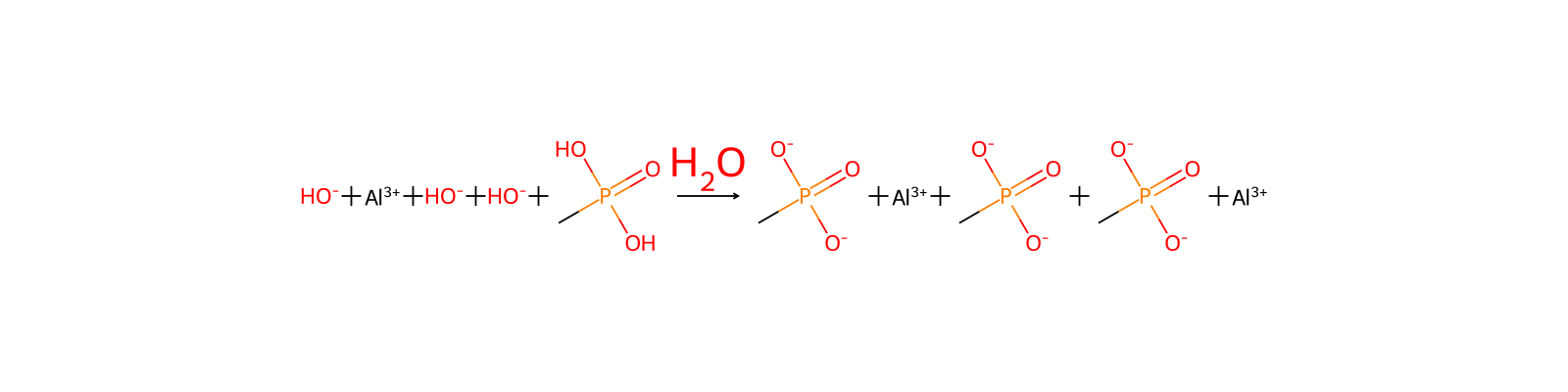



Linked notes
Loading…