
Basic information
- Standard SMILES
[N-]=[N+]=NP(=O)(Oc1ccccc1)Oc1ccccc1- InChIKey
SORGEQQSQGNZFI-UHFFFAOYSA-N- Molecular formula
- C12H10N3O3P
- Average molar mass
- 275.2 g/mol
Overview
reagent for racemization-free peptide synthesis; structure
Names & identifiers
- Preferred name
- Diphenylphosphoryl azide
- IUPAC
- [azido(phenoxy)phosphoryl]oxybenzene
- English name
- Diphenylphosphoryl azide
- Molecular formula
- C12H10N3O3P
- Molecular weight
- 275.2
Names & synonyms
Diphenylphosphoryl azide26386-88-9Diphenyl azidophosphateDiphenylphosphorazidatediphenyl phosphorazidatePhosphorazidic acid, diphenyl esterPhosphoric acid diphenyl ester azideGXM91165AVDTXSID10949274RefChem:588944DTXCID10909772247-644-0
Show more names
DPPADiphenyl azide phosphatePS-DPPAdiphenylphophoryl azideDiphenylphosphorazindate(DPPA)(PHO)2PO-N3Diphenylazidophosphat
Diphenyl phosphoryl azideDiphenylphosphonic azide{[azido(phenoxy)phosphoryl]oxy}benzene[azido(phenoxy)phosphoryl]oxybenzeneMFCD00001987diphenyl phosphoryl azide (dppa)phosphorazidic acid diphenyl esterDiphenyl phosphonyl azide
Database identifiers
- CAS
26386-88-9- PubChem CID
- 123414
- DTXSID
DTXSID10949274- UNII
- GXM91165AV
- EC Number
- 247-644-0
- Nikkaji
- J87.297K
Properties
Computed structural properties
- XLogP
- 4.4
- Topological polar surface area
- 49.9 Ų
- Hydrogen bond donors
- 0
- Hydrogen bond acceptors
- 5
- Rotatable bonds
- 5
- Heavy atoms
- 19
- Formal charge
- 0
- Complexity
- 348
Experimental & physicochemical properties
Chemical ClassesOther Uses -> Biochemical Research
Physical DescriptionColorless odorless liquid; [Alfa Aesar MSDS]
Physicochemical properties
- Boiling point
- 157 °C/0.17 · 157 °C/0.17 mmHg (lit.)
- Density
- 1.277 g/mL · 1.277 g/mL at 25 °C (lit.)
- refractive index
- 20 · n20/D 1.551(lit.)
- Flash point
- 230 °F · >230 °F
- storage temp.
- 2 · 2-8°C
- solubility
- Acetonitrile (Slightly), Chloroform (Slightly), Ethyl Acetate (Sparingly)
- form
- Liquid
- Specific Gravity
- 1.277 · 1.277
- color
- slightly yellow
- Water Solubility
- insoluble
- Hydrolytic Sensitivity
- 7 · 7: reacts slowly with moisture/water
- BRN
- 2058967 · 2058967
- Stability
- Stable. Incompatible with acids, strong oxidizing agents.
- InChI
- 1S/C12H10N3O3P/c13-14-15-19(16,17-11-7-3-1-4-8-11)18-12-9-5-2-6-10-12/h1-10H
- InChIKey
- SORGEQQSQGNZFI-UHFFFAOYSA-N
- SMILES
- [N-]=[N+]=NP(=O)(Oc1ccccc1)Oc2ccccc2
- CAS DataBase Reference
- 26386 · 26386-88-9(CAS DataBase Reference)
- FDA UNII
- 91165 AV · GXM91165AV
- NIST Chemistry Reference
- Diphenylphosphoryl azide(26386-88-9)
- UNSPSC Code
- 12352302 · 12352302
- NACRES
- 22 · NA.22
- Symbol(GHS)
- 6 · GHS06
- Signal word
- Danger
- Hazard statements
- 301 · H301+H311+H331-H315-H319-H335
- Precautionary statements
- 261 · P261-P280-P301+P310-P302+P352+P312-P304+P340+P311-P305+P351+P338
- target organs
- Respiratory system
- PPE
- Eyeshields, Faceshields, Gloves, type ABEK (EN14387) respirator filter
- Hazard Codes
- T
- Risk Statements
- 23 · 23/24/25-36/37/38
- Safety Statements
- 26 · 26-36/37/39-45
- RIDADR
- 3278 · UN 3278 6.1/PG 2
- WGK Germany
- 3 · 3
- F
- 3 · 3-10
- Hazard Note
- Toxic/Keep Cold
- TSCA
- No
- HazardClass
- 6.1 · 6.1
- PackingGroup
- III
- HS Code
- 29299000 · 29299000
- Storage Class
- 6.1 A · 6.1A - Combustible acute toxic Cat. 1 and 2very toxic hazardous materials
- Hazard Classifications
- 3 DermalAcute · Acute Tox. 3 DermalAcute Tox. 3 InhalationAcute Tox. 3 OralEye Irrit. 2Skin Irrit. 2STOT SE 3
- REACH Registrations
- Active
- Limited Quantities
- 100 ml · 100ml (liquid) or 0.5 Kg (solid)
- Excepted Quantities
- Max Inner Pack (1g or 1ml) and Max Outer Pack (500g or 500ml)
Safety & regulation
GHS classification
GHS Classification
Danger
H301 (97.5%): Toxic if swallowed [Danger Acute toxicity, oral]
P260, P261, P262, P264, P264+P265, P270, P271, P280, P284, P301+P316, P302+P352, P304+P340, P305+P351+P338, P316, P319, P320, P321, P330, P332+P317, P337+P317, P361+P364, P362+P364, P403+P233, P405, and P501 (click each P-code to see the statement)
Aggregated GHS information provided per 81 reports by companies from 18 notifications to the ECHA C&L Inventory. Each notification may be associated with multiple companies.
Hazard information
Regulatory Information
Status: Active Update: 11-06-2019 https://echa.europa.eu/registration-dossier/-/registered-dossier/20608
Diphenyl azidophosphate: Does not have an individual approval but may be used under an appropriate group standard
Hazards SummaryA skin and strong eye irritant; Toxic by ingestion, inhalation, and skin absorption; [Alfa Aesar MSDS]
Hazard Classes and CategoriesAcute Tox. 3 (97.5%)
Safety & protection
Exposure Control and Personal Protection
TIH (Toxic Inhalation Hazard) - Term used to describe gases and volatile liquids that are toxic when inhaled. Some are TIH materials themselves, e.g., chlorine, and some release TIH gases when spilled in water, e.g., chlorosilanes. [ERG 2016].
Safety data
- F
- 3-10
- PPE
- Eyeshields, Faceshields, Gloves, type ABEK (EN14387) respirator filter
- wgk
- 3
- tsca
- No
- ridadr
- UN 3278 6.1/PG 2
- hs_code
- 29299000
- risk_code
- 23/24/25-36/37/38
- Signal word
- Danger
- Symbol(GHS)
- GHS06
- hazard_code
- T
- hazard_note
- Toxic/Keep Cold
- safety_code
- 26-36/37/39-45
- hazard_class
- 6.1
- Storage Class
- 6.1A - Combustible acute toxic Cat. 1 and 2very toxic hazardous materials
- packing_group
- III
- target organs
- Respiratory system
- Hazard statements
- H301+H311+H331-H315-H319-H335
- Limited Quantities
- 100ml (liquid) or 0.5 Kg (solid)
- Excepted Quantities
- Max Inner Pack (1g or 1ml) and Max Outer Pack (500g or 500ml)
- REACH Registrations
- Active
- Hazard Classifications
- Acute Tox. 3 DermalAcute Tox. 3 InhalationAcute Tox. 3 OralEye Irrit. 2Skin Irrit. 2STOT SE 3
- Precautionary statements
- P261-P280-P301+P310-P302+P352+P312-P304+P340+P311-P305+P351+P338
Chemistry & industry
Uses & manufacturing
UsesReagent for racemization-free peptide synthesis. [ChemIDplus]
Applications
UsesDiphenylphosphoryl azide (DPPA or diphenyl phosphorazidate, (PhO)2P(O)N3) is a very toxic and potentially explosive organic compound. DPPA has been found to be effective for a variety of organic reactions as a versatile synthetic reagent. It is widely used in synthesis of other organic compounds especially as a reagent for the synthesis of peptides by virtue of its reactions with carboxylic acids leading to either the urethane or the amide.
Preparation methods
PreparationDiphenylphosphoryl azide (DPPA) is easily prepared in high yield by the reaction of the corresponding chloride with sodium azide in acetone. Combination of sodium azide and 18-crown-6 in the same reaction was reported, and the use of a quaternary ammonium salt as a phase-transfer catalyst in a biphasic phase of water and an organic solvent was also reported to be effective, as shown in Scheme 3.Diphenyl Phosphorazidate (DPPA) - More Than Three Decades LaterTakayuki ShioiriGraduate School of Environmental and Human Sciences, Meijo University
Upstream & downstream products
Upstream raw materials
Downstream products
Suppliers50 total
国药集团化学试剂有限公司86-21-63210123 · [email protected]
梯希爱(上海)化成工业发展有限公司021-67121386 · [email protected]
上海阿拉丁生化科技股份有限公司400-6206333 13167063860 · [email protected]
南京一化生物科技有限公司13429882898; 13429882898
INTATRADE GmbH+49 3493/605464 · [email protected]
爱斯特(成都)生物制药股份有限公司+86-28-85122536 85324413 · [email protected]
韶远科技(上海)有限公司021-50795510 4000665055 · [email protected]
科瑞迪化学400-821-5857 021-64326257 · [email protected]
上海拓磊化学试剂有限公司86-021-50318510
武汉捷又顺化工科技有限公司18062118104; 18062118104
上海迈瑞尔生化科技有限公司4006356688 18621169109 · [email protected]
武汉易泰科技有限公司上海分公司18930552037 · [email protected]
宁波亿诺化学品有限公司86-574-27787657 · [email protected]
北京东华力拓科技发展有限公司010-88425576 · [email protected]
阿法埃莎(中国)化学有限公司400-6106006 · [email protected]
安耐吉化学&3A(安徽泽升科技股份有限公司)400-0056266 · [email protected]
上海瀚鸿科技股份有限公司021-54306202 13764082696 · [email protected]
上海景颜化工科技有限公司13817811078 · [email protected]
嘉兴市艾森化工有限公司0573-85285100 18627885956 · [email protected]
Pure Chemistry Scientific Inc.001-857-928-2050 or 1-888-588-9418 · [email protected]
维赛诺化学技术(北京)有限公司13811761079 · [email protected]
上海隆盛化工有限公司58099637 13585536065 · [email protected]
常州桦晟化工科技有限公司0519-85861892 13861049519 · [email protected]
孝感深远化工有限公司15527621225; 15527621225 · [email protected]
苏州施亚生物科技有限公司86(512)5235 8471 17715136450 · [email protected]
山东西亚化学有限公司13355009207 13355009207 · [email protected]
玛雅试剂+86 (573) 82222445 (0)18006601000 452520369 · [email protected]
四川库利南科技有限公司400-1166-196 18981987031 · [email protected]
湖南汇百侍生物科技有限公司0731-85526065 13308475853 · [email protected]
南京维奥化工有限公司Please Send Email 18652950785 · [email protected]
斯百全化学(上海)有限公司021-021-021-67601398-809-809-809 15221380277 · [email protected]
武汉海正工贸发展有限公司027-8866 0053/88660577/88660578
艾科试剂4008-755-333 18080918076 · [email protected]
上海思域化工科技有限公司86-21-34053660 · [email protected]
苏州思变化学技术有限公司0512-65617459 18915409046 · [email protected]
赛默飞世尔科技(中国)有限公司800-810-5118 · [email protected]
江苏艾康生物医药研发有限公司025-66113011 13913916777 · [email protected]
上海健超生物科技有限公司150-2103-5486 18017383231 · [email protected]
TCI AMERICA800-4238616 · [email protected]
TOKYO CHEMICAL INDUSTRY CO., LTD.03-36680489 · [email protected]
TCI Europe320-37350700 · [email protected]
卡迪亚医药科技有限公司0371-86615086 18203638366 0371-86159066 13526786601
上海贤鼎生物科技有限公司4009209199 · [email protected]
深圳振强药物研发有限公司0755-66853366 13670046396 · [email protected]
深圳康特腾科技有限公司86-0755-86635001 · [email protected]
越林试剂021-62960152 · [email protected]
苏州安尼康药物研发有限公司0512-69369885 · [email protected]
无锡中坤生化科技有限公司+86 0510-85629785
常州东辰医药科技有限公司0519-88995800 13815038136;13815038136 · [email protected]
苏州爱玛特生物科技有限公司0512-56316828 4008675858 · [email protected]
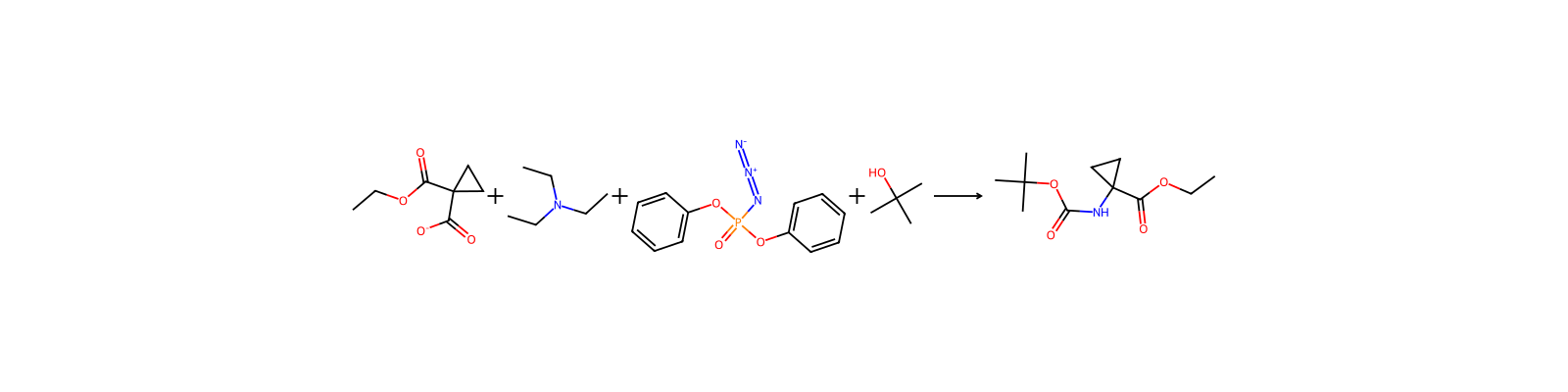
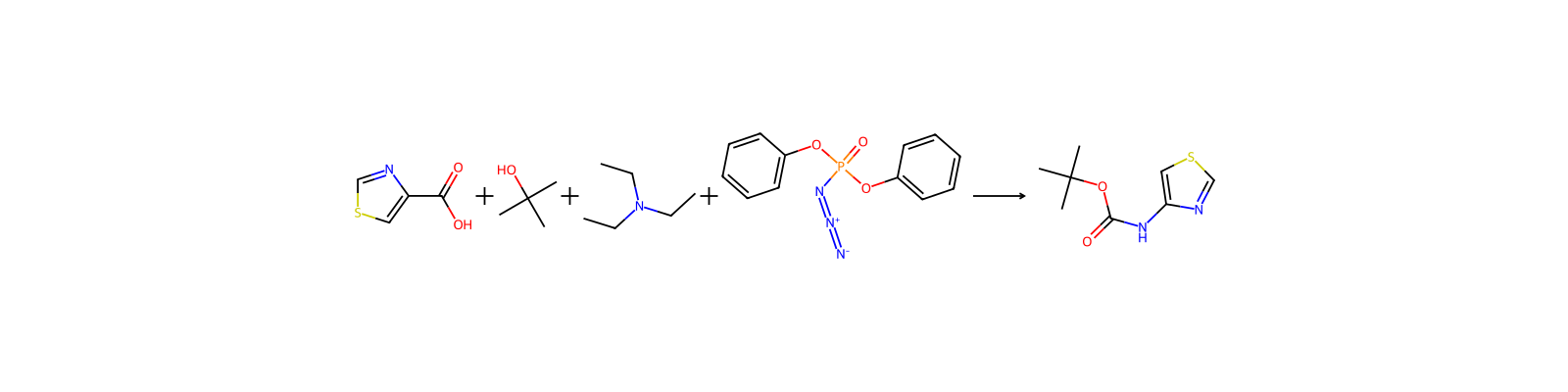
Related reactions
271 records


Linked notes
Loading…