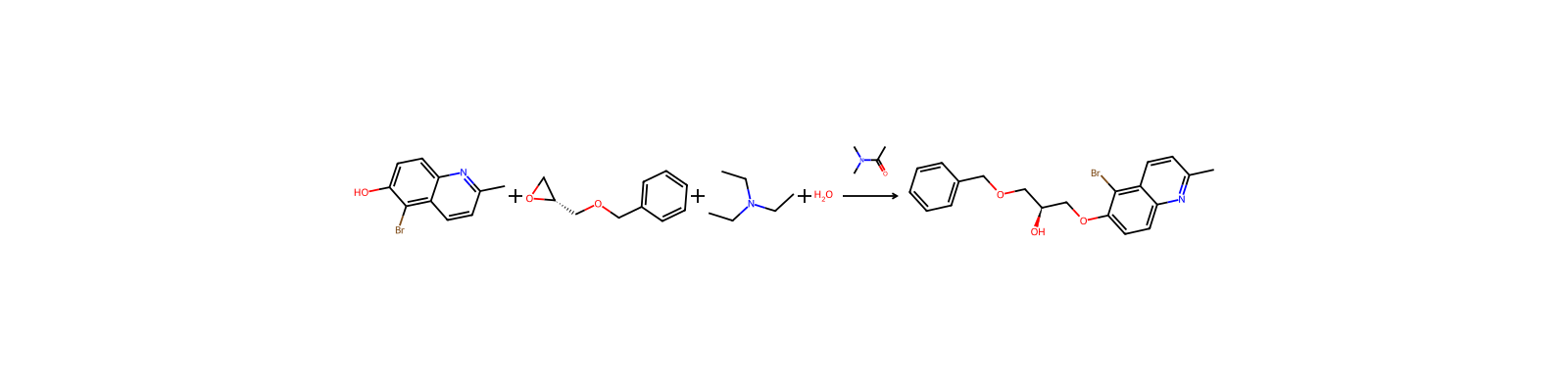
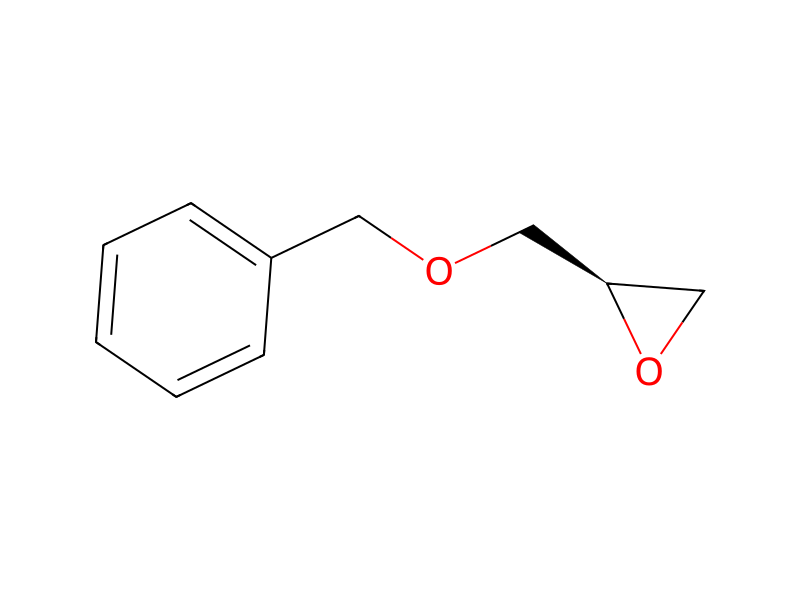
Basic information
- Standard SMILES
c1ccc(COC[C@H]2CO2)cc1- InChIKey
QNYBOILAKBSWFG-JTQLQIEISA-N- Molecular formula
- C10H12O2
- Average molar mass
- 164.2 g/mol
- Monoisotopic mass
- 164.08372962
Names & identifiers
- Preferred name
- (-)-Benzyl (R)-glycidyl ether
- IUPAC
- (2R)-2-(phenylmethoxymethyl)oxirane
- English name
- (R)-(-)-Benzyl glycidyl ether
- Molecular formula
- C10H12O2
- Molecular weight
- 164.2
Names & synonyms
(-)-Benzyl (R)-glycidyl etherRefChem:390945Benzyl (-)-glycidyl ether604-513-614618-80-5(R)-2-((Benzyloxy)methyl)oxirane(R)-(-)-Benzyl glycidyl ether(r)-benzyloxymethyl-oxiraneBenzyl (R)-(-)-Glycidyl Ether(R)-Benzyl glycidyl ether(2R)-2-[(benzyloxy)methyl]oxiraneMFCD00068409
Show more names
tert-butyl 3-oxoazepane-1-carboxylateazepan-3-onedicyclopropylmethanaminetert-butyl 4-hydroxyazepane-1-carboxylatebenzyl 3-hydroxypiperidine-1-carboxylatetert-butyl 3-hydroxyazepane-1-carboxylate2-(trimethylsilyl)ethanaminebenzyl piperidin-3-ylcarbamate(2R)-2-(Benzyloxymethyl)oxiranetert-butyl azepan-4-ylcarbamate
(R)-(-)-Glycidyl benzyl ether(R)-O-Benzylglycidol(2R)-2-(phenylmethoxymethyl)oxirane(R)-(-)-2-(Benzyloxymethyl)oxirane(R)-2-(benzyloxymethyl)oxirane(R)-benzylglycidyl etherOxirane, ((phenylmethoxy)methyl)-, (R)-DTXSID10932782
Database identifiers
- CAS
14618-80-5- PubChem CID
- 159746
- DTXSID
DTXSID10932782- EC Number
- 604-513-6
- Nikkaji
- J82.509C
Properties
Computed structural properties
- XLogP
- 1.3
- Topological polar surface area
- 21.8 Ų
- Hydrogen bond donors
- 0
- Hydrogen bond acceptors
- 2
- Rotatable bonds
- 4
- Heavy atoms
- 12
- Formal charge
- 0
- Complexity
- 130
Physicochemical properties
- Melting point
- 88 · 88-93°C
- Boiling point
- 130 °C · 130 °C (0.1 mmHg)
- alpha
- -5.4 · -5.4 º (c=5 in toluene)
- Density
- 1.077 g/mL · 1.077 g/mL at 25 °C(lit.)
- refractive index
- 20 · n20/D 1.517(lit.)
- Flash point
- 230 °F · >230 °F
- storage temp.
- 2 · 2-8°C
- form
- paste (yellow)
- Specific Gravity
- 1.077 · 1.077
- color
- Colorless to Almost colorless
- optical activity
- 20 · [α]20/D 5.4°, c = 5 in toluene
- Viscosity
- 40000 · 40000-55000mPa.s(20°C) (Analysis carried out at 20°C with 20mm 4 degree cone/plate; 40 s-1))
- Water Solubility
- Soluble in water.
- BRN
- 3588399 · 3588399
- InChI
- InChI=1S/C10H12O2/c1-2-4-9(5-3-1)6-11-7-10-8-12-10/h1-5,10H,6-8H2/t10-/m0/s1
- InChIKey
- QNYBOILAKBSWFG-JTQLQIEISA-N
- SMILES
- O1C[C@@H]1COCC1=CC=CC=C1
- CAS DataBase Reference
- 14618 · 14618-80-5(CAS DataBase Reference)
- UNSPSC Code
- 12352103 · 12352103
- NACRES
- 23 · NA.23
- Symbol(GHS)
- 7 · GHS07
- Signal word
- Warning
- Hazard statements
- 315 · H315-H319
- Precautionary statements
- 264 · P264-P280-P302+P352-P305+P351+P338-P332+P313-P337+P313
- target organs
- Respiratory system
- PPE
- Eyeshields, Gloves, type ABEK (EN14387) respirator filter
- Hazard Codes
- Xi
- Risk Statements
- 36 · 36/37/38
- Safety Statements
- 26 · 26-36-37/39
- RIDADR
- 1993 · NA 1993 / PGIII
- WGK Germany
- 3 · 3
- RTECS
- 2860020 · TX2860020
- HS Code
- 29109000 · 29109000
- Storage Class
- 10 · 10 - Combustible liquids
- Hazard Classifications
- 2 Skin · Eye Irrit. 2Skin Irrit. 2STOT SE 3
- Toxicity
- 660 nmol/plate · mic-sat 660 nmol/plate MUREAV 298,197,1993
- REACH Registrations
- Active
Safety & regulation
GHS classification
GHS Classification
This chemical does not meet GHS hazard criteria for 4.2% (2 of 48) of reports.
Warning
H315 (95.8%): Causes skin irritation [Warning Skin corrosion/irritation]
P261, P264, P264+P265, P271, P280, P302+P352, P304+P340, P305+P351+P338, P319, P321, P332+P317, P337+P317, P362+P364, P403+P233, P405, and P501 (click each P-code to see the statement)
Aggregated GHS information provided per 48 reports by companies from 7 notifications to the ECHA C&L Inventory. Each notification may be associated with multiple companies.
Hazard information
Hazard Classes and CategoriesSkin Irrit. 2 (95.8%)
Safety data
- PPE
- Eyeshields, Gloves, type ABEK (EN14387) respirator filter
- wgk
- 3
- rtecs
- TX2860020
- ridadr
- NA 1993 / PGIII
- hs_code
- 29109000
- Toxicity
- mic-sat 660 nmol/plate MUREAV 298,197,1993
- risk_code
- 36/37/38
- Signal word
- Warning
- Symbol(GHS)
- GHS07
- hazard_code
- Xi
- safety_code
- 26-36-37/39
- Storage Class
- 10 - Combustible liquids
- target organs
- Respiratory system
- Hazard statements
- H315-H319
- REACH Registrations
- Active
- Hazard Classifications
- Eye Irrit. 2Skin Irrit. 2STOT SE 3
- Precautionary statements
- P264-P280-P302+P352-P305+P351+P338-P332+P313-P337+P313
Chemistry & industry
Applications
UsesUsed in the preparation of the lactone fragment of compactin and mevinolin. Chiron in the preparation of syn-1,3-polyols, dideoxynucleosides, and a spiroacetal cyanohydrin.
General Description1H-Pyrazol-3-ylboronic acid hydrate can be used as a reactant in the Suzuki-Miyaura coupling reaction to synthesize pyrazole derivatives by reacting with different aryl halides over the palladium catalyst.
Upstream & downstream products
Upstream raw materials
Downstream products
Suppliers50 total
国药集团化学试剂有限公司86-21-63210123 · [email protected]
北京华美互利生物化工010-56205725 · [email protected]
梯希爱(上海)化成工业发展有限公司021-67121386 · [email protected]
上海阿拉丁生化科技股份有限公司400-6206333 13167063860 · [email protected]
上海科利生物医药有限公司13816253073 · [email protected]
INTATRADE GmbH+49 3493/605464 · [email protected]
韶远科技(上海)有限公司021-50795510 4000665055 · [email protected]
科瑞迪化学400-821-5857 021-64326257 · [email protected]
上海迈瑞尔生化科技有限公司4006356688 18621169109 · [email protected]
北京华威锐科化工有限公司0757-86329057 18934348241 · [email protected]
阿法埃莎(中国)化学有限公司400-6106006 · [email protected]
上海德默医药科技有限公司400-021-7337 2355568890 · [email protected]
安耐吉化学&3A(安徽泽升科技股份有限公司)400-0056266 · [email protected]
常州安轩化工有限公司13912302692 · [email protected]
北京绿百草科技发展有限公司010-61136123 · [email protected]
上海瀚鸿科技股份有限公司021-54306202 13764082696 · [email protected]
上海相辉医药科技有限公司13761987713 · [email protected]
嘉兴市艾森化工有限公司0573-85285100 18627885956 · [email protected]
上海隆盛化工有限公司58099637 13585536065 · [email protected]
大赛璐药物手性技术(上海)有限公司021-50460086-9 15921403865 · [email protected]
玛雅试剂+86 (573) 82222445 (0)18006601000 452520369 · [email protected]
天津希恩思生化科技有限公司400 638 7771 · [email protected]
南京维奥化工有限公司Please Send Email 18652950785 · [email protected]
河南多贝化工有限公司0370-2785118 17550508557 · [email protected]
艾科试剂4008-755-333 18080918076 · [email protected]
赛默飞世尔科技(中国)有限公司800-810-5118 · [email protected]
TCI AMERICA800-4238616 · [email protected]
TOKYO CHEMICAL INDUSTRY CO., LTD.03-36680489 · [email protected]
TCI Europe320-37350700 · [email protected]
越林试剂021-62960152 · [email protected]
上海睿升化工科技有限公司+86-021-50935922
南京杜莱生物技术有限公司025-84699383-8003;025-846993838003-8003 18013301590 · [email protected]
无锡中坤生化科技有限公司+86 0510-85629785
上海湄水化工科技有限公司021-60549325 18616193163
上海将来实业股份有限公司021-61552785 · [email protected]
HBCChem, Inc.+1-510-219-6317 · [email protected]
四川省维克奇生物科技有限公司028-81700200 18116577057 · [email protected]
成都零六生物科技有限公司400-1166-196 13458535857 · [email protected]
雷丁试剂0510-85629785 18013409632 · [email protected]
上海创赛科技有限公司400-6087598 15021221957 · [email protected]
上海馨远医药科技有限公司021-24206007 13764915196 · [email protected]
上海御略医药科技有限公司021-60345187 13671753212 · [email protected]
上海鑫圭生物科技有限公司15121041756 · [email protected]
天津安浩生物科技有限公司[email protected]
上海有朋化工有限公司021-69005955 13701776567 · [email protected]
北京海力扬化学科技有限公司13718199399 · [email protected]
北京欣赛维化学科技有限公司010-56218822 13717722232 · [email protected]
四川海诺威科技有限公司13708085536 13708085536 · [email protected]
上海拓目化工有限公司13391076197 · [email protected]
上海凯赛化工有限公司021-33516722 13701817765 · [email protected]
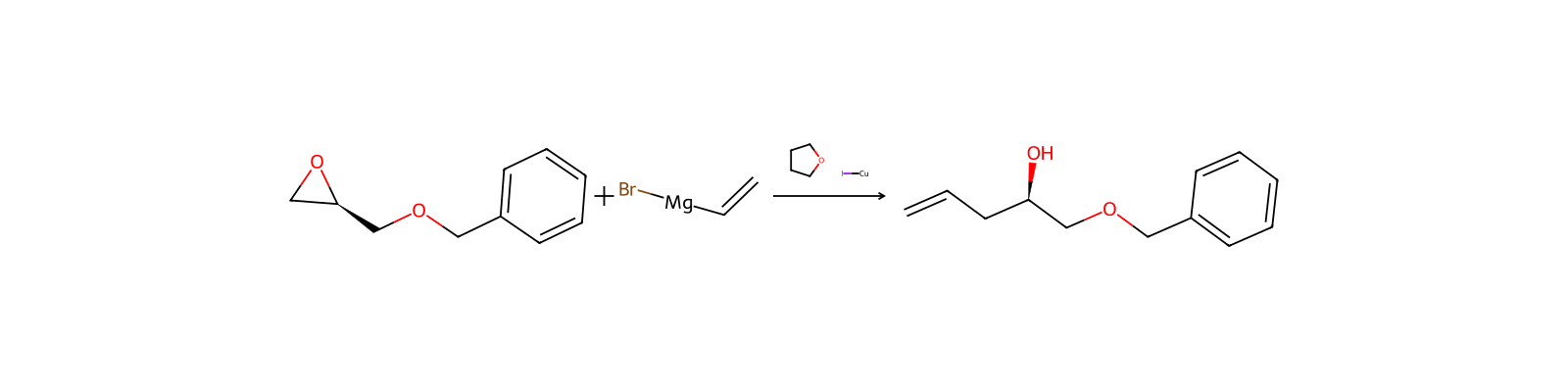
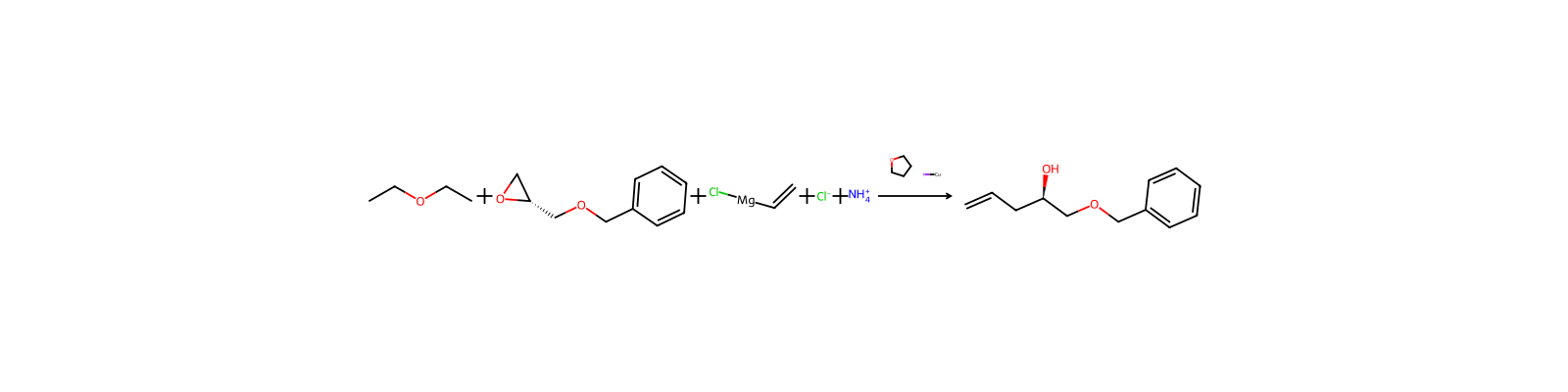
Related reactions
60 records


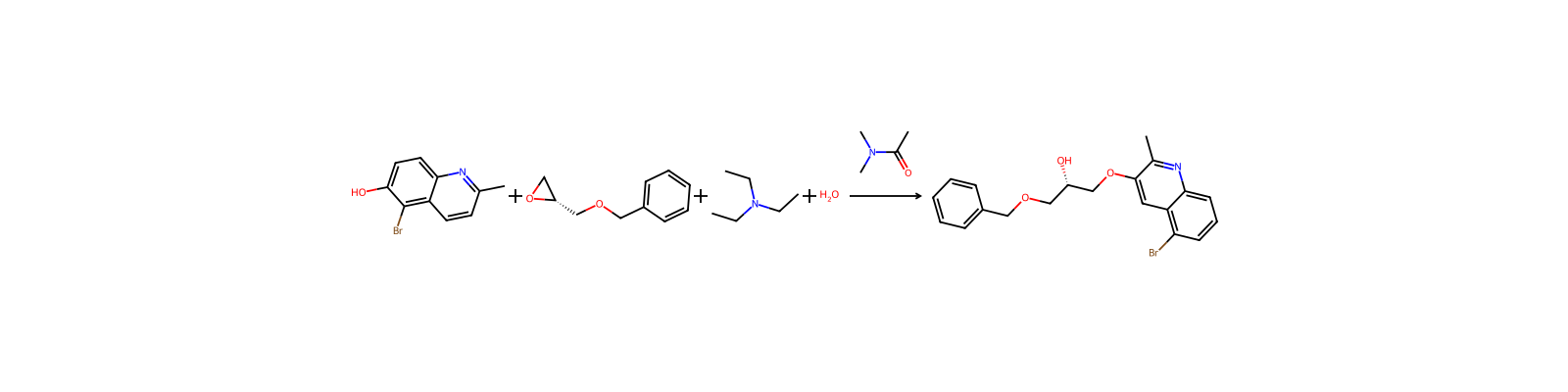

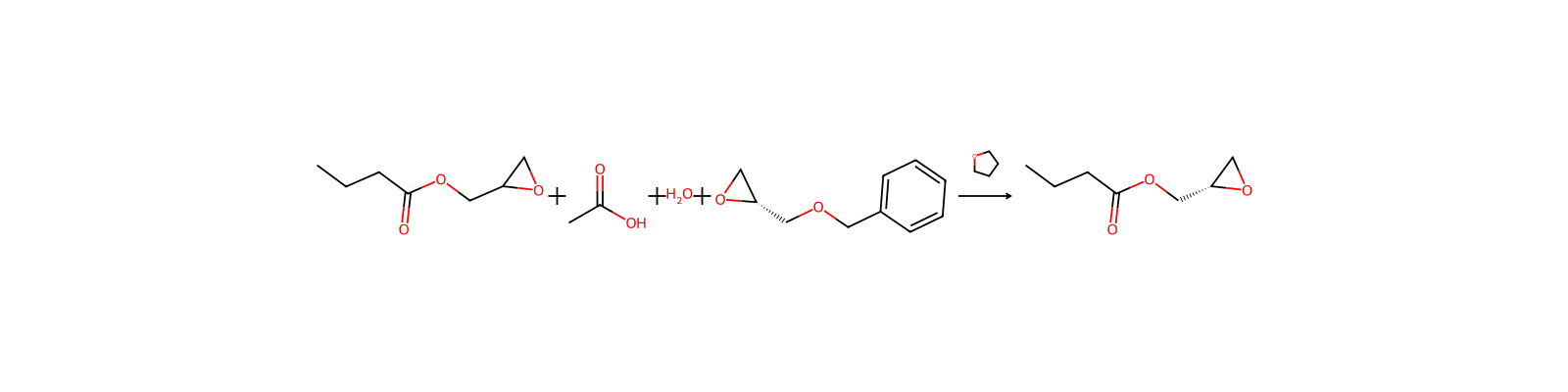
Linked notes
Loading…