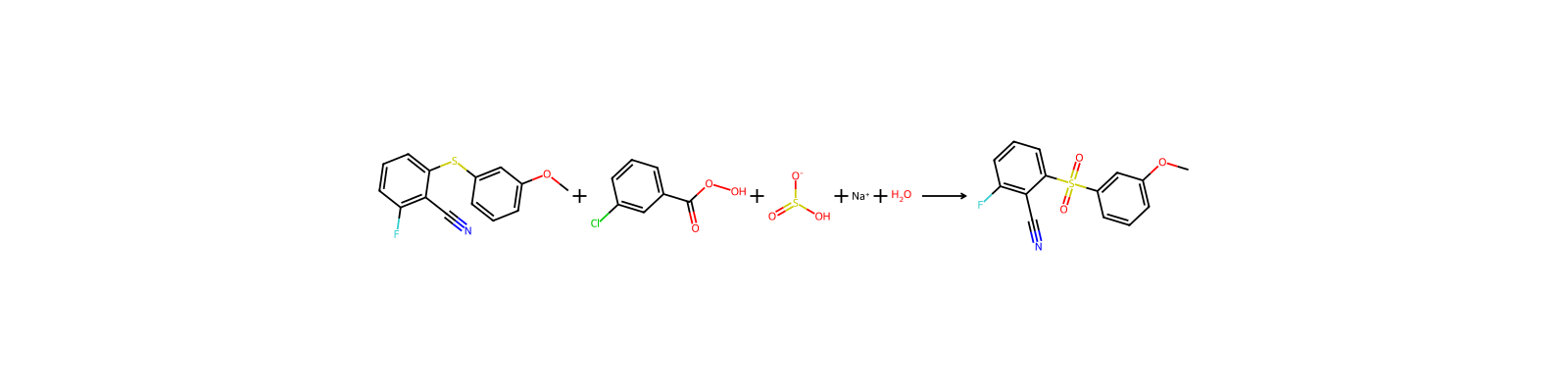

Basic information
- Standard SMILES
O=S([O-])O.[Na+]- InChIKey
DWAQJAXMDSEUJJ-UHFFFAOYSA-M- Molecular formula
- HNaO3S
- Average molar mass
- 104.06 g/mol
- Monoisotopic mass
- 103.95440935
Names & identifiers
- Preferred name
- Sodium Bisulfite
- IUPAC
- sodium hydrogen sulfite
Names & synonyms
SODIUM BISULFITE7631-90-5Sodium hydrogen sulfitesodium hydrogensulfiteSodium bisulphiteMonosodium sulfiteSulfurous acid, monosodium saltSodium sulhydrateUantax SBSHydrogen sodium sulfiteHydrogen sulfite sodiumMonosodic sulphite
Show more names
Sodium hydrosulfite(DOT)Bisulfite de sodiumSodium bisulfite (1:1)Sodium sulfite (NaHSO3)Sodium bisulfite (NaHSO3)Fr-62Sulfurous acid, sodium salt (1:1)INS NO.222
Database identifiers
- CAS
7631-90-5- PubChem CID
- 23665763
- DTXSID
DTXSID8034902- ChEMBL
CHEMBL1689285- ChEBI
CHEBI:26709- UNII
- TZX5469Z6I
- EC Number
- 231-548-0
- Nikkaji
- J134.329G
Properties
Computed structural properties
- Topological polar surface area
- 79.6 Ų
- Hydrogen bond donors
- 1
- Hydrogen bond acceptors
- 4
- Rotatable bonds
- 0
- Heavy atoms
- 5
- Formal charge
- 0
- Complexity
- 33
Experimental & physicochemical properties
pH
2,5-5,5 (10 % aqueous solution)
Aq soln is acid
OdorSlight sulfurous odor
TasteDisagreeable taste
Density
1.48 at 68 °F (USCG, 1999) - Denser than water; will sink
1.36 at 77 °F (USCG, 1999) - Denser than water; will sink
1.48
Relative density (water = 1): 1.34
1.48
1.48 @25 °C
Viscosity3.64 mPa*s at 20 °C
Color/Form
White crystal or crystalline powder
GRANULAR POWDER
Solubility
29 % (NIOSH, 2024)
Sol in 3.5 parts cold water, in 2 parts boiling water, in about 70 parts alcohol.
29%
Boiling Point
Decomposes (NIOSH, 2024)
greater than 212 °F at 760 mmHg (USCG, 1999)
104 °C
decomposes
Decomposes
DecompositionEmits toxic fumes of oxides of sulfur & sodium monoxide when heated to decomposition.
Melting Point
Decomposes (NIOSH, 2024)
less than 32 °F (USCG, 1999)
Decomposes
decomposes
Decomposes
Vapor PressureVapor pressure, kPa at 20 °C: 2.4
Refractive IndexINDEX OF REFRACTION: 1.526
Safety & regulation
GHS classification
GHS Classification
Warning
H302: Harmful if swallowed [Warning Acute toxicity, oral]
P264, P270, P301+P317, P330, and P501 (click each P-code to see the statement)
This chemical does not meet GHS hazard criteria for < 0.1% (1 of 1446) of reports.
Hazard information
Regulatory Information
Chemical: Sulfurous acid, monosodium salt
Sulfurous acid, sodium salt (1:1) is listed on the EPA's Chemical Data Reporting (CDR) system. Manufacturers and importers of Sulfurous acid, sodium salt (1:1) are required to report information about their production and use of this chemical to the EPA under the Toxic Substances Control Act (TSCA). (40 eCFR Part 711)
Status: Active Update: 16-05-2023 https://echa.europa.eu/registration-dossier/-/registered-dossier/15334
Sodium bisulphite: Does not have an individual approval but may be used under an appropriate group standard
The New Jersey Worker and Community Right to Know Act requires public and private employers to provide information about hazardous substances at their workplaces. (N.J.S.A. 34:5A-1 et. seq.)
Other Safety InformationIMAP assessments - Sulfites: Human health tier II assessment;IMAP assessments - Sulfurous acid, monosodium salt: Environment tier I assessment
DOT Label
Corrosive
Corrosive
Fire Hazards
Excerpt from ERG Guide 154 [Substances - Toxic and/or Corrosive (Non-Combustible)]:;Non-combustible, substance itself does not burn but may decompose upon heating to produce corrosive and/or toxic fumes. Some are oxidizers and may ignite combustibles (wood, paper, oil, clothing, etc.). Corrosives in contact with metals may evolve flammable hydrogen gas. Containers may explode when heated. For electric vehicles or equipment, ERG Guide 147 (lithium ion or sodium ion batteries) or ERG Guide 138 (sodium batteries) should also be consulted. (ERG, 2024)
Special Hazards of Combustion Products: Decomposes with heat or oxidizing agents, releasing sulfur dioxide gas. (USCG, 1999)
Not combustible. Gives off irritating or toxic fumes (or gases) in a fire. Risk of fire and explosion on contact with acids or oxidants.
Health Hazards
Powder is irritating to eyes, nose, and throat and can irritate skin. Ingestion may cause irritation of stomach. Very large doses cause violent colic, diarrhea, depression, and death. (USCG, 1999)
Solution is irritating to eyes, nose, and throat and can irritate skin. Ingestion may cause irritation of stomach. (USCG, 1999)
Hazards Summary
A case of occupational asthma, confirmed by specific inhalation challenge, was reported in which a worker sprinkled dry metabisulfite on potatoes. [Malo JL, Cartier A, Desjardins A. Occupational asthma caused by dry metabisulphite. Thorax 1995 May;50(5); 585-6.] Similar cases have been reported in the wine, laundry, and lobster fishing industries. [Madsen J, Sherson D, Kjoller H, Hansen I, Rasmussen K. Occupational asthma caused by sodium disulphite in Norwegian lobster fishing. Occup Environ Med 2004;61:873-874] Powder is irritating to eyes, nose, and throat and can irritate skin. [CAMEO] See SULFITES.
DOT ID and Guide2693 154(solution)
FDA Requirements
Sodium bisulfite is generally recognized as safe when used as a chemical preservative in accordance with good manufacturing practice, except that it is not used in meats; in food recognized as a source of vitamin B1; on fruits or vegetables intended to be served raw to consumers or sold raw to consumers, or to be presented to the consumer as fresh.
Sodium bisulfite is generally recognized as safe when used as a chemical preservative in accordance with good manufacturing or feeding practice, except that it is not used in meats or in food recognized as source of vitamin B1.
Reactive Group
Sulfite and Thiosulfate Salts
Sulfite and Thiosulfate Salts;Water and Aqueous Solutions
EC ClassificationSymbol: Xn; R: 22-31; S: (2)-25-46; Note: B
TSCA Requirements
Section 8(a) of TSCA requires manufacturers of this chemical substance to report preliminary assessment information concerned with production, use, and exposure to EPA as cited in the preamble in 51 FR 41329.
Pursuant to section 8(d) of TSCA, EPA promulgated a model Health and Safety Data Reporting Rule. The section 8(d) model rule requires manufacturers, importers, and processors of listed chemical substances and mixtures to submit to EPA copies and lists of unpublished health and safety studies. Sodium bisulfite is included on this list.
EPA Safer ChemicalChemical: Sulfurous acid, monosodium salt; Green circle - The chemical has been verified to be of low concern based on experimental and modeled data.
Safety & protection
Fire Fighting
Excerpt from ERG Guide 154 [Substances - Toxic and/or Corrosive (Non-Combustible)]:;SMALL FIRE: Dry chemical, CO2 or water spray.;LARGE FIRE: Dry chemical, CO2, alcohol-resistant foam or water spray. If it can be done safely, move undamaged containers away from the area around the fire. Dike runoff from fire control for later disposal.;FIRE INVOLVING TANKS, RAIL TANK CARS OR HIGHWAY TANKS: Fight fire from maximum distance or use unmanned master stream devices or monitor nozzles. Do not get water inside containers. Cool containers with flooding quantities of water until well after fire is out. Withdraw immediately in case of rising sound from venting safety devices or discoloration of tank. ALWAYS stay away from tanks in direct contact with flames. (ERG, 2024)
Excerpt from ERG Guide 154 [Substances - Toxic and/or Corrosive (Non-Combustible)]:;SMALL FIRE: Dry chemical, CO2 or water spray.;LARGE FIRE: Dry chemical, CO2, alcohol-resistant foam or water spray. If it can be done safely, move undamaged containers away from the area around the fire. Dike runoff from fire control for later disposal.;FIRE INVOLVING TANKS, RAIL TANK CARS OR HIGHWAY TANKS: Fight fire from maximum distance or use unmanned master stream devices or monitor nozzles. Do not get water inside containers. Cool containers with flooding quantities of water until well after fire is out. Withdraw immediately in case of rising sound from venting safety devices or discoloration of tank. ALWAYS stay away from tanks in direct contact with flames. (ERG, 2024)
In case of fire in the surroundings, use appropriate extinguishing media.
First Aid Measures
Fresh air, rest. Artificial respiration may be needed. Refer for medical attention.
Rinse skin with plenty of water or shower.
Rinse with plenty of water for several minutes (remove contact lenses if easily possible).
Rinse mouth. Refer for medical attention .
First Aid
Excerpt from NIOSH Pocket Guide for Sodium bisulfite:;Eye: IRRIGATE IMMEDIATELY - If this chemical contacts the eyes, immediately wash (irrigate) the eyes with large amounts of water, occasionally lifting the lower and upper lids. Get medical attention immediately.;Breathing: FRESH AIR - If a person breathes large amounts of this chemical, move the exposed person to fresh air at once. Other measures are usually unnecessary.;Swallow: MEDICAL ATTENTION IMMEDIATELY - If this chemical has been swallowed, get medical attention immediately. (NIOSH, 2024)
Get medical attention.;SKIN: wash with plenty of water.;EYES: flush with plenty of water for at least 15 minutes. (USCG, 1999)
(General first aid procedures);Eye: Irrigate immediately - If this chemical contacts the eyes, immediately wash (irrigate) the eyes with large amounts of water, occasionally lifting the lower and upper lids. Get medical attention immediately.;Breathing: Fresh air;Swallow: Medical attention immediately - If this chemical has been swallowed, get medical attention immediately.
Safe StorageSeparated from acids, strong oxidants and food and feedstuffs. Well closed.
Storage ConditionsKEEP WELL CLOSED & IN A COOL PLACE.
Nonfire Spill Response
Excerpt from ERG Guide 154 [Substances - Toxic and/or Corrosive (Non-Combustible)]:;ELIMINATE all ignition sources (no smoking, flares, sparks or flames) from immediate area. Do not touch damaged containers or spilled material unless wearing appropriate protective clothing. Stop leak if you can do it without risk. Prevent entry into waterways, sewers, basements or confined areas. Absorb or cover with dry earth, sand or other non-combustible material and transfer to containers. DO NOT GET WATER INSIDE CONTAINERS. (ERG, 2024)
Excerpt from ERG Guide 154 [Substances - Toxic and/or Corrosive (Non-Combustible)]:;ELIMINATE all ignition sources (no smoking, flares, sparks or flames) from immediate area. Do not touch damaged containers or spilled material unless wearing appropriate protective clothing. Stop leak if you can do it without risk. Prevent entry into waterways, sewers, basements or confined areas. Absorb or cover with dry earth, sand or other non-combustible material and transfer to containers. DO NOT GET WATER INSIDE CONTAINERS. (ERG, 2024)
Disposal Methods
SRP: At the time of review, criteria for land treatment or burial (sanitary landfill) disposal practices are subject to significant revision. Prior to implementing land disposal of waste residue (including waste sludge), consult with environmental regulatory agencies for guidance on acceptable disposal practices.
Spillage Disposal
Personal protection: filter respirator for acid gases and vapours adapted to the airborne concentration of the substance. Collect leaking and spilled liquid in covered non-metallic containers as far as possible. Absorb remaining liquid in sand or inert absorbent. Wash away remainder with plenty of water. Then store and dispose of according to local regulations.
Preventive Measures
SRP: The scientific literature for the use of contact lenses in industry is conflicting. The benefit or detrimental effects of wearing contact lenses depend not only upon the substance, but also on factors including the form of the substance, characteristics and duration of the exposure, the uses of other eye protection equipment, and the hygiene of the lenses. However, there may be individual substances whose irritating or corrosive properties are such that the wearing of contact lenses would be harmful to the eye. In those specific cases, contact lenses should not be worn. In any event, the usual eye protection equipment should be worn even when contact lenses are in place.
Isolation and Evacuation
Excerpt from ERG Guide 154 [Substances - Toxic and/or Corrosive (Non-Combustible)]:;IMMEDIATE PRECAUTIONARY MEASURE: Isolate spill or leak area in all directions for at least 50 meters (150 feet) for liquids and at least 25 meters (75 feet) for solids.;SPILL: Increase the immediate precautionary measure distance, in the downwind direction, as necessary.;FIRE: If tank, rail tank car or highway tank is involved in a fire, ISOLATE for 800 meters (1/2 mile) in all directions; also, consider initial evacuation for 800 meters (1/2 mile) in all directions. (ERG, 2024)
Excerpt from ERG Guide 154 [Substances - Toxic and/or Corrosive (Non-Combustible)]:;IMMEDIATE PRECAUTIONARY MEASURE: Isolate spill or leak area in all directions for at least 50 meters (150 feet) for liquids and at least 25 meters (75 feet) for solids.;SPILL: Increase the immediate precautionary measure distance, in the downwind direction, as necessary.;FIRE: If tank, rail tank car or highway tank is involved in a fire, ISOLATE for 800 meters (1/2 mile) in all directions; also, consider initial evacuation for 800 meters (1/2 mile) in all directions. (ERG, 2024)
Eye PreventionWear safety spectacles.
Fire PreventionNO contact with acids or strong oxidizing agents. NO contact with incompatible materials: See Chemical Dangers
Toxicology
Interactions
ANTIOXIDANT SODIUM BISULFITE HAS ABILITY TO INCR OR INHIBIT MUTAGENIC ACTIVITY OF N-METHYL-N'-NITRO-N-NITROSOGUANIDINE &/OR THAT OF N-ACETOXY-2-ACETYLAMINOFLUORENE.
When young rats were fed 50 mmol sodium bisulfite/kg/day for 3 wk, anemia, incr spleen weight & incr leukocyte counts were observed. Feeding sulfite for 8 weeks was assoc with reduced bw gain & food consumption. These effects were not ... due to the systemic toxicity of sulfite per se but were due to detrimental interaction of sulfite with cyanocobalamine & other constituents in the feed.
Target OrgansEyes, skin, respiratory system
Adverse EffectsAsthma - Reversible bronchoconstriction (narrowing of bronchioles) initiated by the inhalation of irritating or allergenic agents.;ACGIH Carcinogen - Not Classifiable.
Exposure Routes
The substance can be absorbed into the body by ingestion.
inhalation, ingestion, skin and/or eye contact
Toxicity SummarySafe in the present practices of use and concentration. Ingredient, concentration, and use information are available in documents discoverable at https://cir-reports.cir-safety.org
Signs and Symptoms
Cough. Shortness of breath. Wheezing.
Redness.
Redness.
Abdominal pain. Nausea. Vomiting.
irritation eyes, skin, mucous membrane
ICSC Environmental DataThis substance may be hazardous to the environment. Special attention should be given to water quality.
Human Toxicity Excerpts
Dermatitis resulting from exposure of restaurant workers to preservatives in meat.
A case of an 18 yr old asthmatic patient in whom wheezing and anaphylactoid symptoms developed after the admin of isoetharine hydrochloride and metoclopramide hydrochloride, both containing bisulfites as preservatives. It was shown that these hypersensitivity reactions resulted from sodium bisulfite and sodium metabisulfite, used in soln of one and two, respectively. /SRP: Asthma-like symptoms are thought to be caused by a genetic lack of sulfite oxidase./
MEDICAL REPORTS OF ACUTE EXPOSURES HAVE SHOWN MILD EYE & RESP RESPONSES.
A case of hypersensitivity to sodium bisulfite associated with Normosol-M with dextrose intravenous injection is presented in a 48 yr old woman with acute pancreatitis who received Normosol-M with dextrose, 100 ml/hr for approx 5 days and developed an erythematous pruritic skin rash with angioedema which resolved when Normosol-M with dextrose was stopped and recurred when she was restarted on Normosol-M with dextrose, 125 ml/hr. It was concluded that because sulfites are found in many foods and drugs, many patients may actually have a sulfite sensitivity rather than a food or drug allergy.
For more Human Toxicity Excerpts (Complete) data for SODIUM BISULFITE (9 total), please visit the HSDB record page.
Artificial Pollution Sources
Release of sodium bisulfite from the paper industry in Canada is reviewed. The principal sources of pollution are the wood preparation rooms, losses from the bleaching rooms, and cooking liquors from the chemical pulp process. There are also accidental losses from diverse operations such as the recuperation of the bleaching or cooking liquors.
Non-Human Toxicity Excerpts
... IP LD50's RANGE FROM 244 MG/KG IN THE DOG TO 675 MG/KG IN THE MOUSE. IV LD50's (65 MG/KG IN THE RABBIT TO 130 MG/KG IN THE MOUSE) ALSO INDICATE THAT SMALL ANIMALS ARE LESS SUSCEPTIBLE THAN LARGE ONES. GIVEN PARENTERALLY AT THE SAME DOSE, CONCENTRATED SOLUTIONS ARE MORE TOXIC THAN DILUTE ONES. RABBITS TOLERATED THE IV ADMINISTRATION OF 0.67 LD50's EVERY 8 HR, 5 DAYS/WK FOR 3 WK. ...
IN FATAL POISONINGS DEATH OCCURS IN 30-45 MIN; IT IS PRECEDED BY IRRITABILITY, RESTLESSNESS, CLONIC CONVULSIONS, VARIABLE PERIODS OF APNEA & CYANOSIS, & TERMINAL RESP & CARDIOVASCULAR COLLAPSE.
SODIUM BISULFITE INJECTED IP INTO MICE, DID NOT INDUCE INCR IN DOMINANT LETHAL MUTATIONS, DID NOT CAUSE CHROMOSOME ABERRATION IN GERM CELL STAGES TESTED, & DID NOT INDUCE HERITABLE TRANSLOCATIONS IN GERM CELLS OF MALES.
SISTER CHROMATID EXCHANGES ARE INDUCED IN CHINESE HAMSTER CELLS BY A 2-3 HR EXPOSURE TO ASCORBIC ACID OR BISULFITE.
For more Non-Human Toxicity Excerpts (Complete) data for SODIUM BISULFITE (14 total), please visit the HSDB record page.
Evidence for Carcinogenicity
Evaluation: There is inadequate evidence for the carcinogenicity in humans of sulfur dioxide, sulfites, bisulfites and metabisulfites. There is limited evidence for the carcinogenicity in experimental animals of sulfur dioxide. There is inadequate evidence for the carcinogenicity in experimental animals of sulfites, bisulfites and metabisulfites. Overall evaluation: Sulfur dioxide, sulfites, bisulfites and metabisulfites are not classifiable as to their carcinogenicity to humans (Group 3).
A4: Not classifiable as a human carcinogen.
Antidote and Emergency Treatment
Basic treatment: Establish a patent airway. Suction if necessary. Watch for signs of respiratory insufficiency and assist ventilations if necessary. Administer oxygen by nonrebreather mask at 10 to 15 L/min. Monitor for pulmonary edema and treat if necessary ... . Anticipate seizures and treat if necessary ... . For eye contamination, flush eyes immediately with water. Irrigate each eye continuously with normal saline during transport ... . Do not use emetics. For ingestion, rinse mouth and administer 5 m1/kg up to 200 ml of water for dilution if the patient can swallow, has a strong gag reflex, and does not drool ... . Administer activated charcoal ... . Cover skin burns with dry sterile dressings after decontamination ... . /Sulfur and related compounds/
Advanced treatment: Consider orotracheal or nasotracheal intubation for airway control in the patient who is unconscious. Early intubation at the first sign of upper airway obstruction may be necessary. Monitor cardiac rhythm and treat arrhythmias if necessary ... . Start an IV with D5W /SRP: "To keep open", minimal flow rate/. Use lactated Ringer's if signs of hypovolemia are present. Watch for signs of fluid overload. Consider drug therapy for pulmonary edema ... . Treat seizures with diazepam (Valium) ... . For hypotension with signs of hypovolemia, administer fluid cautiously. Consider vasopressors for hypotension with a normal fluid volume. Watch for signs of fluid overload ... . Use proparacaine hydrochloride to assist eye irrigation ... . /Sulfur and related compounds/
Regulatory information
Regulatory Information
Chemical: Sulfurous acid, monosodium salt
Sulfurous acid, sodium salt (1:1) is listed on the EPA's Chemical Data Reporting (CDR) system. Manufacturers and importers of Sulfurous acid, sodium salt (1:1) are required to report information about their production and use of this chemical to the EPA under the Toxic Substances Control Act (TSCA). (40 eCFR Part 711)
Status: Active Update: 16-05-2023 https://echa.europa.eu/registration-dossier/-/registered-dossier/15334
Sodium bisulphite: Does not have an individual approval but may be used under an appropriate group standard
The New Jersey Worker and Community Right to Know Act requires public and private employers to provide information about hazardous substances at their workplaces. (N.J.S.A. 34:5A-1 et. seq.)
FDA Requirements
Sodium bisulfite is generally recognized as safe when used as a chemical preservative in accordance with good manufacturing practice, except that it is not used in meats; in food recognized as a source of vitamin B1; on fruits or vegetables intended to be served raw to consumers or sold raw to consumers, or to be presented to the consumer as fresh.
Sodium bisulfite is generally recognized as safe when used as a chemical preservative in accordance with good manufacturing or feeding practice, except that it is not used in meats or in food recognized as source of vitamin B1.
TSCA Requirements
Section 8(a) of TSCA requires manufacturers of this chemical substance to report preliminary assessment information concerned with production, use, and exposure to EPA as cited in the preamble in 51 FR 41329.
Pursuant to section 8(d) of TSCA, EPA promulgated a model Health and Safety Data Reporting Rule. The section 8(d) model rule requires manufacturers, importers, and processors of listed chemical substances and mixtures to submit to EPA copies and lists of unpublished health and safety studies. Sodium bisulfite is included on this list.
CERCLA Reportable Quantities
Persons in charge of vessels or facilities are required to notify the National Response Center (NRC) immediately, when there is a release of this designated hazardous substance, in an amount equal to or greater than its reportable quantity of 5000 lb or 2270 kg. The toll free number of the NRC is (800) 424-8802; In the Washington D.C. metropolitan area (202) 426-2675. The rule for determining when notification is required is stated in 40 CFR 302.4 (section IV. D.3.b).
Clean Water Act Requirements
Sodium bisulfite is designated as a hazardous substance under section 311(b)(2)(A) of the Federal Water Pollution Control Act and further regulated by the Clean Water Act Amendments of 1977 and 1978. These regulations apply to discharges of this substance. This designation includes any isomers and hydrates, as well as any solutions and mixtures containing this substance.
Chemistry & industry
Pharmacology
Mechanism of Action
Sodium bisulfite is a mutagen that can specifically deaminate more than 96% of the cytosine residues in single-stranded DNA via formation of a 5,6-dihydrocytosine-6-sulfonate intermediate.
Bisulfite concn of 100 mM caused nearly complete inhibition of dNTP incorporation in calf thymus DNA. Preincubation of the various DNA synthesis assay components in 100 mM bisulfite showed that only preincubation of DNA polymerase I caused inhibition of DNA synthesis. There was a 7.5-fold decrease in the fidelity of DNA synthesis. It is hypothesized that sulfitolysis of the one disulfide group in DNA polymerase I by bisulfite might be responsible for reduced polymerase activity and accuracy. Effects of bisulfite on mutation frequency might be mediated by effects on the fidelity of DNA repair systems.
Metabolism/Metabolites
Bisulfite is oxidized in vivo to sulfate, principally by hepatic sulfite oxidase, with lesser amounts metabolized by the kidneys, intestines, heart, & lungs.
Rat liver contains 10 to 20 times more sulphite oxidase activity than does human liver.
MeSH Pharmacological Classification
Substances used on humans and other animals that destroy harmful microorganisms or inhibit their activity. They are distinguished from DISINFECTANTS, which are used on inanimate objects.
Naturally occurring or synthetic substances that inhibit or retard oxidation reactions. They counteract the damaging effects of oxidation in animal tissues.
Chemical agents that increase the rate of genetic mutation by interfering with the function of nucleic acids. A clastogen is a specific mutagen that causes breaks in chromosomes.
Absorption, Distribution and Excretion
EIGHTY TO 90% OF AN INTRAPERITONEAL DOSE IN RATS CAN BE ACCOUNTED FOR AS URINARY SULFATE IN 4 HR.
Approx 50% of the ingested bisulfite is absorbed from rat gut.
Bisulfite is oxidized in vivo to sulfate, principally by hepatic sulfite oxidase, with lesser amounts metabolized by the kidneys, intestines, heart, & lungs. Some 70 to 95% of the radioactivity assoc with a 50 mg/kg oral bisulfite dose appeared in rodent & monkey urine within 3 days as sulfate. Only a small fraction (8-10%) of the absorbed bisulfite was eliminated intact.
Uses & manufacturing
Uses
CIR ingredient: Sodium Bisulfite
Used as a food preservative; a disinfectant and bleach for textiles, brewing casks, dye vats, and paper making; and an additive for copper and brass plating; [HSDB] Used in photography (fixing bath); [www.ci.tucson.az.us/arthazards/medium.html]
Electroplating [Category: Plate];Pulp and Paper Processing [Category: Industry];Textiles (Fiber & Fabric Manufacturing) [Category: Industry];Using Disinfectants or Biocides [Category: Clean];Photographic Processing [Category: Other];Textiles (Printing, Dyeing, or Finishing) [Category: Industry]
For Sodium bisulfite (USEPA/OPP Pesticide Code: 078201) ACTIVE products with label matches. /SRP: Registered for use in the U.S. but approved pesticide uses may change periodically and so federal, state and local authorities must be consulted for currently approved uses./
Mfr chemicals (sodium salts, cream of tartar); vat dye preparation; textiles (antichlor, mordant, discharge); bleaching groundwood, wool, etc; reducing agent; cask sterilization (brewing); copper and brass plating; color preservative for pale crepe rubber; wood pulp digestion; analytical reagent; dietary supplement.
As disinfectant & bleach, particularly for wool; in dyeing for preparing hot & cold indigo vats; in paper making in place of sodium hyposulfite to remove chloride from bleached fibers; as stripper (reducer) in laundering; to remove permanganate stains from skin & clothing; to render certain dyes sol; ... coagulating rubber latex; as preservative for deteriorative liquids or solns used for technical purposes; as antiseptic in fermentation industries. As preservative & bleach in food.
U.S. Exports(1984) 9.51X10+9 g /Sodium sulfite, bisulfite, metabisulfite, and thiosulfite/
U.S. Imports(1984) 6.53X10+9 g /Sodium sulfite, bisulfite, metabisulfate, and thiosulfate/
U.S. Production
2023: 700,000,000 - <850,000,000 lb;2022: 700,000,000 - <850,000,000 lb;2021: 1,000,000,000 - <2,500,000,000 lb;2020: 700,000,000 - <850,000,000 lb
(1972) 2.03X10+11 GRAMS
(1973) 1.92X10+11 GRAMS
Consumption Patterns
80% FOR SULFITE PULPING; 5% IN WATER TREATMENT; 5% FOR PHOTOGRAPHY; 10% FOR MISC USES INCLUDING BLEACH FOR WOOL, SILK AND STRAW, FOOD PRESERVATIVE, RAW MATERIAL, DISCOLORATION PREVENTATIVE, & ANTICHLOR TO NEUTRALIZE HYPOCHLORITE OR CHLORINE AFTER BLEACHING (1967)
Consumer UsesSurfactant (surface active agent);Processing aids not otherwise specified;Antioxidant;Not Known or Reasonably Ascertainable;Preservative;Oxidizing agent
Industry Uses
Dye;Oxidizing agent;Anti-scaling agent;Intermediate;Processing aids, specific to petroleum production;Not Known or Reasonably Ascertainable;Corrosion inhibitor;Reducing agent;Fixing agent (mordant);pH regulating agent;Antioxidant;Bleaching agent;Surfactant (surface active agent);Tanning agents not otherwise specified;Processing aids not otherwise specified;Alloys;Lubricating agent;Other;Polymerization promoter
Methods of Manufacturing
CHIEFLY AS A BY-PRODUCT IN THE PRODUCTION OF PHENOL & RESORCINOL.
Sodium carbonate soln is saturated with sulfur dioxide and the soln crystallized.
Formulations/Preparations
USEPA/OPP Pesticide Code 078201; Trade Names: FR-62.
Grades: crystals; pure dry; commercial dry; reagent; commercial soln 35 deg be; powder (67% sulfur dioxide); CP /chemically pure: a grade designation signifying a minimum of impurities, but not 100% purity/; USP /United States pharmacopeia/; FCC /food chemicals codex/.
/Available as/ 38% & 43% solutions; technical, food, photo, reagent and anhydrous grades.
/SODIUM/ BISULFITE OF COMMERCE CONSISTS CHIEFLY OF SODIUM METABISULFITE.
Household ProductsInformation on 58 consumer products that contain Sodium bisulfite in the following categories is provided:;• Commercial / Institutional;• Inside the Home;• Personal Care
Use Classification
EPA Safer Chemical Functional Use Classes -> Processing Aids and Additives
Safer Chemical Classes -> Green circle - The chemical has been verified to be of low concern
Food additives
Food Additives -> ANTIOXIDANTPRESERVATIVE -> JECFA Functional Classes
Cosmetics -> Preservative
General Manufacturing Information
Food, beverage, and tobacco product manufacturing;Paper Manufacturing;Miscellaneous Manufacturing;Wood Product Manufacturing;Textiles, apparel, and leather manufacturing;Other (requires additional information);Services;Petroleum Refineries;Plastics Material and Resin Manufacturing;Fabricated Metal Product Manufacturing;All Other Chemical Product and Preparation Manufacturing;Not Known or Reasonably Ascertainable;Petroleum Lubricating Oil and Grease Manufacturing;Primary Metal Manufacturing;Oil and Gas Drilling, Extraction, and Support activities;Transportation Equipment Manufacturing;Soap, Cleaning Compound, and Toilet Preparation Manufacturing;Wholesale and Retail Trade;Agriculture, Forestry, Fishing and Hunting;Mining (except Oil and Gas) and support activities
Sulfurous acid, sodium salt (1:1): ACTIVE
VET /USED/ IN PROMOTING LACTIC ACID PRODUCING BACTERIA & INHIBITING PROTEIN SPLITTING BACTERIA ON SILAGE. COMMERCIAL GRADES FOR THIS USE OFTEN CONTAINED SODIUM METABISULFITE, & THIS IS NO LONGER GENERALLY REGARDED AS SAFE FEED ADDITIVE. FOUND IN ... SOME TOPICAL PREPN. ... INCL WITH LOCAL ANESTHETICS ... LOWER THEIR EFFECTIVENESS.
Potentially useful utility of bisulfite as a means of detoxification of alfatoxin-contaminated commodities.
Related reactions
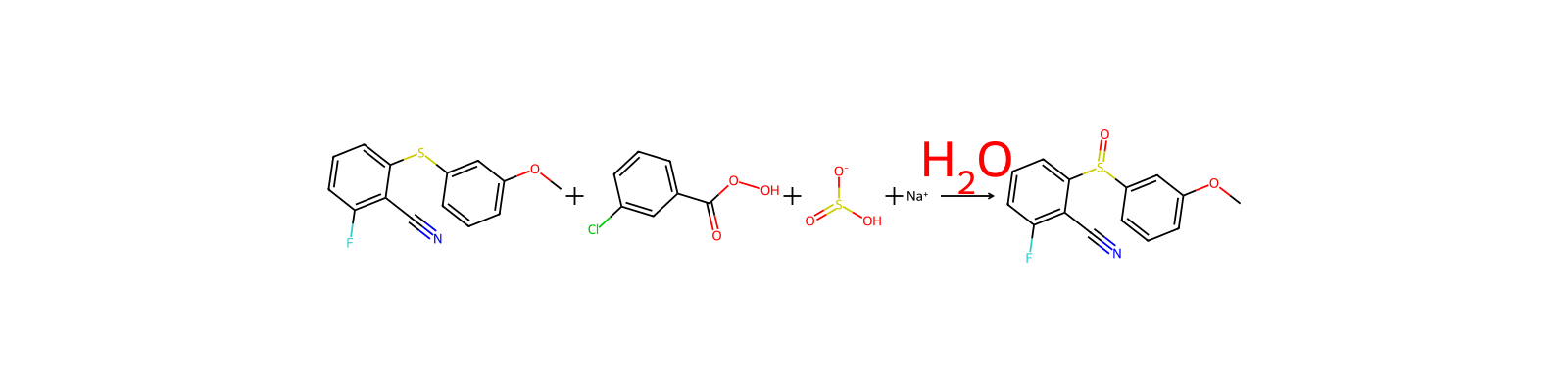
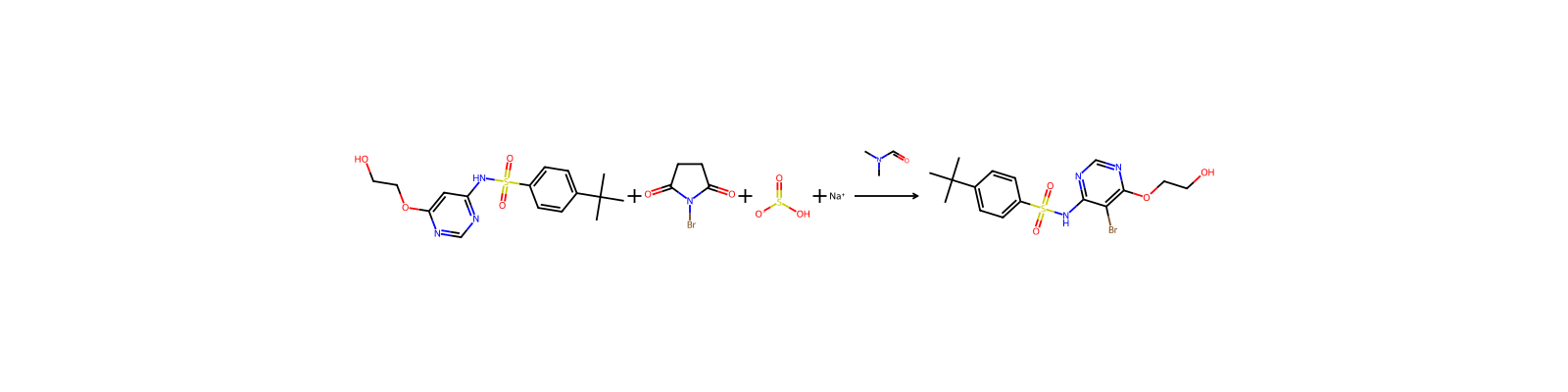
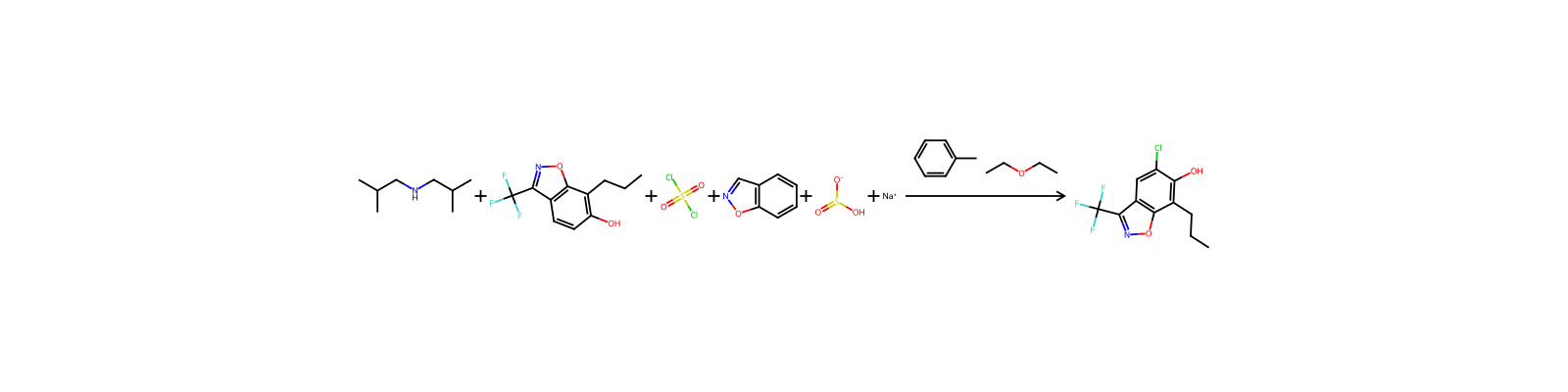
2,065 records




Linked notes
Loading…