Basic information
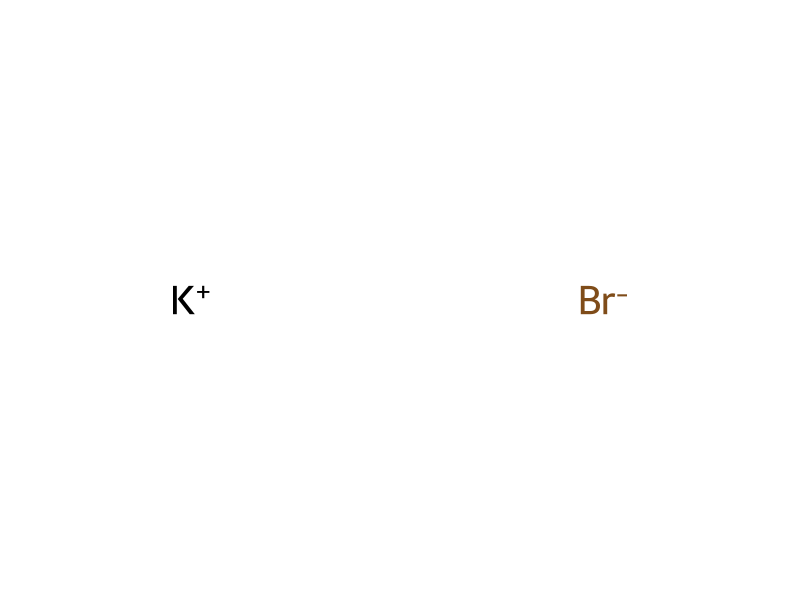
- Standard SMILES
[Br-].[K+]- InChIKey
IOLCXVTUBQKXJR-UHFFFAOYSA-M- Molecular formula
- BrK
- Average molar mass
- 119 g/mol
- Monoisotopic mass
- 117.88204378
Overview
Potassium bromide appears as odorless colorless crystals or white crystalline powder or white granular solid with a pungent bitter saline taste. Aqueous solutions are neutral (pH about 7). (NTP, 1992)
Names & identifiers
- Preferred name
- Potassium Bromide
- IUPAC
- potassium bromide
- English name
- Potassium bromide
- Molecular formula
- BrK
- Molecular weight
- 119
Names & synonyms
POTASSIUM BROMIDE7758-02-3Bromide salt of potassiumPotassium bromide (KBr)Bromure de potassiumKaliumbromidKalii bromidumKali bromatumTripotassium tribromideNSC-77367OSD78555ZMDTXSID5025946
Show more names
KBrBROMINE LIQUIDBROMINE TSBattery GradeACS, 99% minBROMIDE BROMATE
CHEBI:32030bromopotassiumPot bromK-BroVetKBroVet-CA1KALI BROMRefChem:6151K-BroVet 250
Database identifiers
- CAS
7758-02-3- PubChem CID
- 253877
- DTXSID
DTXSID5025946- ChEMBL
CHEMBL1644030- ChEBI
CHEBI:32030- UNII
- OSD78555ZM
- EC Number
- 231-830-3
- Nikkaji
- J43.930D
Properties
Computed structural properties
- Topological polar surface area
- 0 Ų
- Hydrogen bond donors
- 0
- Hydrogen bond acceptors
- 1
- Rotatable bonds
- 0
- Heavy atoms
- 2
- Formal charge
- 0
- Complexity
- 2
Experimental & physicochemical properties
Chemical ClassesOther Classes -> Halogens, Inorganic Compounds
pHThe aqueous solution is neutral.
SpringerMaterials Propertiescrystal structure
OdorOdorless
TastePungent, strong, bitter, saline
Food AdditivesWASHING OR SURFACE REMOVAL AGENT -> FDA Substance added to food
Density
2.75 at 77 °F (NTP, 1992) - Denser than water; will sink
2.74 g/cu cm at 25 °C
2.75 @25 °C
Color/Form
Colorless crystals or white granules or powder
Colorless cubic crystals
White, crystalline powder or granules
Solubility
greater than or equal to 100 mg/mL at 59 °F (NTP, 1992)
In water, 67.8 g/100 g at 25 °C
Soluble in water
1 g dissolves in 1.5 mL water, 1 mL boiling water
1 g dissolves in 250 mL alcohol, 21 mL boiling alcohol, 4.6 mL glycerol
For more Solubility (Complete) data for Potassium bromide (6 total), please visit the HSDB record page.
Animal Drugs
Active Ingredients (Potassium bromide) -> FDA Greenbook
Pharmaceuticals -> UK Veterinary Medicines Directorate List
Boiling Point
2615 °F at 760 mmHg (NTP, 1992)
1435 °C
1435 °C @760 [mm Hg]
Decomposition
Hazardous decomposition products formed under fire conditions. - Hydrogen bromide gas, Potassium oxides.
When heated to decomposition it emits toxic fumes of /potassium oxide and hydrogen bromides/.
Physicochemical properties
- Melting point
- 734 °C · 734 °C (lit.)
- Boiling point
- 1435 °C/1 · 1435 °C/1 atm (lit.)
- Density
- 3.119 g/mL · 3.119 g/mL at 25 °C(lit.)
- bulk density
- 900 · 900-1000kg/m3
- vapor density
- 7.14 · 7.14 (vs air)
- vapor pressure
- 175 mm · 175 mm Hg ( 20 °C)
- refractive index
- 1.559 · 1.559
- Flash point
- 1435 °C · 1435°C
- storage temp.
- 5 °C · Store at +5°C to +30°C.
- solubility
- 2 O: · H2O: 1 M at 20 °C, clear, colorless
- form
- random crystals
- color
- White
- Specific Gravity
- 2.75 · 2.75
- PH
- 5 · 5.0-8.8 (25℃, 50mg/mL in H2O)
- Water Solubility
- 650 g/L · 650 g/L (20 ºC)
- Thermal Conductivity
- 3.807 W/ · 3.807 W/(m·K)
- Specific Heat Capacity
- 0.44 J/ · Cp(crystal): 0.44 J/(g·K), at 25℃
- λmax
- 260 nm · λ: 260 nm Amax: 0.01λ: 280 nm Amax: 0.01
- Sensitive
- Hygroscopic
- Merck
- 14 · 14,7618
- Dielectric constant
- 4.87 · 4.8700000000000001
- Stability
- Stable. Incompatible with strong oxidizing agents, strong acids, bromine trifluoride and bromine trichloride.
- Cosmetics Ingredients Functions
- VISCOSITY CONTROLLING
- InChI
- 1S/BrH.K/h1H;/q;+1/p-1
- InChIKey
- IOLCXVTUBQKXJR-UHFFFAOYSA-M
- SMILES
- [K+].[Br-]
- LogP
- 1 at · 1 at 25℃
- Substances Added to Food (formerly EAFUS)
- POTASSIUM BROMIDE
- FDA 21 CFR
- 173.315 · 173.315; 178.1010; 178.2010
- CAS DataBase Reference
- 7758 · 7758-02-3(CAS DataBase Reference)
- EWG's Food Scores
- 1 · 1
- FDA UNII
- 78555 ZM · OSD78555ZM
- NIST Chemistry Reference
- Potassium bromide(7758-02-3)
- EPA Substance Registry System
- Potassium bromide (7758-02-3)
- UNSPSC Code
- 12352302 · 12352302
- NACRES
- 21 · NB.21
- Symbol(GHS)
- 7 · GHS07
- Signal word
- Warning
- Hazard statements
- 319 · H319
- Precautionary statements
- 280 · P280-P305+P351+P338-P337+P313
- Hazard Codes
- Xi
- Risk Statements
- 36 · 36/37/38-36
- Safety Statements
- 26 · 26-45-61-7/9-39-36
- RIDADR
- 1744 · UN 1744 8/PG 1
- WGK Germany
- 2 · 2
- RTECS
- 7650000 · TS7650000
- F
- 3 · 3-10
- TSCA
- TSCA listed
- HS Code
- 28275100 · 28275100
- Storage Class
- 11 · 11 - Combustible Solids
- Hazard Classifications
- 2 · Eye Irrit. 2
- Hazardous Substances Data
- 7758 · 7758-02-3(Hazardous Substances Data)
- Toxicity
- 50 orally · LD50 orally in Rabbit: > 2000 mg/kg
- REACH Registrations
- Active
Safety & regulation
GHS classification
GHS Classification
This chemical does not meet GHS hazard criteria for 3.2% (17 of 538) of reports.
Warning
H315 (12.6%): Causes skin irritation [Warning Skin corrosion/irritation]
P261, P264, P264+P265, P271, P280, P302+P352, P304+P340, P305+P351+P338, P319, P321, P332+P317, P337+P317, P362+P364, P403+P233, P405, and P501 (click each P-code to see the statement)
Aggregated GHS information provided per 538 reports by companies from 17 notifications to the ECHA C&L Inventory. Each notification may be associated with multiple companies.
Warning
Hazard information
Regulatory Information
Chemical: Potassium bromide (KBr)
Status: Active Update: 29-06-2020 https://echa.europa.eu/registration-dossier/-/registered-dossier/13209
Potassium bromide: Does not have an individual approval but may be used under an appropriate group standard
Other Safety InformationIMAP assessments - Potassium bromide (KBr): Environment tier I assessment
Fire HazardsFlash point data for this chemical are not available; however, it is probably nonflammable. (NTP, 1992)
Health Hazards
SYMPTOMS: Symptoms of exposure to this compound include central nervous system depression and skin eruptions. Other symptoms include vomiting, irritability, ataxia, mental confusion and coma. It may cause drowsiness, mania, hallucinations and skin rashes. It may also cause vertigo, neurological signs, sensory disturbances, increased spinal fluid pressures and, rarely, death. Exposure may lead to dermatitis, urticaria with occasional blepharitis and conjunctivitis, disturbances of color vision, retrobulbar neuritis and eye disturbances such as mydriasis, blurring or indistinctness of vision, apparent movement or wiggling, change in apparent size of objects and, rarely, photophobia and diplopia. It may also lead to depression, profound stupor and psychoses. Nausea, mental dullness, memory lapses and mental derangement may occur. Mental deterioration may also occur. Other symptoms include pulmonary edema, abdominal pain, paralysis, anorexia, tremor, emaciation, headache, pneumonia, slurred speech, delusions and psychotic behavior. Exposure may cause coughing, sore throat, shortness of breath and dizziness. It may irritate the skin, eyes and respiratory tract. Skin contact may cause redness, pain and burns. Eye contact may cause redness and pain.
Hazards Summary
May cause CNS depression in large doses; [Merck Index] Findings in poisoning cases after ingestion of 12-50 grams include vomiting, diarrhea, kidney failure, liver injury, and hemolysis; [HSDB] Bromide salts were used in the past as sedatives; Not a skin irritant; Ingestion of large amounts will cause nausea and vomiting; No concern for chronic effects when used in sanitizers for food processing equipment; [Reference #1] See Bromine.
Reactive GroupNon-Redox-Active Inorganic Compounds
Special Reports
USEPA/Office of Pesticide Programs; Reregistration Eligibility Decision Document - Potassium Bromide (April 1991). The RED summarizes the risk assessment conclusions and outlines any risk reduction measures necessary for the pesticide to continue to be registered in the USA.[Available from, as of December 4, 2018: https://iaspub.epa.gov/apex/pesticides/f?p=chemicalsearch:1]
European Chemicals Bureau; IUCLID Dataset, Potassium bromide (7758-02-3) (2000 CD-ROM edition). Summarizes information on use patterns, toxicity, and ecological effects submitted by industry to the European Union.[Available from, as of April 25, 2007: http://esis.jrc.ec.europa.eu/]
FIFRA Requirements
Residues of the following chemical substances are exempted from the requirement of a tolerance when used in accordance with good manufacturing practice as ingredients in an antimicrobial pesticide formulation, provided that the substance is applied on a semi-permanent or permanent food-contact surface (other than being applied on food packaging) with adequate draining before contact with food. (a) The following chemical substances when used as ingredients in an antimicrobial pesticide formulation may be applied to: Food-contact surfaces in public eating places, dairy-processing equipment, and food-processing equipment and utensils. Potassium bromide is included on this list. Limit: When ready for use, the end-use concentration is not to exceed 46 ppm total available halogen.
Residues of the following chemical substances are exempted from the requirement of a tolerance when used in accordance with good manufacturing practice as ingredients in an antimicrobial pesticide formulation, provided that the substance is applied on a semi-permanent or permanent food-contact surface (other than being applied on food packaging) with adequate draining before contact with food. ... (c) The following chemical substances when used as ingredients in an antimicrobial pesticide formulation may be applied to: Food-processing equipment and utensils. Potassium bromide is included on this list. Limit: When ready for use, the end-use concentration of all bromide-producing chemicals in the solution is not to exceed 200 ppm total available halogen.
Section 4(g)(2)(A) of FIFRA calls for the Agency to determine, after submission of relevant data concerning an active ingredient, whether products containing the active ingredient are eligible for reregistration. the Agency has previously identified and required the submittal of all the generic (ie, active-ingredient specific) data required to support reregistration of products containing potassium bromide as an active ingredient. The Agency has completed its review of these generic data and has determined that the data are sufficient to support reregistration of products containing potassium bromide.
As the federal pesticide law FIFRA directs, EPA is conducting a comprehensive review of older pesticides to consider their health and environmental effects and make decisions about their continued use. Under this pesticide reregistration program, EPA examines newer health and safety data for pesticide active ingredients initially registered before November 1, 1984, and determines whether the use of the pesticide does not pose unreasonable risk in accordance to newer safety standards, such as those described in the Food Quality Protection Act of 1996. Potassium bromide is found on List A, which contains most pesticides that are used on foods and, hence, have a high potential for human exposure. List A consists of the 194 chemical cases (or 350 individual active ingredients) for which EPA issued registration standards prior to FIFRA '88. Case No: 0342; Pesticide type: antimicrobial; Registration Standard Date: 9/30/84 PB89-187256; Case Status: RED Approved 06/91; OPP has made a decision that some/all uses of the pesticide are eligible for reregistration, as reflected in a Reregistration Eligibility Decision (RED) document.; Active ingredient (AI): potassium bromide; AI Status: OPP has completed a Reregistration Eligibility Decision (RED) for the case/AI.
Reactivity Profile
POTASSIUM BROMIDE is not in generally strongly reactive. A weak reducing agent, incompatible with oxidizing agents. Also incompatible with salts of mercury and silver. Violent reactions occur with bromine trifluoride. May react with nitrous ether spirit, many alkaloidal salts and starch. May also react with acids (NTP, 1992). Reacts with concentrated sulfuric acid to generate fumes of hydrogen bromide.
Air and Water ReactionsWater soluble.
Hazard Classes and CategoriesSkin Irrit. 2 (12.6%)
Critical Temperature and PressureCritical temperature = 3520.00 K; critical pressure = 1.1552X10+7 Pa
Safety & protection
Fire FightingFires involving this material can be controlled with a dry chemical, carbon dioxide or Halon extinguisher. A water spray may also be used. (NTP, 1992)
First Aid
EYES: First check the victim for contact lenses and remove if present. Flush victim's eyes with water or normal saline solution for 20 to 30 minutes while simultaneously calling a hospital or poison control center. Do not put any ointments, oils, or medication in the victim's eyes without specific instructions from a physician. IMMEDIATELY transport the victim after flushing eyes to a hospital even if no symptoms (such as redness or irritation) develop.
Fire Fighting Procedures
Suitable extinguishing media: Use water spray, alcohol-resistant foam, dry chemical or carbon dioxide.
Advice for firefighters: Wear self-contained breathing apparatus for firefighting if necessary.
Storage Conditions
Store in a tightly sealed container at room temperature (59-86 °F).
Keep container tightly closed in a dry and well-ventilated place. Hygroscopic.
Cleanup Methods
ACCIDENTAL RELEASE MEASURES: Personal precautions, protective equipment and emergency procedures: Use personal protective equipment. Avoid dust formation. Avoid breathing vapors, mist or gas. Ensure adequate ventilation. Avoid breathing dust. Environmental precautions: Do not let product enter drains. Methods and materials for containment and cleaning up: Pick up and arrange disposal without creating dust. Sweep up and shovel. Keep in suitable, closed containers for disposal.
Nonfire Spill Response
SMALL SPILLS AND LEAKAGE: If you spill this chemical, you should dampen the solid spill material with water, then transfer the dampened material to a suitable container. Use absorbent paper dampened with water to pick up any remaining material. Seal your contaminated clothing and the absorbent paper in a vapor-tight plastic bag for eventual disposal. Wash all contaminated surfaces with a soap and water solution. Do not reenter the contaminated area until the Safety Officer (or other responsible person) has verified that the area has been properly cleaned.
Disposal Methods
SRP: Recycle any unused portion of the material for its approved use or return it to the manufacturer or supplier. Ultimate disposal of the chemical must consider: the material's impact on air quality; potential migration in air, soil or water; effects on animal, aquatic and plant life; and conformance with environmental and public health regulations. If it is possible or reasonable use an alternative chemical product with less inherent propensity for occupational harm/injury/toxicity or environmental contamination.
Product: Offer surplus and non-recyclable solutions to a licensed disposal company. Contact a licensed professional waste disposal service to dispose of this material; Contaminated packaging: Dispose of as unused product.
Preventive Measures
ACCIDENTAL RELEASE MEASURES: Personal precautions, protective equipment and emergency procedures: Use personal protective equipment. Avoid dust formation. Avoid breathing vapors, mist or gas. Ensure adequate ventilation. Avoid breathing dust. Environmental precautions: Do not let product enter drains.
Precautions for safe handling: Further processing of solid materials may result in the formation of combustible dusts. The potential for combustible dust formation should be taken into consideration before additional processing occurs.Avoid contact with skin and eyes. Avoid formation of dust and aerosols. Provide appropriate exhaust ventilation at places where dust is formed.
Appropriate engineering controls: Handle in accordance with good industrial hygiene and safety practice. Wash hands before breaks and at the end of workday.
Gloves must be inspected prior to use. Use proper glove removal technique (without touching glove's outer surface) to avoid skin contact with this product. Dispose of contaminated gloves after use in accordance with applicable laws and good laboratory practices. Wash and dry hands.
SRP: Local exhaust ventilation should be applied wherever there is an incidence of point source emissions or dispersion of regulated contaminants in the work area. Ventilation control of the contaminant as close to its point of generation is both the most economical and safest method to minimize personnel exposure to airborne contaminants. Ensure that the local ventilation moves the contaminant away from the worker.
Allowable Tolerances
Residues of the following chemical substances are exempted from the requirement of a tolerance when used in accordance with good manufacturing practice as ingredients in an antimicrobial pesticide formulation, provided that the substance is applied on a semi-permanent or permanent food-contact surface (other than being applied on food packaging) with adequate draining before contact with food. (a) The following chemical substances when used as ingredients in an antimicrobial pesticide formulation may be applied to: Food-contact surfaces in public eating places, dairy-processing equipment, and food-processing equipment and utensils. Potassium bromide is included on this list. Limit: When ready for use, the end-use concentration is not to exceed 46 ppm total available halogen.
Residues of the following chemical substances are exempted from the requirement of a tolerance when used in accordance with good manufacturing practice as ingredients in an antimicrobial pesticide formulation, provided that the substance is applied on a semi-permanent or permanent food-contact surface (other than being applied on food packaging) with adequate draining before contact with food. ... (c) The following chemical substances when used as ingredients in an antimicrobial pesticide formulation may be applied to: food-processing equipment and utensils. Potassium bromide is included on this list. Limit: When ready for use, the end-use concentration of all bromide-producing chemicals in the solution is not to exceed 200 ppm total available halogen.
Protective Action Criteria (PAC)
9.2 [mg/m3]
100 [mg/m3]
610 [mg/m3]
Personal Protective Equipment (PPE)
RECOMMENDED RESPIRATOR: Where the neat test chemical is weighed and diluted, wear a NIOSH-approved half face respirator equipped with an organic vapor/acid gas cartridge (specific for organic vapors, HCl, acid gas and SO2) with a dust/mist filter. (NTP, 1992)
Eye/face protection: Safety glasses with side-shields conforming to EN166. Use equipment for eye protection tested and approved under appropriate government standards such as NIOSH (US) or EN 166(EU).
Skin protection: Handle with gloves.
Body Protection: Complete suit protecting against chemicals. The type of protective equipment must be selected according to the concentration and amount of the dangerous substance at the specific workplace.
Respiratory protection: For nuisance exposures use type P95 (US) or type P1 (EU EN 143) particle respirator. For higher level protection use type OV/AG/P99 (US) or type ABEK-P2 (EU EN 143) respirator cartridges. Use respirators and components tested and approved under appropriate government standards such as NIOSH (US) or CEN (EU).
Toxicology
Treatment
EYES: irrigate opened eyes for several minutes under running water. INGESTION: do not induce vomiting. Rinse mouth with water (never give anything by mouth to an unconscious person). Seek immediate medical advice. SKIN: should be treated immediately by rinsing the affected parts in cold running water for at least 15 minutes, followed by thorough washing with soap and water. If necessary, the person should shower and change contaminated clothing and shoes, and then must seek medical attention. INHALATION: supply fresh air. If required provide artificial respiration.
Interactions
Bromide treatment was successful in controlling seizures in an 11-year-old Dachshund with epilepsy and presumptive phenobarbital-associated hepatopathy. Because bromide does not induce liver enzyme activity and does not seem to be hepatotoxic, it can be used to control seizures in dogs with concurrent epilepsy and hepatic disease. In this dog, institution of a special calculolytic diet with high chloride content was associated with a decrease in serum bromide concentrations and the recurrence of seizures. High chloride intake increases the elimination of bromide in dogs, leading to higher dosage requirements for bromide in dogs fed high-chloride diets.
Health Effects
Bromine vapour causes irritation and direct damage to the mucous membranes. Elemental bromine also burns the skin. The bromide ion is a central nervous system depressant and chronic exposure produces neuronal effects. This is called bromism and can result in central reactions reaching from somnolence to coma, cachexia, exicosis, loss of reflexes or pathologic reflexes, clonic seizures, tremor, ataxia, loss of neural sensitivity, paresis, papillar edema of the eyes, abnormal speech, cerebral edema, delirium, aggressiveness, and psychoses. (L625, L626, L627)
Ecotoxicity Values
LC50; Species: Daphnia magna (Water flea) 1-2 instar larva; Conditions: freshwater, static; Concentration: >100 mg/L for 96 hr /total/
LC50; Species: Lumbriculus variegatus (Oligochaete) worm, weight 0.006 g; Conditions: freshwater; static; Concentration: >100 mg/L for 96 hr /total/
LC50; Species: Gammarus fasciatus (Scud) juvenile; Conditions: freshwater; static; Concentration: >100 mg/L for 96 hr /total/
LC50; Species: Pimephales promelas (Fathead minnow) weight 0.2-0.5 g; Conditions: freshwater; static; Concentration: >100 mg/L for 96 hr /total/
For more Ecotoxicity Values (Complete) data for Potassium bromide (8 total), please visit the HSDB record page.
Adverse EffectsNeurotoxin - Other CNS neurotoxin
Exposure RoutesOral (L626) ; inhalation (L626) ; dermal (L626)
Toxicity Summary
IDENTIFICATION AND USE: Potassium bromide is a solid. Potassium bromide may be utilized for the production of photographic-grade silver bromide, in process engraving, and lithography. Other uses for potassium bromide are in clear completion fluids in the petroleum industry, as a pharmaceutical intermediate, and in the manufacture of fibers. It has been used therapeutically in human and veterinary medicine. HUMAN STUDIES: A 3-year-old girl experienced bromoderma tuberosum following potassium bromide treatment for epilepsy. The symptoms disappeared after reduction of the bromide dose. Two iodine-sensitive women in whom potassium bromide solution was used as a radiocontrast agent for retrograde pyelography developed similar clinical conditions culminating in renal failure. Renal failure was due to upper urinary tract obstruction from fibrosis and fat necrosis in each case. Ingestion of potassium bromide at 12-50 g/man (8 cases) caused vomiting, diarrhea, gastritis, anuria, acute nephrosis, uremia, degeneration of neurons and proximal tubules of kidney, fatty degeneration of kidney and liver, edema in brain and kidney, hemolysis, then death 5 days later. ANIMAL STUDIES: Potassium bromide, phenobarbital, or a combination of both is commonly used in the treatment of canine epilepsy. Several cases of clinical pancreatitis have been reported in dogs after treatment with potassium bromide. In a retrospective study, at least 10% of dogs receiving potassium bromide/phenobarbital combination therapy, compared with 0.3% of dogs receiving phenobarbital monotherapy, had probable pancreatitis. Pancreatitis may be a more frequent and more serious adverse effect of potassium bromide/phenobarbital combination therapy than has been reported previously. Bromide toxicosis was diagnosed in an 8-year-old Labrador Retriever that had been treated for epilepsy with potassium bromide, at a dosage of 29 mg/kg of body weight/d. Clinical signs included hind limb weakness, ataxia, and disorientation. Renal insufficiency, diagnosed by determination of endogenous creatinine clearance, was believed to be responsible for the development of bromide toxicosis in this dog. Two cases of panniculitis associated with administration of potassium bromide in dogs are reported. Both dogs were treated with potassium bromide for idiopathic epilepsy for over 1 year. Dose increases in both cases were associated with panniculitis, characterized by painful subcutaneous nodules in a generalized distribution over the trunk. Nodule eruption waxed and waned in one dog and was persistent in the other. In both cases, panniculitis was accompanied by lethargy and pyrexia. ECOTOXICITY STUDIES: The effects of potassium bromide on the aquatic organisms were far smaller than those of potassium bromate and sodium bromate.
Bromine is a powerful oxidizing agent and is able to release oxygen free radicals from the water in mucous membranes. These free radicals are also potent oxidizers and produce tissue damage. In additon, the formation of hydrobromic and bromic acids will result in secondary irritation. The bromide ion is also known to affect the central nervous system, causing bromism. This is believed to be a result of bromide ions substituting for chloride ions in the in actions of neurotransmitters and transport systems, thus affecting numerous synaptic processes. (L626, L627, A543)
Ecotoxicity Excerpts
/AQUATIC SPECIES/ Acute toxic effects of potassium bromate, sodium bromate and potassium bromide on luminescent bacteria, water flea, green alga and zebrafish were studied using standard toxic testing methods. The results showed that the pollutants had no effect on the luminous intensity of luminescent bacteria. The 96 hr EC50 of potassium bromate on Scenedesmus obliquus was 738.18 mg/L, 48 hr EC50 on Daphnia magna and Moina was 154.01 mg/L was 161.80 mg/L, while 48 hr LC50 was 198 52 mg/L, 175.68 mg/L, and 96 hr LC50 on zebrafish was 931.4 mg/L. The 96 hr EC50 of sodium bromate on Scenedesmus obliquus was 540.26 mg/L, 48 hr EC50 Daphnia magna and Moina was 127.90 mg/L, 111.07 mg/L, while 48 hr LC50 was 161.80 mg/L, 123.47 mg/L, and 96 hr LC50 on zebrafish was 1065.6 mg/L. But the effects of potassium bromide on the above several kinds of aquatic organisms were far smaller than those of potassium bromate and sodium bromate. The toxic effects on test organisms were due to the impacts of bromate after the comparison of different pollutants, and the effects were more obvious with the increase of exposure time. The order of sensitivity to the toxic effects of bromate was Daphnia magna, Moina > Scenedesmus obliquus > zebrafish > Chlorella vulgaris, luminescent bacteria.
Signs and Symptoms
Bromine vapour causes irritation and direct damage to the mucous membranes. Symptoms include lacrimation, rhinorrhoea, eye irritation with mucous secretions from the oropharyngeal and upper airways, coughing, dyspnoea, choking, wheezing, epistaxis, and headache. The bromide ion is a central nervous system depressant producing ataxia, slurred speech, tremor, nausea, vomiting, lethargy, dizziness, visual disturbances, unsteadiness, headaches, impaired memory and concentration, disorientation and hallucinations. This is called bromism. (L626, L627)
Ongoing Test Status
The following link will take the user to the National Toxicology Program (NTP) Test Status of Agents Search page, which tabulates the results and current status of tests such as "Short-Term Toxicity Studies", "Long-term Carcinogenicity Studies", "Developmental Studies", "Genetic Toxicology Studies", etc., performed with this chemical. Testing status for potassium bromide is available.[Available from, as of February 1, 2019: https://ntpsearch.niehs.nih.gov/?e=True&ContentType=Testing+Status]
Human Toxicity Excerpts
/CASE REPORTS/ In recent years potassium bromide has again been used with increasing frequency in the treatment of epilepsy. A 3-year-old girl with bromoderma tuberosum following such treatment is described; the symptoms disappeared after reduction of the bromide dose.
/CASE REPORTS/ Necrotizing panniculitis due to potassium-bromide is a drug induced allergic reaction following stimulation of lymphocytes as demonstrated for the first time by a lymphocyte transformation test (LTT). We named the disease "halogen panniculitis" because of similar generally known reactions to iodides and describe the typical symptoms in three cases. Bromoderma tuberosum tends to be a similar kind of allergy. For the first time pancreatitis to potassium bromide in men has been observed, which has already been described in epileptic dogs treated with potassium bromide.
/CASE REPORTS/ Two iodine-sensitive women in whom potassium bromide solution was used as a radiocontrast agent for retrograde pyelography developed similar clinical conditions culminating in renal failure. Renal failure was due to upper urinary tract obstruction from fibrosis and fat necrosis in each case. ... Different patterns of exposure corresponded with different sites of major damage in the two cases. One patient, who had repeated studies of the pelvicalyceal system with potassium bromide developed papillary necrosis. Systemic exposure to... bromides (in humans) has also been associated with papillary necrosis.
/CASE REPORTS/ A 49-year-old woman who had noted increasing fatigue and found it difficult to concentrate became confused and uncoordinated with rapid speech. Anxious and suffering from insomnia she had for 6 weeks taken a prescription-free bromide-containing drug mixture (daily 0.09 g potassium bromide and 1.8 g sodium bromide), to a total bromide intake of 60 g. The admission diagnosis of chronic bromism was confirmed by a markedly increased serum bromide concentration (325 mg/L). Once she had stopped taking the drug and had increased her salt intake she became symptom-free within 8 days. The case demonstrates that, while chronic bromism has become rare, it should still be included in the differential diagnosis, even after intake of supposedly harmless medication.
For more Human Toxicity Excerpts (Complete) data for Potassium bromide (11 total), please visit the HSDB record page.
Artificial Pollution Sources
Potassium bromide's production and use in photography for making dry plates and papers, process engraving, analytical standard, redox reagent, in veterinary and human pharmaceuticals(1,2) and in special antimicrobial soaps used on surfaces(2,3) may result in its release to the environment through various waste streams(SRC).
Regulatory information
FIFRA Requirements
Residues of the following chemical substances are exempted from the requirement of a tolerance when used in accordance with good manufacturing practice as ingredients in an antimicrobial pesticide formulation, provided that the substance is applied on a semi-permanent or permanent food-contact surface (other than being applied on food packaging) with adequate draining before contact with food. (a) The following chemical substances when used as ingredients in an antimicrobial pesticide formulation may be applied to: Food-contact surfaces in public eating places, dairy-processing equipment, and food-processing equipment and utensils. Potassium bromide is included on this list. Limit: When ready for use, the end-use concentration is not to exceed 46 ppm total available halogen.
Residues of the following chemical substances are exempted from the requirement of a tolerance when used in accordance with good manufacturing practice as ingredients in an antimicrobial pesticide formulation, provided that the substance is applied on a semi-permanent or permanent food-contact surface (other than being applied on food packaging) with adequate draining before contact with food. ... (c) The following chemical substances when used as ingredients in an antimicrobial pesticide formulation may be applied to: Food-processing equipment and utensils. Potassium bromide is included on this list. Limit: When ready for use, the end-use concentration of all bromide-producing chemicals in the solution is not to exceed 200 ppm total available halogen.
Section 4(g)(2)(A) of FIFRA calls for the Agency to determine, after submission of relevant data concerning an active ingredient, whether products containing the active ingredient are eligible for reregistration. the Agency has previously identified and required the submittal of all the generic (ie, active-ingredient specific) data required to support reregistration of products containing potassium bromide as an active ingredient. The Agency has completed its review of these generic data and has determined that the data are sufficient to support reregistration of products containing potassium bromide.
As the federal pesticide law FIFRA directs, EPA is conducting a comprehensive review of older pesticides to consider their health and environmental effects and make decisions about their continued use. Under this pesticide reregistration program, EPA examines newer health and safety data for pesticide active ingredients initially registered before November 1, 1984, and determines whether the use of the pesticide does not pose unreasonable risk in accordance to newer safety standards, such as those described in the Food Quality Protection Act of 1996. Potassium bromide is found on List A, which contains most pesticides that are used on foods and, hence, have a high potential for human exposure. List A consists of the 194 chemical cases (or 350 individual active ingredients) for which EPA issued registration standards prior to FIFRA '88. Case No: 0342; Pesticide type: antimicrobial; Registration Standard Date: 9/30/84 PB89-187256; Case Status: RED Approved 06/91; OPP has made a decision that some/all uses of the pesticide are eligible for reregistration, as reflected in a Reregistration Eligibility Decision (RED) document.; Active ingredient (AI): potassium bromide; AI Status: OPP has completed a Reregistration Eligibility Decision (RED) for the case/AI.
Safety data
- F
- 3-10
- wgk
- 2
- tsca
- TSCA listed
- rtecs
- TS7650000
- ridadr
- UN 1744 8/PG 1
- hs_code
- 28275100
- Toxicity
- LD50 orally in Rabbit: > 2000 mg/kg
- risk_code
- 36/37/38-36
- Signal word
- Warning
- Symbol(GHS)
- GHS07
- hazard_code
- Xi
- safety_code
- 26-45-61-7/9-39-36
- Storage Class
- 11 - Combustible Solids
- Hazard statements
- H319
- REACH Registrations
- Active
- Hazard Classifications
- Eye Irrit. 2
- Precautionary statements
- P280-P305+P351+P338-P337+P313
- Hazardous Substances Data
- 7758-02-3(Hazardous Substances Data)
Chemistry & industry
Pharmacology
ATC CodeQN - Nervous system
Biological Half-Life
... Sixteen Merino sheep were randomly assigned to two treatment groups and given 120 mg/kg bromide, as sodium bromide IV or potassium bromide PO. ... The terminal half-life of bromide after IV and PO administration was 387.93 +/- 115.35 hr and 346.72 +/- 94.05 hr, respectively. ...
... Horses were randomly assigned to two treatment groups. Group 1 horses were given a single oral dose of 120 mg/kg potassium bromide. Part 2 of the study evaluated a loading dose of 120 mg/kg KBr daily by stomach tube for 5 days, followed by 40 mg/kg daily in feed for 7 days ... . Following a single dose of KBr (120 mg/kg) ... the mean elimination half-life was 75 +/- 14 hr. ...
... Potassium bromide was administered /to dogs/ at 30 mg/kg p.o. q 12 hr for a period of 115 days. ... Median elimination half-life /was/ 15.2 days ... .
Metabolism/Metabolites
Bromine is mainly absorbed via inhalation, but may also enter the body through dermal contact. Bromine salts can be ingested. Due to its reactivity, bromine quickly forms bromide and may be deposited in the tissues, displacing other halogens. (L626)
Absorption, Distribution and Excretion
OBJECTIVE: Several methods have been described to measure adherence to prescribed drug therapy. However, most of these have been shown to be inaccurate. Bromide is an anion that is readily absorbed in the gut and has an elimination half-life of about 12 days. In the present study, we investigated the pharmacokinetic properties of bromide with the objective to use it as a measure of drug adherence. METHODS: Three groups of each 8 healthy volunteers took 15, 24 or 30 mg potassium bromide, respectively, daily for 20 weeks. Serum concentrations of bromide were measured every two weeks. RESULTS: There was a linear relationship between the daily dosage taken and the mean increase of bromide concentration. In every group considerable inter-individual variability was seen. Correction for body weight resulted in an improved correlation between daily bromide dose and increase in concentration (r=0.78, p<0.01). CONCLUSIONS: Unfortunately, the inter-individual variability in clearance of bromide was considerable. This limits the use of bromide to primarily measuring adherence in individual patients during long term follow-up. Bromide appears to be a potentially useful marker to be added to drugs for assessment of individual adherence to long term drug therapy. This needs to be investigated in various patients, particularly for patients with relatively asymptomatic diseases (e.g. hypertension).
OBJECTIVE: To determine the pharmacokinetics of potassium bromide (KBr) in horses after single and multiple oral doses. ANIMALS: Twelve adult Standardbred and Thoroughbred mares. PROCEDURE: Horses were randomly assigned to two treatment groups. Group 1 horses were given a single oral dose of 120 mg/kg potassium bromide. Part 2 of the study evaluated a loading dose of 120 mg/kg KBr daily by stomach tube for 5 days, followed by 40 mg/kg daily in feed for 7 days. Serum concentrations of KBr were measured to construct concentration versus time curves and to calculate pharmacokinetic parameters. Treated horses were monitored twice daily by clinical examination. Serum concentrations of sodium, potassium and chloride ions and partial pressures of venous blood gases were determined. RESULTS: Maximum mean serum concentration following a single dose of KBr (120 mg/kg) was 423 +/- 22 ug/mL and the mean elimination half-life was 75 +/- 14 hr. Repeated administration of a loading dose of KBr (120 mg/kg once daily for 5 day) gave a maximum serum concentration 1639 +/- 156 ug/mL. The administration of lower, maintenance doses (40 mg/kg once daily) was associated with decreased serum bromide concentrations, which plateaued at approximately 1000 ug/mL. Administration of KBr was associated with significant but transient changes in serum potassium and sodium concentrations, and possible changes in base excess and plasma bicarbonate concentrations. High serum concentrations of bromide were associated with an apparent increase in serum chloride concentrations, when measured on an ion specific electrode. CONCLUSIONS: and clinical relevance Loading doses of 120 mg/kg daily over 5 days and maintenance doses of approximately 90 mg/kg of KBr administered once daily resulted in serum bromide concentrations consistent with therapeutic efficacy for the management of seizures in other species. The clinical efficacy of this agent as an anticonvulsant medication and/or calmative in horses warrants further investigation.
OBJECTIVE: To determine the pharmacokinetics of bromide in sheep after single intravenous (IV) and oral (PO) doses. PROCEDURE: Sixteen Merino sheep were randomly assigned to two treatment groups and given 120 mg/kg bromide, as sodium bromide IV or potassium bromide PO. Serum bromide concentrations were determined by colorimetric spectrophotometry. RESULTS: After IV administration the maximum concentration (Cmax) was 822.11 +/- 93.61 mg/L, volume of distribution (Vd ) was 0.286 +/- 0.031 L/kg and the clearance (Cl) was 0.836 +/- 0.255 mL/hr/kg. After PO administration the Cmax was 453.86 +/- 43.37 mg/L and the time of maximum concentration (Tmax ) was 108 +/- 125 hr. The terminal half-life of bromide after IV and PO administration was 387.93 +/- 115.35 hr and 346.72 +/- 94.05 hr, respectively. The oral bioavailability (F) of bromide was 92%. No adverse reactions were noted in either treatment group during this study. The concentration versus time profiles exhibited secondary peaks, suggestive of gastrointestinal cyclic redistribution of the drug. CONCLUSIONS AND CLINICAL RELEVANCE: When administered PO, bromide in sheep has a long half-life of approximately 14 days, with good bioavailability. Potassium bromide is a readily available, affordable salt with a long history of medical use as an anxiolytic, sedative and antiseizure therapy in other species. There are a number of husbandry activities and flock level neurological conditions, including perennial ryegrass toxicosis, in which bromide may have therapeutic or prophylactic application.
The pharmacokinetics of a multidose regimen of potassium bromide (KBr) administration in normal dogs was examined. KBr was administered at 30 mg/kg p.o. q 12 hr for a period of 115 days. Serum, urine, and cerebrospinal fluid (CSF) bromide (BR) concentrations were measured at the onset of dosing, during the accumulation phase, at steady-state, and after a subsequent dose adjustment. Median elimination half-life and steady-state serum concentration were 15.2 days and 245 mg/dL, respectively. Apparent total body clearance was 16.4 mL/day/kg and volume of distribution was 0.40 L/kg. The CSF:serum BR ratio at steady-state was 0.77. Dogs showed no neurologic deficits during maintenance dosing but significant latency shifts in waves I and V of the brainstem auditory evoked response were evident. Following a subsequent dose adjustment, serum BR concentrations of approximately 400 mg/dL were associated with caudal paresis in two dogs. Estimated half-life during the accumulation phase was shorter than elimination half-lives reported in other studies and was likely related to dietary chloride content. The range of steady-state concentrations achieved suggests individual differences in clearance and bioavailability between dogs. The described protocol reliably produced serum BR concentrations that are required by many epileptic patients for satisfactory seizure control.
Uses & manufacturing
Uses
Used to make photographic papers and plates; for process engraving and lithography; in special soaps; for spectroscopy; for infrared transmission; as laboratory reagent; as heat stabilizer for nylon; as raw material for silver bromide photographic emulsions; as medical and veterinary sedative and anticonvulsant; [HSDB] Used in 2 pesticide products: a sanitizer for food processing and eating establishments and a tablet to control bacteria and algae in spa water; [Reference #1] Used in photography (baths for developing and intensifying); [www.ci.tucson.az.us/arthazards/medium.html]
Photographic Processing [Category: Other]
Intalagio printing [Category: Hobbies]
MEDICATION
MEDICATION (VET)
For potassium bromide (USEPA/OPP Pesticide Code: 013903) there are 0 labels match. /SRP: Not registered for current use in the USA., but approved pesticide uses may change periodically and so federal, state and local authorities must be consulted for currently approved uses./
U.S. Exports
(1977) No Data
(1979) No Data
(1987) No Data
U.S. Imports
(1977) 4.04X10+7 GRAMS
(1979) 3.60X10+8 GRAMS
(1985) 4.39x10+8 g
U.S. Production
(1977) No Data
(1979) No Data
(1987) No Data
Production volumes for non-confidential chemicals reported under the Inventory Update Rule. [Table#5094]
Non-confidential 2016 Chemical Data Reporting (CDR) information on the production and use of chemicals manufactured or imported into the United States. Chemical: potassium bromide:
Methods of Manufacturing
Solutions of iron bromide and potassium carbonate are mixed and heated, the solution filtered and concentrated, and the bromide crystallized out.
Treatment of iron turnings with a 35% aqueous solution of bromine. Ferrosoferric bromide forms and can be crystallized. The iron bromide is heated to a boil with a slight excess of 15 wt% potassium carbonate solution. This forms a precipitate /potassium bromide/ that is readily filtered with no further purification necessary.
... The reaction of bromine with potassium carbonate and urea is the basis of the process. The first step of the process involves the addition of K2SO4 to the potassium carbonate solution, followed by heating to 80 °C. After the lead-containing precipitate is removed by filtration, the bromine and urea are added, and the temperature and pH are adjusted to 30 °C and 6.0-6.5, respectively. Potassium bromide is recovered by recrystallization after reduction of volume of the reacting solution by evaporation. The sulfate can be removed from the solution by addition of BaBr2.
Formulations/Preparations
Grades: Technical, CP (chemically pure), NF (National Formulary), reagent, single crystals.
/Available:/ Photograde, 99% min; Halide 11-Granular and solution grade
Use ClassificationAnimal Drugs -> FDA Approved Animal Drug Products (Green Book) -> Active Ingredients
General Manufacturing Information
Potassium bromide (KBr): ACTIVE
DURING PRODUCTION OF BROMIDE SALTS, BROMINE MAY BE RELEASED INTO AIR IF REACTION VESSELS ARE NOT FULLY GAS-TIGHT, & HIGH ATMOSPHERIC CONCN MAY DEVELOP WHEN REACTION VESSELS ARE OPENED FOR CHARGING OR DISCHARGING. /BROMIDE SALTS/
Applications
UsesPotassium bromide was used as a secondary halide in combination with an iodide in the paper negative processes, the albumen on glass process, and the wet collodion processes. When silver bromide gelatin emulsion was invented, potassium bromide was the primary halide. It was also used in combination with either bichloride of mercury, copper sulfate, or potassium ferricyanide in photographic bleaches and as a restrainer in alkaline developers used for gelatin plates and developing-out papers.
General DescriptionPotassium bromide is a white salt that crystallizes in the cubic rock salt structure, like sodium chloride. KBr is hygroscopic, deliquescent, highly soluble in water, and soluble in some polar organic solvents like glycerol, ethylene glycol, liquid ammonia, and hot ethanol, but insoluble in acetone. Aqueous solutions are neutral (pH about 7). When dissolved, KBr dissociates completely into its ions, making it a useful source of bromine ions in double displacement reactions or salt metathesis reactions. For example, this property was used in the production photographic films of silver bromide: KBr was reacted with silver nitrate to precipitate silver bromide, a salt that decomposes on exposure to light.
Preparation methods
PreparationPotassium bromide was produced by the action of bromine on hot potassium hydroxide solution or Reacting elemental bromine with potassium hydroxide or potassium iodide will produce the potassium bromide salt:KOH + Br2 → KBr + HOBrKI + Br2 → KBr + I2The reaction of bromine with potassium carbonate and urea is the basis of the process. The first step of the process involves the addition of K2SO4 to the potassium carbonate solution, followed by heating to 80 °C. After the lead-containing precipitate is removed by filtration, the bromine and urea are added, and the temperature and pH are adjusted to 30 °C and 6.0-6.5, respectively. Potassium bromide is recovered by recrystallization after reduction of volume of the reacting solution by evaporation. The sulfate can be removed from the solution by addition of BaBr2.
Upstream & downstream products
Upstream raw materials
Downstream products
Suppliers50 total
国药集团化学试剂有限公司86-21-63210123 · [email protected]
梯希爱(上海)化成工业发展有限公司021-67121386 · [email protected]
衢州润东化工有限公司0570-8789886 18892685668 · [email protected]
上海阿拉丁生化科技股份有限公司400-6206333 13167063860 · [email protected]
青岛拓海碘制品有限公司18669835223 · [email protected]
上海迈瑞尔生化科技有限公司4006356688 18621169109 · [email protected]
武汉易泰科技有限公司上海分公司18930552037 · [email protected]
大连美仑生物技术有限公司0411-62910999 13889544652 · [email protected]
阿法埃莎(中国)化学有限公司400-6106006 · [email protected]
北京绿百草科技发展有限公司010-61136123 · [email protected]
上海瀚鸿科技股份有限公司021-54306202 13764082696 · [email protected]
上海景颜化工科技有限公司13817811078 · [email protected]
上海泰坦科技股份有限公司400-6009262 15618770481 · [email protected]
合肥天健化工有限公司551-65418679 15856988503;15837135945 · [email protected]
武汉丰泰威远科技有限公司027-87465837 19945049750 · [email protected]
上海忆嵘生物科技有限公司18049974220 · [email protected]
天津金汇太亚化学试剂有限公司022-59582624 18622766592 · [email protected]
山东西亚化学有限公司13355009207 13355009207 · [email protected]
玛雅试剂+86 (573) 82222445 (0)18006601000 452520369 · [email protected]
四川库利南科技有限公司400-1166-196 18981987031 · [email protected]
天津希恩思生化科技有限公司400 638 7771 · [email protected]
斯百全化学(上海)有限公司021-021-021-67601398-809-809-809 15221380277 · [email protected]
上海源叶生物科技有限公司13636370518 · [email protected]
艾科试剂4008-755-333 18080918076 · [email protected]
赛默飞世尔科技(中国)有限公司800-810-5118 · [email protected]
北京伊诺凯科技有限公司400-810-7969 010-59572699 · [email protected]
TCI AMERICA800-4238616 · [email protected]
TOKYO CHEMICAL INDUSTRY CO., LTD.03-36680489 · [email protected]
北京环宇世纪化学科技有限公司hysj_bj.com
上海将来实业股份有限公司400-0066400 13621662912 · [email protected]
上海将来实业股份有限公司021-61552785 · [email protected]
HBCChem, Inc.+1-510-219-6317 · [email protected]
上海石洋化工有限公司021-56795766 · [email protected]
成都零六生物科技有限公司400-1166-196 13458535857 · [email protected]
潍坊鲁泽新材料有限公司0536-7971999 13583611556 · [email protected]
上海御略医药科技有限公司021-60345187 13671753212 · [email protected]
上海麦克林生化科技股份有限公司15221275939 15221275939 · [email protected]
杭州杰恒化工有限公司0571-87396432 · [email protected]
上海嵩爰化工科技有限公司010-1234567 18521000990 · [email protected]
山东百洋生物科技有限公司0533-13505335043 13505335043 · [email protected]
成都润泽本土化工有限公司13096311329 028-88469284 616445927 · [email protected]
湖北巨胜科技有限公司027-59599241 18871490274 · [email protected]
池州凯隆进出口贸易有限公司[email protected]
Sigma-Aldrich西格玛奥德里奇(上海)贸易有限公司021-61415566 800-8193336 · [email protected]
潍坊市前进精细化工有限公司18753684562 · [email protected]
九鼎化学(上海)科技有限公司4009209199 · [email protected]
廊坊乾耀科技有限公司0316-2132008 19932680339 · [email protected]
上海岚克医药科技发展有限公司0086-21-58956006
郑州阿尔法化工有限公司0371-53778726 18003825608 · [email protected]
北京华威锐科化工科技有限公司89508211 18501085097 · [email protected]
Additional notes
DefinitionChEBI: Potassium bromide is a metal bromide salt with a K(+) counterion. It is used in the manufacture of photographic film, developer, film thickener, toner and color photo bleach.
Related reactions
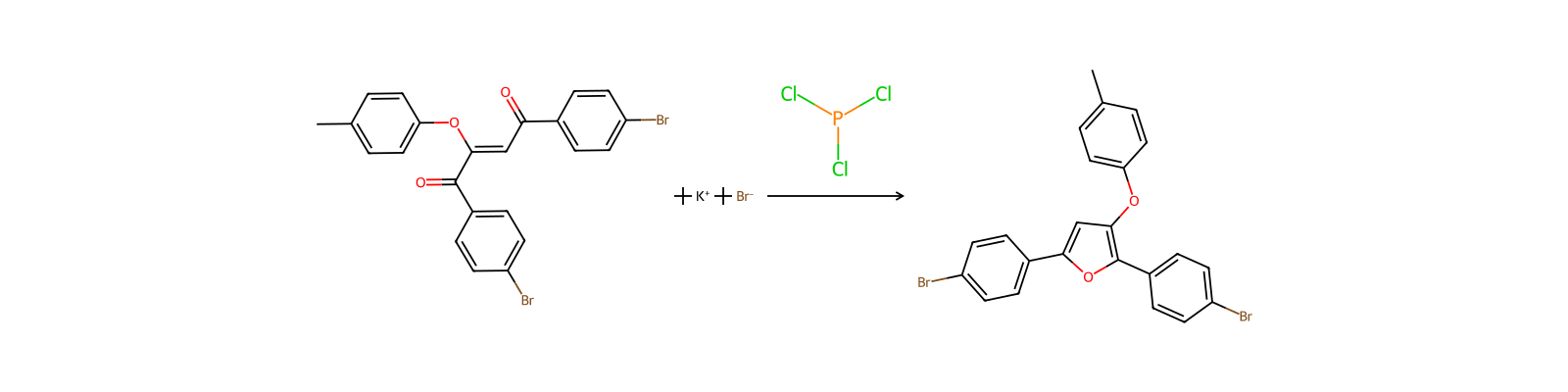
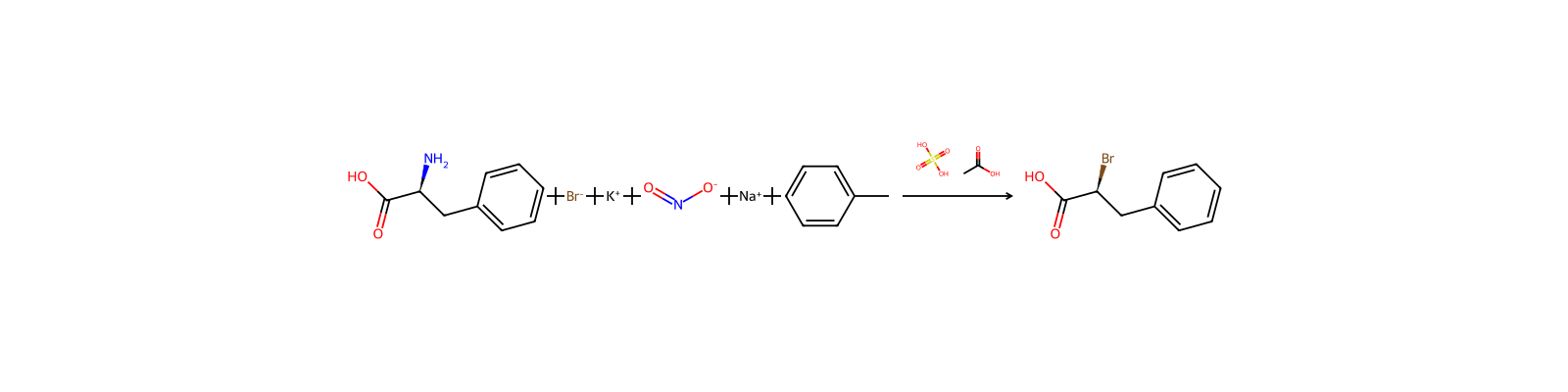
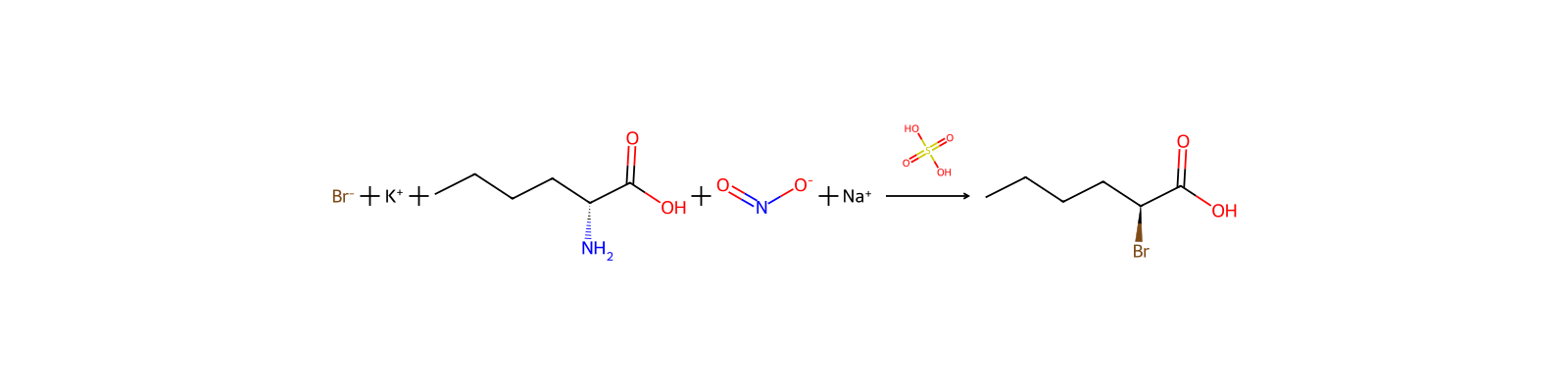
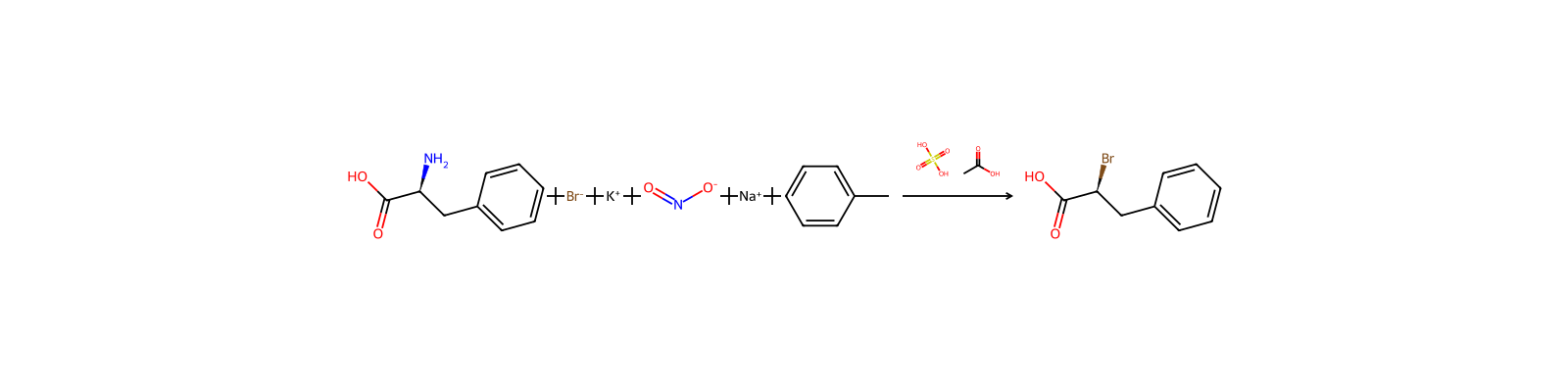
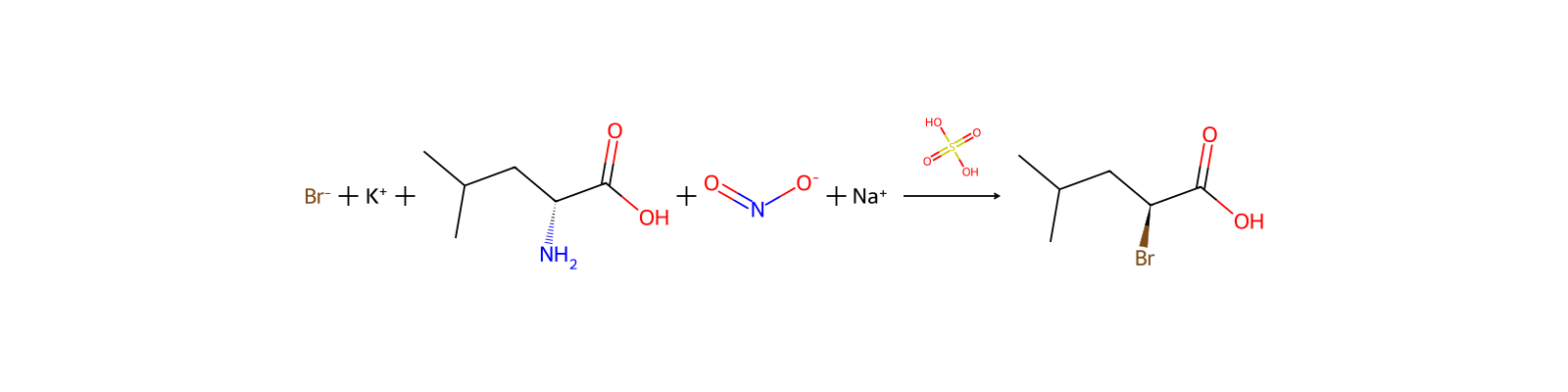
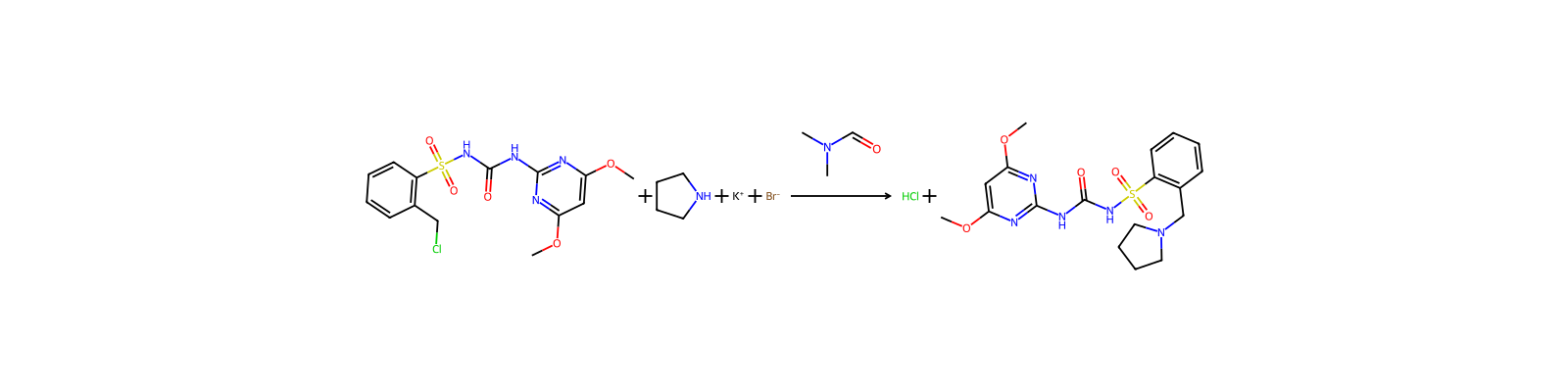
1,639 records


Linked notes
Loading…