
Basic information
- Standard SMILES
[Na+].c1ccc([B-](c2ccccc2)(c2ccccc2)c2ccccc2)cc1- InChIKey
HFSRCEJMTLMDLI-UHFFFAOYSA-N- Molecular formula
- C24H20B.Na
- Average molar mass
- 342.2 g/mol
- Monoisotopic mass
- 342.15557532
Names & identifiers
- Preferred name
- Sodium Tetraphenylborate
- IUPAC
- sodium tetraphenylboranuide
- English name
- Sodium tetraphenylborate
- Molecular formula
- C24H20BNa
- Molecular weight
- 342.21637
Names & synonyms
Sodium tetraphenylborate143-66-8Sodium tetraphenylboronTetraphenylboron sodiumKalignostKaliborDotite KaliborKariporu KTetraphenyl sodium borateSodium tetraphenylborideBorate(1-), tetraphenyl-, sodiumTetraphenyl boron sodium salt
Show more names
5A96KL5H1MBorate(1-), tetraphenyl-, sodium (1:1)DTXSID2059728NSC-203323tetraphenylborate sodium saltSodium, TetraphenylboronTetraphenylborate, SodiumRefChem:887941
Database identifiers
- CAS
143-66-8- PubChem CID
- 2723787
- DTXSID
DTXSID2059728- UNII
- 5A96KL5H1M
- EC Number
- 205-605-5
- Nikkaji
- J1.494.104E
Properties
Computed structural properties
- Topological polar surface area
- 0 Ų
- Hydrogen bond donors
- 0
- Hydrogen bond acceptors
- 1
- Rotatable bonds
- 0
- Heavy atoms
- 26
- Formal charge
- 0
- Complexity
- 308
Experimental & physicochemical properties
Chemical ClassesMetals -> Metalloid Compounds (Boron)
Physical DescriptionSnow-white solid; [Merck Index] White, light cream-colored, or pale grey powder; [Alfa Aesar MSDS]
Physicochemical properties
- Melting point
- 300 °C · >300 °C
- form
- Solid
- color
- Off white to pale yellow
- Odor
- Odorless
- PH Range
- 8 at · 8 at 50 g/l at 20 °C
- Water Solubility
- 50 g/l · 50 g/l at 20 °C - soluble
- Symbol(GHS)
- 6 · GHS06
- Signal word
- Danger
- Hazard statements
- 301 · H301
- Precautionary statements
- 301 · P301+P310
- PackingGroup
- III
Safety & regulation
GHS classification
GHS Classification
Danger
H301 (95.1%): Toxic if swallowed [Danger Acute toxicity, oral]
P261, P264, P264+P265, P270, P271, P280, P301+P316, P302+P352, P304+P340, P305+P351+P338, P319, P321, P330, P332+P317, P337+P317, P362+P364, P403+P233, P405, and P501 (click each P-code to see the statement)
Aggregated GHS information provided per 61 reports by companies from 9 notifications to the ECHA C&L Inventory. Each notification may be associated with multiple companies.
Hazard information
Regulatory Information
Chemical: Borate(1-), tetraphenyl-, sodium
Sodium tetraphenyl borate: Does not have an individual approval but may be used under an appropriate group standard
Hazards Summary
Causes muscle weakness and weight loss in oral lethal-dose studies of rats; [RTECS] Uncouples oxidative phosphorylation and forms complexes with biological materials; [ChemIDplus] A skin and strong eye irritant; Toxic by ingestion; [Alfa Aesar MSDS] See Sodium tetraethylborate. See Triphenylborane.
Hazard Classes and CategoriesAcute Tox. 3 (95.1%)
Safety & protection
Protective Action Criteria (PAC)
0.86 [mg/m3]
9.5 [mg/m3]
57 [mg/m3]
Safety data
- Signal word
- Danger
- Symbol(GHS)
- GHS06
- packing_group
- III
- Hazard statements
- H301
- Precautionary statements
- P301+P310
Chemistry & industry
Pharmacology
MeSH Pharmacological Classification
Substances used for the detection, identification, analysis, etc. of chemical, biological, or pathologic processes or conditions. Indicators are substances that change in physical appearance, e.g., color, at or approaching the endpoint of a chemical titration, e.g., on the passage between acidity and alkalinity. Reagents are substances used for the detection or determination of another substance by chemical or microscopical means, especially analysis. Types of reagents are precipitants, solvents, oxidizers, reducers, fluxes, and colorimetric reagents. (From Grant & Hackh's Chemical Dictionary, 5th ed, p301, p499)
Chemical agents that uncouple oxidation from phosphorylation in the metabolic cycle so that ATP synthesis does not occur. Included here are those IONOPHORES that disrupt electron transfer by short-circuiting the proton gradient across mitochondrial membranes.
Uses & manufacturing
UsesUsed as a reagent for the determination of potassium, ammonium, rubidium, and cesium ions; [Merck Index] Used in biological assays; [ChemIDplus]
General Manufacturing InformationBorate(1-), tetraphenyl-, sodium (1:1): ACTIVE
Suppliers50 total
国药集团化学试剂有限公司86-21-63210123 · [email protected]
梯希爱(上海)化成工业发展有限公司021-67121386 · [email protected]
上海阿拉丁生化科技股份有限公司400-6206333 13167063860 · [email protected]
天津欣康佑生物科技有限公司19922659386 · [email protected]
韶关高科祥高新材料有限公司15089879907
爱斯特(成都)生物制药股份有限公司+86-28-85122536 85324413 · [email protected]
韶远科技(上海)有限公司021-50795510 4000665055 · [email protected]
上海将来实业股份有限公司400-0066400 13621662912 · [email protected]
Syntechem Co.,Ltd[email protected]
Ark Pharm, Inc.847-367-3680 · [email protected]
上海迈瑞尔生化科技有限公司4006356688 18621169109 · [email protected]
阿法埃莎(中国)化学有限公司400-6106006 · [email protected]
安耐吉化学&3A(安徽泽升科技股份有限公司)400-0056266 · [email protected]
石家庄斯迪亚诺精细化工有限公司0311-89250318 13582355795 · [email protected]
上海瀚鸿科技股份有限公司021-54306202 13764082696 · [email protected]
上海相辉医药科技有限公司13761987713 · [email protected]
上海景颜化工科技有限公司13817811078 · [email protected]
合肥天健化工有限公司551-65418679 15856988503;15837135945 · [email protected]
玛雅试剂+86 (573) 82222445 (0)18006601000 452520369 · [email protected]
四川库利南科技有限公司400-1166-196 18981987031 · [email protected]
天津希恩思生化科技有限公司400 638 7771 · [email protected]
湖南汇百侍生物科技有限公司0731-85526065 13308475853 · [email protected]
河南多贝化工有限公司0370-2785118 17550508557 · [email protected]
斯百全化学(上海)有限公司021-021-021-67601398-809-809-809 15221380277 · [email protected]
上海源叶生物科技有限公司13636370518 · [email protected]
艾科试剂4008-755-333 18080918076 · [email protected]
上海思域化工科技有限公司86-21-34053660 · [email protected]
赛默飞世尔科技(中国)有限公司800-810-5118 · [email protected]
北京伊诺凯科技有限公司400-810-7969 010-59572699 · [email protected]
上海健超生物科技有限公司150-2103-5486 18017383231 · [email protected]
TCI AMERICA800-4238616 · [email protected]
TOKYO CHEMICAL INDUSTRY CO., LTD.03-36680489 · [email protected]
TCI Europe320-37350700 · [email protected]
越林试剂021-62960152 · [email protected]
南京杜莱生物技术有限公司025-84699383-8003;025-846993838003-8003 18013301590 · [email protected]
广州爱纯医药科技有限公司020-39119399 18927568969 · [email protected]
北京环宇世纪化学科技有限公司hysj_bj.com
上海将来实业股份有限公司400-0066400 13621662912 · [email protected]
HBCChem, Inc.+1-510-219-6317 · [email protected]
美岚实业(上海)有限公司021-58958189 · [email protected]
上海爱蝶实业有限公司021-58957966 18930537195 · [email protected]
成都零六生物科技有限公司400-1166-196 13458535857 · [email protected]
广拓化学(上海)有限公司021-60899189-8001 18918189673 · [email protected]
上海馨远医药科技有限公司021-24206007 13764915196 · [email protected]
上海御略医药科技有限公司021-60345187 13671753212 · [email protected]
上海鑫圭生物科技有限公司15121041756 · [email protected]
上海麦克林生化科技股份有限公司15221275939 15221275939 · [email protected]
杭州杰恒化工有限公司0571-87396432 · [email protected]
上海拓目化工有限公司13391076197 · [email protected]
上海孚一生物科技有限公司+86 (21) 61124340
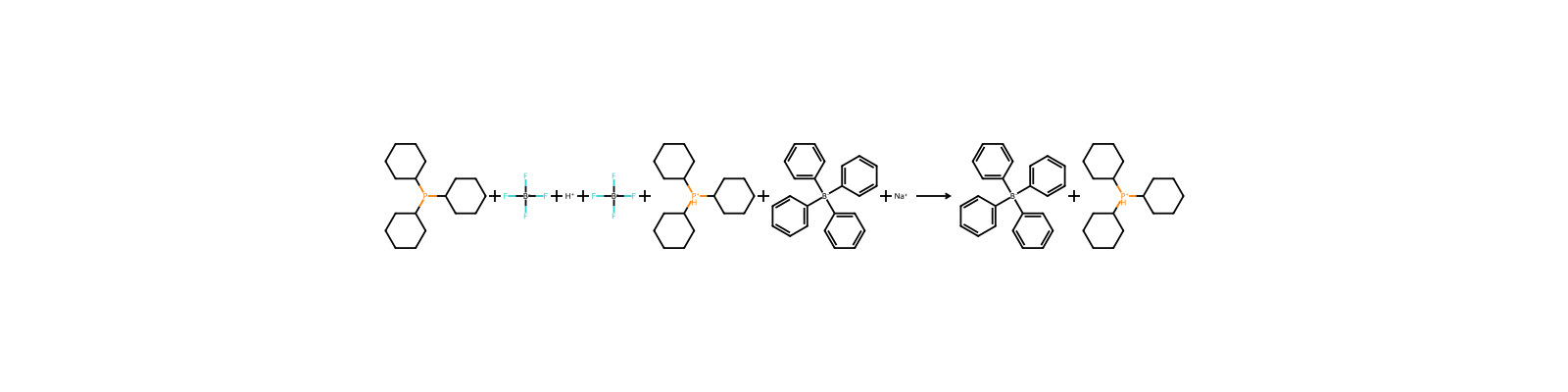
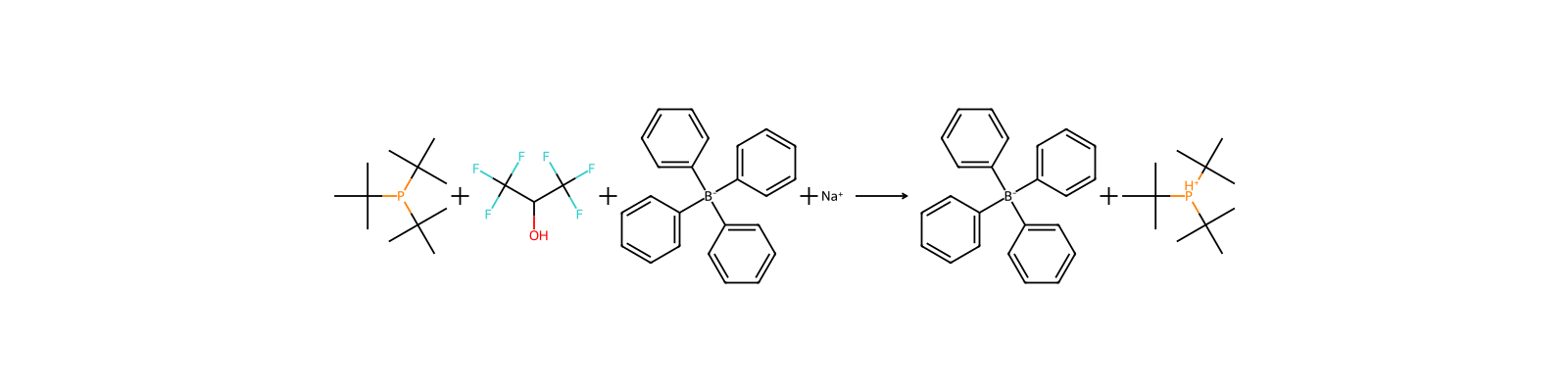
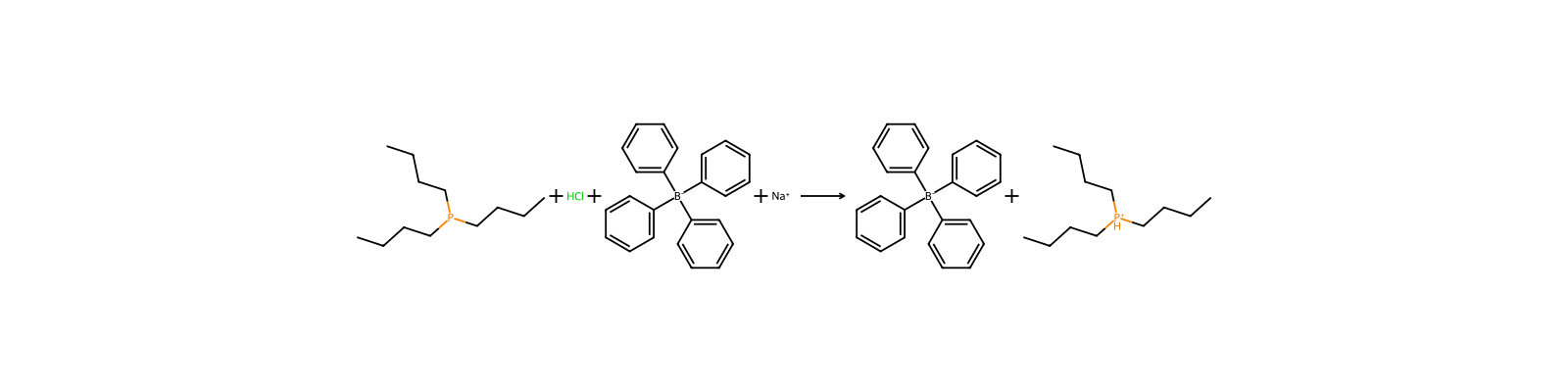
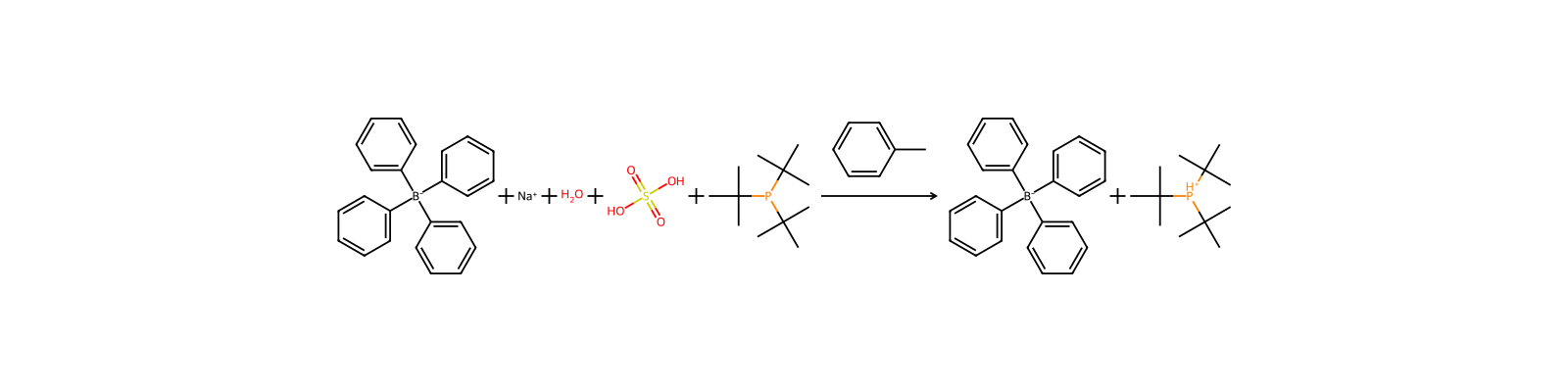
Related reactions
40 records




Linked notes
Loading…