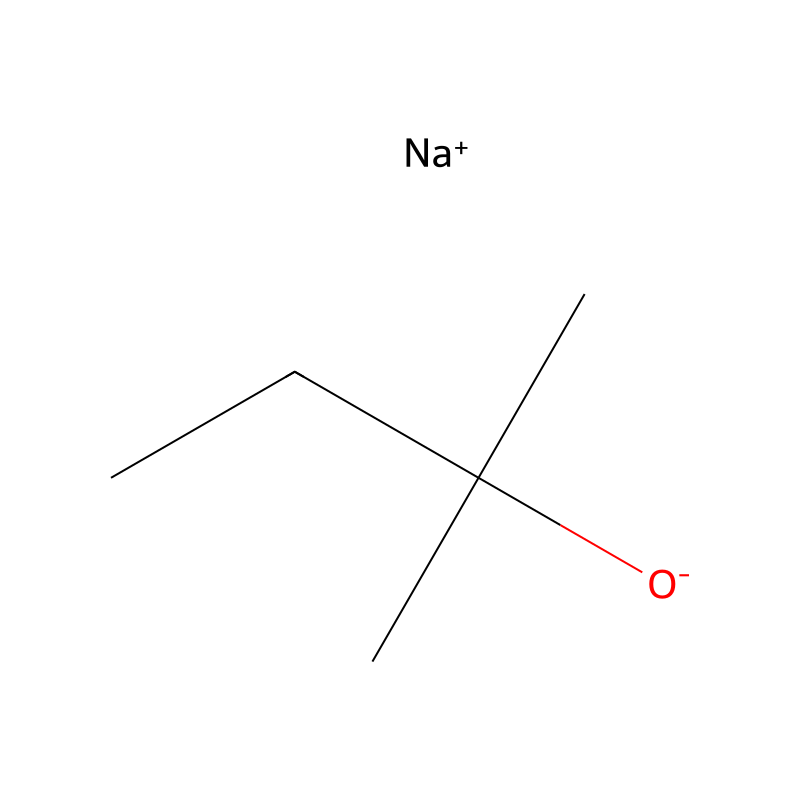
| GHS classification | DangerH228 (82.1%): Flammable solid [Danger Flammable solids]H251 (88.4%): Self-heatingmay catch fire [Danger Self-heating substances and mixtures]H312+H332 (16.5%): Harmful in contact with skin or if inhaled [Warning Acute toxicity, dermalacute toxicity, inhalation]H312 (68.8%): Harmful in contact with skin [Warning Acute toxicity, dermal]H314 (100%): Causes severe skin burns and eye damage [Danger Skin corrosion/irritation]H318 (69.6%): Causes serious eye damage [Danger Serious eye damage/eye irritation]H332 (68.8%): Harmful if inhaled [Warning Acute toxicity, inhalation]H335 (68.8%): May cause respiratory irritation [Warning Specific target organ toxicity, single exposureRespiratory tract irritation]P210, P235, P240, P241, P260, P261, P264, P264+P265, P271, P280, P301+P330+P331, P302+P352, P302+P361+P354, P304+P340, P305+P354+P338, P316, P317, P319, P321, P362+P364, P363, P370+P378, P403+P233, P405, P407, P410, P413, P420, and P501 (click each P-code to see the statement)Aggregated GHS information provided per 224 reports by companies from 13 notifications to the ECHA C&L Inventory. Each notification may be associated with multiple companies.Information may vary between notifications depending on impurities, additives, and other factors. The percentage value in parenthesis indicates the notified classification ratio from companies that provide hazard codes. Only hazard codes with percentage values above 10% are shown. For more detailed information, please visit ECHA C&L website. |
|---|