
Basic information
- Standard SMILES
O=Cc1cccc(B(O)O)c1- InChIKey
HJBGZJMKTOMQRR-UHFFFAOYSA-N- Molecular formula
- C7H7BO3
- Average molar mass
- 149.94 g/mol
- Monoisotopic mass
- 150.04882448
Names & identifiers
- Preferred name
- 3-Formylphenylboronic acid
- IUPAC
- (3-formylphenyl)boronic acid
- English name
- 3-Formylphenylboronic acid
- Molecular formula
- C7H7BO3
- Molecular weight
- 149.94
Names & synonyms
3-Formylphenylboronic acid87199-16-4(3-formylphenyl)boronic acidDTXSID10370246RefChem:502084DTXCID00321282628-589-5938-246-43-Formylbenzeneboronic Acid3-BoronobenzaldehydeMFCD001613563-(Dihydroxyboryl)benzaldehyde
Show more names
3-FORMYLBORONIC ACIDAURORA 15117AKOS BRN-0110ZERENEX ZX001648IFLAB-BB F1371-0205TIMTEC-BB SBB004078RARECHEM AH PB 01943-Formylphenylboroni
Boronic acid, (3-formylphenyl)-B-(3-Formylphenyl)boronic Acid; (3-Formylbenzene)boronic Acid; m-Formylphenylboronic Acid3-formylbenzenboronic acid(3-formylphenyl)boronicacid3-formylphenyl-boronic acid3-formyl-benzeneboronic acid3-formylbenzene boronic acid3-formylbenzene-boronic acid
Database identifiers
- CAS
87199-16-4- PubChem CID
- 2734356
- DTXSID
DTXSID10370246- EC Number
- 628-589-5、938-246-4
- Nikkaji
- J812.454J
Properties
Computed structural properties
- Topological polar surface area
- 57.5 Ų
- Hydrogen bond donors
- 2
- Hydrogen bond acceptors
- 3
- Rotatable bonds
- 2
- Heavy atoms
- 11
- Formal charge
- 0
- Complexity
- 138
Physicochemical properties
- Melting point
- 109 · 109-113 °C
- Boiling point
- 354.4 · 354.4±44.0 °C(Predicted)
- Density
- 1.24 · 1.24±0.1 g/cm3(Predicted)
- storage temp.
- 2 · Inert atmosphere,2-8°C
- solubility
- soluble in Methanol
- pka
- 7.83 · 7.83±0.10(Predicted)
- form
- Powder, Crystals, and/or Chunks
- color
- Off-white to beige or light orange
- Sensitive
- Air Sensitive
- BRN
- 3030769 · 3030769
- InChI
- InChI=1S/C7H7BO3/c9-5-6-2-1-3-7(4-6)8(10)11/h1-5,10-11H
- InChIKey
- HJBGZJMKTOMQRR-UHFFFAOYSA-N
- SMILES
- B(C1=CC=CC(C=O)=C1)(O)O
- CAS DataBase Reference
- 87199 · 87199-16-4(CAS DataBase Reference)
- UNSPSC Code
- 12352103 · 12352103
- NACRES
- 22 · NA.22
- Symbol(GHS)
- 5 · GHS05
- Signal word
- Danger
- Hazard statements
- 314 · H314
- Precautionary statements
- 280 · P280-P305+P351+P338-P310
- PPE
- 3 · Eyeshields, Faceshields, Gloves, type P3 (EN 143) respirator cartridges
- Hazard Codes
- C,Xi
- Risk Statements
- 34 · 34-36/37/38
- Safety Statements
- 22 · 22-26-36/37/39-45-37/39-27
- RIDADR
- 3261 · UN 3261 8/PG 3
- WGK Germany
- 3 · 3
- Hazard Note
- Irritant
- HazardClass
- IRRITANT, MOISTURE SENSITIVE
- PackingGroup
- Ⅲ
- HS Code
- 29319090 · 29319090
- Storage Class
- 8 A · 8A - Combustible corrosive hazardous materials
- Hazard Classifications
- 1 B · Skin Corr. 1B
- Limited Quantities
- 5 kg · 5.0 kg (11 lbs) (solid)
- Excepted Quantities
- Max Inner Pack (30g or 30ml) and Max Outer Pack (1Kg or 1L)
Safety & regulation
GHS classification
GHS Classification
Danger
H314 (82.7%): Causes severe skin burns and eye damage [Danger Skin corrosion/irritation]
P260, P261, P264, P264+P265, P271, P280, P301+P330+P331, P302+P352, P302+P361+P354, P304+P340, P305+P351+P338, P305+P354+P338, P316, P319, P321, P332+P317, P337+P317, P362+P364, P363, P403+P233, P405, and P501 (click each P-code to see the statement)
Aggregated GHS information provided per 52 reports by companies from 10 notifications to the ECHA C&L Inventory. Each notification may be associated with multiple companies.
Danger
H314 (100%): Causes severe skin burns and eye damage [Danger Skin corrosion/irritation]
Hazard information
Hazard Classes and Categories
Skin Corr. 1B (82.7%)
Skin Corr. 1B (100%)
Safety data
- PPE
- Eyeshields, Faceshields, Gloves, type P3 (EN 143) respirator cartridges
- wgk
- 3
- ridadr
- UN 3261 8/PG 3
- hs_code
- 29319090
- risk_code
- 34-36/37/38
- Signal word
- Danger
- Symbol(GHS)
- GHS05
- hazard_code
- C,Xi
- hazard_note
- Irritant
- safety_code
- 22-26-36/37/39-45-37/39-27
- hazard_class
- IRRITANT, MOISTURE SENSITIVE
- Storage Class
- 8A - Combustible corrosive hazardous materials
- packing_group
- Ⅲ
- Hazard statements
- H314
- Limited Quantities
- 5.0 kg (11 lbs) (solid)
- Excepted Quantities
- Max Inner Pack (30g or 30ml) and Max Outer Pack (1Kg or 1L)
- Hazard Classifications
- Skin Corr. 1B
- Precautionary statements
- P280-P305+P351+P338-P310
Chemistry & industry
Applications
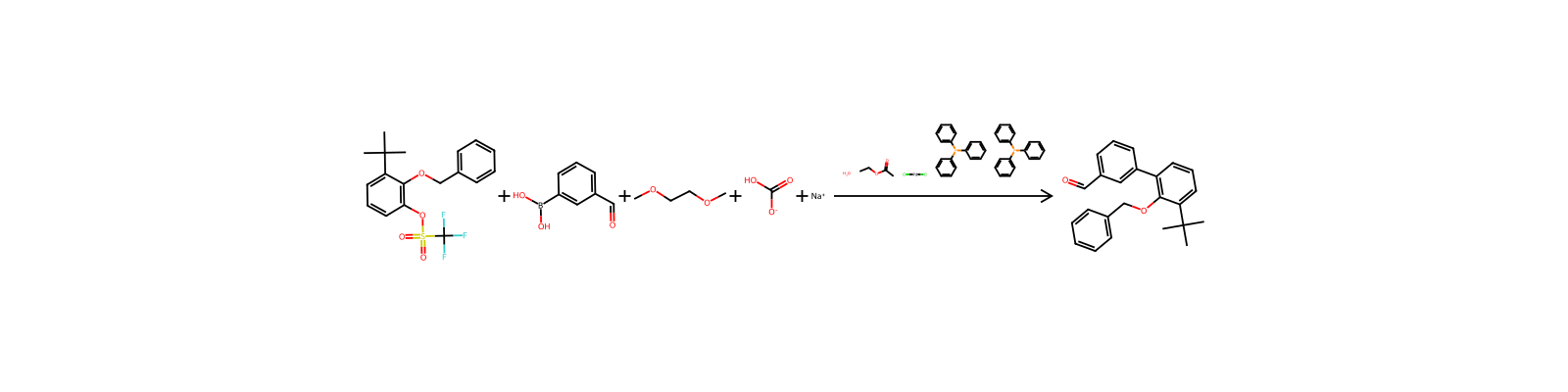
Usessuzuki reaction
UsesReagent used: To study the effects of boronic acid on fluoride-selective chemosignaling behavior of merocyanine dyeAs exciton-coupled CD probes for epigallocatechin gallateBiological inhibitor of γ-glutamyltranspeptidaseReactant involved in: Palladium-catalyzed homocouplingSuzuki coupling reactions
Uses3-Formylphenylboronic acid can be used as reagent to study the effects of boronic acid on fluoride-selective chemosignaling behavior of merocyanine dye and as exciton-coupled CD probes for epigallocatechin gallate Biological inhibitor of γ-glutamyltranspeptidase.
Upstream & downstream products
Upstream raw materials
Downstream products
Suppliers50 total
国药集团化学试剂有限公司86-21-63210123 · [email protected]
北京华美互利生物化工010-56205725 · [email protected]
梯希爱(上海)化成工业发展有限公司021-67121386 · [email protected]
上海阿拉丁生化科技股份有限公司400-6206333 13167063860 · [email protected]
INTATRADE GmbH+49 3493/605464 · [email protected]
T&W GROUP021-61551611 13296011611 · [email protected]
爱斯特(成都)生物制药股份有限公司+86-28-85122536 85324413 · [email protected]
北京安司莫森技术有限公司010-82954736 13391601435 · [email protected]
韶远科技(上海)有限公司021-50795510 4000665055 · [email protected]
科瑞迪化学400-821-5857 021-64326257 · [email protected]
上海迈瑞尔生化科技有限公司4006356688 18621169109 · [email protected]
北京华威锐科化工有限公司0757-86329057 18934348241 · [email protected]
宁波亿诺化学品有限公司86-574-27787657 · [email protected]
阿法埃莎(中国)化学有限公司400-6106006 · [email protected]
安耐吉化学&3A(安徽泽升科技股份有限公司)400-0056266 · [email protected]
武汉凯威斯科技有限公司86-027-67849912 · [email protected]
上海柏卡化学技术有限公司400-026-1533/(021) 6478-0600 · [email protected]
上海恩诺生物科技有限公司+86 (21) 6435-5022
上海瀚鸿科技股份有限公司021-54306202 13764082696 · [email protected]
石家庄德科达化工有限公司0311-67790228 15531158659 · [email protected]
上海景颜化工科技有限公司13817811078 · [email protected]
嘉兴市艾森化工有限公司0573-85285100 18627885956 · [email protected]
Pure Chemistry Scientific Inc.001-857-928-2050 or 1-888-588-9418 · [email protected]
上海隆盛化工有限公司58099637 13585536065 · [email protected]
上海攀鸿化工科技有限公司021-56491756 13512199871 · [email protected]
武汉丰泰威远科技有限公司027-87465837 19945049750 · [email protected]
杭州东帆化学有限公司86-0571-85151182
孝感深远化工有限公司15527621225; 15527621225 · [email protected]
山东西亚化学有限公司13355009207 13355009207 · [email protected]
西安凯翔医药科技有限公司029-86538357
瀚商化工科技有限公司021-50521775 15800962688
四川库利南科技有限公司400-1166-196 18981987031 · [email protected]
天津希恩思生化科技有限公司400 638 7771 · [email protected]
南京维奥化工有限公司Please Send Email 18652950785 · [email protected]
同创医药(苏州)有限公司0512-63263366 18912765016 · [email protected]
斯百全化学(上海)有限公司021-021-021-67601398-809-809-809 15221380277 · [email protected]
艾科试剂4008-755-333 18080918076 · [email protected]
上海思域化工科技有限公司86-21-34053660 · [email protected]
苏州思变化学技术有限公司0512-65617459 18915409046 · [email protected]
赛默飞世尔科技(中国)有限公司800-810-5118 · [email protected]
北京伊诺凯科技有限公司400-810-7969 010-59572699 · [email protected]
上海纳谦化学科技有限公司13598610367 0373-7129549 · [email protected]
北京清露源科技有限公司+86 (10) 6333-0989 · [email protected]
南京诺利斯医药科技有限公司13901585132 · [email protected]
江苏艾康生物医药研发有限公司025-66113011 13913916777 · [email protected]
上海健超生物科技有限公司150-2103-5486 18017383231 · [email protected]
TCI AMERICA800-4238616 · [email protected]
TOKYO CHEMICAL INDUSTRY CO., LTD.03-36680489 · [email protected]
TCI Europe320-37350700 · [email protected]
卡迪亚医药科技有限公司0371-86615086 18203638366 0371-86159066 13526786601
Related reactions
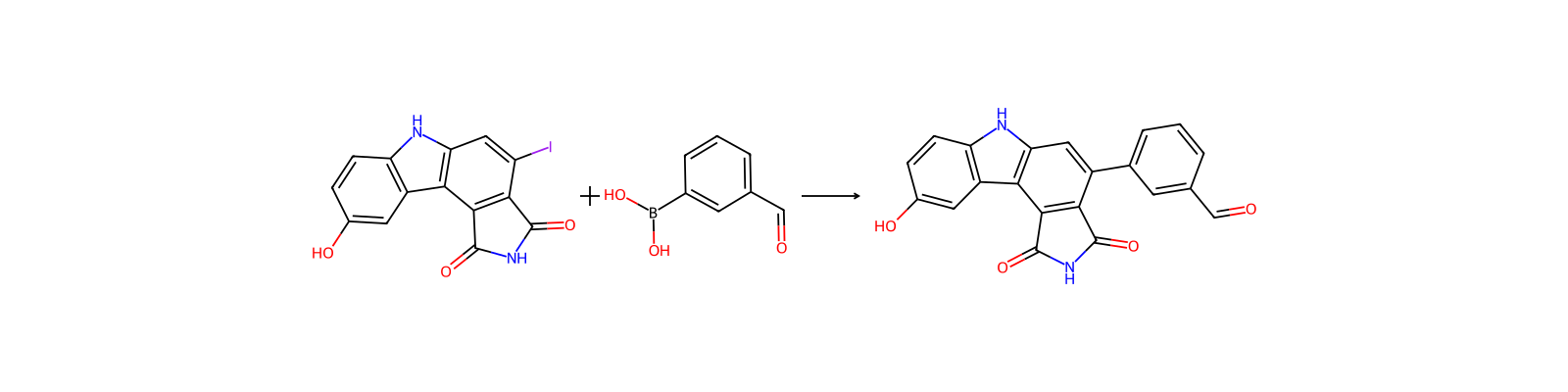
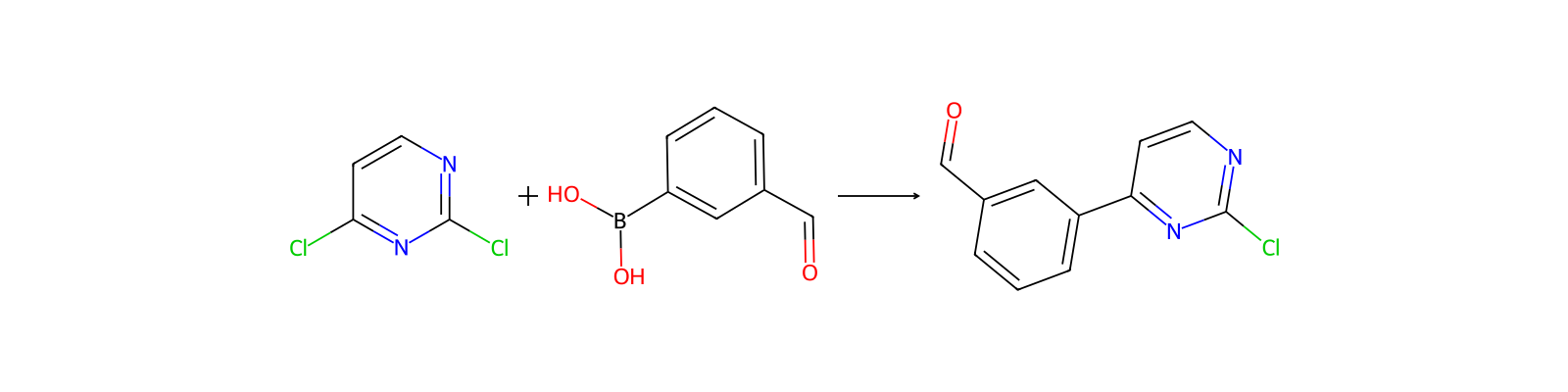
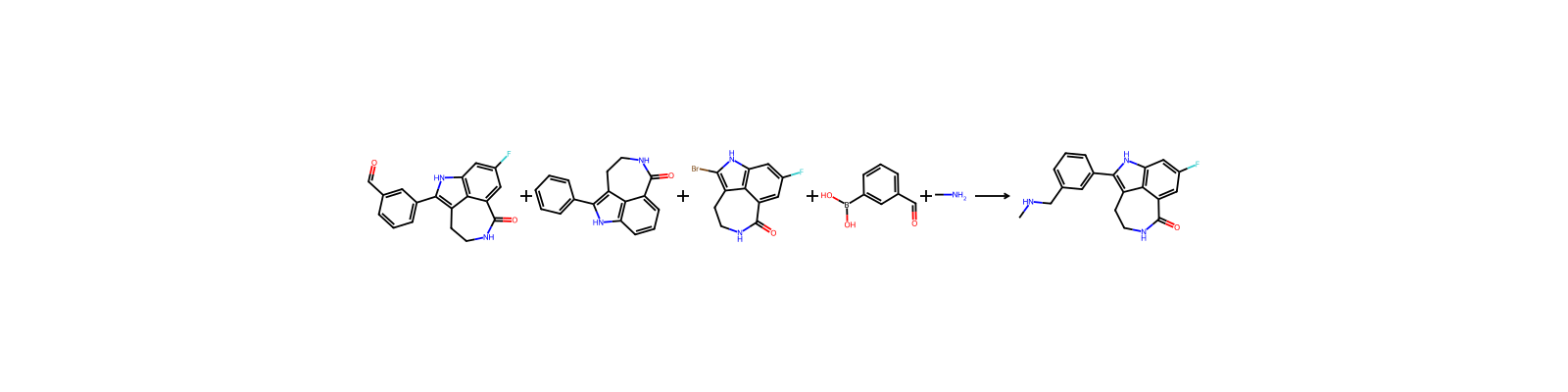
264 records



Linked notes
Loading…