
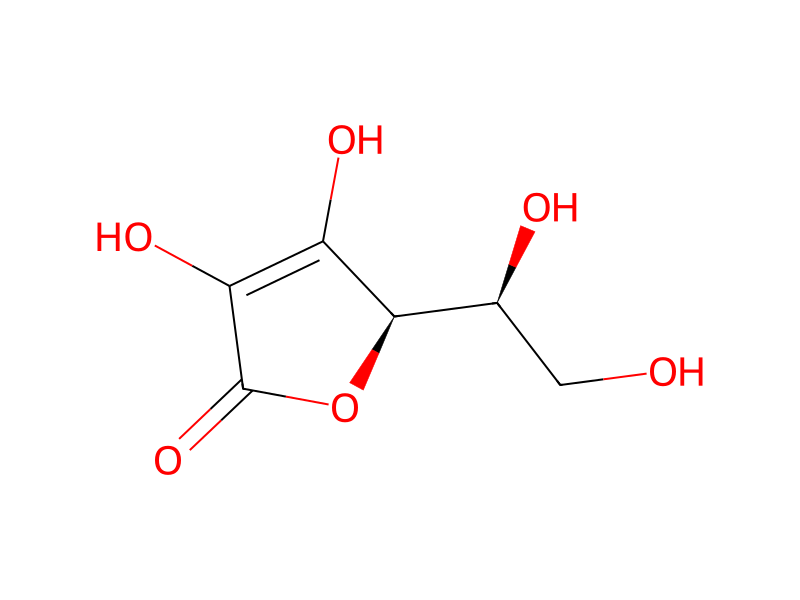
Basic information
- Standard SMILES
O=C1O[C@H]([C@@H](O)CO)C(O)=C1O- InChIKey
CIWBSHSKHKDKBQ-JLAZNSOCSA-N- Molecular formula
- C6H8O6
- Average molar mass
- 176.12 g/mol
- Monoisotopic mass
- 176.03208798
Overview
L-ascorbic acid is a white to very pale yellow crystalline powder with a pleasant sharp acidic taste. Almost odorless. (NTP, 1992)
Names & identifiers
- Preferred name
- L-Ascorbic Acid
- IUPAC
- (2R)-2-[(1S)-1,2-dihydroxyethyl]-3,4-dihydroxy-2H-furan-5-one
- English name
- parentrovite
- Molecular weight
- 0
Names & synonyms
l-ascorbic acidascorbic acidvitamin C50-81-7L(+)-Ascorbic acidAscoltinAscorbicapCevitamic acidAllercorbAscorbajenAscorinAscorteal
Show more names
parentrovite
AscorvitCantaxinCebicureCegiolanCeglionCenetoneCergonaCetemican
Database identifiers
- CAS
50-81-7、53262-66-1、62624-30-0、6730-29-6- PubChem CID
- 54670067
- DTXSID
DTXSID5020106- ChEMBL
CHEMBL196、CHEMBL40274- ChEBI
CHEBI:29073- UNII
- PQ6CK8PD0R
- EC Number
- 200-066-2、263-644-3、477-330-0
- Nikkaji
- J2.301I、J301.821K
Properties
Computed structural properties
- XLogP
- -1.6
- Topological polar surface area
- 107 Ų
- Hydrogen bond donors
- 4
- Hydrogen bond acceptors
- 6
- Rotatable bonds
- 2
- Heavy atoms
- 12
- Formal charge
- 0
- Complexity
- 232
Experimental & physicochemical properties
Chemical ClassesBiological Agents -> Vitamins and Derivatives
DrugsPharmaceuticals -> Listed in ZINC15
Cosmetics
Cosmetic ingredients (L-Ascorbic Acid) -> CIR (Cosmetic Ingredient Review)
Cosmetic ingredients (Ascorbic Acid) -> CIR (Cosmetic Ingredient Review)
Buffering; Antioxidant
pH
Between 2,4 and 2,8 (2 % aqueous solution)
pH = 3 (5 mg/mL); pH = 2 (50 mg/mL)
SpringerMaterials PropertiesChemical shift
FragrancesFragrance Ingredient (Ascorbic acid) -> IFRA transparency List
Pesticides
Agrochemicals -> Pesticide active substances
Active substance -> EU Pesticides database: Not approved
LogP
log Kow = -1.85
-1.85
-2.15
-1.84
OdorOdorless
TastePleasant, sharp, acidic taste
Food Additives
ANTIMICROBIAL AGENT, ANTIOXIDANT, COLOR OR COLORING ADJUNCT, DOUGH STRENGTHENER, FLAVOR ENHANCER, FLAVORING AGENT OR ADJUVANT, NUTRIENT SUPPLEMENT, PH CONTROL AGENT, SEQUESTRANT, STABILIZER OR THICKENER -> FDA Substance added to food
Density
1.65 (NTP, 1992) - Denser than water; will sink
1.65 g/cu cm at 25 °C
Density (at 25 °C): 1.65 g/cm³
Safety & regulation
GHS classification
GHS Classification
This chemical does not meet GHS hazard criteria for 97.3% (572 of 588) of all reports.
Not Classified
Aggregated GHS information provided per 588 reports by companies from 8 notifications to the ECHA C&L Inventory.
Not Classified
Hazard information
Regulatory Information
Chemical: L-Ascorbic acid
Regulation (EC) No 178/2002 (amended)
L-Ascorbic acid is listed on the EPA's Chemical Data Reporting (CDR) system. Manufacturers and importers of L-Ascorbic acid are required to report information about their production and use of this chemical to the EPA under the Toxic Substances Control Act (TSCA). (40 eCFR Part 711)
Dossier complete 05/751/EC, Reg (EU) 2018/155, Reg. (EU) 2020/2007, Reg. (EU) 2022/489, Reg. (EU) No 149/2014
Status: Active Update: 25-10-2012 https://echa.europa.eu/registration-dossier/-/registered-dossier/2848
Ascorbic acid: Does not have an individual approval but may be used under an appropriate group standard
Other Safety InformationIMAP assessments - L-Ascorbic acid: Environment tier I assessment
Fire Hazards
Flash point data for this chemical are not available; however, it is probably combustible. (NTP, 1992)
Combustible under specific conditions. Gives off irritating or toxic fumes (or gases) in a fire. Finely dispersed particles form explosive mixtures in air.
Health Hazards
SYMPTOMS: Symptoms of exposure to this compound may include irritation of the skin, eyes and respiratory tract. Ingestion of large amounts may cause gastrointestinal distress and diarrhea. Exposure may also cause the formation of renal calcium oxalate calculi. There have been cases of allergic reaction with eczema, urticaria and asthma. The mucolytic effect of this compound might render the cervical mucus less permeable to spermatozoa.
Hazards Summary
A strong reducing agent; A skin, eye, and respiratory tract irritant; [ICSC] Excessive doses (chronic ingestion or intravenous) can cause acute renal failure or nephropathy secondary to a metabolite, oxalic acid. Chronic ingestion of more than 4 g/day can produce nephropathy. [Olson, p. 445-6] No evidence of carcinogenicity in mice or rats; [NTP] May cause irritation; [Sigma-Aldrich MSDS]
FDA Requirements
Ascorbic acid used as a chemical preservative in food for human consumption is generally recognized as safe when used in accordance with good manufacturing practice.
Ascorbic acid used as a nutrient in food for human consumption is generally recognized as safe when used in accordance with good manufacturing practice.
Drug products containing certain active ingredients offered over-the-counter (OTC) for certain uses. A number of active ingredients have been present in OTC drug products for various uses, as described below. However, based on evidence currently available, there are inadequate data to establish general recognition of the safety and effectiveness of these ingredients for the specified uses: ascorbic acid is included in weight control drug products.
Ascorbic acid used as a chemical preservative in animal drugs, feeds, and related products is generally recognized as safe when used in accordance with good manufacturing or feeding practice.
Ascorbic acid used as a nutrient and/or dietary supplement in animal drugs, feeds, and related products is generally recognized as safe when used in accordance with good manufacturing or feeding practice.
Reactive GroupAlcohols and Polyols
Special Reports
European Commission, ESIS; IUCLID Dataset, Ascorbic acid (50-81-7) (2000 CD-ROM edition) contains information on use, toxicology, and environmental effects of this chemical as supplied to the European Union by industry.[Available from, as of January 12, 2009: http://esis.jrc.ec.europa.eu/]
Organization for Economic Cooperation and Development; Screening Information Data Set for L-Ascorbic acid (CAS No. 50-81-7). This OECD Initial Assessment of HPV Chemicals is part of a series of OECD SIDS documents published by UNEP Chemicals to facilitate the access to information needed for health and environmental risk assessments of chemicals.[Available from, as of January 13, 2009: http://www.chem.unep.ch/irptc/sids/OECDSIDS/sidspub.html]
IPCS; Poisons Information Monograph: Ascorbic Acid (PIM 046) (1996). Poisons Information Monographs (PIM) are a global database with evaluated information on substances commonly involved in cases of poisoning.[Available from, as of May 16, 2008: http://www.inchem.org/pages/pims.html]
DHHS/NTP; Carcinogenesis Bioassay of L-Ascorbic Acid (Vitamin C) (CAS No. 50-81-7) in F344/N Rats and B6C3F1 Mice (Feed Study) Technical Report Series No. 247 (1983) NIH Publication No. 83-2503[Available from, as of March 5, 2010: http://ntp.niehs.nih.gov/ntp/htdocs/LT_rpts/tr247.pdf]
For more Special Reports (Complete) data for L-Ascorbic Acid (6 total), please visit the HSDB record page.
EPA Safer ChemicalChemical: Ascorbic acid
FIFRA Requirements
Unless specifically excluded, residues resulting from the use of the following substances as either an inert or an active ingredient in a pesticide chemical formulation, including antimicrobial pesticide chemicals, are exempted from the requirement of a tolerance under FFDCA section 408, if such use is in accordance with good agricultural or manufacturing practices. Ascorbic acid is included on this list.
Reactivity AlertsStrong Reducing Agent
Reactivity Profile
L-ASCORBIC ACID is a lactone. Reacts as a relatively strong reducing agent and decolorizes many dyes. Forms stable metal salts. Incompatible with oxidizers, dyes, alkalis, iron and copper. Also incompatible with ferric salts and salts of heavy metals, particularly copper, zinc and manganese (NTP, 1992).
Safety & protection
Fire Fighting
Fires involving this material can be controlled with a dry chemical, carbon dioxide or Halon extinguisher. A water spray may also be used. (NTP, 1992)
Use water spray, powder, carbon dioxide.
First Aid Measures
Fresh air, rest.
Rinse with plenty of water (remove contact lenses if easily possible).
Rinse mouth.
First Aid
EYES: First check the victim for contact lenses and remove if present. Flush victim's eyes with water or normal saline solution for 20 to 30 minutes while simultaneously calling a hospital or poison control center. Do not put any ointments, oils, or medication in the victim's eyes without specific instructions from a physician. IMMEDIATELY transport the victim after flushing eyes to a hospital even if no symptoms (such as redness or irritation) develop.
Safe StorageSeparated from strong oxidants and strong bases.
Storage ConditionsSolutions of ascorbic acid are rapidly oxidized in air and in alkaline media; the drug should be protected from air and light.
Nonfire Spill Response
SMALL SPILLS AND LEAKAGE: If you spill this chemical, you should dampen the solid spill material with water, then transfer the dampened material to a suitable container. Use absorbent paper dampened with water to pick up any remaining material. Seal your contaminated clothing and the absorbent paper in a vapor-tight plastic bag for eventual disposal. Wash all contaminated surfaces with a soap and water solution. Do not reenter the contaminated area until the Safety Officer (or other responsible person) has verified that the area has been properly cleaned.
Disposal Methods
SRP: Expired or waste pharmaceuticals shall carefully take into consideration applicable DEA, EPA, and FDA regulations. It is not appropriate to dispose by flushing the pharmaceutical down the toilet or discarding to trash. If possible return the pharmaceutical to the manufacturer for proper disposal being careful to properly label and securely package the material. Alternatively, the waste pharmaceutical shall be labeled, securely packaged and transported by a state licensed medical waste contractor to dispose by burial in a licensed hazardous or toxic waste landfill or incinerator.
SRP: At the time of review, regulatory criteria for small quantity disposal are subject to significant revision, however, household quantities of waste pharmaceuticals may be managed as follows: Mix with wet cat litter or coffee grounds, double bag in plastic, discard in trash.
SRP: Criteria for land treatment or burial (sanitary landfill) disposal practices are subject to significant revision. Prior to implementing land disposal of waste residue (including waste sludge), consult with environmental regulatory agencies for guidance on acceptable disposal practices.
Spillage Disposal
Personal protection: particulate filter respirator adapted to the airborne concentration of the substance. Collect the spilled substance into containers. If appropriate, moisten first to prevent dusting. Wash away remainder with plenty of water.
Eye PreventionWear safety spectacles.
Fire PreventionNO open flames. PREVENT DISPERSION OF DUST.
Inhalation RiskNo indication can be given about the rate at which a harmful concentration of this substance in the air is reached on evaporation at 20 °C.
Allowable Tolerances
Unless specifically excluded, residues resulting from the use of the following substances as either an inert or an active ingredient in a pesticide chemical formulation, including antimicrobial pesticide chemicals, are exempted from the requirement of a tolerance under FFDCA section 408, if such use is in accordance with good agricultural or manufacturing practices. Ascorbic acid is included on this list.
Toxicology
Body BurdenMilk of nursing mothers on a normal diet contains 40-70 ug ... /L-ascorbic acid/ per mL.
Interactions
BALB/c male mice (288) were allocated into four groups: group 1 (48 animals), control diet; group 2 (48 animals), control diet and 500 ppm 2-acetylaminofluorene (2-AAF); group 3 (96 animals), control diet and 250 mg/mL of ascorbic acid in water; group 4 (96 animals), control diet, 2-AAF, and ascorbic acid. Food and water consumptions were measured at weekly intervals. The animals were killed at 28 days and necropsied. There were no detectable differences in relative food consumption due to the addition of ascorbic acid or to an interaction of ascorbic acid with 2-AAF. However the presence of ascorbic acid in the water was associated with a significant reduction in relative water consumption. The addition of 2-AAF caused a significant increase in relative water consumption, and a significant interaction of ascorbic acid with 2-AAF was detected. Major histological findings were restricted to the urinary bladder. Vacuolization of the transitional epithelium, simple and nodular urothelial hyperplasia, fibrosis, and chronic inflammation of the lamina propria were found in varying degrees in the urinary bladders of mice receiving 2-AAF alone and in combination with ascorbic acid. The most severe lesions were seen in the mice given the combination of 2-AAF and ascorbic acid. The urinary bladders of mice receiving the control diet and ascorbic acid alone were normal. The chronic inflammation and fibrosis were restricted primarily to the fundus of the urinary bladder. The lamina propria contained an increased amount of collagen, an increase in the vasculature and an infiltration of mononuclear inflammatory cells ...
Effect of ascorbic acid on metal toxicity.
... Male F344 rats /were injected/ intraperitoneally with 0, 458, or 687 umol/kg 4-aminophenol (PAP). PAP caused selective necrosis to the pars recta of the proximal tubule. Coadministration of ascorbic acid (457 and 687 umol/kg) with PAP protected the rats against the nephrotoxicity, markedly reduced the effect on renal function, and limited the extent of renal tubular necrosis.
Oxytocin decreases the rate of placental transmission of ascorbic acid.
For more Interactions (Complete) data for L-Ascorbic Acid (41 total), please visit the HSDB record page.
Ecotoxicity ValuesLC50 Species: /Oncorhynchus mykiss/ (Rainbow trout); Concentration: 1,020 mg/L for 96 hr /Conditions of bioassay not specified in source examined/
Environmental Fate
TERRESTRIAL FATE: Based on a classification scheme(1), an estimated Koc value of 10(SRC), determined from a log Kow of -1.85(2) and a regression-derived equation(3), indicates that L-ascorbic acid is expected to have very high mobility in soil(SRC). The pKa of L-ascorbic acid is 4.70(4), indicating that this compound will exist almost entirely in the anion form in the environment and anions generally do not adsorb more strongly to soils containing organic carbon and clay than their neutral counterparts(5). Volatilization from moist soil is not expected because the acid exists as an anion and anions do not volatilize. L-Ascorbic acid is not expected to volatilize from dry soil surfaces(SRC) based upon an estimated vapor pressure of 9.8X10⁻¹¹ mm Hg at 25 °C(SRC), determined from a fragment constant method(6). L-Ascorbic acid exhibited moderate biodegradation using an enriched consortia derived from domestic sewage(7), suggesting that biodegradation is an important environmental fate process in soil(SRC).
AQUATIC FATE: Based on a classification scheme(1), an estimated Koc value of 10(SRC), determined from a log Kow of -1.85(2) and a regression-derived equation(3), indicates that L-ascorbic acid is not expected to adsorb to suspended solids and sediment(SRC). A pKa of 4.70(4) indicates L-ascorbic acid will exist almost entirely in the anion form at pH values of 5 to 9 and therefore volatilization from water and moist soil surfaces is not expected to be an important fate process(5). According to a classification scheme(6), an estimated BCF of 3(SRC), from its log Kow(2) and a regression-derived equation(7), suggests the potential for bioconcentration in aquatic organisms is low(SRC). L-Ascorbic acid is easily oxidized in aqueous solution in the presence of air(8). L-Ascorbic acid exhibited moderate biodegradation using an enriched consortia derved from domestic sewage(9), suggesting that biodegradation is an important environmental fate process in water(SRC).
ATMOSPHERIC FATE: According to a model of gas/particle partitioning of semivolatile organic compounds in the atmosphere(1), L-ascorbic acid, which has an estimated vapor pressure of 9.8X10⁻¹¹ mm Hg at 25 °C(SRC), determined from a fragment constant method(2), is expected to exist solely in the particulate phase in the ambient atmosphere. Particulate-phase L-ascorbic acid may be removed from the air by wet or dry deposition(SRC). L-Ascorbic acid contains chromophores that absorb at wavelengths >290 nm(4) and therefore may be susceptible to direct photolysis by sunlight(SRC).
Food Survey Values
Dietary sources of L-ascorbic acid include citrus fruits, pototoes, peppers, leafy green vegetables such as broccoli, cabbage, and rose hips(1). It has also been identified in acerola (West Indian cherry) and tomatoes(2).
Plants with the highest amount of Ascorbic acid(1). [Table#2227]
Adverse EffectsAdverse effects include headaches, flushing, nausea or vomiting, and dizziness (IV use). There are reports of migraine headaches with a daily dose of 6 g.
Exposure RoutesThe substance can be absorbed into the body by inhalation of its aerosol and by ingestion.
Milk ConcentrationsENVIRONMENTAL: L-Ascorbic acid is distributed into milk. Milk of nursing mothers on a normal diet contains 40-70 ug of the vitamin per mL.
Toxicity Summary
Safe in the present practices of use and concentration. Ingredient, concentration, and use information are available in documents discoverable at https://cir-reports.cir-safety.org
IDENTIFICATION: Origin of the substance: Ascorbic acid is of both natural and synthetic origin. Natural origin: ascorbic acid is found in fresh fruit and vegetables. Citrus fruits are a particularly good source of ascorbic acid and also hip berries, acerola and fresh tea leaves. Ascorbic acid exists as colorless, or white or almost white crystals. It is odorless or almost odorless. It has a pleasant, sharp acidic taste. It is freely soluble in water and sparingly soluble in ethanol. It is practically insoluble in ether and chloroform. HUMAN EXPOSURE: Main risks and target organs: The main target organs for toxicity are found in the gastrointestinal, renal and hematological systems. Summary of clinical effects: In individuals with glucose-6-phosphate dehydrogenase (G-6-PD) deficiency, hemolytic anemia may develop after administration of ascorbic acid. In individuals predisposed to renal stones, chronic administration of high doses may lead to renal calculi formation. In some cases, acute renal failure may be observed under both conditions. Indications: Prevention and treatment of scurvy. It has been used as a urinary acidifier and in correcting tyrosinemia in premature infants on high-protein diets. The drug may be useful to treat idiopathic methemoglobinemia. Contraindications: Ascorbic acid is contraindicated in patients with hyperoxaluria and G-6-PD deficiency. Routes of entry: Oral: Ascorbic acid is usually administered orally in extended-release capsule form, tablets, lozenges, chewable tablets, solutions and extended-release tablets and capsules Absorption by route of exposure: Ascorbic acid is readily absorbed after oral administration but the proportion does decrease with the dose. GI absorption of ascorbic acid may be reduced in patients with diarrhea or GI diseases. Distribution by route of exposure: Normal plasma concentrations of ascorbic acid are about 10 to 20 ug/mL. Total body stores of ascorbic acid have been estimated to be about 1.5 g with about a 30 to 45 mg daily turnover. Plasma concentrations of ascorbic acid rise as the dose ingested is increased until a plateau is reached with doses of about 90 to 150 mg daily. Ascorbic acid becomes widely distributed in body tissues with large concentrations found in the liver, leukocytes, platelets, glandular tissues, and the lens of the eye. In the plasma about 25% of the ascorbic acid is bound to proteins. Ascorbic acid crosses the placenta; cord blood concentration are generally 2 to 4 times the concentration in maternal blood. Ascorbic acid is distributed into milk. In nursing mothers on a normal diet the milk contains 40 to 70 ug/mL of the vitamin. Biological half-life by route of exposure: The plasma half-life is reported to be 16 days in humans. This is different in people who have excess levels of vitamin C where the half-life is 3.4 hours. Metabolism: Ascorbic acid is reversibly oxidized to dehydroascorbic acid in the body. This reaction, which proceeds by removal of the hydrogen from the enediol group of ascorbic acid, is part of the hydrogen transfer system. The two forms found in body fluids are physiologically active. Some ascorbic acid is metabolized to inactive compounds including ascorbic acid-2-sulfate and oxalic acid. Elimination by route of exposure: The renal threshold for ascorbic acid is approximately 14 ug/mL, but this level varies among individuals. When the body is saturated with ascorbic acid and blood concentrations exceed the threshold, unchanged ascorbic acid is excreted in the urine. When tissue saturation and blood concentrations of ascorbic acid are low, administration of the vitamin results in little or no urinary excretion of ascorbic acid. Inactive metabolites of ascorbic acid such as ascorbic acid-2-sulfate and oxalic acid are excreted in the urine. Ascorbic acid is also excreted in the bile but there is no evidence for enterohepatic circulation. Pharmacology and toxicology: Mode of action: Toxicodynamics: Hyperoxaluria may result after administration of ascorbic acid. Ascorbic acid may cause acidification of the urine, occasionally leading to precipitation of urate, cystine, or oxalate stones, or other drugs in the urinary tract. Urinary calcium may increase, and urinary sodium may decrease. Ascorbic acid reportedly may affect glycogenolysis and may be diabetogenic but this is controversial. Pharmacodynamics: In humans, an exogenous source of ascorbic acid is required for collagen formation and tissue repair. Vitamin C is a co-factor in many biological processes including the conversion of dopamine to noradrenaline, in the hydroxylation steps in the synthesis of adrenal steroid hormones, in tyrosine metabolism, in the conversion of folic acid to folinic acid, in carbohydrate metabolism, in the synthesis of lipids and proteins, in iron metabolism, in resistance to infection, and in cellular respiration. Vitamin C may act as a free oxygen radical scavenger. Toxicity: Human data: Adults: Diarrhea may occur after oral dosage of large amounts of ascorbic acid. Interactions: Concurrent administration of more than 200 mg of ascorbic acid per 300 mg of elemental iron increases absorption of iron from the GI tract. Increased urinary excretion of ascorbic acid and decreased excretion of aspirin occur when the drugs are administered concurrently. Ascorbic acid increases the apparent half-life of paracetamol. Interference with anticoagulant therapy has been reported. Carcinogenicity: It has been reported that there is no evidence of carcinogenicity. Some studies suggest that vitamin C may amplify the carcinogenic effect of other agents. L-ascorbic acid increases the oral carcinoma size induced by dimethylbenz(a)anthracene. Also, butylated hydroxyanisole induced forestomach carcinogenesis in rats. Teratogenicity: There is no evidence of teratogenicity. Mutagenicity: Ascorbic acid is reported to increase the rate of mutagenesis in cultured cells but this only occurs in cultures with elevated levels of Cu(2+) or Fe(2+). This effect may be due to the ascorbate induced generation of oxygen-derived free radicals. However, there is no evidence of ascorbate induced mutagenesis in vivo.
Vitamin C (in grams) can give false negative stool guaiac results and is rarely associated with fatal cardiac arrhythmias in patients with iron overload.
Ecotoxicity Excerpts
/AQUATIC SPECIES/ Although no formal long-term toxicity studies have been performed L-Ascorbic Acid is widely used to supplement the diet of fish reared for food production. The tolerance to L-Ascorbic Acid has been reviewed by the Sub-Committee on Vitamin Tolerance of the US Board on Agriculture National Research Council. The following dietary levels are reported to have no adverse effect in developing hatchlings: trout 10 g/kg for 16 weeks, no adverse effect; catfish, approx wt 25 g, 5 g/kg for 150 days, no adverse effect /From table/. These dietary concentrations are approximately 100 times the normal requirements for healthy growth and wound healing in trout and catfish which are respectively 100 mg/kg and 60 mg/kg.
Plant Concentrations
L-Ascorbic acid levels in six wild mushroom species, common to the Northeast and Beira Interior regions of Portugal, were as follows (mg/kg): Amanita caesarea, 2071.46; Boletus edulis, not detected; Gyroporus castaneus, not detected; Lactarius deliciosus, not detected to 972.81; Suillus collinitus, 92.40 to 3788.04; Xerocornus chrysenteron, not detected. Samples were collected in 2003(1).
Signs and Symptoms
Cough.
Redness.
Regulatory information
FDA Requirements
Ascorbic acid used as a chemical preservative in food for human consumption is generally recognized as safe when used in accordance with good manufacturing practice.
Ascorbic acid used as a nutrient in food for human consumption is generally recognized as safe when used in accordance with good manufacturing practice.
Drug products containing certain active ingredients offered over-the-counter (OTC) for certain uses. A number of active ingredients have been present in OTC drug products for various uses, as described below. However, based on evidence currently available, there are inadequate data to establish general recognition of the safety and effectiveness of these ingredients for the specified uses: ascorbic acid is included in weight control drug products.
Ascorbic acid used as a chemical preservative in animal drugs, feeds, and related products is generally recognized as safe when used in accordance with good manufacturing or feeding practice.
Ascorbic acid used as a nutrient and/or dietary supplement in animal drugs, feeds, and related products is generally recognized as safe when used in accordance with good manufacturing or feeding practice.
FIFRA Requirements
Unless specifically excluded, residues resulting from the use of the following substances as either an inert or an active ingredient in a pesticide chemical formulation, including antimicrobial pesticide chemicals, are exempted from the requirement of a tolerance under FFDCA section 408, if such use is in accordance with good agricultural or manufacturing practices. Ascorbic acid is included on this list.
Chemistry & industry
Pharmacology
ATC Code
S - Sensory organs
G - Genito urinary system and sex hormones
A - Alimentary tract and metabolism
QG - Genito urinary system and sex hormones
QA - Alimentary tract and metabolism
QS - Sensory organs
Bionecessity
Vitamin C (ascorbic acid) is a water-soluble nutrient that acts as an antioxidant by virtue of its high reducing power. It has a number of functions: as a scavenger of free radicals; as a cofactor for several enzymes involved in the biosynthesis of carnitine, collagen, neurotransmitters, and in vitro processes; and as a reducing agent. Evidence for in vivo antioxidant functions of ascorbate include the scavenging of reactive oxidants in activated leukocytes, lung, and gastric mucosa, and diminished lipid peroxidation as measured by urinary isoprostane excretion.
The biological functions of ascorbic acid are based on its ability to provide reducing equivalents for a variety of biochemical reactions. Because of its reducing power, the vitamin can reduce most physiologically relevant reactive oxygen species. As such, the vitamin functions primarily as a cofactor for reactions requiring a reduced iron or copper metalloenzyme and as a protective antioxidant that operates in the aqueous phase both intra- and extracellularly. Both the one- and the two-electron oxidation products of the vitamin are readily regenerated in vivo - chemically and enzymatically - by glutathione, nicotinamide adenine dinucleotide (NADH), and nicotinamide adenine dinucleotide phosphate (NADPH) dependent reductases.
The adult requirements for vitamin C are based on estimates of body pool or tissue vitamin C levels that are deemed adequate to provide antioxidant protection. Smokers have an increased requirement. The adverse effects upon which the Tolerable Upper Intake Level (UL) is based are osmotic diarrhea and gastrointestinal disturbances. DRI values are listed by life stage group in the table.
The classic disease of severe vitamin C deficiency is scurvy, which is characterized by the symptoms related to connective tissue defects. Scurvy usually occurs at a plasma concentration of < 11 umol/L (0.2 mg/dL). The signs and symptoms of scurvy include the following: follicular hyperkeratosis; petechiae /(tiny, perfectly round, purplish hemorrhagic spots on the skin)/; ecchymoses /(hemorrhagic spots on the skin or mucous membranes)/; coiled hairs; inflamed and bleeding gums; perifollicular hemorrhages; joint effusions; arthralgia; impaired wound healing. Other signs and symptoms include dyspnea, edema, Sjogren's syndrome (dry eyes and mouth), weakness, fatigue, and depression. In experimental subjects who were made vitamin C deficient but not frankly scorbutic, gingival inflammation and fatigue were among the most sensitive markers of deficiency.
For more Bionecessity (Complete) data for L-Ascorbic Acid (57 total), please visit the HSDB record page.
Protein Binding25%
Pharmacodynamics
Ascorbic Acid (vitamin C) is a water-soluble vitamin indicated for the prevention and treatment of scurvy, as ascorbic acid deficiency results in scurvy. Collagenous structures are primarily affected, and lesions develop in bones and blood vessels. Administration of ascorbic acid completely reverses the symptoms of ascorbic acid deficiency.
Mechanism of Action
In humans, an exogenous source of ascorbic acid is required for collagen formation and tissue repair by acting as a cofactor in the posttranslational formation of 4-hydroxyproline in -Xaa-Pro-Gly- sequences in collagens and other proteins. Ascorbic acid is reversibly oxidized to dehydroascorbic acid in the body. These two forms of the vitamin are believed to be important in oxidation-reduction reactions. The vitamin is involved in tyrosine metabolism, conversion of folic acid to folinic acid, carbohydrate metabolism, synthesis of lipids and proteins, iron metabolism, resistance to infections, and cellular respiration.
Ascorbic Acid reducing potential and conversion to AFR (ascorbate free radical) are key to its biological activity, including its free radical scavenging and its relationship to the oxidation of transition metals such as iron and copper at enzyme active sites and in food.
Vitamin C is known to be an electron donor for eight human enzymes. Three participate in collagen hydroxylation; two in carnitine biosynthesis; and three in hormone and amino acid biosynthesis. The three enzymes that participate in hormone and amino acid biosynthesis are dopamine-beta-hydroxylase, necessary for the biosynthesis of the catecholamines norepinephrine and epinephrine; peptidyl-glycine monooxygenase, necessary for amidation of peptide hormones; and 4-hydroxyphenylpyruvatedioxygenase, involved in tyrosine metabolism. Ascorbate's action with these enzymes involves either monooxygenase or dioxygenase activities.
As a cofactor for hydroxylase and oxygenase metalloenzymes, ascorbic acid is believed to work by reducing the active metal site, resulting in reactivation of the metal-enzyme complex, or by acting as a co-substrate involved in the reduction of molecular oxygen. The best known of these reactions is the posttranslational hydroxylation of peptide-bound proline and lysine residues during formation of mature collagen. In these reactions, ascorbate is believed to reactivate the enzymes by reducing the metal sites of prolyl (iron) and lysyl (copper) hydroxylases.
Evidence also suggests that ascorbate plays a role in or influences collagen gene expression, cellular procollagen secretion, and the biosynthesis of other connective tissue components besides collagen, including elastin, fibronectin, proteoglycans, bone matrix, and elastin-associated fibrillin. The primary physical symptoms of ascorbic acid's clinical deficiency disease, scurvy, which involves deterioration of elastic tissue, illustrate the important role of ascorbate in connective tissue synthesis.
For more Mechanism of Action (Complete) data for L-Ascorbic Acid (11 total), please visit the HSDB record page.
Biological Half-Life
16 days (3.4 hours in people who have excess levels of vitamin C)
The plasma half-life is reported to be 16 days in humans. This is different in people who have excess levels of vitamin C where the half-life is 3.4 hours
Vitamin C has a 96 hr half-life in guinea pigs.
Due to homeostatic regulation, the biological half-life of ascorbate varies widely from 8 to 40 days and is inversely related to the ascorbate body pool.
Metabolism/Metabolites
Hepatic. Ascorbic acid is reversibly oxidised (by removal of the hydrogen from the enediol group of ascorbic acid) to dehydroascorbic acid. The two forms found in body fluids are physiologically active. Some ascorbic acid is metabolized to inactive compounds including ascorbic acid-2-sulfate and oxalic acid.
Ascorbic acid-2-sulfate has ... been identified as metabolite of Vitamin C in human urine.
Ascorbate is oxidized to CO2 in rats and guinea pigs, but considerably less conversion can be detected in man. One route of metabolism of the vitamin in man involves its conversion to oxalate and eventual excretion in the urine; dehydroascorbate is presumably an intermediate.
... Young male guinea pigs /were fed/ diets containing either 2 g/kg (18 control animals) or 86 g/kg (29 treatment animals) of ascorbic acid for 275 days. The average weight gain was significantly higher in the control group. Eight control and eight treatment animals, chosen to maintain comparable weights between the groups, were then given a totally deficient ascorbic acid diet 24 hr before a metabolic study was initiated. In the metabolic study, (14)C-labeled L-ascorbic acid (628 g) was then injected intraperitoneally into both treatment and control guinea pigs to study the catabolism and excretion of the ascorbic acid. Catabolism of the labeled ascorbic acid to respiratory (14)CO2 was increased in treatment guinea pigs. The control and treatment animals were then divided into two groups. One group received 3 mg/kg ascorbic acid (chronic deficiency) for 68 days. The other received a diet devoid of ascorbic acid (acute deficiency) for 44 days. Four control and three treatment animals from the chronic deficiency group and three control and four treatment animals from the acute deficiency group were given a totally deficient ascorbic acid diet 24 hr before a second metabolic study was initiated. (14)C-labeled L-ascorbic acid (628 g) was injected intraperitoneally as above. Treatment animals in the chronic deficiency and the acute deficiency groups had increased catabolism of the labeled ascorbic acid to respiratory (14)CO2 compared to control animals in the chronic and acute deficiency groups. The amount of radioactivity recovered in the urine and feces was similar for both groups except for an increased urinary excretion of the label in treated animals exposed to the totally deficient diet. The treatment animals maintained higher tissue stores of ascorbic acid than the control animals. However, this difference was significant only in the testes. When subjected to a totally deficient diet the treatment animals were depleted of ascorbic acid at a faster rate than the control animals. The accelerated catabolism was not reversible by subnormal intakes of the vitamin ...
... Hartley guinea pigs approximately 30 days pregnant /were divided/ into a control group receiving 25 mg ascorbic acid and a treated group receiving 300 mg/kg/day ascorbic acid daily. All animals were fed a 0.05% ascorbic acid diet. The groups were maintained for 10 days on their respective diets. Pups (both sexes) were randomly chosen on either day 5 or day 10 for the metabolic study. L-l-(14)C-Ascorbic Acid (10 uCi/mM) was injected intraperitoneally into the pups and they were placed in a metabolic chamber for five hours to collect expired (14)CO2. From day 11 all pups were caged individually and weaned to a diet containing only traces of ascorbic acid. Every third day the animals were examined for physical signs of scurvy. Once signs appeared, the animals were examined daily until death. Necropsies were performed on all animals. Pups from the treated group demonstrated a marked increase in (14)CO2 excretion following the intraperitoneal injection. Signs of scurvy appeared 4 days earlier in the treated group and mortality of the treated pups occurred approximately one week earlier. When excretion of labeled CO2 in both groups was correlated with the day of onset of scurvy signs, a linear correlation was found between the two parameters, suggesting that the earlier appearance of signs of scurvy on the experimental pups is secondary to an increased rate of ascorbic acid catabolism ...
For more Metabolism/Metabolites (Complete) data for L-Ascorbic Acid (10 total), please visit the HSDB record page.
FDA Pharmacological Classification
PQ6CK8PD0R
ASCORBIC ACID
Established Pharmacologic Class [EPC] - Vitamin C
Chemical Structure [CS] - Ascorbic Acid
Ascorbic acid is a Vitamin C.
ASCORBIC ACID
MeSH Pharmacological Classification
Naturally occurring or synthetic substances that inhibit or retard oxidation reactions. They counteract the damaging effects of oxidation in animal tissues.
Organic substances that are required in small amounts for maintenance and growth, but which cannot be manufactured by the human body.
Absorption, Distribution and Excretion
70% to 90%
Ascorbic acid is readily absorbed from the gastrointestinal tract and is widely distributed in the body tissues. Plasma concentrations of ascorbic acid rise as the dose ingested is increased until a plateau is reached with doses of about 90 to 150 mg daily. Body stores of ascorbic acid in health are about 1.5 g although more may be stored at intakes above 200 mg daily. The concentration is higher in leucocytes and platelets than in erythrocytes and plasma. In deficiency states the concentration in leucocytes declines later and at a slower rate, and has been considered to be a better criterion for the evaluation of deficiency than the concentration in plasma.
Ascorbic acid is reversibly oxidized to dehydroascorbic acid; some is metabolized to ascorbate-2-sulfate, which is inactive, and oxalic acid which are excreted in the urine. Ascorbic acid in excess of the body's needs is also rapidly eliminated unchanged in the urine; this generally occurs with intakes exceeding 100 mg daily.
Ascorbic acid crosses the placenta and is distributed into breast milk. It is removed by hemodialysis.
The renal threshold for ascorbic acid is approx 14 ug/mL, but this level varies among individuals. When the body is saturated with ascorbic acid and blood concentrations exceed the threshold, unchanged ascorbic acid is excreted in the urine. When tissue saturation and blood concentrations of ascorbic acid are low, administration of the vitamin results in little or no urinary excretion of ascorbic acid. Inactive metabolites of ascorbic acid such as ascorbic acid-2-sulfate and oxalic acid are excreted in the urine ... Ascorbic acid is also excreted in the bile but there is no evidence for enterohepatic circulation ...
For more Absorption, Distribution and Excretion (Complete) data for L-Ascorbic Acid (29 total), please visit the HSDB record page.
Tissue LocationsAdipose Tissue
Cellular LocationsCytoplasm
Uses & manufacturing
Uses
CIR ingredient: L-Ascorbic Acid
CIR ingredient: Ascorbic Acid
An antioxidant essential in the human diet; Used as an antioxidant for foods and therapeutic vitamin; [Merck Index] Used as an antioxidant and pH adjustor in cosmetics (over 75% in hair dyes and colors), for abscission of citrus fruit in harvesting, as a reducing agent in analytical chemistry, skin protectant, and UV sunscreen; [HSDB] Used in chemical synthesis; [IUCLID] Used as flavoring agent, antimicrobial agent, antioxidant, dough strengthener, nutritional supplement, pH control agent, sequestrant, and stabilizer or thickener for foods; [FDA] Permitted for use as an inert ingredient in non-food pesticide products; [EPA]
Dietary supplement
As antimicrobial and antioxidant in foodstuffs
Nutrition, color fixing, flavoring and preservative in meats and other foods, oxidant in bread dough, abscission of citrus fruit in harvesting, reducing agent in analytical chemistry
Impurities
Oxalic acid < 0.2%
Heavy metals (as Pb): < 10 mg/kg
U.S. Exports
(1972) 2.27 X 10+8 g
(1975) 7.76 X 10+7 g
CHEMICAL PROFILE: Ascorbic acid. US Exports: 1989: 1-4 million pounds.
CHEMICAL PROFILE: Ascorbic acid. US Exports: 1992: 1-4 million pounds.
For more U.S. Exports (Complete) data for L-Ascorbic Acid (6 total), please visit the HSDB record page.
U.S. Imports
(1972) 2.5 X 10+9 g
(1975) 2.13X10+9 g (including salts)
CHEMICAL PROFILE: Ascorbic acid. US Imports: 1989: about 13 million pounds.
CHEMICAL PROFILE: Ascorbic acid. US Imports: 1992: roughly 8-12 million pounds.
For more U.S. Imports (Complete) data for L-Ascorbic Acid (6 total), please visit the HSDB record page.
U.S. Production
2023: 400,000 - <550,000 lb
(1972) 7.08 X 10+9 g
In 1979, ca 10,000 metric tons/yr of L-ascorbic acid was produced.
(1992) Europe > 20,000 tons per year; World approx 46,000 tons per year
CHEMICAL PROFILE: Ascorbic acid. US Production Capacity: 1986: 32 million pounds/year.
For more U.S. Production (Complete) data for L-Ascorbic Acid (11 total), please visit the HSDB record page.
Consumption Patterns
CHEMICAL PROFILE: Ascorbic Acid. US End-use Pattern for Ascorbic Acid in 1986.
CHEMICAL PROFILE: Ascorbic acid. US End-use Pattern for Ascorbic Acid in 1989.
CHEMICAL PROFILE: Ascorbic acid. US End-use Pattern for Ascorbic Acid in 1992.
CHEMICAL PROFILE: Ascorbic acid. US End-use Pattern for Ascorbic Acid in 1995.
For more Consumption Patterns (Complete) data for L-Ascorbic Acid (12 total), please visit the HSDB record page.
Consumer UsesNot Known or Reasonably Ascertainable
Industry UsesIntermediate
Methods of Manufacturing
The classical Reichstein - Grussner synthesis starts with reduction of D-glucose to D-sorbitol by hydrogenation over a nickel catalyst. The microbiological oxidation of D-sorbitol to L-sorbose is carried out with Acetobacter xylinum. On treatment of L-sorbose with acetone at low temperature in the presence of sulfuric acid, 2,3:4,6-di-O-isopropylidene-alpha-L-sorbofuranose is formed. The di-O-isopropylidenyl protection of the hydroxyl-groups at C-2, C-3 and C-4, C-6 allows high-yield oxidation to di-O-isopropylidene-2-ketogulonic acid, without over-oxidation or other side reactions. The oxidation is carried out with potassium permanganate in alkaline solution. Treatment of /di-O-isopropylidene-2-ketogulonic acid/ with hot water affords 2-keto-L-gulonic acid, which is converted to L-ascorbic acid by heating in water at 100 °C (20% yield) or by esterification and treatment with sodium methoxide in methanol followed by acidification with hydrogen chloride, yielding ca. 70% of /L-ascorbic acid /. The overall yield of ascorbic acid from D-glucose is 15-18%.
Formulations/Preparations
Ascorbic Acid (various manufacturers) Injection: 500 mg/mL, In 50 mL vials. Ascor L 500 (McGuff) Injection: 500 mg/mL, 0.025% EDTA. Preservative-free. In 50 mL.
Ascorbic Acid (as Ascorbic Acid or Sodium Ascorbate): Bulk: Powder. Oral: Capsules, extended-release 250 mg 500 mg. Lozenges 60 mg, Solution 25 mg/drop, 100 mg//mL, 500 mg/5 mL. Tablets: 100 mg, 250 mg, 500 mg, 1 g. Tablets, chewable ; 100 mg, 250 mg, 500 mg, 1 g. Tablets, extended-release: 500 mg, 1 g. 1.5 g. (Available from one or more manufacturer, distributor, and/or repackager by generic (nonproprietary) name.)
Ascorbic acid and sodium ascorbate are also commercially available in combination with other vitamins, minerals, amino acids, analgesic-antipyretics, anticholinergics, antihistamines, anti-inflammatory agents, cerebral stimulants, cough suppressants, enzymes, expectorants, hormones, infant formulas, keratolytic agents, laxatives, protein supplements, sedatives, and sympathomimetics. For iv infusion, ascorbic acid or sodium ascorbate is also commercially available in combination with other vitamins in caloric and electrolyte solutions.
Grades: USP; FCC[Lewis RJ Sr; Hawley's Condensed Chemical Dictionary 15th ed Wiley (2007)
Household Products
Information on 30 consumer products that contain Ascorbic Acid (Vitamin C) in the following categories is provided:
Information on 252 consumer products that contain Ascorbic acid in the following categories is provided:
Use Classification
EPA Safer Chemical Functional Use Classes -> Processing Aids and Additives
Safer Chemical Classes -> Green circle - The chemical has been verified to be of low concern
Food additives
Fragrance Ingredients
Food Additives -> ANTIOXIDANT -> JECFA Functional Classes
Food Additives -> ANTIOXIDANT -> JECFA Functional Classes
Additional notes
DefinitionChEBI: L-ascorbic acid is the L-enantiomer of ascorbic acid and conjugate acid of L-ascorbate. It has a role as a coenzyme, a flour treatment agent, a food antioxidant, a plant metabolite, a cofactor, a skin lightening agent and a geroprotector. It is an ascorbic acid and a vitamin C. It is a conjugate acid of a L-ascorbate. It is an enantiomer of a D-ascorbic acid.
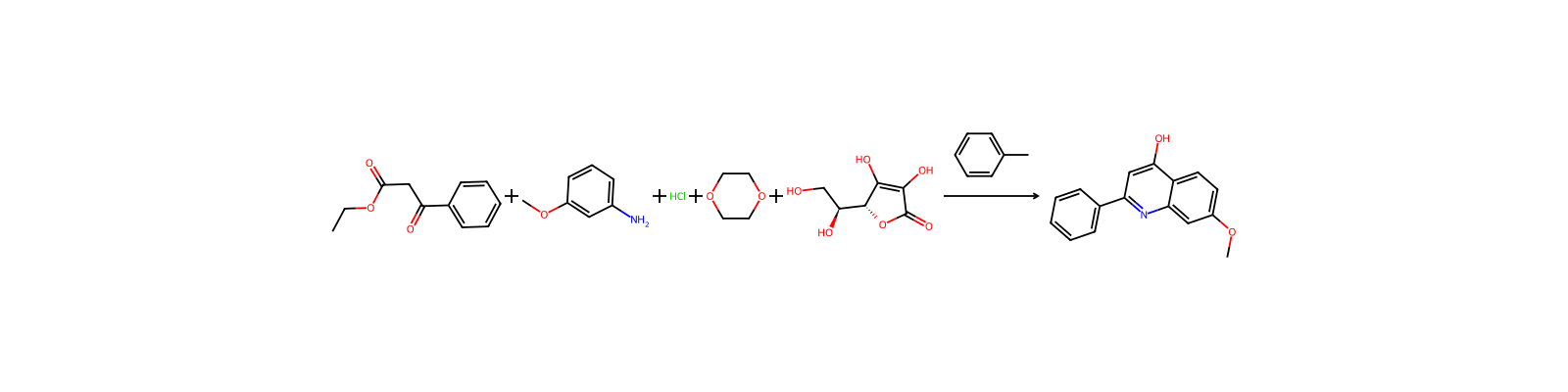
Related reactions
332 records




Linked notes
Loading…