

Basic information
- Standard SMILES
CCOC(=O)CC[C@H](N)C(=O)OCC- InChIKey
HERPVHLYIHBEFW-ZETCQYMHSA-N- Molecular formula
- C9H17NO4
- Average molar mass
- 203.24 g/mol
- Monoisotopic mass
- 203.11575802
Overview
glutamic acid antagonist; RN given refers to (L)-isomer
Names & identifiers
- Preferred name
- Glutamic acid diethyl ester
- IUPAC
- diethyl (2S)-2-aminopentanedioate
- English name
- Diethyl glutamate
- Molecular formula
- C9H17NO4
- Molecular weight
- 203.24
Names & synonyms
Glutamic acid diethyl ester16450-41-2Glutamyl diethyl esterL-Glutamate diethylester54QM1L3N85DTXSID90167772RefChem:587226DTXCID4090263Diethyl L-glutamateDiethyl glutamateL-GLUTAMIC ACID DIETHYL ESTERL-Glutamic acid, diethyl ester
Show more names
Diethyll-glutamateGlutamic acid diethylGLUTAMATEDIETHYLESTERL-Glutamic acid diethylDIETHYL GLUTAMATE USP/EP/BPiethyl(2S)-2-aminopentanedioate(S)-2-Aminoglutaric acid diethyl
(S)-DIETHYL 2-AMINOPENTANEDIOATEdiethyl (2S)-2-aminopentanedioateGlutamic acid, diethyl esterGlutamic acid, diethyl ester, L-L-Glutamic acid, 1,5-diethyl ester.alpha.,.gamma.-Diethyl glutamateL-Glutamic acid .alpha.,.gamma.-diethyl esterUNII-54QM1L3N85
Database identifiers
- CAS
16450-41-2、55895-85-7- PubChem CID
- 73961
- DTXSID
DTXSID90167772- UNII
- 54QM1L3N85
- EC Number
- 637-244-8
- Nikkaji
- J60.792D
Properties
Computed structural properties
- XLogP
- 0.2
- Topological polar surface area
- 78.6 Ų
- Hydrogen bond donors
- 1
- Hydrogen bond acceptors
- 5
- Rotatable bonds
- 8
- Heavy atoms
- 14
- Formal charge
- 0
- Complexity
- 193
Experimental & physicochemical properties
CosmeticsAntistatic; Hair conditioning
Physicochemical properties
- Melting point
- 114 · 114-116 °C
- Boiling point
- 120 · 120-123 °C(Press: 7 Torr)
- Density
- 1.08 · 1.080±0.06 g/cm3(Predicted)
- pka
- 7.12 · 7.12±0.35(Predicted)
- Cosmetics Ingredients Functions
- HAIR CONDITIONINGSKIN CONDITIONINGANTISTATIC
- EWG's Food Scores
- 1 · 1
- FDA UNII
- 54 QM1L3N85 · 54QM1L3N85
Safety & regulation
GHS classification
GHS Classification
Warning
H315 (100%): Causes skin irritation [Warning Skin corrosion/irritation]
P261, P264, P264+P265, P271, P272, P280, P302+P352, P304+P340, P305+P351+P338, P319, P321, P332+P317, P333+P317, P337+P317, P362+P364, P403+P233, P405, and P501 (click each P-code to see the statement)
Aggregated GHS information provided per 39 reports by companies from 2 notifications to the ECHA C&L Inventory. Each notification may be associated with multiple companies.
Hazard information
Hazard Classes and CategoriesSkin Irrit. 2 (100%)
Chemistry & industry
Pharmacology
MeSH Pharmacological Classification
Drugs used to prevent SEIZURES or reduce their severity.
A loosely defined grouping of drugs that have effects on psychological function. Here the psychotropic agents include the antidepressive agents, hallucinogens, and tranquilizing agents (including the antipsychotics and anti-anxiety agents).
Drugs that bind to but do not activate excitatory amino acid receptors, thereby blocking the actions of agonists.
Uses & manufacturing
Use ClassificationCosmetics -> Antistatic; Hair conditioning
Applications
UsesDiethyl glutamate has been attributed synergistic effect upon fragrance mixtures (perfume compositions, etc.). A French patent covers its use as a fragrance-enhancing additive, but experiments seem to confirm that the material is not a universal synergist.
Preparation methods
PreparationFrom L-alpha-Glutamic acid, by esterification.
Upstream & downstream products
Upstream raw materials
Downstream products
Suppliers8 total
銳迪國際科技有限公司18024082417 · [email protected]
深圳振强药物研发有限公司0755-66853366 13670046396 · [email protected]
上海陶术生物科技股份有限公司13564774135 · [email protected]
江苏洪珉药业有限公司18221292452 · [email protected]
TargetMol中国(陶术生物)4008200310 15002144251 · [email protected]
上海研纷生化科技有限公司17721070236 · [email protected]
上海陶术生物科技股份有限公司+1-781-999-5354 · [email protected]
Dideu Industries Group Limited+8617392712697 · [email protected]
Related reactions
30 records


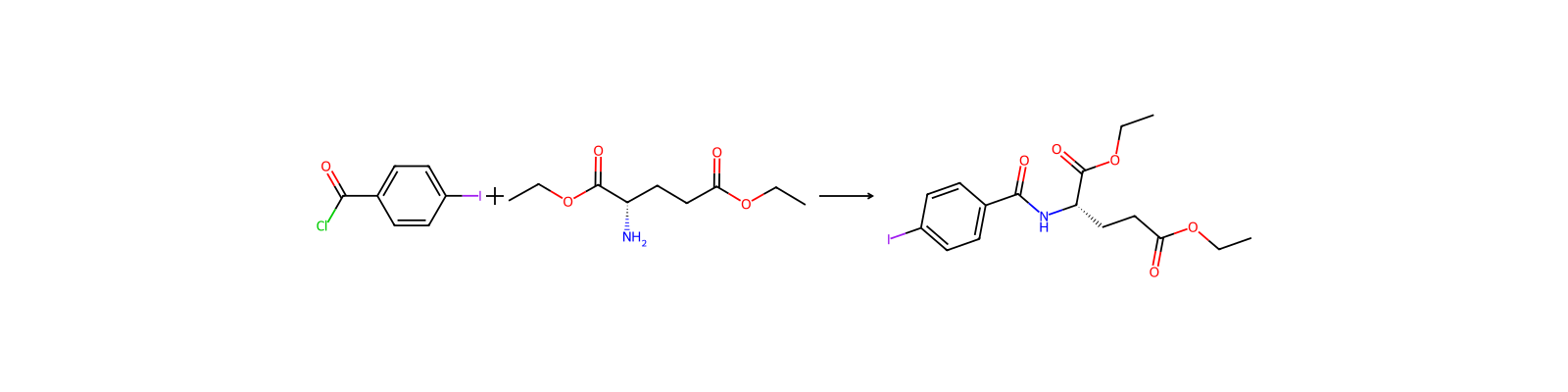


Linked notes
Loading…