
基本情報
- 標準SMILES
CN(N=O)C(=N)N[N+](=O)[O-]- InChIKey
VZUNGTLZRAYYDE-UHFFFAOYSA-N- 分子式
- C2H5N5O3
- 平均分子量
- 147.09 g/mol
- 単同位体質量
- 147.03923902
概要
N-Methyl-N'-nitro-N-nitrosoguanidine can cause cancer according to an independent committee of scientific and health experts.
名称と識別子
- 優先名称
- N-Methyl-N'-nitro-N-nitrosoguanidine
- IUPAC
- 1-methyl-3-nitro-1-nitrosoguanidine
- 現地名
- N-メチル-N'-ニトロ-N-ニトロソグアニジン (約50% 水湿潤品)
- 英語名
- 1-Methyl-3-nitro-1-nitrosoguanidine
- 分子式
- C2H5N5O3
- 分子量
- 147.09
名称と別名
1-Methyl-3-nitro-1-nitrosoguanidine70-25-7MethylnitronitrosoguanidineMNNGN-METHYL-N'-NITRO-N-NITROSOGUANIDINEGuanidine, N-methyl-N'-nitro-N-nitroso-N-Methyl-N-nitroso-N'-nitroguanidine1-Methyl-1-nitroso-3-nitroguanidineN'-Nitro-N-nitroso-N-methylguanidineN-Methyl-N-nitrosonitroguanidinNSC 93691-Nitroso-3-nitro-1-methylguanidine
名称をさらに表示
N-メチル-N'-ニトロ-N-ニトロソグアニジン (約50% 水湿潤品)N-メチル-N'-ニトロ-N'-ニトロソグアニジンN-メチル-N'-ニトロ-N-ニトロソグアニジン1-メチル-1-ニトロソ-3-ニトログアニジン1-メチル-3-ニトロ-1-ニトロソグアニジン1-メチル-2-ニトロ-1-ニトロソグアニジンニトロソグアニジンN-メチル-N-ニトロソ-N'-ニトログアニジンN-メチル-N’-ニトロ-N-ニトロソグアニジンN-メチル-N′-ニトロ-N-ニトロソグアニジンNメチルN’ニトロNニトロソグアニジン[[[N-メチル-N'-ニトロ-N-ニトロソグアニジンN-メチルーN-ニトローN-ニトロソグアニジン1-メチル-3-ニトロ-1-ニトロソグアニジン (約50% 水湿潤品)1-メチル-3-ニトロ-1-ニトロソグアニジン (約50%水湿潤品)N‐メチル‐N'‐ニトロ‐N‐ニトロソグアニジンN‐メチル‐N′‐ニトロ‐N‐ニトロソグアニジンN-メチル-N'-ニトロ-N-ニトロソグアニジン (50%含水)MNG1-methyl-3-nitro-1-nitroso-guanidinTE85TE-85NA 1325nsc9369TE 85.T
N-Nitroso-N-methyl-N'-nitroguanidineDTXSID2020846N-Nitroso-N-methylnitroguanidineGuanidine, 1-methyl-3-nitro-1-nitroso-n-methyl-n-nitro-n-nitrosoguanidineNSC-936912H3O2UGSFN-Nitroso-N'-nitro-N-methylguanidine
データベース識別子
- CAS
70-25-7- PubChem CID
- 135436526
- DTXSID
DTXSID2020846- ChEMBL
CHEMBL440287- ChEBI
CHEBI:21759- UNII
- 12H3O2UGSF
- EC Number
- 200-730-1
- Nikkaji
- J2.373F
物性
構造計算による物性
- XLogP
- 0.1
- 極性表面積
- 114 Ų
- 水素結合供与体数
- 2
- 水素結合受容体数
- 5
- 回転可能結合数
- 2
- 重原子数
- 10
- 形式電荷
- 0
- 複雑度
- 161
実験および物理化学的性質
Chemical Classes
Nitrogen Compounds -> Other Nitrogen Compounds
Carcinogens
Color/Form
Crystals from methanol
Pale yellow to pink crystals
Yellow crystals from methanol.
Solubility
Reacts with water violently (NTP, 1992)
Slightly soluble in water (less than 0.5%)
Soluble in polar organic solvents (often accompanied by decomposition)
Soluble in DMSO
Boiling PointBP: 89-97 °C at 225 °C
Decomposition
Hazardous decomposition products formed under fire conditions - Carbon oxides, nitrogen oxides (NOx).
When heated to decomposition it emits very toxic fumes of ... /nitrogen oxides/.
Melting Point
244 °F (decomposes) (NTP, 1992)
118 °C (decomposes)
MP: 118-123.5 °C (with desomposition)
118 °C
Vapor Pressure0.00012 [mmHg]
Physical Description
N-methyl-n'-nitro-n-nitrosoguanidine appears as a yellow powder. Melting point 244 °F. Decomposes above 212 °F. A suspected carcinogen. Extremely hazardous as a mutagen. Avoid skin contact and inhalation of of vapors. Usually stored frozen (below 32 °F) in polyethylene bottles that are tightly closed and contained in a metal can. May decomposed during prolonged storage and develop sufficient pressure in a closed container to explode. Keep away from heat, sparks, and open flame.
Yellow solid; [Merck Index] Pale yellow to pink solid; Light sensitive, changes color to orange and green; [HSDB] Yellow crystals; [Aldrich MSDS]
Stability/Shelf Life
Stable under recommended storage conditions.
Pure compound is sensitive to light, changing to orange and green colors. Degradation products arising from prolonged or inadequate storage include N-methyl-N'-nitroguanidine, N-nitroguanidine, nitrocyanamide and guanidine. N-Methyl-N'-nitro-n-nitroso-guanidine (MNNG) is more stable than comparable alkyl-nitrosoureas and alkylnitrosourethanes. Thus, at room temp, the half life at ph 8 is about 200 hr. At ph 7.0 (phosphate buffer) and 37 °C, the half life is 170 hr. ... /It was shown that/ tap water decomposes MNNG much more rapidly than does deionized water.
Although the crude product from the aqueous nitrosation is pyrophoric, recrystallized material is stable (though powerfully mutagenic).
Other Experimental Properties
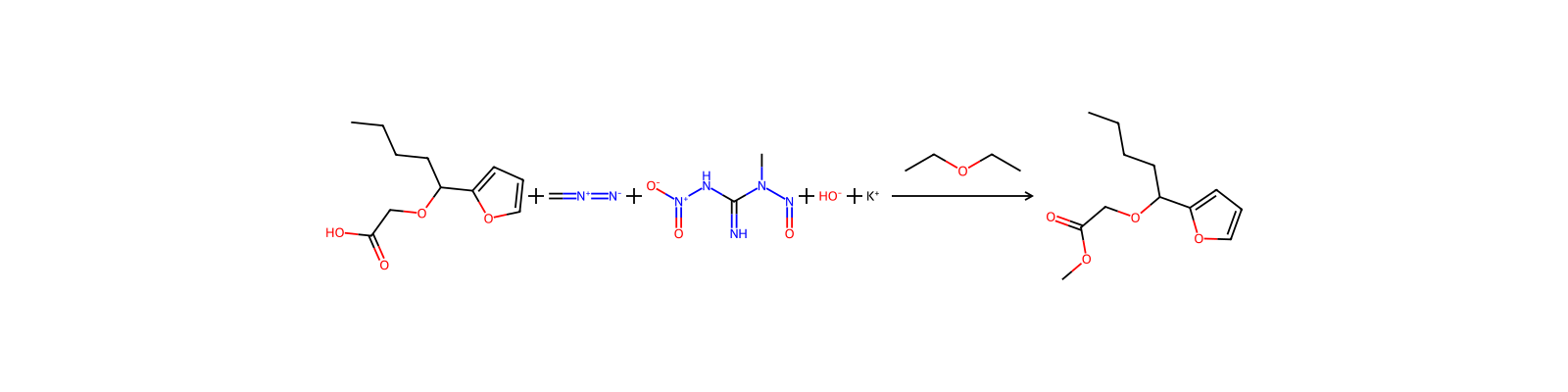
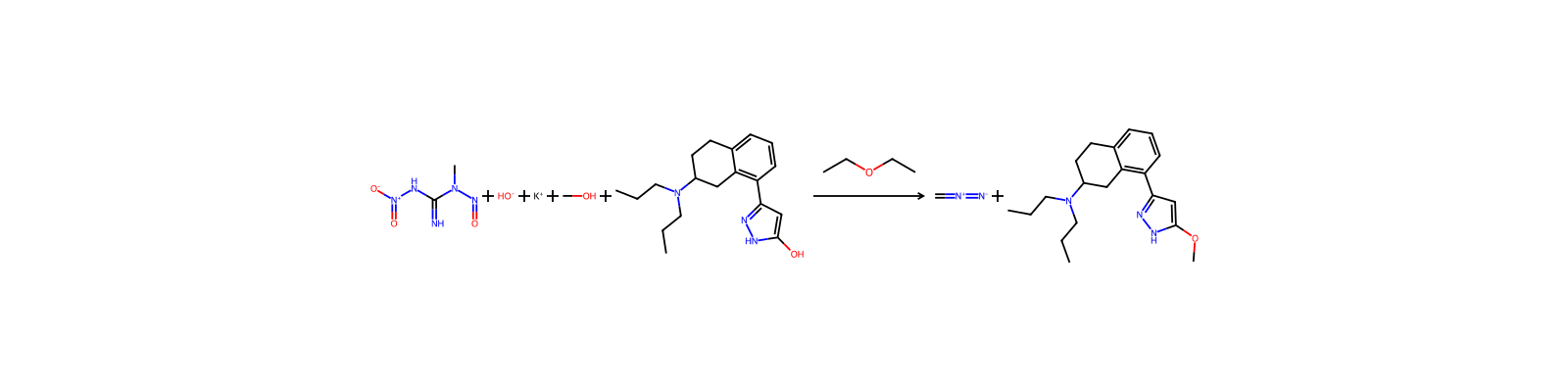
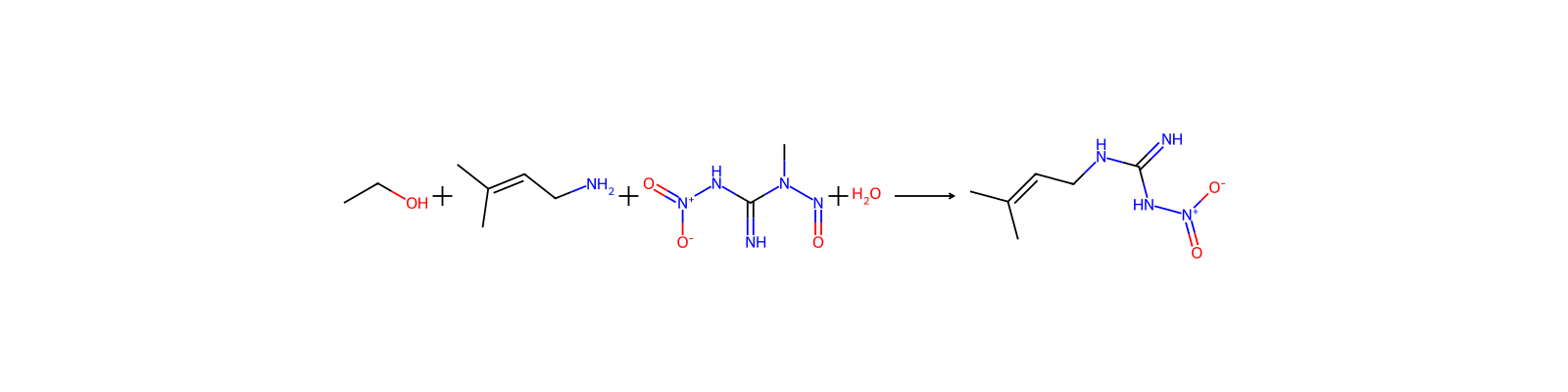
At acid pH slowly releases nitrous acid to give N-methyl-N'-nitroguanidine; it is converted by concentrated aqueous alkali hydroxide to diazomethane; reactions with several nucleophiles are known, especially with amines
Reacts with aqueous KOH to form diazomethane: a.f. McKay, J Am Chem Soc 70, 1974 (1948); reacts at acid pH to give methylnitroguanidine.
Pure N-methyl-N'-nitro-N-nitrosoguanidine is sensitive to light, changing to orange and green colors.
Half-life at pH 8 is about 200 hours; at pH 7 (phosphate buffer) and 37 °C the half-life is 170 hours.
物理化学的性質
- 融点
- 118 °C · 118°C (dec.)
- 沸点
- 267.16 °C · 267.16°C (rough estimate)
- 比重(密度)
- 1.7979 · 1.7979 (rough estimate)
- 屈折率
- 1.641 · 1.6410 (estimate)
- 貯蔵温度
- 0 · 0-6°C
- 溶解性
- almost transparency in hot Methanol
- 外見
- powder to crystal
- 酸解離定数(Pka)
- 3.09 · 3.09±0.50(Predicted)
- 色
- Light yellow to Brown
- 水溶解度
- 激しく反応する
- Merck
- 14 · 14,6103
- Henry's Law Constant
- 8.2 · 8.2×106 mol/(m3Pa) at 25℃, HSDB (2015)
- 安定性
- 不安定。水と激しく反応する。着弾時に爆発することがある。熱、光、湿気に弱い。密封されたアンプルに保管すると爆発する可能性があります。とても燃えやすい。水溶液、酸、塩基、酸化剤、還元剤とは相容れない。アルカリ加水分解は、有毒で爆発性のガスを放出します。
- InChIKey
- VZUNGTLZRAYYDE-UHFFFAOYSA-N
- CAS データベース
- 70 · 70-25-7(CAS DataBase Reference)
- NISTの化学物質情報
- Guanidine, n-methyl-n'-nitro-n-nitroso-(70-25-7)
- EPAの化学物質情報
- N-Methyl-N'-nitro-N-nitrosoguanidine (70-25-7)
化学的性質
化学的特性yellow to pink crystals
安全と法規制
GHS分類
GHS Classification
Danger
H315: Causes skin irritation [Warning Skin corrosion/irritation]
P203, P261, P264, P264+P265, P271, P273, P280, P302+P352, P304+P340, P305+P351+P338, P317, P318, P321, P332+P317, P337+P317, P362+P364, P391, P405, and P501 (click each P-code to see the statement)
Danger
H228 (97.6%): Flammable solid [Danger Flammable solids]
P203, P210, P240, P241, P261, P264, P264+P265, P271, P273, P280, P302+P352, P304+P340, P305+P351+P338, P317, P318, P321, P332+P317, P337+P317, P362+P364, P370+P378, P391, P405, and P501 (click each P-code to see the statement)
危険有害性情報
Regulatory Information
Hazard Traits - Carcinogenicity
S - indicates a substance that is identified in a final Significant New Use Rule.
Methylnitronitrosoguanidine: Does not have an individual approval but may be used under an appropriate group standard
The New Jersey Worker and Community Right to Know Act requires public and private employers to provide information about hazardous substances at their workplaces. (N.J.S.A. 34:5A-1 et. seq.)
DOT LabelFlammable Solid
Fire HazardsExcerpt from ERG Guide 133 [Flammable Solids]:
Health HazardsExcerpt from ERG Guide 133 [Flammable Solids]:
Hazards Summary
Mutagenic to human cells; No expected human exposure outside of laboratories where it is used for research; Evidence of carcinogenicity and mutagenicity in experimental animals; [HSDB] Highly flammable, explosive, and violently reactive with water; [CAMEO] A skin and eye irritant; [eChemPortal: ESIS] Toxic to embryonic development in experimental animals; ]REPROTOX] Causes convulsions, acute pulmonary edema, and ulceration or bleeding from stomach in oral lethal-dose studies of rats; Causes changes to liver, GI tract, blood, and lipids in oral toxic-dose studies of mice; [RTECS] An irritant; [Aldrich MSDS]
Reactive GroupAmines, Phosphines, and Pyridines
Special Reports
Toxicology Review: Archiv Fuer Tosikologie 28: 135 (1971)
Toxicology Review: Basic Life Sciences 24: 129 (1983)
Toxicology Review: Nutrition and Cancer 3: 109 (1981)
USEPA; Ambient Water Quality Criteria Doc: Nitrosamines p.A-1 (1980) EPA-440/5-80-064
For more Special Reports (Complete) data for N-methyl-N'-nitro-N-nitrosoguanidine (8 total), please visit the HSDB record page.
RCRA Requirements
U163; As stipulated in 40 CFR 261.33, when N-methyl-N'-nitro-N-nitrosoguanidine, as a commercial chemical product or manufacturing chemical intermediate or an off-specification commercial chemical product or a manufacturing chemical intermediate, becomes a waste, it must be managed according to Federal and/or State hazardous waste regulations. Also defined as a hazardous waste is any residue, contaminated soil, water, or other debris resulting from the cleanup of a spill, into water or on dry land, of this waste. Generators of small quantities of this waste may qualify for partial exclusion from hazardous waste regulations (40 CFR 261.5).
Reactivity AlertsHighly Flammable
Reactivity Profile
N-METHYL-N'-NITRO-N-NITROSOGUANIDINE will detonate under high impact. It is sensitive to heat. A sample has exploded when melted in a sealed capillary tube. Incompatible with acids, bases, oxidizing agents and reducing agents. Reacts with bases to release highly toxic, irritating and explosive gases. Reacts slowly with acids to release nitrous acid. Reacts with various nucleophiles, especially amines and thiols. Reacts with aqueous potassium hydroxide to form a highly reactive compound. The crude product from aqueous nitrosation is pyrophoric but recrystallized material is stable (NTP, 1992).
Air and Water ReactionsHighly flammable. Reacts violently with water (NTP, 1992).
EPA Hazardous Waste NumberU163; A toxic waste when a discarded commercial chemical product or manufacturing chemical intermediate or an off-specification commercial chemical product or manufacturing chemical intermediate.
安全と保護具
Fire FightingExcerpt from ERG Guide 133 [Flammable Solids]:
First Aid
EYES: First check the victim for contact lenses and remove if present. Flush victim's eyes with water or normal saline solution for 20 to 30 minutes while simultaneously calling a hospital or poison control center. Do not put any ointments, oils, or medication in the victim's eyes without specific instructions from a physician. IMMEDIATELY transport the victim after flushing eyes to a hospital even if no symptoms (such as redness or irritation) develop.
Fire Fighting Procedures
Suitable extinguishing media: Use water spray, alcohol-resistant foam, dry chemical or carbon dioxide.
Advice for firefighters: Wear self-contained breathing apparatus for firefighting if necessary.
Use water spray to cool unopened containers.
Storage Conditions
Keep container tightly closed in a dry and well-ventilated place. Recommended storage temperature 2 - 8 °C. Light sensitive. May explode when heated.
PRECAUTIONS FOR "CARCINOGENS": Storage site should be as close as practicable to lab in which carcinogens are to be used, so that only small quantities required for ... expt need to be carried. Carcinogens should be kept in only one section of cupboard, an explosion-proof refrigerator or freezer (depending on chemicophysical properties ...) that bears appropriate label. An inventory ... should be kept, showing quantity of carcinogen & date it was acquired. ... Facilities for dispensing ... should be contiguous to storage area. /Chemical carcinogens/
Cleanup Methods
ACCIDENTAL RELEASE MEASURES; Personal precautions, protective equipment and emergency procedures: Use personal protective equipment. Avoid dust formation. Avoid breathing vapors, mist or gas. Ensure adequate ventilation. Remove all sources of ignition. Evacuate personnel to safe areas. Avoid breathing dust. Environmental precautions: Prevent further leakage or spillage if safe to do so. Do not let product enter drains. Discharge into the environment must be avoided. Methods and materials for containment and cleaning up: Sweep up and shovel. Contain spillage, and then collect with an electrically protected vacuum cleaner or by wetbrushing and place in container for disposal according to local regulations. Keep in suitable, closed containers for disposal. Contain spillage, pick up with an electrically protected vacuum cleaner or by wet-brushing and transfer to a container for disposal according to local regulations.
PRECAUTIONS FOR "CARCINOGENS": A high-efficiency particulate arrestor (HEPA) or charcoal filters can be used to minimize amt of carcinogen in exhausted air ventilated safety cabinets, lab hoods, glove boxes or animal rooms. ... Filter housing that is designed so that used filters can be transferred into plastic bag without contaminating maintenance staff is avail commercially. Filters should be placed in plastic bags immediately after removal. ... The plastic bag should be sealed immediately. ... The sealed bag should be labelled properly. ... Waste liquids ... should be placed or collected in proper containers for disposal. The lid should be secured & the bottles properly labelled. Once filled, bottles should be placed in plastic bag, so that outer surface ... is not contaminated. ... The plastic bag should also be sealed & labelled. ... Broken glassware ... should be decontaminated by solvent extraction, by chemical destruction, or in specially designed incinerators. /Chemical carcinogens/
Nitrosamine residues generated in laboratory research or accidental spills in research laboratories and diluted to concn of 10 mg/L or less are rapidly reduced to innocuous amines, ammonia, or alcohols by aluminum-nickel alloy powder and aqueous alkali. The method is applicable to a variety of media (water, mineral oil, olive oil, dimethylsulfoxide, soln of agar gel) but is not recommended for use with nitrosamines in acetone or dichloromethane because reactions are slow and incomplete. After the reduced reaction mixture is filtered, the liquid is disposed of by pouring it over sufficient absorbent material to convert it to a solid waste for incineration. /Nitrosamines/
Nonfire Spill ResponseExcerpt from ERG Guide 133 [Flammable Solids]:
Disposal Methods
Generators of waste (equal to or greater than 100 kg/mo) containing this contaminant, EPA hazardous waste number U163, must conform with USEPA regulations in storage, transportation, treatment and disposal of waste.
Product: Burn in a chemical incinerator equipped with an afterburner and scrubber but exert extra care in igniting as this material is highly flammable. Offer surplus and non-recyclable solutions to a licensed disposal company. Contact a licensed professional waste disposal service to dispose of this material. Contaminated packaging: Dispose of as unused product.
PRECAUTIONS FOR "CARCINOGENS": There is no universal method of disposal that has been proved satisfactory for all carcinogenic compounds & specific methods of chem destruction ... published have not been tested on all kinds of carcinogen-containing waste. ... Summary of avail methods & recommendations ... /given/ must be treated as guide only. /Chemical carcinogens/
PRECAUTIONS FOR "CARCINOGENS": Total destruction ... by incineration may be only feasable method for disposal of contaminated laboratory waste from biological expt. However, not all incinerators are suitable. ... Most efficient type ... is probably the gas-fired type, in which a first-stage combustion with a less than stoichiometric air:fuel ratio is followed by a second stage with excess air. Some ... are designed to accept ... aqueous & organic-solvent solutions, otherwise it is necessary ... to absorb soln onto suitable combustible material, such as sawdust. Alternatively, chem destruction may be used, esp when small quantities ... are to be destroyed in laboratory. /Chemical carcinogens/
For more Disposal Methods (Complete) data for N-methyl-N'-nitro-N-nitrosoguanidine (8 total), please visit the HSDB record page.
Preventive Measures
Gloves must be inspected prior to use. Use proper glove removal technique (without touching glove's outer surface) to avoid skin contact with this product. Dispose of contaminated gloves after use in accordance with applicable laws and good laboratory practices. Wash and dry hands.
Avoid contact with skin and eyes. Avoid formation of dust and aerosols.Further processing of solid materials may result in the formation of combustible dusts. The potential for combustible dust formation should be taken into consideration before additional processing occurs. Provide appropriate exhaust ventilation at places where dust is formed. Keep away from sources of ignition - No smoking. Take measures to prevent the build up of electrostatic charge.
ACCIDENTAL RELEASE MEASURES; Personal precautions, protective equipment and emergency procedures: Use personal protective equipment. Avoid dust formation. Avoid breathing vapors, mist or gas. Ensure adequate ventilation. Remove all sources of ignition. Evacuate personnel to safe areas. Avoid breathing dust. Environmental precautions: Prevent further leakage or spillage if safe to do so. Do not let product enter drains. Discharge into the environment must be avoided.
Handle in accordance with good industrial hygiene and safety practice. Wash hands before breaks and at the end of workday.
For more Preventive Measures (Complete) data for N-methyl-N'-nitro-N-nitrosoguanidine (14 total), please visit the HSDB record page.
Isolation and EvacuationExcerpt from ERG Guide 133 [Flammable Solids]:
Protective Action Criteria (PAC)
0.04 [mg/m3]
0.50 [mg/m3]
3.0 [mg/m3]
Personal Protective Equipment (PPE)
Excerpt from ERG Guide 133 [Flammable Solids]:
Eye/face protection: Safety glasses with side-shields conforming to EN166. Use equipment for eye protection tested and approved under appropriate government standards such as NIOSH (US) or EN 166(EU).
Skin protection: Handle with gloves.
Body Protection: Complete suit protecting against chemicals. The type of protective equipment must be selected according to the concentration and amount of the dangerous substance at the specific workplace.
Respiratory protection: Where risk assessment shows air-purifying respirators are appropriate use a full-face particle respirator type N100 (US) or type P3 (EN 143) respirator cartridges as a backup to engineering controls. If the respirator is the sole means of protection, use a full-face supplied air respirator. Use respirators and components tested and approved under appropriate government standards such as NIOSH (US) or CEN (EU).
PRECAUTIONS FOR "CARCINOGENS": ... Dispensers of liq detergent ... Safety pipettes ... for all pipetting. ... In animal laboratory ... protective suits (preferably disposable, one-piece & close-fitting at ankles & wrists), gloves, hair covering & overshoes. ... In chemical laboratory, gloves & gowns should always be worn ... however, gloves should not be assumed to provide full protection. Carefully fitted masks or respirators ... when working with particulates or gases, & disposable plastic aprons ... gowns ... /should be/ of distinctive color. /Chemical carcinogens/
毒性情報
Interactions
The present study provides experimental evidence of in vivo reduction of genotoxic and mutagenic activities of potent carcinogen N-methyl-N'-nitro-N-nitrosoguanidine (MNNG) by the strain Lactobacillus rhamnosus Vc. In vitro studies revealed that coincubation of MNNG with viable cells of L. rhamnosus Vc resulted in the detoxification of the parent compound accompanied with reduction in genotoxicity (69%) and mutagenicity (61%) as evaluated by SOS-Chromotest and Ames test, respectively. Oral feeding of probiotic bacteria L. rhamnosus Vc (10(9) cfu) to Gallus gallus (chicks) for 30 days provided protection against MNNG-induced damage as evidenced from the significant decrease (P = 0.009) in glutathione S-transferase activity in the L. rhamnosus Vc+MNNG-treated chicks in comparison to the MNNG-treated chicks. Histopathology of colon and liver showed intact cells and mild inflammation in the L. rhamnosus Vc+MNNG-treated chicks, whereas heavy inflammation and degenerative changes were observed in MNNG-treated chicks. The results indicate that the probiotic L. rhamnosus Vc provided in vivo protection against MNNG-induced colon damage by detoxification of MNNG to less toxic metabolites.
OBJECTIVES: To investigate if oral omeprazole application induces cancers of fore and glandular stomach in mice. METHODS: A total of 66 eligible male mice were randomly divided into 6 groups, which were treated with control reagent, low (6 mg/kg) and high dose omeprazole (30 mg/kg), N-methyl-N'-nitro-N-nitrosoguanidine (MNNG, 100 mg/L water), and MNNG plus low and high dose omeprazole, respectively. After 24 weeks, concentrations of acid phosphatase (ACP) and N-acetyl-beta-D-glucosaminidase(NAG) in serum and spleen was examined, and p21 and mTOR levels in stomach were detected. RESULTS: The mouse spleen weight index was smaller in the omeprazole group than the control group, and in the MNNG plus omeprazole groups than the MNNG group. In the fore-stomach, more carcinomas were observed in the MNNG plus omeprazole groups than in the MNNG group. In the glandular stomach, there existed more atypical hyperplasia cases in the MNNG plus omeprazole groups than the MNNG-treated group, and one carcinoma was induced in the MNNG plus high dose omeprazole group. Omeprazole alone caused minor gastric pathological changes. Omeprazole treatment lowered both serum and spleen ACP and NAG levels in both the non-MNNG-treated and MNNG-treated subgroups. In fore-stomach, there existed decreased p21 and mTOR levels in the omeprazole-treated groups than in the control group, and in the MNNG plus omeprazole groups than the MNNG-treated group. CONCLUSION: Omeprazole promotes carcinogenesis of the mouse fore-stomach but not the glandular stomach following treatment with MNNG. Lysosomal hydrolase activity was inhibited and some cancer-associated proteins was dysregulated, which requires further explorations.
Mega-ascorbate intake in diet was more beneficial in alleviating development of gastric cancer in rats when it was commenced after middle of long-term experimental period (initiation of adenomatous hyperplasia but no appearance of malignant lesions) rather than from the beginning of MNNG drinking. A remarkable effect of mega-ascorbate intake was to reinforce surrounding connective tissues to retard the malignant growth.
Hydroxyurea (HU) protected KB (human oral carcinoma) cells specifically against the toxic effect of MNNG.
For more Interactions (Complete) data for N-methyl-N'-nitro-N-nitrosoguanidine (23 total), please visit the HSDB record page.
Ecotoxicity ValuesLC50; Species: Eisenia fetida (Earthworm) mature; direct application (filter paper) 10-100 ug/sq cm /technical grade/
Environmental Fate
TERRESTRIAL FATE: Based on a classification scheme(1), an estimated Koc value of 70(SRC), determined from a structure estimation method(2), indicates that N-methyl-N'-nitro-N-nitrosoguanidine is expected to have high mobility in soil(SRC). Volatilization of N-methyl-N'-nitro-N-nitrosoguanidine from moist soil surfaces is not expected(SRC) given an estimated Henry's Law constant of 1.2X10⁻¹² atm-cu m/mole(SRC), developed using a fragment constant estimation method(2). N-Methyl-N'-nitro-N-nitrosoguanidine is not expected to volatilize from dry soil surfaces(SRC) based upon an estimated vapor pressure of 1.2X10⁻⁴ mm Hg at 25 °C(SRC), determined from a fragment constant method(2). Biodegradation data in soil were not available(SRC, 2018). Hydrolysis is expected to occur in moist soil(SRC) based on a neutral hydrolysis half-life of 19 hours at 25 °C(3).
AQUATIC FATE: Based on a classification scheme(1), an estimated Koc value of 70(SRC), determined from a structure estimation method(2), indicates that N-methyl-N'-nitro-N-nitrosoguanidine is not expected to adsorb to suspended solids and sediment(SRC). Volatilization from water surfaces is not expected(3) based upon an estimated Henry's Law constant of 1.2X10⁻¹² atm-cu m/mole(SRC), developed using a fragment constant estimation method(2). A measured hydrolysis half-life of 19 hours at 25 °C and pH 7 indicate that N-methyl-N'-nitro-N-nitrosoguanidine is expected to hydrolyze under environmental conditions(4). According to a classification scheme(5), an estimated BCF of 3(SRC), from an estimated log Kow of -0.92(2) and a regression-derived equation(2), suggests the potential for bioconcentration in aquatic organisms is low. Biodegradation data in water were not available(SRC, 2018).
ATMOSPHERIC FATE: According to a model of gas/particle partitioning of semivolatile organic compounds in the atmosphere(1), N-methyl-N'-nitro-N-nitrosoguanidine, which has an estimated vapor pressure of 1.2X10⁻⁴ mm Hg at 25 °C(SRC), determined from a fragment constant method(2), is expected to exist solely in the particulate phase in the ambient atmosphere. Particulate-phase N-methyl-N'-nitro-N-nitrosoguanidine may be removed from the air by wet or dry deposition(SRC). N-Methyl-N'-nitro-N-nitrosoguanidine absorbs light at wavelengths >290 nm(3) and, therefore, may be susceptible to direct photolysis by sunlight(SRC).
Adverse EffectsNeurotoxin - Other CNS neurotoxin
Toxicity Summary
IDENTIFICATION AND USE: N-Methyl-N'-nitro-N-nitrosoguanidine (MNNG) is a solid. It is used experimentally as a carcinogen and mutagen. It was formerly used in preparation of diazomethane. HUMAN STUDIES: MNNG can induce DNA damages and many cellular defensive events, such as DNA repair, G2/M-phase arrest and apoptosis. Noticeably, diverse cellular responses were observed to occur following MNNG treatment, including nontargeted mutations at undamaged DNA bases, endoplasmic reticulum stress induction and the activation of several signal transduction pathways. ANIMAL STUDIES: Tumors of the forestomach or glandular stomach were observed in rats exposed to MNNG in the drinking water, by stomach tube, and by ip injection; in mice exposed by stomach tube; and in male hamsters and dogs exposed via the drinking water. MNNG also caused tumors of the large intestine in rats exposed by intrarectal instillation. MNNG caused tumors of the small intestine in rats exposed via the drinking water, sc injection, or ip injection and in mice exposed by ip injection. In addition, MNNG caused tumors of the liver and peritoneum in rats exposed orally (by stomach tube or drinking water) and injection-site tumors (fibrosarcoma and rhabdomyosarcoma) in rats exposed by sc injection. In mice, MNNG administered by sc injection caused benign tumors of the liver, lung, and blood vessels (hemangoendothelioma) and by dermal application caused benign and malignant skin tumors (papilloma and carcinoma). MNNG is a potent inducer of cellular stress leading to chromosomal aberrations, point mutations, and cell killing. A high frequency of mutation was induced in O6-methylguanine-DNA methyltransferase-/- cells on exposure to a relatively low dose of MNNG.
Ecotoxicity Excerpts
/AQUATIC SPECIES/ Cells derived from rainbow trout gonad (RTG-2) and bluegill fry tissues (BF-2) were used as model cell systems to measure cytotoxicity and genotoxicity following exposure to Puget Sound sediment extracts, benzo(a)pyrene and MNNG (N-methyl-N'-nitro-N-nitrosoguanidine). Sediment was collected from several sites withing Puget Sound (Wasington USA) known to be contaminated with compounds such as polycyclic aromatic hydrocarbons, polychlorinated biphenyls, chlorinated hydrocarbons and heavy metals. Each of the sediment samples was extracted with organic solvents and added to cultures of the 2 model cell systems in DMSO (dimethyl sulfoxide). Following exposure the cultures were evaluated for cell death, mitotic inhibition, stimulatory effects and chromosomal damage. These cell cultures responded to the sediment extracts much as they did to known mutagenic/carcinogenic chemicals which were used as model compounds.
/AQUATIC SPECIES/ Three different developmental stages of embryonated eggs of Oryzias latipes were exposed to 2-hr pulses of a number of different concentrations of MNU, MNNG, and DENA. Lethality and teratogenic endpoints were assessed through 24 hr posthatch. MNU (greater than or equal to 2.5 mM) and MNNG (greater than or equal to 0.75 mM) exposure at the multicell stage was lethal, but the same exposure during early organogenesis was largely teratogenic. Four days before hatching, embryos were very resistant to MNU and proceeded to hatch normally; 7.5 mM MNU was required to significantly reduce the percent normal hatch. Effects of DENA were equivocal and only seen at the multicell stage. In order to differentiate between potential changes in chorion permeability, and toxicity per cell, the same three stages were exposed to a series of radiolabeled compounds of varying hydrophobicity, and apparent uptake measured. There were no differences in uptake rate or equilibrium concentration between any of the compounds at the different stages. These results suggest that, as in mammals, certain stages of development are more susceptible than others, and that these differences are a result of embryo sensitivity rather than chemical bioavailability. The most sensitive indicator of exposure was posthatch inflation of the swimbladder. Other terata included pericardial edema, anisophthalmia, and partial rupture of the chorion.
Ongoing Test Status
The following link will take the user to the National Toxicology Program (NTP) Test Status of Agents Search page, which tabulates the results and current status of tests such as "Short-Term Toxicity Studies", "Long-term Carcinogenicity Studies", "Developmental Studies", "Genetic Toxicology Studies", etc., performed with this chemical. Testing status for N-methyl-N'-nitro-N-nitrosoguanidine is available.[Available from, as of February 1, 2019: https://ntpsearch.niehs.nih.gov/?e=True&ContentType=Testing+Status]
EPA has released the Interactive Chemical Safety for Sustainability (iCSS) Dashboard. The iCSS Dashboard provides an interactive tool to explore rapid, automated (or in vitro high-throughput) chemical screening data generated by the Toxicity Forecaster (ToxCast) project and the federal Toxicity Testing in the 21st century (Tox21) collaboration. /The title compound was tested by ToxCast and/or Tox21 assays/[USEPA; ICSS Dashboard Application; Available from, as of February 4, 2019: http://actor.epa.gov/dashboard/]
Medical Surveillance
PRECAUTIONS FOR "CARCINOGENS": ... In relation specifically to cancer hazards, there are at present no health monitoring methods that may ensure the early detection of preneoplastic lesions or lesions which may prelude them. Whenever medical surveillance is indicated, in particular when exposure to a carcinogen has occurred, ad hoc decisions should be taken concerning additional tests that might become useful or mandatory. /Chemical carcinogens/
Soil Adsorption/Mobility
Using a structure estimation method based on molecular connectivity indices(1), the Koc of N-methyl-N'-nitro-N-nitrosoguanidine can be estimated to be 70(SRC). According to a classification scheme(2), this estimated Koc value suggests that N-methyl-N'-nitro-N-nitrosoguanidine is expected to have high mobility in soil(SRC).
Human Toxicity Excerpts
/GENOTOXICITY/ Fibroblast cell strains were obtained from skin biopsies taken from patients with adenomatoses of the colon and rectum (ACR), and their relatives. A total of 50 different fibroblast strains were tested for their frequencies of sister chromatid exchange in vitro. These strains included nine from patients with the Gardner syndrome, 21 from patients with non-Gardner ACR, and 20 cell strains from healthy relatives who were not at an increased risk for ACR. In 23 strains, the sister chromatid exchange frequencies after in vitro exposure to N-methyl-N'-nitro-N-nitroso-guanidine (MNNG) were also determined. Both with and without MNNG induction, sister chromatid exchange values in the Gardner strains were found to be significantly higher than in the control strains (p< 0.02 and p< 0.03, respectively). Non-Gardner ACR strains differed only slightly from controls, thus making the difference between the control group and the pooled Gardner + non-Gardner ACR group not significant. In all groups, there was a significant increase in sister chromatid exchange after MNNG exposure, and those strains which had low sister chromatid exchange values spontaneously, also tended to have relatively moderate sister chromatid exchange values after MNNG induction. There was no significant difference between the ratios of SCE values with and without MNNG exposure in the different groups.
/GENOTOXICITY/ Induction of 6-thioguanine (YG) resistance by chemical mutagens was examined in P3 cells, a line of cells derived from a human epithelial teratocarcinoma cell clone which have a stable diploid karyotype with 46(XX) chromosomes, including a translocation between chromosomes 15 and 20. Efficient recovery of TG-resistant mutants induced by the direct-acting mutagens N-methyl-N'-nitro-N-nitrosoguanidine (MNNG), ... the TG-resistant mutant cells induced by MNNG maintained their resistant phenotype 4-6 wk after isolation. This mutant phenotype was assoc with a >10-fold reduction in hypoxanthine-guanine phosphoribosyl transferase (HGPRT) activity relative to that of the parental P3 cell line, which catalyzed the formation of 4.6 pmol inosine-5'-monophosphate/min/ug protein. ... Thus, P3 cells can be useful for the study of mutagenesis at the HGPRT locus by direct-acting chemical mutagens, as well as by chemicals activated in a cell-mediated assay.
/GENOTOXICITY/ To determine the relationship between neoplastic transformation and increased genetic instability, spontaneous and induced mutation rates were compared in a nontumorigenic, immortalized human bronchial epithelial cell line (NL20) and a tumorigenic cell line (NL20T) spontaneously derived from the NL20 line. Using the hypoxanthine phosphoribosyltransferase (HPRT) locus as a marker for determining mutation rate, fluctuation analysis was utilized to evaluate the spontaneous mutation rate. Induced mutation rates were determined for each cell line after N-methyl-N'-nitro-N-nitrosoguanidine exposure. Both the spontaneous and induced mutation rates were noted to be significantly higher in the nontumorigenic NL20 cell line, These findings suggest that increasing genetic instability, as measured by spontaneous or induced mutation rate in the HPRT locus, does not correlate with tumorigenicity in these cells.
/GENOTOXICITY/ BACKGROUND: N-nitroso compounds (NOC) can cause cancers in a wide variety of animal species, and many of them are also potential human carcinogens. However, their underlying genotoxic mechanisms occurred within the context of chromatin, such as aberrant histone modifications, remained elusive. METHODS: We investigated the dynamic landscapes of histone modifications after N-nitroso compound N-methyl-N'-nitro-N-nitrosoguanidine (MNNG) and N-methyl-N-nitroso-urea (MNU) exposure. Among the altered histone modifications, we also investigated the control mechanisms of histone H3 phosphorylation changes and its possible implications on transcriptional repression. RESULTS: ... We find a specific biphasic reduction of histone H3 phosphorylation at serine 10 (H3S10ph) and serine 28 (H3S28ph), and a rapid decrease of histone H4 acetylation upon MNNG and MNU exposure. Further investigations reveal that the first hypophosphorylation of H3 occurs in a poly(ADP-ribosyl)ation enzyme PARP-1 (Poly(ADP-Ribose) Polymerase 1) dependent manner, whereas the second decline of H3 phosphorylation is at least partially under the control of histone kinase VRK1 (vaccinia-related kinase 1) and dependent on the tumor suppressor protein p53. In addition, DNA damage induced down-regulation of H3S10/S28 phosphorylation also functions in transcriptional repression of genes, such as cell-cycle regulators. CONCLUSIONS: Alkylating damage induced by NOC elicits a biphasic reduction of histone H3 phosphorylation with distinct control mechanisms, which is contributing to DNA damage responses such as the repair-facilitated transcriptional repression. GENERAL SIGNIFICANCE: Identification of the dynamic changes and underlying mechanisms of histone modifications upon NOC exposure would be of great help in understanding the epigenetic regulations of NOC induced DNA damage responses.
For more Human Toxicity Excerpts (Complete) data for N-methyl-N'-nitro-N-nitrosoguanidine (20 total), please visit the HSDB record page.
Artificial Pollution Sources
N-Methyl-N'-nitro-N-nitrosoguanidine's limited production and use experimentally as a carcinogen and mutagen(1) may result in its release to the environment through various waste stream(SRC). Its former use in the production of diazomethane(1) may have resulted in its release to the environment through various waste stream(SRC).
No evidence was found that N-methyl-N'-nitro-N-nitrosoguanidine is produced commercially except as a research chemical(1).
Carcinogen Classification
N-Methyl-N´-nitro-N-nitrosoguanidine (MNNG)
Group 2A: Probably carcinogenic to humans
Volume 4: (1974) Some Aromatic Amines, Hydrazine and Related Substances, N-Nitroso Compounds and Miscellaneous Alkylating Agents
1987
1987
NB Overall evaluation upgraded to Group 2A with supporting evidence from other relevant data
法規制情報
RCRA Requirements
U163; As stipulated in 40 CFR 261.33, when N-methyl-N'-nitro-N-nitrosoguanidine, as a commercial chemical product or manufacturing chemical intermediate or an off-specification commercial chemical product or a manufacturing chemical intermediate, becomes a waste, it must be managed according to Federal and/or State hazardous waste regulations. Also defined as a hazardous waste is any residue, contaminated soil, water, or other debris resulting from the cleanup of a spill, into water or on dry land, of this waste. Generators of small quantities of this waste may qualify for partial exclusion from hazardous waste regulations (40 CFR 261.5).
CERCLA Reportable Quantities
Persons in charge of vessels or facilities are required to notify the National Response Center (NRC) immediately, when there is a release of this designated hazardous substance, in an amount equal to or greater than its reportable quantity of 10 lb or 4.54 kg. The toll free number of the NRC is (800) 424-8802. The rule for determining when notification is required is stated in 40 CFR 302.4 (section IV. D.3.b).
Clean Water Act Requirements
Toxic pollutant designated pursuant to section 307(a)(1) of the Federal Water Pollution Control Act and is subject to effluent limitations. /Nitrosamines/
The levels for nitrosamines through ingestion of contaminated water and contaminated aquatic organisms ... which may result in incremental increase of cancer risk over the lifetime are estimated at 1X10⁻⁵, 1X10⁻⁶, and 1X10⁻⁷. The corresponding recommended criteria are 8.0 ng/L, 0.8 ng/L, and 0.08 ng/L, respectively. If these estimates are made for consumption of aquatic organisms only, excluding consumption of water, the levels are 12,400 ng/L, 1,240 ng/L, and 124 ng/L, respectively. /Nitrosamines/
安全データ
- tsca
- TSCA listed
- rtecs
- MF4200000
- ridadr
- 2926
- 毒性
- LD50 oral in rat: 90mg/kg
- hs_code
- 2925.29.9000
- risk_code
- 45-20-36/38-51/53
- 消防法
- 危-5-II
- hazard_code
- T;N,N,T
- safety_code
- 53-45-61
- hazard_class
- 4.1
- packing_group
- II
- 有毒物質データの
- 70-25-7(Hazardous Substances Data)
化学と産業
薬理情報
Mechanism of Action
In vitro and in vivo, MNNG causes methylation of nucleic acids, forming mainly 7-methylguanine with smaller amounts of 3-methyladenine, 1-methyladenine, 3-methylcytosine and (6)o-methylguanine. ... MNNG can modify proteins by transferring its nitroguanidine residue, eg, by converting lysine into nitrohomoarginine. Cytochrome C thus modified no longer acts as an electron acceptor. Histones from ascites tumor cells contained nitrohomoarginine after MNNG treatment.
Metabolism/Metabolites
After oral administration of MNNG about 90% is excreted in the urine, mostly as N-methyl-N'-nitro-guanidine, in the first 9 hr. There is evidence that denitrosation of MNNG is effected by enzymes occurring in the stomach, liver and kidney. ...
Absorption, Distribution and Excretion
Following an oral dose of (14)C-labeled N-methyl-N'-nitro-N-nitrosoguanidine, most of the radioactivity was excreted in the urine within 24 hrs and less than 3 percent in the feces. Less than 3 percent of the radioactivity remained in the body as acid-insoluble materials at 24 to 48 hrs.
用途と製造
Uses
Used as experimental carcinogen and mutagen; Used formerly to make diazomethane; [Merck Index]
Experimentally as a carcinogen and mutagen. Formerly used in preparation of diazomethane.
U.S. Production
(1977) NOT PRODUCED COMMERCIALLY IN USA
(1982) NOT PRODUCED COMMERCIALLY IN USA
Methods of ManufacturingMNNG can by produced by nitrosation of N-methyl-N'-nitroguanidine.
General Manufacturing InformationGuanidine, N-methyl-N'-nitro-N-nitroso-: ACTIVE
応用分野
使用A DNA-damaging agent, used as a positive control in SHE cell transformation assays.
一般的な説明A yellow powder. Melting point 244°F. Decomposes above 212°F. A suspected carcinogen. Extremely hazardous as a mutagen. Avoid skin contact and inhalation of of vapors. Usually stored frozen (below 32°F) in polyethylene bottles that are tightly closed and contained in a metal can. May decomposed during prolonged storage and develop sufficient pressure in a closed container to explode. Keep away from heat, sparks, and open flame.
調製方法
MNNG is one of the first chemical mutagens and is a stabilized form of methylnitrosoguanidine, which has not been isolated. It does not occur in nature, and human exposure to it is limited to laboratories.
上流・下流製品情報
上流原料
下流製品
サプライヤー50 社
国药集团化学试剂有限公司86-21-63210123 · [email protected]
梯希爱(上海)化成工业发展有限公司021-67121386 · [email protected]
上海阿拉丁生化科技股份有限公司400-6206333 13167063860 · [email protected]
南通飞宇生物科技有限公司0513-68819626 15152877458 · [email protected]
合肥曼奇诺生物医药技术有限公司19719236623 · [email protected]
成都超九八生物科技有限公司13348960310 13348960310 · [email protected]
艾吉析科技(上海)有限公司17717235263 · [email protected]
合肥翰刚医药科技有限公司+8618062405514 · [email protected]
普善实业(陕西)有限公司029-81310890 18165209495 · [email protected]
湖北云镁科技有限公司027-59206672 18995657604 · [email protected]
T&W GROUP021-61551611 13296011611 · [email protected]
上海如吉生物科技发展有限公司+86-21-65211385-8001 36031160 · [email protected]
Dayang Chem (Hangzhou) Co.,Ltd.+86-0571-88938639 17705817739 · [email protected]
上海迈瑞尔生化科技有限公司4006356688 18621169109 · [email protected]
武汉易泰科技有限公司上海分公司18930552037 · [email protected]
上海颖心实验室设备有限公司021-59178156 17002132182 · [email protected]
大连美仑生物技术有限公司0411-62910999 13889544652 · [email protected]
安耐吉化学&3A(安徽泽升科技股份有限公司)400-0056266 · [email protected]
湖北兴琰新材料科技有限公司13129948835 · [email protected]
上海道鞅科技有限公司QQ:3150471267 13381681725 · [email protected]
湖北魏氏化学试剂股份有限公司027-59102966 18717199209 · [email protected]
烟台盛凯伦生物制品有限公司13356901049 · [email protected]
上海隆盛化工有限公司58099637 13585536065 · [email protected]
郑州研德生物科技有限公司0371-63682289 15538176268 · [email protected]
伊势久(江苏连云港)生物科技有限责任公司18082049515 · [email protected]
武汉丰泰威远科技有限公司+86-27-8746-5837 +86-18627785180 · [email protected]
武汉丰泰威远科技有限公司027-87465837 19945049750 · [email protected]
佛山宝诺生物科技有限公司0757-85921206 18520245316 · [email protected]
湖北扬信医药科技有限公司0714-3999001 19171453112 · [email protected]
HONG KONG IPURE BIOLOGY CO.,LIMITED86 18062405514 18062405514 · [email protected]
四川库利南科技有限公司400-1166-196 18981987031 · [email protected]
湖南汇百侍生物科技有限公司0731-85526065 13308475853 · [email protected]
武汉海正工贸发展有限公司027-8866 0053/88660577/88660578
艾科试剂4008-755-333 18080918076 · [email protected]
上海思域化工科技有限公司86-21-34053660 · [email protected]
上海遐瑞医药科技有限公司+86 21 61551611
TOKYO CHEMICAL INDUSTRY CO., LTD.03-36680489 · [email protected]
越林试剂021-62960152 · [email protected]
上海湄水化工科技有限公司021-60549325 18616193163
上海将来实业股份有限公司400-0066400 13621662912 · [email protected]
安徽科迪达化工有限公司0554-2106669 · [email protected]
北京奥秘佳得医药科技有限公司+86-13522808617 · [email protected]
湖南华腾制药有限公司400-8592883 · [email protected]
天津普西唐生物医药科技有限公司010-60605840 · [email protected]
上海鑫圭生物科技有限公司15121041756 · [email protected]
上海麦克林生化科技股份有限公司15221275939 15221275939 · [email protected]
上海孚一生物科技有限公司+86 (21) 61124340
成都润泽本土化工有限公司13096311329 028-88469284 616445927 · [email protected]
凯试(上海)科技有限公司021-50135380 · [email protected]
池州凯隆进出口贸易有限公司[email protected]
補足説明
定義ChEBI: An N-nitroguanidine compound having nitroso and methyl substituents at the N'-position
関連反応
73 件



関連ノート
読み込み中…