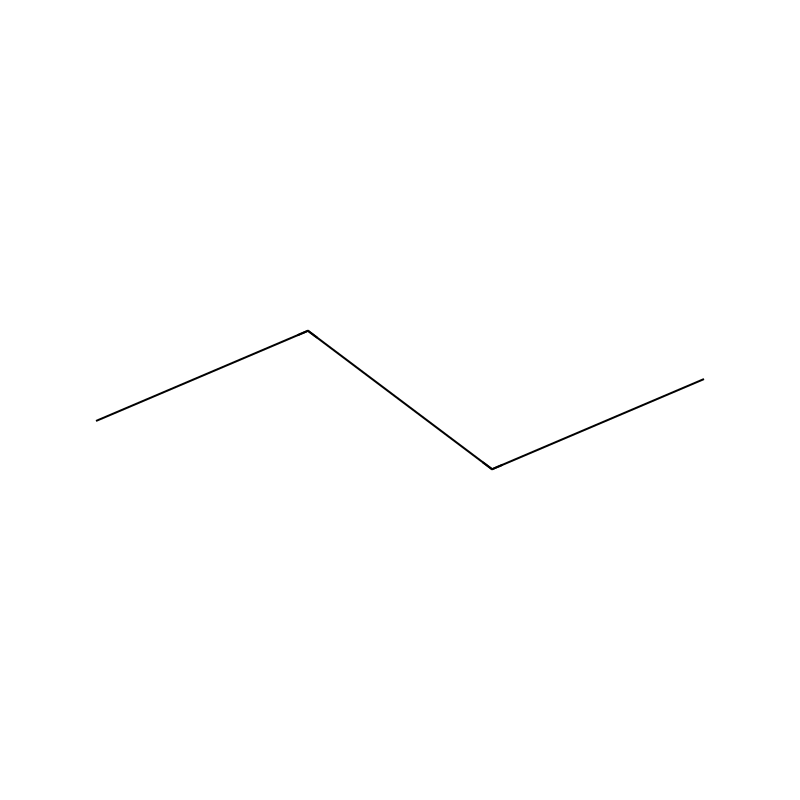
| GHS 分類 | DangerH220: Extremely flammable gas [Danger Flammable gases]P203, P210, P222, P280, P377, P381, and P403 (click each P-code to see the statement)P203, P210, P222, P280, P318, P377, P381, P403, P405, and P501 (click each P-code to see the statement) |
|---|
| 規制情報 | Chemical: ButaneHazard Traits - CarcinogenicityGenotoxicityButane is listed on the EPA's Chemical Data Reporting (CDR) system. Manufacturers and importers of Butane are required to report information about their production and use of this chemical to the EPA under the Toxic Substances Control Act (TSCA). (40 eCFR Part 711)Status: Active Update: 02-03-2023 https://echa.europa.eu/registration-dossier/-/registered-dossier/15434Butane: HSNO Approval: HSR000989 Approved with controlsThe New Jersey Worker and Community Right to Know Act requires public and private employers to provide information about hazardous substances at their workplaces. (N.J.S.A. 34:5A-1 et. seq.) |
|---|
| その他の安全情報 | IMAP assessments - Butane: Human health tier I assessment |
|---|
| 輸送ラベル(DOT) | Flammable Gas |
|---|
| 火災危険 | Excerpt from ERG Guide 115 [Gases - Flammable (Including Refrigerated Liquids)]:· EXTREMELY FLAMMABLE.Extremely flammable. Gas/air mixtures are explosive. |
|---|
| 火災の可能性 | Highly flammable, dangerous fire ... risk.Flammable in the presence of an oxidizing gas (eg air), a source of ignitino, and when the concentration of the gas is between the lower and upper explosive limits. Keep away from heat/sparks/open flame/hotsurface/oxidizing gas. No smoking.Very dangerous fire hazard when exposed to heat, flame... |
|---|
| 健康有害性 | High exposure produces drowsiness but no other evidence of systemic effect. (USCG, 1999)· Vapors may cause dizziness or asphyxiation without warning, especially when in closed or confined areas. |
|---|
| 有害性の概要 | Possible frostbite from contact with liquid[NIOSH] TLV Basis is CNS impairmentCaused drowsiness in 6 men and 6 women after exposure to 1% (10,000 ppm) for 10 minutesThe median effective concentration (EC50) for producing cardiac sensitization in anesthetized dogs was 7% (70,000 ppm). No symptoms in 53 refinery workers exposed to 1 to 8 ppm for 11 yearsDeaths in butane gas abusers were attributed to hypoxia and cardiac failure. [ACGIH: Butane, isomers] A chemical abused by inhaling (lighter fluid)may be abused by teenagers because it is cheap and availableButane is in the list of Some volatile substances which may be abused by inhalation published on the web site of the U.N. International Drug Control Programme, indicating its potential to cause narcosis in workers. [Reference #1] In confined space spill, may displace air and act as simple asphyxiantInhalation of high concentrations may cause CNS effects[ICSC] |
|---|
| 輸送番号・ガイド(DOT) | 1011 1151075 115 |
|---|
| FDA 要件 | Substance added directly to human food affirmed as generally recognized as safe (GRAS).Butane used as a general purpose food additive in animal drugs, feeds, and related products is generally recognized as safe when used in accordance with good manufacturing or feeding practice. |
|---|
| 反応性グループ | Hydrocarbons, Aliphatic Saturated |
|---|
| EC 分類 | Symbol: F+R: 12S: (2)-9-16-33Note: C |
|---|
| UN 分類 | UN Hazard Class: 2.1 |
|---|
| 消火 | Excerpt from ERG Guide 115 [Gases - Flammable (Including Refrigerated Liquids)]:Shut off supplyif not possible and no risk to surroundings, let the fire burn itself out. In other cases extinguish with powder, carbon dioxide. In case of fire: keep cylinder cool by spraying with water. Combat fire from a sheltered position. |
|---|
| 応急処置措置 | Fresh air, rest. Artificial respiration may be needed. Refer for medical attention.ON FROSTBITE: rinse with plenty of water, do NOT remove clothes. Refer for medical attention .First rinse with plenty of water for several minutes (remove contact lenses if easily possible), then refer for medical attention. |
|---|
| 漏出応急措置 | · CALL 911. Then call emergency response telephone number on shipping paper. If shipping paper not available or no answer, refer to appropriate telephone number listed on the inside back cover.· ELIMINATE all ignition sources (no smoking, flares, sparks or flames) from immediate area. |
|---|
| 応急処置 | EYES: First check the victim for contact lenses and remove if present. Flush victim's eyes with water or normal saline solution for 20 to 30 minutes while simultaneously calling a hospital or poison control center. Do not put any ointments, oils, or medication in the victim's eyes without specific instructions from a physician. If symptoms (such as redness or irritation) develop, immediately transport the victim to a hospital.General First Aid:(General first aid procedures) |
|---|
| 安全保管 | Fireproof. Cool. |
|---|
| Firefighting Hazards | On loss of containment this substance can cause suffocation by lowering the oxygen content of the air in confined areas... Rapid evaporation of the liquied may cause frostbite. The substance may cause effects on the central nervous system. |
|---|
| 暴露管理・個人防護 | · Wear positive pressure self-contained breathing apparatus (SCBA).1000.0 [ppm] |
|---|
| 消火手順 | Use water spray, alcohol-resistant foam, dry chemical or carbon dioxide.Use water spray to cool unopened containers.Wear self contained breathing apparatus for fire fighting if necessary. |
|---|
| 保管条件 | Butane in liquid form may be stored both above and below ground. Besides storage in liquefied form under its vapor pressure at normal atmospheric temperatures, refrigerated liquid storage at atmospheric pressure may be used. Such systems are closed and insulated, and the liquid petroleum gas vapor is circulated through pumps and compressors to serve as the refrigerant for the system. Butane may be stored in pits in the earth capped by metal domes and in underground chambers.Storage temp: ambientventing: safety relief. |
|---|
| 清掃方法 | Evacuate danger area! Consult an expert! Personal protection: self-contained breathing apparatus. Ventilation. Remove all ignition sources. NEVER direct water jet on liquid. |
|---|
| 非火災時の漏出対応 | Excerpt from ERG Guide 115 [Gases - Flammable (Including Refrigerated Liquids)]: |
|---|
| 処分方法 | Burn in a chemical incinerator equipped with an afterburner and scrubber but exert extra care in igniting as this material is highly flammable. Offer surplus and non-recyclable solutions to a licensed disposal company. Contact a licensed professional waste disposal service to dispose of this material.SRP: Wastewater from contaminant suppression, cleaning of protective clothing/equipment, or contaminated sites should be contained and evaluated for subject chemical or decomposition product concentrations. Concentrations shall be lower than applicable environmental discharge or disposal criteria. Alternatively, pretreatment and/or discharge to a permitted wastewater treatment facility is acceptable only after review by the governing authority and assurance that "pass through" violations will not occur. Due consideration shall be given to remediation worker exposure (inhalation, dermal and ingestion) as well as fate during treatment, transfer and disposal. If it is not practicable to manage the chemical in this fashion, it must be evaluated in accordance with EPA 40 CFR Part 261, specifically Subpart B, in order to determine the appropriate local, state and federal requirements for disposal. |
|---|
| 体内負荷 | n-Butane was detected in 6 of 12 samples of mothers breast milk from the cities of Bayonne NJ, Jersey City NJ, Bridgeville PA and Baton Rouge LA(1). According to the Total Exposure Assessment Methodology (TEAM) conducted in New Jersey, 2 of 12 personal breath samples contained n-butane(2). The background measurements utilized as a set of controls for air expired from humans contained n-butane in 8 of 20 samples collected over 18 mo(3). Butane was detected in human breath samples at concentrations between 1 to 10 ppb(4). |
|---|
| Treatment | Treatment for butane poisoning is supportive and symptomatic. Stimulants should not be administered. Recovery normally occurs quickly once exposure has ceased but support of the cardiovascular and respiratory systems may be needed. (L1284) |
|---|
| 相互作用 | ... Mixing butane and isobutylene produced an additive ... /CNS depressant/ effect in 2 of 12 mice and a potentiating effect in the remaining 10 animals. In rats, the butane-isobutylene mixture showed a summation of effects in 9 of 12 animals and a potentiation of effects in the remaining animals.... Exposure of dogs to 1-20% n-butane for ... 2 min to 2 hr hypersensitized the heart to ventricular fibrillation induced by epinephrine. /In a separate study/ ... exposure of dogs to concn of 15-90% for 10 min caused the heart to be sensitized to epinephrine-induced arrhythmias. |
|---|
| 標的器官 | central nervous system |
|---|
| 健康影響 | Butane targets the central nervous system and cardiovascular system. Inhalation of butane can cause frostbite which can result in death from asphyxiation and ventricular fibrillation. (L1283, L1284) |
|---|
| 環境中動態 | TERRESTRIAL FATE: Based on a classification scheme(1), an estimated Koc value of 40(SRC), determined from a log Kow of 2.89(2) and a regression-derived equation(3), indicates that n-butane is expected to have high mobility in soil(SRC). Volatilization of n-butane from moist soil surfaces is expected to be an important fate process(SRC) given an estimated Henry's Law constant of 0.95 atm-cu m/mole(SRC), derived from its vapor pressure, 1820 mm Hg(4) and water solubility, 61.2 mg/L(5). The potential for volatilization of n-butane from dry soil surfaces may exist(SRC) based upon its vapor pressure(4). While volatilization from soil surfaces is expected to be the predominant fate process of n-butane released to soil, this compound is also susceptible to biodegradation(SRC). A biodegradation rate of 1.8 mg C/day/kg dry soil(6) suggests that biodegradation may be an important environmental fate process in soil(SRC).AQUATIC FATE: Based on a classification scheme(1), an estimated Koc value of 40(SRC), determined from a log Kow of 2.89(2) and a regression-derived equation(3), indicates that n-butane is not expected to adsorb to suspended solids and sediment(SRC). Volatilization from water surfaces is expected(4) based upon an estimated Henry's Law constant of 0.95 atm-cu m/mole(SRC), derived from its vapor pressure, 1820 mm Hg(5) and water solubility, 61.2 mg/L(6). Using this Henry's Law constant and an estimation method(3), volatilization half-lives for a model river and model lake are 50 minutes and 3 days, respectively(SRC). According to a classification scheme(7), an estimated BCF of 40(SRC), from its log Kow(2) and a regression-derived equation(3), suggests the potential for bioconcentration in aquatic organisms is moderate(SRC). Photolysis(8) or hydrolysis(4) of n-butane in aquatic systems are not expected to be important environmental fate process in water(SRC). While volatilization from water surfaces is expected to be the predominant fate process in water, this compound is also susceptible to biodegradation(SRC). Complete biodegradation was reported in 34 days using an activated sludge inoculum(9), suggesting biodegradation may be an important environmental fate process in water(SRC).ATMOSPHERIC FATE: According to a model of gas/particle partitioning of semivolatile organic compounds in the atmosphere(1), n-butane, which has a vapor pressure of 1820 mm Hg at 25 °C(2), is expected to exist solely as a gas in the ambient atmosphere. Gas-phase n-butane is degraded in the atmosphere by reaction with photochemically-produced hydroxyl radicals(SRC)the half-life for this reaction in air is estimated to be 6.3 days(SRC), calculated from its rate constant of 2.54X10⁻¹² cu cm/molecule-sec at 25 deg(3). Experimental data showed that 7.7% of the n-butane fraction in a dark chamber reacted with nitrogen oxide to form the corresponding alkyl nitrate(4,5), suggesting nighttime reactions with radical species and nitrogen oxides may contribute to the atmospheric transformation of n-butane(SRC). Based on data for iso-octane and n-hexane(6), n-butane is not expected to absorb UV light at wavelengths >290 nm and, therefore, is not expected to be susceptible to direct photolysis by sunlight(SRC). |
|---|
| 食品調査値 | Butane, not specified as n-butane, was detected in beef volatiles at an unreported concentration(1). n-Butane emission rates from hamburger meat charbroiling over a natural gas-fired grill was 107,000 ug/kg of meat cooked(2). Butane comprised of 14.4, 24.42, 10.25 and 6.23 ppbC% of nonmethane organic carbon emissions monitored in restaurants, tortillerias, rotisseries and near food frying operations in Mexico City, respectively(3). |
|---|
| 有害作用 | Neurotoxin - Acute solvent syndrome |
|---|
| 暴露経路 | The substance can be absorbed into the body by inhalation.inhalation, skin and/or eye contact (liquid)Inhalation (L1283) |
|---|
| Milk Concentrations | n-Butane was detected in 6 of 12 samples of mothers breast milk from the cities of Bayonne NJ, Jersey City NJ, Bridgeville PA and Baton Rouge LA(1). |
|---|
| 毒性の概要 | Safe in the present practices of use and concentration. Ingredient, concentration, and use information are available in documents discoverable at https://cir-reports.cir-safety.orgn-Butane is a colorless, flammable gas at room temperature. It occurs as a component in natural gas from which it is refined. n-Butane is used as fuel, refrigerant and aerosol propellant. The acute toxicity of n-butane has been studied after inhalation exposure in experimental animals. LC50 (4h) was 658 mg/l in rats and LC50 (2h) was 680 mg/l in mice. In dogs, lethal concentrations ranged from 474 to 592 mg/l. A concentration of 308 mg/l caused light anesthesia in mice within 25 minutes, and an exposure to 521 mg/l had similar effect within one minute. n-Butane ... sensitiz/ed/ the myocardium to epinephrine-induced cardiac arrhythmias in dogs after inhalation. No reports on acute toxicity of n-butane in experimental animals by other administration routes were located in the available literature. In a 21-day inhalation toxicity study of a mixture of n-butane, isobutane, n-penta and isopentane, containing 25% of each, the absence of toxicity was evident up to 11.8 mg/l which was the highest concentration tested. The study was performed in Sprague-Dawley rats which were exposed 6 hours per day over three weeks for a total of 15 exposures. No long-term studies using pure n-butane were located in the available literature. No mutagenic activity was observed in several tests in Salmonella typhimurium strains TA 1535, TA 1537, TA 1538, TA 98 and TA 100 with or without the addition of an exogenous metabolism system. No studies on carcinogenicity, reproduction toxicity and teratogenicity, immunotoxicity or allergy were located in the available literature. Several reports on human exposure to n-butane were available. The increasing abuse of volatile substances, n-butane being among them, increases the risk of sudden death in connection to inhalation of the gas. The range of concentrations that may lead to "high" feelings or to death has been noted to be very narrow. The use of a oven cleaner containing n-butane as propellant has caused transient myoclonus in one patient. No other physical abnormalities were noted. An aerosol spray which contained n-butane as propellant, was reported to cause deep frostbite symptoms ir the skin when sprayed directly on it. Because of the anesthetic effect of n-butane, truck drivers and terminal operators from different loading facilities and service stations were examined for exposure gasoline vapours containing 90 to 92 percent n-butane, isobutane, n-pentane and isopentane. Exposures to the gasoline vapor were substantially lower than the established ACGIH threshold values (300 ppm or 0.89 mg/l for gasoline, and 800 ppm or 1.9 mg/l for n-butane). Occupational exposure of 53 male refinery workers for an average of 11 years to n-butane (concentration varied from 0.0004 mg/l to 0.0178 mg/l) did not cause any clinical symptoms in the workers. ... In conclusion, exposure to low concentrations of n-butane has not been reported to cause adverse effects in humans. It is anesthetic to both humans and experimental animals. Sudden death may occur when n-butane is inhaled at high concentrations. The safety margin between anesthetic and lethal concentrations appears to be very narrow. Chronic exposure to n-butane has been reported to cause some symptoms in the central nervous system. Critical effects might be lethality when inhaled in high doses, and effects on the central nervous system in chronically exposed individuals.Butane is a simple asphyxiant and causes toxicity by displacing oxygen. It also affects the central nervous system by enhancing glycine receptors and inhibiting N-methyl-d-aspartate (NMDA) receptors. (L1284, A352) |
|---|
| Average Daily Intake | According to the National Ambient Volatile Organic Compounds (VOCs) Database, the median urban atmospheric concn of n-butane is 9.174 ppbV for 546 samples(1). Based upon this figure and the value for average daily inhalation by a human adult of 20 cu m of air, the average daily intake of n-butane via air is 183 mg. |
|---|
| FIFRA 要件 | Residues of butane are exempted from the requirement of a tolerance when used in accordance with good agricultural practice as inert (or occasionally active) ingredients in pesticide formulations applied to growing crops or to raw agricultural commodities after harvest. Use: Propellant.Residues of butane are exempted from the requirement of a tolerance when used in accordance with good agricultural practice as inert (or occasionally active) ingredients in pesticide formulations applied to animals. Use: propellant. |
|---|
| DHS Chemicals of Interest (COI) | Butane110000Flammable chemical that can be released at a facility. |
|---|