概要
Silica is another name for the chemical compound composed of silicon and oxygen with the chemical formula SiO2, or silicon dioxide. There are many forms of silica. All silica forms are identical in chemical composition, but have different atom arrangements. Silica compounds can be divided into two groups, crystalline (or c-silica) and amorphous silica (a-silica or non-crystalline silica). c-Silica compounds have structures with repeating patterns of silicon and oxygen. a-Silica chemical structures are more randomly linked when compared to c-silica. All forms of silica are odorless solids composed of silicon and oxygen atoms. Silica particles become suspended in air and form non-explosive dusts. Silica may combine with other metallic elements and oxides to form silicates.
名称と識別子
- 優先名称
- Silica
- IUPAC
- dioxosilane
- 現地名
- けいそう土
- 英語名
- Silicon dioxide
- 分子式
- O2Si
- 分子量
- 60.084
名称と別名
名称をさらに表示
データベース識別子
- CAS
68855-54-9- ChEMBL
CHEMBL2108563- ChEBI
CHEBI:30563- UNII
- ETJ7Z6XBU4
- EC Number
- 231-545-4、238-455-4、262-373-8、601-214-2、601-216-3、604-037-9、643-045-7、685-393-2、807-338-5、921-597-2
- Nikkaji
- J43.598H
物性
構造計算による物性
- 極性表面積
- 34.1 Ų
- 水素結合供与体数
- 0
- 水素結合受容体数
- 2
- 回転可能結合数
- 0
- 重原子数
- 3
- 形式電荷
- 0
- 複雑度
- 18.3
実験および物理化学的性質
Chemical Classes
Mineral Dusts -> Other Mineral Dusts
Major ion
Cosmetics
Cosmetics ingredient -> Anticaking/Absorbents; Base; Bulking/Viscosity; Colorant; Conditioning/Emollient; Emulsifier; Moisturizing/Humectant; Opacifying Agent; Other (Specify); Preservative/Stabilizer; Solvent
Cosmetic ingredients (Silica) -> CIR (Cosmetic Ingredient Review)
Abrasive; Absorbent; Viscosity controlling; Anticaking; Bulking; Opacifying
Pesticides
Repellants
Active substance -> EU Pesticides database: Approved
Odor
Odorless
Odorless
Food Additives
ANTICAKING AGENT OR FREE-FLOW AGENT, ANTIOXIDANT, COLOR OR COLORING ADJUNCT, DRYING AGENT, EMULSIFIER OR EMULSIFIER SALT, FLAVORING AGENT OR ADJUVANT, FORMULATION AID, HUMECTANT, LUBRICANT OR RELEASE AGENT, -> FDA Substance added to food
Density
2.2 (NIOSH, 2024) - Denser than water; will sink
2.2 @ 25 °C
2.6
Colorless crystals or white powder; odorless and tasteless; density: 2.2-2.6; soluble in molten alkai when finely divided and amorphous /Silicon dioxide/
Density = 2.20 g/cm; Refractive index = 1.459; Surface tension = 5.200 @ 298 K (calc); Thermal conductivity = 1.37 W/m-deg K at 298 deg K ; Heat of Formation = -903.2 kJ/mol at 298 deg K; Heat Capacity = 37.94 J/mol-deg K at 298 deg K; Dielectric Constant = 3.8 /Corning 7940 fused silica/
Density = 2.648 /alpha-Quartz/ /from table/
Color/Form
Amorphous powder
Transparent to gray powder (Note: Amorphous silica is the non-crystalline form of O2Si). ... solid
Silica gel is a coherent, rigid, continuous three-dimensional network of spherical particles of colloidal microporous silica.
Transparent crystals
Solubility
Insoluble (NIOSH, 2024)
The solubility of the various phases of silicas is very complex and depends upon several factors. Solubility increases with temperature and pH and is affected by the presence of trace metals. Particle size influences the rate of solubility. /Silica/
Insoluble
Silica is rather poorly soluble in water although solubility is higher for the amorphous than for the crystalline morphologies. ... The external amorphous layer in quartz is more soluble than the crystalline underlying core.
AMORPHOUS IS SOL IN ALKALIES, ESP WHEN FINELY DIVIDED
Practically insoluble in water or acids. Dissolves readily in HF, forming silicon tetrafluoride.
物理化学的性質
- 融点
- 450 ℃ · >450℃
- 比重(密度)
- 0.47 g/cm3 · 0.47 g/cm3 (loose weight)(lit.)
- 貯蔵温度
- Store at RT.
- 溶解性
- 0.001 g/l · <0.001g/l
- 外見
- ロッド (1/8")
- 色
- white
- PH
- 8.5 · >8.5 (25℃, 10% in aq. suspension)
- 水溶解度
- 水に不溶。
- Specific Activity
- 1 EU/g · ≤1EU/g (endotoxin)
- 主な用途
- 食品および飲料一般的な分析
- InChI
- 1S/O2Si/c1-3-2
- InChIKey
- VYPSYNLAJGMNEJ-UHFFFAOYSA-N
- SMILES
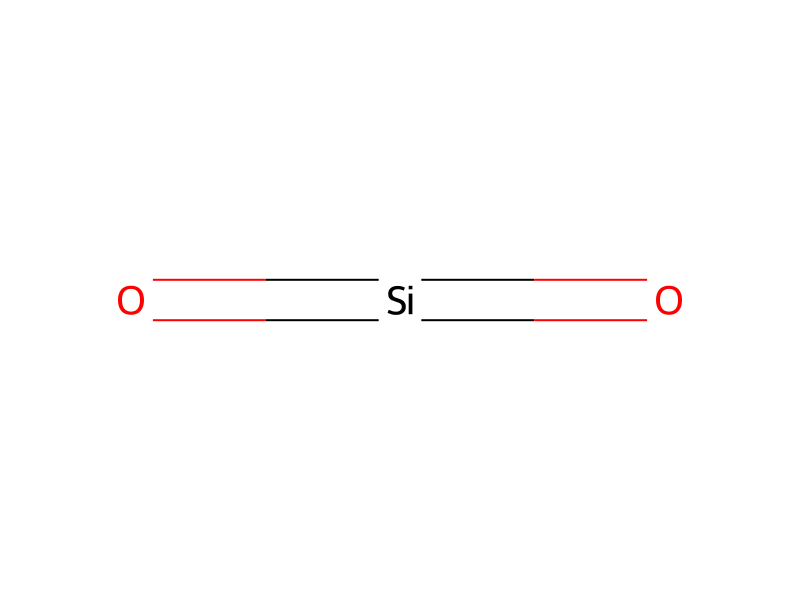
- O=[Si]=O
- EPAの化学物質情報
- Kieselguhr, soda ash flux-calcined (68855-54-9)
化学的性質
化学的特性white to off-white powder
安全と法規制
GHS分類
GHS Classification
Not Classified
Aggregated GHS information provided per 9127 reports by companies from 60 notifications to the ECHA C&L Inventory.
This chemical does not meet GHS hazard criteria for 35% (889 of 2540) of reports.
Warning
H315 (56.3%): Causes skin irritation [Warning Skin corrosion/irritation]
P261, P264, P264+P265, P271, P280, P302+P352, P304+P340, P305+P351+P338, P319, P321, P332+P317, P337+P317, P362+P364, P403+P233, P405, and P501 (click each P-code to see the statement)
危険有害性情報
Regulatory Information
Chemical: Silica
Chemical: Cristobalite (SiO2)
Chemical: Silica, vitreous
Chemical: Calcined diatomite
Regulation (EC) No 257/2010
Commission Regulation (EC) No 2229/2004
Other Safety Information
IMAP assessments - Cristobalite (SiO2): Environment tier I assessment
IMAP assessments - Calcined diatomite: Environment tier I assessment
IMAP assessments - Silica, vitreous: Human health tier I assessment
IMAP assessments - Silica: Environment tier I assessment
Hazards Summary
Silica is another name for the chemical compound composed of silicon and oxygen with the chemical formula SiO2, or silicon dioxide. There are many forms of silica. All silica forms are identical in chemical composition, but have different atom arrangements. Silica compounds can be divided into two groups, crystalline (or c-silica) and amorphous silica (a-silica or non-crystalline silica). c-Silica compounds have structures with repeating patterns of silicon and oxygen. a-Silica chemical structures are more randomly linked when compared to c-silica. All forms of silica are odorless solids composed of silicon and oxygen atoms. Silica particles become suspended in air and form non-explosive dusts. Silica may combine with other metallic elements and oxides to form silicates.
Silica, amorphous (7631-86-9) is not classifiable as to carcinogenicity to humans. [IARC] Documentation and TLV withdrawn in 2006 because of insufficient data; [ACGIH] The main problem in assessing the risk of exposure to diatomaceous earth is its varying degree of contamination with crystalline silica. While the natural version usually contains about 1%, up to 60% may be present in flux-calcined amorphous silica. [Rom, p. 527]
FDA Requirements
The food additive silicon dioxide may be safely used in food in accordance with /specified/ conditions.
Silicon dioxide may be safely used as a component of articles intended for use in packaging, transporting, or holding food in accordance with prescribed conditions.
The food additive silicon dioxide may be safely used in animal feed in accordance with /specified/ conditions.
Special Reports
USEPA/Office of Pesticide Programs; Reregistration Eligibility Decision Document - Silicon Dioxide and Silica Gel. September 1991. The RED summarizes the risk assessment conclusions and outlines any risk reduction measures necessary for the pesticide to continue to be registered in the U.S.[Available from, as of December 2, 2003: http://www.epa.gov/pesticides/reregistration/status.htm]
FIFRA Requirements
Tolerance exemptions for minimal risk active and inert ingredients. Unless specifically excluded, residues resulting from the use of the following substances as either an inert or an active ingredient in a pesticide chemical formulation, including antimicrobial pesticide chemicals, are exempted from the requirement of a tolerance under FFDCA section 408, if such use is in accordance with good agricultural or manufacturing practices. Silica, amorphous, fumed (crystalline-free); silica, amorphous, precipitated and gel; silica gel; silica gel, precipitated, crystalline-free, silica, hydrate; and silica, vitreous are included on this list.
Residues of silicon dioxide, fumed, amorphous, are exempted from the requirement of a tolerance when used as a flow control, anticaking, and carrier agent in accordance with good agricultural practices as inert (or occasionally active) ingredients in pesticide formulations applied to growing crops or to raw agricultural commodities after harvest.
Silicon dioxide, fumed, amorphous exempted from the requirement of a tolerance when used as a flow control, anticaking, and carrier agent in accordance with good agricultural practice as inert (or occasionally active) ingredients in pesticide formulations applied to growing crops only.
As the federal pesticide law FIFRA directs, EPA is conducting a comprehensive review of older pesticides to consider their health and environmental effects and make decisions about their future use. Under this pesticide reregistration program, EPA examines health and safety data for pesticide active ingredients initially registered before November 1, 1984, and determines whether they are eligible for reregistration. In addition, all pesticides must meet the new safety standard of the Food Quality Protection Act of 1996. Pesticides for which EPA had not issued Registration Standards prior to the effective date of FIFRA, as amended in 1988, were divided into three lists based upon their potential for human exposure and other factors, with List B containing pesticides of greater concern and List D pesticides of less concern. Silicon dioxide is found on List D. Case No: 4081; Pesticide type: Insecticide,fungicide, antimicribial; Case Status: RED Approved 09/91; OPP has made a decision that some/all uses of the pesticide are eligible for reregistration, as reflected in a Reregistration Eligibility Decision (RED) document .; Active ingredient (AI): silicon dioxide; AI Status: OPP has completed a Reregistration Eligibility Decision (RED) document for the case/AI..
The U. S. Environmental Protection Agency (EPA) conducted a review of the scientific data base and other relevant information supporting the reregistration of silicon dioxide and silica gel and has determined that the data base is sufficient to conduct a reasonable risk assessment. In addition, the Agency has conducted a tolerance reassessment for silicon dioxide and silica gel and its conclusions are discussed in Section IIC. The data available to the EPA support the conclusion that the currently registered uses of silicon dioxide and silica gel will not result in unreasonable public health risks or effects to the environment. No further generic data are required. Accordingly, the EPA has determined that all products containing silicon dioxide and silica gel as the active ingredients are eligible for reregistration and will be reregistered when appropriate labeling and/or product specific data are submitted and/or cited. Before reregistering each product, the EPA is requiring product specific data to be submitted within eight months of the issuance of this document. After reviewing these data and the revised labels, the EPA will determine whether to reregister a product based on whether or not the conditions of the Federal Insecticide, Fungicide, and Rodenticide Act (FIFRA) Section 3(c)(5) have been met. End use products containing silicon dioxide and silica gel in combination with other active ingredients will not be reregistered until those other active ingredients are determined to be eligible for reregistration.
OSHA Standards
The PEL for amorphous silica is expressed by a formula that reduces the amount of dust to which a worker can be exposed as the percentage of amorphous silica in the dust rises. The term SiO2 refers to the percentage of amorphous silica in the sample. When the amorphous silica content is at or below 5.33% the total dust (Particulates Not Otherwise Regulated) PEL of 15 mg/m3 should be used.
安全と保護具
First Aid Measures
Fresh air, rest.
Rinse and then wash skin with water and soap.
Rinse with plenty of water (remove contact lenses if easily possible).
Rinse mouth.
First Aid
Excerpt from NIOSH Pocket Guide for Silica, amorphous:
(General first aid procedures)
Exposure Control and Personal Protection
TIH (Toxic Inhalation Hazard) - Term used to describe gases and volatile liquids that are toxic when inhaled. Some are TIH materials themselves, e.g., chlorine, and some release TIH gases when spilled in water, e.g., chlorosilanes. [ERG 2016].
0.3 [mg/m3], respir. fraction (diatomaceous earth calcined, silica fume, and fused)[German Research Foundation (DFG)]
Storage Conditions
Avoid dusty atmosphere. /Cab-O-Sil*/
PRECAUTIONS FOR "CARCINOGENS": Storage site should be as close as practical to lab in which carcinogens are to be used, so that only small quantities required for ... expt need to be carried. Carcinogens should be kept in only one section of cupboard, an explosion-proof refrigerator or freezer (depending on chemicophysical properties ...) that bears appropriate label. An inventory ... should be kept, showing quantity of carcinogen & date it was acquired ... Facilities for dispensing ... should be contiguous to storage area. /Chemical Carcinogens/
Cleanup Methods
PRECAUTIONS FOR "CARCINOGENS": A high-efficiency particulate arrestor (HEPA) or charcoal filters can be used to minimize amt of carcinogen in exhausted air ventilated safety cabinets, lab hoods, glove boxes or animal rooms ... Filter housing that is designed so that used filters can be transferred into plastic bag without contaminating maintenance staff is avail commercially. Filters should be placed in plastic bags immediately after removal ... The plastic bag should be sealed immediately ... The sealed bag should be labelled properly ... Waste liquids ... should be placed or collected in proper containers for disposal. The lid should be secured & the bottles properly labelled. Once filled, bottles should be placed in plastic bag, so that outer surface ... is not contaminated ... The plastic bag should also be sealed & labelled. ... Broken glassware ... should be decontaminated by solvent extraction, by chemical destruction, or in specially designed incinerators. /Chemical Carcinogens/
Disposal Methods
SRP: The most favorable course of action is to use an alternative chemical product with less inherent propensity for occupational exposure or environmental contamination. Recycle any unused portion of the material for its approved use or return it to the manufacturer or supplier. Ultimate disposal of the chemical must consider: the material's impact on air quality; potential migration in soil or water; effects on animal, aquatic, and plant life; and conformance with environmental and public health regulations.
SRP: The most favorable course of action is to use an alternative chemical product with less inherent propensity for occupational exposure or environmental contamination. Recycle any unused portion of the material for its approved use or return it to the manufacturer or supplier. Ultimate disposal of the chemical must consider: the material's impact on air quality; potential migration in soil or water; effects on animal, aquatic, and plant life; and conformance with environmental and public health regulations.
PRECAUTIONS FOR "CARCINOGENS": There is no universal method of disposal that has been proved satisfactory for all carcinogenic compounds & specific methods of chem destruction ... published have not been tested on all kinds of carcinogen-containing waste. ... summary of avail methods & recommendations ... /given/ must be treated as guide only. /Chemical Carcinogens/
PRECAUTIONS FOR "CARCINOGENS": ... Incineration may be only feasible method for disposal of contaminated laboratory waste from biological expt. However, not all incinerators are suitable for this purpose. The most efficient type ... is probably the gas-fired type, in which a first-stage combustion with a less than stoichiometric air:fuel ratio is followed by a second stage with excess air. Some ... are designed to accept ... aqueous & organic-solvent solutions, otherwise it is necessary ... to absorb soln onto suitable combustible material, such as sawdust. Alternatively, chem destruction may be used, esp when small quantities ... are to be destroyed in laboratory. /Chemical Carcinogens/
PRECAUTIONS FOR "CARCINOGENS": HEPA (high-efficiency particulate arrestor) filters ... can be disposed of by incineration. For spent charcoal filters, the adsorbed material can be stripped off at high temp & carcinogenic wastes generated by this treatment conducted to & burned in an incinerator. ... LIQUID WASTE: ... Disposal should be carried out by incineration at temp that ... ensure complete combustion. SOLID WASTE: Carcasses of lab animals, cage litter & misc solid wastes ... should be disposed of by incineration at temp high enough to ensure destruction of chem carcinogens or their metabolites. /Chemical Carcinogens/
For more Disposal Methods (Complete) data for CRYSTALLINE SILICA (6 total), please visit the HSDB record page.
Spillage Disposal
Personal protection: particulate filter respirator adapted to the airborne concentration of the substance. Sweep spilled substance into covered containers. If appropriate, moisten first to prevent dusting. Wash away remainder with plenty of water.
Preventive Measures
Wetting processes to control dusts must be used wherever feasible. Dust-producing operations should be segregated.
SRP: The scientific literature for the use of contact lenses in industry is conflicting. The benefit or detrimental effects of wearing contact lenses depend not only upon the substance, but also on factors including the form of the substance, characteristics and duration of the exposure, the uses of other eye protection equipment, and the hygiene of the lenses. However, there may be individual substances whose irritating or corrosive properties are such that the wearing of contact lenses would be harmful to the eye. In those specific cases, contact lenses should not be worn. In any event, the usual eye protection equipment should be worn even when contact lenses are in place.
PRECAUTIONS FOR "CARCINOGENS": Smoking, drinking, eating, storage of food or of food & beverage containers or utensils, & the application of cosmetics should be prohibited in any laboratory. All personnel should remove gloves, if worn, after completion of procedures in which carcinogens have been used. They should ... wash ... hands, preferably using dispensers of liq detergent, & rinse ... thoroughly. Consideration should be given to appropriate methods for cleaning the skin, depending on nature of the contaminant. No standard procedure can be recommended, but the use of organic solvents should be avoided. Safety pipettes should be used for all pipetting. /Chemical Carcinogens/
PRECAUTIONS FOR "CARCINOGENS": In animal laboratory, personnel should remove their outdoor clothes & wear protective suits (preferably disposable, one-piece & close-fitting at ankles & wrists), gloves, hair covering & overshoes. ... Clothing should be changed daily but ... discarded immediately if obvious contamination occurs ... /also,/ workers should shower immediately. In chemical laboratory, gloves & gowns should always be worn ... however, gloves should not be assumed to provide full protection. Carefully fitted masks or respirators may be necessary when working with particulates or gases, & disposable plastic aprons might provide addnl protection. If gowns are of distinctive color, this is a reminder that they should not be worn outside of lab. /Chemical Carcinogens/
PRECAUTIONS FOR "CARCINOGENS": ... Operations connected with synth & purification ... should be carried out under well-ventilated hood. Analytical procedures ... should be carried out with care & vapors evolved during ... procedures should be removed. ... Expert advice should be obtained before existing fume cupboards are used ... & when new fume cupboards are installed. It is desirable that there be means for decreasing the rate of air extraction, so that carcinogenic powders can be handled without ... powder being blown around the hood. Glove boxes should be kept under negative air pressure. Air changes should be adequate, so that concn of vapors of volatile carcinogens will not occur. /Chemical Carcinogens/
PRECAUTIONS FOR "CARCINOGENS": Vertical laminar-flow biological safety cabinets may be used for containment of in vitro procedures ... provided that the exhaust air flow is sufficient to provide an inward air flow at the face opening of the cabinet, & contaminated air plenums that are under positive pressure are leak-tight. Horizontal laminar-flow hoods or safety cabinets, where filtered air is blown across the working area towards the operator, should never be used ... Each cabinet or fume cupboard to be used ... should be tested before work is begun (eg, with fume bomb) & label fixed to it, giving date of test & avg air-flow measured. This test should be repeated periodically & after any structural changes. /Chemical Carcinogens/
毒性情報
Interactions
Another form of amorphous silica, precipitated amorphous silica, /may/ form layers around quartz particles, which may facilitate the toxic action of quartz.
Ameliorating effects of /poly-2-vinylpyridine-N-oxide/ PVNO were observed for pulmonary damage from colloidal SiO2
13 lead chromate-based pigments were assayed for mutagenicity and toxicity using Salmonella typhimurium TA100 with and without S9, both in the presence and absence of the chelating agent, nitrilotriacetic acid (NTA). In general, the use of NTA to solubilize the compounds resulted in /enhanced/ mutagenicity and/or toxicity ... . Encapsulation of pigments with amorphous silica rendered these pigments non-mutagenic and non-toxic, indicating that the active moieties were biologically unavailable to the bacteria.
Lazaroid (U-75412E) scavenges .OH radicals generated by crystalline silica-mediated reaction from H2O2 and inhibits lipid peroxidation in macrophages induced by these particles.
Occupational studies have found that the major source of co-morbidity with silicosis is infection by Mycobacterium tuberculosis (TB).
Target Organs
Cancer, Immunological (Immune System), Renal (Urinary System or Kidneys), Respiratory (From the Nose to the Lungs)
Eyes, respiratory system
Exposure Routes
Exposure mainly occurs via inhalation.
inhalation, skin and/or eye contact
Toxicity Summary
The Panel concluded that synthetically-manufactured amorphous Silica ... safe in the present practices of use and concentration described in the safety assessment when formulated to be non-irritating.
Safe for use in cosmetics, with qualifications
IDENTIFICATION: Quartz is a frequently occurring solid component of most natural mineral dusts. HUMAN EXPOSURE: Human exposures to quartz occur most often during occupational activities that involve the movement of earth, disturbance of silica containing products (masonry, concrete), or use or manufacture of silica containing products. Environmental exposure to ambient quartz dust can occur during natural, industrial and agricultural activities. Respirable quartz dust particles can be inhaled and deposited in the lung. There are many epidemiological studies of occupational cohorts exposed to respirable quartz dust. Silicosis, lung cancer and pulmonary tuberculosis are associated with occupational exposure to quartz dust. Statistically significant increases in deaths or cases of bronchitis, emphysema, chronic obstructive pulmonary disease, autoimmune related diseases (scleroderma, rheumatoid arthritis, systemic lupus erythematosus) and renal diseases have been reported. Silicosis is the critical effect for hazard identification and risk assessment. There are sufficient epidemiological data to allow the risk of silicosis to be quantitatively estimated, but not to permit accurate estimations of risks for other health effects. ANIMAL STUDIES: Quartz dust induces cellular inflammation in vivo. Short term experimental studies of rats have found that intratracheal instillation of quartz particles leads to the formation of discrete silicotic nodules in rats, mice and hamsters. Inhalation of aerosolized quartz particles impairs alveolar macrophage clearance functions and leads to progressive lesions and pneumonitis. Oxidative stress (formation of hydroxyl radicals, reactive oxygen species, or reactive nitrogen species) has been observed in rats after intratracheal instillation or inhalation of quartz. Many experimental in vitro studies have found the surface characteristics of the crystalline silica particle influence its fibrogenic activity and a number of features related to its cytotoxicity. Long term inhalation studies of rats and mice have shown that quartz particles produce cellular proliferation, nodule formation, suppressed immune functions and alveolar proteinosis. Experimental studies of rats reported the occurrence of adenocarcinomas and squamous cell carcinomas after the inhalation or intratracheal instillation of quartz. Pulmonary tumors were not observed in experiments with hamsters or mice. Quartz did not test positively in standard bacterial mutagenesis assays. In experimental studies of particles, results may vary depending on the test material, concentration administered and species tested. The experiments with quartz particles involved specimens from various sources, using various doses, particle sizes and species. Data on the reproductive and developmental effects of quartz in laboratory animals are not available. The adverse effects of quartz in aquatic organisms and terrestrial mammals have not been studied.
Signs and Symptoms
Cough.
Redness.
Redness. Pain.
No acute symptoms expected.
irritation eyes, pneumoconiosis
Ongoing Test Status
The following link will take the user to the National Toxicology Program (NTP) Test Agent Search Results page, which tabulates all of the "Standard Toxicology & Carcinogenesis Studies", "Developmental Studies", and "Genetic Toxicity Studies" performed with this chemical. Clicking on the "Testing Status" link will take the user to the status (i.e., in review, in progress, in preparation, on test, completed, etc.) and results of all the studies that the NTP has done on this chemical. /Silica, crystalline - quartz/ [http://ntp-apps.niehs.nih.gov/ntp_tox/index.cfm?fuseaction=ntpsearch.searchresults&searchterm=14808-60-7]
Effluent Concentrations
Silica fume, generated unintentionally and emitted from electric arc furnaces may contaminate work environments in silicon, ferrosilicon and other silicon-containing alloy production.
Fly ash from power stations and various manufacturing facilities (e.g., silicon, silicous carbide, silicon nitride, ferrosilicon industries) may contain significant amounts of amorphous and crystalline silica
Amorphous silica fibers were identified as smoke constituents in three of seven area samples located near burning sugar cane fields in HawaiiAmorphous silica fibers were observed in samples collected /near/rice farming operations in California
Medical Surveillance
Along with lengthy occupational silica exposure and respiratory symptoms, diagnosis of chronic silicosis is confirmed with a positive X ray. The radiology community has agreed on a grading convention developed by the International Labour Organization (ILO) for assessing the severity of silicosis lesions (International Labour Organization, 1980). The X-ray opacities can range from mild (up to 1.5 mm) to moderate (1.5 to 3.0 mm) to severe (3 to 10 mm). These opacities are different from the diffuse lung changes that occur with age and cigarette smoking, but over time differentiation may be difficult. Chronic silicosis in its simplest form can be detected by X ray in the absence of any physical symptoms or clinical abnormalities.
PRECAUTIONS FOR "CARCINOGENS": Whenever medical surveillance is indicated, in particular when exposure to a carcinogen has occurred, ad hoc decisions should be taken concerning ... /cytogenetic and/or other/ tests that might become useful or mandatory. /Chemical Carcinogens/
法規制情報
FDA Requirements
The food additive silicon dioxide may be safely used in food in accordance with /specified/ conditions.
Silicon dioxide may be safely used as a component of articles intended for use in packaging, transporting, or holding food in accordance with prescribed conditions.
The food additive silicon dioxide may be safely used in animal feed in accordance with /specified/ conditions.
FIFRA Requirements
Tolerance exemptions for minimal risk active and inert ingredients. Unless specifically excluded, residues resulting from the use of the following substances as either an inert or an active ingredient in a pesticide chemical formulation, including antimicrobial pesticide chemicals, are exempted from the requirement of a tolerance under FFDCA section 408, if such use is in accordance with good agricultural or manufacturing practices. Silica, amorphous, fumed (crystalline-free); silica, amorphous, precipitated and gel; silica gel; silica gel, precipitated, crystalline-free, silica, hydrate; and silica, vitreous are included on this list.
Residues of silicon dioxide, fumed, amorphous, are exempted from the requirement of a tolerance when used as a flow control, anticaking, and carrier agent in accordance with good agricultural practices as inert (or occasionally active) ingredients in pesticide formulations applied to growing crops or to raw agricultural commodities after harvest.
Silicon dioxide, fumed, amorphous exempted from the requirement of a tolerance when used as a flow control, anticaking, and carrier agent in accordance with good agricultural practice as inert (or occasionally active) ingredients in pesticide formulations applied to growing crops only.
As the federal pesticide law FIFRA directs, EPA is conducting a comprehensive review of older pesticides to consider their health and environmental effects and make decisions about their future use. Under this pesticide reregistration program, EPA examines health and safety data for pesticide active ingredients initially registered before November 1, 1984, and determines whether they are eligible for reregistration. In addition, all pesticides must meet the new safety standard of the Food Quality Protection Act of 1996. Pesticides for which EPA had not issued Registration Standards prior to the effective date of FIFRA, as amended in 1988, were divided into three lists based upon their potential for human exposure and other factors, with List B containing pesticides of greater concern and List D pesticides of less concern. Silicon dioxide is found on List D. Case No: 4081; Pesticide type: Insecticide,fungicide, antimicribial; Case Status: RED Approved 09/91; OPP has made a decision that some/all uses of the pesticide are eligible for reregistration, as reflected in a Reregistration Eligibility Decision (RED) document .; Active ingredient (AI): silicon dioxide; AI Status: OPP has completed a Reregistration Eligibility Decision (RED) document for the case/AI..
The U. S. Environmental Protection Agency (EPA) conducted a review of the scientific data base and other relevant information supporting the reregistration of silicon dioxide and silica gel and has determined that the data base is sufficient to conduct a reasonable risk assessment. In addition, the Agency has conducted a tolerance reassessment for silicon dioxide and silica gel and its conclusions are discussed in Section IIC. The data available to the EPA support the conclusion that the currently registered uses of silicon dioxide and silica gel will not result in unreasonable public health risks or effects to the environment. No further generic data are required. Accordingly, the EPA has determined that all products containing silicon dioxide and silica gel as the active ingredients are eligible for reregistration and will be reregistered when appropriate labeling and/or product specific data are submitted and/or cited. Before reregistering each product, the EPA is requiring product specific data to be submitted within eight months of the issuance of this document. After reviewing these data and the revised labels, the EPA will determine whether to reregister a product based on whether or not the conditions of the Federal Insecticide, Fungicide, and Rodenticide Act (FIFRA) Section 3(c)(5) have been met. End use products containing silicon dioxide and silica gel in combination with other active ingredients will not be reregistered until those other active ingredients are determined to be eligible for reregistration.
安全データ
- wgk
- 2
- tsca
- TSCA listed
- rtecs
- VV7311000
- hs_code
- 3802 90 00
- risk_code
- 48/20-49-36/37-36/38-45-36/37/38
- 安衛法
- 57,57-2
- hazard_code
- T,Xn
- safety_code
- 22-36-26-53-45-36/37/39-39
- Hazard Classifications
- STOT RE 1 Inhalation
- ストレージクラス
- 6.1D - Non-combustible acute toxic Cat.3toxic hazardous materials or hazardous materials causing chronic effects
化学と産業
薬理情報
Mechanism of Action
...Some quartz and cristobalite dusts (crystalline) as well as the diatomaceous earths (amorphous), but not the pyrogenic amorphous silica, were cytotoxic and induced morphological transformation of SHE cells in a concentration-dependent manner. The ranking in cytotoxicity was different from that in transforming potency, suggesting two separate molecular mechanisms for the two effects. The cytotoxic and transforming potencies were different from one dust to another, even among the same structural silicas. The type of crystalline structure (quartz vs cristobalite) and the crystalline vs biogenic amorphous form did not correlate with cytotoxic or transforming potency of silica dusts. Comparison of cellular effects induced by original and surface modified samples revealed that several surface functionalities modulate cytotoxic and transforming potencies. The cytotoxic effects appeared to be related to the distribution and abundance of silanol groups and to the presence of trace amounts of iron on the silica surface. Silica particles with fractured surfaces and/or iron-active sites, able to generate reactive oxygen species, induced SHE cell transformation. The results show that the activity of silica at the cellular level is sensitive to the composition and structure of surface functionalities and confirm that the biological response to silica is a surface originated phenomenon.
In vivo exposure of rat lungs to crystalline silica either by intratracheal instillation or by inhalation results in an increase in mRNA levels for inducible nitric oxide synthase (iNOS) in bronchoalveolar lavage cells (BALC), elevated nitric oxide (.NO) production by BALC, and an increase in .NO-dependent chemiluminescence (CL) from alveolar macrophages (AM). Induction of iNOS message occurs in both AM and polymorphonuclear leukocytes (PMN) harvested from silica-exposed lungs but is not significantly elevated in lavaged lung tissue.
This review presents characteristics of simple and complicated coal workers' pneumoconiosis (CWP) as well as pathologic indices of acute and chronic silicosis by summarizing results of in vitro, animal, and human investigations. These results support four basic mechanisms in the etiology of CWP and silicosis: a) direct cytotoxicity of coal dust or silica, resulting in lung cell damage, release of lipases and proteases, and eventual lung scarring; b) activation of oxidant production by pulmonary phagocytes, which overwhelms the antioxidant defenses and leads to lipid peroxidation, protein nitrosation, cell injury, and lung scarring; c) activation of mediator release from alveolar macrophages and epithelial cells, which leads to recruitment of polymorphonuclear leukocytes and macrophages, resulting in the production of proinflammatory cytokines and reactive species and in further lung injury and scarring; d) secretion of growth factors from alveolar macrophages and epithelial cells, stimulating fibroblast proliferation and eventual scarring. Results of in vitro and animal studies provide a basis for proposing these mechanisms for the initiation and progression of pneumoconiosis. Data obtained from exposed workers lend support to these mechanisms.
/The authors/ reported previously that freshly fractured silica (FFSi) induces activator protein-1 (AP-1) activation through extracellular signal-regulated protein kinases (ERKs) and p38 kinase pathways. In the present study, the biologic activities of FFSi and aged silica (ASi) were compared by measuring their effects on the AP-1 activation and phosphorylation of ERKs and p38 kinase. The roles of reactive oxygen species (ROS) in this silica-induced AP-1 activation were also investigated. FFSi-induced AP-1 activation was four times higher than that of ASi in JB6 cells. FFSi also caused greater phosphorylation of ERKs and p38 kinase than ASi. FFSi generated more ROS than ASi when incubated with the cells as measured by electron spin resonance (ESR). Studies using ROS-sensitive dyes and oxygen consumption support the conclusion that ROS are generated by silica-treated cells. N-Acetylcysteine (an antioxidant) and polyvinyl pyridine-N-oxide (an agent that binds to Si-OH groups on silica surfaces) decreased AP-1 activation and phosphorylation of ERKs and p38 kinase. Catalase inhibited phosphorylation of ERKs and p38 kinase, as well as AP-1 activation induced by FFSi, suggesting the involvement of H2O2 in the mechanism of silica-induced AP-1 activation. Sodium formate (an OH /radical/ scavenger) had no influence on silica-induced MAPKs or AP-1 activation. Superoxide dismutase enhanced both AP-1 and MAPKs activation, indicating that H2O2, but not O2, may play a critical role in silica-induced AP-1 activation. These studies indicate that freshly ground silica is more biologically active than aged silica and that ROS, in particular H2O2, play a significant role in silica-induced AP-1 activation.
/The authors/ examined the involvement of oxidative stress and reactive oxygen species formation in silica-induced cytotoxicity and genotoxicity in cultured rat /alveolar macrophages/ AMs. A lucigenin-dependent chemiluminescence test was used to determine superoxide anion... and a 2',7'-dichlorofluorescin diacetate fluorescence test was employed to measure the hydrogen peroxide (H2O2) level. The cytotoxic and genotoxic effects caused by silica in AMs were examined by lactate dehydrogenase (LDH) leakage and single-cell gel electrophoresis (comet assay), respectively. The results showed that silica enhanced superoxide and H2O2 formation in AMs. There were clear dose- and time-dependent relationships in silica-induced cytotoxicity and genotoxicity. Furthermore, superoxide dismutase and catalase were able to reduce silica-induced LDH leakage and DNA damage, with concurrent significant inhibition on silica-induced oxidative stress in AMs. These findings provide convincing evidence that oxidative stress mediates the silica-induced cytotoxicity and genotoxicity.
For more Mechanism of Action (Complete) data for CRYSTALLINE SILICA (32 total), please visit the HSDB record page.
Absorption, Distribution and Excretion
...Rats /were exposed/ by inhalation to... silica (particle size 0.5 to 5 m) in the form of Belgian glass sand for periods ranging from 0.5 to 40 hr. The initial deposition of silica was highest in the tracheobronchial ciliated air passages; it also was seen throughout the acini, where the extent of deposition decreased as the respiratory airways proceeded distally. The distribution of particles was not uniform between the different acini, and, 2 to 3 months following cessation of exposure, aggregates were formed, primarily in the proximal alveolar ducts but also in the distal portion of the acini.
Inhalation studies with rats... indicate that the long-term clearance of quartz after inhalation is slow and biphasic, whereas amorphous silica dusts are cleared more rapidly. The absolute amount of silica dust eliminated increased with lung burden, but the efficiency of the elimination was either constant or decreased with time. ...The half-life lung clearance of rats exposed via inhalation to an amorphous silica suspension (Ludox ) at concentrations up to 150 mg/cu m was about 50 days.
A study /in (1983)/, showed that the total silica content in the lungs of guinea pigs exposed by inhalation for up to 2 years to a cristobalite sample or to amorphous silica (at dust concentrations of 150 mg/cu m or 100 mg/cu m , respectively) increased linearly over 21 months, without evidence that lung retention rates changed with time. ...The maximum lung content of cristobalite was only 68 mg/lung, whereas that of amorphous silica was 120 mg/lung. The total amount of accumulated silica varied inversely with the degree of pulmonary damage. /It was/ suggested that silica dust producing cell damage may be more efficiently cleared from the lung than are the less toxic amorphous forms. However, this difference also could be due to different rates of deposition for the two dust forms. The cristobalite sample, which was 45% cristobalite and 55% diatomaceous earth, was significantly coarser (and less likely to deposit in the lungs) than the amorphous silica, which contained 100% diatomaceous earth. Also, tissue changes induced by cristobalite could have altered particle deposition.
In a long-term inhalation study with guinea pigs, ...the amount of silica retained as a result of 8-hr/day exposures to amorphous silica (Hi-Sil 233) /was compared/ with that retained during inhalation of quartz dust for a comparable 12-month period. Guinea pigs that inhaled quartz dust at a concentration of 106 mg/cu m retained between 500 and 600 mg of silica, whereas <10 mg of dust was retained in those that inhaled 126 mg/cu m of amorphous silica. After 12 months of exposure, the relative silica content (silica mass/lung mass) decreased in guinea pigs exposed to quartz dust, but continued to increase slowly in the animals exposed to the amorphous silica. This difference was explained by an increasing nonsiliceous materials content (e.g., collagen, minerals) in the lungs of the quartz-exposed animals associated with the progressive deposition of fibrous tissue in the lungs. Six months after cessation of exposure, the silica content of the lungs of Hi-Sil 233-exposed animals was similar to that of untreated controls. This lack of accumulation may be due, in large part, to the higher solubility of amorphous silica compared to quartz... . By comparison, the elimination of silica from the quartz-exposed guinea pigs was negligible, and the silicotic lesions continued to progress during this elimination phase.
For more Absorption, Distribution and Excretion (Complete) data for AMORPHOUS SILICA (6 total), please visit the HSDB record page.
Rats were exposed for 6 hr/day, on 5 days/week, for up to 13 weeks to 3 mg/cu m crystalline... Lung burdens were 819... ug for crystalline...
用途と製造
Uses
CIR ingredient: Silica
Used as a filler in rubber products, paints, animal feeds, pesticides, insulation materials, and cosmetics; [Rom, p. 527] Silica nanoparticle applications include leukemia cell biomarkers, cancer therapy, drug delivery, mechanical polishing, and additives to drugs, cosmetics, printing inks, varnishes, and food; [PMID 21191487] Polycrystalline silicon and silicon dioxide materials are etched in semiconductor manufacturing. [CSH, p. 45]
Semiconductor Manufacturing [Category: Industry]
For silicon dioxide (USEPA/OPP Pesticide Code: 072605 ACTIVE products with label matches. /SRP: Registered for use in the U.S. but approved pesticide uses may change periodically and so federal, state and local authorities must be consulted for currently approved uses./
Amorphous silica (such as fumed silica) is incorporated in a variety of food products as anti-caking agents at levels up to 2% by weight. Amorphous silica is also used as an anti-caking agent and as an excipient in pharmaceuticals for various drug and vitamin preparations.
According to the different physicochemical properties, the major classes of synthetic amorphous silica are used in a variety of products, e.g. as fillers in the rubber industry, in tire compounds, as free-flow and anti-caking agents in powder materials, and as liquid carriers, particularly in the manufacture of animal feed and agrochemicals; other uses are found in toothpaste additives, paints, silicon rubber, insulation material, liquid systems in coatings, adhesives, printing inks, plastisol car undercoats, and cosmetics.
Impurities
Major impurities in crystalline silica polymorphs include aluminium, iron, titanium, lithium, sodium, potassium and calcium. The concentrations of these impurities vary from specimen to specimen but are generally below 1.0% in weight as oxide.
U.S. Exports
(1985) 1.09X10+11 g
(1992) 1,474,000 tons /Industrial sand and gravel/
(1991) 1,637,000 tons /Industrial sand and gravel/
(1990) 1,155,000 tons /Industrial sand and gravel/
For more U.S. Exports (Complete) data for AMORPHOUS SILICA (6 total), please visit the HSDB record page.
U.S. Imports
(1985) Less than 4.54X10+8 g
(1992) 181,000 tons /Industrial sand and gravel/
(1991) 91,000 tons /Industrial sand and gravel/
(1990) 73,000 tons /Industrial sand and gravel/
For more U.S. Imports (Complete) data for AMORPHOUS SILICA (6 total), please visit the HSDB record page.
U.S. Production
2023: 100,000,000 - <250,000,000 lb
2023: 100,000,000 - <250,000,000 lb
2023: 1,000,000,000 - <2,500,000,000 lb
2023: 7,000,000 - <8,500,000 lb
(1985) 5.78X10+11 g
(1992) Sold or Used: 25,302,000 tons /Industrial sand/
Consumption Patterns
(DIATOMITE) 60% IN FILTRATION; OVER 20% AS AN ABRASIVE, IN INDUSTRIAL FILLERS, & AS A LIGHT WEIGHT AGGREGATE; 5% IN INSULATION; UNDER 15% IN MISC APPLICATIONS (INCLUDING IN POZZOLANS, AS AN INERT CARRIER & COATING AGENT) (1974).
Filter aid, 67%; Fillers, 22%; Other, 11% (1985)
Consumer Uses
Filler
Other
CBI
Abrasives
Industry Uses
Other
Filler
Surfactant (surface active agent)
Insulators
Methods of Manufacturing
/The wet/ process is based mainly on the precipitation of amorphous silicon dioxide particles from aqueous alkali metal silicate solution by acid neutralization. Usually, sulfuric acid is used, although carbon dioxide and hydrochloric acid can be used. Depending on the final pH of the solution, t he following two different classes of synthetic amorphous silicas can be obtained: precipitated silicas - obtained in neutral or alkaline conditions; silica gels - obtained under acidic conditions. The main manufacturing steps include precipitation, filtration, washing, drying and grinding.
The manufacturing process for pyrogenic silicas is based mainly on the combustion of volatile silanes, especially silicon tetrachloride, in an oxygen-hydrogen burner. Primary particles (7-50 nm particle size) of amorphous silica fuse together in the high-temperature flame to yield stable aggregates of between 100 and 500 nm in diameter. These aggregates form micron-sized agglomerates. The finely divided silica is separated from the hydrochloric acid-containing off-gas stream in filter stations. The hydrochloric acid content of the product is commonly reduced to less than 100 ppm by desorbing the hydrochloric acid with air in a fluid-bed reactor. Pyrogenic silica appears as a fluffy white powder.
All forms of synthetic amorphous silicas can be surface-modified either physically or chemically. Methods for chemical modification of the silica particle surface (e.g. silylation) are many and various. Most common treating agents are organosilicon compounds.
DIATOMITE: FROM OPEN PIT MINING; SILICA GEL-REACTION OF SODIUM SILICATE & A MINERAL ACID; SILICA AEROGEL: TREATMENT OF A WET HYDROGEL WITH A WATER-MISCIBLE ORGANIC LIQUID; COLLOIDAL SILICA: PEPTIZATION OF SILICA HYDROGEL OR BY DESTABILIZATION OF ALKALI SILICATES.
Diatomite is mined almost exclusively by opencast methods, using bulldozers and other similar equipment to remove the material. Some diatomite is mined underground in Europe, Africa, South America and Asia. In one operation in Iceland, where the mineral lies under water, slurried material is transferred by a pipeline to a processing plant...The processing methods for crude material are fairly uniform worldwide. The general procedure...can be schematized as follows: Preliminary size reduction; drying, grinding; dried, fine diatomite; /heated in/ furnace, 800-1000 C; grinding; calcined diatomite; /treated with/ alkaline flux, 1000-1200 C; grinding /to form/ flux-calcined diatomite. Calcination and, even more so, flux calcination yields a considerable amount (up to 65%) of crystalline material (cristobalite).
Two different kinds of production may be distinguished: (i) the processing of naturally occurring quartz; and (ii) the hydrothermal culturing of quartz. The largest reserves of highly pure quartz occur in Brazil. Minor deposits are found in Angola, India, Madagascar and the United States. Hydrothermally cultured quartz crystals are of major economic importance and their use is growing rapidly. Hydrothermal synthesis consists of crystal growth or reaction at high pressure and temperature in aqueous solution in sealed steel autoclaves. Synthetic quartz crystal production is concentrated in Japan, Russia and the United States. Smaller production capacity exists in Belgium, Brazil, Bulgaria, China, France, Germany, the Republic of South Africa and the United Kingdom.
Formulations/Preparations
USEPA/OPP Pesticide Code 072605; 46 Active Products contain amorphous silicon dioxide, celite, diatomaceous earth, or silicon dioxide. Many of these products contain other additional active pesticide ingredients. Trade Names: Chemsico Insecticide DE; Crop Guard; Diafil 610; Diasource Diatomaceous Earth Crawling Insect Killer; Diasource Diatomaceous Earth Grain Storage Insecticide; Diatect D-20; Diatect Insecticide V; Diatect Multipurpose Insecticide; Diatect Multipurpose Insecticide II; Diatect Pet Powder; Diatom Dust Insect Powder; Diatomic Earth; Dry Pyrocide Insecticide; Dryacide; Eaton's Answer II; Eaton's K.I.O. (Kills Insects Only) System; Enforcer Insecticide Powder; Flea Away; Flea Scare; Garden-Ville Diatomaceous Earth; Grapple Flea Powder; Harper Valley Diatomaceous Earth; Hi-Yield Crawling Insect Control; Insecolo; Insect Dust; Insect-Aside P.P.D. Multipurpose Insecticide; Insectaside D. E.; Insectigone; Insecto; Melocide DE-200; Melocide DE-100; Organic Resources Multipurpose Insecticide; Perma Guard Garden and Plant Insecticide D-21; Perma-Guard Commercial Insecticide D-20; Perma-Guard Grain or Seed Storage Insecticide D-10; Perma-Guard Household Insecticide D-20; Perma-Guard Kleen Bin D-20; Perma-Guard Pet and Animal Insecticide D-20; Powdered Insecticide; Protect-It; Pyrocide Insecticide II; Shellshock Insecticide; Southwest Select Diatomaceous Earth; Speer Dry Insecticide; The Graden Guy Diatomaceous Earth; Whitmire PT-239 Tri-Die Insecticide
PERMA-GUARD GRAIN OR SEED STORAGE INSECTICIDE DUST D-10--80% ACTIVE INGREDIENT.
Wettable powder
Wessalon /is/ spray-dried precipitated silica; 98-99.5% silicon dioxide, amorphous; particle sizes 1-100 microns. Other name: Sipernat.
For more Formulations/Preparations (Complete) data for AMORPHOUS SILICA (7 total), please visit the HSDB record page.
/Trade names for the alpha quartz form: CSQZ, DQ 12, Min-U-Sil, Sil-Co-Sil, Snowit, Sykron F300, Sykron F600/
Household Products
Cosmetics product ingredient: Silica, crystalline (airborne particles of respirable size) (Quartz; Quartz powder)
Cosmetics product ingredient: Cristobalite
Information on 584 consumer products that contain Silica, amorphous (Diatomaceous silica) in the following categories is provided:
Information on 261 consumer products that contain Cristobalite in the following categories is provided:
Information on 19 consumer products that contain Silica, crystaline in the following categories is provided:
Information on 215 consumer products that contain Fumed silica, crystalline-free in the following categories is provided:
Use Classification
Chemical Classes -> Inorganic substances
EPA Safer Chemical Functional Use Classes -> Processing Aids and Additives
Safer Chemical Classes -> Green circle - The chemical has been verified to be of low concern
Food additives
Fragrance Ingredients
Food Additives -> ANTICAKING_AGENT -> JECFA Functional Classes
応用分野
解説おもにけいそうの殻からなる軟質岩石.けいそう殻はSiO294%,H2O6% 程度であるが,けいそう土は不純物を含むほか,二次的沈殿物を含む.海成と淡水種があり,後者が良質である.カナダ,オーストラリア,ドイツ,アフリカに産出する.日本では秋田,宮城,石川,岡山,大分の各県に産出する.多孔質で,この特性をいかして,濾過助剤,吸収剤,保温剤などに,また研磨材,れんがに利用される.森北出版「化学辞典(第2版)
用途合成反応液の分配抽出、水分除去用。
用途断熱材、ろ過助剤
用途吸着剤、ろ過剤、保温材、研磨剤
使用Diatomaceous earth (hyflo supercel) may be used as an adsorbent for column chromatography.
一般的な説明Chromosorb W is a diatomite which provides solid support for the packed GC columns. It is suitable for use with polar compounds, due to its low surface area and high inertness.
上流・下流製品情報
上流原料
下流製品
サプライヤー50 社
補足説明
定義本品は、種々のケイソウの遺ガイから成るケイ酸質の堆積物である。
関連反応
現在のフィルター条件では反応記録がありません。
関連ノート
読み込み中…