Ethanol
消毒用エタライト · オー消エタ · テクソール · 消エタサラコール · アルコール · 消毒用エタノールα · 消毒用エタノール · 酒精
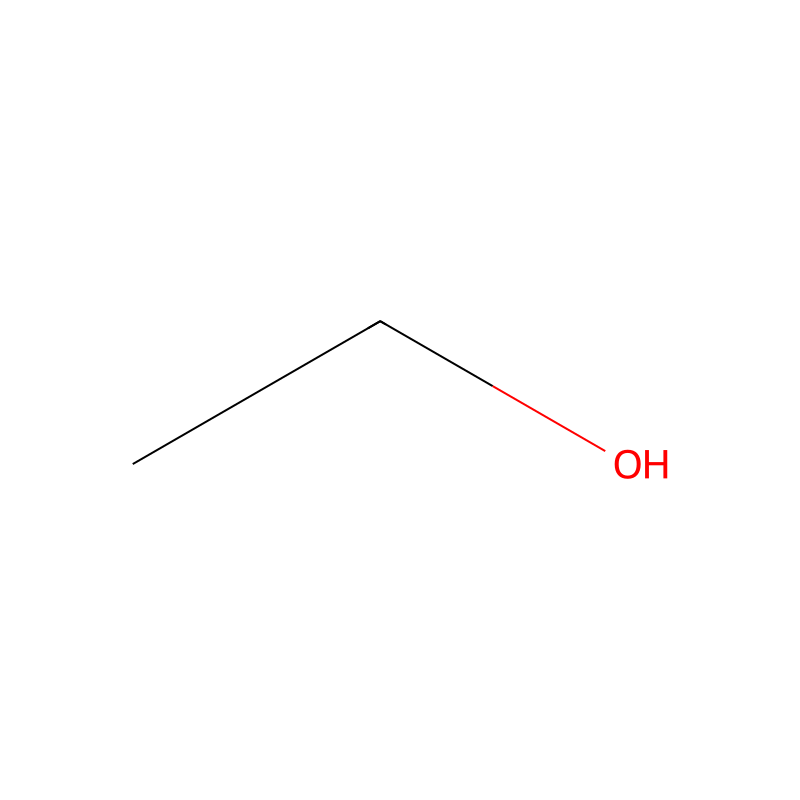
識別子と物理属性
| CAS No. | 64-17-5 |
|---|---|
| 分子式 | C2H6O |
| 平均分子量 | 46.07 g/mol |
| 単同位体質量 | 46.04186481 g/mol |
| SMILES | CCO |
| InChIKey | LFQSCWFLJHTTHZ-UHFFFAOYSA-N |
| PubChem CID | 702 |
| ChEMBL | CHEMBL545 |
| ChEBI | CHEBI:16236 |
| EC No. | 200-578-6 |
| DTXSID | DTXSID9020584 |
| 現地名 | エタノール |
化学・物理的性質
| XLogP | -0.1 |
|---|---|
| 極性表面積 | 20.2 |
| 水素結合供与体数 | 1 |
| 水素結合受容体数 | 1 |
| 回転可能結合数 | 0 |
| 重原子数 | 3 |
| 形式電荷 | 0 |
| 複雑度 | 2 |
| LogP(分配係数) | -0.31log Kow = -0.31-0.32 |
| 臭い | PleasantFragrant odorAlcohol odorWeak, ethereal, vinous odor49-716 ppm (平均 = 180 ppm) で検出可能な心地よいアルコール臭 |
| 味 | Burning |
| 密度 | 0.79 at 68 °F (USCG, 1999) - Less dense than waterwill float0.7893 g/cu cm at 20 °CRelative density (water = 1): 0.79< 0.8100.7893 @ 20°C0.789 g/mL at 20 °C |
| Viscosity | 1.074 mPa.s at 25 °C1.074 mPa*s at 20 °C |
| Color/Form | Clear, colorless, very mobile liquid |
| 溶解度 | greater than or equal to 100 mg/mL at 73 °F (NTP, 1992)1000000In water, miscible /1X10+6 mg/L/ at 25 °CMiscible with ethyl ether, acetone, chloroformsoluble in benzeneMiscible with many organic solvents1000.0 mg/mL水:溶ける(完全に)混和性 |
| 引火点 | 55 °F (NTP, 1992)14.0 °C (57.2 °F) - closed cupTable: Flash Point for Ethyl Alcohol and Water [Table#229]55 °F (13 °C) (closed cup)12.0 °C c.c.12°C |
| 沸点 | 173.3 °F at 760 mmHg (NTP, 1992)78.278.24 °C78 °C173 °F78°C |
| 融点 | -173.4 °F (NTP, 1992)-114.1-114.14 °C-114.1 °C-114 °C-173 °F-114°C |
| 蒸気密度 | 1.59 (NTP, 1992) - Heavier than airwill sink (Relative to Air)1.59 (Air = 1)Relative vapor density (air = 1): 1.61.59 (vs air) |
| 臭気閾値 | Odor Threshold Low: 49.0 [ppm]Odor Threshold High: 716.0 [ppm]Detection odor threshold from AIHA (mean = 180 ppm)10 PPM1.00X10-1 mg/L gas (detection in air, purity not specified)1.00X10+2 mg/L liquid (detection in water, purity not specified)9.23 ppm (detection in water, purity not specified)For more Odor Threshold (Complete) data for Ethanol (13 total), please visit the HSDB record page. |
| 蒸気圧 | 43 mmHg at 20 °C |
| FEMA | 2419 | ETHYL ALCOHOL |
| 屈折率 | 1.3614 |
| 貯蔵条件 | room temp |
| pKa(酸解離定数) | 16(at 25℃) |
| 外観・状態 | 液体。無色の液体/目に見えない蒸気。 |
| 色 | APHA: ≤10 |
| 比重 | 0.80872~0.81601 |
| pH | 7.0 (10g/l, H2O, 20℃) |
| Flame Color | (Light) blue |
| 由来生物 | synthetic |
| 臭気閾値 | 0.52ppm |
| においのタイプ | アルコール依存症 |
| 爆発限界 | 3.1-27.7%(V)(ethanol) |
| 比熱容量 | Cp(liquid): 2.44 J/(g·K)Cp(gas): 1.42 J/(g·K), at 25℃ |
| JECFA Number | 41 |
| Merck | 14,3760 |
| BRN | 1718733 |
| ヘンリー定数 | 1.9×100 mol/(m3Pa) at 25℃, Burkholder et al. (2019) |
| 誘電率 | 24.3(25℃) |
| 安定性 | 安定。避けるべき物質には、強力な酸化剤、過酸化物、酸、酸塩化物、酸無水物、アルカリ金属、アンモニア、水分が含まれます。空気と爆発性混合物を形成します。吸湿性。 |
| 化粧品成分の機能 | 消泡剤収斂性粘度制御溶媒抗菌剤香料 |
| InChI | 1S/C2H6O/c1-2-3/h3H,2H2,1H3 |
| InChIKey | LFQSCWFLJHTTHZ-UHFFFAOYSA-N |
| SMILES | OCC |
| LogP(分配係数) | -0.19 |
| 表面張力 | 22.1mN/m at 20°C |
| CAS データベース | 64-17-5(CAS DataBase Reference) |
| NISTの化学物質情報 | Ethanol(64-17-5) |
| EPAの化学物質情報 | Ethanol (64-17-5) |
化学的特性
エタノールC2H5OHまたはエチルアルコールは有機化合物の一種でありアルコール類に分類されます無色で特有の臭いを持ち水に溶けやすい液体です日常生活ではアルコール飲料の主成分として最もよく知られていますが消毒剤や溶剤としての用途も広く産業界でも重要な役割を果たしています
化学的特性
In the BP 2009, the term ‘alcohol’; used without other qualification refers to ethanol containing ≥99.5% v/v of C2H6O. The term‘alcohol’, without other qualification, refers to ethanol 95.1–96.9% v/v. Where other strengths are intended, the term ‘alcohol’ or ‘ethanol’is used, followed by the statement of the strength. In the PhEur 6.0, anhydrous ethanol contains not less than 99.5% v/v of C2H6O at 208℃. The term ethanol (96%) is used to describe the material containing water and 95.1–96.9% v/v of C2H6O at 208℃.
化学性质
浸漬により形状の記憶を書き換え可能
安全性と法規制
| GHS 分類 | DangerH225: Highly Flammable liquid and vapor [Danger Flammable liquids]P210, P233, P240, P241, P242, P243, P280, P303+P361+P353, P370+P378, P403+P235, and P501 (click each P-code to see the statement)This chemical does not meet GHS hazard criteria for < 0.1% (5 of 13886) of reports. |
|---|---|
| 規制情報 | Chemical: EthanolRegulation (EC) No 1831/2003 (amended)Ethanol is listed on the EPA's Chemical Data Reporting (CDR) system. Manufacturers and importers of Ethanol are required to report information about their production and use of this chemical to the EPA under the Toxic Substances Control Act (TSCA). (40 eCFR Part 711)Status: No longer Valid Update: 11-01-2016 https://echa.europa.eu/registration-dossier/-/registered-dossier/6310Status: Active Update: 17-05-2023 https://echa.europa.eu/registration-dossier/-/registered-dossier/16105Ethanol: HSNO Approval: HSR001144 Approved with controlsThe New Jersey Worker and Community Right to Know Act requires public and private employers to provide information about hazardous substances at their workplaces. (N.J.S.A. 34:5A-1 et. seq.) |
| その他の安全情報 | IMAP assessments - Ethanol: Human health tier II assessmentIMAP assessments - Ethanol: Environment tier I assessment |
| 輸送ラベル(DOT) | Flammable Liquid |
| 火災危険 | Excerpt from ERG Guide 127 [Flammable Liquids (Water-Miscible)]:HIGHLY FLAMMABLE: Will be easily ignited by heat, sparks or flames. CAUTION: Ethanol (UN1170) can burn with an invisible flame. Use an alternate method of detection (thermal camera, broom handle, etc.) Vapors may form explosive mixtures with air. Vapors may travel to source of ignition and flash back. Most vapors are heavier than air. They will spread along the ground and collect in low or confined areas (sewers, basements, tanks, etc.). Vapor explosion hazard indoors, outdoors or in sewers. Those substances designated with a (P) may polymerize explosively when heated or involved in a fire. Runoff to sewer may create fire or explosion hazard. Containers may explode when heated. Many liquids will float on water. (ERG, 2024)FLAMMABLE. Flashback along vapor trail may occur. Vapor may explode if ignited in an enclosed area. (USCG, 1999)· HIGHLY FLAMMABLE: Will be easily ignited by heat, sparks or flames.CAUTION: Ethanol (UN1170) can burn with an invisible flame. Use an alternate method of detection (thermal camera, broom handle, etc.)· Vapors may form explosive mixtures with air.· Vapors may travel to source of ignition and flash back.· Most vapors are heavier than air. They will spread along the ground and collect in low or confined areas (sewers, basements, tanks, etc.).· Vapor explosion hazard indoors, outdoors or in sewers.· Those substances designated with a (P) may polymerize explosively when heated or involved in a fire.· Runoff to sewer may create fire or explosion hazard.· Containers may explode when heated.· Many liquids will float on water.Highly flammable. Vapour/air mixtures are explosive. Risk of fire and explosion on contact with incompatible substances. See Chemical Dangers. |
| 火災の可能性 | Flammable liquid when exposed to heat or flame ... . |
| 健康有害性 | Excerpt from ERG Guide 127 [Flammable Liquids (Water-Miscible)]:Inhalation or contact with material may irritate or burn skin and eyes. Fire may produce irritating, corrosive and/or toxic gases. Vapors may cause dizziness or asphyxiation, especially when in closed or confined areas. Runoff from fire control or dilution water may cause environmental contamination. (ERG, 2024)VAPOR: Irritating to eyes, nose and throat. LIQUID: Not harmful. (USCG, 1999)· Inhalation or contact with material may irritate or burn skin and eyes.· Fire may produce irritating, corrosive and/or toxic gases.· Vapors may cause dizziness or asphyxiation, especially when in closed or confined areas.· Runoff from fire control or dilution water may cause environmental contamination. |
| 有害性の概要 | Drinking alcoholic beverages is a known human carcinogen listed by the International Agency for Research in Cancer (IARC) and the National Toxicology Program (NTP). Alcohol consumption causes cancers of the oral cavity, pharynx, larynx, oesophagus, colorectum, liver (hepatocellular carcinoma) and female breast. [Reference #2] That ethyl alcohol is unlikely to be an occupational carcinogen is reflected by its classification as 5 by MAC. MAC defines 5 as, Substances with carcinogenic and genotoxic effects, the potency of which is considered to be so low that, provided the MAK and BAT values are observed, no significant contribution to human cancer risk is to be expected. Drinking alcoholic beverages is also a reproductive hazard, causing fetal alcohol syndrome. Low level occupational exposures are not likely to harm the fetus. [Frazier, p. 175-7] Inhalation of high concentrations can cause CNS depressionAn eye and respiratory tract irritant[ICSC] Suspected germ cell mutagen (3B)[MAK] Causes non-immunological contact urticaria[Kanerva, p. 219] |
| 輸送番号・ガイド(DOT) | 1170 1271987 127 |
| FDA 要件 | Substance added directly to human food affirmed as generally recognized as safe (GRAS).Ethanol is an indirect food additive for use only as a component of adhesives. |
| 反応性グループ | Alcohols and Polyols |
| UN 分類 | UN Hazard Class: 3UN Pack Group: II |
| Special Reports | Kuhn C et alBuzzed. The Straight Facts About The Most Used and Abused Drugs From Alcohol to Ecstasy 4th ed (2014)Handbook features the most recent discoveries about drugs, including new information about biological and behavioral changes in addiction, the prescription-drug abuse epidemic, distinctive drug effects on the adolescent brain, and a perspective on legal trends.Sato C et alAlcohol Relat Dis Gastroenterol: p.172-84 (1985). A review with many references on the interactions of ethanol with drugs and xenobiotics. The effects of ethanol on absorption, plasma protein binding, hepatic blood flow, distribution, hepatic uptake, and phase I & II hepatic metabolism are briefly summarized and the clinical relevance of the observed changes is discussed.Lieber CS, Leo MAFalk Symp 39 Hepatology: 15-36 (1985). A review with 60 references on the direct effects of ethanol on vitamin A metabolism and resulting alterations of hepatic vitamin A levels even at early stages of alcohol liver injury. Implication with regard to vitamin A therapy in alcoholics and possible vitamin A toxicity were also discussed.USEPA/Office of Pesticide ProgramsReregistration Eligibility Decision Document - Aliphaatic Alcohols, EPA 738-R-95-013 (April 1995). The RED summarizes the risk assessment conclusions and outlines any risk reduction measures necessary for the pesticide to continue to be registered in the USA.[Available from, as of October 11, 2017: http://www.epa.gov/pesticides/reregistration/status.htm] |
| 消火 | Excerpt from ERG Guide 127 [Flammable Liquids (Water-Miscible)]:CAUTION: The majority of these products have a very low flash point. Use of water spray when fighting fire may be inefficient. CAUTION: For fire involving UN1170, UN1987 or UN3475, alcohol-resistant foam should be used. CAUTION: Ethanol (UN1170) can burn with an invisible flame. Use an alternate method of detection (thermal camera, broom handle, etc.).SMALL FIRE: Dry chemical, CO2, water spray or alcohol-resistant foam.LARGE FIRE: Water spray, fog or alcohol-resistant foam. Avoid aiming straight or solid streams directly onto the product. If it can be done safely, move undamaged containers away from the area around the fire.FIRE INVOLVING TANKS, RAIL TANK CARS OR HIGHWAY TANKS: Fight fire from maximum distance or use unmanned master stream devices or monitor nozzles. Cool containers with flooding quantities of water until well after fire is out. Withdraw immediately in case of rising sound from venting safety devices or discoloration of tank. ALWAYS stay away from tanks in direct contact with flames. For massive fire, use unmanned master stream devices or monitor nozzlesif this is impossible, withdraw from area and let fire burn. (ERG, 2024)Use water spray, powder, alcohol-resistant foam, carbon dioxide. In case of fire: keep drums, etc., cool by spraying with water. |
| 応急処置措置 | Fresh air, rest.Remove contaminated clothes. Rinse skin with plenty of water or shower.First rinse with plenty of water for several minutes (remove contact lenses if easily possible), then refer for medical attention.Rinse mouth. Give one or two glasses of water to drink. Refer immediately for medical attention. |
| 漏出応急措置 | · CALL 911. Then call emergency response telephone number on shipping paper. If shipping paper not available or no answer, refer to appropriate telephone number listed on the inside back cover.· Keep unauthorized personnel away.· Stay upwind, uphill and/or upstream.· Ventilate closed spaces before entering, but only if properly trained and equipped.· ELIMINATE all ignition sources (no smoking, flares, sparks or flames) from immediate area.· All equipment used when handling the product must be grounded.· Do not touch or walk through spilled material.· Stop leak if you can do it without risk.· Prevent entry into waterways, sewers, basements or confined areas.· A vapor-suppressing foam may be used to reduce vapors.· Absorb or cover with dry earth, sand or other non-combustible material and transfer to containers.· Use clean, non-sparking tools to collect absorbed material.Large Spill· Dike far ahead of liquid spill for later disposal.· Water spray may reduce vapor, but may not prevent ignition in closed spaces. |
| 応急処置 | Excerpt from ERG Guide 127 [Flammable Liquids (Water-Miscible)]:Refer to the "General First Aid" section. Specific First Aid: Wash skin with soap and water. In case of burns, immediately cool affected skin for as long as possible with cold water. Do not remove clothing if adhering to skin. (ERG, 2024)EYES: First check the victim for contact lenses and remove if present. Flush victim's eyes with water or normal saline solution for 20 to 30 minutes while simultaneously calling a hospital or poison control center. Do not put any ointments, oils, or medication in the victim's eyes without specific instructions from a physician. IMMEDIATELY transport the victim after flushing eyes to a hospital even if no symptoms (such as redness or irritation) develop.SKIN: IMMEDIATELY flood affected skin with water while removing and isolating all contaminated clothing. Gently wash all affected skin areas thoroughly with soap and water. If symptoms such as redness or irritation develop, IMMEDIATELY call a physician and be prepared to transport the victim to a hospital for treatment.INHALATION: IMMEDIATELY leave the contaminated areatake deep breaths of fresh air. If symptoms (such as wheezing, coughing, shortness of breath, or burning in the mouth, throat, or chest) develop, call a physician and be prepared to transport the victim to a hospital. Provide proper respiratory protection to rescuers entering an unknown atmosphere. Whenever possible, Self-Contained Breathing Apparatus (SCBA) should be usedif not available, use a level of protection greater than or equal to that advised under Protective Clothing.INGESTION: DO NOT INDUCE VOMITING. Volatile chemicals have a high risk of being aspirated into the victim's lungs during vomiting which increases the medical problems. If the victim is conscious and not convulsing, give 1 or 2 glasses of water to dilute the chemical and IMMEDIATELY call a hospital or poison control center. IMMEDIATELY transport the victim to a hospital. If the victim is convulsing or unconscious, do not give anything by mouth, ensure that the victim's airway is open and lay the victim on his/her side with the head lower than the body. DO NOT INDUCE VOMITING. IMMEDIATELY transport the victim to a hospital. (NTP, 1992)General First Aid:· Call 911 or emergency medical service.· Ensure that medical personnel are aware of the material(s) involved, take precautions to protect themselves and avoid contamination.· Move victim to fresh air if it can be done safely.· Administer oxygen if breathing is difficult.· If victim is not breathing:-- DO NOT perform mouth-to-mouth resuscitationthe victim may have ingested or inhaled the substance.-- If equipped and pulse detected, wash face and mouth, then give artificial respiration using a proper respiratory medical device (bag-valve mask, pocket mask equipped with a one-way valve or other device).-- If no pulse detected or no respiratory medical device available, provide continuous compressions. Conduct a pulse check every two minutes or monitor for any signs of spontaneous respirations.· Remove and isolate contaminated clothing and shoes.· For minor skin contact, avoid spreading material on unaffected skin.· In case of contact with substance, remove immediately by flushing skin or eyes with running water for at least 20 minutes.· For severe burns, immediate medical attention is required.· Effects of exposure (inhalation, ingestion, or skin contact) to substance may be delayed.· Keep victim calm and warm.· Keep victim under observation.· For further assistance, contact your local Poison Control Center.· Note: Basic Life Support (BLS) and Advanced Life Support (ALS) should be done by trained professionals.Specific First Aid:· Wash skin with soap and water.(General first aid procedures)Eye: Irrigate immediately - If this chemical contacts the eyes, immediately wash (irrigate) the eyes with large amounts of water, occasionally lifting the lower and upper lids. Get medical attention immediately.Skin: Water flush promptly - If this chemical contacts the skin, flush the contaminated skin with water promptly. If this chemical penetrates the clothing, immediately remove the clothing and flush the skin with water promptly. If irritation persists after washing, get medical attention.Breathing: Fresh airSwallow: Medical attention immediately - If this chemical has been swallowed, get medical attention immediately. |
| 安全保管 | Fireproof. Separated from : see Chemical Dangers. |
| 暴露管理・個人防護 | · Wear positive pressure self-contained breathing apparatus (SCBA).· Structural firefighters' protective clothing provides thermal protection but only limited chemical protection.27314.0 [ppm]200.0 [ppm] |
| 消火手順 | Suitable extinguishing media: Use water spray, alcohol-resistant foam, dry chemical or carbon dioxide.Advice for firefighters: Wear self-contained breathing apparatus for firefighting if necessary.If material on fire or involved in fire: Do not extinguish fire unless flow can be stopped. Use water in flooding quantities as fog. Solid streams of water may be ineffective. Cool all affected containers with flooding quantities of water. Apply water from as far a distance as possible. Use "alcohol" foam, dry chemical or carbon dioxide. |
| 保管条件 | Keep container tightly closed in a dry and well-ventilated place. Containers which are opened must be carefully resealed and kept upright to prevent leakage. Hygroscopic. Storage class (TRGS 510): Flammable liquidsKeep tightly closed, cool and away from flame.Storage temp: ambient. Venting: open (flame arrester) or pressure vacuum.Protect containers against physical damage. Underground storage tanks outside the building is preferred for use of large quantities. Small amt may be stored outside the building in the original shipping containers. ... Should not be stored with perchlorates, peroxides, chromic acid and nitric acid. |
| 清掃方法 | ACCIDENTAL RELEASE MEASURES: Personal precautions, protective equipment and emergency procedures: Use personal protective equipment. Avoid breathing vapors, mist or gas. Ensure adequate ventilation. Remove all sources of ignition. Evacuate personnel to safe areas. Beware of vapors accumulating to form explosive concentrations. Vapors can accumulate in low areas. Environmental precautions: Prevent further leakage or spillage if safe to do so. Do not let product enter drains. Methods and materials for containment and cleaning up: Contain spillage, and then collect with an electrically protected vacuum cleaner or by wet-brushing and place in container for disposal according to local regulations.Land spill: Apply appropriate foam to diminish vapor and fire hazard.Water spill: Use natural barriers or oil spill control booms to limit spill travel. Allow to aerate.Air spill: Apply water spray or mist to knock down vapors. |
| 非火災時の漏出対応 | Excerpt from ERG Guide 127 [Flammable Liquids (Water-Miscible)]:ELIMINATE all ignition sources (no smoking, flares, sparks or flames) from immediate area. All equipment used when handling the product must be grounded. Do not touch or walk through spilled material. Stop leak if you can do it without risk. Prevent entry into waterways, sewers, basements or confined areas. A vapor-suppressing foam may be used to reduce vapors. Absorb or cover with dry earth, sand or other non-combustible material and transfer to containers. Use clean, non-sparking tools to collect absorbed material.LARGE SPILL: Dike far ahead of liquid spill for later disposal. Water spray may reduce vapor, but may not prevent ignition in closed spaces. (ERG, 2024) |
| 処分方法 | SRP: Recycle any unused portion of the material for its approved use or return it to the manufacturer or supplier. Ultimate disposal of the chemical must consider: the material's impact on air qualitypotential migration in air, soil or watereffects on animal, aquatic and plant lifeand conformance with environmental and public health regulations. If it is possible or reasonable use an alternative chemical product with less inherent propensity for occupational harm/injury/toxicity or environmental contamination.Product: Burn in a chemical incinerator equipped with an afterburner and scrubber but exert extra care in igniting as this material is highly flammable. Offer surplus and non-recyclable solutions to a licensed disposal company. Contact a licensed professional waste disposal service to dispose of this material. Contaminated packaging: Dispose of as unused product.SRP: Wastewater from contaminant suppression, cleaning of protective clothing/equipment, or contaminated sites should be contained and evaluated for subject chemical or decomposition product concentrations. Concentrations shall be lower than applicable environmental discharge or disposal criteria. Alternatively, pretreatment and/or discharge to a permitted wastewater treatment facility is acceptable only after review by the governing authority and assurance that "pass through" violations will not occur. Due consideration shall be given to remediation worker exposure (inhalation, dermal and ingestion) as well as fate during treatment, transfer and disposal. If it is not practicable to manage the chemical in this fashion, it must be evaluated in accordance with EPA 40 CFR Part 261, specifically Subpart B, in order to determine the appropriate local, state and federal requirements for disposal.The following wastewater treatment technologies have been investigated for ethanol: Biological Treatment. |
| 漏出処分 | Remove all ignition sources. Ventilation. Do NOT wash away into sewer. Collect leaking and spilled liquid in covered containers as far as possible. Absorb remaining liquid in inert absorbent. Wash away remainder with plenty of water. Store and dispose of according to local regulations. |
| 体内負荷 | Ethanol was detected at levels of 13-1000 ppb in the exhaled breath of 64 human subjects(1). |
| Treatment | If you suspect someone has alcohol poisoning, call for an ambulance to take them to a hospital. While you're waiting: try to keep them sitting up and awake, give them water if they can drink it. If they've passed out, lie them on their side in the recovery position and check they're breathing properly, keep them warm and stay with them and monitor their symptoms. Acute alcohol poisoning is a medical emergency due to the risk of death from respiratory depression and/or inhalation of vomit if emesis occurs while the patient is unconscious and unresponsive. Emergency treatment for acute alcohol poisoning strives to stabilize the patient and maintain a patent airway and respiration, while waiting for the alcohol to metabolize. Emergency treatment in a hospital can involve: 1) treating hypoglycaemia (low blood sugar) with 50 ml of 50% dextrose solution and saline flush, as ethanol induced hypoglycaemia is unresponsive to glucagon2) Administration of the vitamin thiamine to prevent Wernicke-Korsakoff syndrome, which can cause a seizure3) application of haemodialysis if the blood concentration is dangerously high (>400 mg%), and especially if there is metabolic acidosis and 4) Providing oxygen therapy as needed via nasal cannula or non-rebreather mask. |
| 相互作用 | Mass methanol poisonings present a serious problem for health systems worldwide, with poor outcome associated with delayed treatment. Positive pre-hospital serum ethanol concentration may have predictive value as the prognostic factor of the treatment outcome. We studied the effect of positive serum ethanol level on admission to hospital on survival in patients treated during the Czech methanol outbreak during 2012-2014. Cross-sectional cohort study was performed in 100 hospitalized patients with confirmed methanol poisoning. Pre-hospital ethanol was administered in 42 patients (by paramedic/medical staff to 30 patients and self-administered by 12 patients before admission)58 patients did not receive pre-hospital ethanol. Forty-two patients had detectable serum ethanol concentration on admission to hospital [median 18.3 (IQR 6.6-32.2) mmol/cu dm]. Pre-hospital ethanol administration by paramedic/medical staff had a significant effect on survival without visual and CNS sequelae when adjusted for arterial blood pH on admission (OR 8.7395 % CI 3.57-21.34p < 0.001). No patients receiving pre-hospital ethanol died compared with 21 not receiving (p < 0.001). Positive serum ethanol concentration on admission to hospital was a predictor for survival without health sequelae when adjusted for arterial blood pH (OR 8.1095 % CI 2.85-23.02p < 0.001). The probability of visual and CNS sequelae in survivors reduced with increasing serum ethanol concentration on admission.Most cocaine abusers also abuse alcohol, but little is known about interactions that promote co-abuse. These experiments in rhesus monkeys determined the effects of >8 weeks of ethanol(EtOH) consumption on cocaine self-administration (n=6), effects of dopamine (DA) receptor antagonists on cocaine reinforcement (n=3-4 per drug) and the ability of the D2-like DA receptor agonist quinpirole to elicit yawning (n=3). Monkeys self-administered cocaine (0.0-1.0mg/kg/injection, i.v.) under a 300-s fixed-interval schedule and the above-listed variables were measured before EtOH exposure. Next, monkeys consumed a sweetened, 4% EtOH solution in the home cage under binge-like conditions: 1 hr, 5 days/week with daily intake equaling 2.0 g/kg EtOH. After approximately 8 weeks, measures were re-determined, then EtOH drinking was discontinued. Finally, acute effects of EtOH on cocaine self-administration were determined by infusing EtOH (0.0-1.0g/kg. i.v.) prior to cocaine self-administration sessions (n=4). In five of six monkeys, EtOH drinking increased self-administration of low cocaine doses but did not alter reinforcing effects of higher doses. Self-administration returned to baseline after EtOH access was terminated (n=3). Effects of DA receptor antagonists on cocaine self-administration were not consistently altered after EtOH consumption, but the ability of quinpirole to induce yawning was enhanced in two of three monkeys. Acute EtOH infusions only decreased self-administration of lower cocaine doses. Taken together, the data suggest that long-term EtOH exposure can increase sensitivity to cocaine, possibly by increasing D3 receptor sensitivity. Data do not support a role for acute pharmacological interactions in promoting cocaine/EtOH co-abuse.Binge drinking is a common pattern of ethanol consumption among young people. Binge drinkers are especially susceptible to brain damage when other substances are co-administered, in particular 3,4 methylendioxymethamphetamine (MDMA). The aim of the present work was to study the mechanisms implicated in the adaptive changes observed after administration of these drugs of abuse. So, we have evaluated the cardiac sympathetic activity and the expression and activation of heat shock protein 27 (HSP27), after voluntary binge ethanol consumption, alone and in combination with MDMA. Both parameters are markers of stressful situations and they could be modified inducing several alterations in different systems. Adolescent mice received MDMA, ethanol or both (ethanol plus MDMA). Drinking in the dark (DID) procedure was used as a model of binge. Noradrenaline (NA) turnover, tyrosine hydroxylase (TH), TH phosphorylated at serine 31 and HSP27 expression and its phosphorylation at serine 82 were evaluated in adolescent mice 48 hr, 72 hr, and 7 days after treatments in the left ventricle. NA and normetanephrine (NMN) were determined by high-performance liquid chromatography (HPLC)TH and HSP27 expression and phosphorylation were measured by quantitative blot immunollabeling using specific antibodies. Ethanol and MDMA co-administration increased NA turnover and TH expression and phosphorylation versus the consumption of each one of these drugs. In parallel with the described modifications in the cardiac sympathetic activity, our results showed that binge ethanol+MDMA exposure is associated with an increase in HSP27 expression and phosphorylation in the left ventricle, supporting the idea that the combination of both drugs exacerbates the cellular stress induced by ethanol or MDMA alone.Factors affecting vitamin D metabolism may preclude anti-carcinogenic effects of its active metabolite calcitriol. Chronic ethanol consumption is an etiological factor for breast cancer that affects vitamin D metabolismhowever, the mechanisms underlying this causal association have not been fully clarified. Using a murine model, we examined the effects of chronic moderate ethanol intake on tumoral and renal CYP27B1 and CYP24A1 gene expression, the enzymes involved in calcitriol synthesis and inactivation, respectively. Ethanol (5% w/v) was administered to 25-hydroxyvitamin D3-treated or control mice during one month. Afterwards, human breast cancer cells were xenografted and treatments continued another month. Ethanol intake decreased renal Cyp27b1 while increased tumoral CYP24A1 gene expression. Treatment with 25-hydroxyvitamin D3 significantly stimulated CYP27B1 in tumors of non-alcohol-drinking mice, while increased both renal and tumoral CYP24A1. Coadministration of ethanol and 25-hydroxyvitamin D3 reduced in 60% renal 25-hydroxyvitamin D3-dependent Cyp24a1 upregulation (P<0.05). We found 5 folds higher basal Cyp27b1 than Cyp24a1 gene expression in kidneys, whereas this relation was inverted in tumors, showing 5 folds more CYP24A1 than CYP27B1. Tumor expression of the calcitriol target cathelicidin increased only in 25-hydroxyvitamin D3-treated non-ethanol drinking animals (P<0.05). Mean final body weight was higher in 25-hydroxyvitamin D3 treated groups (P<0.001). Overall, these results suggest that moderate ethanol intake decreases renal and tumoral 25-hydroxyvitamin D3 bioconversion into calcitriol, while favors degradation of both vitamin D metabolites in breast cancer cells. The latter may partially explain why alcohol consumption is associated with vitamin D deficiency and increased breast cancer risk and progression.For more Interactions (Complete) data for Ethanol (137 total), please visit the HSDB record page. |
| 標的器官 | Eyes, skin, respiratory system, central nervous system, liver, blood, reproductive system |
| 健康影響 | Acute: At 0.1% blood alcohol levels individuals experience CNS depression, nausea, possible vomiting, impaired cognition and impaired motor and sensory function. Accidents or injury can also occur due to the side effects of loss of coordination, slowed reaction time, sleepiness and impaired judgment. At >0.14% blood alcohol levels there is decreased blood flow to the brain. At greater than 0.3% blood alcohol there is a marked degree of stupefaction and possible unconsciousness. At levels greater than 0.4% there is a risk of death. Acute consumption leading to blood alcohol levels greater than 0.5% is almost universally fatal. Chronic: high levels of alcohol consumption are associated with an increased risk of alcoholism, malnutrition, chronic pancreatitis, alcoholic (fatty) liver disease, and cancer. Frequent drinking of alcoholic beverages has been shown to be a major contributing factor in cases of elevated blood levels of triglycerides. In addition, damage to the central nervous system and peripheral nervous system can occur from chronic alcohol abuse. The long-term use of alcohol is capable of damaging nearly every organ and system in the body. The developing adolescent brain is particularly vulnerable to the toxic effects of alcohol. In addition, the developing fetal brain is also vulnerable, and fetal alcohol syndrome (FAS) may result if pregnant mothers consume alcohol. The net effect of alcohol consumption on global human health is quite detrimental, with an estimated 3.8% of all global deaths and 4.6% of global disability-adjusted life-years attributable to alcohol. Ethanol is considered a teratogen (causing fetal alcohol syndrome) and a Group 1 carcinogen because of the carcinogenicity of acetaldehyde (a major metabolite of alcohol). |
| 生態毒性値 | Toxicity Threshold (Cell Multiplication Inhibition Test) Scenedesmus quadricauda (green algae) 5000 mg/LToxicity Threshold (Cell Multiplication Inhibition Test) Microcystis aeruginosa (algae) 1450 mg/LToxicity Threshold (Cell Multiplication Inhibition Test): Uronema parduczi Chatton-Lwoff (protozoa) 6120 mg/LToxicity Threshold (Cell Multiplication Inhibition Test) Entosiphon sulcatum (protozoa) 65 mg/LFor more Ecotoxicity Values (Complete) data for Ethanol (53 total), please visit the HSDB record page. |
| 環境中動態 | TERRESTRIAL FATE: Based on a classification scheme(1), a log Koc value of 0.20(2), indicates that ethanol is expected to have very high mobility in soil. Volatilization of ethanol from moist soil surfaces is expected(SRC) given a Henry's Law constant of 5.0X10⁻⁶ atm-cu m/mole(3). Ethanol is expected to volatilize from dry soil surfaces(SRC) based upon a vapor pressure of 59.3 mm Hg at 25 °C(4). Ethanol, present at 100 mg/L, reached 89% of its Theoretical BOD in 2 weeks using an activated sludge inoculum at 30 mg/L in the Japanese MITI test(5). Ethanol, present at 100 mg/L, was completely degraded in 5-8 days in an aerobic sandy soil/groundwater microcosm(6).AQUATIC FATE: Based on a classification scheme(1), a log Koc value of 0.20(2), indicates that ethanol is not expected to adsorb to suspended solids and sediment(SRC). Volatilization from water surfaces is expected(3) based upon a Henry's Law constant of 5.0X10⁻⁶ atm-cu m/mole(4). Using this Henry's Law constant and an estimation method(3), volatilization half-lives for a model river and model lake are 5 and 39 days, respectively(SRC). Ethanol is not expected to undergo hydrolysis in the environment due to the lack of functional groups that hydrolyze under environmental conditions(3). According to a classification scheme(5), an estimated BCF of 3(SRC), from its log Kow of -0.31(6) and a regression-derived equation(7), suggests the potential for bioconcentration in aquatic organisms is low. Biodegradation of ethanol in water is expected based on degradation half-lives on the order of a few days in aquatic studies conducted using microcosms constructed with a low organic sandy soil and groundwater(8).ATMOSPHERIC FATE: According to a model of gas/particle partitioning of semivolatile organic compounds in the atmosphere(1), ethanol, which has a vapor pressure of 59.3 mm Hg at 25 °C(2), is expected to exist solely as a vapor in the ambient atmosphere. Vapor-phase ethanol is degraded in the atmosphere by reaction with photochemically-produced hydroxyl radicals(SRC)the half-life for this reaction in air is estimated to be 5 days(SRC), calculated from its rate constant of 3.27X10⁻¹² cu cm/molecule-sec at 25 °C(3). Ethanol does not contain chromophores that absorb at wavelengths >290 nm(4) and, therefore, is not expected to be susceptible to direct photolysis by sunlight(SRC). |
| 食品調査値 | Ethanol was identified, not quantified, as a volatile plant isolate in soy beans(1). Ethanol was detected at levels of 250-980 ppb (common beans), 4900 ppb (split peas) and 2900 ppb (lentils)(2). Ethanol was identified, not quantified, as a volatile flavor component in fried bacon(3) and mountain Beaufort cheese (French Alps, summer and winter)(4). Ethanol was detected at levels of 140 to 890 mg/kg in fermented soybean curds(5). Ethanol was identified, not quantified, as a volatile component of pine sprout tea and pine needle tea(6). Ethanol is produced in the manufacture of alcohol, whiskey and gin(7). A standard drink in the US is equal to 14.0 grams (0.6 ounces) of pure alcohol as typically found in 12-ounces of beer (5% alcohol)8-ounces of malt liquor (7% alcohol)5-ounces wine (12% alcohol)1.5-ounces or a "shot" of 80-proof distilled spirits or liquor (e.g. , gin, rum, vodka, or whiskey)(8). In 14 honey spirit samples collected from market or artisan Portuguese producers, the alcohol concentration was 28.0-53.0%, most of this alcohol is reported as ethanol(9).Ethanol concentration was measured using two different methods in nine different wine styles with the following results(1):[Table#230]Ethanol is ... present to extent of 3-6% by vol in naturally fermented beers and ales, 10-12% in wines and 20-60% in distilled beverages. |
| 有害作用 | Neurotoxin - Acute solvent syndromeOccupational hepatotoxin - Secondary hepatotoxins: the potential for toxic effect in the occupational setting is based on cases of poisoning by human ingestion or animal experimentation.Reproductive Toxin - A chemical that is toxic to the reproductive system, including defects in the progeny and injury to male or female reproductive function. Reproductive toxicity includes developmental effects. See Guidelines for Reproductive Toxicity Risk Assessment.ACGIH Carcinogen - Confirmed Animal.During the liver's conversion of ethanol to acetaldehyde, the electron carrier NAD+ donates 2 electrons to this reaction. In the process, NAD+ is reduced to NADH, increasing the NADH/NAD+ ratio in the hepatocytes.An elevated NADH/NAD+ ratio causes:* Ketoacidosis: The citric acid (TCA) cycle inhibition increases acetyl-CoA levels. This excess acetyl-CoA is shunted into the ketogenesis pathway, resulting in increased production of ketoacids (eg, acetoacetic acid).* Fasting hypoglycemia: The increased NADH/NAD+ ratio inhibits the conversion of malate to oxaloacetate (OAA). The resulting reaction equilibrium forces OAA to be converted back into malate. Oxaloacetate may also be converted into phosphoenolpyruvate (PEP). By inhibiting the formation of OAA, an elevated NADH/NAD+ ratio impairs gluconeogenesis.* Hepatic steatosis: An increased NADH/NAD+ ratio stimulates fatty acid and glycerol-3-phosphate synthesis. These combine to increase TAG levels, resulting in fatty liver.Ingested ethanol is primarily metabolized in the liverhepatic damage often accompanies chronic alcohol consumption. This damage can lead to steatosis, cirrhosis, and hepatic carcinoma. Other affected organs/organ systems include:* Gastrointestinal: Gastritis, malabsorption, carcinoma* Cardiovascular: Hypertension, cardiomyopathy, arrhythmia* Renal: Glomerulonephritis, AKI* Reproductive: Infertility, premature birth, low birth weight, fetal alcohol syndrome* Pancreas: Pancreatitis* Breast: Carcinoma* Neurological/psychiatric: Stroke, depression, meningitis, cerebellar degeneration |
| 暴露経路 | The substance can be absorbed into the body by inhalation of its vapour and by ingestion.inhalation, ingestion, skin and/or eye contactOral, rapidly absorbed. Blood alcohol level and the time necessary to achieve it are controlled largely by the rapidity and extent of ethanol consumption. (T10) |
| 毒性の概要 | The CIR Expert Panel concluded that Alcohol Denat.... denatured with t-Butyl Alcohol, Denatonium Benzoate, Diethyl Phthalate, or Methyl Alcohol are safe in the practices of use and concentration as described in this safety assessment, and, that Denatonium Benzoate is safe as a denaturant. The CIR Expert Panel concluded that the available data are insufficient to support the safety of Alcohol Denat.... denatured with Quassin, Brucine, and Brucine Sulfate in cosmetic products, and that the available data are insufficient to support the safety of Quassin, Brucine, and Brucine Sulfate as denaturants.Ingredients for which the data are insufficient and their use in cosmetics is not supportedIDENTIFICATION AND USE: Ethanol is a clear, colorless, very mobile liquid. It is used in alcoholic beverages in suitable dilutions, and as a reagent in synthetic organic chemistry and chromatography, as well as industrial and laboratory organic solvent. Other uses are in manufacture of denatured alcohol, pharmaceuticals (rubbing compounds, lotions, tonics, colognes), in perfumery. Octane booster in gasoline. Pharmaceutic aid (solvent). HUMAN STUDIES: Ethanol is a central nervous system (CNS) depressant. It enhances the inhibitory effects of gamma-aminobutyric acid (GABA) at the GABA-A receptor and competitively inhibits the binding of glycine at the N-methyl-d-aspartate receptor (it disrupts excitatory glutaminergic neurotransmission). Ethanol also stimulates release of other inhibitory neurotransmitters, such as dopamine and serotonin. The most common clinical signs of ethanol toxicosis are ataxia, lethargy, vomiting, and recumbency. In more severe cases, hypothermia, disorientation, vocalization, hypotension, tremors, tachycardia, acidosis, diarrhea, respiratory depression, coma, seizures, and death may occur. Alcohol is directly irritating to the stomach and causes vomiting. High ethanol blood levels also stimulate emesis. The concern with vomiting during intoxication is that at high blood ethanol concentrations, the muscles that control the epiglottis become slow to react or even paralyzed. This increases the risk for aspiration. Ethanol intoxication reduces peripheral oxygen delivery and metabolism and causes mitochondrial oxidative dysfunction, potentially resulting in shock or hypoxia in an acutely intoxicated patient. Hypothermia may result from multiple mechanisms. Peripheral vasodilation, CNS depression, ethanol interference with the thermoregulator mechanism, and/or impaired behavioral responses to a cold environment all lead to a lowered body temperature. Moderate ethanol intake appears to reduce the risk of myocardial infarction and other heart diseaseAlcohol intoxication causes CNS depression by enhancing the inhibitory effect of GABA on its receptors. Alcohol also inhibits the effects of glutamate on NMDA receptors, resulting in disinhibition and a blunted mental state. Ethanol intoxication manifests as slurred speech, stupor, and gait abnormalities. Severe intoxication may even result in a coma.Clinicians should first correct thiamine (vitamin B1) deficiency, which often accompanies chronic alcohol use disorder. Electrolyte derangements should be corrected through appropriate infusion. Extensive counseling is frequently required for patients with alcohol use disorder. Some medications that promote alcohol cessation include naltrexone (μ-opioid receptor antagonist), disulfiram (negative conditioning), topiramate, and gabapentin.Alcohol withdrawal is another common morbidity that arises as a complication of alcohol use disorder (AUD). Alcohol withdrawal syndrome (AWS) occurs due to abrupt cessation of alcohol consumption after binge drinking or long-term dependence. The signs and symptoms range from mild (eg, anxiety, headache, palpitations) to severe (eg, seizures, delirium tremens). The features of AWS typically arise within 24 hours of discontinuing alcohol consumption. Treatment involves supportive therapy for complaints. Any associated comorbidities should be treated with a 'banana bag' of essential vitamins. Severe AWS is an indication for benzodiazepine administration.Alcohol binds to the GABA(A) receptors (delta subunit), NMDA receptors, Glycine receptors, Serotonin receptors, Acetylcholine receptors, L-channel calcium channels and GIRK channels. Ethanol acts in the central nervous system primarily by binding to the GABAA receptor, increasing the effects of the inhibitory neurotransmitter GABA. Ethanol within the human body is converted into acetaldehyde by alcohol dehydrogenase. Acetaldehyde is linked to most of the clinical effects of alcohol. It has been shown to increase the risk of developing cirrhosis of the liver and multiple forms of cancer. During the metabolism of alcohol via the respective dehydrogenases, NAD (Nicotinamide adenine dinucleotide) is converted into reduced NAD. Normally, NAD is used to metabolise fats in the liver, and as such alcohol competes with these fats for the use of NAD. Prolonged exposure to alcohol means that fats accumulate in the liver, leading to the term 'fatty liver'. Continued consumption (such as in alcoholism) then leads to cell death in the hepatocytes as the fat stores reduce the function of the cell to the point of death. These cells are then replaced with scar tissue, leading to the condition called cirrhosis. |
| 生態毒性抜粋 | /AQUATIC SPECIES/ Ethanol and dimethylsulfoxide (DMSO) are commonly used as carrier solvents for lipophilic chemicals in aquatic toxicity bioassays. However, very little information has been reported on the behavioral effects of these solvents. In this study, /the authors/ examined the effects of ethanol and DMSO on development and locomotor activity by a zebrafish embryo-larval bioassay. The zebrafish were exposed to different concentrations (control, 0.01, 0.1, and 1%) of ethanol or DMSO from blastula stage to 144 hour-post-fertilization (hpf). Hatchability, survival, and abnormalities were monitored every 12 hr, and locomotor activity of the larvae was analyzed at 144 hpf. Hatchability was not affected by the ethanol or DMSO treatments. No effect on survival was observed except the 1% ethanol group suffered 89% mortality during 108-120 hpf. No developmental defects were observed in any of the solvents at the 0.01 and 0.1% concentrations, but significantly higher deformity rates occurred with 1% ethanol and DMSO groups. Hyperactivity and less tortuous swimming paths were observed in all ethanol and DMSO concentrations. .../AQUATIC SPECIES/ 24-hr LC50 value for rainbow trout in flow-through bioassay system at 10 °C was 11200 mg/L. Ethanol at about 0.26 of the fingerling LC50, affected cardiovascular and respiratory system in adults. Slight ventilation rate and buccal pressure amplitude depression occurred in initial stages of 24 hr exposure. Q-T interval decreased. |
| FIFRA 要件 | Residues of ethyl alcohol are exempted from the requirement of a tolerance when used in accordance with good agricultural practice as inert (or occasionally active) ingredients in pesticide formulations applied to growing crops or to raw agricultural commodities after harvest. Use: solvent, cosolvent. Limit: None.Residues of ethyl alcohol are exempted from the requirement of a tolerance when used in accordance with good agricultural practice as inert (or occasionally active) ingredients in pesticide formulations applied to animals. Use: Solvent, cosolvent. Limit: None.Residues of the following chemical substances are exempted from the requirement of a tolerance when used in accordance with good manufacturing practice as ingredients in an antimicrobial pesticide formulation, provided that the substance is applied on a semi-permanent or permanent food-contact surface (other than being applied on food packaging) with adequate draining before contact with food. (a) The following chemical substances when used as ingredients in an antimicrobial pesticide formulation may be applied to: Food-contact surfaces in public eating places, dairy-processing equipment, and food-processing equipment and utensils. Ethanol is included on this list. Limits: None.Residues of the following chemical substances are exempted from the requirement of a tolerance when used in accordance with good manufacturing practice as ingredients in an antimicrobial pesticide formulation, provided that the substance is applied on a semi-permanent or permanent food-contact surface (other than being applied on food packaging) with adequate draining before contact with food. ... (c) The following chemical substances when used as ingredients in an antimicrobial pesticide formulation may be applied to: Food-processing equipment and utensils. Ethanol is included on this list. Limits: None.For more FIFRA Requirements (Complete) data for Ethanol (6 total), please visit the HSDB record page. |
| 大気基準 | This action promulgates standards of performance for equipment leaks of Volatile Organic Compounds (VOC) in the Synthetic Organic Chemical Manufacturing Industry (SOCMI). The intended effect of these standards is to require all newly constructed, modified, and reconstructed SOCMI process units to use the best demonstrated system of continuous emission reduction for equipment leaks of VOC, considering costs, non air quality health and environmental impact and energy requirements. Ethanol is produced, as an intermediate or a final product, by process units covered under this subpart. |
| 職業暴露区分(OEB) | A |
| 職業暴露限界(OEL) | TWA: 1000 ppm (1900 mg/m3) |
| 水環境危害等級(WGK) | nwg |
| 生命健康即時危険濃度 | 3,300 ppm [10% LEL] |
| TSCA 収載状態 | TSCA listed |
| RTECS 番号 | KQ6300000 |
| 輸送番号(UN) | UN 1170 3/PG II/III (ETHANOL (ETHYL ALCOHOL) or ETHANOL SOLUTION (ETHYL ALCOHOL SOLUTION)) |
| 毒性 | LD50 in young, old rats (g/kg): 10.6, 7.06 orally (Wiberg) |
| 税関コード | 22071000 |
| 危険文句(R) | 11-10-36/37/38-39/23/24/25-23/24/25-68/20/21/22-20/21/22-52/53-51/53 |
| 化審法 | 一般化学物質 |
| 安衛法 | 57,57-2 |
| 消防法 | 危険物第4類アルコール類 |
| 危険表示 | F,T,Xn,N |
| 安全措置(S) | 16-7-36-26-45-36/37-61-24/25-2017/7/16 |
| 危険等級 | 3Eye Irrit. 2Flam. Liq. 2 |
| 包装等級 | II |
| 自然発火温度 | 363 °C |
| 貯蔵分類 | 3 - Flammable liquids |
| 有害物質データ | 64-17-5(Hazardous Substances Data) |
用途
解説
狭義では酒類の成分であるエタノール(エチルアルコール)をさすが、一般には広くアルコール類の総称として用いられる。炭化水素の水素原子をヒドロキシ基-OHで置換した化合物の総称で、一般式R-OHで示される。
用途
多くのエチルアルコールは希釈してアルコール飲料、実験室用溶剤、変性アルコール、医薬品(消毒剤、ローション、トニック、コロン類)製造、香粧品工業、有機合成化学工業の溶剤、ガソリンのオクタン価向上剤、医薬品助剤(溶剤)
用途
その他の代表用途は、工業用原料(洗剤、塗料、溶剤など)である。
用途
汎用試薬(95%指定のもの)、溶剤等。
用途
高純度溶媒を使用する小実験に、或いは使用中の汚染を避けるため小包装を必要とする場合に使用される。
用途
汎用試薬(95%指定のもの)、溶剤、有機合成原料、試液調製原料、消毒殺菌剤。
説明
Ethyl alcohol, also called ethanol, absolute alcohol, or grain alcohol, is a clear, colorless, flammable liquid with a pleasant odor. It is associated primarily with alcoholic beverages, but it has numerous uses in the chemical industry. The word alcohol is derived from the Arabic word al kuhul, which was a fine powder of the element antimony used as a cosmetic. In Medieval times, the word al kuhul came to be associated with the distilled products known as alcohols. The hydroxyl group, -OH, bonded to a carbon, characterizes alcohols. Ethyl is derived from the root of the two-carbon hydrocarbon ethane.
天然物の起源
Reported found in apple, apple aroma, apple essence, apple juice, bacon fat, banana, bean, beef fat, beef extract, blackberry, black currant, bread, brussels sprout, cabbage, carrot root, cauliflower, blue cheese, cheddar cheese, Swiss cheese, cocoa bean, cherry, coffee, cream, cucumber, alcoholic beverages and many other sources
来歴
Alcohol is produced naturally from the fermentation of sugars, and it is assumed that prehistoric humans consumed alcohol when eating fermented fruits. The earliest direct evidence of alcohol consumption dates from the Neolithic period 10,000 years ago and consists of stone jugs used for holding alcoholic beverages. Ancient records and art from Egypt, Babylon, Mesopotamia, and other early civilizations indicate the use of alcohol as a beverage, medicine, and ceremonial drink. Records also show that the intoxicating effects of alcohol were known for thousands of years b.c.e. Alcoholic drinks were stored in Egyptian burial tombs, and deities devoted to alcoholic beverages were worshiped by different civilizations. As the human population expanded, alcoholic drinks assumed a prominent role in different cultures; for example, numerous references are made to wine in the Bible. Ancient Islamic alchemists advanced the practice of alcohol production by using distillation techniques. Distilled alcohols began to appear in the Middle Ages and was used in many remedies and medicines. A common practice by alchemists in different regions was the preparation of special liquors and brews with healing power. Aqua vitae (water of life) could refer to brandy, gin, whiskey, wine, or another form of alcoholic depending on the geographic area.
使用
alcohol (alcohol SD-40; alcohol SDA-40; ethanol; ethyl alcohol) is widely used in the cosmetic industry as an antiseptic as well as a solvent given its strong grease-dissolving abilities. It is often used in a variety of concentrations in skin toners for acne skin, aftershave lotions, perfumes, suntan lotions, and toilet waters. Alcohol dries the skin when used in high concentrations. It is manufactured through the fermentation of starch, sugar, and other carbohydrates.
一般的な説明
Reagent Alcohol is denatured alcohol that consists of ethanol, isopropyl alcohol and methyl alcohol in the ratio 90:5:5.
製法・合成法
調製方法
Ethanol is manufactured by the controlled enzymatic fermentation of starch, sugar, or other carbohydrates. A fermented liquid is produced containing about 15% ethanol; ethanol 95% v/v is then obtained by fractional distillation. Ethanol may also be prepared by a number of synthetic methods.
製造方法
There are several approaches to the production of ethanol; mainly ethanol is produced by fermentation.
合成方法
メタノールと合成ガスによるエタノール合成(ホモロゲーション)技術