기본 정보
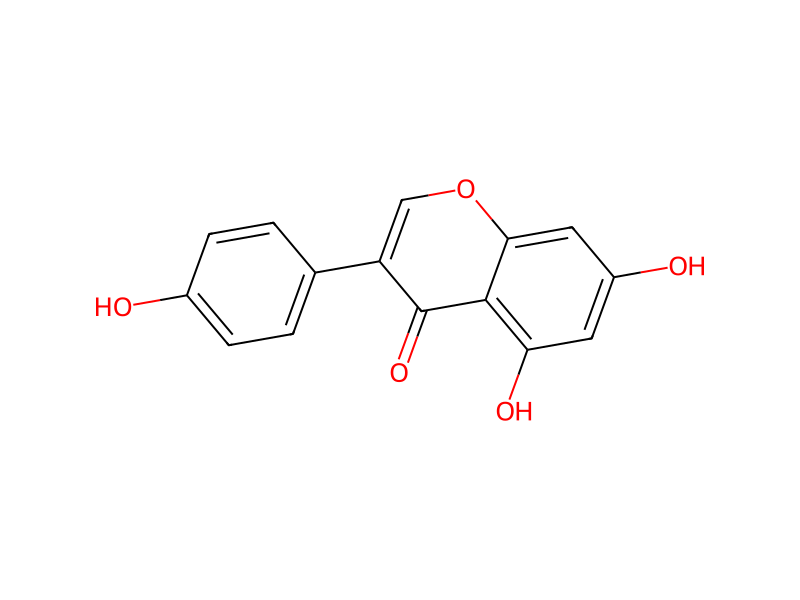
- 표준 SMILES
O=c1c(-c2ccc(O)cc2)coc2cc(O)cc(O)c12- InChIKey
TZBJGXHYKVUXJN-UHFFFAOYSA-N- 분자식
- C15H10O5
- 평균 분자량
- 270.24 g/mol
- 단동위원소 질량
- 270.05282342
개요
Genistein is a 7-hydroxyisoflavone with additional hydroxy groups at positions 5 and 4'. It is a phytoestrogenic isoflavone with antioxidant properties. It has a role as a geroprotector, an antineoplastic agent, a tyrosine kinase inhibitor, an EC 5.99.1.3 [DNA topoisomerase (ATP-hydrolysing)] inhibitor, a plant metabolite, a phytoestrogen and a human urinary metabolite. It is a conjugate acid of a genistein(1-).
이름 및 식별자
- 우선 이름
- Genistein
- IUPAC
- 5,7-dihydroxy-3-(4-hydroxyphenyl)chromen-4-one
- 현지명
- 제니스테인
- 영어명
- Genistein
- 분자식
- C15H10O5
- 분자량
- 270.24
이름 및 동의어
genistein446-72-0Prunetol4',5,7-TrihydroxyisoflavoneGenisterinGenisteolSophoricol5,7-dihydroxy-3-(4-hydroxyphenyl)-4H-chromen-4-one5,7-dihydroxy-3-(4-hydroxyphenyl)chromen-4-one5,7,4'-TrihydroxyisoflavoneBonisteinGenestein
이름 더 보기
제니스테인LicoisoflavoneGENGeniVidaG2535
4H-1-Benzopyran-4-one, 5,7-dihydroxy-3-(4-hydroxyphenyl)-5,7-Dihydroxy-3-(4-hydroxyphenyl)-4H-1-benzopyran-4-oneDTXSID50223084',5, 7-TrihydroxyisoflavoneNSC36586NSC-36586DH2M523P0HNPI-031L
데이터베이스 식별자
- CAS
446-72-0、690224-00-1- PubChem CID
- 5280961
- DTXSID
DTXSID5022308- ChEMBL
CHEMBL44- ChEBI
CHEBI:28088- UNII
- DH2M523P0H
- EC Number
- 207-174-9
- Nikkaji
- J39.883G
물성
구조 계산 물성
- XLogP
- 2.7
- 극성 표면적
- 87 Ų
- 수소 결합 공여자 수
- 3
- 수소 결합 수용자 수
- 5
- 회전 가능 결합 수
- 1
- 무거운 원자 수
- 20
- 형식 전하
- 0
- 복잡도
- 410
실험 및 물리화학적 성질
DrugsPharmaceuticals -> Listed in ZINC15
LipidsPolyketides [PK] -> Flavonoids [PK12] -> Isoflavonoids [PK1205]
PolymersAntioxidant (polyphenol)
CosmeticsCosmetics ingredient -> Conditioning/Emollient
Color/FormRectangular or six-sided rods from 60% alcohol. Dendritic needles from ether
SolubilitySoluble in the usual organic solvents; soluble in dilute alkalies with yellow color. Practically insoluble in water.
Endocrine DisruptorsPotential endocrine disrupting compound
Melting Point
297-298 °C (slight decomposition)
301.5 °C
Physical DescriptionSolid
Collision Cross Section
160.3 Ų [M+H]+ [CCS Type: DT; Buffer gas: N2; Ionization: APCI+; Dataset: TOXCAST; Source Identifier: DTXSID5022308]
177.67 Ų [M+Na]+ [CCS Type: DT; Method: stepped-field]
165.96 Ų [M+Na]+ [CCS Type: TW; Method: calibrated with polyalanine and drug standards]
156.5 Ų [M+H]+ [CCS Type: TW; Method: calibrated with polyalanine and drug standards]
176.5 Ų [M+Na]+
물리화학적 성질
- 녹는점
- 297 · 297-298 °C
- 끓는 점
- 333.35 °C · 333.35°C (rough estimate)
- 밀도
- 1.2319 · 1.2319 (rough estimate)
- 굴절률
- 1.6 · 1.6000 (estimate)
- 저장 조건
- -20 °C · -20°C
- 용해도
- DMSO: 용해될 수 있다
- 물리적 상태
- 가루
- 산도 계수 (pKa)
- 6.51 · 6.51±0.20(Predicted)
- 색상
- 회백색
- 생물학적 소스
- synthetic
- 수용성
- 불용성
- Merck
- 14 · 14,4391
- BRN
- 263823 · 263823
- 안정성
- 감광성
- 화장품 원료 기능
- 피부 컨디셔닝 - 기타
- InChI
- 1S/C15H10O5/c16-9-3-1-8(2-4-9)11-7-20-13-6-10(17)5-12(18)14(13)15(11)19/h1-7,16-18H
- InChIKey
- TZBJGXHYKVUXJN-UHFFFAOYSA-N
- SMILES
- Oc1ccc(cc1)C2=COc3cc(O)cc(O)c3C2=O
- LogP
- 3.114 · 3.114 (est)
- EPA
- 4 H-1-Benzopyran-4-one, · 4H-1-Benzopyran-4-one, 5,7-dihydroxy-3-(4-hydroxyphenyl)- (446-72-0)
화학적 성질
Yellow Crystalline Solid
안전 및 규제
GHS 분류
GHS Classification
This chemical does not meet GHS hazard criteria for 6.8% (6 of 88) of reports.
Warning
H302 (87.5%): Harmful if swallowed [Warning Acute toxicity, oral]
P261, P264, P264+P265, P270, P271, P273, P280, P301+P317, P302+P352, P304+P340, P305+P351+P338, P319, P321, P330, P332+P317, P337+P317, P362+P364, P391, P403+P233, P405, and P501 (click each P-code to see the statement)
Aggregated GHS information provided per 88 reports by companies from 6 notifications to the ECHA C&L Inventory. Each notification may be associated with multiple companies.
유해성 정보
Regulatory Information
Hazard Traits - Developmental Toxicity; Endocrine Toxicity
4H-1-Benzopyran-4-one, 5,7-dihydroxy-3-(4-hydroxyphenyl)-: Does not have an individual approval but may be used as a component in a product covered by a group standard. It is not approved for use as a chemical in its own right.
Special Reports
National Toxicology Program, Center For the Evaluation of Risks To Human Reproduction; NTP-CERHR Expert Panel Report on the Reproductive and Developmental Toxicity of Genistein; (NTP-CERHR-GENISTEIN-06) April 2006. This evaluation results from the effort of a 14-member panel of government and non-government scientists that culminated in a public expert panel meeting held March 15-17, 2006. ... This Expert Panel Report will be included in /a/ subsequent NTP-CERHR Monograph on the Potential Human Reproductive and Developmental Effects of Genistein.
Hughs I, Woods HF; Committee on Toxicity of Chemicals in Food, Consumer Products and the Environment Phytoestrogens and Health. UK Food Standards Agency, 444 p. (May 2003). This report of the Committee on Toxicity of Chemicals in Food, Consumer Products and the Environment (COT) considers the public health implications of exposure to phytoestrogens in the diet. The report was drafted by a specially convened Working Group of the Committee to advise on the health implications of dietary phytoestrogens through review of published scientific research and the UK Food Standards Agency's phytoestrogen research program.
Hazard Classes and CategoriesAcute Tox. 4 (87.5%)
안전 및 보호
Disposal Methods
SRP: The most favorable course of action is to use an alternative chemical product with less inherent propensity for occupational exposure or environmental contamination. Recycle any unused portion of the material for its approved use or return it to the manufacturer or supplier. Ultimate disposal of the chemical must consider: the material's impact on air quality; potential migration in soil or water; effects on animal, aquatic, and plant life; and conformance with environmental and public health regulations.
독성 정보
Body Burden
Genistein was detected in 179 of 199 urine samples at concn ranging from 1.1 (detection limit) to 4,140 ppb(1). In Japanese people consuming a traditional diet high in soy products, an average plasma concentration of 250 nM has been measured(2).
Interactions
Humans and wildlife are frequently exposed to mixtures of endocrine active-compounds (EAC). The objective of the present study was to investigate the potential of the phytoestrogen genistein to influence the reproductive developmental toxicity of the endocrine-active pesticide methoxychlor. Three levels of genistein (0, 300, or 800 ppm) and two levels of methoxychlor (0 or 800 ppm) were used in this study. Sprague-Dawley rats were exposed to the two compounds, either alone or in combinations, through dietary administration to dams during pregnancy and lactation and to the offspring directly after weaning. Both compounds, methoxychlor in particular, were associated with reduced body growth at 800 ppm, but pregnancy outcome was not affected by either treatment. An acceleration of vaginal opening (VO) in the exposed female offspring was the only observed effect of genistein at 300 ppm. Exposure to 800 ppm genistein or 800 ppm methoxychlor caused accelerated VO and also altered estrous cyclicity toward persistent estrus in the female offspring. The estrogenic responses to genistein and methoxychlor administered together were apparently accumulative of the effects associated with each compound alone. Methoxychlor, but not genistein, delayed preputial separation (PPS) in the male rats. When administered with methoxychlor, genistein at 800 ppm enhanced the effect of methoxychlor on delaying PPS. Genistein and methoxychlor treatment did not change gender-specific motor activity patterns in either sex. To explore possible mechanisms for interaction between the two compounds on development, we performed estrogen receptor (ER)- and androgen receptor (AR)-based in vitro transcriptional activation assays using genistein and the primary methoxychlor metabolite 2,2-bis-(p-hydroxyphenyl)-1,1,1-trichloroethane (HPTE). While the in vitro assays supported the estrogenic effects of genistein and methoxychlor and the antiandrogenic effects of methoxychlor, the reactivity of these compounds with ERs alpha and beta could not predict the greater in vivo estrogenic potency of methoxychlor over genistein; nor could the potentiation of the methoxychlor effect on PPS by genistein be predicted based on in vitro HPTE and genistein reactions with the AR. Data from this study indicate that phytoestrogens are capable of altering the toxicological behaviors of other EACs, and the interactions of these compounds may involve complexities that are difficult to predict based on their in vitro steroid receptor reactivities.
... Interactions between the soy isoflavone, genistein, and an antiestrogen, tamoxifen (TAM), on the growth of estrogen (E)-dependent breast cancer (MCF-7) cells implanted in ovariectomized athymic mice /were investigated/. ... Six treatment groups were used: control (C); 0.25 mg estradiol (E2) implant (E); E2 implant + 2.5 mg TAM implant (2.5 TE); E2 implant + 2.5 mg TAM implant + 1000 ppm genistein (2.5 TEG); E2 implant + 5 mg TAM implant (5 TE), and E2 implant +5 mg TAM implant +1000 ppm genistein (5 TEG). Treatment with TAM (2.5 TE and 5 TE) suppressed E2-stimulated MCF-7 tumor growth in ovariectomized athymic mice. Dietary genistein negated/overwhelmed the inhibitory effect of TAM on MCF-7 tumor growth, lowered E2 level in plasma, and increased expression of E-responsive genes (e.g., pS2, PR, and cyclin D1). ... Caution is warranted for postmenopausal women consuming dietary genistein while on TAM therapy for E-responsive breast cancer.
The anticancer agent genistein inhibits cell growth of tumor cell lines from various malignancies. ... /The authors/ investigated the effectiveness of combined treatment of ionizing radiation (IR) with genistein on cervical HeLa cells and its possible mechanism. It was found that the inhibitory rate in cells with combined treatment was significantly higher than that of the cells treated with IR or genistein alone. After treatments of IR (4 Gy) combined with genistein (40 micromol/L), the apoptotic index of the cells was significantly increased and the cells were arrested in the G2/M phase. Survivin mRNA expression increased after IR (4 Gy), while it significantly decreased after combined treatment. These findings indicated that genistein enhanced the radiosensitivity of cervical cancer HeLa cells, and the mechanisms for this action might include increase of apoptosis, decrease of survivin expression, and prolongation of cell cycle arrest.
Environmental Fate
TERRESTRIAL FATE: Based on a classification scheme(1), an estimated Koc value of 6,500(SRC), determined from a structure estimation method(2), indicates that genistein is expected to be immobile in soil(SRC). The estimated pKa of genistein is 7.63(3), indicating that this compound will partially exist in the anion form in the environment and anions generally do not adsorb more strongly to soils containing organic carbon and clay than their neutral counterparts(4). Volatilization of genistein from moist soil surfaces is not expected to be an important fate process(SRC) given an estimated Henry's Law constant of 5.1X10⁻¹⁷ atm-cu m/mole(SRC), using a fragment constant estimation method(5). Genistein is not expected to volatilize from dry soil surfaces(SRC) based upon an estimated vapor pressure of 5.2X10⁻¹² mm Hg(SRC), determined from a fragment constant method(6). Biodegradation data were not available(SRC, 2007).
AQUATIC FATE: Based on a classification scheme(1), an estimated Koc value of 6,500(SRC), determined from a structure estimation method(2), indicates that genistein is expected to adsorb to suspended solids and sediment(SRC). The estimated pKa value of 7.63(3) indicates genistein will exist partially in the anion form at pH values of 5 to 9 and therefore volatilization from water surfaces is not expected to be an important fate process. According to a classification scheme(4), an estimated BCF of 4.5(SRC), from an estimated log Kow of 2.84(5) and a regression-derived equation(6), suggests the potential for bioconcentration in aquatic organisms is low(SRC). Biodegradation data were not available(SRC, 2007).
ATMOSPHERIC FATE: According to a model of gas/particle partitioning of semivolatile organic compounds in the atmosphere(1), genistein, which has an estimated vapor pressure of 5.2X10⁻¹² mm Hg at 25 °C(SRC), determined from a fragment constant method(2), is expected to exist solely in the particulate phase in the ambient atmosphere. Particulate-phase genistein may be removed from the air by wet or dry deposition(SRC). A UV max of 262.2 nm(3) indicates that genistein is not susceptible to direct photolysis(SRC).
Food Survey ValuesThe genistein content in tofu, tempeh, and soy flour has been measured at 14, 25, and 71 mg, respectively (aglycone and glycosides)(1).
Toxicity Summary
Genistein may inhibit cancer cell growth by blocking enzymes required for cell growth. Genistein may decrease cardiovascular risk in postmenopausal women by interacting with the nuclear estrogen receptors to alter the transcription of cell specific genes. In randomized clinical trials, genistein was seen to increase the ratio of nitric oxide to endothelin and improved flow-mediated endothelium dependent vasodilation in healthy postmenopausal women. [1] In addition, genistein may have beneficial effects on glucose metabolism by inhibiting islet tyrosine kinase activity as well as insulin release dependent on glucose and sulfonylurea. [1]
Average Daily IntakeIn Japan, the average dietary genistein intake has been deteremined to be in the range of 8 to 12 mg/day/person(1).
Ecotoxicity Excerpts
/BIRDS and MAMMALS/ ... /The authors/ orally dosed zebra finch chicks daily during their linear growth phase (days 5-11) with estradiol benzoate (EB), genistein, methoxychlor, or octylphenol, all dissolved or suspended in canola oil, or canola oil alone, as a vehicle control. On day 12, oviducts were removed, weighed and examined histologically. All doses of EB (0.1-1,000 nmol/g body weight), genistein at 100 nmol/g, and methoxychlor and octylphenol at 1,000 nmol/g, markedly increased oviduct weight, with the highest dose of EB inducing a 60-fold increase over controls.
/BIRDS and MAMMALS/ The aim of the present study was to investigate the chronic effects of dietary phytoestrogens, genistein (8 mg/kg/ day) and beta-sitosterol (50 mg/kg/day), on the weight regulation of the mink (Mustela vison). The parental generation was exposed from August 2002 to May-June 2003 to either beta-sitosterol or genistein, while the kits were exposed through gestation and lactation. Food consumption and body masses were monitored monthly. Plasma lipid, glucose, total protein and hormone (ghrelin, leptin, triiodothyronine and thyroxine) concentrations were measured from the parents in August 2002, January 2003 and at the end of the experiment in May-June 2003 when the kits were 21 days of age. Relative food intake was higher in the beta-sitosterol-exposed minks than in the control or genistein minks in September 2002. ... Plasma ghrelin levels and liver phosphorylase activities of the mink kits were higher due to genistein exposure. In mink kits, exposure to both phytoestrogens reduced the plasma thyroxine concentrations. The kidney glycogen concentrations and the muscle phosphorylase activities of phytoestrogen-treated adult minks were elevated. The results of this study suggest that minks are sensitive to perinatal phytoestrogen exposure.
/AQUATIC SPECIES/ Twelve chemicals were tested for binding affinity to rainbow trout liver estrogen receptor (rbtER) and fathead minnow liver ER (fhmER). The chemicals included ... genistein .... . Relative binding affinity (RBA) was calculated for each chemical as a function of E2 binding to the receptor. ... Relative binding affinity of genistein for both fhmER and rbtER were moderate, with values between 0.3 and 5%. ...
/AQUATIC SPECIES/ /The authors/ investigated the behavioral effects of exposure to waterborne phytoestrogens in male fighting fish, Betta splendens. Adult fish were exposed to a range of concentrations of genistein, equol, beta-sitosterol, and the positive control 17beta-estradiol. The following behaviors were measured: spontaneous swimming activity, latency to respond to a perceived intruder (mirror reflection), intensity of aggressive response toward a perceived intruder, probability of constructing a nest in the presence of a female, and the size of the nest constructed. We found few changes in spontaneous swimming activity, the latency to respond to the mirror, and nest size, and modest changes in the probability of constructing a nest. There were significant decreases, however, in the intensity of aggressive behavior toward the mirror following exposure to several concentrations, including environmentally relevant ones, of 17beta-estradiol, genistein, and equol. This suggests that phytoestrogen contamination has the potential to significantly affect the behavior of free-living fishes.
For more Ecotoxicity Excerpts (Complete) data for GENISTEIN (6 total), please visit the HSDB record page.
Plant ConcentrationsGenistein is a phytoestrogen found in soy and legumes(1). Genistein was detected in air-dried wood pulp from a Canadien bleached kraft mill at 30.0 ug/kg(2).
Ongoing Test Status
The following link will take the user to the National Toxicology Program (NTP) Test Agent Search Results page, which tabulates all of the "Standard Toxicology & Carcinogenesis Studies", "Developmental Studies", and "Genetic Toxicity Studies" performed with this chemical. Clicking on the "Testing Status" link will take the user to the status (i.e., in review, in progress, in preparation, on test, completed, etc.) and results of all the studies that the NTP has done on this chemical. [http://ntp-apps.niehs.nih.gov/ntp_tox/index.cfm?fuseaction=ntpsearch.searchresults&searchterm=446-72-0]
Effluent Concentrations
Genistein was detected in untreated effluent at 13.1 ug/L and treated effluent at 10.5 ug/L from a bleached kraft mill in Ontario, Canada(1). Genistein was detected in the effluent of 8 of 18 sewage treatment plants tested in southwestern Germany at concentrations ranging from 2.7-38 ng/L(2).
Soil Adsorption/Mobility
Using a structure estimation method based on molecular connectivity indices(1), the Koc of genistein can be estimated to be 6,500(SRC). According to a classification scheme(2), this estimated Koc value suggests that genistein is expected to be immobile in soil. The estimated pKa value of 7.63(3), indicates that this compound will partially exist in the anion form in the environment and anions generally do not adsorb more strongly to soils containing organic carbon and clay than their neutral counterparts(4).
Natural Pollution SourcesGenistein is a phytoestrogen found in soy, legumes(1) and wood pulp(2).
안전 데이터
- wgk
- 3
- tsca
- TSCA listed
- rtecs
- NR2392000
- HS 번호
- 29329990
- risk_code
- 36/38-22
- hazard_code
- Xi,Xn
- safety_code
- 26-24/25-22
- 위험 등급
- IRRITANT
- Hazard Classifications
- Acute Tox. 4 Oral
- 스토리지 클래스
- 11 - Combustible Solids
- 유해 물질 데이터
- 446-72-0(Hazardous Substances Data)
화학 및 산업
약리 정보
Mechanism of Action
Genistein may inhibit cancer cell growth by blocking enzymes required for cell growth. Genistein may decrease cardiovascular risk in postmenopausal women by interacting with the nuclear estrogen receptors to alter the transcription of cell specific genes. In randomized clinical trials, genistein was seen to increase the ratio of nitric oxide to endothelin and improved flow-mediated endothelium dependent vasodilation in healthy postmenopausal women. In addition, genistein may have beneficial effects on glucose metabolism by inhibiting islet tyrosine kinase activity as well as insulin release dependent on glucose and sulfonylurea.
Several mechanisms have been proposed for genistein's putative anticarcinogenic activity. These include upregulation of apoptosis, inhibition of angiogenesis, inhibition of DNA topoisomerase II and inhibition of protein tyrosine kinases. Genistein's weak estrogenic activity has been suggested as another mechanism for genistein's putative anti-prostate cancer activity. In addition to the above mechanisms, other mechanisms of genistein's putative anti-prostate cancer activity include inhibition of nuclear factor (NF)-Kappa B in prostate cancer cells, downregulation of TGF (transforming growth factor)-beta and inhibition of EGF (epidermal growth factor)-stimulated growth. Genistein's anti-estrogenic action may be another possible mechanism to explain its putative anti-breast cancer activity. In the final analysis, the mechanism of genistein's putative anticarcinogenic activity is unclear.
A number of studies have shown that genistein can interact with topoisomerase II in vitro. ... Genistein (3.7 M) stabilizes the topoisomerase II-DNA complex. ... stimulating topoisomerase II dependent DNA cleavage (in the ranges 80-370 M and 12.5-250 M, respectively). ... Genistein 50 M) inhibited unwinding of DNA by topoisomerase II in primary hematopoietic cells and stimulated strand breakage. ...The effect of genistein on the DNA cleavage and ATP hydrolysis steps of the topoisomerase II catalysed reactions /was investigated and/ genistein inhibited enzyme-catalysed ATP hydrolysis with an IC50 of 7 M. However, genistein did not stimulate DNA cleavage. Further studies ... showed that genistein (50 M) and daidzein (100 M) induced cleavage of the MLL gene in primary hematopoietic cells. Further in vitro experiments suggested that inhibition of topoisomerase II catalysed re-ligation of DNA strand breaks as the mechanism of action.
Genistein has been found to have a number of antioxidant activities. It is a scavenger of reactive oxygen species and inhibits lipid peroxidation. It also inhibits superoxide anion generation by the enzyme xanthine oxidase. In addition, genistein, in animal experiments, has been found to increase the activities of the antioxidant enzymes superoxide dismutase, glutathione peroxidase, catalase and glutathione reductase.
Genistein has weak estrogenic activity as measured in in vivo and in vitro assays. In vivo, its estrogenic activity is one-third that of glycitein and four times greater than that of daidzein.
For more Mechanism of Action (Complete) data for GENISTEIN (9 total), please visit the HSDB record page.
Biological Half-Life
... Thirty healthy men ingested a single dose of 1 of 2 isoflavone preparations purified from soy. The delivered doses of genistein (1, 2, 4, 8, or 16 mg/kg body wt) were higher than those previously administered to humans. Formulation A was composed of 90 +/- 5% genistein, 10% daidzein, and 1% glycitein. Formulation B was composed of 43% genistein, 21% daidzein, and 2% glycitein. ... The mean elimination half-lives with both formulations were 3.2 hr for free genistein and 4.2 hr for free daidzein. The mean pseudo half-lives were 9.2 hr for total genistein and 8.2 hr for total daidzein.
The pharmacokinetics of isoflavones in 10 healthy women were determined from serum appearance/disappearance concentration profiles and urinary excretions after single-bolus ingestion of 10, 20 or 40 g of soy nuts delivering increasing amounts of the conjugated forms of daidzein (6.6, 13.2 and 26.4 mg) and genistein (9.8, 19.6 and 39.2 mg). Peak serum daidzein and genistein concentrations were attained after 4-8 hr, and elimination half-lives were 8.0 and 10.1 hr, respectively.
Mass balance, plasma pharmacokinetics, tissue distribution, and metabolism of (14-C)genistein were investigated in male and female rats (n = 5) following an oral dose of (14-C)genistein (4 mg/kg) to determine potential sites and mechanisms of biological action. Mean total excretion of radioactivity in urine and feces for both sexes was 66 and 33% of the dose respectively at 166 hr after administration. Mean and maximal concentrations of radioactivity in plasma were significantly (P < 0.02) higher in male than female rats, with half-lives of 12.4 and 8.5 hr, respectively.
Metabolism/Metabolites
Toxicokinetic and metabolism data in humans and experimental animals indicate that genistein is absorbed into the systemic circulation of infants and adults. Genistein ... circulates as its glucuronide conjugate, and a much smaller percentage circulates as the aglycone. Genistein can be glucuronidated in the intestine or liver, but the intestine appears to play the major role in glucuronidation. Genistein glucuronides undergo enterhepatic cycling, and in the process can be deconjugated by intestinal bacteria. The role of gut bacteria in the metabolism of genistein has been clearly established. Genistein can be metabolized through a pathway that ultimately leads to the formation of 6'-hydroxy-O-demethylangolensin. Once absorbed, genistein glucuronide, and to a smaller extent genistien aglycone, are widely distributed to organ systems and the conceptus. The majority of a genistein dose is excreted in urine within 24 hours.
Prior to entering the systemic circulation, most genistein is conjugated with glucuronic acid by uridine diphosphate (UDP)-glucuronosyltransferase (UDPGT); a much smaller amount is conjugated to sulfate by sulfotransferase enzymes. Conjugation of genistein occurs in the intestine, although it also has been reported to occur in liver. One study demonstrated that the ability to catalyze glucuronidation of genistein was greatest with microsomes from kidney > colon > liver. UDPGT isoenzymes including 1A1, 1A4, 1A6, 1A7, 1A9, and 1A10 were observed to catalyze the glucuronidation of genistein. The UGT 1A10 isoform, which is present in colon, gastric, and biliary epithelium but not in liver, was observed to have the highest activity and specificity for genistein. Based on those observations, the study authors concluded that the intestine plays a major role in the glucuronidation of genistein. The glucuronide and sulfate conjugates can enter the systemic circulation, and the majority of isoflavone compounds in the circulation are present in conjugated form. In studies where humans were exposed to genistein alone or in combination with other isoflavone aglycones (calculated as genistein doses of 1-16 mg/kg bw), most of the genistein was present in plasma in conjugated form; free genistein represented 1-3% of total plasma genistein levels. The conjugated isoflavones undergo enterohepatic circulation, and upon return to the intestine, they are deconjugated by bacteria possessing beta-glucuronidase or arylsulfatase activity. The metabolites may be reabsorbed or further metabolized by gut microflora. One review reported that about 10% of isoflavonoids are circulated in plasma unconjugated.
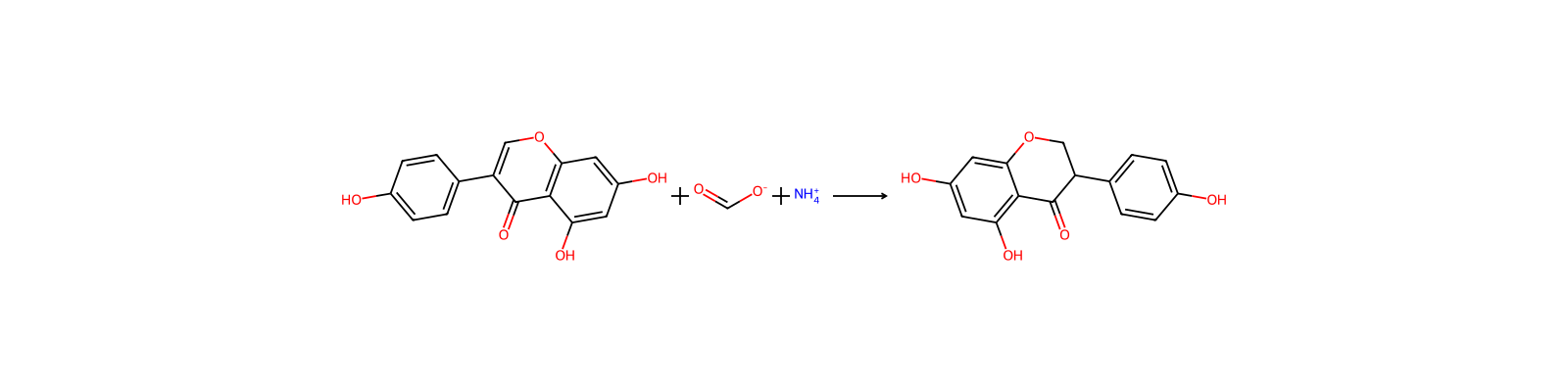
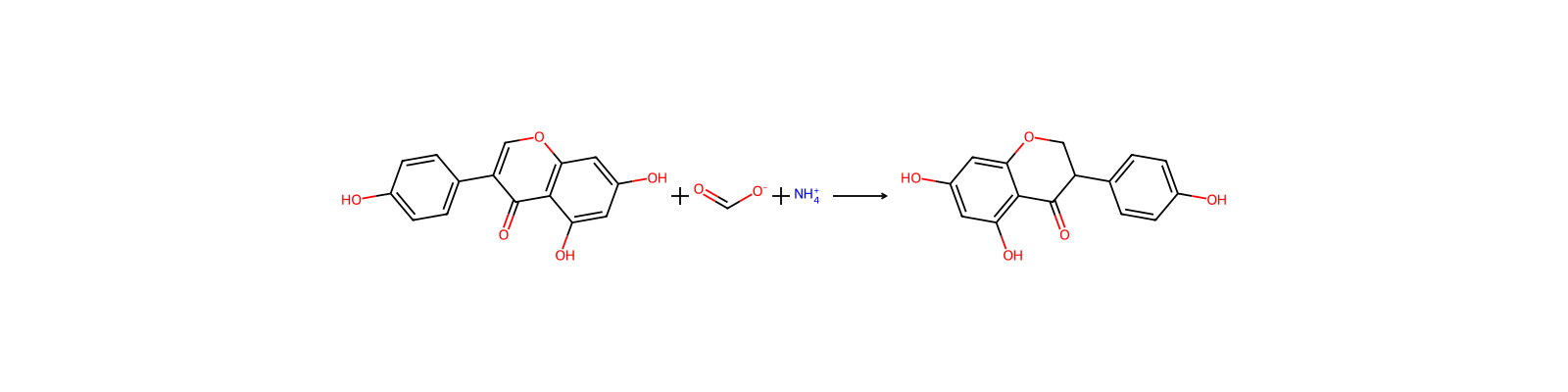
Biotransformations by gut microflora play a pivotal role in determining the biological activity of isoflavones that occur in soya-based foods predominantly as betaglycosyl conjugates. Microflora prepared from rat caeca and human feces were used to investigate the metabolic fate of genistein beta-glycosides extracted from soya flour. The end-products of such metabolism were determined by parallel incubations of microflora with [2',3,5',6'-3H] and [4-14C]-labelled genistein. ... Quantitative analysis by LC-MS/IS indicated very rapid and complete degradation of genistin, which was associated with a transient increase in genistein. Qualitative studies indicated that the malonyl and acetyl glycosides of genistein were also degraded by the microflora. ... Incubation of caecal and fecal microflora with (3)H and (14)C genistein yielded similar radiolabelled metabolites, which were identified by radio-LC-MS(n) as the intermediates dihydrogenistein and 6'-hydroxy-O-desmethylangolensin and end-product 4-hydroxyphenyl-2-propionic acid. This profile of genistein metabolites indicated selective hydrolysis of 6'-hydroxy-O-desmethylangolensin between carbon atoms 1' and 1 to yield the end-products 4-hydroxyphenyl-2-propionic acid and 1,3,5-trihydroxybenzene. ... The biological significance of the products of genistein metabolism warrant further investigation since they may play an important role in mediating the beneficial antioxidant health effects associated with the consumption of isoflavones in food.
Biotransformation of the phytoestrogen (14-C)genistein was investigated in male and female rats by application of narrow-bore radio-HPLC-MSn (LCQ, Finnigan) to determine intermediates in metabolism. Urine contained five metabolites, Gm1-Gm5, 24 hr after dosing by gavage with [14C]genistein (4 mg kg(-1)). Structural analysis following ESI revealed molecular ions (M+H)+ of m/z 447, 449, 273, and 271 for metabolites Gm2, Gm3, Gm5 and genistein, respectively and an [M-H]- of m/z 349 for Gm4. Metabolite structure was deduced by evaluation of product ion spectra derived from unlabelled and (14)C-labelled ions and sensitivity to treatment with beta-glucuronidase. These studies indicated identity of metabolites with genistein glucuronide (Gm2), dihydrogenistein glucuronide (Gm3), genistein sulphate (Gm4) and dihydrogenistein (Gm5). Detection of the beta-glucuronidase resistant major metabolite Gm1 by ESI was poor and so was analysed by negative ion APCI; this revealed a deprotonated molecular ion of m/z 165 which had chromatographic and mass spectral properties consistent with authentic 4-hydroxyphenyl-2-propionic acid, a novel metabolite of genistein. In vitro metabolism studies with anaerobic caecal cultures derived from male and female rats revealed metabolism of genistein to Gm1 via Gm5 and an additional metabolite (Gm6) which was identified from product ion spectra as 6'-hydroxy-O-desmethylangolensin. Biotransformation of genistein by both isolated hepatocytes and precision-cut liver slices was limited to glucuronidation of parent compound. Commonality of genistein metabolites found in rats with those reported in man suggest similar pathways of biotransformation, primarily involving gut micro-flora.
For more Metabolism/Metabolites (Complete) data for GENISTEIN (7 total), please visit the HSDB record page.
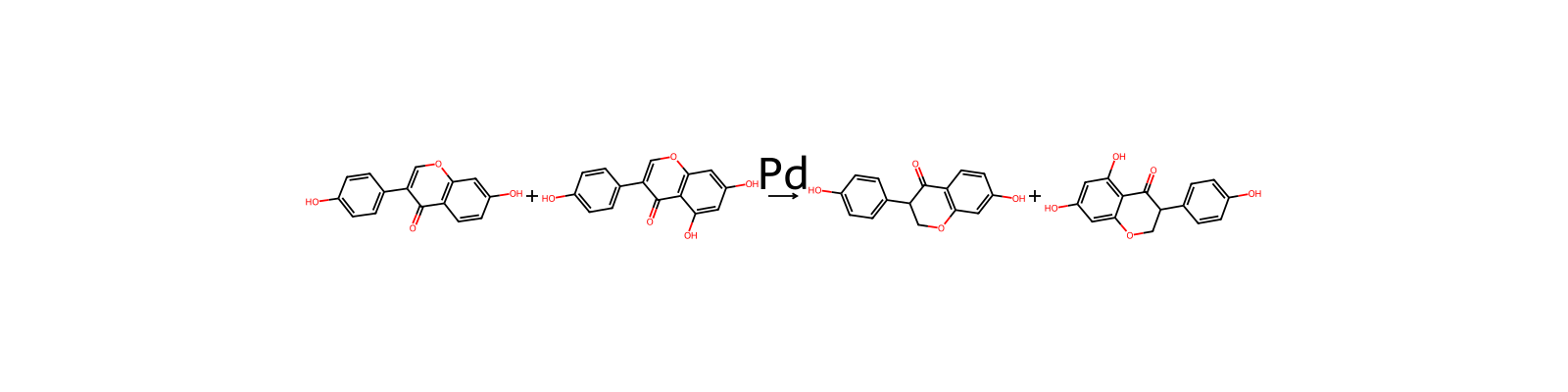
Genistein has known human metabolites that include (2S,3S,4S,5R)-3,4,5-Trihydroxy-6-[5-hydroxy-3-(4-hydroxyphenyl)-4-oxochromen-7-yl]oxyoxane-2-carboxylic acid, Dihydrogenistein, and Orobol.
MeSH Pharmacological Classification
Agents that reduce the frequency or rate of spontaneous or induced tumors independently of the mechanism involved.
Compounds derived from plants, primarily ISOFLAVONES that mimic or modulate endogenous estrogens, usually by binding to ESTROGEN RECEPTORS.
Agents that inhibit PROTEIN KINASES.
Absorption, Distribution and Excretion
... Genistein is rapidly absorbed in humans following oral intake. Before absorption into the systemic circulation, most genistein is conjugated with glucuronic acid and excreted in the bile to undergo enterohepatic circulation ... . Therefore, genistein bioavailability is very limited. Times to obtain maximum plasma concentrations were reported at 1 to 6 hours for free genistein ... and 3 to 8 hours for total genistein (aglycone + conjugates ...). In one of the studies, the lowest dose used (2 mg/kg bw) was stated to provide more than twice the level of isoflavones ingested in a Japanese daily diet. A study in which menopausal women were given a 50 mg commercial isoflavone extract incorporated into fruit juice, chocolate, or a cookie showed no significant effect of the food matrix on genistein absorption or urinary excretion parameters. In a study in which 8 women were dosed with 0.4 or 0.8 mg/kg bw 13C-labeled genistein, the area under the curve (AUC) at the higher dose was less than double the AUC at the lower dose, suggesting a decrease in fractional absorption with increasing dose.
There is considerable individual variation in the absorption and metabolism of ingested genistin and genistein. There are some data suggesting that genistein may be more bioavailable than genistin. However, other data suggest that the extent of absorption of genistein is similar for the aglycone and the glucoside forms. There are little data available on the tissue distribution of genistein.
A recently completed study has also shown inter-individual variation in the urinary excretion of isoflavones and their metabolites following soy challenge in adults. In this study, 76 volunteers were fed either a high (104+/-24 mg total isoflavones/day) or low (0.5+/-0.5 mg total isoflavones/day) soya diet for 10 weeks. Volunteers on the high soya diet showed extensive urinary excretion of daidzein, genistein and their metabolites. Of the volunteers on the high soya diet 34% were identified as good equol excretors ( 1000 nmol/24 hours). Comparative analysis of the fecal flora between equol and non-equol producers was investigated, however, the microflora (bacteria) responsible for equol production could not be isolated and therefore, were not be identified
The pharmacokinetics of isoflavones in 10 healthy women were determined from serum appearance/disappearance concentration profiles and urinary excretions after single-bolus ingestion of 10, 20 or 40 g of soy nuts delivering increasing amounts of the conjugated forms of daidzein (6.6, 13.2 and 26.4 mg) and genistein (9.8, 19.6 and 39.2 mg). Peak serum daidzein and genistein concentrations were attained after 4-8 hr, and elimination half-lives were 8.0 and 10.1 hr, respectively. There were no differences in the pharmacokinetics of daidzein and genistein between pre- and postmenopausal women, indicating absorption and disposition of isoflavones to be independent of age or menopausal status. A curvilinear relationship was observed between the bioavailability of daidzein and genistein, apparent from the area under the curve to infinity (AUC(inf)) of the serum concentration-time profiles and the amount of isoflavones ingested. The mean fraction of the isoflavones excreted in urine decreased with increasing intake when expressed as a percentage of the administered dose (63.2 + or - 8.0, 54.4 + or - 8.1 and 44.0 + or - 4.3%, respectively, for daidzein, and correspondingly, 25.2 + or - 5.3, 13.4 + or - 2.1 and 15.8 + or - 2.7% for genistein), underscoring the trend toward nonlinear pharmacokinetics. Equol was identified as a metabolite in 30% of women; it was present consistently in urine and blood from the same subjects. Its delayed appearance was consistent with colonic synthesis. On the basis of the pharmacokinetics, optimum steady-state serum isoflavone concentrations would be expected from modest intakes of soy foods consumed regularly throughout the day rather than from a single highly enriched product.
For more Absorption, Distribution and Excretion (Complete) data for GENISTEIN (15 total), please visit the HSDB record page.
Tissue LocationsAdipose Tissue
Cellular LocationsMembrane
용도 및 제조
Uses
Chemical probe to explore signal transduction pathways
Currently Genistein is being studied in clinical trials as a treatment for prostate cancer.
Methods of ManufacturingPreparation: from the glucoside by hydrolysis with emulsin
Formulations/Preparations
Genistein is available in a few different isoflavone formulas. A standard soy isoflavone formula contains genistein mainly in the form of genistin, as well as daidzin and glycitin. The percentages of the various isoflavones present in this soy formula reflect the percentages of these substances as found in soybeans and are: genistin, about 50%; daidzin, about 38%; and glycitin, about 12%. A 50 mg dose of soy isoflavones-a typical daily dose-provides 25 mg of genistin, 19 mg of daidzin and about 6 mg of glycitin. Usually, 40% of the formula is comprised of soy isoflavones. Therefore, to get a dose of 50 mg of soy isoflavones, one needs 125 mg of the soy preparation. Smaller amounts of genistein as the aglycone are available in some red clover preparations.
Household ProductsCosmetics product ingredient: Genistein
General Manufacturing Information
4H-1-Benzopyran-4-one, 5,7-dihydroxy-3-(4-hydroxyphenyl)-: ACTIVE
The isoflavones genistein [446-72-0] ... occur in soybeans in the form of malonyl glucosides, acetylated glucosides, glucosides, and aglycones; total concentrations range from 1200-4200 ug/g for different varieties.
Flavonoids and isoflavonoids are natural antioxidants and are suggested as agents responsible in the diet for the prevention of coronary diseases, breast cancer, and prostate cancer.
In unfermented soy products, small amounts of genistein and other isoflavones (daidzein and to a lesser extent glycitein) are present as aglycones, the unconjugated forms. Most genistein and other isoflavones in unfermented soy products are conjugated to a sugar molecule to form glycosides.
응용 분야
용도Exhibits specific inhibitory activity against tyrosine kinases,including autophosphorylation of epidermal growth factor receptor kinase (IC50 - 2.6uM). Also inhibits other protein kinases through competitive inhibition of ATP. Inhibits tumor cell proliferation and induces tumor cell differentiation. Produces cell-cycle arrest and apoptosis in Jurat T-leukemia cells. However, it prevents anti-CD3 monoclonal antibody-induced thymic apoptosis. Genistein also inhibits topoisomerase II activity in vitro. Genistein has also been shown to inhibit the action of GABA on recombinant GABAA receptors 2. uv(max)ethanol: 262.5 nm (e= 138). moderately sol. in hot alcohol
일반 설명Pharmaceutical secondary standards for application in quality control provide pharma laboratories and manufacturers with a convenient and cost-effective alternative to the preparation of in-house working standards
상·하류 제품 정보
상류 원료
하류 제품
공급사50 곳
国药集团化学试剂有限公司86-21-63210123 · [email protected]
北京华美互利生物化工010-56205725 · [email protected]
梯希爱(上海)化成工业发展有限公司021-67121386 · [email protected]
上海阿拉丁生化科技股份有限公司400-6206333 13167063860 · [email protected]
山西玉宁生物科技有限公司13623677056
成都健腾生物技术有限公司028-85159085 · [email protected]
西安久启生物科技有限公司18729366352 13186100227
INTATRADE GmbH+49 3493/605464 · [email protected]
T&W GROUP021-61551611 13296011611 · [email protected]
上海如吉生物科技发展有限公司+86-21-65211385-8001 36031160 · [email protected]
Shaanxi Huike Botanical Development Co., Ltd+86-29-62663046 · [email protected]
北京安司莫森技术有限公司010-82954736 13391601435 · [email protected]
韶远科技(上海)有限公司021-50795510 4000665055 · [email protected]
科瑞迪化学400-821-5857 021-64326257 · [email protected]
上海将来实业股份有限公司400-0066400 13621662912 · [email protected]
南京丙承生物科技有限公司18805194892
Syntechem Co.,Ltd[email protected]
上海迈瑞尔生化科技有限公司4006356688 18621169109 · [email protected]
武汉易泰科技有限公司上海分公司18930552037 · [email protected]
大连美仑生物技术有限公司0411-62910999 13889544652 · [email protected]
安耐吉化学&3A(安徽泽升科技股份有限公司)400-0056266 · [email protected]
成都添福瑞生物科技有限公司18030648795 18030648795 · [email protected]
上海瀚鸿科技股份有限公司021-54306202 13764082696 · [email protected]
天津万象恒远科技有限公司15722085254 · [email protected]
成都普菲德生物技术有限公司028-82610909 13388174823 · [email protected]
上海相辉医药科技有限公司13761987713 · [email protected]
Ascent Scientific4401179829988 · [email protected]
上海景颜化工科技有限公司13817811078 · [email protected]
嘉兴市艾森化工有限公司0573-85285100 18627885956 · [email protected]
TransMIT GmbH PlantMetaChem+49-172-1024293 · [email protected]
Pure Chemistry Scientific Inc.001-857-928-2050 or 1-888-588-9418 · [email protected]
深圳虹彩祥根生物科技有限公司+86-0755-89668383 · [email protected]
合肥天健化工有限公司551-65418679 15856988503;15837135945 · [email protected]
武汉丰泰威远科技有限公司027-87465837 19945049750 · [email protected]
杰达维(上海)医药科技发展有限公司/J & W PharmLab021-64340559 · [email protected]
杭州东帆化学有限公司86-0571-85151182
孝感深远化工有限公司15527621225; 15527621225 · [email protected]
济南精合医药科技有限公司0531-88811783 · [email protected]
云南西力生物技术股份有限公司0871-65217109 · [email protected]
四川库利南科技有限公司400-1166-196 18981987031 · [email protected]
天津希恩思生化科技有限公司400 638 7771 · [email protected]
成都健腾生物技术有限公司86-28-85159085 · [email protected]
斯百全化学(上海)有限公司021-021-021-67601398-809-809-809 15221380277 · [email protected]
上海源叶生物科技有限公司13636370518 · [email protected]
艾科试剂4008-755-333 18080918076 · [email protected]
成都锦然生物科技有限公司028-83311324 1278112614 · [email protected]
上海思域化工科技有限公司86-21-34053660 · [email protected]
西安康培基生物科技有限公司86-029-85456576 · [email protected]
赛默飞世尔科技(中国)有限公司800-810-5118 · [email protected]
北京伊诺凯科技有限公司400-810-7969 010-59572699 · [email protected]
추가 설명
정의ChEBI: 7-Hydroxyisoflavone with additional hydroxy groups at positions 5 and 4'. It is a phytoestrogenic isoflavone with antioxidant properties.
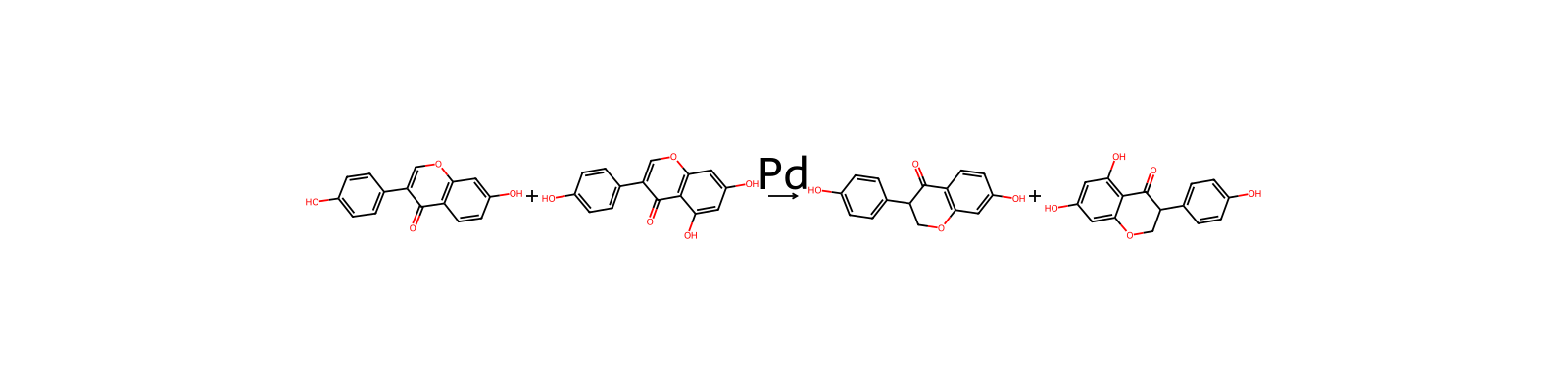
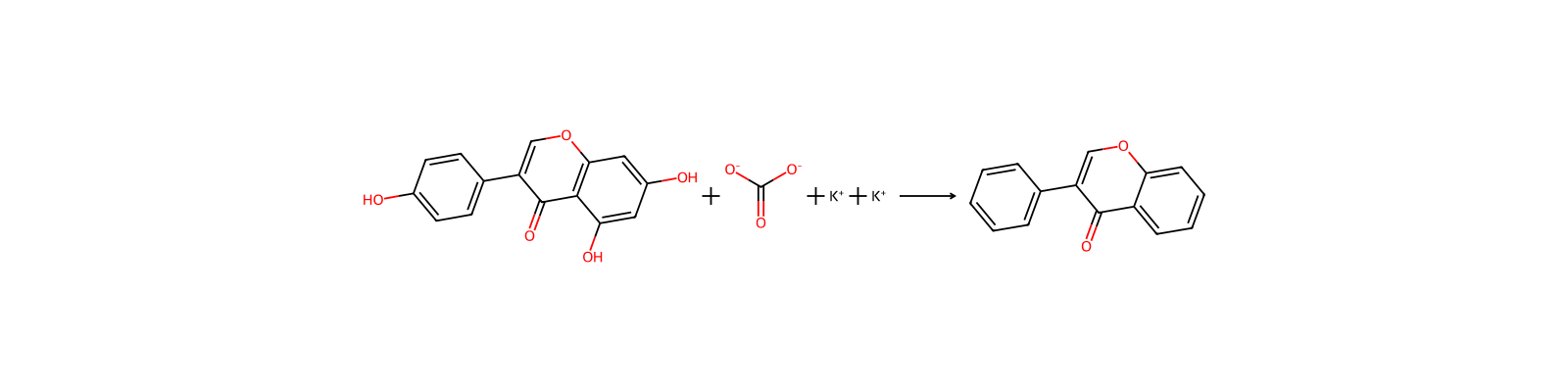
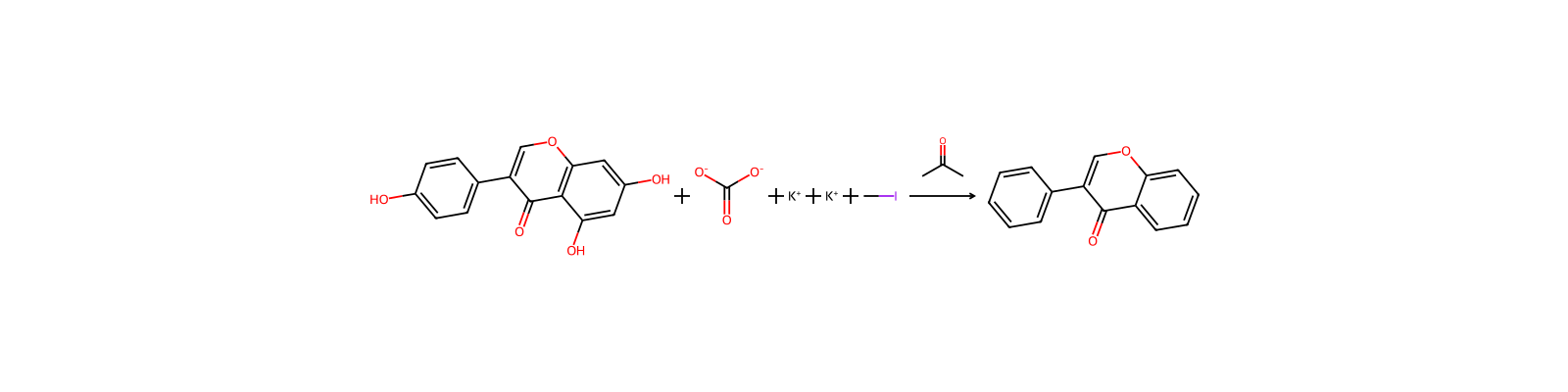
관련 반응
25건


연결된 노트
불러오는 중…