2-Methyl-4-nitroaniline → N-allyl-2-methyl-4-nitroaniline
Reaction equation

CC1C=C([N+]([O-])=O)C=CC=1N.C(NC1C=CC([N+]([O-])=O)=CC=1C)=O.C(Cl)C=C.[CH2:29]([N:32](C=O)[C:33]1[CH:38]=[CH:37][C:36]([N+:39]([O-:41])=[O:40])=[CH:35][C:34]=1[CH3:42])[CH:30]=[CH2:31]>C(O)=O>[CH2:29]([NH:32][C:33]1[CH:38]=[CH:37][C:36]([N+:39]([O-:41])=[O:40])=[CH:35][C:34]=1[CH3:42])[CH:30]=[CH2:31]Participants

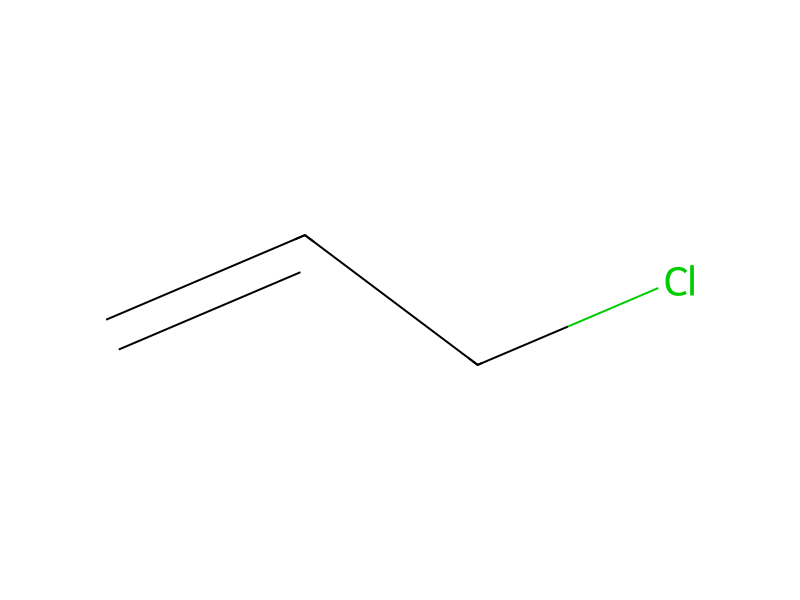


Procedure
The particularly advantageous compound I-8 according to the invention can be prepared, for example, by formylating 2-methyl-4-nitroaniline using 95% strength formic acid, alkylating the resultant N-formyl-2-methyl-4-nitroaniline using allyl chloride under phase-transfer conditions and reducing the resultant N-allyl-N-formyl-2-methyl-4-nitroaniline. On the other hand, it is also possible to hydrolyze the intermediate N-allyl-N-formyl-2-methyl-4-nitroaniline to form N-allyl-2-methyl-4-nitroaniline, and to alkylate the latter using methyliodide to give the compound I-8 according to the invention. To this end, the intermediate N-allyl-2-methyl-4-nitroaniline can also be prepared by alkylating N-formyl-2-methyl-4-nitroaniline using allyl chloride. In addition, it is also possible to reduce the intermediate N-formyl-2-methyl-4-nitroaniline using a boron hydride in tetrahydrofuran to give the corresponding N-methyl derivative, which is subsequently alkylated using allyl chloride to give the compound I-8 according to the invention.
Sources & evidence
- ORD record
- ord-7ec3fa5f9e7441aeb353f2d8c1c387d5
- Source dataset
- uspto-grants-1992_04
- Patent number
- US05103060
Reaction notes
Loading…