Methanol → 2-(5-Bromo-1,3-thiazol-2-yl)propan-2-ol
Reaction equation

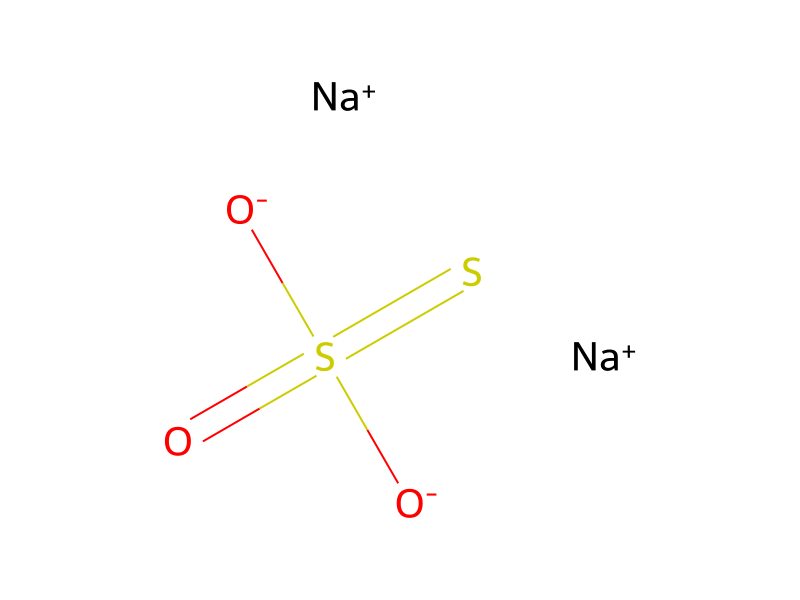
[S:1]1[CH:5]=[CH:4][N:3]=[C:2]1[C:6]([OH:9])([CH3:8])[CH3:7].C([O-])(O)=O.[Na+].[Br:15]Br.CO>C(Cl)(Cl)Cl.[O-]S([O-])(=S)=O.[Na+].[Na+]>[Br:15][C:5]1[S:1][C:2]([C:6]([OH:9])([CH3:8])[CH3:7])=[N:3][CH:4]=1Participants






Procedure
The product of Step 1 (8.97 g, 62.6 mmol) was dissolved in CHCl3 (125 mL), and NaHCO3 (5.79 g, 68.9 mmol) was added. Bromine (15.01 g, 94 mmol) was then added dropwise. After stirring for 2 h at room temperature, LC/MS showed a mixture of starting material and product (50% conversion). Additional NaHCO3 (2.89 g, 34.5 mmol), bromine (7.51 g, 47.0 mmol), and methanol (15 mL) were added, and the reaction was stirred for another 2 h at room temperature. The reaction was diluted with 10% Na2S2O3, neutralized with saturated NaHCO3, and extracted with dichloromethane (2×). The combined organic layers were dried (MgSO4), filtered and evaporated. Flash chromatography (0-15% ethyl acetate in toluene) afforded 9.38 g (67%) of 2-(5-bromo-1,3-thiazol-2-yl)propan-2-ol as a white solid. ESI: [M+H]+m/z 221.9/223.9.
Workup
- additiona mixture of starting material and product (50% conversion)
- stirringthe reaction was stirred for another 2 h at room temperature
- extractionextracted with dichloromethane (2×)
- dry with materialThe combined organic layers were dried (MgSO4)
- filtrationfiltered
- customevaporated
Sources & evidence
- ORD record
- ord-7570c515753b4d27ac57da0ae4fabb49
- Source dataset
- uspto-grants-2013_10
- Patent number
- US08551984B2
Reaction notes
Loading…