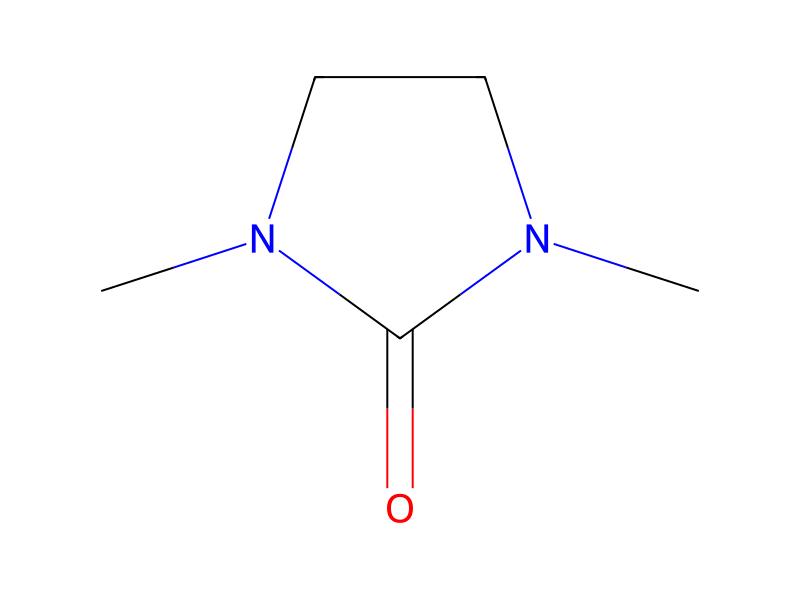
1,3-Dimethyl-2-imidazolidinone → Di(p-chlorophenyl)cyclopentadienyl(octamethyloctahydrodibenzofluorenyl)methane
Reaction equation

[CH3:1][C:2]1([CH3:29])[CH:7]2[CH:8]3[CH2:22][CH2:21][CH:20]=[CH:19][C:9]3=[C:10]3[C:18]([CH2:17][C:16]4[CH:15]=[CH:14][CH:13]=[CH:12][C:11]3=4)=[C:6]2[C:5](C)([CH3:23])[C:4]([CH3:26])([CH3:25])[C:3]1([CH3:28])[CH3:27].[CH2:30]([Li])CCC.CN1CCN(C)C1=O.[Cl:43][C:44]1[CH:49]=[CH:48][C:47]([C:50]([C:56]2[CH:61]=[CH:60][C:59]([Cl:62])=[CH:58][CH:57]=2)=[C:51]2[CH:55]=[CH:54][CH:53]=[CH:52]2)=[CH:46][CH:45]=1>O1CCCC1.CCCCCC>[Cl:43][C:44]1[CH:45]=[CH:46][C:47]([C:50]([C:56]2[CH:57]=[CH:58][C:59]([Cl:62])=[CH:60][CH:61]=2)([CH:51]2[CH:52]=[CH:53][CH:54]=[CH:55]2)[C:7]2([CH3:30])[C:6]3[C:5]([CH3:23])([CH:12]4[CH2:13][CH2:14][CH:15]=[CH:16][C:11]4=[C:10]4[C:18]=3[CH2:17][C:19]3[CH:20]=[CH:21][CH:22]=[CH:8][C:9]4=3)[C:4]([CH3:26])([CH3:25])[C:3]([CH3:28])([CH3:27])[C:2]2([CH3:1])[CH3:29])=[CH:48][CH:49]=1Participants
Reactant 4



Product 1

Reagents, catalysts & solvents 2


Conditions
- Temperature
- 0 °C
Procedure
A reaction vessel equipped with a dropping funnel was charged with 40 ml of dehydrated tetrahydrofuran and 2.35 g (6.08 mmol) of octamethyloctahydrodibenzofluorene synthesized in Synthesis Example 2-1 under a nitrogen atmosphere. Then, 4.62 ml (7.30 mmol) of a 1.58 mol/L hexane solution of n-butyllithium was slowly added dropwise and while cooling this solution to 0° C., and the mixture was stirred. Then, 0.86 ml (7.90 mmol) of 1,3-dimethyl-2-imidazolidinone was added to the solution and the mixture was stirred for 30 minutes. Subsequently, the dropping funnel was charged with a solution prepared by dissolving 2.00 g (6.68 mmol) of 6,6-di{p-chlorophenyl}fulvene in 30 ml of dehydrated tetrahydrofuran. The solution was slowly added dropwise while cooling the solution to −78° C. The mixture was stirred for one day while returning the temperature thereof slowly to room temperature. This reaction solution was subjected to extraction with diethyl ether. The organic layer was washed with 1 N hydrochloric acid, a saturated aqueous solution of sodium hydrogen carbonate and saturated brine. The organic phase collected by separation was dried over anhydrous magnesium sulfate and magnesium sulfate was separated by filtration. The filtrate was subjected to distillation under reduced pressure using a rotary evaporator to remove the solvent. The residue was purified by using a silica gel column and recrystallized from toluene to obtain a target product (yield 0.714 g (17%)). The target product was identified by 1H-NMR and FD-MS spectroscopy.
Workup
- customA reaction vessel equipped with a dropping funnel
- customsynthesized in Synthesis Example 2-1 under a nitrogen atmosphere
- stirringthe mixture was stirred for 30 minutes
- additionSubsequently, the dropping funnel was charged with a solution
- customprepared
- additionThe solution was slowly added dropwise
- temperaturewhile cooling the solution to −78° C
- stirringThe mixture was stirred for one day
- customslowly to room temperature
- extractionThis reaction solution was subjected to extraction with diethyl ether
- washThe organic layer was washed with 1 N hydrochloric acid
- customThe organic phase collected by separation
- dry with materialwas dried over anhydrous magnesium sulfate and magnesium sulfate
- customwas separated by filtration
- distillationThe filtrate was subjected to distillation under reduced pressure
- customa rotary evaporator
- customto remove the solvent
- customThe residue was purified
- customrecrystallized from toluene
- customto obtain a target product (yield 0.714 g (17%))
Sources & evidence
- ORD record
- ord-7dc229ecb7294af3b5374b3f2e5931d3
- Source dataset
- uspto-grants-2016_07
- Patent number
- US09382356B2
Reaction notes
Loading…