Triisopropyl borate → 3-Methyl-2-pyridineboronic acid
Reaction equation

Br[C:2]1[C:7]([CH3:8])=[CH:6][CH:5]=[CH:4][N:3]=1.C([Mg]Cl)(C)C.[B:14](OC(C)C)([O:19]C(C)C)[O:15]C(C)C>C(OCC)C>[CH3:8][C:7]1[C:2]([B:14]([OH:19])[OH:15])=[N:3][CH:4]=[CH:5][CH:6]=1Participants
Reactant 3

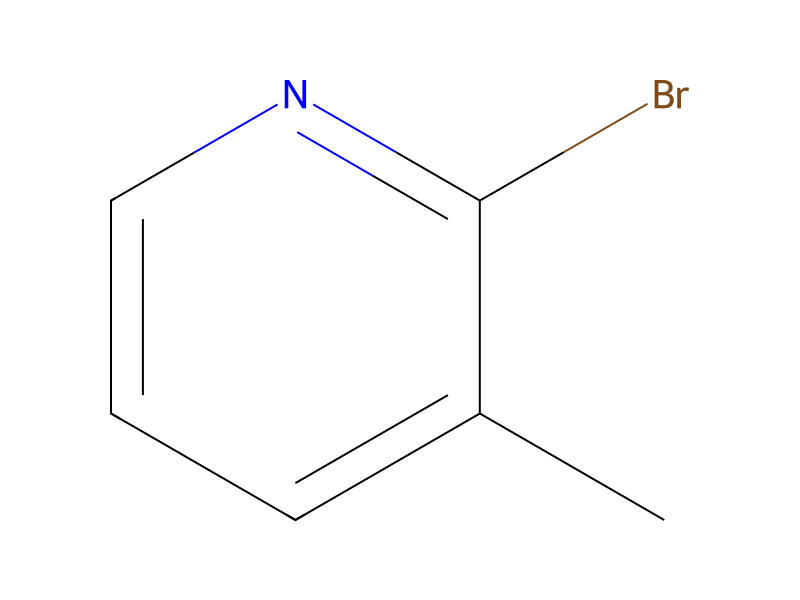
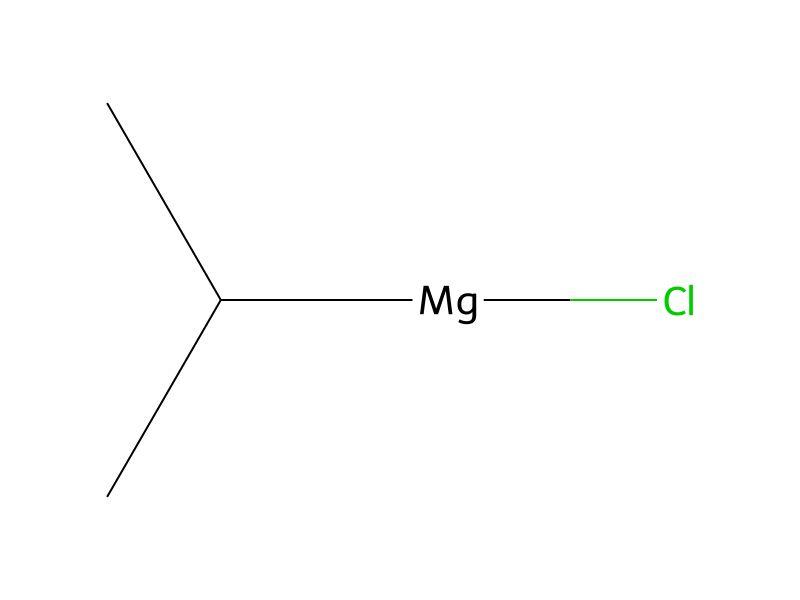
Product 1

Reagents, catalysts & solvents 1

Conditions
- Temperature
- 0 °C
Procedure
A 100-mL, 3-necked round-bottom flask was charged with 2-bromo-3-methylpyridine (1.00 g, 5.81 mmol) and diethyl ether (30 mL). A solution of isopropylmagnesium chloride (2 M in THF, 8.0 mL, 16.0 mmol) was added dropwise with stirring at 0° C., and the resulting solution stirred for 3 h at 0° C. Triisopropyl borate (2.6 g, 13.8 mmol) was added, and the solution stirred for 1 h at room temperature. The reaction was then quenched by the addition of saturated aqueous ammonium chloride solution (10 mL). The aqueous layer was separated and extracted with ethyl acetate (2×10 mL). The combined organic layers were dried over anhydrous sodium sulfate, filtered, and concentrated under vacuum to afford 3-methylpyridin-2-ylboronic acid (0.730 g, 92%) as light yellow oil. MS (ESI, pos. ion) m/z 138 [M+H]+.
Workup
- stirringthe resulting solution stirred for 3 h at 0° C
- stirringthe solution stirred for 1 h at room temperature
- customThe reaction was then quenched by the addition of saturated aqueous ammonium chloride solution (10 mL)
- customThe aqueous layer was separated
- extractionextracted with ethyl acetate (2×10 mL)
- dry with materialThe combined organic layers were dried over anhydrous sodium sulfate
- filtrationfiltered
- concentrationconcentrated under vacuum
Sources & evidence
- ORD record
- ord-8c35a7a222fb42b0bb0a53dbb62a44e0
- Source dataset
- uspto-grants-2016_07
- Patent number
- US09388161B2
Reaction notes
Loading…