3,5-Dichlorophenol → 4-(3,5-Dichlorophenoxy)benzaldehyde
Reaction equation

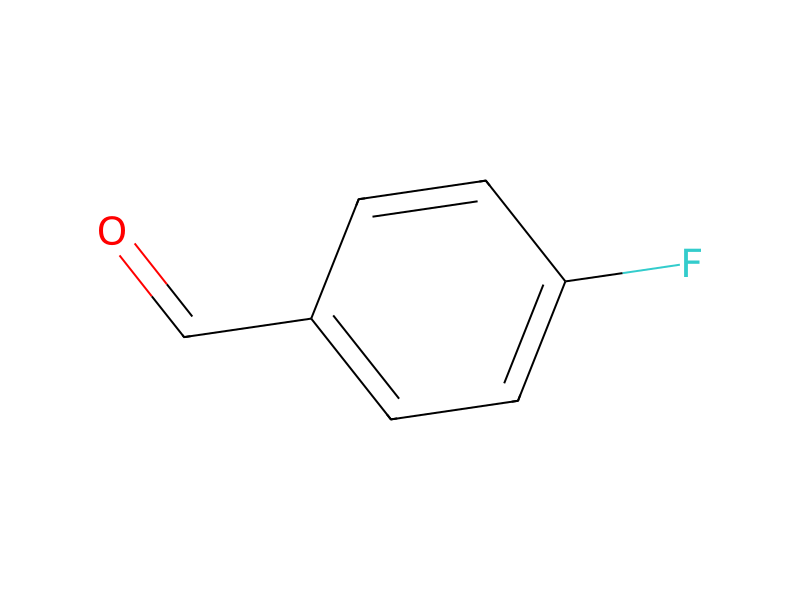
[Cl:1][C:2]1[CH:3]=[C:4]([OH:9])[CH:5]=[C:6]([Cl:8])[CH:7]=1.F[C:11]1[CH:18]=[CH:17][C:14]([CH:15]=[O:16])=[CH:13][CH:12]=1>>[Cl:1][C:2]1[CH:3]=[C:4]([CH:5]=[C:6]([Cl:8])[CH:7]=1)[O:9][C:11]1[CH:18]=[CH:17][C:14]([CH:15]=[O:16])=[CH:13][CH:12]=1Participants


Procedure
Using 3,5-dichlorophenol and 4-fluorobenzaldehyde, reactions were carried out in the same manner as in Reference Example 1 to obtain 4-(3,5-dichlorophenoxy)benzaldehyde. The subsequent reactions were carried out in the same manner as in Reference Example 123, except that sodium borohydride was used in place of lithium aluminum hydride. This gave 4-(3,5-dichlorophenoxy)benzyl alcohol. The alcohol (2.03 g) and carbon tetrabromide (2.75 g) in methylene chloride (30 mL) were stirred at 0° C., and triphenyl phosphine (2.17 g) was added to the solution. The resulting mixture was stirred for 1 hour at 0° C. and then for 30 minutes at room temperature. Subsequently, the solvent was removed by distillation under reduced pressure and the residue was purified by silica gel column chromatography (hexane:ethyl acetate=20:1). In this manner, the desired product (3.12 g) was obtained as a colorless oil.
Sources & evidence
- ORD record
- ord-25c6650416124f1baa5669503806049f
- Source dataset
- uspto-grants-2005_11
- Patent number
- US06963012B2
Reaction notes
Loading…