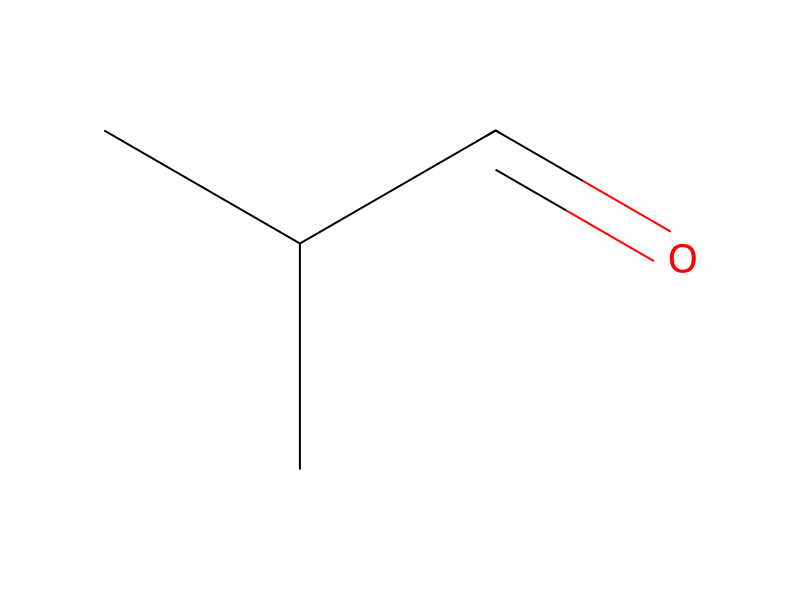
Isobutyraldehyde → 3-(2-Chloro-5-fluoro-phenyl)-5-isopropyl-imidazolidine-2,4-dione
Reaction equation

[CH3:1][CH:2]([CH3:5])[CH:3]=O.[C:6]1(=[O:13])CCCCCC1.[C:14]([O-:17])(=O)C.[NH4+:18].[Cl:19][C:20]1[CH:25]=[CH:24][C:23]([F:26])=[CH:22][C:21]=1[NH2:27]>>[Cl:19][C:20]1[CH:25]=[CH:24][C:23]([F:26])=[CH:22][C:21]=1[N:27]1[C:6](=[O:13])[CH:3]([CH:2]([CH3:5])[CH3:1])[NH:18][C:14]1=[O:17]Participants




Procedure
This compound was synthesized in analogy to example 155 (step A to E). In step A, 2-methyl-propionaldehyde was starting material in place of cycloheptanone and ammonium acetate in place of cyclopropylamino acetate. In step B, 2-chloro-5-fluoro-phenyl amine was used in place of 4-Amino-benzoic acid ethyl ester. The pure 3-(2-chloro-5-fluoro-phenyl)-5-isopropyl-imidazolidine-2,4-dione that resulted from this procedure was then benzylated by stirring of 300 mg (1.11 mmol) of 3-(2-Chloro-5-fluoro-phenyl)-5-isopropyl-imidazolidine-2,4-dione with 141 ml (1.16 mmol) of benzyl bromide and 51 mg (1.16 ml) of sodium hydride (55% in oil) in 5 ml DMF for 3 h at RT. The reaction mixture was then taken up in ethyl acetate and was washed with 1N HCl and water. The crude product was purified by silica gel chromatography with Ethyl acetate/Heptane 1:3 to give 306 mg of pure 1-benzyl-3-(2-chloro-5-fluoro-phenyl)-5-isopropyl-imidazolidine-2,4-dione that was reduced with the same procedure described in step D and E to give pure 3-benzyl-1-(2-chloro-5-fluoro-phenyl)-4-isopropyl-imidazolidin-2-one as a colorless viscous oil MS (ESI): 347.3 (MH+).
Workup
- customThis compound was synthesized in analogy to example 155 (step A to E)
Sources & evidence
- ORD record
- ord-041b97ea2fb646a0a2682e31e9dc45b8
- Source dataset
- uspto-grants-2012_03
- Patent number
- US08129423B2
Reaction notes
Loading…