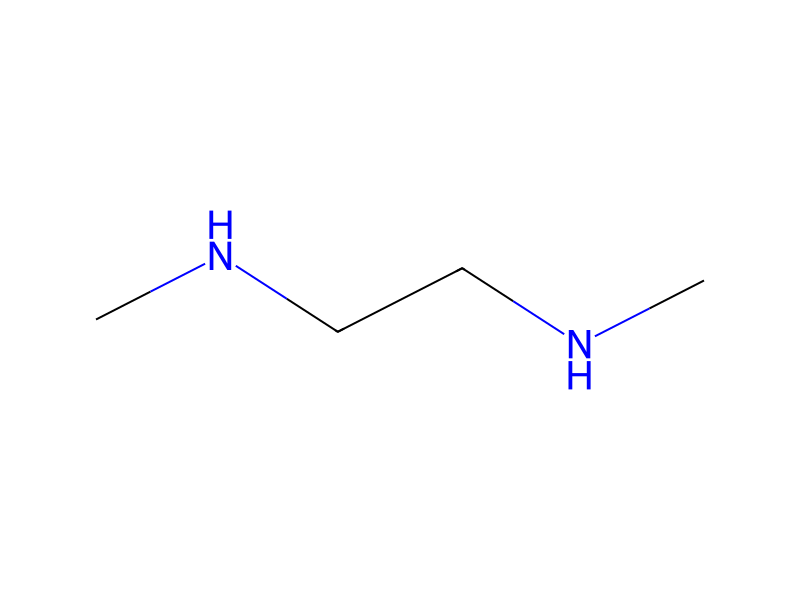
N,N'-Dimethylethylenediamine → 2-Fluoro-4-methylsulfonylphenol
Reaktionsgleichung

[CH3:1][S:2]([OH:4])=[O:3].[Na].Br[C:7]1[CH:12]=[CH:11][C:10]([OH:13])=[C:9]([F:14])[CH:8]=1.CNCCNC>CS(C)=O>[F:14][C:9]1[CH:8]=[C:7]([S:2]([CH3:1])(=[O:4])=[O:3])[CH:12]=[CH:11][C:10]=1[OH:13]Komponenten
Edukt 3


Produkt 1

Reagenzien, Katalysatoren, Lösungsmittel 1

Versuchsvorschrift
A stirred mixture of sodium methane sulfinic acid (51.0 g, 4.009 equivalents), 4-bromo-2-fluorophenol (23.8 g, 1.000 equivalent), copper(I) trifluoromethanesulfonate benzene complex (6.28 g, 0.1001 equivalents), N,N′-dimethylethylenediamine (DMEDA, 2.2 g, 0.2003 equivalents), and dimethylsulfoxide (DMSO, 104 g) was heated under nitrogen at 130°-135° C. for 18 hours. Substantially all of the DMSO solvent was then removed from the reaction mixture by rotary evaporation at 1 torr with a 120° C. oil bath. To the brown oily distillation residue were added ethyl acetate (90 g) and water (100 g). After the resulting mixture had been heated and agitated to facilitate dissolution of the reaction mixture in the two liquid phases, it was filtered through a coarse sintered glass filter funnel containing a Whatman filter paper disc and 30 g of Celite. Addition of concentrated aqueous HCl (20 g) to the filtrate lowered the pH of the aqueous phase to less than 3. The phases were separated, and the aqueous phase was extracted two more times with ethyl acetate (90 g each). The combined organic phases were extracted with three 100-gram-portions of 1 M aqueous NaOH to extract the sodium salt of the phenoxide product into the aqueous phase. The aqueous phases were combined, acidified with cooling and concentrated aqueous HCl (40 g) to a pH less than 3, and then extracted with four 90-gram-portions of ethyl acetate to return the product as the free phenol to the organic phase. The organic phases were combined, dried over magnesium sulfate (15 grams), filtered, and concentrated by rotary evaporation at reduced pressure to provide product (4) (16.6 g, 70% yield) as a clear orange to brown oil, which solidified on standing.
Aufarbeitung
- temperaturewas heated under nitrogen at 130°-135° C. for 18 hours
- customSubstantially all of the DMSO solvent was then removed from the reaction mixture by rotary evaporation at 1 torr with a 120° C. oil bath
- additionTo the brown oily distillation residue were added ethyl acetate (90 g) and water (100 g)
- temperatureAfter the resulting mixture had been heated
- dissolutiondissolution of the reaction mixture in the two liquid phases, it
- filtrationwas filtered through a coarse sintered glass
- filtrationfilter funnel
- additioncontaining a Whatman filter paper disc and 30 g of Celite
- additionAddition of concentrated aqueous HCl (20 g) to the filtrate
- customThe phases were separated
- extractionthe aqueous phase was extracted two more times with ethyl acetate (90 g each)
- extractionThe combined organic phases were extracted with three 100-gram-portions of 1 M aqueous NaOH
- extractionto extract the sodium salt of the phenoxide product into the aqueous phase
- temperaturewith cooling
- extractionconcentrated aqueous HCl (40 g) to a pH less than 3, and then extracted with four 90-gram-portions of ethyl acetate
- dry with materialdried over magnesium sulfate (15 grams)
- filtrationfiltered
- concentrationconcentrated by rotary evaporation at reduced pressure
Quellen und Nachweise
- ORD-Eintrag
- ord-f62fcc2aa11240ca84436c4a79841477
- Quelldatensatz
- uspto-grants-2010_10
- Patentnummer
- US07812159B2
Notizen zur Reaktion
Wird geladen…