Ethyl Acetate → (2-Bromo-5-chloro-4-(4-ethylbenzyl)phenyl)methanol
Reaction equation

[Br:1][C:2]1[CH:11]=[C:10]([C:12](=O)[C:13]2[CH:18]=[CH:17][C:16]([CH2:19][CH3:20])=[CH:15][CH:14]=2)[C:9]([Cl:22])=[CH:8][C:3]=1[C:4](OC)=[O:5].C([SiH](CC)CC)C.FC(F)(F)S(O)(=O)=O.CCOC(C)=O>FC(F)(F)C(O)=O>[Br:1][C:2]1[CH:11]=[C:10]([CH2:12][C:13]2[CH:18]=[CH:17][C:16]([CH2:19][CH3:20])=[CH:15][CH:14]=2)[C:9]([Cl:22])=[CH:8][C:3]=1[CH2:4][OH:5]Participants

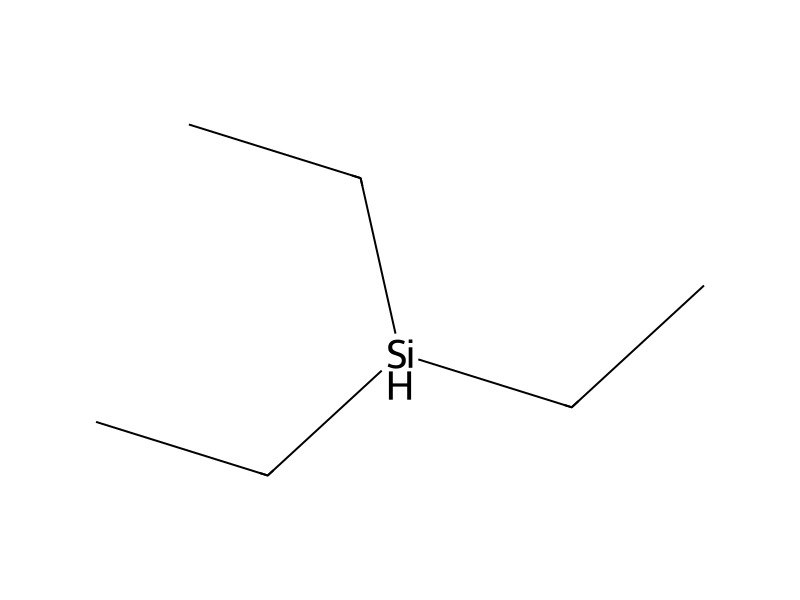
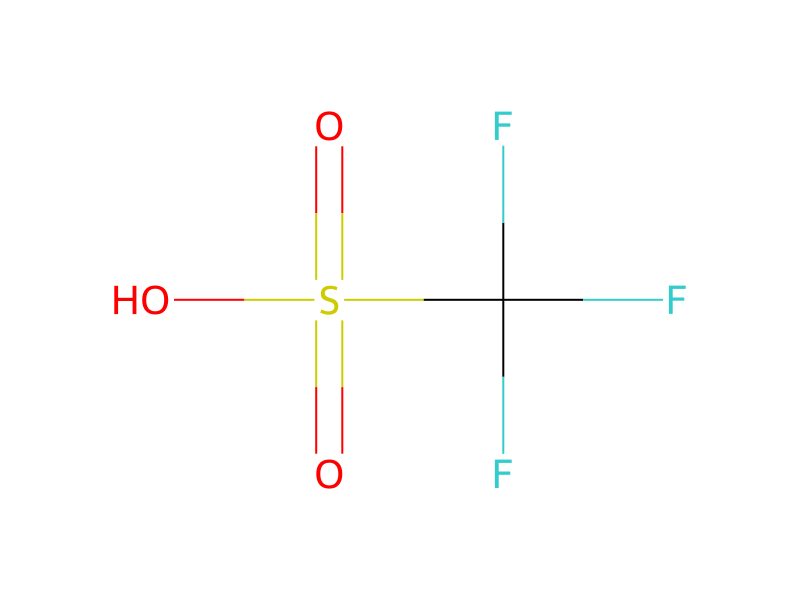


Procedure
To a solution of methyl 2-bromo-5-chloro-4-(4-ethylbenzoyl)benzoate (7.64 g, 20 mmol) in 2,2,2-trifluoroacetic acid (38 mL) was added triethylsilane (5.88 mL, 40 mmol) under argon. After it was stirred for 10 min at room temperature, trifluoromethanesulfonic acid (0.1 mL) was added. The reaction temperature was raised from 26° C. to reflux. After stirring for 2 h, TLC (PE:EtOAc=6:1, Rf=0.7) showed the reaction was complete. The reaction mixture was evaporated and the residue was dissolved in EtOAc (150 mL). The organic layer was washed 2× with H2O, 2× with NaHCO3, and 2× with brine, and then dried over anhydrous Na2SO4 Concentration under reduced pressure provided the title compound as a white solid. Yield: 7.2 g (100%). 1H-NMR (CDCl3, 300 MHz) δ 7.85 (s, 1H), 7.44 (s, 1H), 7.17 (s, 1H), 7.14 (s, 1H), 7.10 (s, 1H), 7.07 (s, 1H), 4.05 (s, 2H), 3.92 (s, 3H), 2.63 (q, J=7.8 Hz, 2H), 1.24 (t, J=7.8 Hz, 3H).
Workup
- temperatureThe reaction temperature was raised from 26° C.
- temperatureto reflux
- stirringAfter stirring for 2 h
- customThe reaction mixture was evaporated
- dissolutionthe residue was dissolved in EtOAc (150 mL)
- washThe organic layer was washed 2× with H2O, 2× with NaHCO3, and 2× with brine
- dry with materialdried over anhydrous Na2SO4 Concentration under reduced pressure
Sources & evidence
- ORD record
- ord-146e5230de2e41f682d188903bae214f
- Source dataset
- uspto-grants-2010_11
- Patent number
- US07838498B2
Reaction notes
Loading…