Iodopentafluoroethane → 1-Bromo-4-pentafluoroethylsulfanylbenzene
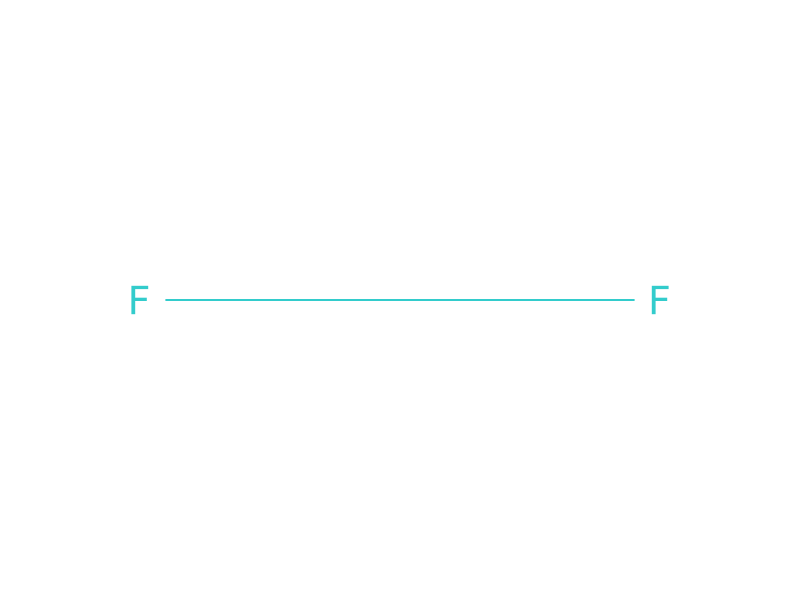
Reaction equation

FF.[Br:3][C:4]1[CH:9]=[CH:8][C:7]([SH:10])=[CH:6][CH:5]=1.[F:11][C:12]([F:18])([F:17])[C:13]([F:16])([F:15])I>[Cl-].C([N+](CC)(CC)CC1C=CC=CC=1)C.CCOCC.[OH-].[Na+]>[Br:3][C:4]1[CH:9]=[CH:8][C:7]([S:10][C:13]([F:16])([F:15])[C:12]([F:18])([F:17])[F:11])=[CH:6][CH:5]=1Participants



Procedure
The title compound was prepared using perfluoroalkylation conditions originally described by Popov et. al. J. Fluorine Chem. 1982, 21, 365. To a solution of 4-bromobenzenethiol (500 mg, 2.64 mmol, 1.00 eq) and triethylbenzyl ammonium chloride (60 mg, 0.26 mmol, 0.10 eq) in 10 mL of 1:1 Et2O/NaOH (25% aq) at 0° C. was bubbled 1,1,1,2,2-pentafluoro-2-iodoethane gas for 30 min (>5eq). During this time a UV lamp was directed at the reaction vessel while the temperature was maintained below 10° C. by intermittent use of an ice bath. The contents were then warmed to room temperature, extracted into Et2O (300 mL), dried (MgSO4), and concentrated under reduced pressure. A portion of this crude material was used in subsequent reactions without further purification (200 mg residue: 120 mg product, 0.39 mmol, 1.2 eq).
Workup
- temperaturewas maintained below 10° C. by intermittent use of an ice bath
- extractionextracted into Et2O (300 mL)
- dry with materialdried (MgSO4)
- concentrationconcentrated under reduced pressure
- customA portion of this crude material was used in subsequent reactions without further purification (200 mg residue: 120 mg product, 0.39 mmol, 1.2 eq)
Sources & evidence
- ORD record
- ord-e4503302c26c400aa6fc120a2998e6ae
- Source dataset
- uspto-grants-2014_03
- Patent number
- US08680269B2
Reaction notes
Loading…