Ammonium formate → 2-[1-(2-fluorobenzyl)-1H-pyrazolo[3,4-b]pyridin-3-yl]-4,5-pyrimidinediamine
Reaction equation

Cl[C:2]1[N:7]=[C:6]([C:8]2[C:16]3[C:11](=[N:12][CH:13]=[CH:14][CH:15]=3)[N:10]([CH2:17][C:18]3[CH:23]=[CH:22][CH:21]=[CH:20][C:19]=3[F:24])[N:9]=2)[N:5]=[C:4]([NH2:25])[C:3]=1[NH2:26].C([O-])=O.[NH4+]>CO.[Pd]>[F:24][C:19]1[CH:20]=[CH:21][CH:22]=[CH:23][C:18]=1[CH2:17][N:10]1[C:11]2=[N:12][CH:13]=[CH:14][CH:15]=[C:16]2[C:8]([C:6]2[N:5]=[C:4]([NH2:25])[C:3]([NH2:26])=[CH:2][N:7]=2)=[N:9]1Participants
5
Reactant 2
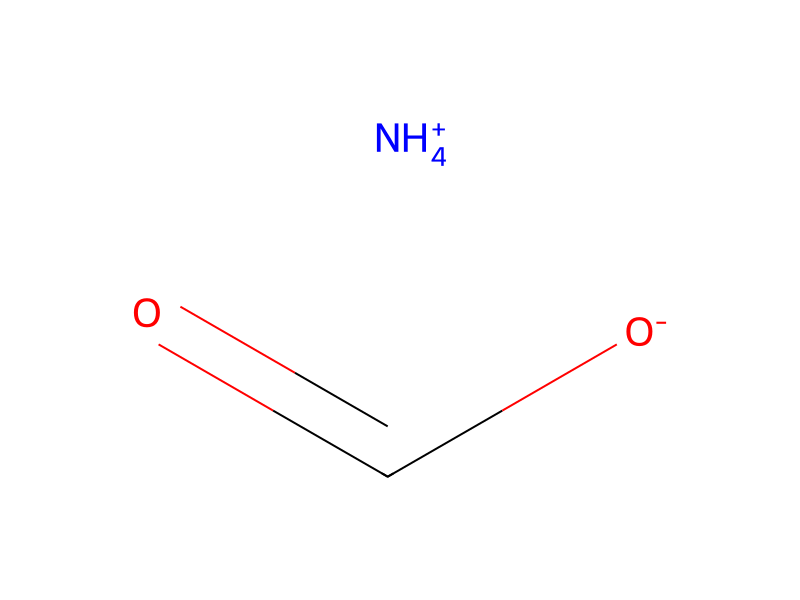

Product 1

Reagents, catalysts & solvents 2


Procedure
6-Chloro-2-[1-(2-fluorobenzyl)-1H-pyrazolo[3,4-b]pyridin-3-yl]-4,5-pyrimidinediamine (74 mg, 0.20 mmol) from example V was dissolved in MeOH (4 ml), and Pd/C (10%, 20 mg) and ammonium formate (126 mg, 2.00 mmol, 10 equivalents) were added. The mixture was heated under reflux for 2 days and then allowed to cool to room temperature before the catalyst was filtered off. Purification took place by preparative HPLC (column: Cromsil 120 ODS, C-18, 10 μm, 250×30 mm, flow rate 50 ml/min, room temperature, gradient: water acetonitrile at 0 min: 90:10, at 28 min 5:95) afforded the desired product.
Workup
- temperatureThe mixture was heated
- temperatureunder reflux for 2 days
- filtrationwas filtered off
- customPurification
- customby preparative HPLC (column: Cromsil 120 ODS, C-18, 10 μm, 250×30 mm, flow rate 50 ml/min, room temperature, gradient: water acetonitrile at 0 min: 90:10, at 28 min 5:95)
Sources & evidence
- ORD record
- ord-0af319e6dfc145cdac50cb1c335ae30f
- Source dataset
- uspto-grants-2006_10
- Patent number
- US07115599B2
Reaction notes
Loading…