4-Hydroxybenzaldehyde → 4-(Benzo[d]oxazol-2-yl)phenol
Reaction equation

[OH:1][C:2]1[CH:9]=[CH:8][C:5]([CH:6]=[O:7])=[CH:4][CH:3]=1.[NH2:10][C:11]1[CH:16]=[CH:15][CH:14]=[CH:13][C:12]=1O>[N+](C1C=CC=CC=1)([O-])=O>[OH:1][C:2]1[CH:9]=[CH:8][C:5]([C:6]2[O:7][C:12]3[CH:13]=[CH:14][CH:15]=[CH:16][C:11]=3[N:10]=2)=[CH:4][CH:3]=1Participants
4
Reactant 2


Product 1

Reagents, catalysts & solvents 1
Procedure
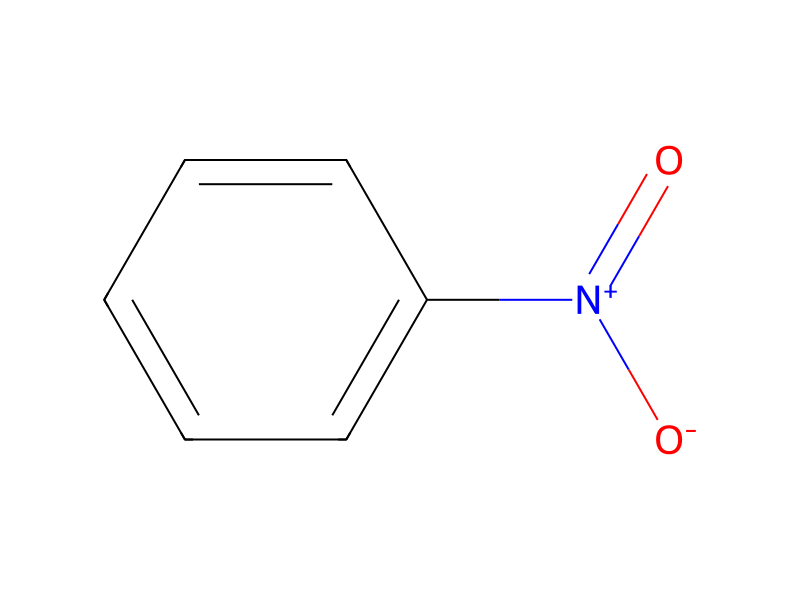
Equal molar quantities of p-hydroxybenzaldehyde and o-aminophenol in excess nitrobenzene was refluxed for five hours. The nitrobenzene was removed and the residue was washed with hot xylene. 2-(4-Hydroxyphenyl)benzoxazole was obtained by crystallization from ethanol in 64% yield (m.p. 253°). A mixture of the sodium salt of 2-(4-hydroxyphenyl)benzoxazole (0.01 mole) and 4-(2-bromoethoxy)-2-hydroxybenzophenone (0.01 mole) in 250 ml of ethanol was refluxed for 20 hours. The reaction mixture was cooled, 200 ml. of water was added and the product, I, was filtered out. Other multichromophoric compounds can be prepared by substitution of other benzoxazoles for 2-(p-hydroxyphenyl)benzoxazole.
Workup
- customThe nitrobenzene was removed
- washthe residue was washed with hot xylene
Sources & evidence
- ORD record
- ord-252f41d66ba84710acbf19950f673a04
- Source dataset
- uspto-grants-1981_03
- Patent number
- US04256626
Reaction notes
Loading…