Methoxymethyl-triphenylphosphonium chloride → HCID 178495106, compound
Reaction equation

[Cl-].[CH3:2][O:3][CH2:4][P+](C1C=CC=CC=1)(C1C=CC=CC=1)C1C=CC=CC=1.[C:24]([C:26]1[CH:31]=[CH:30][C:29]([C@H:32]2[CH2:37][CH2:36][C@H:35]([CH:38]=O)[CH2:34][CH2:33]2)=[CH:28][CH:27]=1)#[N:25]>COC(C)(C)C>[CH3:2][O:3][CH:4]=[CH:38][C@H:35]1[CH2:34][CH2:33][C@H:32]([C:29]2[CH:28]=[CH:27][C:26]([C:24]#[N:25])=[CH:31][CH:30]=2)[CH2:37][CH2:36]1Participants
Reactant 2


Product 1

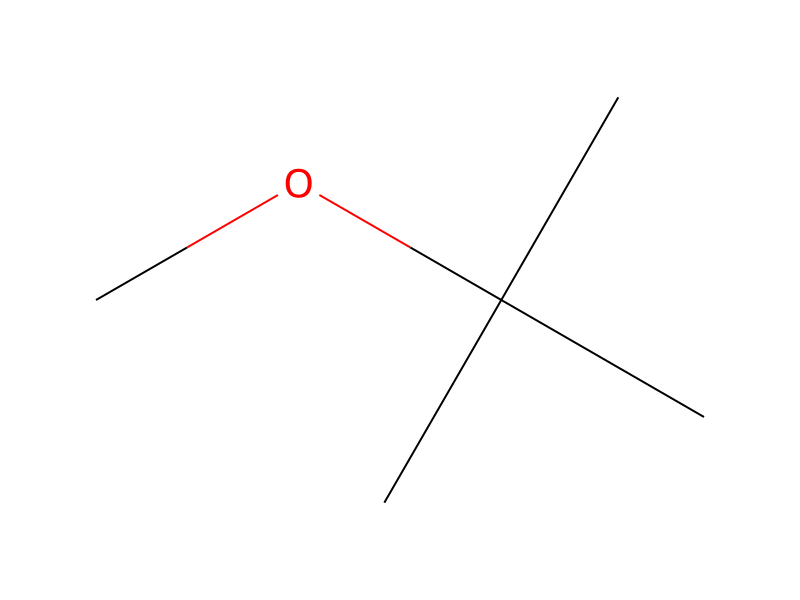
Reagents, catalysts & solvents 1
Conditions
- Temperature
- 0 °C
Procedure
A suspension of 29.0 g of methoxymethyl-triphenylphosphonium-chloride in 200 ml of t-butyl methyl ether was treated with 9.7 g of potassium t-butylate at -10° C. within 3 minutes while gassing with argon in a sulphonation flask provided with a mechanical stirrer. The orange suspension was stirred at about 0° C. for 1 hour, then treated dropwise at -10° C. within 10 minutes with a solution of 12.0 g of trans-4-(p-cyanophenyl)cyclohexanecarboxaldehyde in 90 ml of t-butyl methyl ether and stirred at 0° C. for a further 45 minutes. The mixture was subsequently partitioned three times in diethyl ether/water. The organic extracts were washed twice with water, dried over magnesium sulphate, filtered and evaporated. In order to separate triphenylphosphine oxide, the residue was dissolved in ethyl acetate and the solution was diluted with petroleum ether, filtered and evaporated. Chromatographic separation of the yellowish, crystalline residue (16.3 g) on silica gel with ethyl acetate/petroleum ether (vol. 5:95) gave 10.1 g (74%) of p-[trans-4-(2-methoxyvinyl)cyclohexyl]benzonitrile as white crystals.
Workup
- customwhile gassing with argon in a sulphonation flask
- customprovided with a mechanical stirrer
- stirringstirred at 0° C. for a further 45 minutes
- customThe mixture was subsequently partitioned three times in diethyl ether/water
- washThe organic extracts were washed twice with water
- dry with materialdried over magnesium sulphate
- filtrationfiltered
- customevaporated
- customIn order to separate triphenylphosphine oxide
- dissolutionthe residue was dissolved in ethyl acetate
- additionthe solution was diluted with petroleum ether
- filtrationfiltered
- customevaporated
- customChromatographic separation of the yellowish, crystalline residue (16.3 g) on silica gel with ethyl acetate/petroleum ether (vol. 5:95)
Sources & evidence
- ORD record
- ord-2174a8fc55804fef9cc41abb6bc9bda2
- Source dataset
- uspto-grants-1986_01
- Patent number
- US04565425
Reaction notes
Loading…