Nitrobenzene → 7-bromo-4-fluoro-1H-indole
Reaction equation

[Br:1][C:2]1[CH:7]=[CH:6][C:5]([F:8])=[CH:4][C:3]=1[N+:9]([O-])=O.[CH3:12][C:13](C)=O.C(=O)=O.C([Mg]Br)=C.[N+](C1C=CC=CC=1)([O-])=O.CC#N.C(=O)=O>C1COCC1>[F:8][C:5]1[CH:6]=[CH:7][C:2]([Br:1])=[C:3]2[C:4]=1[CH:12]=[CH:13][NH:9]2Participants





Conditions
- Temperature
- -40 °C
Procedure
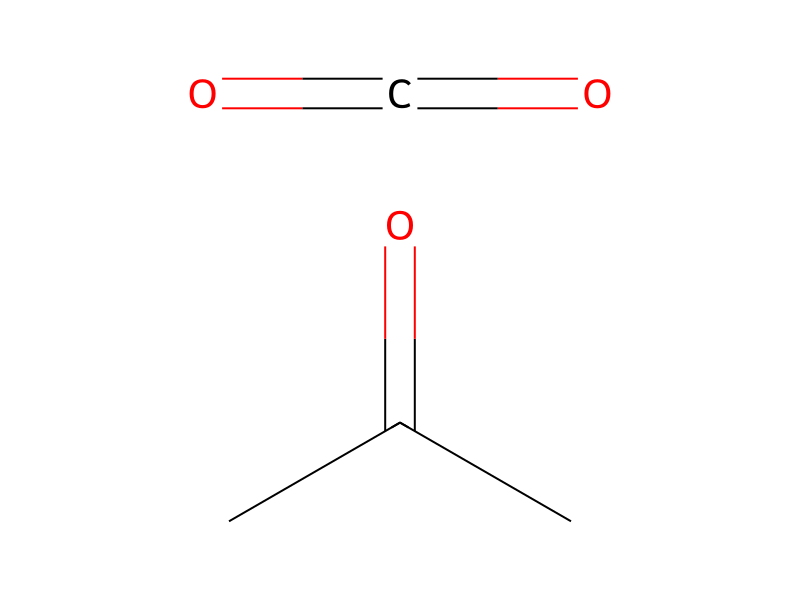
A solution of 2-bromo-5-fluoronitrobenzene (4.4 g, 20 mmol) in dry THF (200 mL) under N2 was cooled to −65° C. (acetone/CO2). A solution of vinylmagnesium bromide (60 mL, 1 M, 60 mmol) in THF was added to the nitrobenzene solution as rapidly as possible maintaining the reaction temperature below −40° C. After addition of the Grignard reagent, the cooling bath was switched to a −40° C. bath (CH3CN/CO2), and the mixture was stirred at −40° C. for 30 min. The reaction mixture was quenched with sat. NH4Cl solution (500 mL) and extracted with ether (2×200 mL), then dried (brine, Na2SO4) and concentrated in vacuo. The resulting material was purified by SiO2 flash column chromatography (5:95) EtOAc/Hexanes to give 4-fluoro-7-bromoindole, as a light brown oil (2.03 g, 9.5 mmol, 54%). 1H NMR (CDCl3) δ 6.72 (m, 2H), 7.24 (m, 2H), 8.4 (br s, 1H). MS m/e 215 (MH+).
Workup
- temperatureas possible maintaining the reaction temperature below −40° C
- customwas switched to a −40° C.
- customThe reaction mixture was quenched with sat. NH4Cl solution (500 mL)
- extractionextracted with ether (2×200 mL)
- dry with materialdried (brine, Na2SO4)
- concentrationconcentrated in vacuo
- customThe resulting material was purified by SiO2 flash column chromatography (5:95) EtOAc/Hexanes
Sources & evidence
- ORD record
- ord-39989d5f4f874f1ca7b3d1231c541b95
- Source dataset
- uspto-grants-2003_06
- Patent number
- US06573262B2
Reaction notes
Loading…