Pivaloyl chloride → 3,4-Bis(pivalyloxy)phenyl tert-butylaminomethyl ketone
Reaction equation

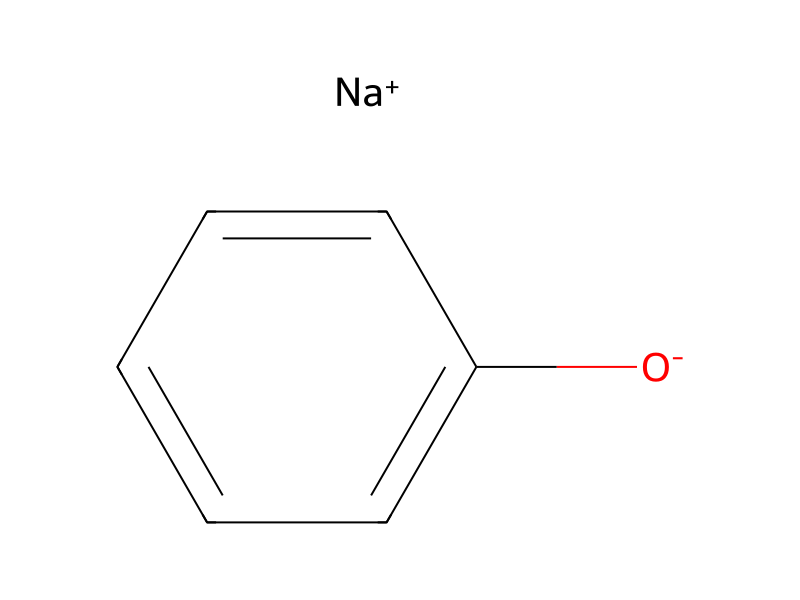
[C:1]([NH:5][CH2:6][C:7]([C:9]1[CH:14]=[CH:13][C:12]([O:15][C:16](=[O:21])[C:17]([CH3:20])([CH3:19])[CH3:18])=[C:11]([OH:22])[CH:10]=1)=[O:8])([CH3:4])([CH3:3])[CH3:2].C[O-].[Na+].C1([O-])C=CC=CC=1.[Na+].[C:34](Cl)(=[O:39])[C:35]([CH3:38])([CH3:37])[CH3:36]>>[C:1]([NH:5][CH2:6][C:7]([C:9]1[CH:14]=[CH:13][C:12]([O:15][C:16](=[O:21])[C:17]([CH3:20])([CH3:19])[CH3:18])=[C:11]([O:22][C:34](=[O:39])[C:35]([CH3:38])([CH3:37])[CH3:36])[CH:10]=1)=[O:8])([CH3:4])([CH3:2])[CH3:3]Participants




Procedure
Following a procedure similar to that described in Example 2A above, when 3-hydroxy-4-(pivalyloxy)phenyl tert-butylaminomethyl ketone is interacted with one equivalent of sodium methoxide and the resulting sodium phenolate salt is reacted with pivalyl chloride there is obtained 3,4-bis(pivalyloxy)phenyl tert-butylaminomethyl ketone, which reacts with hydrochloric acid to yield the hydrochloride salt. When this hydrochloride is catalytically hydrogenated, using the procedure described above in Example 2B, there is obtained 3,4-bis(pivalyloxy)-alpha-(tert-butylaminomethyl)benzyl alcohol hydrochloride. The ketone intermediate and the alcohol product obtained in this manner are identical with the ketone and the alcohol described above in Example 5A and 5B, respectively.
Sources & evidence
- ORD record
- ord-bdebc9d7373b4dbca5c6aca13b415f27
- Source dataset
- uspto-grants-1979_02
- Patent number
- US04138581
Reaction notes
Loading…