Nitrogen → Tert-butyl 4-(azetidin-3-ylcarbonyl)-1,4-diazepane-1-carboxylate
Reaction equation

C(OC([N:11]1[CH2:14][CH:13]([C:15]([N:17]2[CH2:23][CH2:22][CH2:21][N:20]([C:24]([O:26][C:27]([CH3:30])([CH3:29])[CH3:28])=[O:25])[CH2:19][CH2:18]2)=[O:16])[CH2:12]1)=O)C1C=CC=CC=1.N#N>CCO.[Pd]>[NH:11]1[CH2:14][CH:13]([C:15]([N:17]2[CH2:23][CH2:22][CH2:21][N:20]([C:24]([O:26][C:27]([CH3:30])([CH3:29])[CH3:28])=[O:25])[CH2:19][CH2:18]2)=[O:16])[CH2:12]1Participants
5
Reactant 2
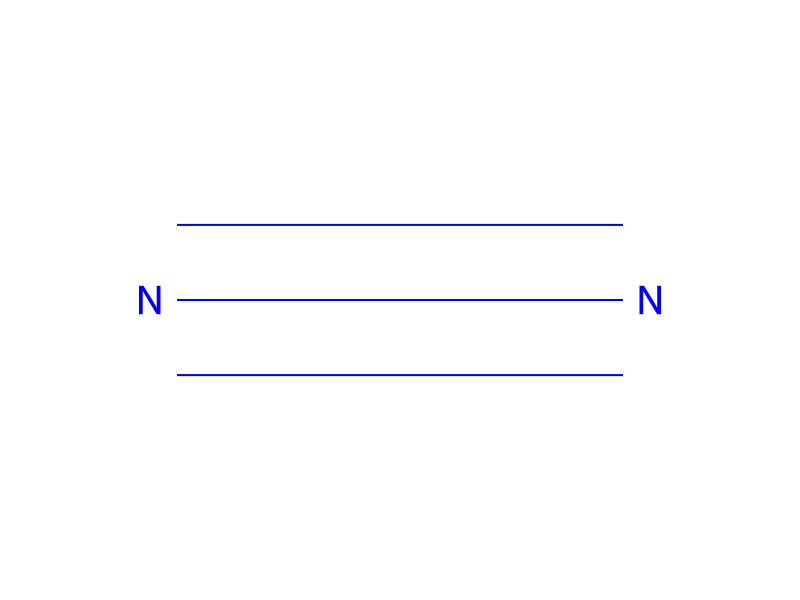

Product 1

Reagents, catalysts & solvents 2


Procedure
A stirred solution of tert-butyl 4-({1-[(benzyloxy)carbonyl]azetidin-3-yl}carbonyl)-1,4-diazepane-1-carboxylate (1.54 g, 3.69 mmol) in EtOH (10 mL) was purged with N2 and charged with 10% Pd/C (154 mg, 10% wt/wt). The flask was purged with N2 (N2/vacuum cycle×3) and then H2 (H2/vacuum cycle×3). After 24 hours the reaction was incomplete by NMR analysis. The mixture was filtered through Celite®, fresh catalyst charged (154 mg, 10% wt/wt) and the hydrogenation resumed and after a further 24 and 48 hours this process was repeated. NMR analysis confirmed consumption of starting material and the reaction was filtered through Celite® and concentrated at reduced pressure to give the title compound (1.02 g, 98%).
Workup
- customThe flask was purged with N2 (N2/vacuum cycle×3)
- filtrationThe mixture was filtered through Celite®, fresh catalyst
- additioncharged (154 mg, 10% wt/wt)
- customafter a further 24 and 48 hours
- customconsumption of starting material
- filtrationthe reaction was filtered through Celite®
- concentrationconcentrated at reduced pressure
Sources & evidence
- ORD record
- ord-b7f451092f0142cb96888b6631d999b3
- Source dataset
- uspto-grants-2014_12
- Patent number
- US08912176B2
Reaction notes
Loading…