Hydrochloric Acid → 2-(2-Fluorobiphenyl-4-yl)-2-hydroxypropanoic acid
Reaction equation

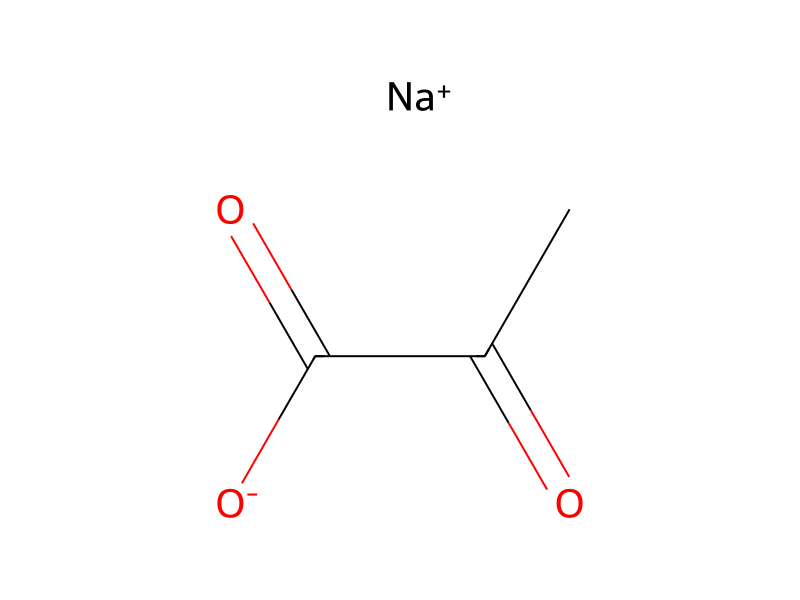
Br[C:2]1[CH:7]=[CH:6][C:5]([C:8]2[CH:13]=[CH:12][CH:11]=[CH:10][CH:9]=2)=[C:4]([F:14])[CH:3]=1.[Mg].[C:16]([O-:21])(=[O:20])[C:17]([CH3:19])=[O:18].[Na+].Cl>O1CCCC1>[F:14][C:4]1[CH:3]=[C:2]([C:17]([OH:18])([CH3:19])[C:16]([OH:21])=[O:20])[CH:7]=[CH:6][C:5]=1[C:8]1[CH:13]=[CH:12][CH:11]=[CH:10][CH:9]=1Participants





Procedure
A solution of 4-bromo-2-fluorobiphenyl (5 g., 0.02 mole) in dry tetrahydrofuran (20 ml.) was added dropwise, with stirring, to magnesium turnings (0.49 g.) in dry tetrahydrofuran (13 ml.). When the addition was complete, the mixture was stirred and boiled under reflux for one hour. A suspension of sodium pyruvate (2.2 g., 0.02 mole) in dry tetrahydrofuran (20 ml.) was added rapidly to the refluxing solution. Frothing occurred and when this had subsided the mixture was boiled under reflux with stirring for a further hour. The mixture was then cooled in an ice-bath and dilute hydrochloric acid (5N; 50 ml.) was added. The mixture was stirred and extracted with ether. The extract was then extracted with aqueous potassium carbonate (1N) and this extract acidified with dilute hydrochloric acid. The precipitate which separated, was collected and dried to give 2-(2-fluoro-4-biphenylyl)-2-hydroxypropionic acid, m.p. 166°-9° C. in 71% yield.
Workup
- additionWhen the addition
- temperatureunder reflux for one hour
- additionwas added rapidly to the refluxing solution
- temperatureunder reflux
- stirringwith stirring for a further hour
- temperatureThe mixture was then cooled in an ice-bath
- stirringThe mixture was stirred
- extractionextracted with ether
- extractionThe extract was then extracted with aqueous potassium carbonate (1N)
- customThe precipitate which separated
- customwas collected
- customdried
Sources & evidence
- ORD record
- ord-2b822564859a4d4a961dab7bbe4b8274
- Source dataset
- uspto-grants-1980_02
- Patent number
- US04188491
Reaction notes
Loading…