4-Methyloxybenzyl chloride → 7-Iodo-2-(4-methoxybenzyl)-2H-pyrazolo[4,3-b]pyridine
Reaction equation

[I:1][C:2]1[CH:7]=[CH:6][N:5]=[C:4]2[CH:8]=[N:9][NH:10][C:3]=12.Cl[CH2:12][C:13]1[CH:18]=[CH:17][C:16]([O:19][CH3:20])=[CH:15][CH:14]=1>CN(C=O)C>[I:1][C:2]1[CH:7]=[CH:6][N:5]=[C:4]2[CH:8]=[N:9][N:10]([CH2:12][C:13]3[CH:18]=[CH:17][C:16]([O:19][CH3:20])=[CH:15][CH:14]=3)[C:3]=12.[I:1][C:2]1[C:3]2[C:4](=[CH:8][N:9]([CH2:12][C:13]3[CH:18]=[CH:17][C:16]([O:19][CH3:20])=[CH:15][CH:14]=3)[N:10]=2)[N:5]=[CH:6][CH:7]=1Participants
5
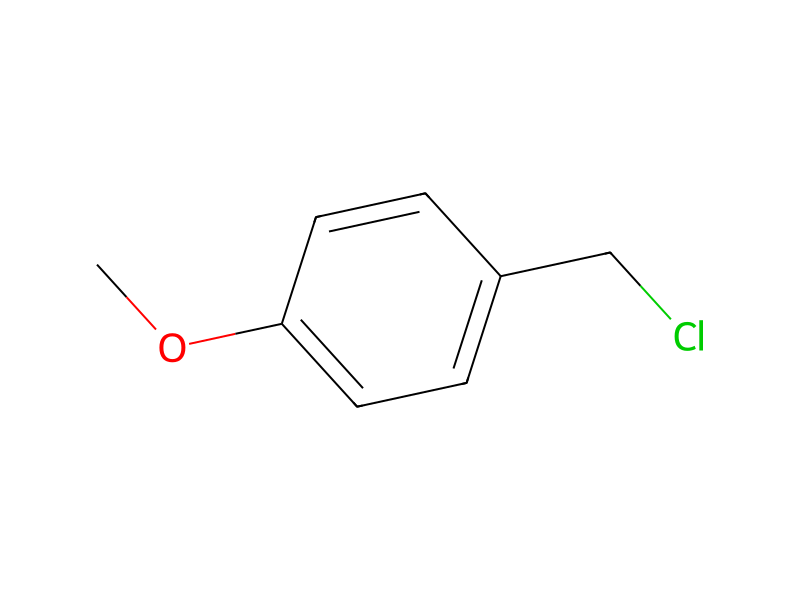



Procedure
To 7-iodo-1H-pyrazolo[4,3-b]pyridine (500 mg, 2.041 mmol) in DMF (10 mL) at 0° C. was added 1-(chloromethyl)-4-methoxybenzene (0.292 mL, 2.143 mmol) and the reaction was allowed to warm to room temperature over 1 hour. The reaction mixture was then quenched with saturated ammonium chloride solution and extracted with ethyl acetate (50 mL×2). The organic layers were dried over sodium sulfate and concentrated to give a residue which was loaded onto silica and purified using a 0-77% gradient of ethyl acetate in hexanes to give 7-iodo-1-(4-methoxybenzyl)-1H-pyrazolo[4,3-b]pyridine and 7-iodo-2-(4-methoxybenzyl)-2H-pyrazolo[4,3-b]pyridine which was used immediately. MS [M+H] found 366.2.
Workup
- customThe reaction mixture was then quenched with saturated ammonium chloride solution
- extractionextracted with ethyl acetate (50 mL×2)
- dry with materialThe organic layers were dried over sodium sulfate
- concentrationconcentrated
- customto give a residue which
- custompurified
Sources & evidence
- ORD record
- ord-bb29535305254b1aa8d75f04d4075474
- Source dataset
- uspto-grants-2015_07
- Patent number
- US09073918B2
Reaction notes
Loading…