Hydrochloric Acid → HCID 10376845, compound
Reaction equation

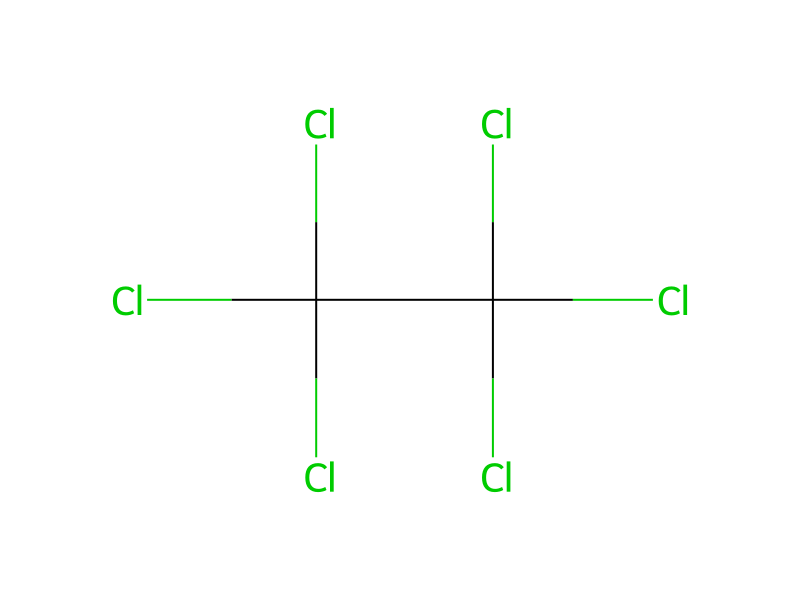
[F:1][C:2]1([F:14])[O:6][C:5]2[CH:7]=[CH:8][CH:9]=[C:10]([C:11]([OH:13])=[O:12])[C:4]=2[O:3]1.C([Li])CCC.[Cl:20]C(Cl)(Cl)C(Cl)(Cl)Cl.Cl>O1CCCC1.CCCCCC>[Cl:20][C:7]1[C:5]2[O:6][C:2]([F:1])([F:14])[O:3][C:4]=2[C:10]([C:11]([OH:13])=[O:12])=[CH:9][CH:8]=1Participants






Procedure
7.5 g (0.038 mol) of 2,2-difluoro-1,3-benzodioxole-4-carboxylic acid, prepared according to the process described in European Application 0,333,658, are dissolved, with stirring and under an argon atmosphere, in 75 ml of dry tetrahydrofuran (THF). ml (0.081 mol) of n-butyllithium in solution in hexane are run in dropwise at -70° C. After stirring for 1 hour, 8.9 g (0.038 mol) of hexachloroethane in solution in 50 ml of dry tetrahydrofuran (THF) are run in. After 2 hours at -70° C., the temperature is allowed to return to 10° C. The reaction mixture is hydrolysed with 150 ml of ice-cold water and brought to a pH of approximately 1 by addition of 1N hydrochloric acid. The aqueous phase is extracted with ether, dried over magnesium sulphate and concentrated under vacuum. The solid is washed with heptane to give 3.7 g (0.016 mol) of 7-chloro-2,2-difluoro-1,3-benzodioxole-4-carboxylic acid (yield: 42%; melting point: 185° C.).
Workup
- dissolutionare dissolved
- customdropwise at -70° C
- waitAfter 2 hours at -70° C.
- customto return to 10° C
- extractionThe aqueous phase is extracted with ether
- dry with materialdried over magnesium sulphate
- concentrationconcentrated under vacuum
- washThe solid is washed with heptane
Sources & evidence
- ORD record
- ord-17233b19b9334af382f9e6a9fb6aa25e
- Source dataset
- uspto-grants-1999_08
- Patent number
- US05945382
Reaction notes
Loading…