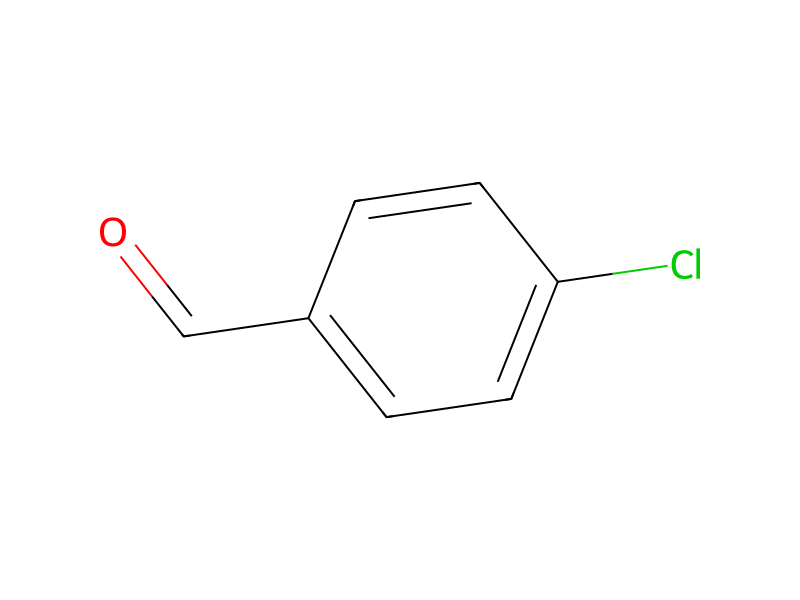
4-Chlorobenzaldehyde → HCID 58610187, compound
Reaction equation

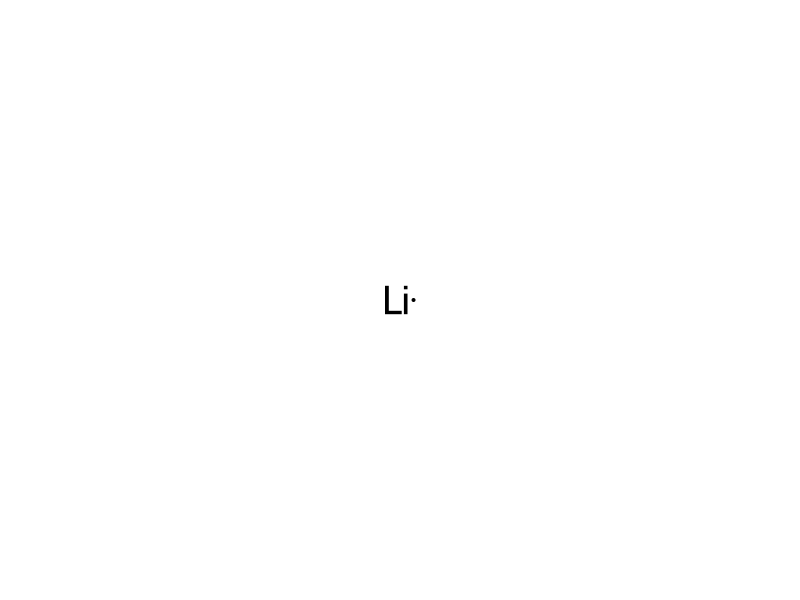
[Li].[CH2:2]([N:9]1[CH2:14][CH2:13][O:12][CH2:11][C:10]1=[O:15])[C:3]1[CH:8]=[CH:7][CH:6]=[CH:5][CH:4]=1.[Cl:16][C:17]1[CH:24]=[CH:23][C:20]([CH:21]=[O:22])=[CH:19][CH:18]=1>CCCCCCC.O1CCCC1>[Cl:16][C:17]1[CH:24]=[CH:23][C:20]([C@H:21]([OH:22])[C@H:11]2[O:12][CH2:13][CH2:14][N:9]([CH2:2][C:3]3[CH:4]=[CH:5][CH:6]=[CH:7][CH:8]=3)[C:10]2=[O:15])=[CH:19][CH:18]=1.[Cl:16][C:17]1[CH:24]=[CH:23][C:20]([C@@H:21]([OH:22])[C@@H:11]2[O:12][CH2:13][CH2:14][N:9]([CH2:2][C:3]3[CH:4]=[CH:5][CH:6]=[CH:7][CH:8]=3)[C:10]2=[O:15])=[CH:19][CH:18]=1Participants




Conditions
- Temperature
- -70 °C
Procedure
A solution of lithium diisopropylanide (2M in heptane, 18.2 ml) was added dropwise over 20 min to a stirred solution of 4-benzyl-morpholin-3-one (5.0 g, 26 mmol) and 4-chlorobenzaldehyde (4.41 g, 31.4 mmol) in dried tetrahydrofuran (60 ml) cooled to −70° C. under nitrogen atmosphere. After 1 h at −70° C., the reaction mixture was quenched with aqueous ammonium chloride (100 ml) and extracted with ethyl acetate (100 ml). The extracts were washed with 2M aqueous hydrochloric acid (100 ml), brine solution (100 ml) and dried over sodium sulphate. After filtration, the solution was evaporated and the residual oil purified by chromatography on silica eluting with ethyl acetate:hexane 70:30 then ethyl acetate to give diastereomer 1 (2R)-2-[(S)-(4-chlorophenyl)(hydroxy)methyl]-4-benzylmorpholin-3-one and (2S)-2-[(R)-(4-chlorophenyl)(hydroxy)methyl]-4-benzylmorpholin-3-one as a solid (2.64 g) followed by diastereomer 2 (2R)-2-[(R)-(4-chlorophenyl)(hydroxy)methyl]4-benzylmorpholin-3-one and (2S)-2-[(S)-(4-chlorophenyl)(hydroxy)methyl]-4-benzylmorpholin-3-one as an oil (1.46 g). Diastereomer 1 was recrystallised from ethyl acetate (25 ml) n-hexane (100 ml) to give white needles (2.47 g, 29%)
Workup
- customthe reaction mixture was quenched with aqueous ammonium chloride (100 ml)
- extractionextracted with ethyl acetate (100 ml)
- washThe extracts were washed with 2M aqueous hydrochloric acid (100 ml), brine solution (100 ml)
- dry with materialdried over sodium sulphate
- filtrationAfter filtration
- customthe solution was evaporated
- customthe residual oil purified by chromatography on silica eluting with ethyl acetate:hexane 70:30
Sources & evidence
- ORD record
- ord-8c433c0981fe47038e9ec5febd3da4fb
- Source dataset
- uspto-grants-2007_11
- Patent number
- US07294623B2
Reaction notes
Loading…