Isopropanol → trans-2-(2-Methylpyrazolo[1,5-a]pyridin-4-yl)cyclopropanecarbaldehyde
Reaction equation

[CH3:1][C:2]1[CH:15]=[C:5]2[C:6]([C@@H:10]3[CH2:12][C@H:11]3[CH2:13][OH:14])=[CH:7][CH:8]=[CH:9][N:4]2[N:3]=1.C[N+]1([O-])CCOCC1.CC(O)C>C(#N)C.C(OCC)(=O)C>[CH3:1][C:2]1[CH:15]=[C:5]2[C:6]([C@@H:10]3[CH2:12][C@H:11]3[CH:13]=[O:14])=[CH:7][CH:8]=[CH:9][N:4]2[N:3]=1Participants
6
Reactant 3

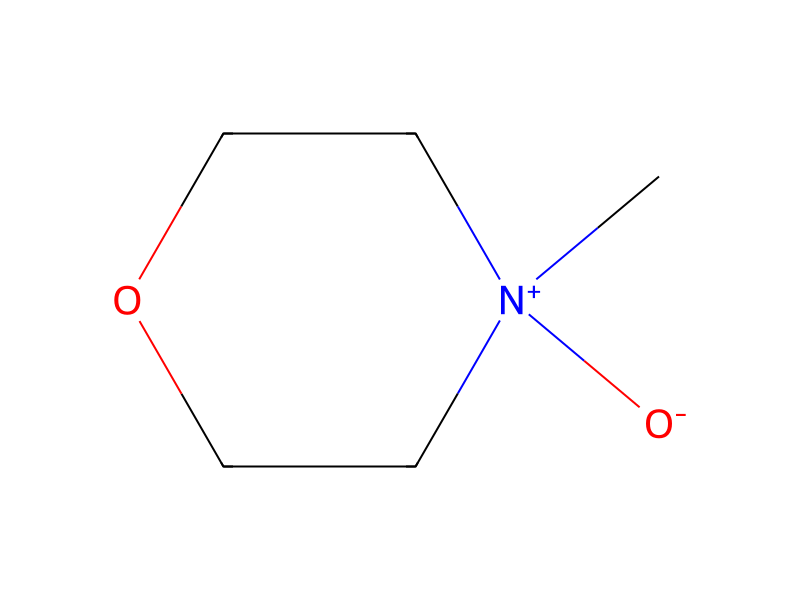

Product 1

Reagents, catalysts & solvents 2


Procedure
Trans-[2-(2-methylpyrazolo[1,5-a]pyridin-4-yl)cyclopropyl]methanol (2000 mg, 9.89 mmol), 4 Å molecular sieves (800 mg), 4-methylmorpholine N-oxide (1.74 g, 14.8 mmol) and tetra-n-propylammonium perruthenate(VII) (174 mg, 0.494 mmol) were dissolved in acetonitrile (100 mL), and the mixture was stirred at room temperature for 2 hr. 2-Propanol was added and the mixture was stirred for 30 min, diluted with ethyl acetate, and washed with water and saturated brine. The organic layer was dried over anhydrous sodium sulfate and the solvent was evaporated under reduced pressure. The residue was purified by silica gel column chromatography (ethyl acetate) to give the title compound (1.62 g, yield 82%).
Workup
- stirringthe mixture was stirred for 30 min
- washwashed with water and saturated brine
- dry with materialThe organic layer was dried over anhydrous sodium sulfate
- customthe solvent was evaporated under reduced pressure
- customThe residue was purified by silica gel column chromatography (ethyl acetate)
Sources & evidence
- ORD record
- ord-b00a67482dc14228a427cada17e7c6b5
- Source dataset
- uspto-grants-2012_02
- Patent number
- US08110585B2
Reaction notes
Loading…