Ibudilast → 2-Isopropylpyrazolo[1,5-a]pyridine
Reaction equation

[CH3:1][CH:2]([C:4]1[C:12]([C:13]([CH:15]([NH2:17])[CH3:16])=[O:14])=[C:11]2[N:6]([CH:7]=[CH:8][CH:9]=[CH:10]2)[N:5]=1)[CH3:3].[CH3:18][CH:19]([C:21]1[C:22]([C:30](C(C)C)=[O:31])=[C:23]2[N:28]([N:29]=1)[CH:27]=[CH:26][CH:25]=[CH:24]2)[CH3:20].C(C1C=C2C=CC=CN2N=1)(C)C.CC(C)C=[O:50]>>[CH3:3][CH:2]([C:4]1[C:12]([C:13]([CH:15]([NH2:17])[CH3:16])=[O:14])=[C:11]2[N:6]([CH:7]=[CH:8][CH:9]=[CH:10]2)[N:5]=1)[CH3:1].[CH:19]([C:21]1[CH:22]=[C:23]2[CH:24]=[CH:25][CH:26]=[CH:27][N:28]2[N:29]=1)([CH3:20])[CH3:18].[CH:19]([C:21]1[C:22]([C:30]([OH:31])=[O:50])=[C:23]2[CH:24]=[CH:25][CH:26]=[CH:27][N:28]2[N:29]=1)([CH3:18])[CH3:20]Participants
Reactant 4

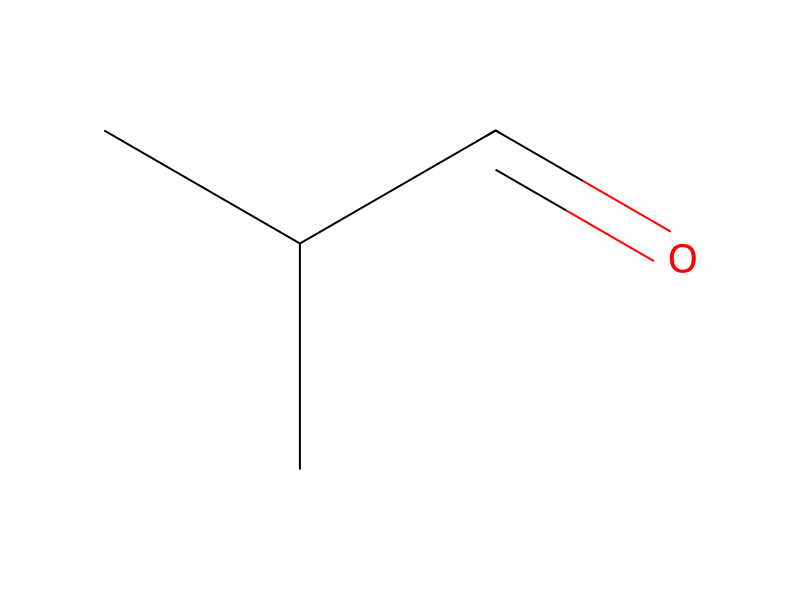


Product 3

Procedure
According to one approach, therefore, the desired S-enantiomer of AV1013 is prepared by chiral resolution of the corresponding racemic mixture. As shown in FIG. 6, and described in the Example 1 below, synthesis of AV1013 involves several steps. The first step involves the synthesis of 2-chloro-nor-methylibudilast using either ibudilast (2-methyl-1-(2-isopropylpyrazolo[1,5-a]pyridin-3-yl)propan-1-one) or the corresponding 3-carboxylic acid (2-isopropyl-pyrazolo[1,5-a]pyridin-3-carboxylic acid, ibudilast acid) as the starting material. Thus, reacting ibudilast with an aqueous solution of a strong inorganic acid, for example, 50% aqueous sulfuric gave isopropylpyrazolo[1,5-a]pyridine (IPPP) following a loss of its 3-ring substituent (2-methyl-propan-1-one). Alternatively IPPP is obtained via the decarboxylation of 2-isopropyl-pyrazolo[1,5-a]pyridin-3-carboxylic acid under acidic conditions. See, Example 1, method 2, step 1.
Sources & evidence
- ORD record
- ord-7ce12f2ff7c744f4aba5a2fd737f4c0f
- Source dataset
- uspto-grants-2012_02
- Patent number
- US08119657B2
Reaction notes
Loading…