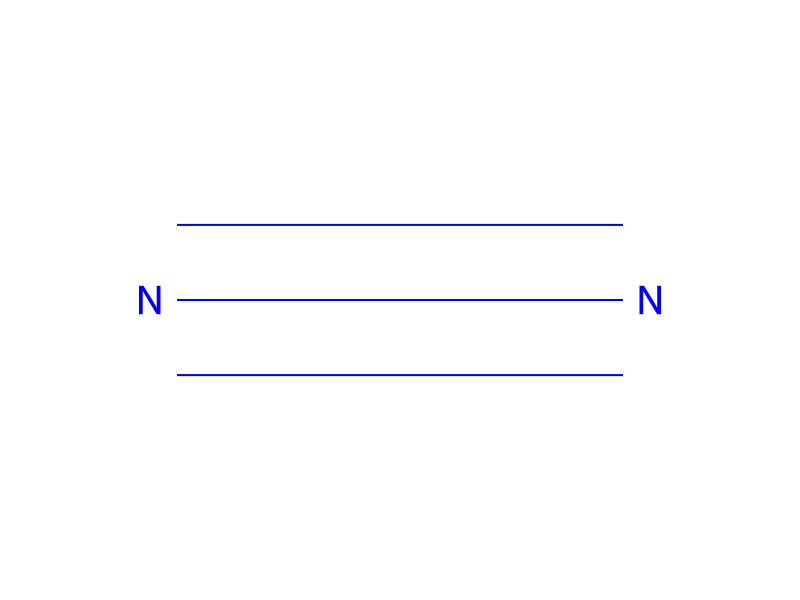
Nitrogen → 2(R)-amino-3-(morpholin-4-sulfonyl)-propionic acid
Reaction equation

C([O:8][C:9](=[O:32])[C@@H:10]([NH:21]C(OCC1C=CC=CC=1)=O)[CH2:11][S:12]([N:15]1[CH2:20][CH2:19][O:18][CH2:17][CH2:16]1)(=[O:14])=[O:13])C1C=CC=CC=1.N#N>[Pd]>[NH2:21][C@@H:10]([CH2:11][S:12]([N:15]1[CH2:16][CH2:17][O:18][CH2:19][CH2:20]1)(=[O:13])=[O:14])[C:9]([OH:32])=[O:8]Participants



Procedure
To a 1/1 mixture of EtOH/EtOAc (50 mL each) was added concentrated HCl (12 M, 0.83 mL) to produce a 0.10 M solution. Solid 2(R)-benzyloxycarbonylamino-3-(morpholin-4-sulfonyl)-propionic acid benzyl ester (0.764 g, 1.65 mmol) was dissolved in this solution with gentle heating via heat gun until a clear colorless solution resulted. The solution was allowed to cool to rt with N2 aspiration, at which time 10% Pd/C (Aldrich, 0.300 g) was added in one portion to form a dark colored suspension. The reaction mixture was then shaken under an atmosphere of H2 (50 psi) in a Parr hydrogenator for 16 h. The suspension was filtered through a pad of celite, which is then washed with several portions of MeOH. The combined organics were concentrated in vacuo to afford 0.593 g (quant) of 2(R)-amino-3-(morpholin-4-sulfonyl)-propionic acid as its HCl salt as a solid orange foam.
Workup
- temperaturewith gentle heating
- temperaturevia heat gun until a clear colorless solution
- customresulted
- additionwas added in one portion
- customto form a dark colored suspension
- filtrationThe suspension was filtered through a pad of celite, which
- washis then washed with several portions of MeOH
- concentrationThe combined organics were concentrated in vacuo
Sources & evidence
- ORD record
- ord-8c096cee073c44a289ee83b6746ede4c
- Source dataset
- uspto-grants-2012_04
- Patent number
- US08163735B2
Reaction notes
Loading…